
Ridge Historical Society
The First Country Club on the Ridge: The Ellerslie Cross Country Club – Part 3
By Carol Flynn
The Ellerslie Cross Country Club was the first country club to open on the Blue Island Ridge. Posts 1 and 2 of this series covered the history of country clubs and the men who started the Ellerslie Club.
Country clubs formed around the sport of golf, which, although it had been around in Scotland since the 1400s, became very popular in England in the mid to late 1800s, and spread to the U.S. by the 1880s.
Large plots of land were needed to play golf, so groups set up “courses” outside the city limits, “out in the country,” hence “country clubs.” The first country club to open in the Chicago area was the very-exclusive Chicago Golf Club in 1893 in Belmont (Downers Grove).
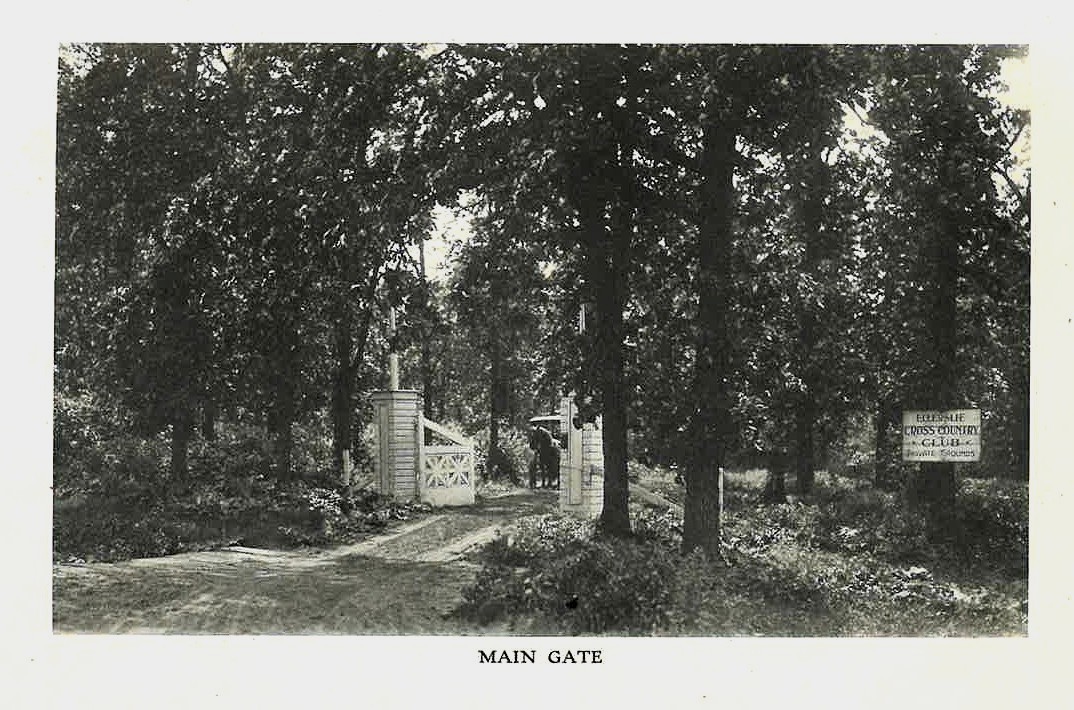
In the summer of 1899, a group of young Irish American businessmen rented about 85 acres of land at the southwest corner of 91st Street and Western Avenue. The land extended south and west from that point. This was, and still is, in Evergreen Park, but the location was often referred to as Beverly Hills.
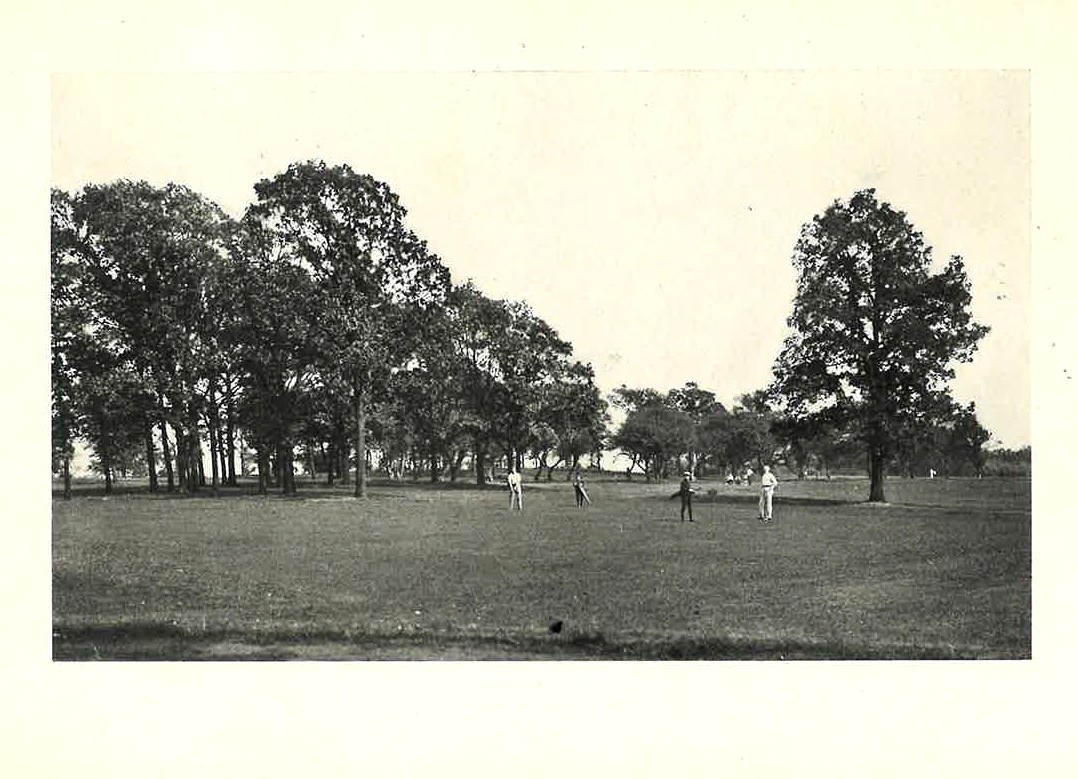
The land was described as about 25 acres of woodland and the rest as meadowland, but there were also considerable wetlands there and the land had to be drained to build the clubhouse and course.
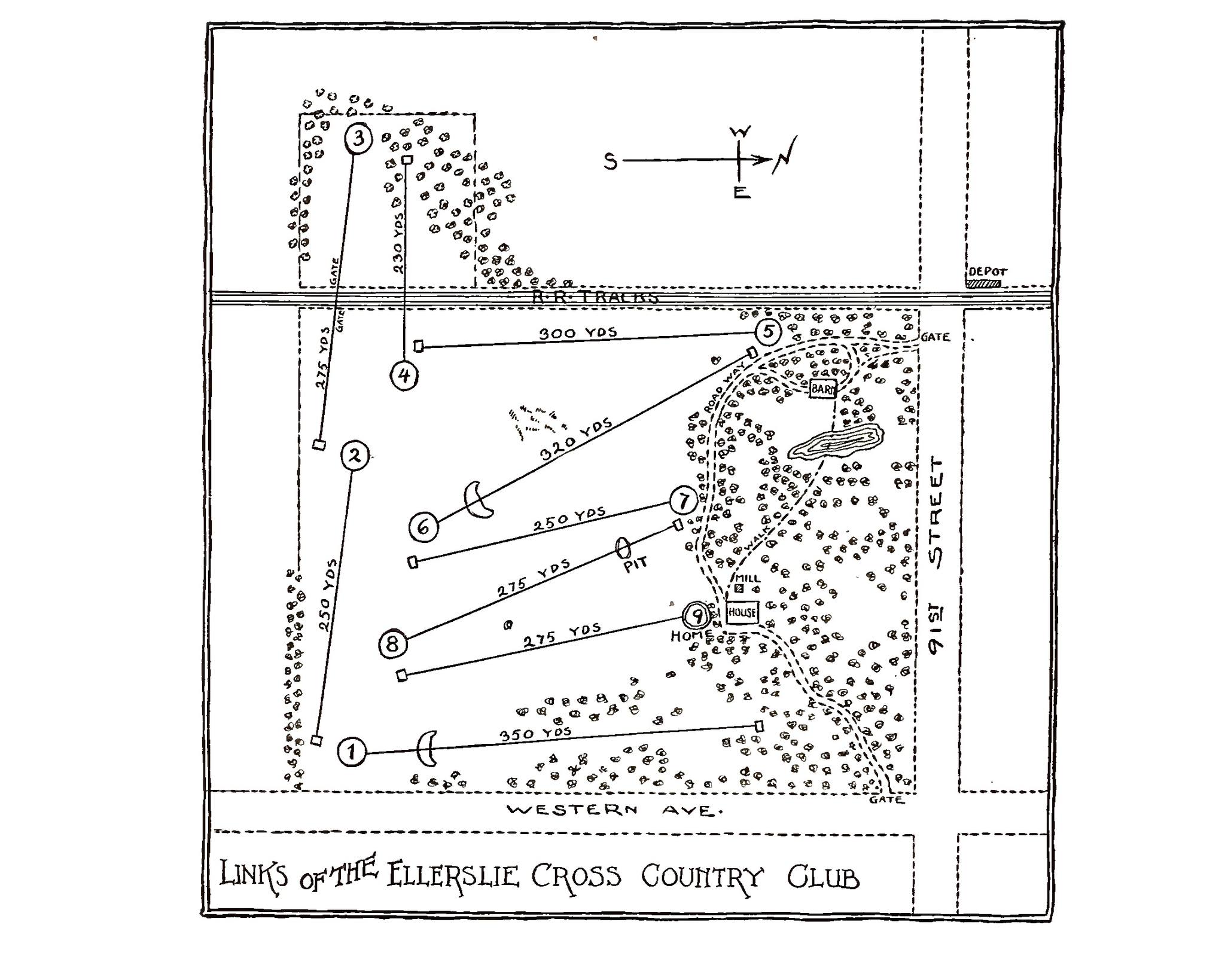
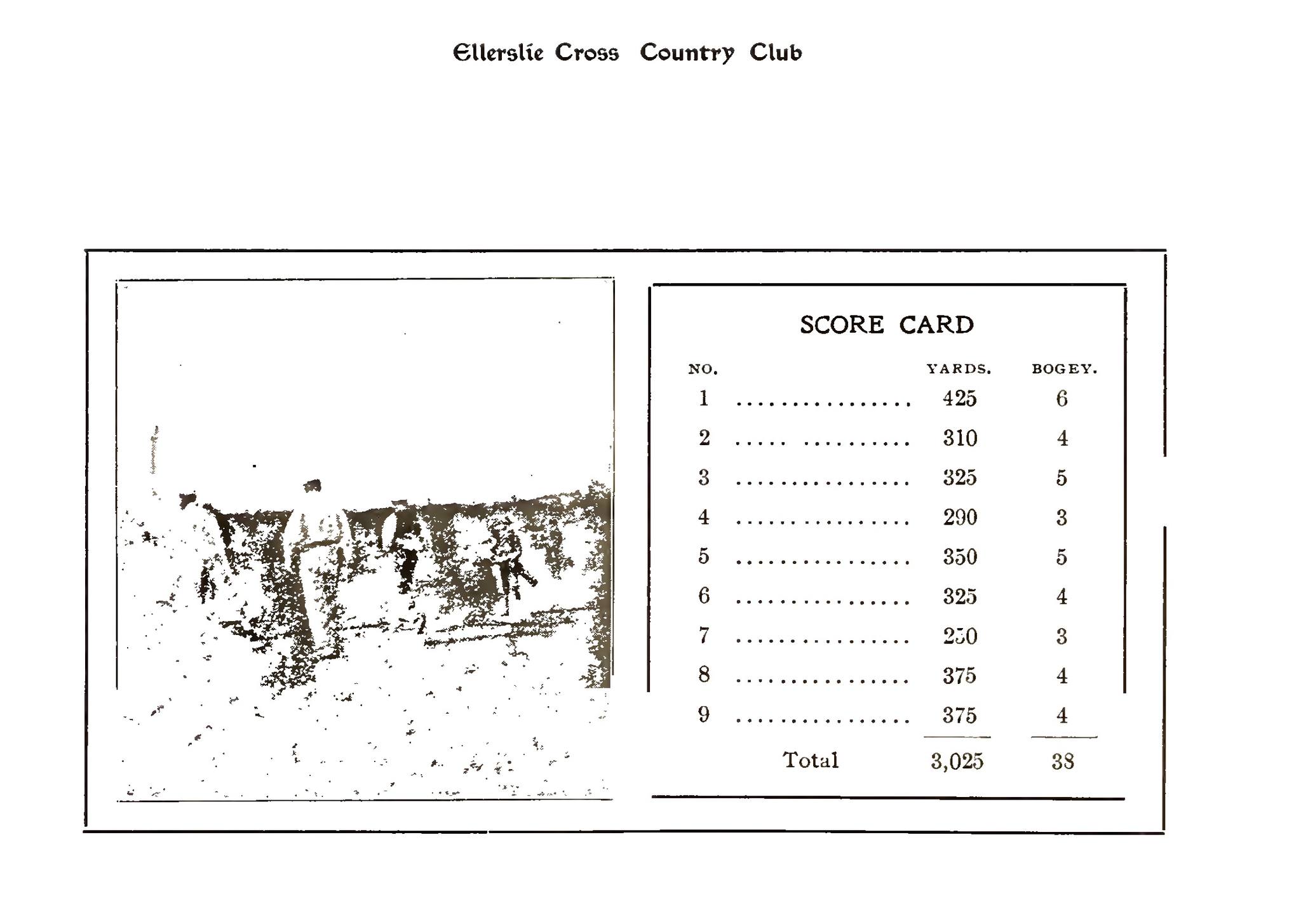
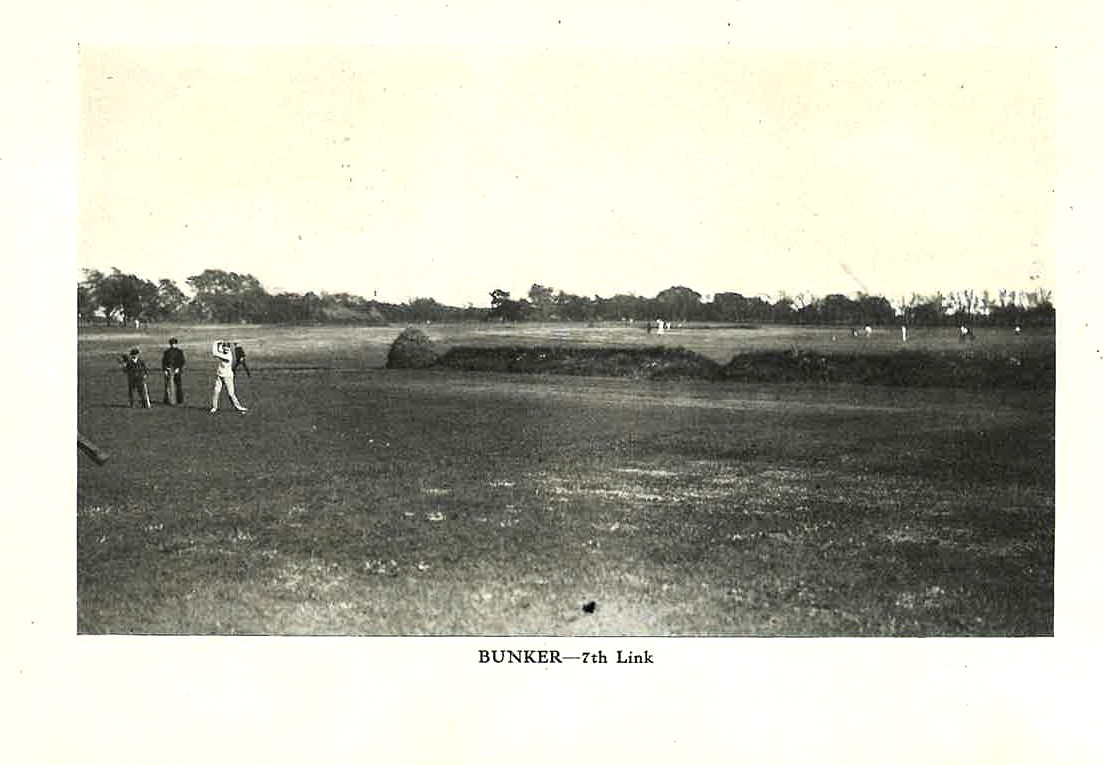
A nine-hole golf course was laid out, described as full of natural hazards including trees and water. Two of the holes were played over railroad tracks. Golf champion James Foulis supervised the layout of the course.
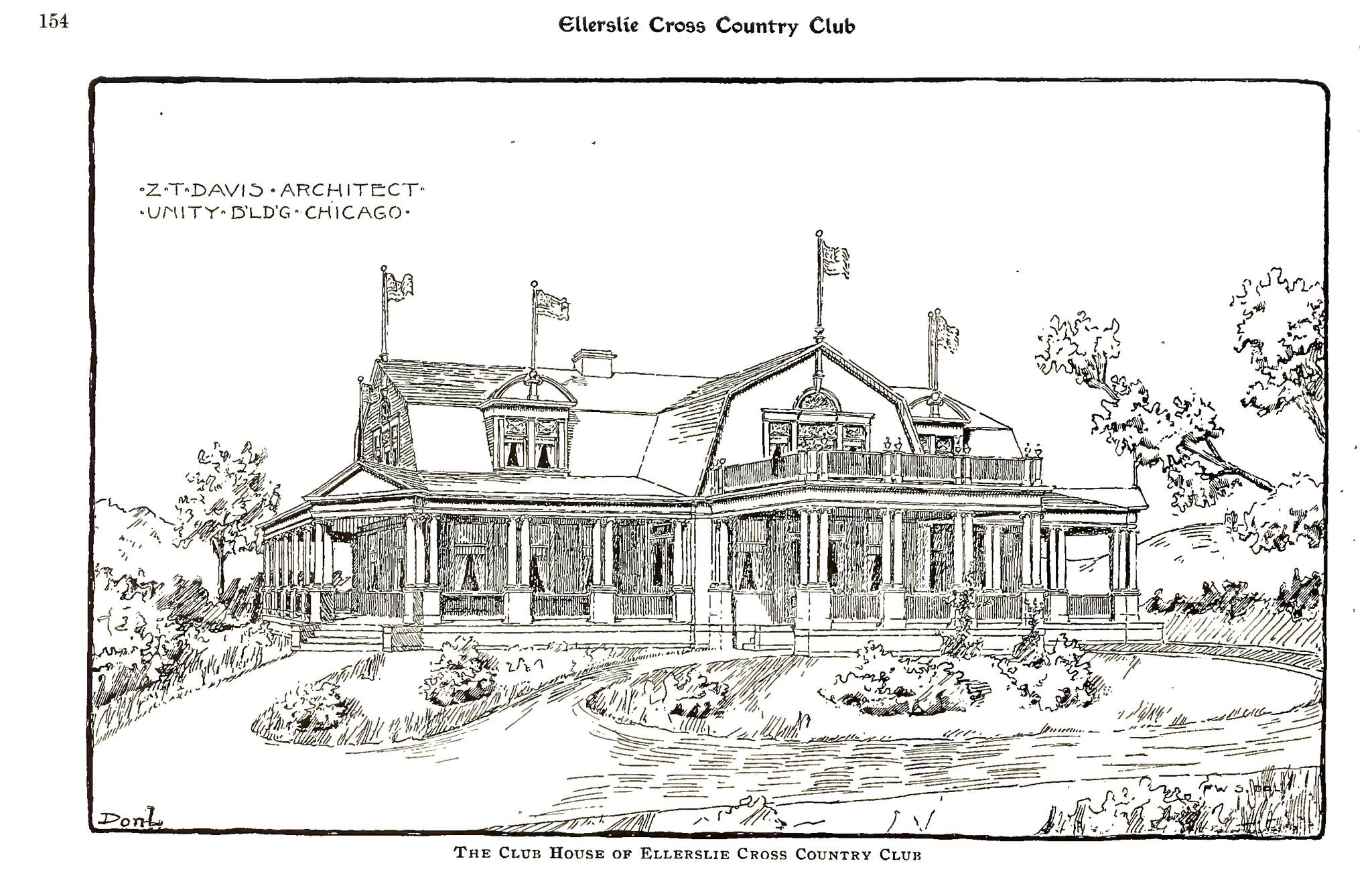
Ellerslie member architect Zachary Taylor Davis designed the clubhouse and the grounds. He was the supervising architect for Armour and Co., and his later projects included Comiskey Park, Wrigley Field, and Mount Carmel High School. He became famous for creating innovative ballparks.
The clubhouse Davis designed for the Ellerslie Club stood “in the center of a shady grove” with “spacious verandas” that provided good views of the course. It was designed and decorated in a “rustic” style with “thorough comfort.” The clubhouse included reception rooms and a billiard room on the first floor, and sleeping rooms on the second floor. A stable was also built on the site.
The name “Ellerslie” was selected because it was the name of an ancient Scottish chieftain, acknowledging the origin of modern golf.
The full name of the club was the Ellerslie Cross Country Club.
Although golf was the impetus to start the club, the real passion and expertise of the founding members of the club were equestrian sports and “coursing” with greyhounds. “Cross country” referred to riding horses across the fields in fox hunts like they did in Ireland and England. More on the coursing and equestrian aspects of the club will be covered in the next posts.
The links officially opened on July 22, 1899. The club was accessible by the Rock Island train line, and the club had a coach that met the trains that came in each day.
The club founders were all avid competitive sportsmen and sportswomen, and although golf was new to them, they caught on to it quickly. The country clubs were built as people were just learning how to play the game. On the day the Ellerslie Club opened, introducing golf to the Ridge, it was packed with people holding a putter for the first time.
Golf was considered an allowable sport for women, as were croquet, tennis, and badminton. The sisters and wives of the young men who founded the club were active participants in the sports, cross country riding as well as golf, and social events there; in fact, they were the "influencers" behind the concept of the club. As was mentioned in the last post, there were several instances of young men and young women from the club marrying each other.
The first “professional” at the club was Bert Coffey, “a graduate from the caddy ranks of Washington Park,” and he was considered “very capable” according to the city newspapers. His role included greenskeeper and instructor.
There are several publications still available from that time period that offer details about the club.
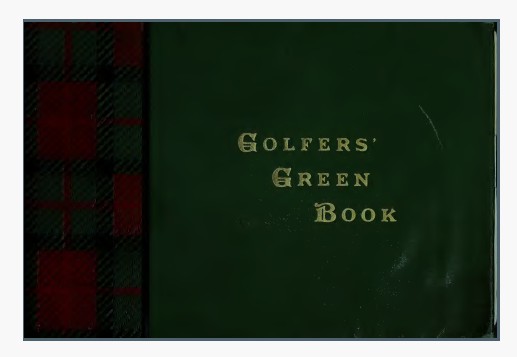
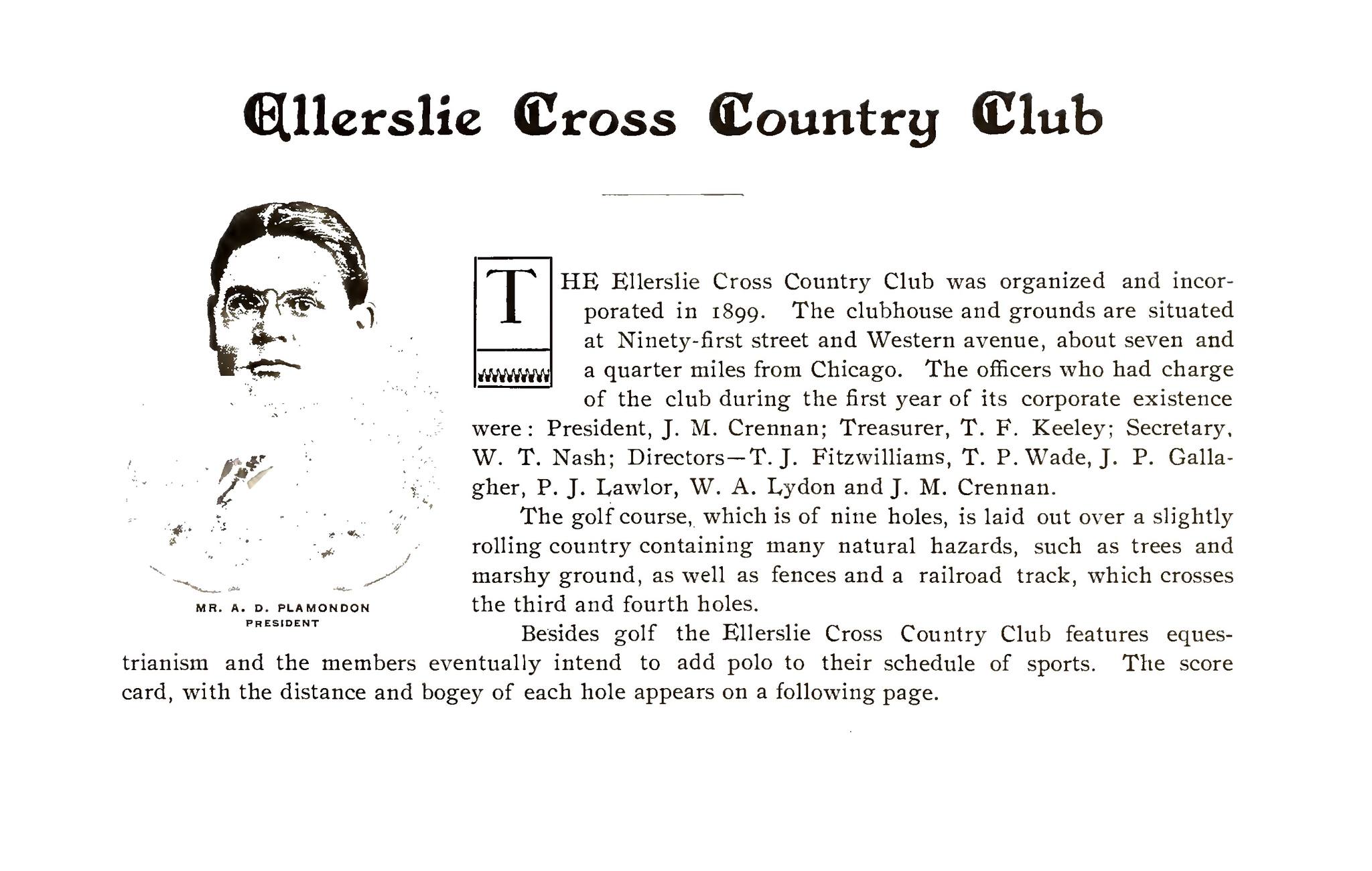
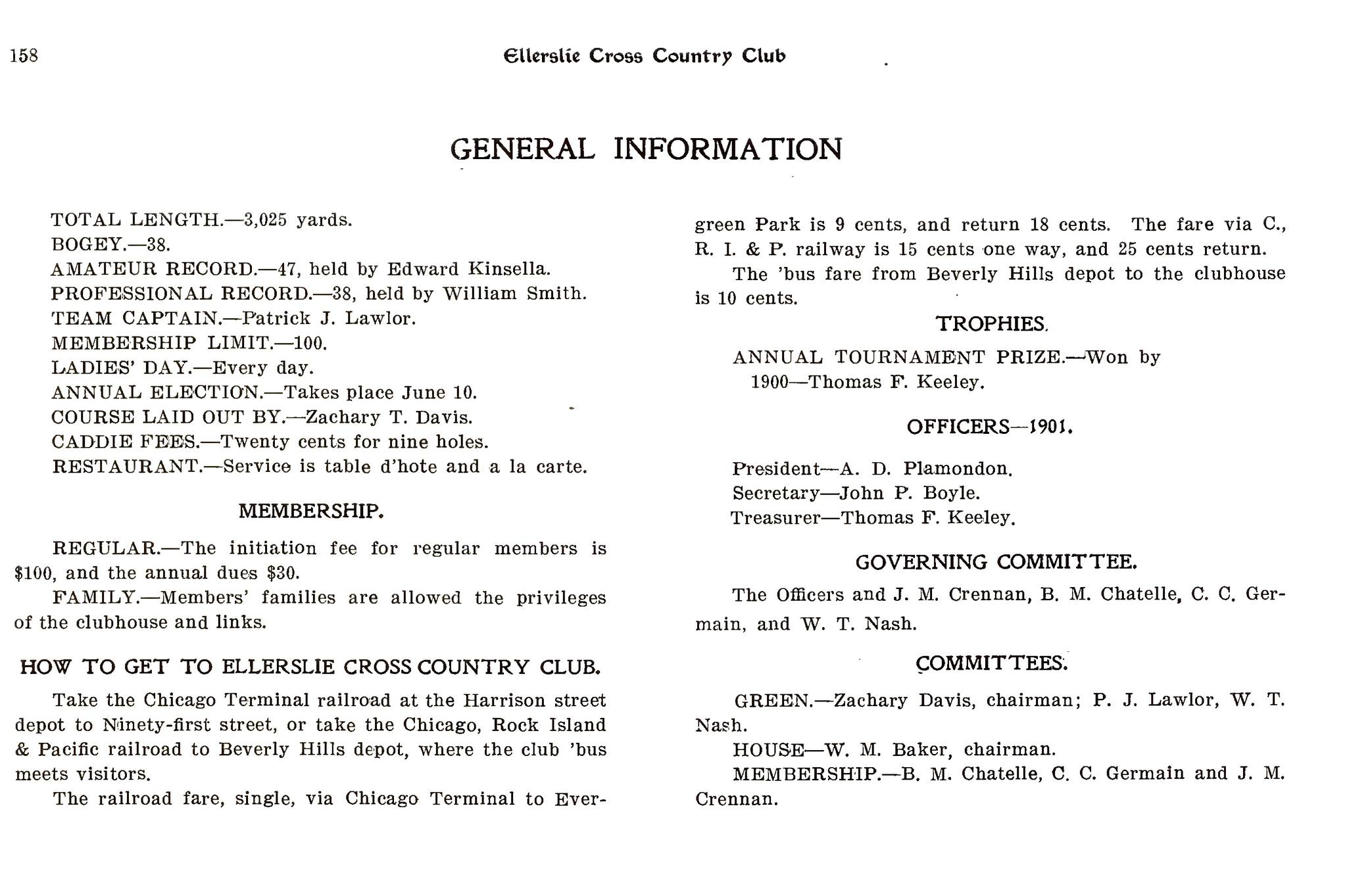
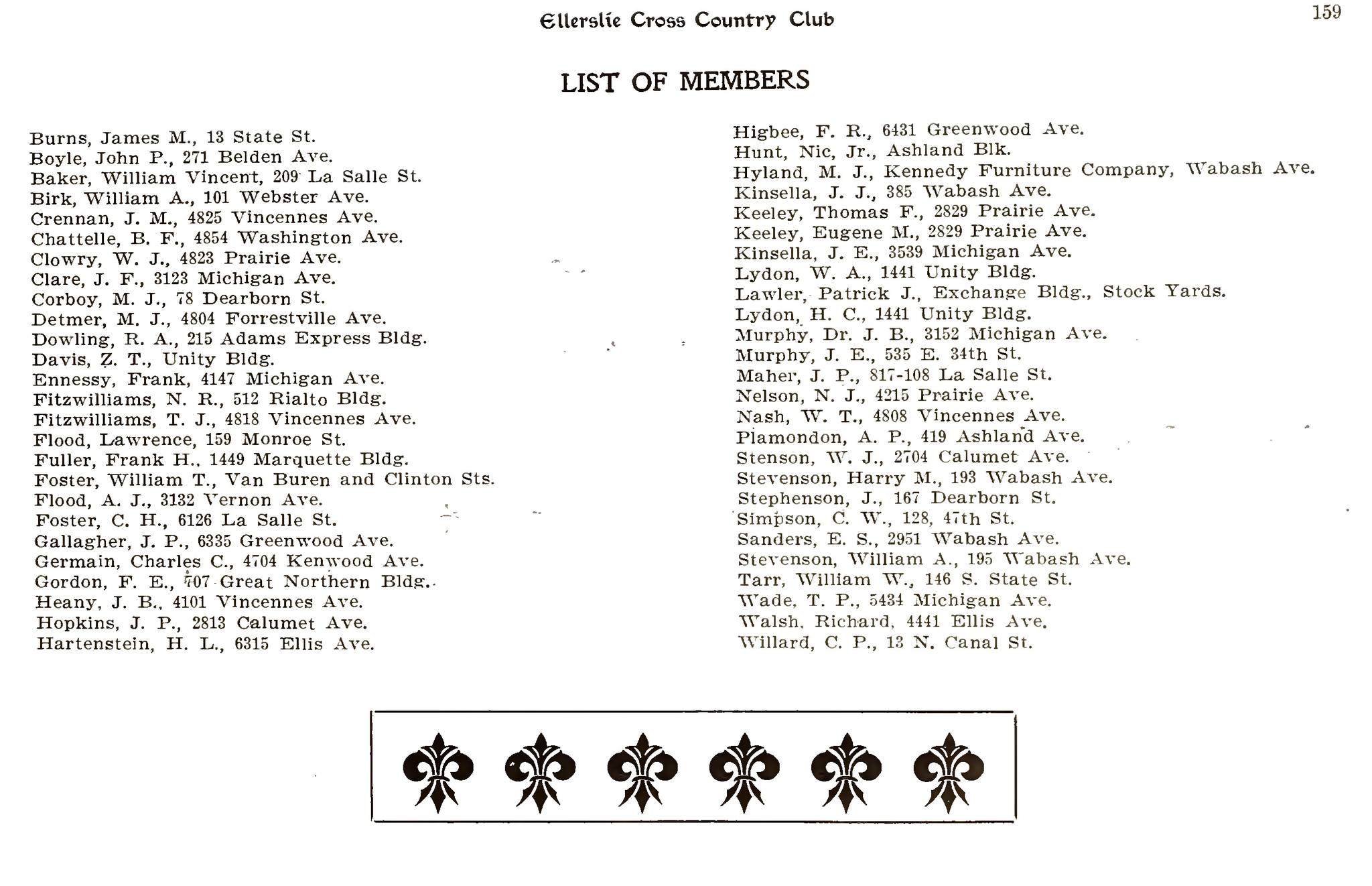
First, the “Golfers’ Green Book” of 1901, published by the National Golf Bureau, lists the Ellerslie Club along with thirty other Chicago-area clubs. The six-page spread on the Ellerslie Club is attached here, including an image of the club house and diagram of the course.
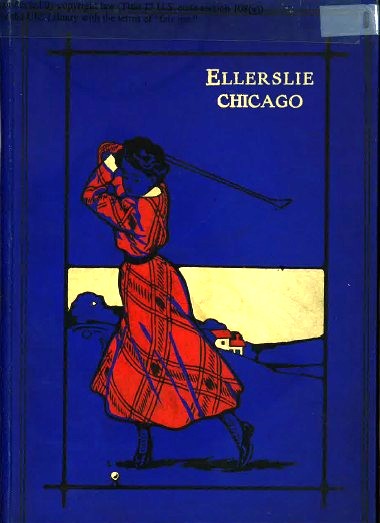
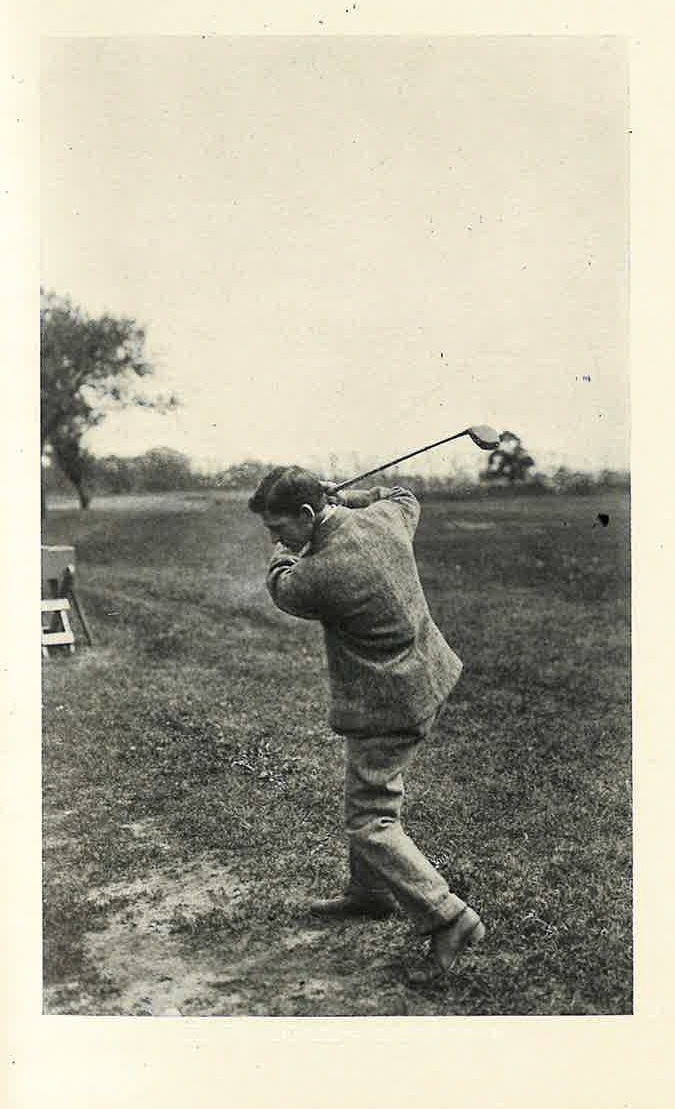
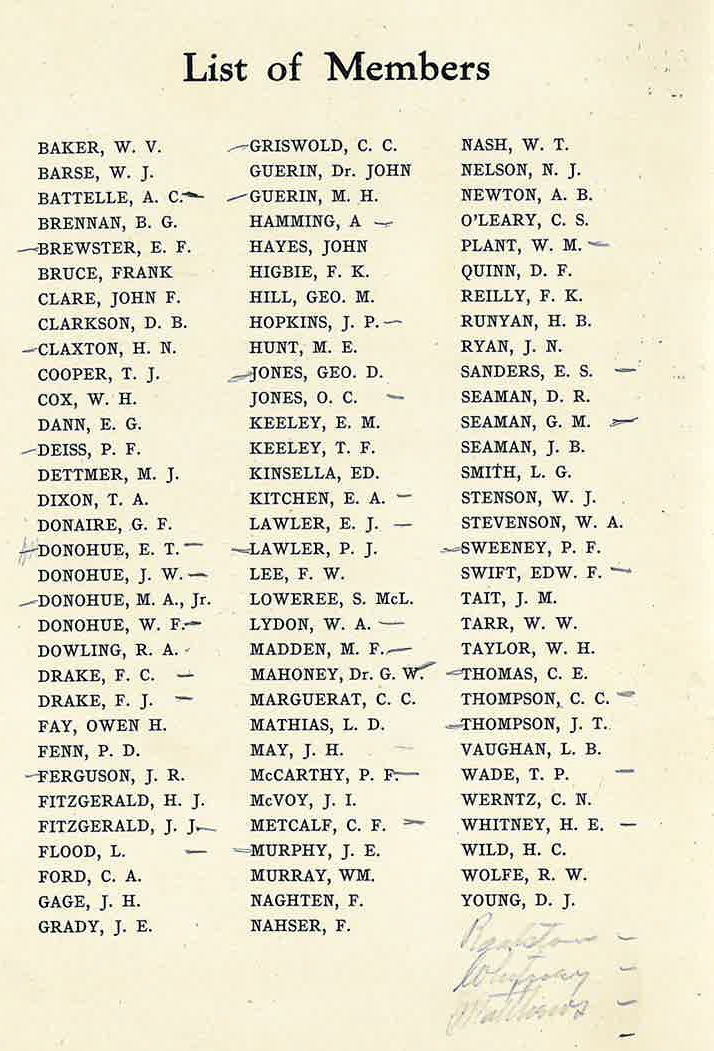
In 1905, the Ellerslie Club printed a little book that described “some special features” of the club. Some photos from that book are included with this post.
The book reported that William “Willie” Hoare was the golf professional on staff; he was there to assist and give instructions. He was a known, successful competitor in contests throughout the U.S.
Food service, from snacks to full meals, was available at any hour. A piano, near the ballroom door, always had the sheet music of the latest popular songs.
Besides golf, there were tennis, hammocks, and swings, and activities for children on the lawn. Members could bring guests at any time.
While golf was a summertime sport, the Ellerslie Club planned to offer year-round activities.
In their first autumn, following the close of the golf links for the year, they held a country fair with displays of livestock and farm equipment, competitions like sack races and catching a greased pig, entertainment from “a one-legged fiddler,” and dinner and dancing into the evening. They offered five dollars in gold to any couple willing to be married in front of the crowd, but it was not reported if anyone took up that offer.
This event was followed by their first coursing event, featuring greyhounds owned by some of the members. The coursing part of the Ellerslie Club will be explored in the next post.