
The Ridge Historical Society
Houses Designed by Harry Hale Waterman and the People Who Called Them Home: Part 2 – Ida May Vierling Waterman
Carol Flynn
This is a companion series to the current exhibit at the Ridge Historical Society (RHS): “Harry Hale Waterman, Architect: Unique in Any Style.”
Waterman was just 23 years old when he started to design buildings in Beverly and Morgan Park in 1892. This was around the time he left the architecture firm of Silsbee and Kent, where he worked alongside Frank Lloyd Wright, and started his own practice. It was also the time of exciting architecture projects for the 1893 World’s fair, the Columbian Exposition, in Chicago.
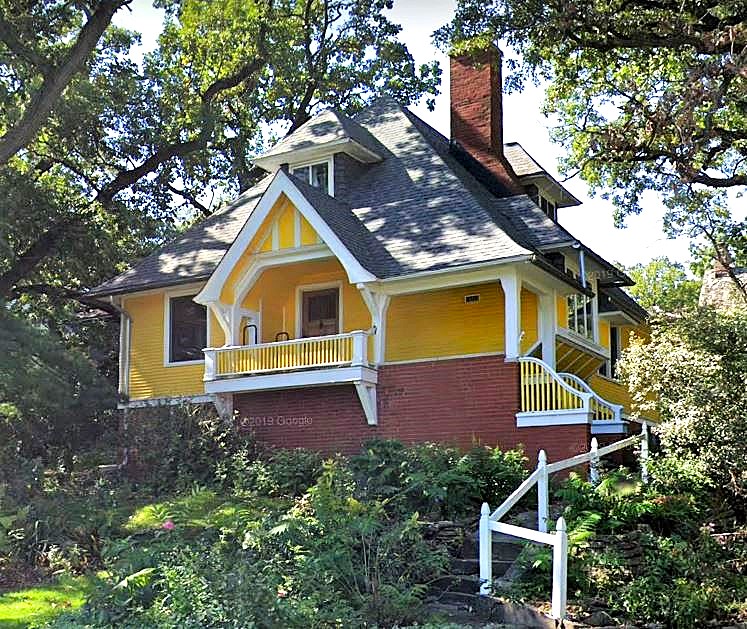
One of the first houses Waterman designed was a house for himself and his bride at 10838 S. Longwood Drive, built in 1892. The Harry Hale Waterman House, also known as the Honeymoon Cottage, is a favorite local landmark.
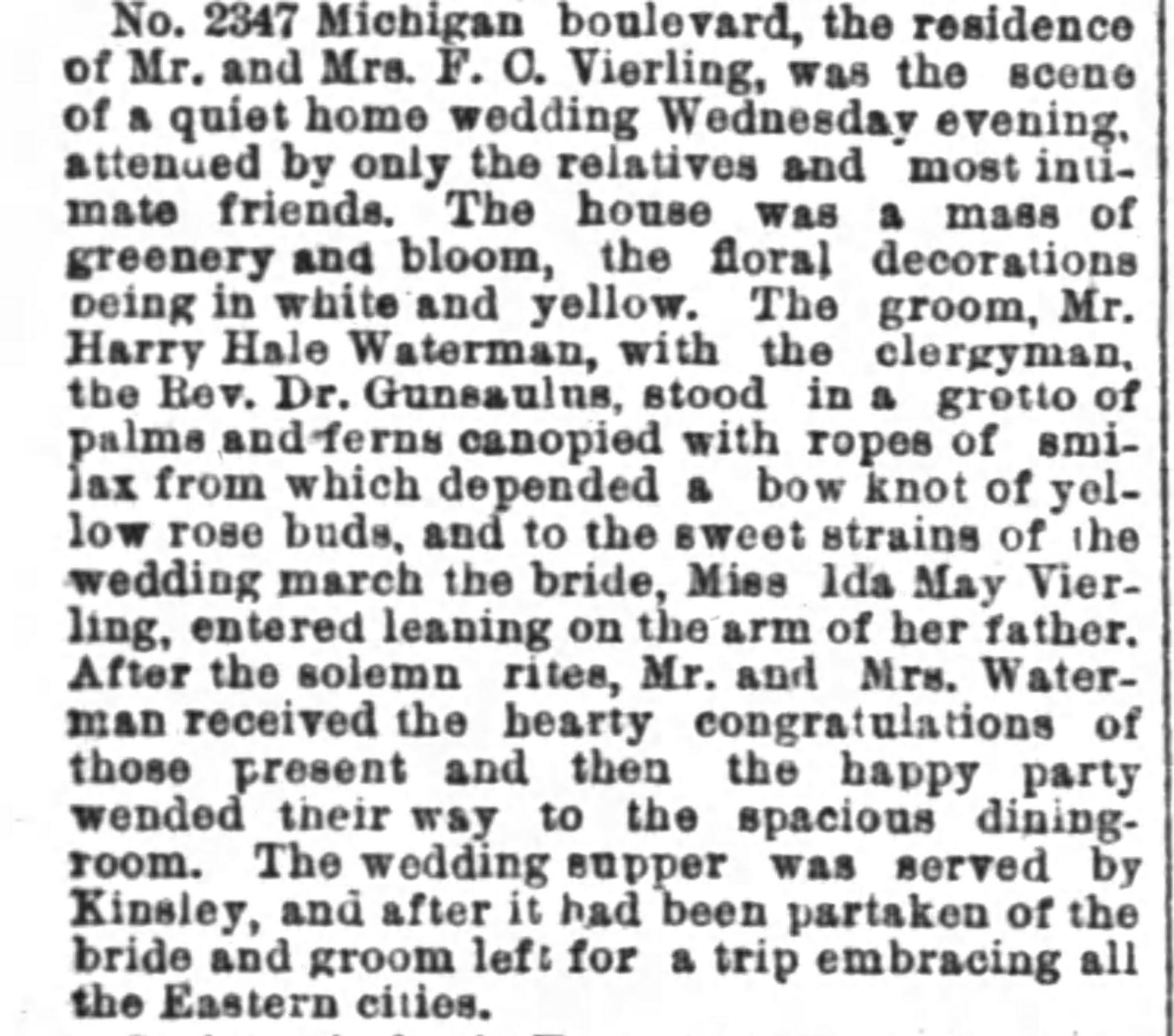
Waterman and Ida May Vierling married on October 27, 1891.
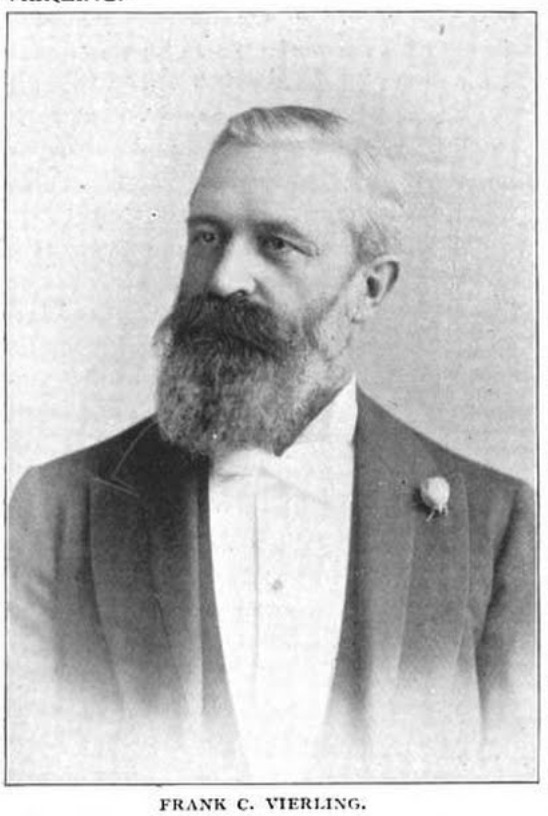
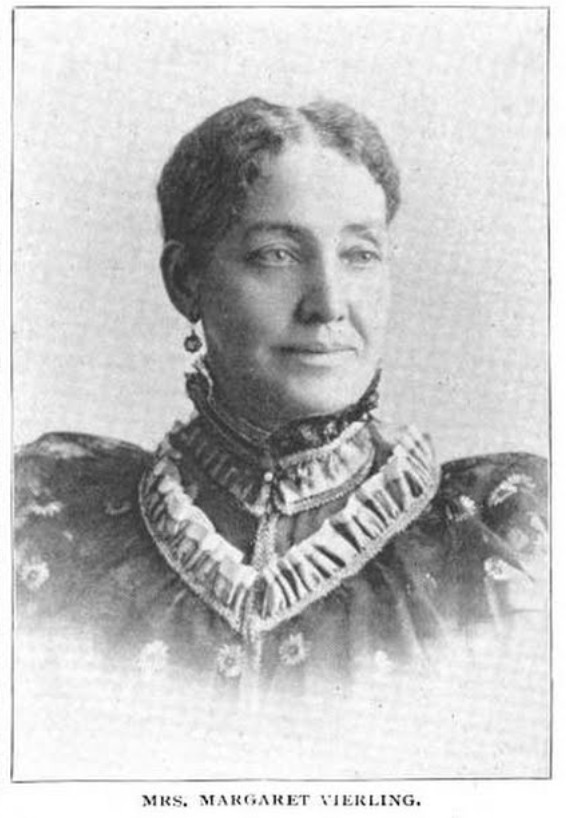
Ida was born in 1872. Her father was Frank Charles Vierling, and her mother was Margaret Chadwick Williams.
Frank Vierling was born in 1850 in Ohio. His parents came from France, and the family came to Chicago when Frank was five years old. On the 1860 U.S. Census, his father is listed as a cook and his mother as a washwoman, and a bio of Frank said the family worked at the Tremont House Hotel – including Frank as a cook at the age of 11.
During the U.S. Civil War, Frank served as a drummer boy for the 23rd Illinois infantry and enlisted as a soldier in 1865 at the age of 14. He was reported as the youngest soldier from Illinois. He only served three months, as the war ended that April, and he mustered out as a corporal.
Frank, his three brothers and his sister, were educated in the Chicago public schools. After the war, he attended business school, and in 1870, he began a career in real estate.
Frank and Margaret Chadwick Williams married in 1871 in Chicago. Margaret was born in England in 1845 and came to the U.S. in 1851. She had a daughter from a first marriage to Phillip Williams, Mary (Mamie), born in 1864 in Pennsylvania. Not much has been found on Margaret’s life before she married Frank. Frank took on the role of providing for his step-daughter Mary, who used the name Mary Vierling.
Frank and Margaret had two children of their own, Ida, and son Arthur Garfield Vierling, born in 1880.
Frank became very well-known in Chicago, recognized for his success in his real estate business dealings, his commitment to U. S. veterans’ organizations, and his involvement in city politics.
Frank was an active member of the Grand Army of the Republic (GAR) and other organizations and championed causes like retirement homes for veterans. His wife Margaret was active in the women’s auxiliaries of the organizations.
In 1889, Frank successfully ran for alderman and served in that role for several years. He was even encouraged to run for Mayor.
Frank’s brothers became very prominent in the iron and steel works manufacturing industry.
The Vierling family is a good example of how families became part of “high society” in developing Chicago. It wasn’t just family background or inherited wealth that made a family prominent, although those factors certainly didn’t hurt. Many people moved “west” to Chicago to seek out new opportunities, and hard work, business acumen, and recognizing and taking advantage of situations and opportunities led to advancements for those with the ambition and stamina to persevere.
Besides their business, veterans, and political activities, Frank’s and Margaret’s names were in the paper for events like the French Club of Chicago meeting at “the house of Mrs. Frank C. Vierling at 2347 S. Michigan Avenue,” and Frank travelling to Nebraska to go antelope hunting and returning “well supplied with prairie chickens and ducks.”
In 1886, their oldest daughter Mary was married at their house to Jesse Thomas Blake. Mary and Jesse eventually lived on the Ridge in a house Waterman designed for them at 2023 West 108th Place, and Jesse worked as an accountant at the Morgan Park Post Office, another building designed by Waterman. More on this will be in a later post.
Frequent litigation in court over business and personal matters went on in Chicago at that time. It appears that this basically was considered “business as usual.” Frank was a party in multiple lawsuits covered in the newspapers.
Frank was “on very bad terms” with at least one of his brothers, according to the Inter Ocean newspaper, which led him to sue his brothers for fraud and attempting to cheat him out of his share of a business he helped them finance. The judge found in Frank’s favor.
As an alderman, Frank was involved in decisions and dealings related to the planning of the 1893 World’s Fair, including choosing the location, and meeting with foreign businessmen from the iron and steel industry who were interested in participating in the fair. His membership in a Masonic organization led to him being appointed to an Entertainment Committee for the Fair to welcome Masonic visitors from around the world. [In his later years, as an ex-alderman, Frank was accused of embezzling funds from an estate he managed and stood trial. The jury found him not guilty.]
This was young Ida May Vierling’s world when she met Harry Hale Waterman.
Ida was a socialite, and her appearances at dances and parties were mentioned in the society pages of the newspapers. Her first year of “coming out” was 1888 when she turned 16. She attended the Leap Year party of the Indiana Club, accompanying her parents, uncles, and aunt. They were regulars there for the monthly dances throughout the year.
For Decoration Day (Memorial Day) that year, Ida and her father participated in the program for the Washington Camp of the Patriotic Order Sons of America.
That year she graduated from Moseley School, the public school at 24th Street and Michigan Avenue, where she won a Daily News Medal. These medals, paid for by the newspaper, were awarded to select students for essays on American patriotism. She also won a certificate of merit from her Plymouth Congregational Sunday School.
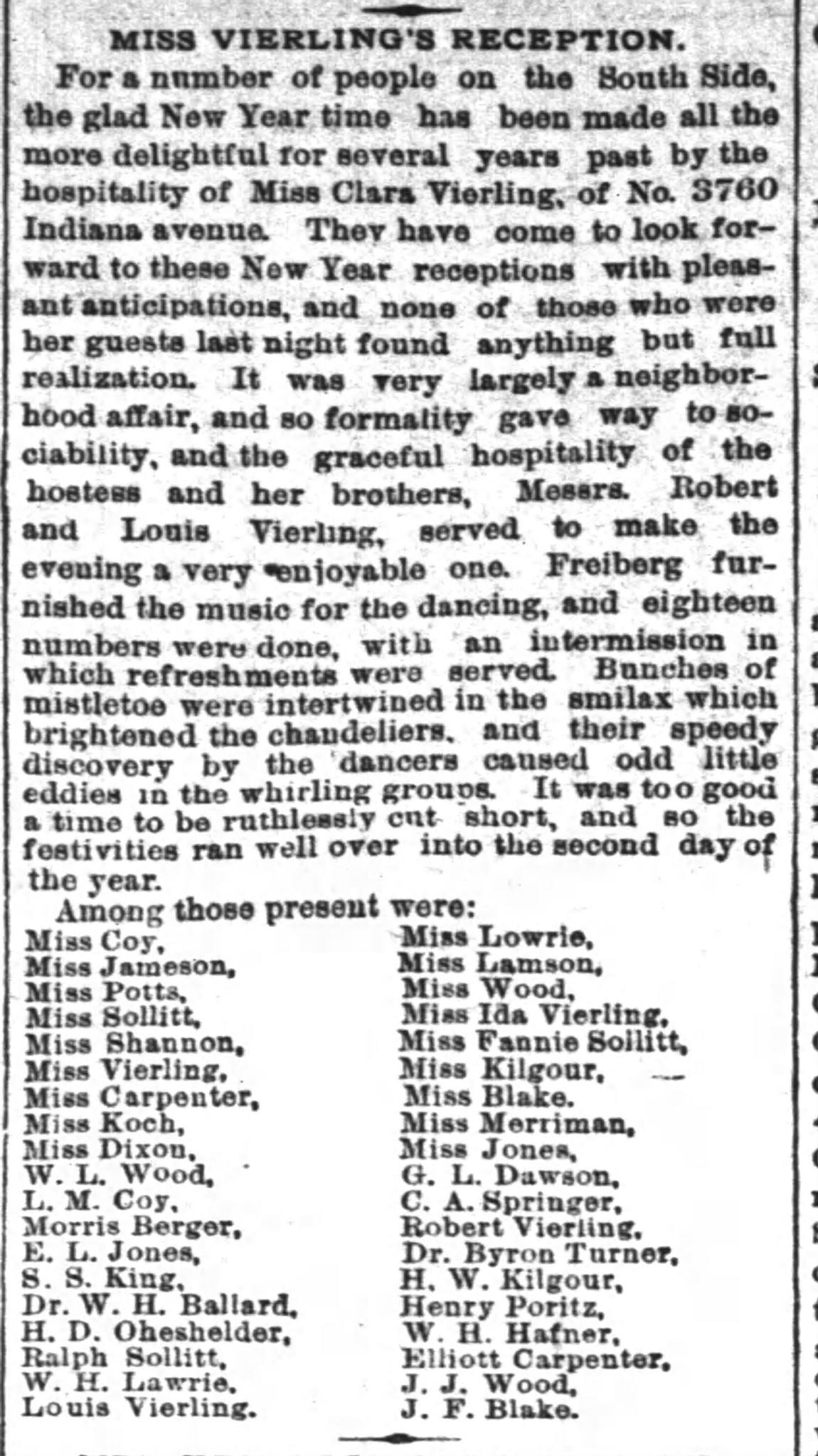
Ida’s aunt, her father’s sister, Miss Clara Vierling, was a star of the Chicago social scene and hosted famous New Year’s Eve parties. Ida was included in the party in 1888, as covered in the attached newspaper article.
In October of 1891, the wedding of Miss Ida Vierling and Mr. Harry Hale Waterman took place at her parents’ house, and was covered in newspaper articles.
The following year the young couple moved into their Honeymoon Cottage.
Ida gave birth to their daughter, Louise, on August 26, 1895.
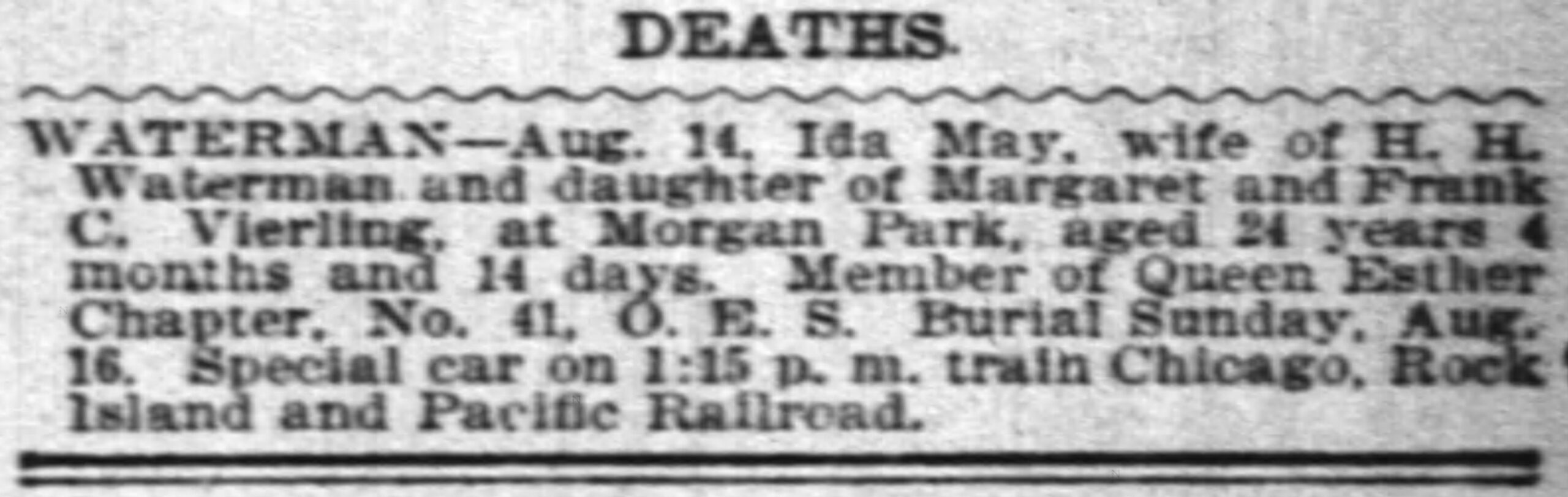
Tragically, Ida died the following year, on August 14, at the age of 24. The cause of death is not known. She was buried in Oak Woods Cemetery.
Waterman left Morgan Park, never to return there again to live, although he continued to design buildings there. He and his baby daughter Louise moved back in with his parents on the 3900 block of South Vincennes Avenue, where he lived the rest of his life.
Next post: Louise Waterman, and Harry Hale Waterman’s second and third marriages.
The RHS exhibit is open to the public for free on Sunday and Tuesday afternoons from 1 to 4 p.m. or by appointment. RHS is located at 10621 S. Seeley Avenue, Chicago.