
Ridge Historical Society
Mount Olivet Cemetery
By Carol Flynn
Allhallowtide is a three-day Christian tradition (or a “triduum”) consisting of All Saints’ Eve (Halloween) on October 31st, All Saints’ Day (All Hallows) on November 1st, and All Souls’ Day on November 2nd. The word “hallow” means holy or saintly, and used as a noun, is synonymous with “saint.”
This is a time to remember and honor the dead, and countries and cultures have varied ways to do this.
Perhaps best known is “Day of the Dead” celebrated primarily in Mexico and by people of Mexican heritage. Cemetery visits/picnics, featuring the departed’s favorite foods, are one of the customs.
In Ireland, Catholic parishes declare “Cemetery Sundays,” when graves are cleaned up, decorated, and blessed.
In the U.S., the Catholic Church has declared the first Sunday in November as “Cemetery Sunday,” and encourages people of all backgrounds to visit the graves of their loved ones on that day. In Chicago, 18 Catholic cemeteries will hold a “Cemetery Sunday Rosary and Prayer Service” at 2:00 p.m. on November 3rd.
On the Ridge, Mount Olivet Cemetery on 111th Street will be one of the participating cemeteries. This post looks at this historic cemetery.
Mount Olivet Cemetery was founded in 1884. It was the first Catholic Cemetery on the south side of Chicago. Before this cemetery was established, the closest Catholic Cemetery was Calvary Cemetery in Evanston, established in 1859. Many early south side Catholic families have members buried in both Calvary and Mount Olivet.
According to an article in the Inter Ocean newspaper on July 29, 1885, more than 15,000 people came to the Ridge to attend the dedication of Mount Olivet Cemetery by Chicago Archbishop Patrick Feehan.
The paper stated of the new cemetery’s location: “A wide ridge runs gracefully through the land, and gently slopes on either side to prairie. It is naturally of very attractive appearance, and it has been improved by driveways. The property was formerly known as the Mt. Greenwood picnic grounds, and it was purchased for $44,000.”
The land had been purchased the previous October, and Horace William Shaver Cleveland, a famous landscape artist, was hired to lay out and “ornament” the grounds. Some of Cleveland’s other projects included an expansion of Graceland Cemetery on the north side, building the Chicago Park system after the Great Chicago Fire of 1871, and many fine private residences. He had personal and working relationships with people like Dwight Perkins, a relative through marriage, the architect who became the “father of the Forest Preserves of Cook County;” William Merchant Richardson French, the civil engineer and landscape artist who became the first executive director of the Art Institute of Chicago and later lived in Beverly; and Frederick Law Olmsted, “the father of landscape architecture.”
Mount Olivet Cemetery was one of the first cemeteries to become full, prompting the Archdiocese to buy additional land to the east of the original cemetery. This created the unique situation of the backyards of houses on Fairfield Avenue opening on to the cemetery grounds.
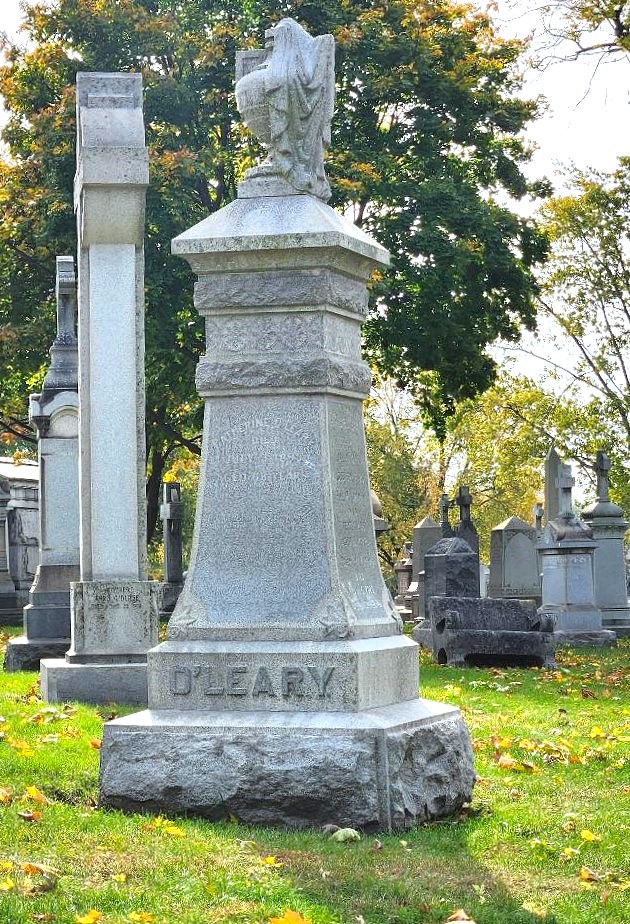
Some famous Chicagoans are buried in Mt. Olivet Cemetery, including Mrs. Catherine O’Leary, whose cow did not kick over a lantern to start the Chicago Fire, with her husband Patrick and son James (“Big Jim”), a famous gambler.
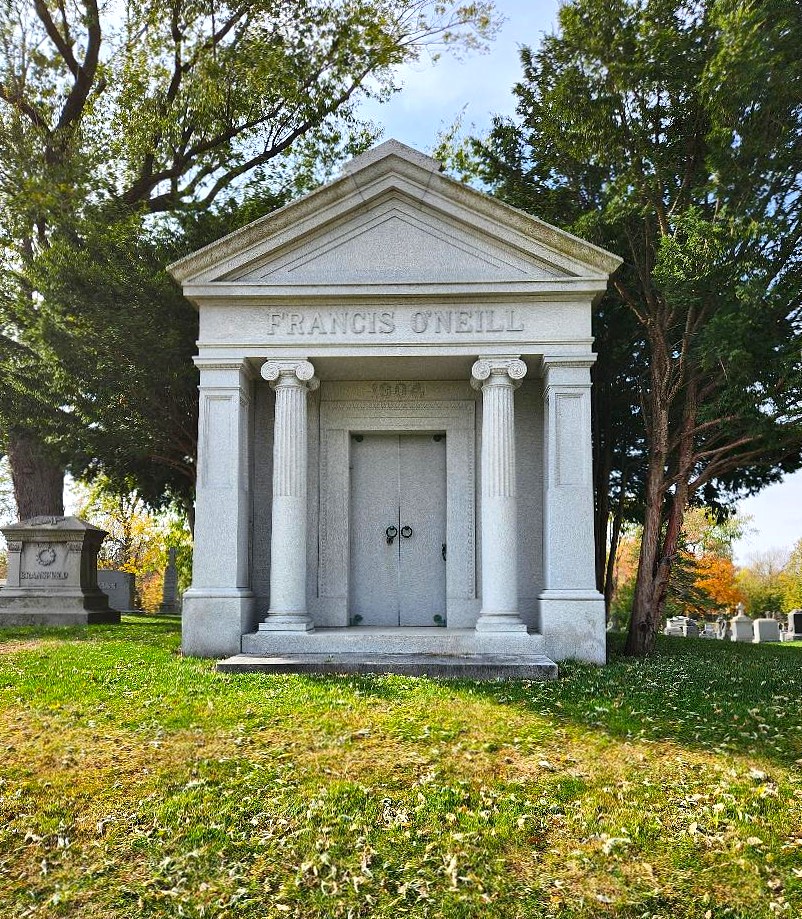
Chicago Police Chief Francis O’Neill, the “man who saved Irish music,” is also buried in Mt. Olivet Cemetery. Known for his absolute integrity and honesty, O'Neill and Big Jim O'Leary were antagonists during their years together in Chicago.
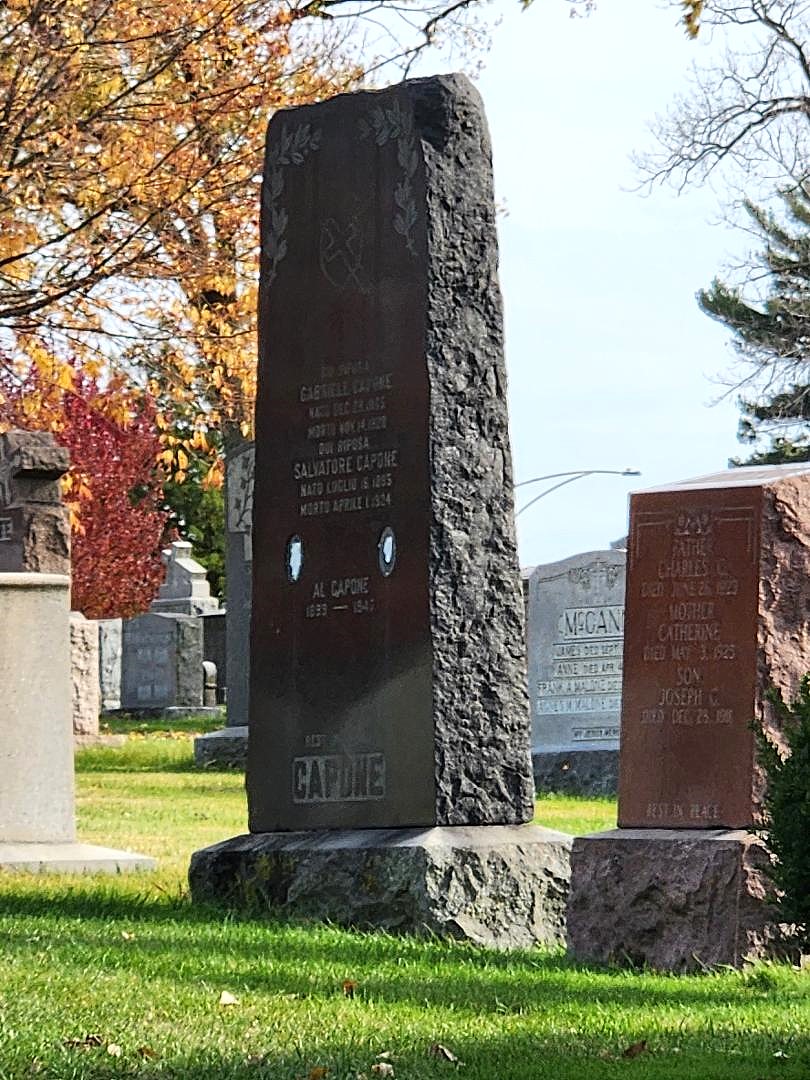
Mt. Olivet was the original burial site for Al Capone, until his remains, and those of his father and brother, were relocated to Mt. Carmel Cemetery in Hillside.
Other people known on the Ridge buried in Mount Olivet include Daniel Ryan, Sr., for whom the local forest preserve is named; the Ahern Family, including golf pro Anna May “Babe” Ahern, who, with her brothers, owned and operated the Evergreen Country Club; and James Gately, the founder and manager of Gately’s Peoples Store, who lived in Beverly.
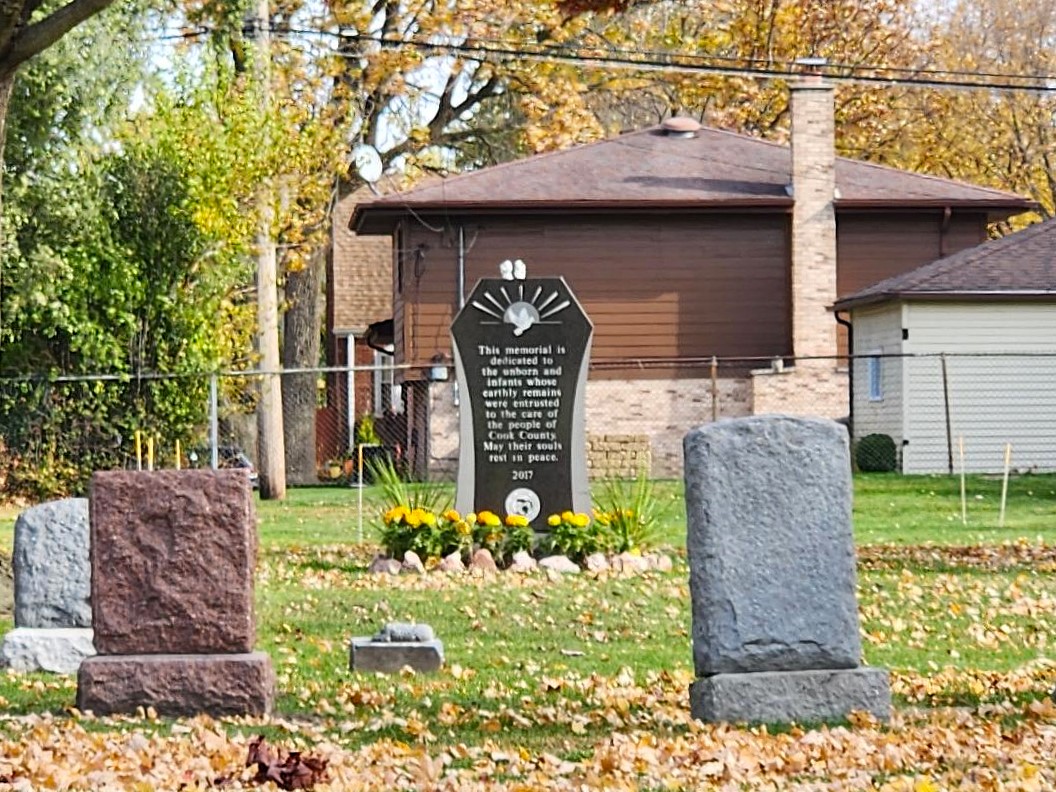
Mt. Olivet Cemetery is also the burial place for the unidentified and indigent dead of Cook County. Since 2012, when the Archdiocese started working with the county to provide these services, there have been 5,300 burials.
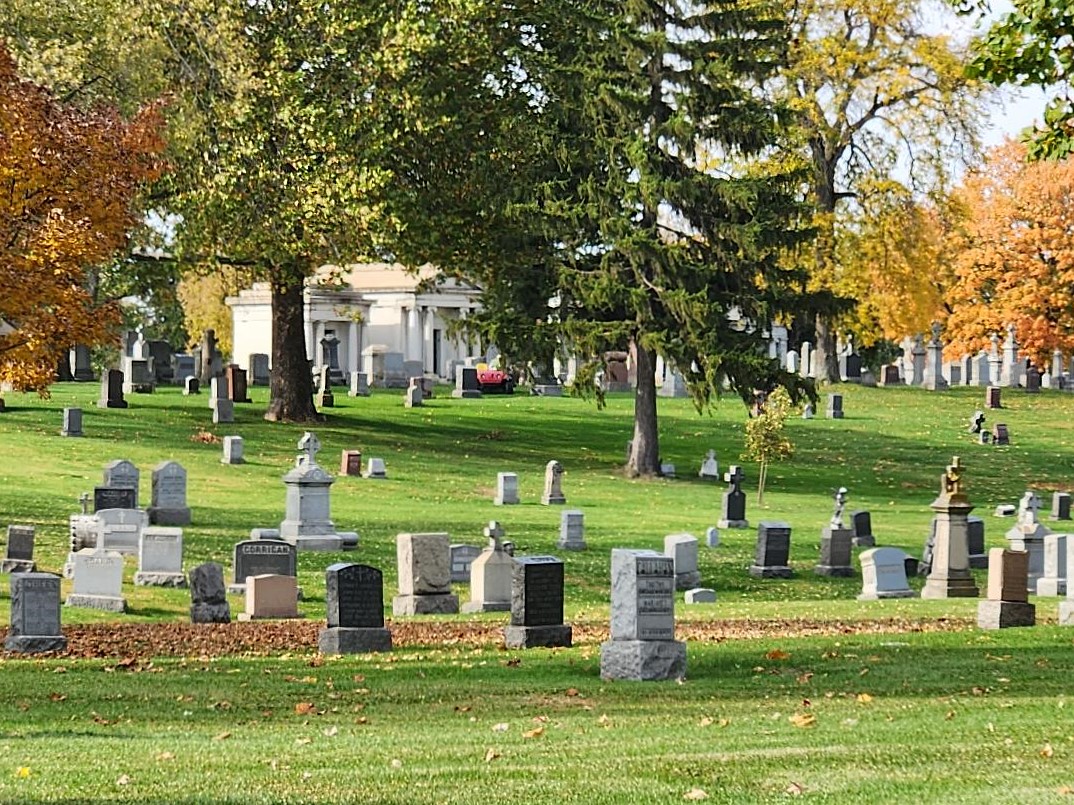
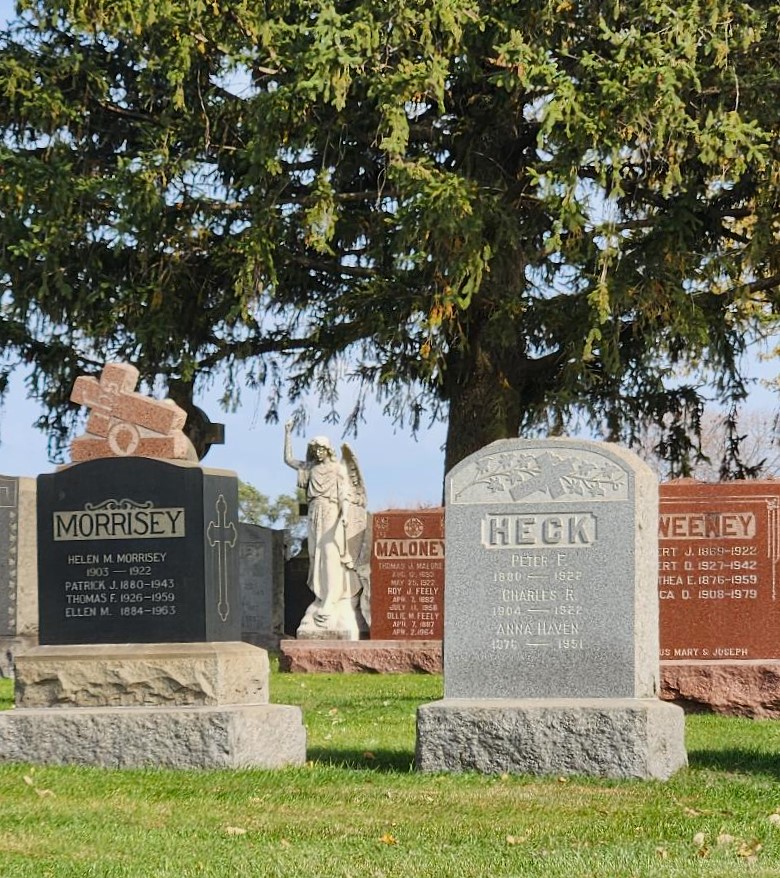
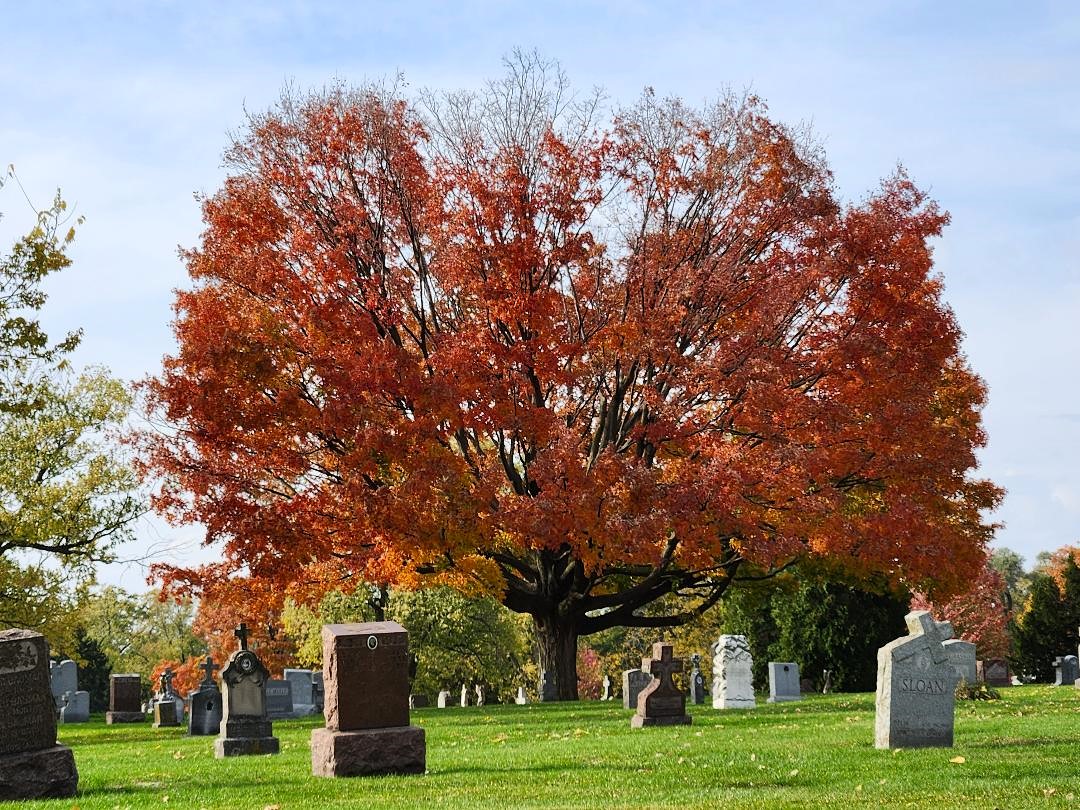
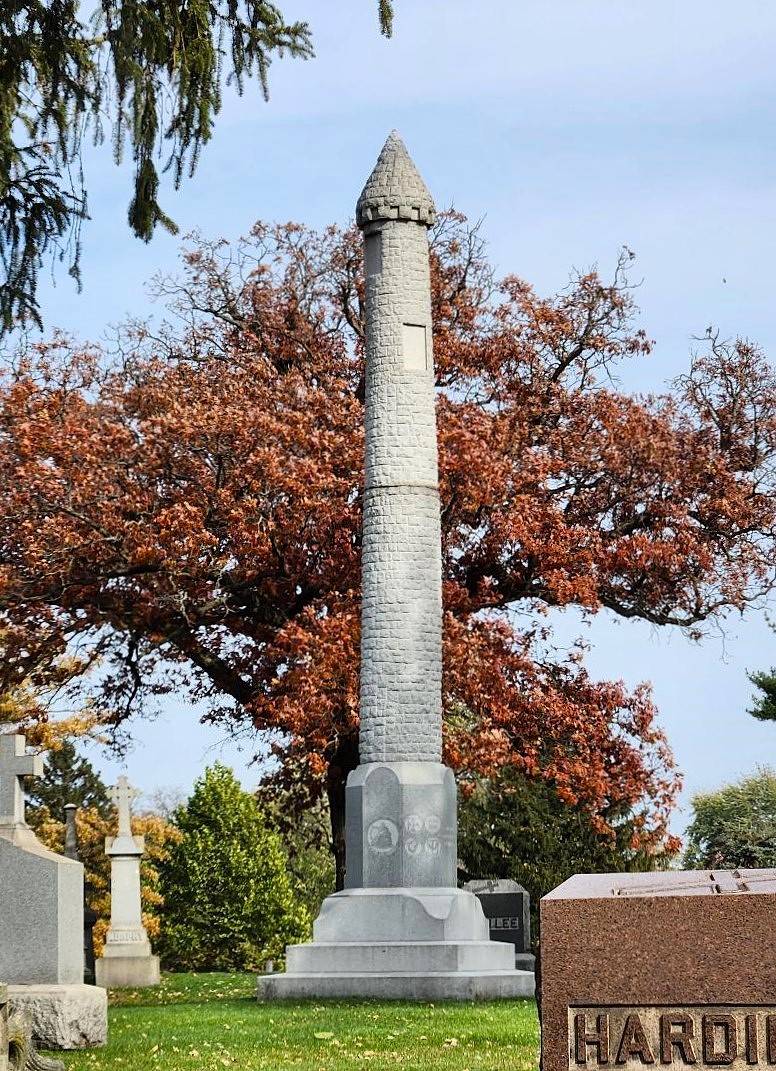
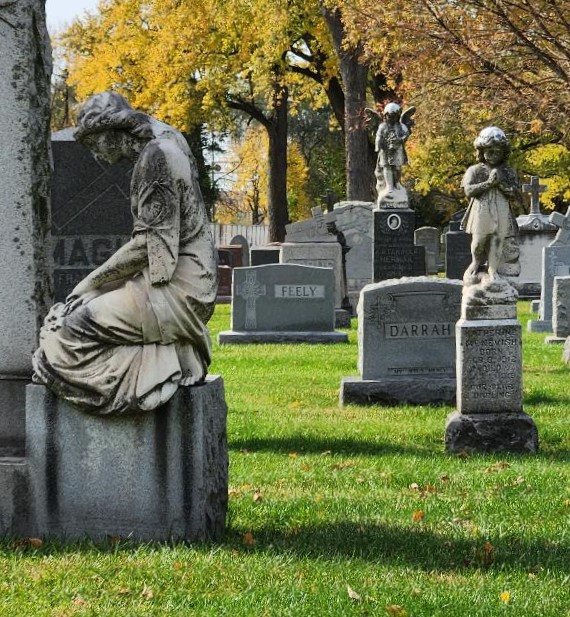
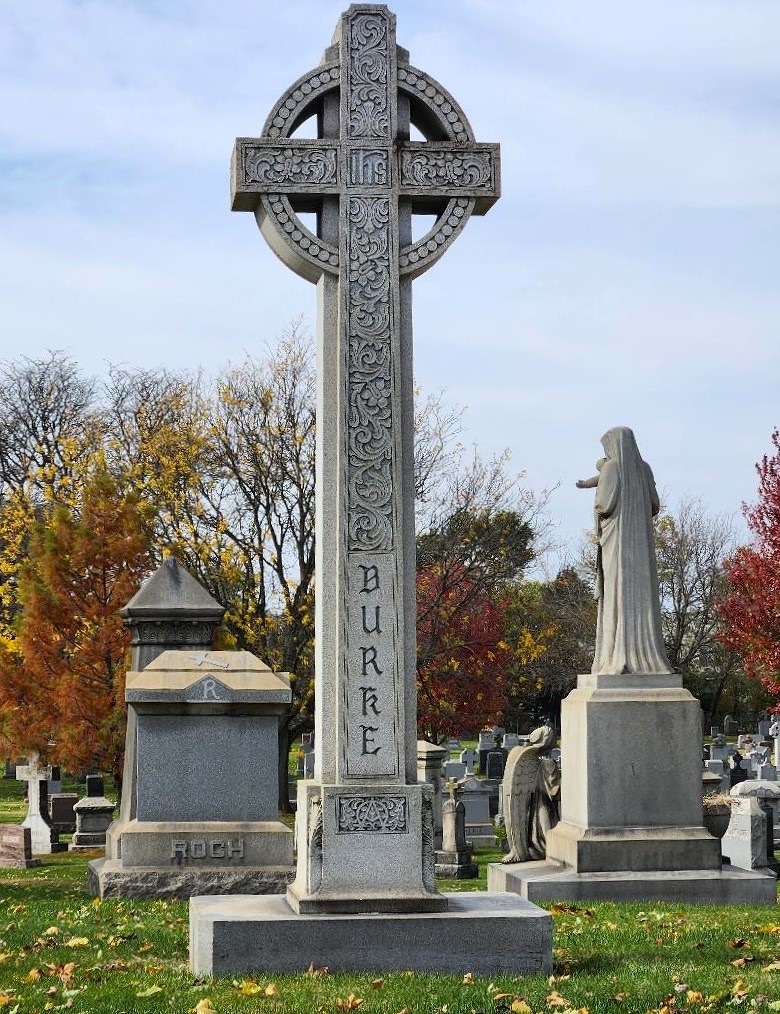
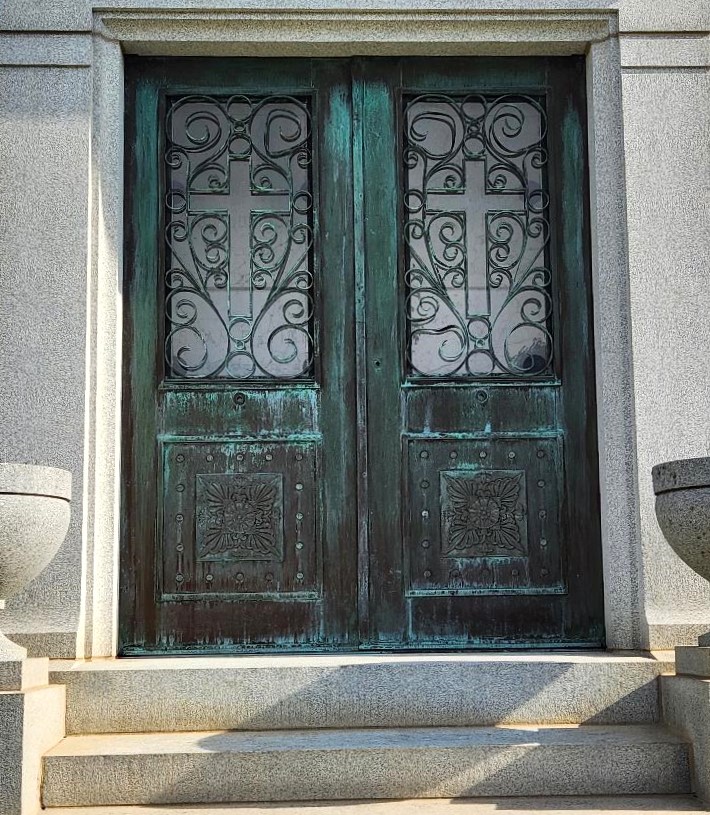
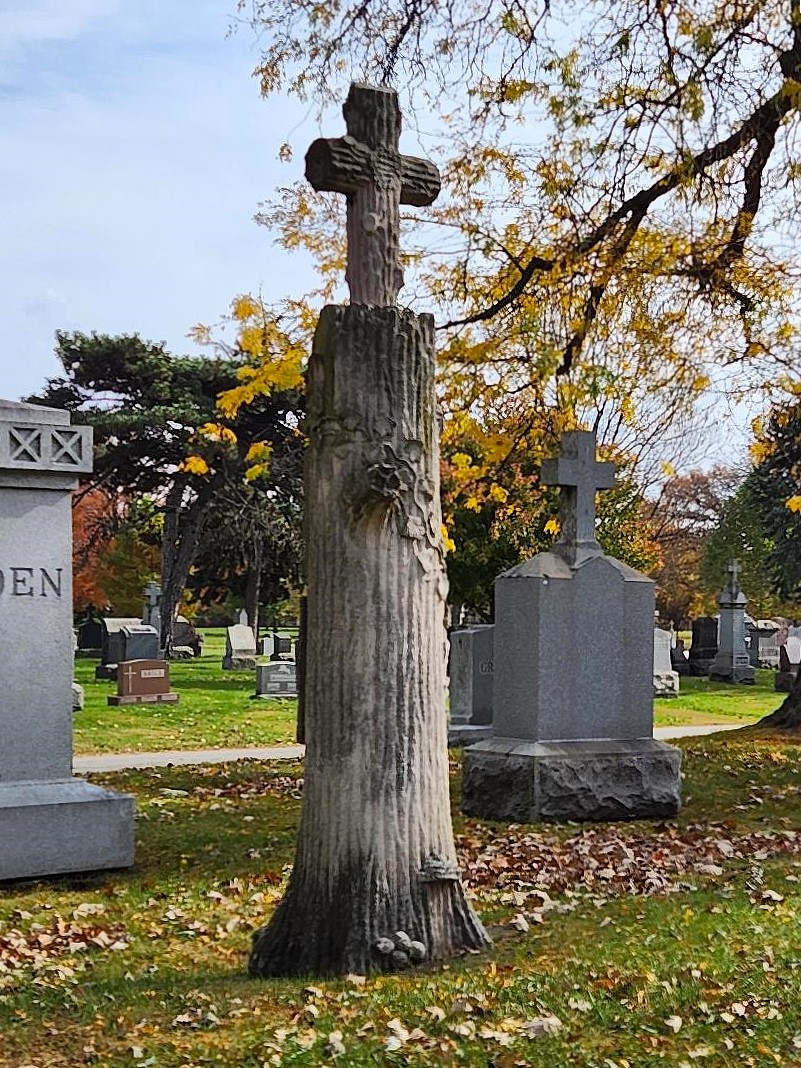
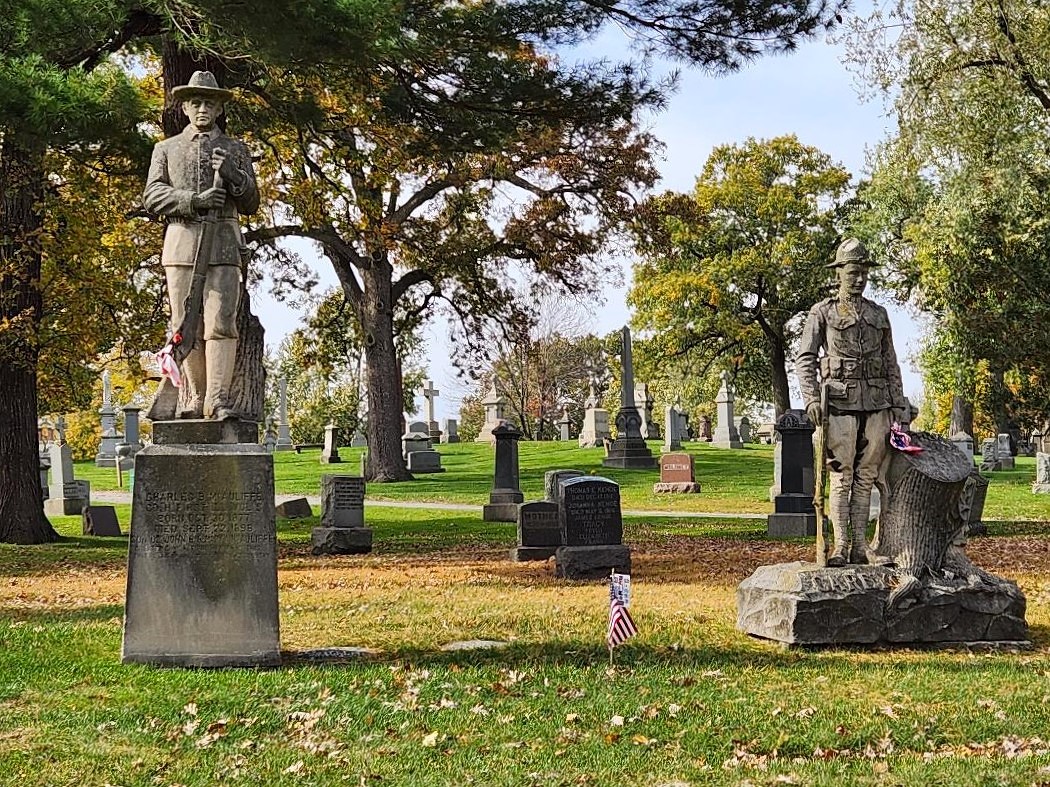
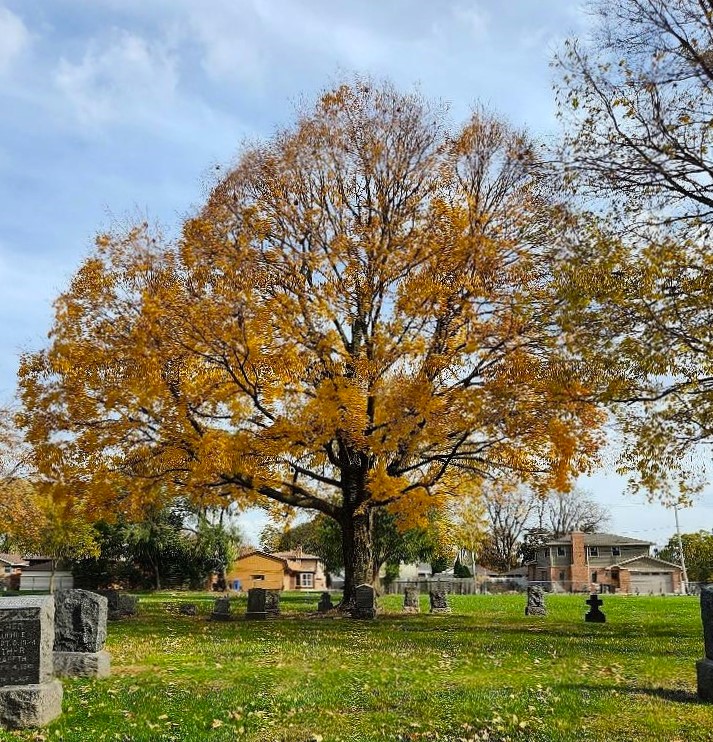
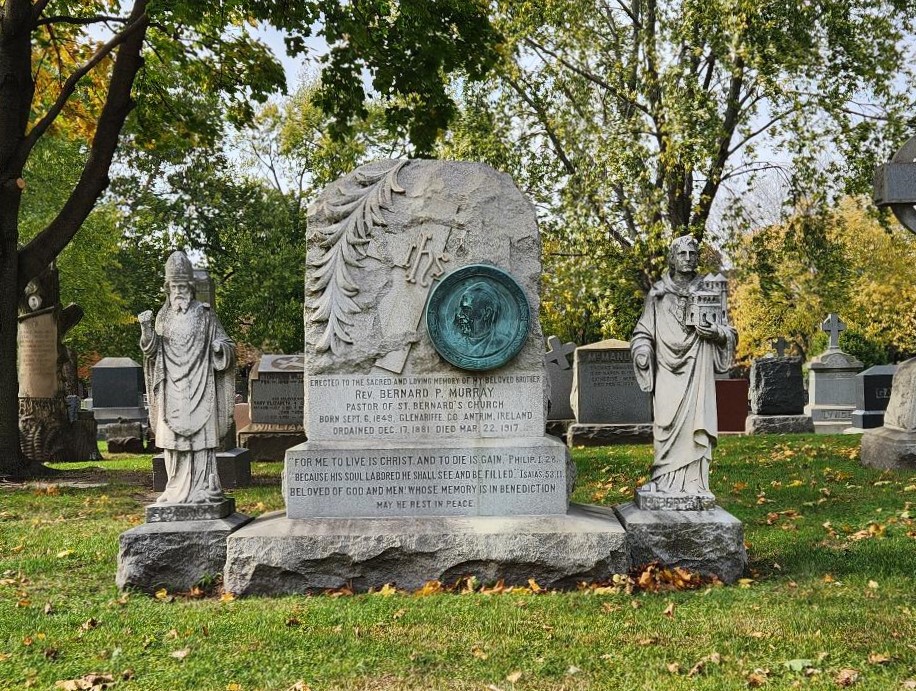
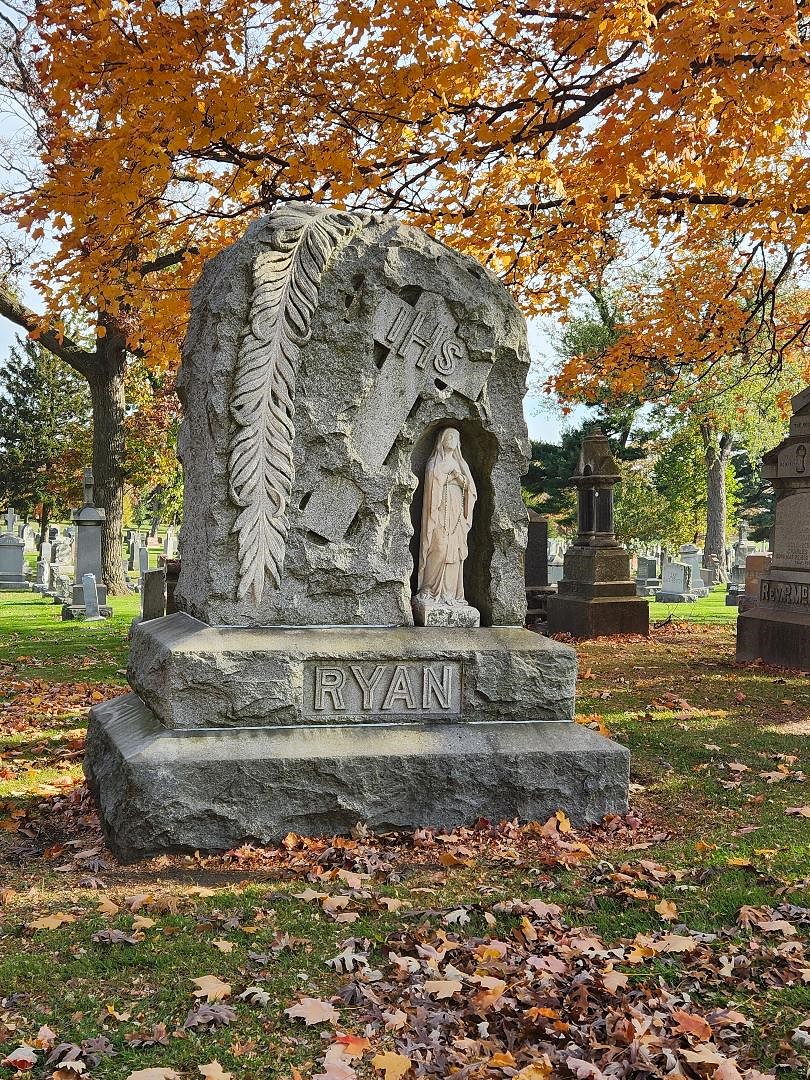
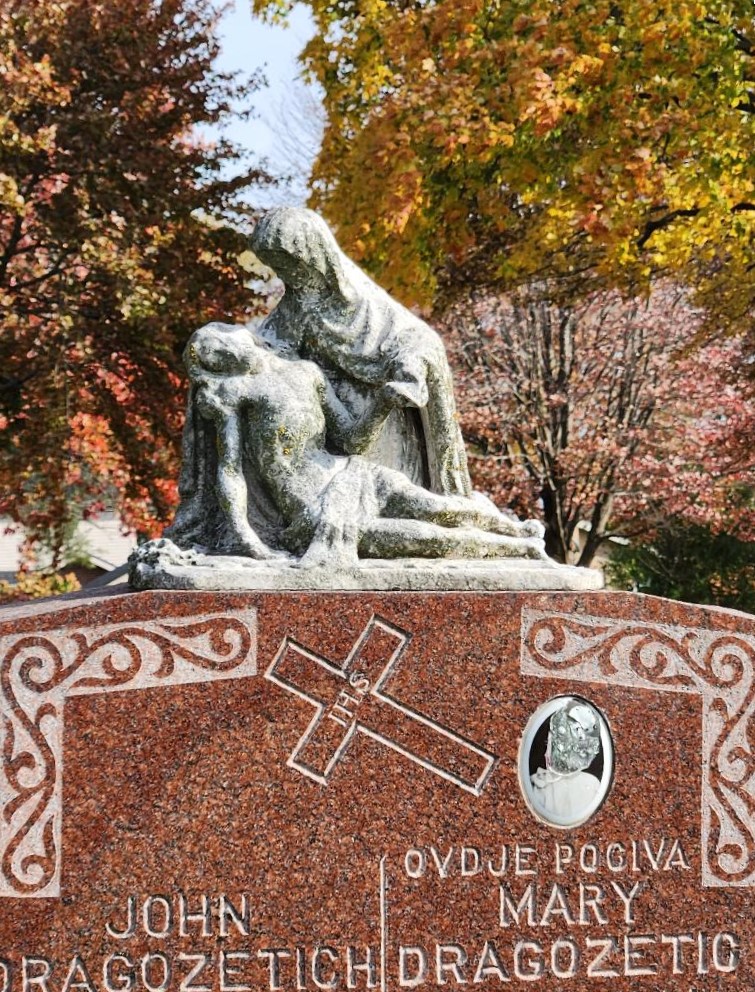
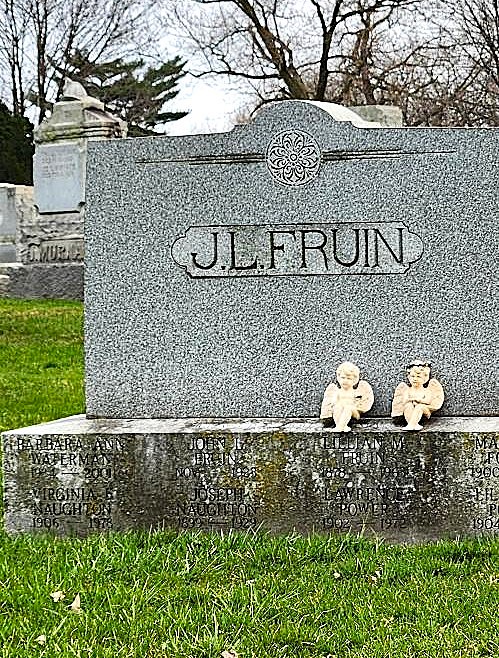
A picturesque cemetery with interesting funerary art, the following pictures were taken during a ride through Mount Olivet Cemetery on a recent autumn afternoon.
Photos by C. Flynn.