
The Ridge Historical Society
July 4, 1923
By Carol Flynn
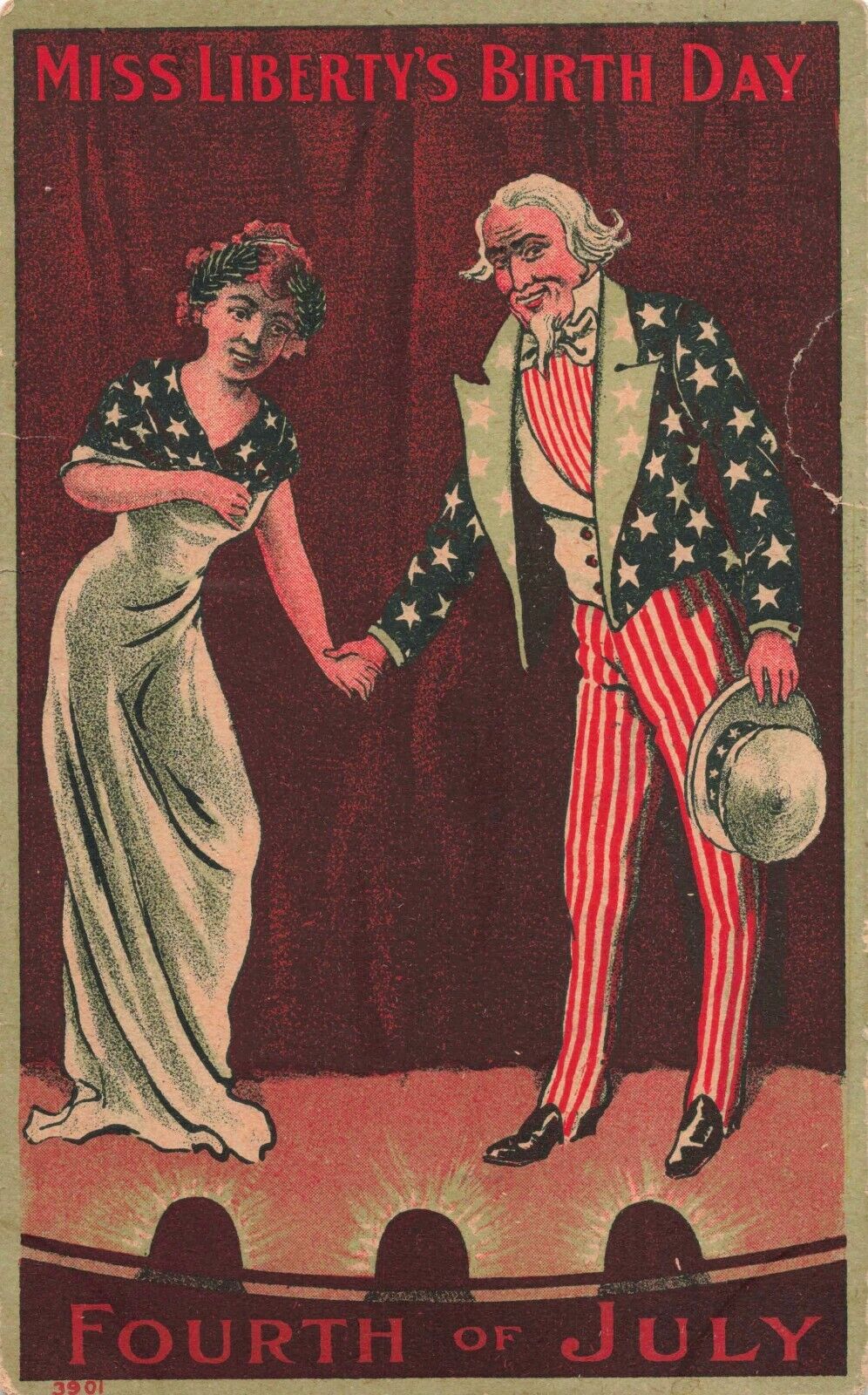
Happy Fourth of July!
Here’s what was going on in Beverly/Morgan Park one hundred years ago, according to the local newspapers of the day.
The Fourth of July fell on a Wednesday in 1923. The weather was perfect for a summer day – temperature in the low to mid-70s, and clear with a gentle breeze.
People had parties at their houses all day. They moseyed over to Ridge Park, where community events were held under the sponsorship of the Beverly Hills Post of the American Legion. The residents of the area contributed financially to the events, and did so willingly and generously. Several thousand people visited Ridge Park that day.
The usual events at Ridge Park for the Fourth of July included athletic competitions. For children, girls as well as boys, there were foot races and swimming and diving events. There were bike races for the boys.
For adult men, there were track events, including foot races, broad and high jumps, and team relay races, and swimming and diving competitions. The tennis courts at Ridge Park were very popular, and there was a tennis tournament, with singles and doubles for men. Baseball games between rival community and business-sponsored teams were very popular.
Adult women participated in mixed doubles in tennis. They probably could have scheduled more events for women, but likely the women were too busy in their hostess roles, and dressed in their fine cotton muslin summer frocks, to want to engage in unseemly physical activity.
A band performance and community sing-along, speeches, and fireworks at dusk generally rounded out the Fourth of July on the Ridge.
Other interesting things were going on in the community at the time.
The Ridge Park pool opened on July 2, just in time for the holiday. The lifeguard in charge was Ted Metcalf.
A new golf club was being built at 91st and Western Avenue, which would extend west to California Avenue. This, of course, became the Evergreen Country Club, run by the Ahern family, which lasted until 2010 when it was demolished to make way for the strip mall there now.
Work had just started on the new Catholic church that was being established in Beverly on Longwood Drive. This, of course, became Saint Barnabas Parish.
Mail carrier Elmer Morrison of the Washington Heights postal station was enjoying his annual vacation, and the carriers at other local stations were planning their vacations. The high school boys in the neighborhood were going to work the routes while the men were off. Patrons were asked to have patience if the mail was a “wee bit” late. They were asked to think of their hard-working postmen enjoying a rest, and of the “coming men earning their first big pay of sixty cents an hour.”
One of RHS’s favorite personalities from local history, David Herriott, the past editor of the Morgan Park Post newspaper and the past postmaster of the Morgan Park station, was in the news. He introduced to the Illinois legislature a bill that mandated every automobile in Illinois have a device installed that would limit its speed to twenty-five miles per hour. Herriott had long advocated for automobile safety regulations. The bill did not become law, obviously.
Comforts we take for granted today were new one hundred years ago. Gas mains were just being installed on 103rd Place. It was noted the residents would soon enjoy the “luxury” of cooking with gas.
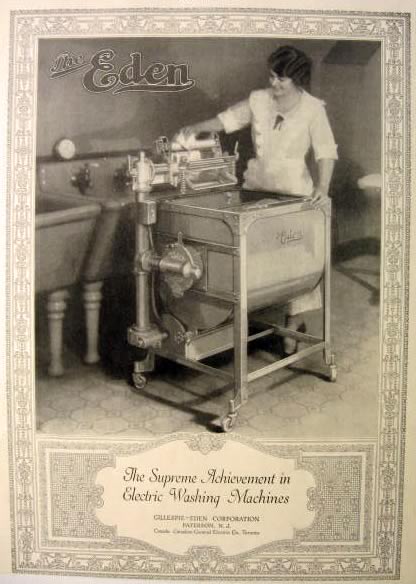
At the same time, a new “electric house” at 97th Street and Hamilton Avenue was being made ready for public viewing. The goal was to show that electricity was “the cheapest servant” and introduce the growing number of electric appliances to “be a wonderful inspiration to all mothers.” Other communities were also showcasing electric houses, where practically everything in the house was operated by electricity, except the heat, which was gas. In addition to lighting, electric appliances included refrigerators, stoves, vacuum cleaners, toasters, mixers, blenders, coffee percolators, waffle irons, dishwashers, washers, driers, clothes irons, shavers, and radios.
The electrical industry was really taking off in the 1920s, offering boys an “opportunity to learn a profitable and pleasing trade.”
Prohibition was in effect, but alcohol never played much of a role in Ridge affairs anyway. The City of Chicago did not hold any public events for the masses that year, but instead many events went on in local parks, like the ones in Ridge Park. The city fire department discouraged fireworks due to the number of injuries and fires that usually resulted. Fireworks were not allowed to be sold in the city but many of the towns outside the city allowed them to be sold. Sporting events were the most popular way to spend the day – the Hawthorne racetrack saw a “monstrous crowd” on July 4, 1923.