
The Ridge Historical Society
Part 8 on the Hofer Sisters – Elsa (Elizabeth) Hofer Schreiber
By Carol Flynn
The youngest member of the Hofer family was Elsa, also listed as Elizabeth on the U.S. censuses. She was born on September 14, 1869, in McGregor, Iowa. Elsa was educated as a kindergarten teacher and came to Chicago by the early 1890s, like her sisters and parents.
In July 1893, at the age of 22, Elsa married George Laurence Schreiber, 31, in Chicago. They made their home in Beverly at the house at 1833 West 96th Street that the Hofer family rented when they moved from Iowa. That house, now gone, stood about where the entrance is to Ridge Park. Elsa and George became the parents of six children.
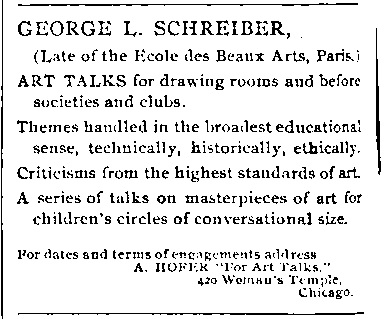
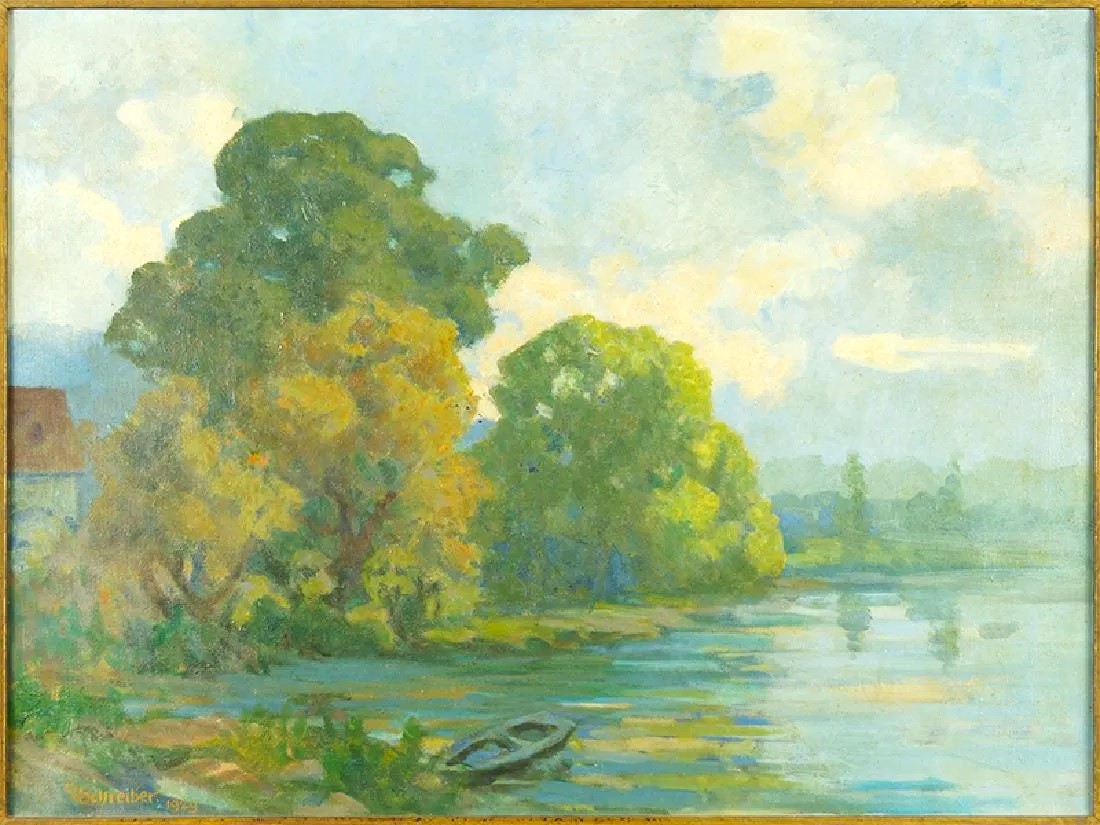
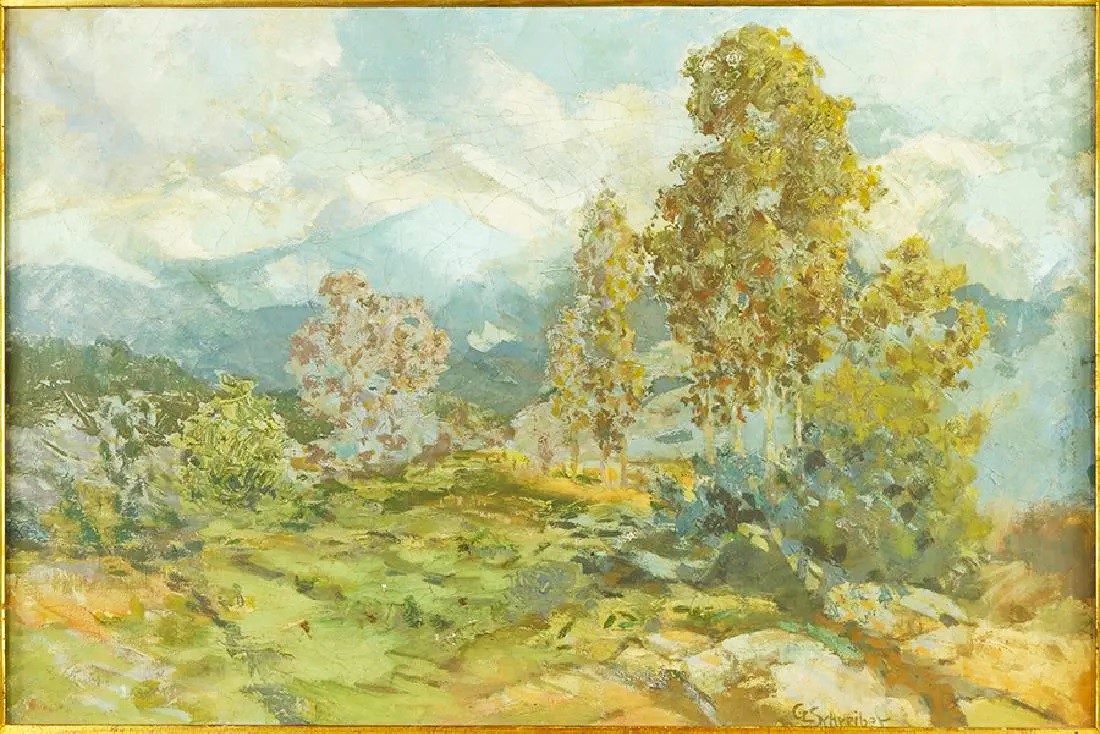
George Schreiber, from New York, was an artist and an educator, who studied in Paris and established a studio in Chicago in 1892. In addition to producing his own art, he was involved in the settlement and kindergarten movements. He was an extension lecturer at the Art Institute of Chicago, and taught classes at the Chicago Commons Social Settlement, where Elsa’s older sister Bertha had started a kindergarten for local children, and then a training program for kindergarten teachers. Schreiber taught classes like clay modeling, watercolors, and crayon work.
Elsa’s interests focused on the role of mothers in children’s development and education. As part of the kindergarten principles put forth by Frederick Froebel in the 1800s, children began learning through play as soon as they were born, and mothers had the key role in this early development. He believed women needed to be educated for this “mother-play” role and developed programs using toys, songs, and activities.
Elsa and her sister Andrea started the Froebellian Training School for Young Women around 1895 in Beverly. They also ran the Longwood Summer School as a special annual program. Programs for mothers were an important part of the school. Elsa supported her sister in starting the League of American Mothers in 1895, which was covered in the previous post.
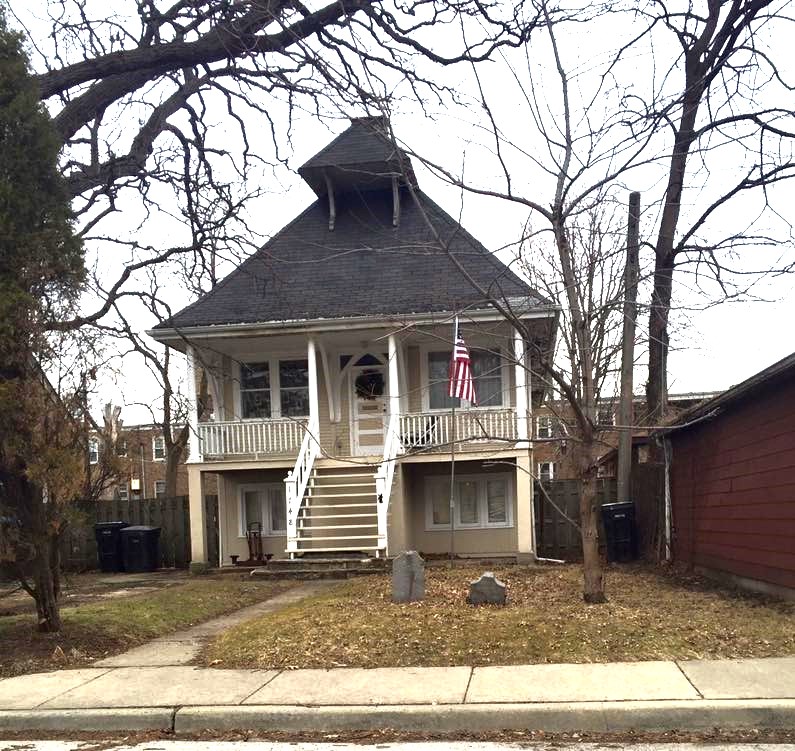
Andrea and her husband Frederick Proudfoot owned the property at today’s address of 9333 Vanderpoel Ave. that housed their family and boarding students, a kindergarten, and workshops for industrial training programs for young people. This address served as the mailing address for the school while the classes were held at St. Paul’s Evangelical Church at 94th Street and Winchester Avenue, which has an interesting side-story covered with an attached image.
A Chicago Tribune article from August 1898 credits Elsa with running the school and conducting the lectures and classes along with other teachers, including her husband and oldest sister Mari Hofer, the expert in music education for children.
In 1896, the Hofer sisters and Schreiber were part of a huge Christmas program put on for 500 children and more than one thousand adults from the city’s settlement houses. Being a religious family, the focus was on the birth of the Christ child. Elsa read selections from her sister Andrea’s book “Child Christ Tales,” while her husband George used his stereopticon to show pictures of the story of Mary and the manger, the shepherds and wisemen, put together by Andrea. Mari led the group in singing.
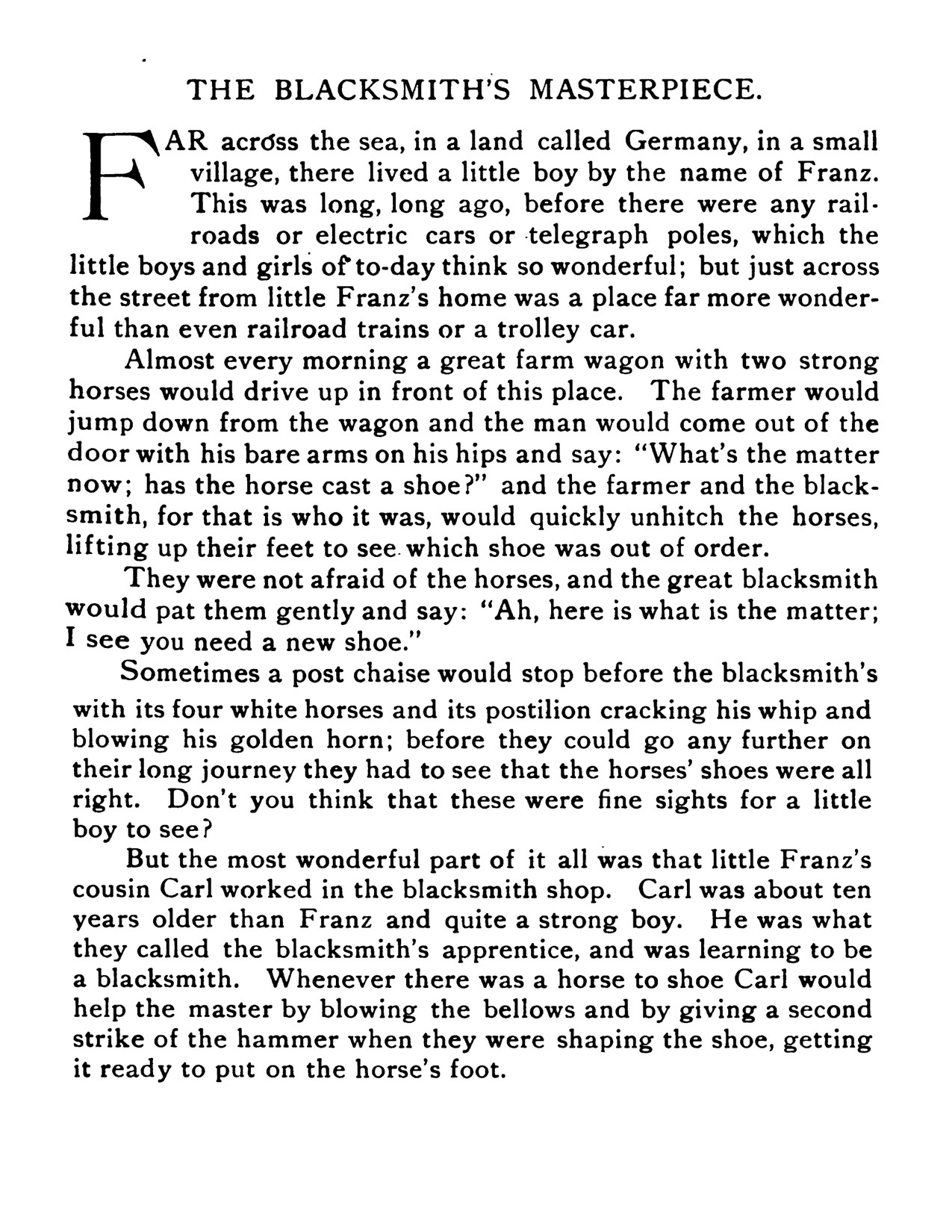
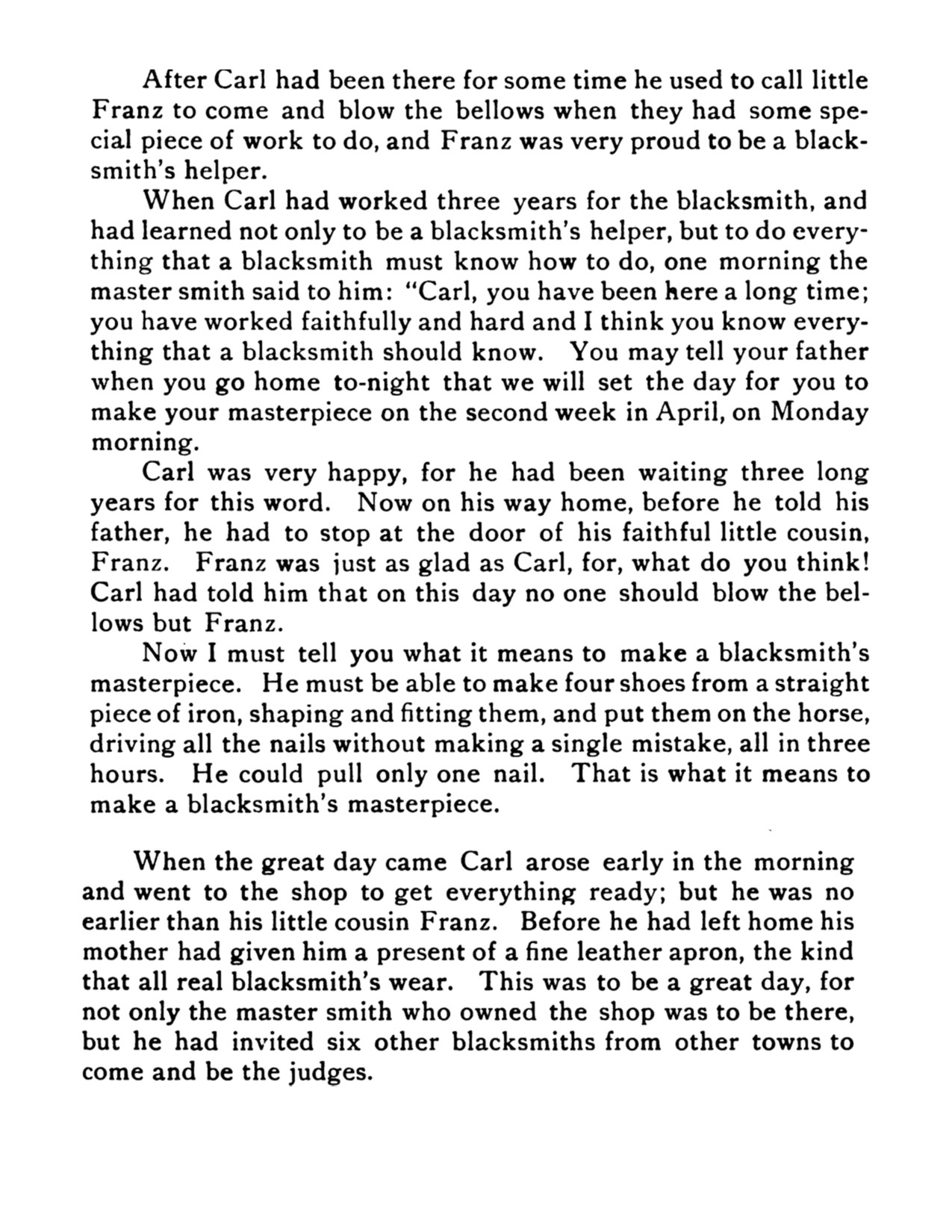
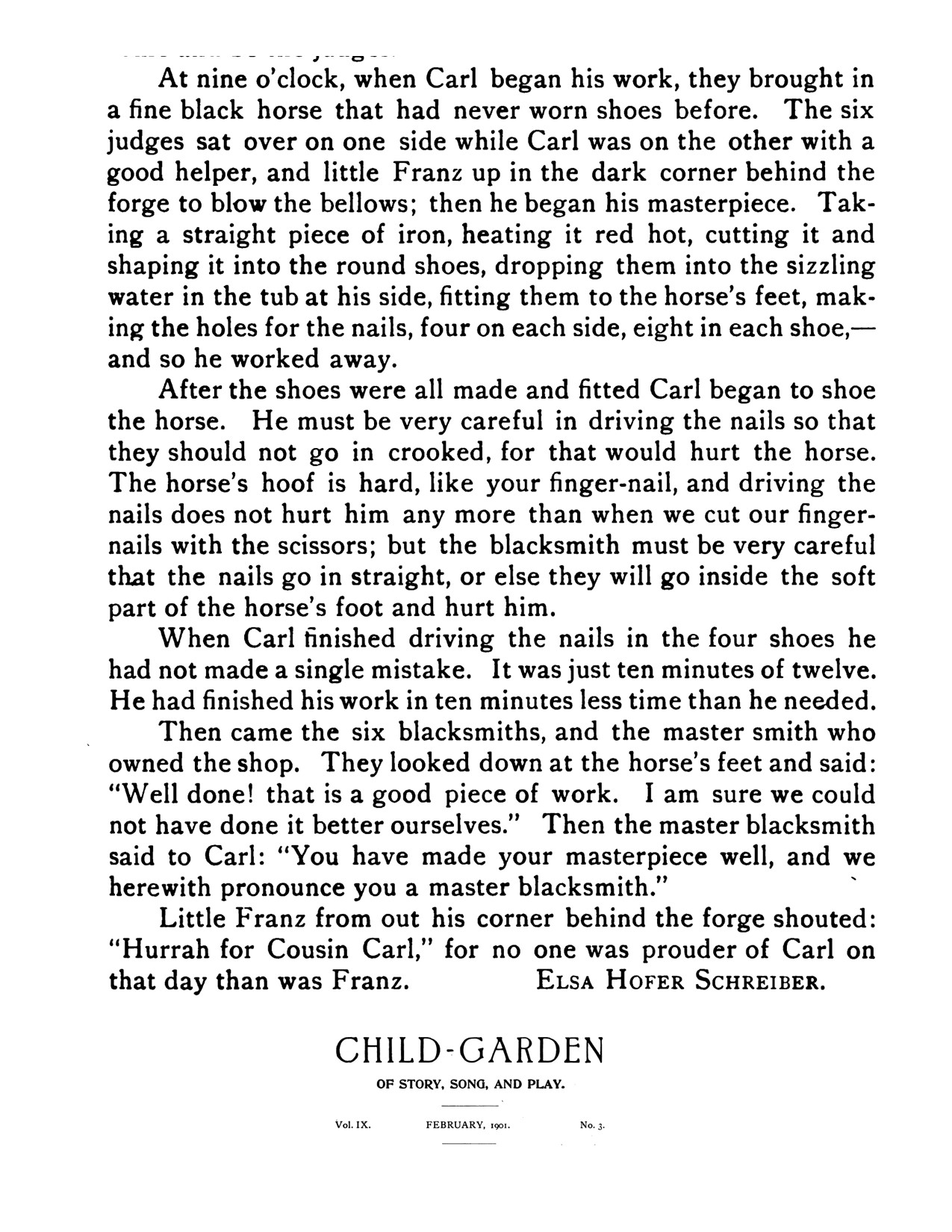
Elsa contributed to the magazine “Child Garden of Story, Song, and Play” started by her sister Andrea. The attachments to this post include a short story she authored.
The school lasted about nine years, and by 1910, Elsa and George moved to Salem, Oregon, where the three Hofer brothers were in the newspaper and publishing business. The Hofer patriarch, Franz Andreas Hofer, had died in 1904, and their mother Mari also relocated to Salem and lived with Elsa and her family. There is a newspaper account that Elsa and George invited forty guests to enjoy an evening of folk songs when sister Mari visited in September of 1911.
By the 1920s, the Schreiber family moved to Santa Monica, California, where they became active in the art scene. George was known for his seascapes, landscapes, portraits, and figure studies. He was an articulate defender of the West as an “inspiring field for the artist” because “all here is new” and “achievement is still ahead.”
Elsa died on May 5, 1942, of heart failure, at her daughter’s home in Battle Creek, Michigan. She was buried in Santa Monica, California, with her husband, who had died two years before her. Her death certificate listed her as a practitioner of Christian Science.
The next post will look at the Hofer family’s involvement in politics and the international peace and amnesty movement.