Ridge Historical Society
Woman’s Equality Day
By Carol Flynn
Woman’s Equality Day has been an annual event in the U.S. on August 26 since President Richard Nixon issued a proclamation in 1972. The day started as “Women’s Rights Day.”
August 26 was chosen as the date because the Nineteenth Amendment to the U.S. Constitution, which states that “The right of citizens of the United States to vote shall not be denied or abridged by the United States or by any State on account of sex,” was signed into law that day in 1920.
Tennessee’s ratification of the Amendment a few days before had secured the required support from the states to finally grant the right to vote to the twenty-seven million women in the country. The official letter from Tennessee certifying ratification was sent by train to Washington, D.C.
The train was due to arrive shortly after midnight, and Secretary of State Bainbridge Colby promised to stay up late to receive the letter and officially proclaim the amendment as law. However, the train was delayed, and when the letter had not been delivered by 3:00 a.m., Colby went to bed. Even the women suffragists who had been on watch all night finally turned in.
Later that day, the proclamation was made. President Woodrow Wilson declared it the day that “the men and women of America are on an equal footing, citizens all.”
The ratification of the Nineteenth Amendment was somewhat anti-climactic for the women of Chicago, who had won limited voting rights in Illinois in 1913. It did give new purpose to those working for election of women to Chicago’s City Council.
In 1922, the Illinois League of Woman Voters advocated for a “fifty-fifty” rule, that is, half the Chicago aldermen should be women. One hundred years later, that goal has still not been met. Today, seventeen of the fifty aldermen are women.
The first women candidates for Chicago aldermen were on the ballot in 1914. Four were from the Socialist Party and three from the Progressive Party. Two others from the Democratic party had lost in the primaries. None of the women were elected.
The first women aldermen, Anna Langford and Marilou McCarthy Hedlund, were not elected to the Chicago City Council until 1971. Langford was an African American attorney and civil rights activist from Englewood; Hedlund was a white newspaper reporter from Edgewater. Both were Democrats.
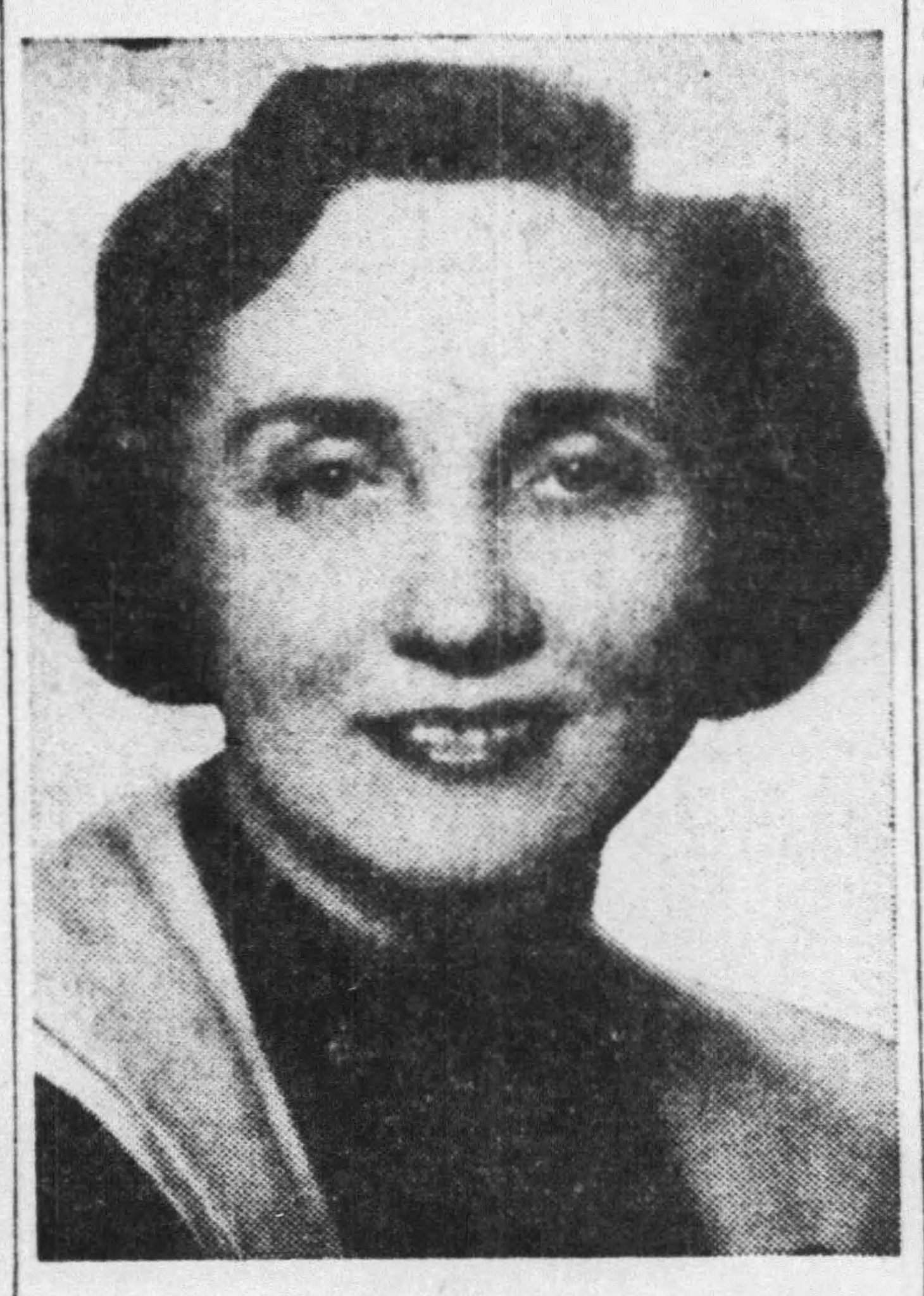
In the nineteenth ward, which includes Beverly, Mount Greenwood, and some of Morgan Park, the first woman to be nominated for alderman from a major party was Margaret Norman White, who ran as the Republican candidate in 1959. She lost to the Democratic incumbent, Thomas Fitzpatrick.
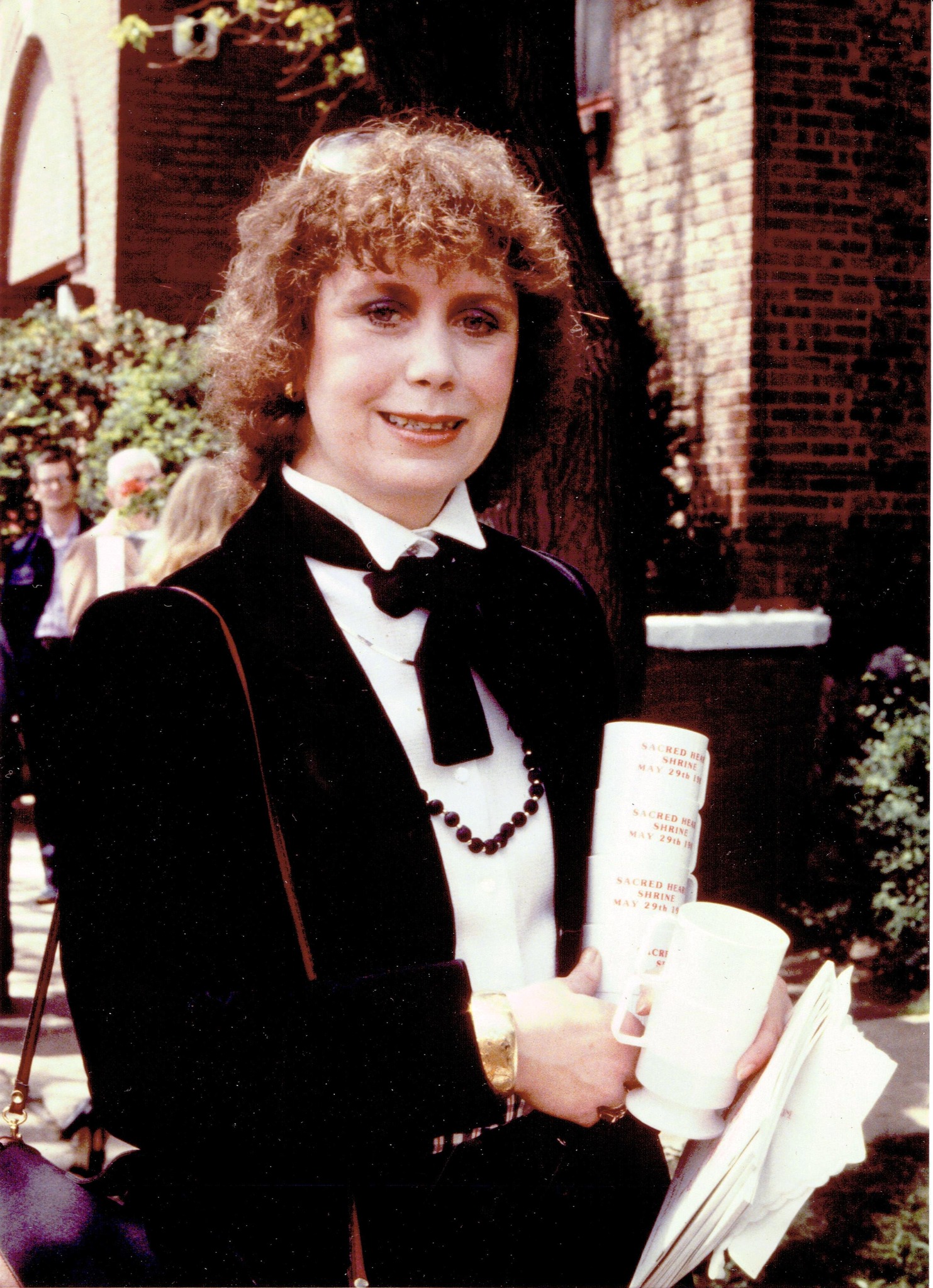
It would be another twenty years before the nineteenth ward saw a second woman candidate, Mary Quinn Olsson, who ran in 1979. Although a strong Democrat, Olsson ran as an Independent because the official Democratic Party backed Michael Sheahan that year. Sheahan won the election.
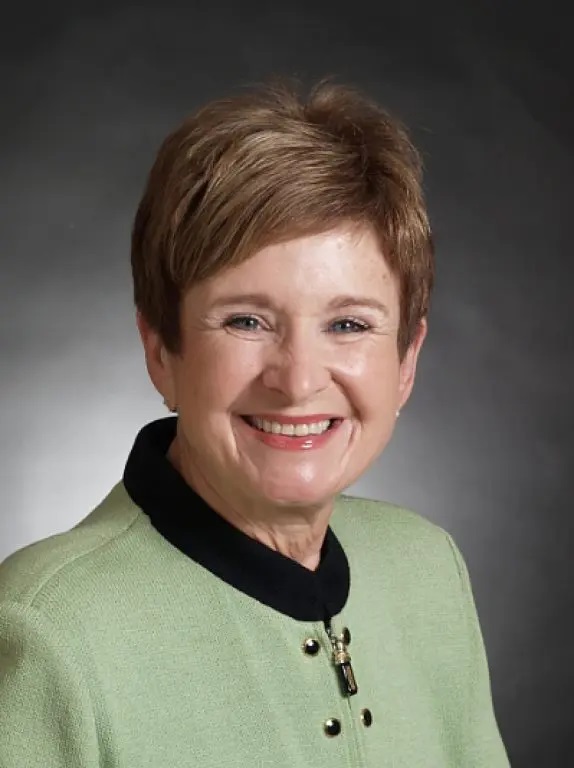
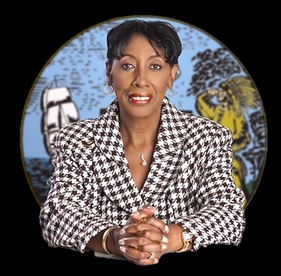
Sheahan served from 1979 to 1990, when he was elected to the position of Cook County Sheriff. Richard M. Daley, who had won election as Mayor in 1989, appointed Virginia “Ginger” Meares Rugai to fill the nineteenth ward alderman vacancy, making Rugai the first woman to represent any portion of the Ridge on the City Council. She won re-election in 1991, and served as alderman until 2011.
Since that time, other women have also represented parts of the Ridge on the City Council. These are Lona Lane in the eighteenth ward, and Carrie Austin in the thirty-fourth ward. Both were appointed to their positions by Mayor Daley and went on to be re-elected.
Lane served from 2006 to 2015. Austin has served since 1994 and has announced her retirement at the end of this term.