The Ridge Historical Society
The Ridge’s Historical Connection to Ukraine
By Carol Flynn
The eyes of the world are on the country of Ukraine in Eastern Europe at the moment.
There are over one million Ukrainian Americans. The first Ukrainian immigrant on record came to Jamestown in 1607. Large-scale immigration to the U.S. began in the 1880s, and was very heavy in the early 1990s after the collapse of the Soviet Union.
The historical connection between one prominent Ukrainian family and the Ridge has been documented.
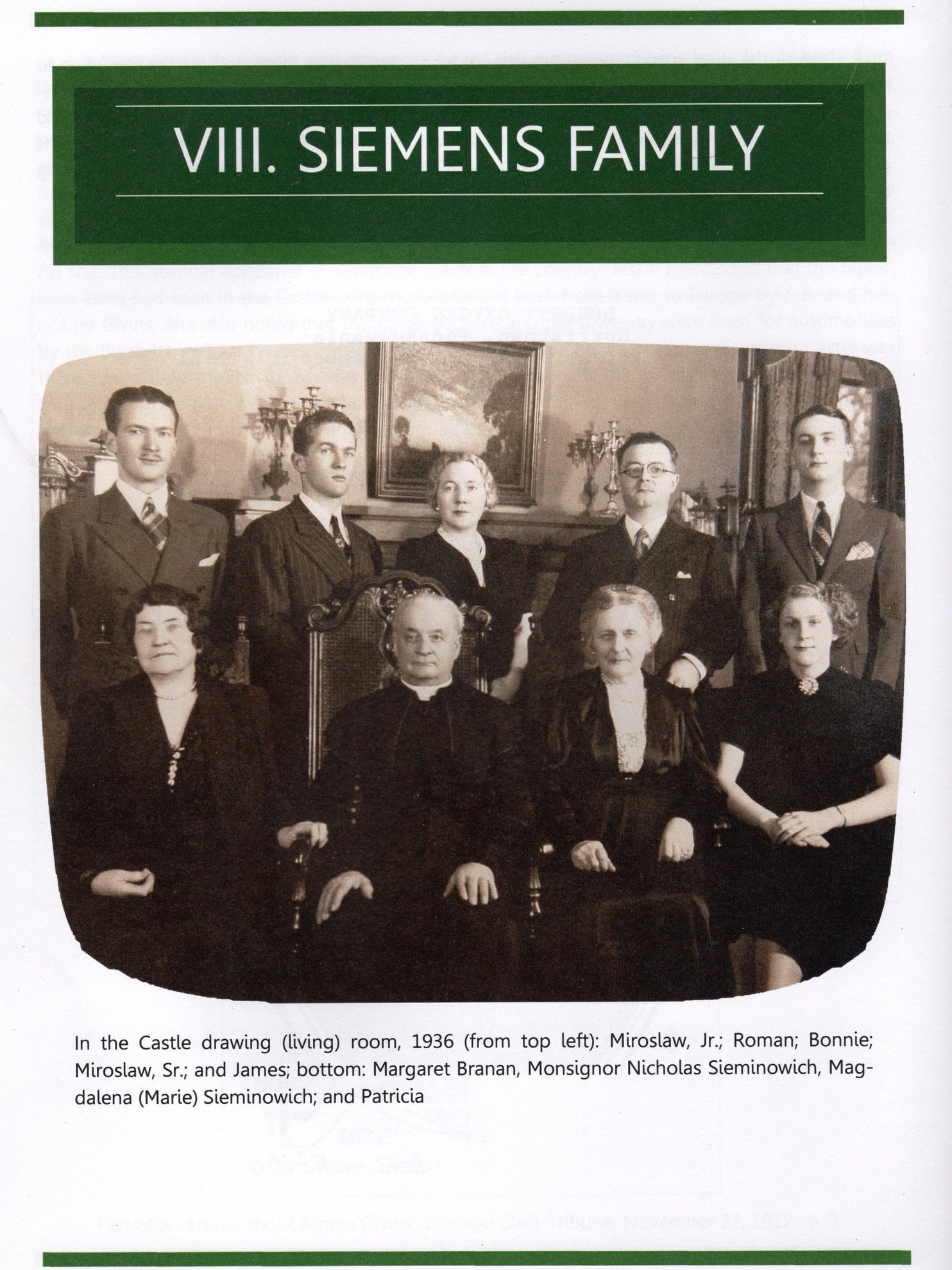
Dr. Miroslaw and Bonnie Siemens (Sieminowycz, Sieminowich) owned and lived in the Givins Beverly Castle at 103rd St. and Longwood Drive from 1921 until the Beverly Unitarian Church bought the building in 1942. At the time of Dr. Siemens’ death in 1967, at the age of 82, the family was living at 9559 S. Longwood Drive.
Dr. Siemens was born in 1885 in Ukraine and came to the USA in 1907. He graduated in 1913 from Bennett Medical College, affiliated with Loyola University. He was naturalized as a U.S. citizen in 1914, and served in the U.S. military during World War I. He was a major, a regimental surgeon, with the 497th Field Artillery. He then practiced at Roseland Community Hospital and kept an office in the Castle. He was also the physician for the Nickel Plate Railroad.
Dr. Siemens’ parents, Nicholas and Maria Magdalena Seiminowich, also lived in the Castle. Nicholas was a Ukrainian Catholic priest who rose to monsignor. In this rite, married men can be ordained priests.
Bonnie Veronica Barry Siemens, born in 1890, was Irish Catholic. They married in 1915 and had four children, Miroslaw, Jr., Roman, James, and Patricia. Bonnie's mother Margaret Branan also lived with the family. Bonnie had tuberculosis and the grandparents did much of the childcare.
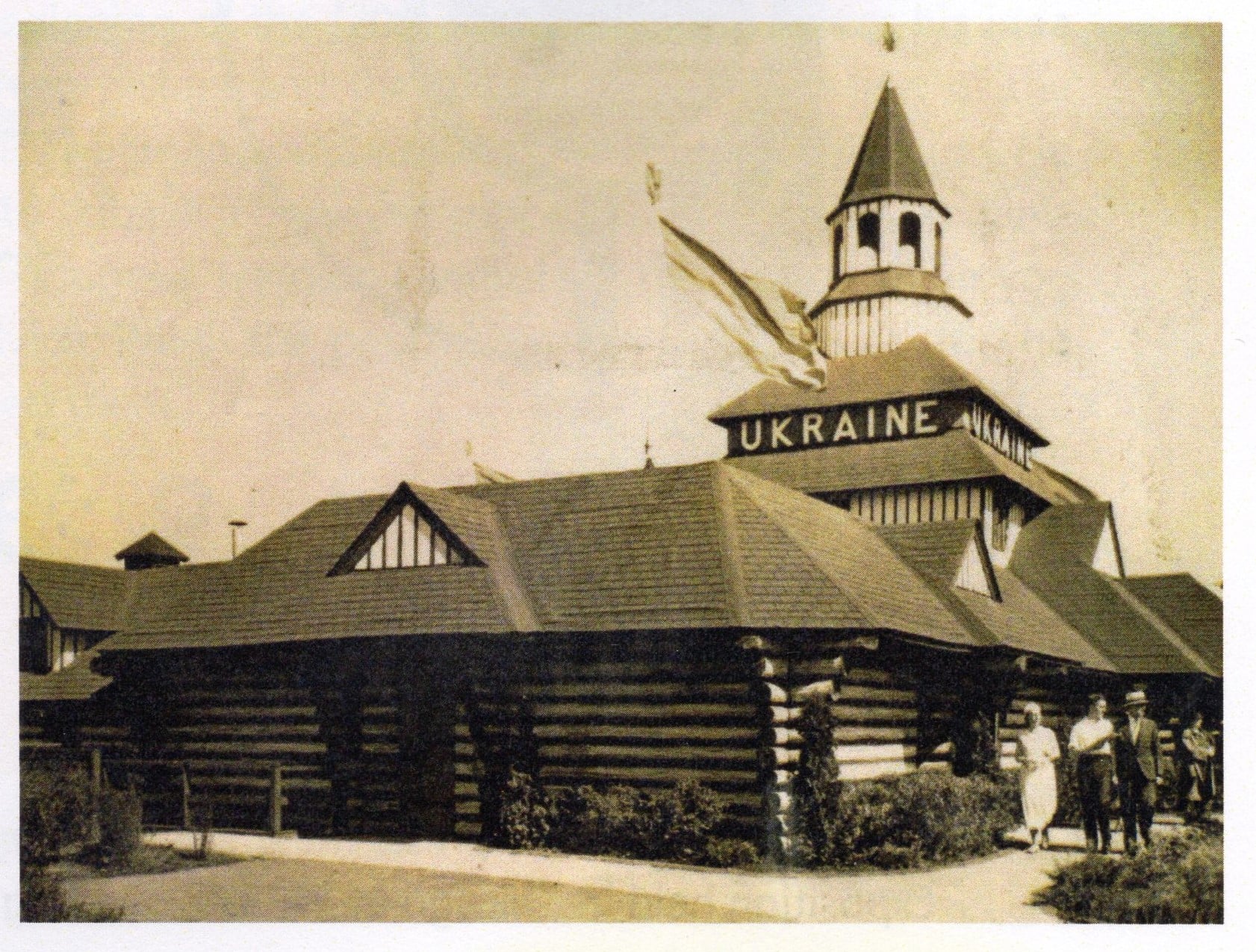
Dr. Siemens was very active and important in the Ukrainian American community. One notable achievement was to serve as the planner, fundraiser, and chair of the Ukrainian exhibit at the Century of Progress World’s Fair in Chicago in 1933-34. The exhibit showcased the country’s traditional arts and culture, including pysanky, the famous Ukrainian Easter eggs decorated using a wax-resist method.
In 1939, Siemens was called to testify before the Special Committee on Un-American Activities of the U.S. House of Representatives. He was president of the United Hetman Organization, proponents of a governance system in Ukraine run by a “hetman” or head of state that had been in operation up to the late 1700s. The organization was investigated for possible subversive activities, but no charges were ever laid against the group. Lacking widespread support, the group dissolved in 1942. Siemens was a leader of an effort to form a successor organization but there was insufficient support.
He was a benefactor of St. Nicholas Ukrainian Catholic Cathedral in Ukrainian Village on Chicago’s north side. In the early 1950s he was instrumental in establishing the Ukrainian National Museum, and served as honorary president.
Dr. Siemens has been called the “first ambassador for Ukraine in the U.S.” because of his efforts to preserve Ukrainian history and to help refugees from the country. Many dignitaries including the Crown Prince of Ukraine visited the family in the Castle.