

The Ridge Historical Society
Native Americans and the Blue Island Ridge – Part 12: Food and Other Resources
By Carol Flynn
About 60% of the food crops grown throughout the world originated with the Indigenous Peoples of the Americas. These include corn, beans, squash, pumpkins, sunflowers, wild rice, sweet potatoes, tomatoes, peppers, peanuts, avocados, papayas, potatoes, cacao, and many more foods.
The Calumet Region around the southern part of Lake Michigan, which extended west to include the Blue Island Ridge, and the land to the west and south of the Ridge, abounded with natural resources. Ecosystems in the area at the time included extensive marshes and wetlands, prairies, and forests of different types of oak, walnut, hickory, elm, maple, and some pine trees.
The Potawatomi engaged in all types of food and resource procurement. They hunted and fished; they gathered wild food plants and cultivated crops; and they used other plants and natural items for building and toolmaking.
The seasons set the activities. In spring, the Potawatomi tapped maple trees for sugar. In spring and summer, the communities came together to plant and grow crops, and to socialize. In the fall, harvesting crops and gathering wild plants took place. Fishing was a year-round activity. In winter, smaller groups went off on their own, and most of their time was spent in making and repairing belongings, and story telling and oral history sessions around the fire.
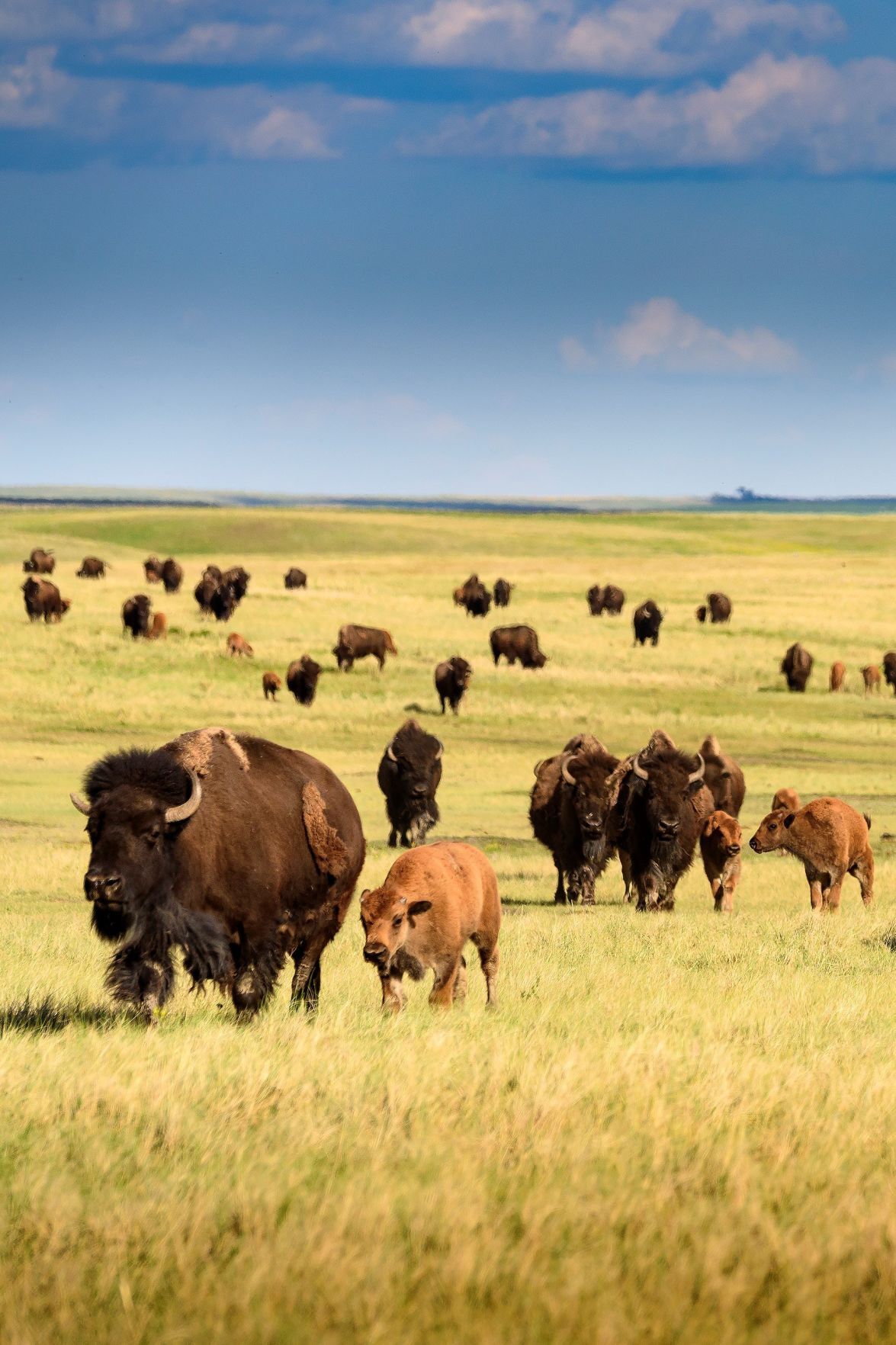
Using bow and arrow, the Potawatomi hunted deer, elk, beaver, and small game and fur-bearing animals such as rabbits, squirrels, muskrats, and mink. Prairie birds included wild turkeys, grouse, partridges, quail, pigeons, and prairie chickens. Waterfowl visited the marshes annually. In spring, larger hunting parties went after buffalo. Bears were in the area, and predators such as wolves, lynx, bobcats, and the occasional mountain lion were all hunted.
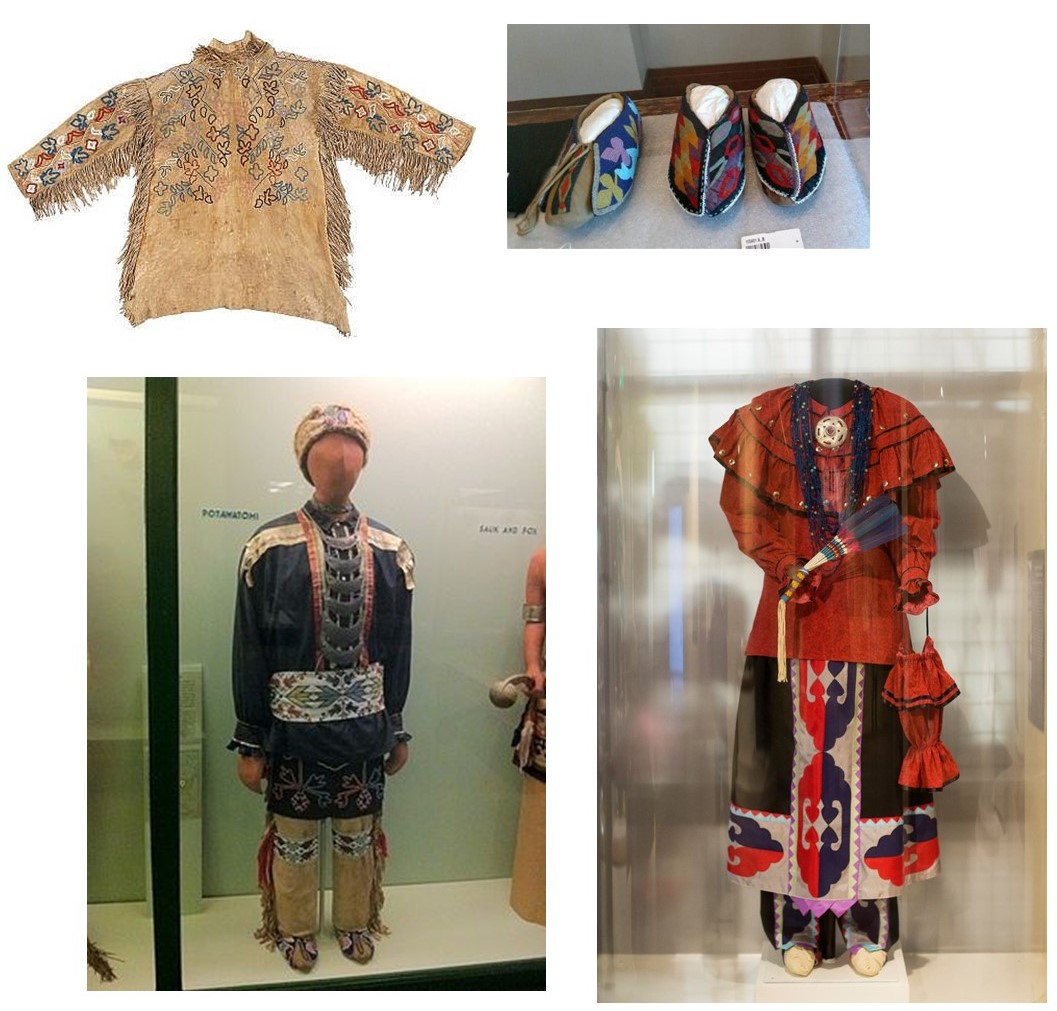
In addition to the meat from the animals, deer skins were used for pants, shirts, dresses, and moccasins. Winter clothing was made from buffalo hides and furs. Plants were used for dyes for clothing. Porcupine quills were used as embroidery needles. Bird feathers and shells decorated clothing, and after the 1600s, beads and silk ribbons from the European traders were used. Red and black paints made from plants were used for facial and body painting and tattoos.
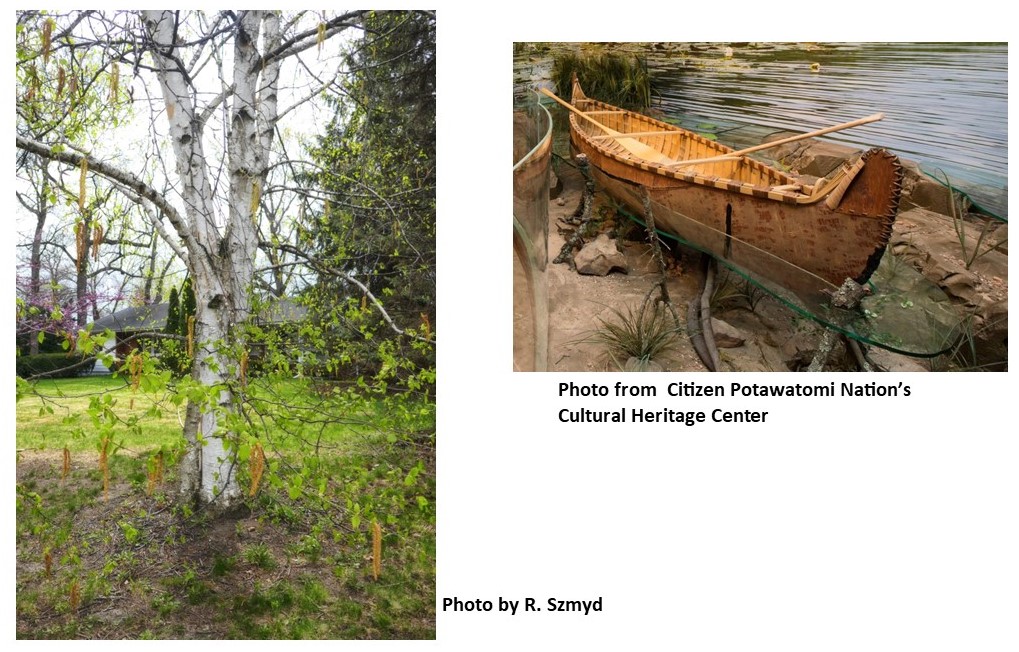
Many types of trees provided resources. The Potawatomi were renowned as canoe builders, using the bark of birch trees. Birch bark was also used to build homes. Floor mats were woven from reeds and cattails, and baskets and bags were made from hickory bark and animal skins. Mussel shells were used as utensils.
Musical instruments included drums made from hollow logs covered with animal skins, rattles made from deer hooves, and wooden or bone flutes.
In addition to Lake Michigan, the system of small lakes (Calumet, Wolf) and rivers and streams (the Calumet rivers, Stony Creek) teemed with fish – trout, white fish, pike. The Potawatomi used spears and nets for fishing.
Wild fruit and nut trees and bushes were plentiful in season. Red and yellow plums, crabapples, haws, grapes, sassafras, and pawpaws were all to be found. The marshes and sand hills provided cranberries, huckleberries, strawberries, blackberries, blueberries, whortleberries, raspberries, roseberries, gooseberries, currants, and winter berries. The sugar from the maple trees was used to sweeten the fruit. Native Americans used berries in tea, puddings, soups, cakes, muffins, and jam.
Nuts included hazelnuts, hickory nuts, white and black walnuts, and beech nuts. Nuts were pounded into flour for bread.
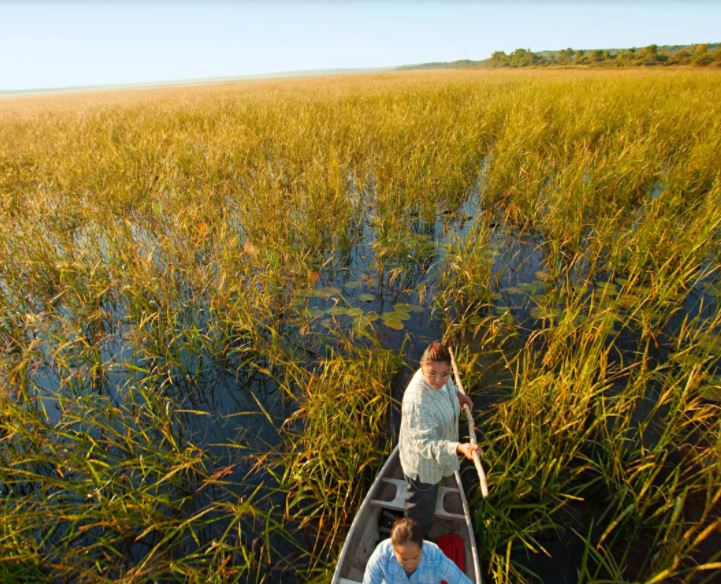
The wild rice that grew in the marshes all around the area not only was gathered as a food item by the Indians, but it also attracted the migrating waterfowl the Indians hunted – ducks including mallards, shovellers, blue-winged teals, and mergansers; coots; geese; and herons.
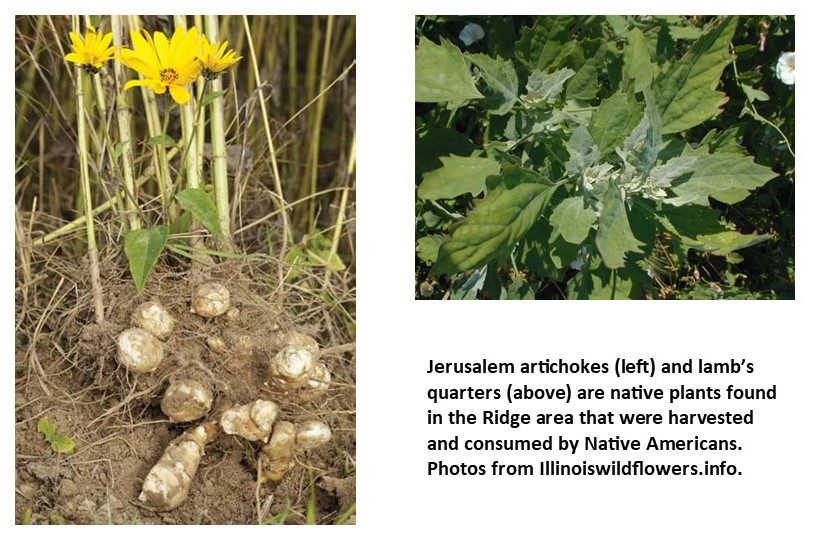
Greens that the Indians gathered included dandelions, lamb’s quarters, and stinging nettles. Roots included wild artichokes, milkweed, arrowhead, and wild dill. These items were not only very nutritious, many possessed medicinal qualities. Other medicinal plants that were gathered included ironweed, culver’s root, and prairie snakeroot.
The Potawatomi grew corn, beans, squash, peas, melons, pumpkins, onions, and tobacco.
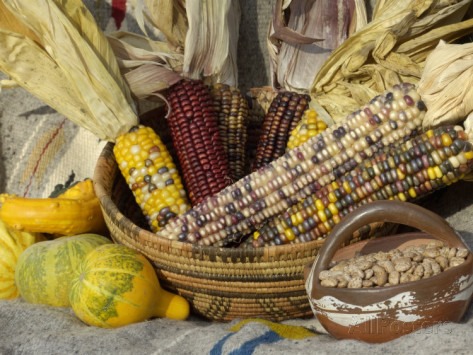
Corn was the most important crop the Potawatomi grew, both for eating and for trade. Corn, squash, and beans were called the “three sisters” and were staples of the diet. They were often grown together and combined together in dishes. Corn was a sacred food for Native Americans, and it went by different names that all meant “life.” It was served at almost every meal in one form or another.
One example of a corn dish from the Native Americans was rockahominie. This was corn pounded to remove the skins, boiled, and served with salt or maple sugar. Today this is a version of “hominy grits.” They also dried corn and ground it into meal to thicken the soups and stews they prepared.
The Potawatomi developed agricultural techniques including the controlled burning off of foliage, which aided hunting as well as killed pests and cleared land for farming; and ridged fields or garden beds that allowed for better drainage. Food, including meat, fish, and vegetables, was dried and stored over winter in birch bark containers.
Native Americans used tobacco for ceremonial purposes. The manitou spirits were believed to be very fond of tobacco, so it was offered to them to ask for or give thanks for help, either as dried gifts or through smoke from pipes. It was also used to seal peace treaties and agreements between tribes and between individuals. Tobacco was smoked in ceremonial pipes, the stem of which was called the “calumet” by the French traders, and this is the origin of the name for this entire southside region.
Next: Trade, games, and other aspects of Potawatomi life on the Ridge