Ridge Historical Society
National Police Week: The History of the Morgan Park Police Station – Part 1
By Carol Flynn
May is a busy time for “recognition weeks.” There was nurses’ week and teachers’ week, and May 9 to May 15 is National Police Week.
This seems like a good time to share the interesting story of the Morgan Park police station, now the 22nd District Police Station at 1900 West Monterey Avenue. The community didn’t always have its own police station – in fact, it was a struggle through the years to keep one here.
When the Village of Morgan Park annexed to the City of Chicago in 1914, all of the local services – fire department, police department, water, streets, utilities, schools, library – you name it – came under the control of city departments and regulations.
On Wednesday, April 22, 1914, at 5:40 p.m., Chicago took over Morgan Park and the four police officers employed by the village at that time became members of the Chicago Police Department. Morgan Park soon became part of the 32nd Ward.
On May 2 of that year, Chicago Police Superintendent James Gleason established a new police station at Morgan Park, and transferred in a lieutenant, a detective sergeant, three sergeants, and seven patrolmen. Lt. John F. Sullivan of the Hyde Park police station was given command. The first criminal complaint the new Morgan Park police station dealt with was an employee theft on May 26, 1914.
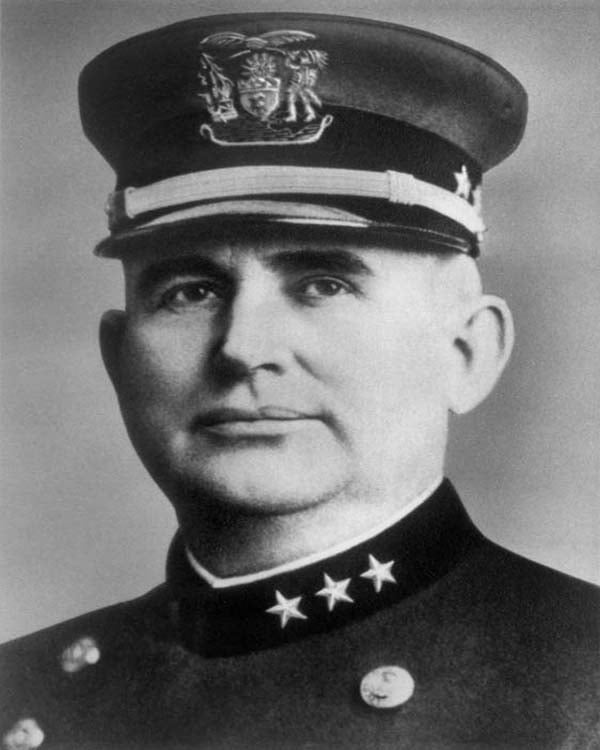
In 1916, the Police Superintendent was now Charles Healey, and he created a new police district, the 27th or Gresham, that included Morgan Park. Joseph C. Mullin was promoted from lieutenant to captain to be commander of this new district.
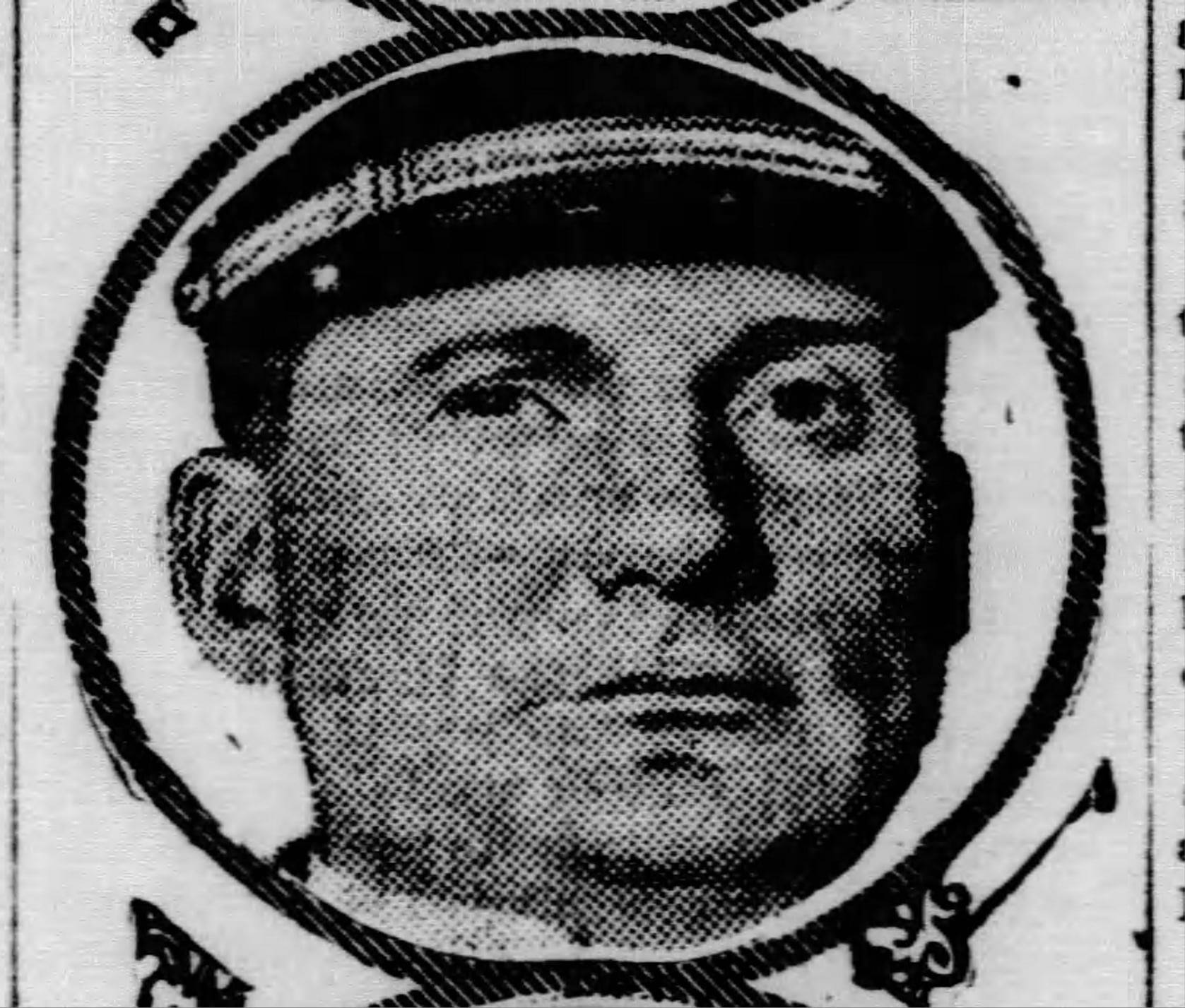
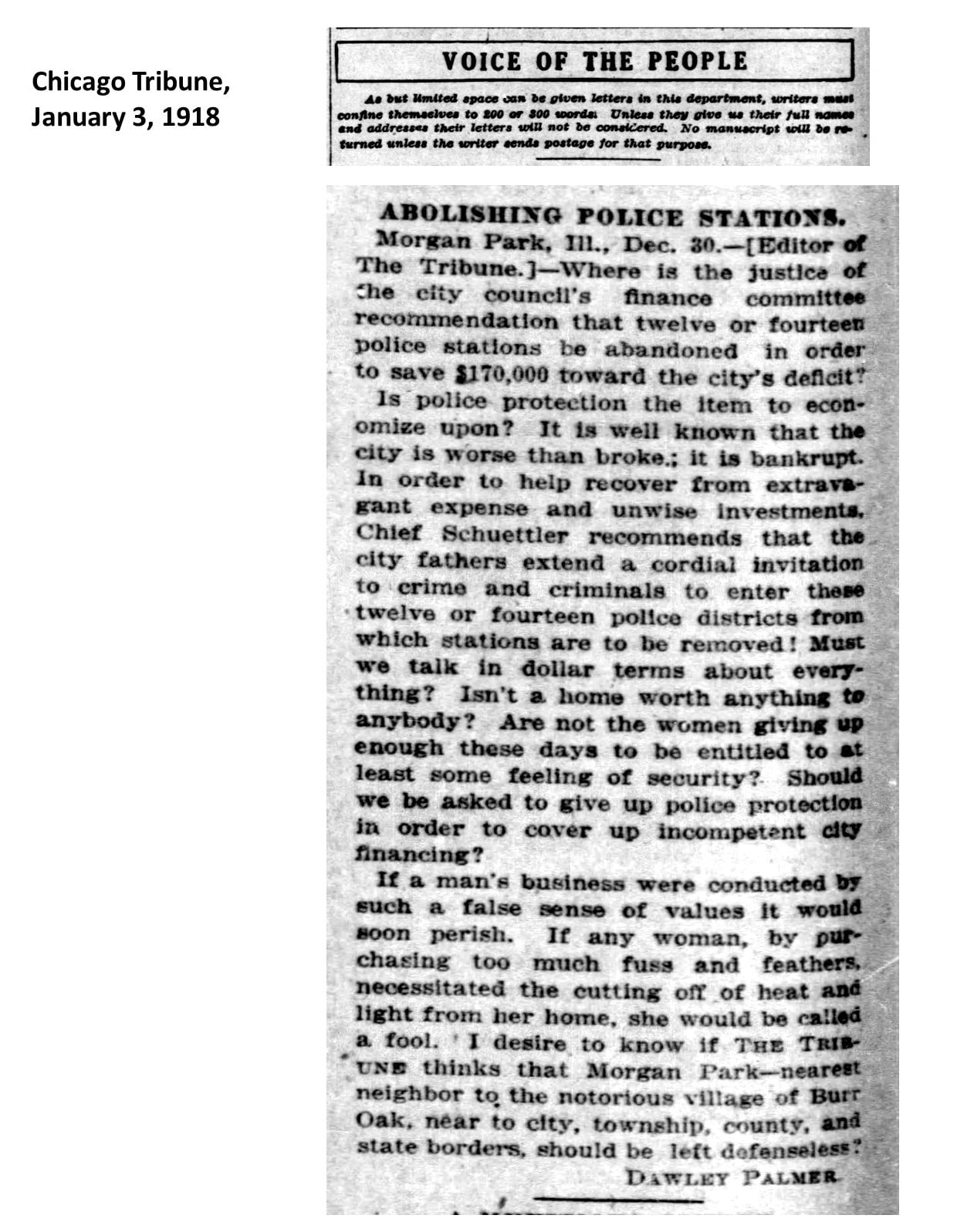
In 1917, there was again a new Police Superintendent, Herman F. Schuettler, an “efficiency expert” who had been acting chief four times. He proposed a reorganization of the police department, reducing the number of police stations from 45 to 22. He claimed that the money saved in administrative costs would be used to put more police officers out on the streets. The city council approved the plan. The Morgan Park station was on the list to close.
The residents of the Morgan Park area were very much against the closing of the station, and held a mass meeting attended by over 500 people to discuss what to do. The leaders of the effort to save the Morgan Park station included Aldermen Albert Fisher and James Rea; the head of the Morgan Park Business Men’s Association (MPBMA), Burten A. Knapp; and other civic organizations like the Morgan Park Improvement Association.
The concern was that the closest stations would be three miles away. A “committee” of 100 people was formed to visit city hall.
A “vigilance committee” was also formed at the time for “protection against criminal invasion.” Three hundred men signed up immediately, and money was raised to buy revolvers for all of them. A shooting range was planned so the men could learn to handle their weapons. It was announced a medal would be given to the first man who captured a criminal.
Schuettler met with fifty representatives of Morgan Park and assured them he would ask the city council finance committee to reconsider the issue. In the meantime, the vigilance committee continued its plans. It was also referred to as the “Home Guard Company” in local papers.
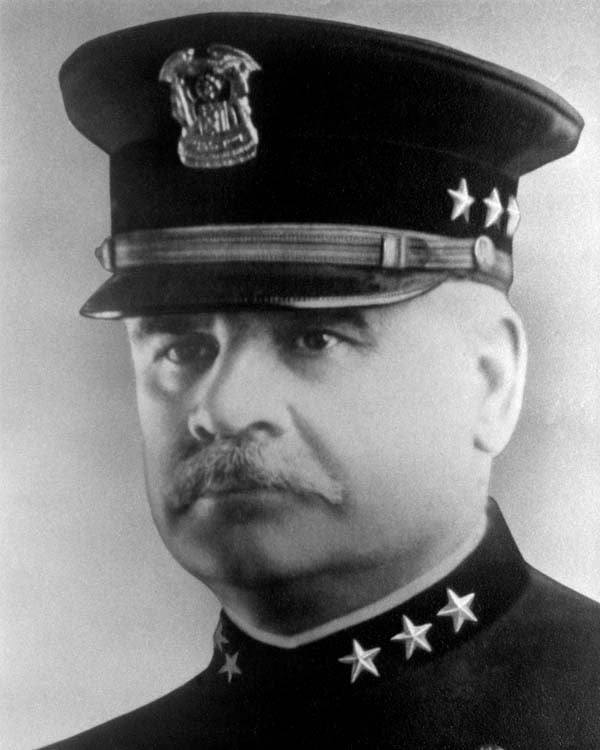
In January, Schuettler announced twelve stations, including Morgan Park, would close. However, he went on furlough after becoming ill, and the position of Superintendent was temporarily filled by John Alcock. Ten stations were closed in January 1918, but Alcock allowed Morgan Park and one other, Deering, to remain open. Deering was determined to be important because the manufacturing of war supplies went on in the district – the U.S. was involved in World War I at the time. But Morgan Park was allowed to remain open due to the pressure put on the mayor, city council, and police chief by the residents of the area and Alderman Fisher.
Then it was announced in February that the Morgan Park station would definitely close. Schuettler returned from his leave but continued to have health issues and was in and out of office during the spring.
The Morgan Park police station was finally closed on April 28, 1918. Adequate police protection in the form of mounted and motorcycle police was pledged, as well as a patrol wagon to be kept at the old station for emergencies.
The residents of the community planned to circulate a petition to reopen the station.
Schuettler died that summer and Alcock became acting superintendent again. Alcock gave a presentation to the people of Morgan Park from the pulpit of the Morgan Park Congregational Church in September of 1918. He told the audience that Jesus Christ couldn’t be chief of police in Chicago without being criticized. He said it was time to begin a larger and more loyal support of good policemen.
However, there were no plans to reopen the Morgan Park police station.
Next post: Morgan Park continues its fight for a police station.