
For those who need a little break from current news.
The Paranormal Ridge: Part 2 – The Victorian Era and Ghosts
By Carol Flynn
The Victorians were enthralled with ghosts. Consider fictional ghost stories during the Victorian Era.
Halloween was brought over to the U.S. in the 1800s by descendants of the Celts, the Irish and the Scots. It has since become the time of the year when people really take interest in ghost stories and events.
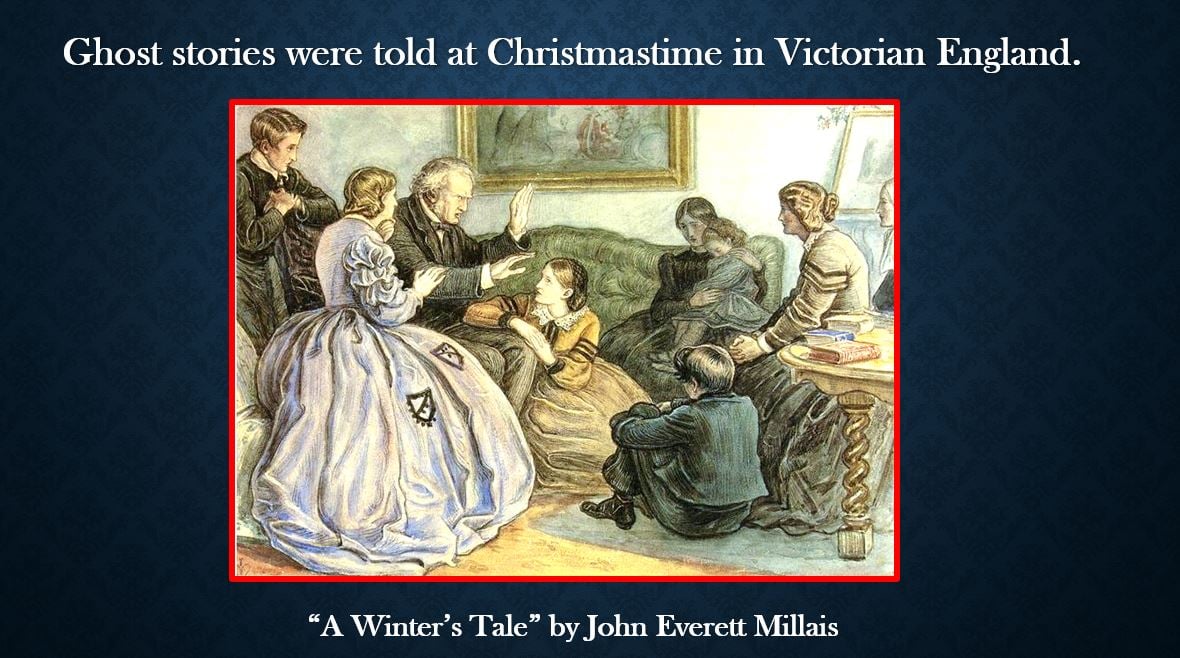
However, the earlier settlement of the U. S. was largely by people from England, and they followed the customs of that country. In England and for the English settlers in the U.S., the traditional time of the year to tell ghost stories was Christmas time.
Ghost stories were very popular in the Victorian era, from the 1830s well into the early 1900s. Some famous ghost and “psychological horror” fiction story writers from this period include Sheridan Le Fanu, M. R. (Montague Rhodes) James, and Algernon Blackwood, whose very names seem perfect for writing ghost stories. There were women writers, also, including Charlotte Riddell and Edith Wharton. They influenced generations of authors who followed them, from H. P. Lovecraft to Anne Rice to Stephen King.
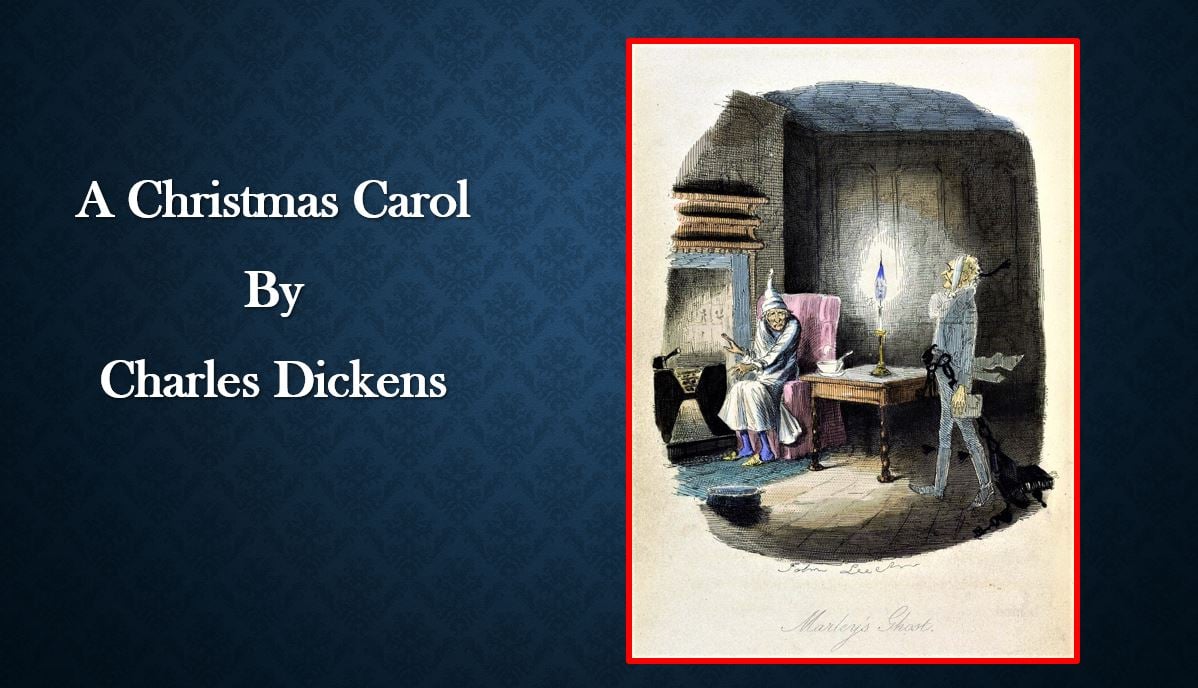
The most famous fiction ghost story of all time is “A Christmas Carol” by Charles Dickens, published in 1843. Its full name is actually “A Christmas Carol. In Prose. Being a Ghost Story of Christmas.”
The plot of this story is well known. Spiteful, miserly Ebenezer Scrooge is nasty to his employees, his relatives, and, well, everyone. He especially hates Christmas. But then one Christmas Eve, he is visited by the ghost of his deceased partner Jacob Marley, and by the ghosts of Christmas Past, Present and Yet to Come. Thanks to the intervention of these spirits, he changes his ways to become a good, generous, caring man.
This story has been adapted over and over for other books and stories, movies and TV shows.
We can easily envision Scrooge’s experience from Dickens’ descriptions. Dickens included many of the signs of a haunting that have been consistent throughout history and that people report to this day.
It all starts when Scrooge sees Marley’s image in common objects he has looked at thousands of times – the door knocker, the fireplace tiles. He feels unsettled, like he is being watched. He checks every corner; he looks under the bed. “Humbug,” he keeps telling himself – this must be his imagination; there are no such things as ghosts.
An old disused servants’ bell on the ceiling begins to ring on its own, followed by a clanking noise from the wine cellar below. The cellar door flies open with a bang. There is a “chilling influence” in the air. At last the phantom of Marley appears in the room. Scrooge can see right through to the back buttons of the ghost’s waistcoat.
Scrooge has a verbal exchange with Marley’s ghost who delivers a message – people who do not create happiness while alive are doomed to wander forever as spirits.
As the ghost begins his exit, the window flies open by itself, and there are confused noises in the air, incoherent sounds of lamentation and regret, sorrow and self-accusation. The ghost floats out through the window and Scrooge feels compelled to look, where he sees the air filled “with phantoms, wandering hither and thither in restless haste, and moaning as they went.” Many had been personally known to Scrooge in their lives and now “the misery with them all was, clearly, that they sought to interfere, for good, in human matters, and had lost the power forever.”
Victorian-era fictional ghost stories were often written not only to entertain and thrill, but to educate and deliver a moral message. “A Christmas Carol” certainly continues to deliver on all counts.
The Victorians were enthralled with ghosts at the same time they were embracing new technology and scientific advancements. The two became intertwined – technology and the spirit world.
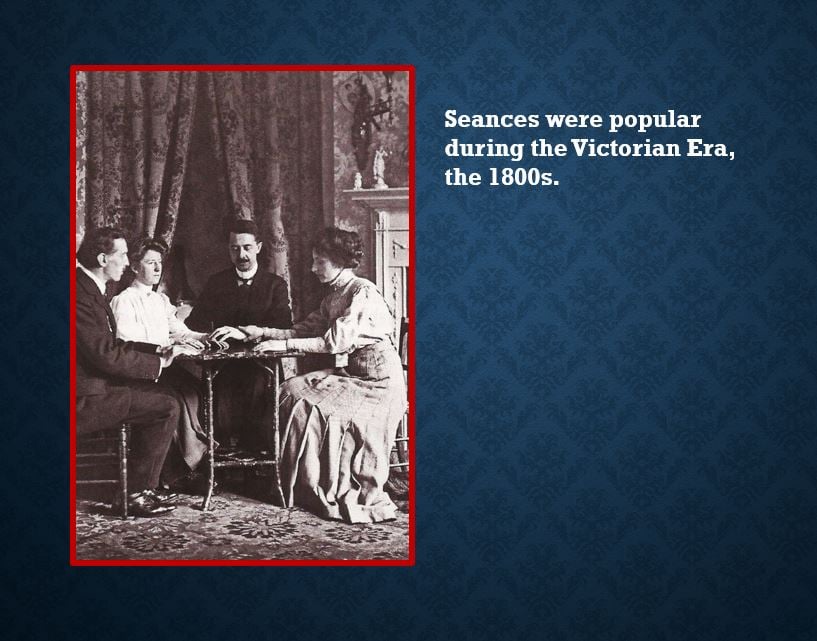
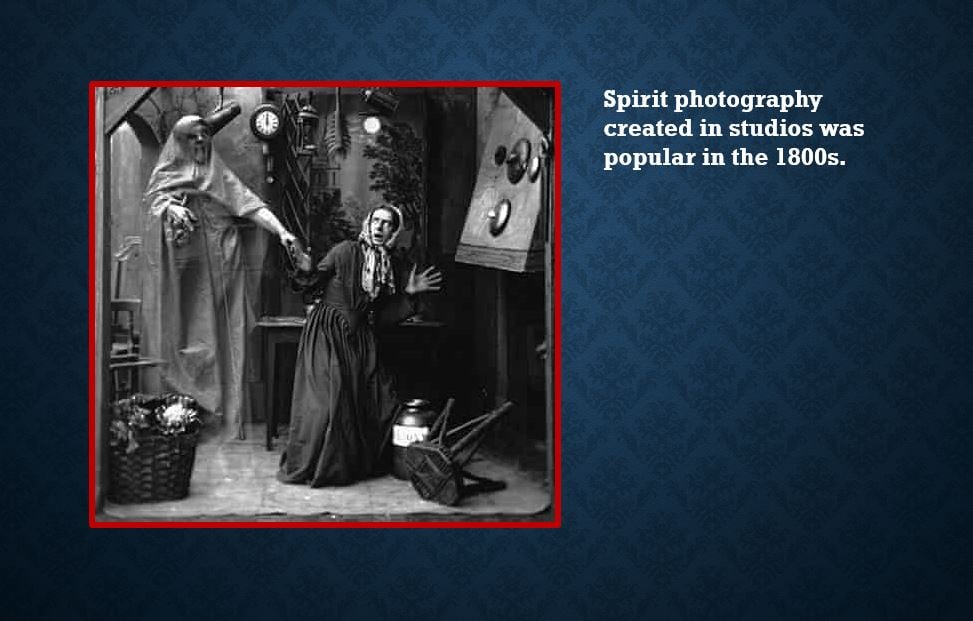
In addition to written ghost stories, seances and “spirit photography” became popular in Victorian times.
People reasoned that if new inventions, like the telephone and telegraph and photography, made it possible to communicate with people thousands of miles away, and record images of anything, then it was also possible to communicate with and record the spirit world.
Seances, in which a human “medium” acted as an intermediary between the living and the dead, were conducted in studios and parlors throughout England and the U.S. The spirits usually communicated by rapping on the tables or walls; moving objects; causing the lights to blink; “spirit writing” in which the medium wrote out the spirit’s message; and even by possessing the body of the medium and speaking through that person. It was reported that Queen Victoria herself participated in seances to communicate with her late husband Prince Albert.
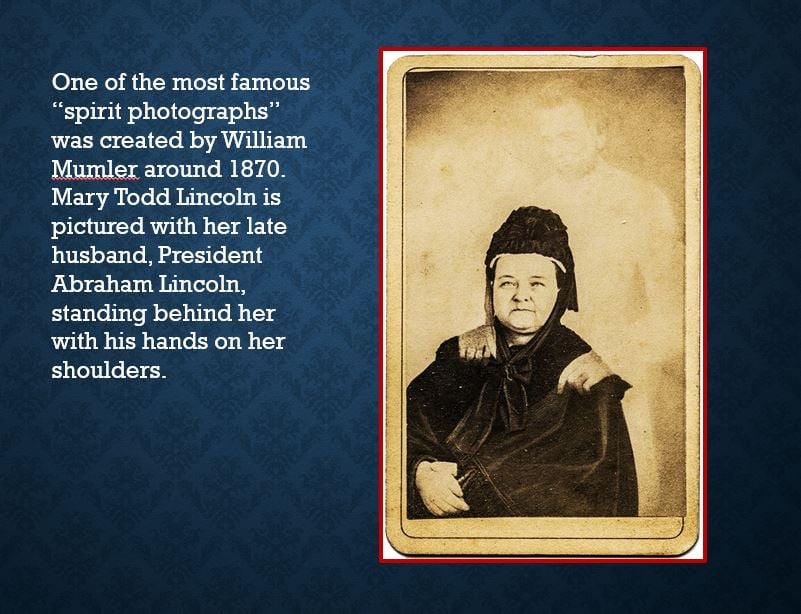
“Spirit photography” captured the images of ghostly presences, often of deceased loved ones interacting with the living. One famous U.S. ghost photographer was William Mumler, who produced a photo of Mary Todd Lincoln with the image of her late husband, President Abraham Lincoln, hovering over her with his hands on her shoulder.
People in the throes of grief were easy victims for charlatan mediums and spirit photographers. Such victims were comforted to think their loved ones were still nearby. Eventually, the skeptics started to outnumber the believers, and some spiritual practitioners were charged with larceny and fraud. Mumler was arrested and put on trial, but the prosecution could not prove how Mumler had created a hoax so he was exonerated. It was after this trial, around 1870, that he created the photo of the Lincolns.
The next post in this series will explore the signs of a haunting, leading up to the ghost stories connected to Givins Beverly Castle.