The history of Dan Ryan Woods – Part 20: The “Lungs” of the City
By Carol Flynn
The history of the land and events that went on in the Forest Preserves of Cook County (FPPC) and Dan Ryan Woods (DRW) have been the focus of most of this series so far. This post will discuss the woods themselves.
Frederick Law Olmsted, the public health proponent and landscape architect, used the term “the lungs of the city” in 1872 to emphasize the importance of public parks as open green spaces where city dwellers could breathe clean air. He was speaking in terms of the prevailing belief of that time that diseases were caused by breathing “bad vapors” and could be avoided and cured by good ventilation and plenty of fresh air. While we know much more now about bacteria and viruses that are the actual causes of diseases, we also know that Olmsted was more correct about the importance of green spaces than he could have imagined, but for other scientific reasons.
A green space like DRW not only benefits the community recreationally and aesthetically, but also ecologically. According to the U.S. Forest Service’s Urban Forest Ecosystem Research Unit and many other sources, it is well documented that trees absorb pollutants such as carbon monoxide and sulfur dioxide and break them down into less harmful substances. Trees also remove carbon dioxide, a potent greenhouse gas that traps heat and contributes to global warming, and through the process of photosynthesis, release oxygen into the air.
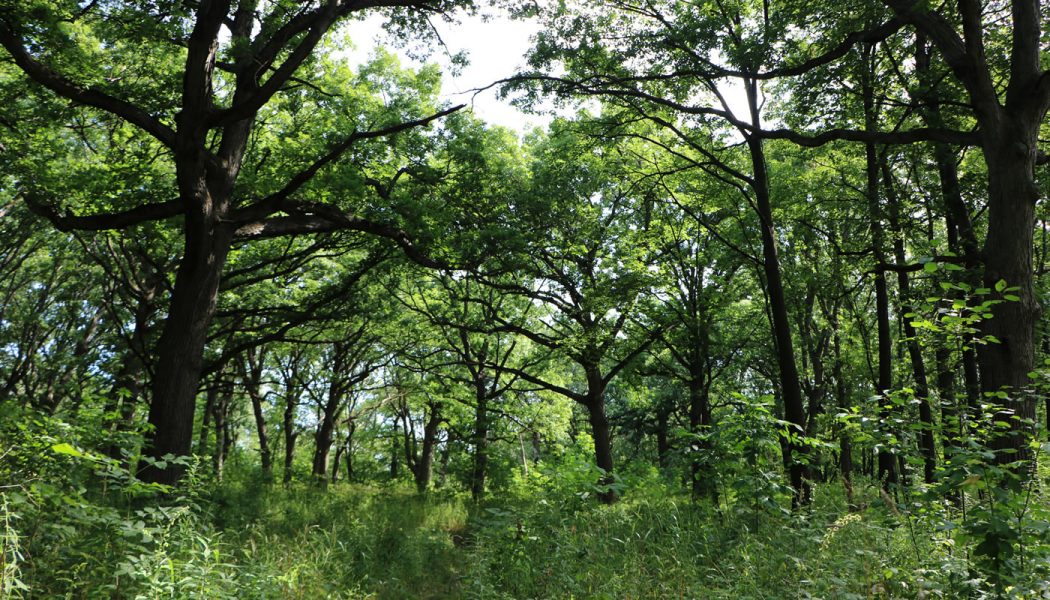
The FPCC describes the top of the Ridge in DRW as an open woodland made up primarily of oak and hickory trees. The trees are spaced far enough apart to allow sunlight to reach the forest floor, where plants such as red trillium, thicket parsley and wild geranium thrive. Open woodlands were one of the predominant ecosystems once found throughout the Chicago area before development.
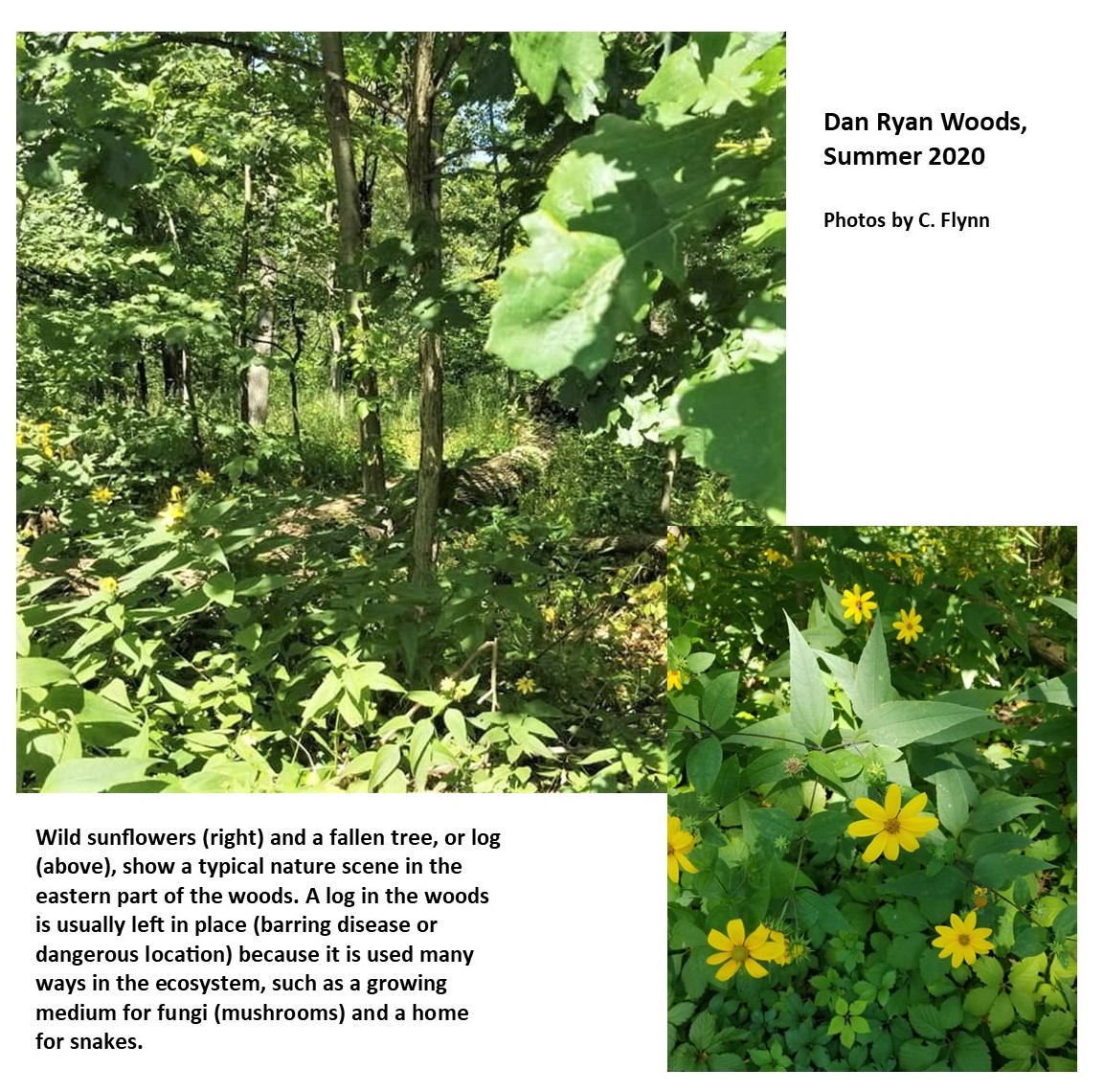
The east side of the woods, below the Ridge, is described by FPCC as “wet woods” dominated by swamp white oaks, red oaks, and American basswood. Pale-leaved sunflower, fringed loosestrife and many sedges and manna grasses cover the ground below. These are all plants that can withstand flooding, as they receive the run-off of water from the Ridge.
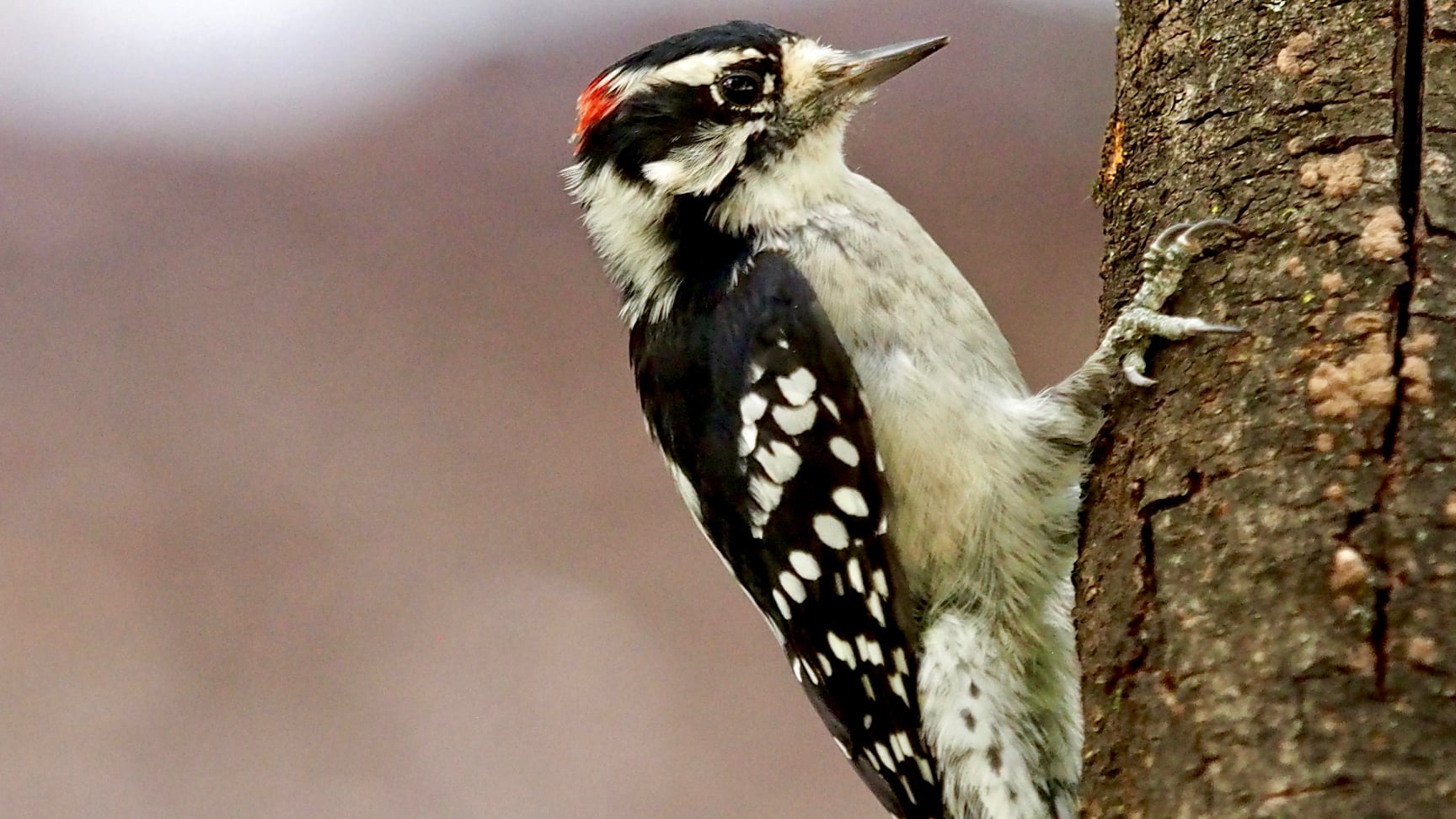
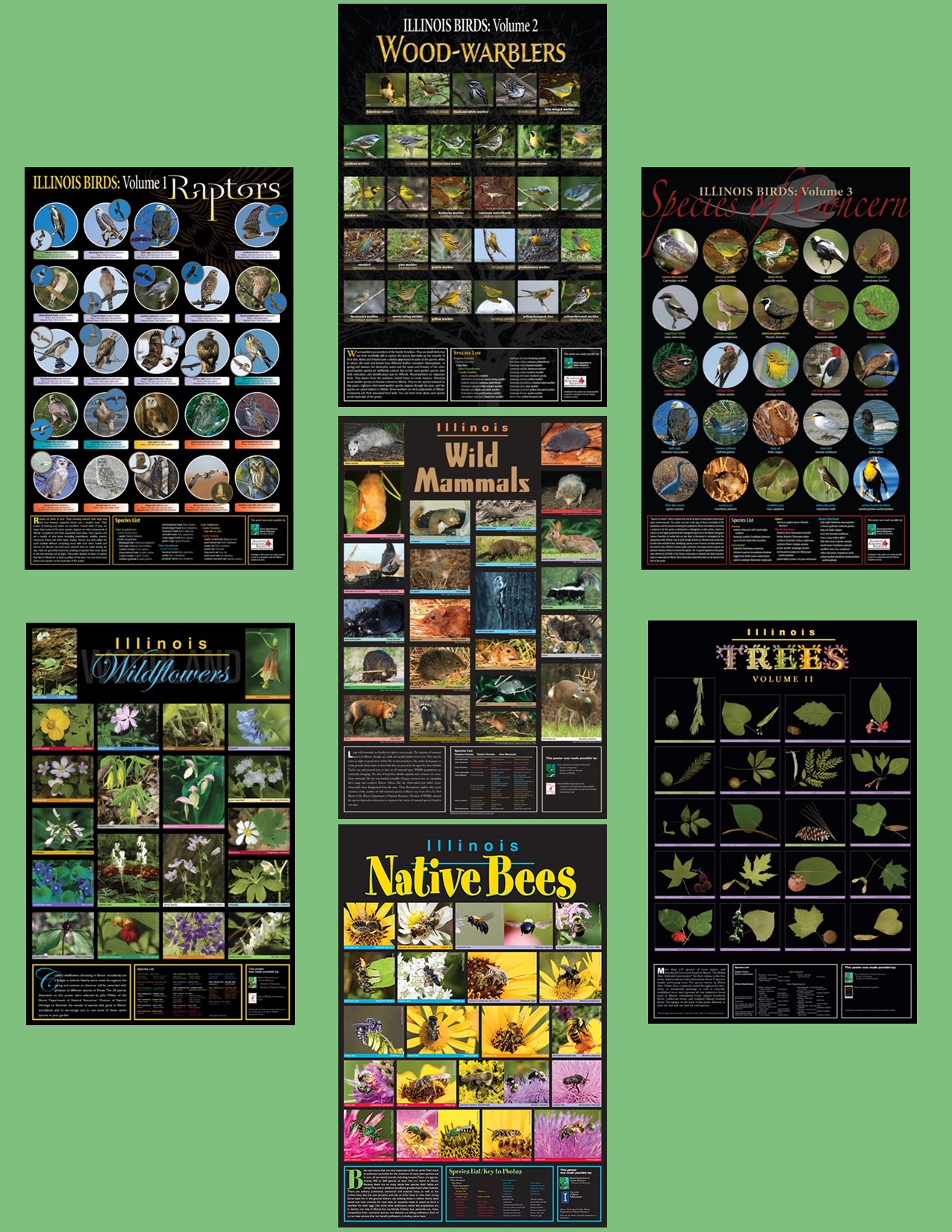
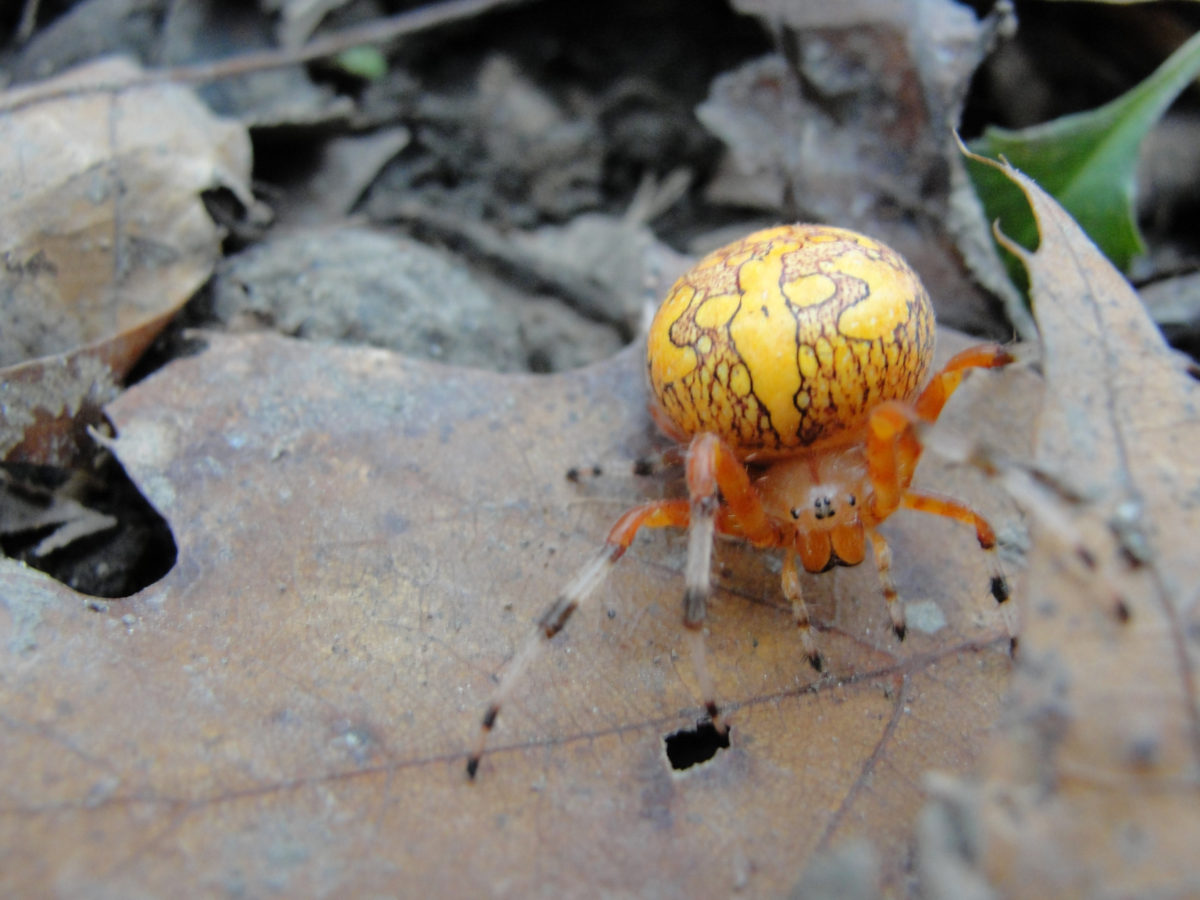
Bird watching is a favorite pastime in DRW and all the preserves. Birds that may be seen in DRW include hawks, owls, woodpeckers, warblers, goldfinches, hummingbirds, and many more. In addition to the wildlife that can be spotted, like birds and rabbits, the forest is teeming with life visitors do not always realize is there: bees, butterflies, spiders, snails, crickets, grasshoppers, earthworms, and many other tiny creatures, and microorganisms too small to be seen by the human eye. Every one of these creatures has an important role in the ecosystem.
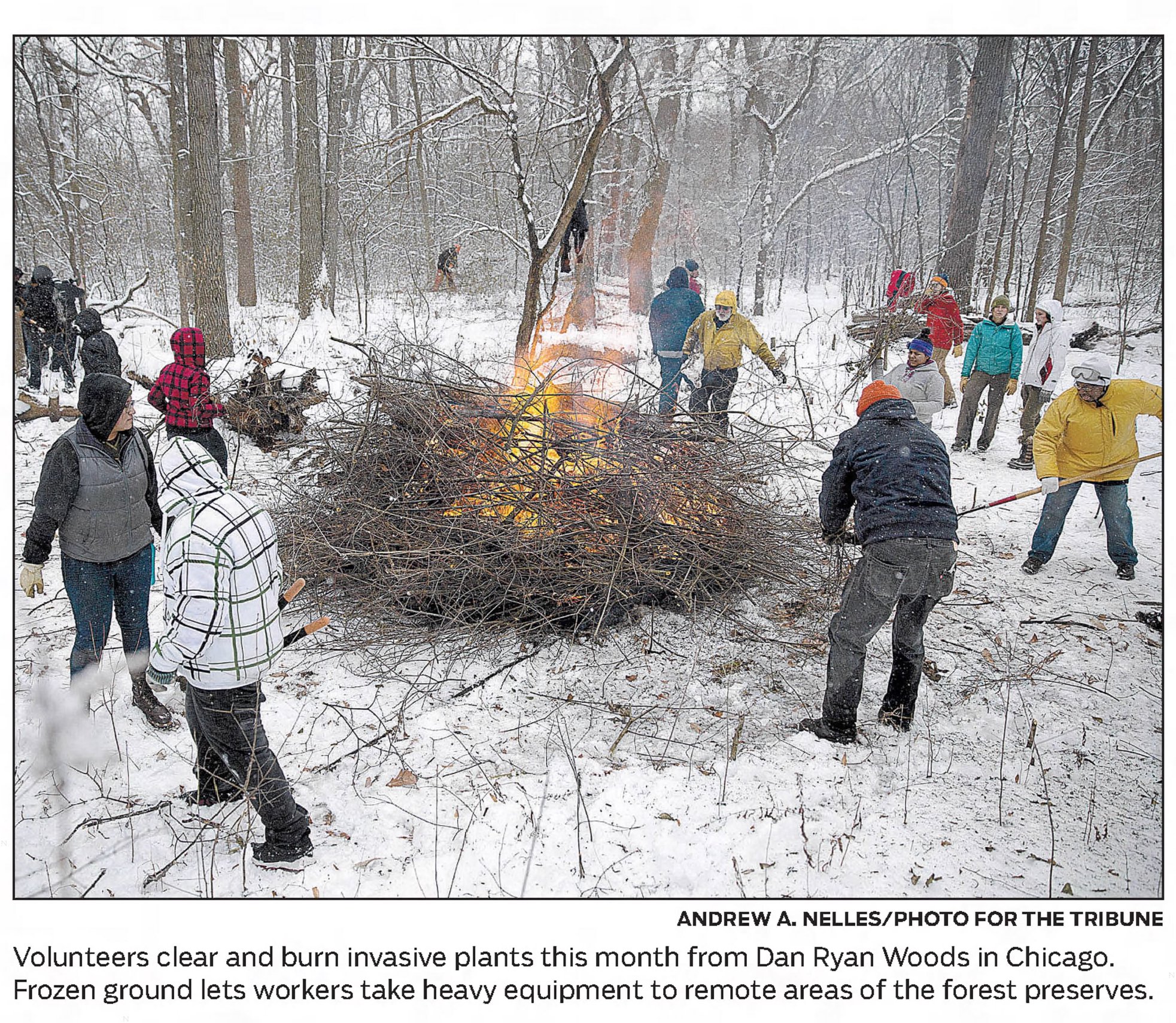
Gone from DRW are the elm trees that once were plentiful around Chicago. The FPCC lost over 100,000 trees due to Dutch Elm Disease, the fungal infection spread by elm bark beetles, after the disease entered the U.S. in the 1950s. In more recent years, DRW has lost hundreds of trees to the emerald ash borer. Dozens of invasive plant species such as buckthorn are also enemies of native ecosystems. Removing invasive plants from DRW and the other preserves is an on-going challenge.
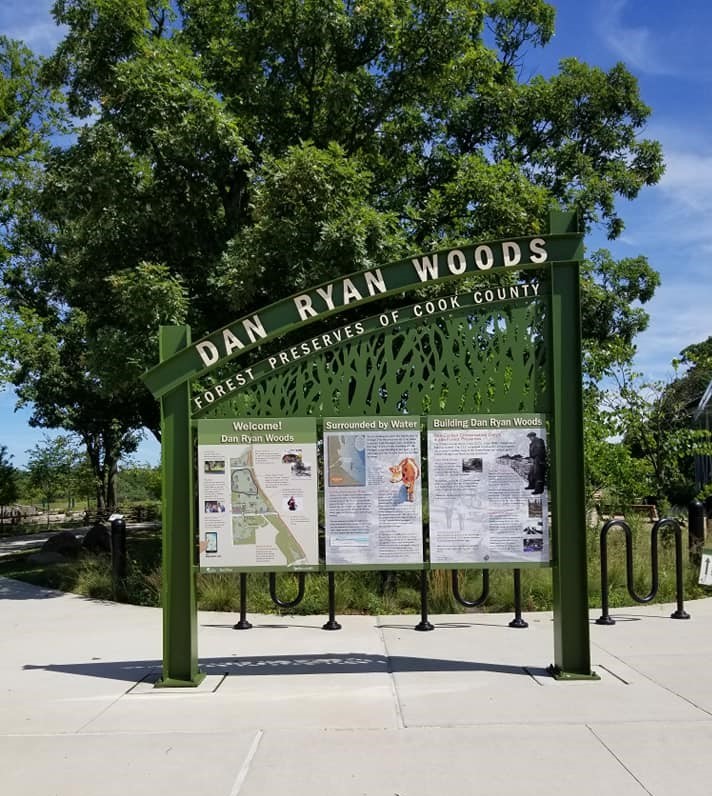
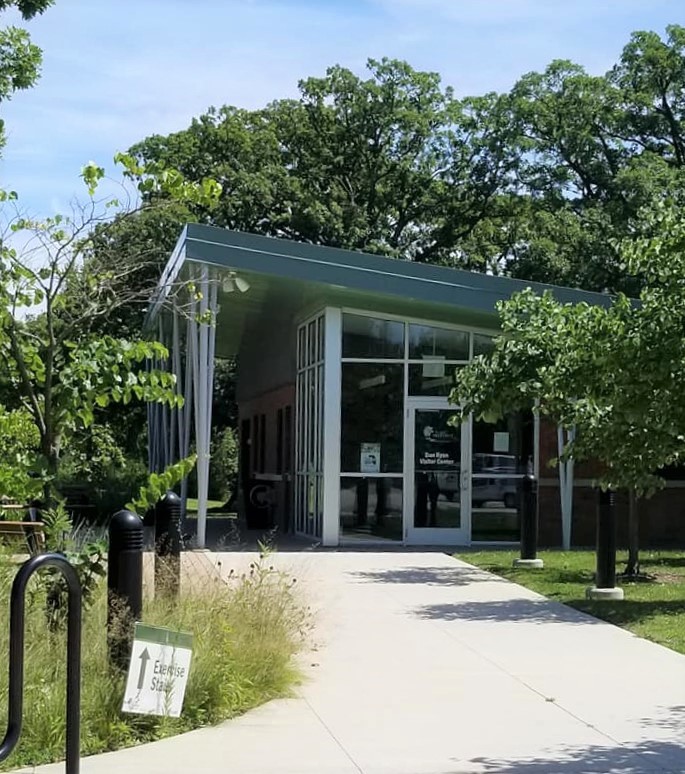
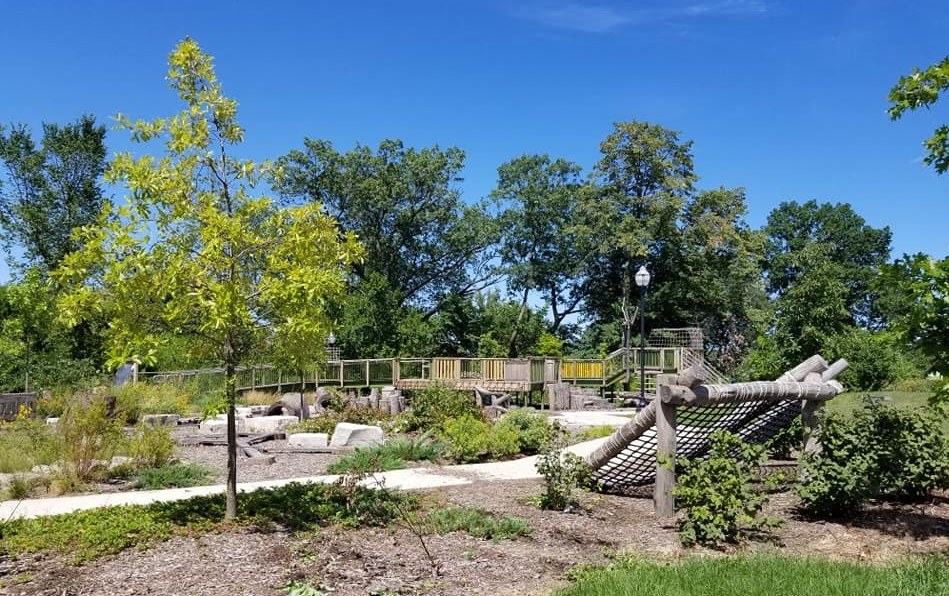
FPCC continues its mission of conservation, education, and recreation. At DRW, some new features were introduced in recent years, including a new visitors’ center and a nature play space with a treehouse walkway. The pavilion, or warming shelter, is available for events, and of course, picnic groves and trails have been available for 100 years.
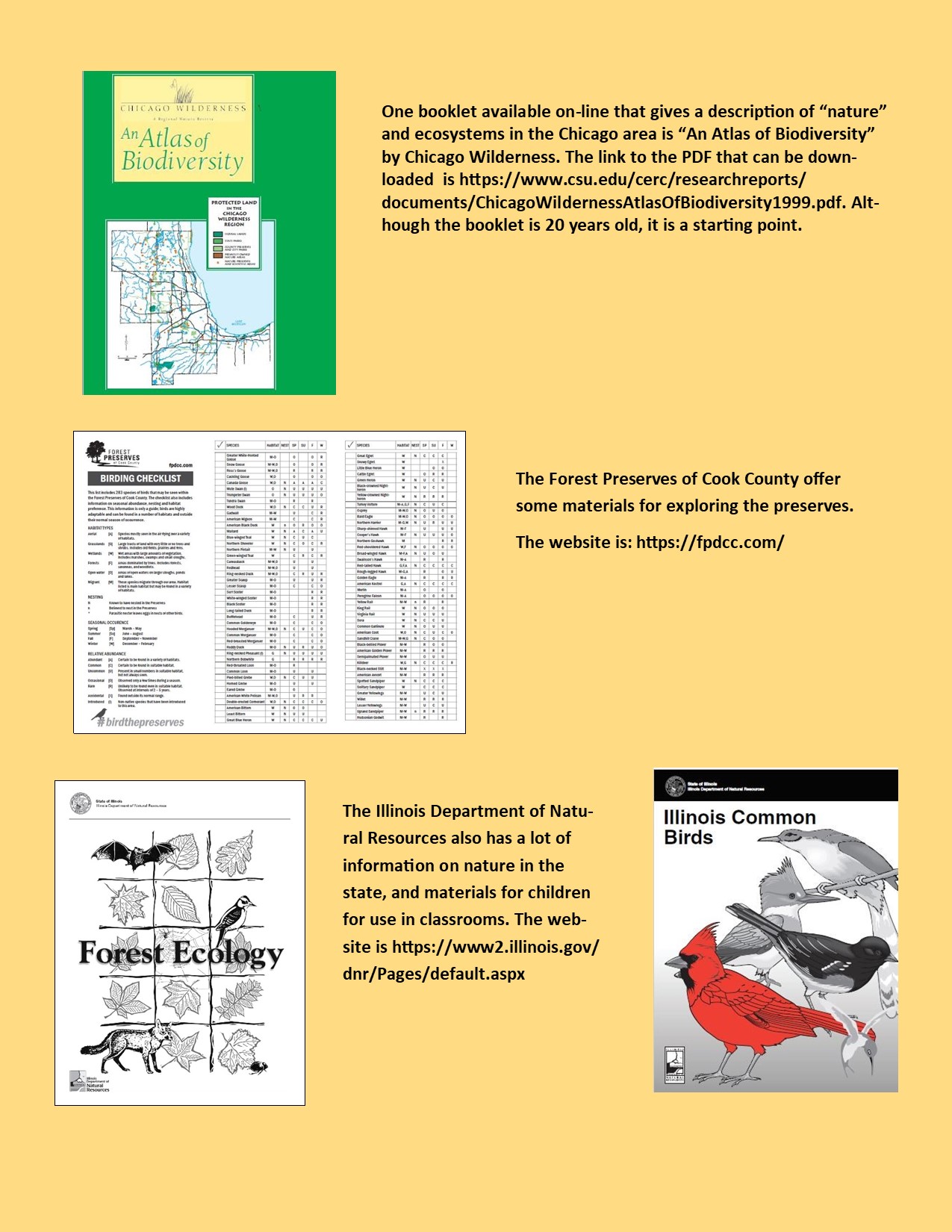
The website for the FPCC, https://fpdcc.com/, shares information on accessing the preserve and can be checked for updates to programs and services affected by the pandemic.
Different volunteer groups work with FPCC on projects. One group is the Friends of the Forest Preserves (FOTFP), founded in 1998 as a grassroots non-profit organization that works to protect, restore, and promote the preserves. FOTFP offers a variety of ways to get involved in the preserves, including restoration projects and photo contests. The website is https://www.fotfp.org/.
Last year FPCC adopted a Land Acknowledgement Statement, which recognizes and shows respect for the past and on-going relationship that Native American tribes share with the land. This is particularly appropriate as the forest preserves are really the only places left where archeological remains of the vast Native American presence in the Chicago area dating back for 13,000 years can still be found undisturbed.
The FPCC Land Acknowledgement Statement dated 2019 is:
“The Forest Preserves of Cook County acknowledges that we are on the ancestral homelands of the Council of Three Fires—the Ojibwa, Ottawa and Potawatomi tribes—and a place of trade with many other tribes, including the Ho-Chunk, Miami, Menominee, Sauk and Meskwaki.
“As a land management agency, we acknowledge that we have played a role in shaping the histories of local Native Americans by acquiring this land. We must also recognize, share and celebrate the history of local Native Americans and their immemorial ties to this land.
“We commit ourselves to developing deeper partnerships that advocate for the progress, dignity and humanity of the many diverse Native Americans who still live and practice their heritage and traditions on this land today.”
This brings us full circle back to the beginning, when the tip of the Ridge was known as “Look Out Point.” The folklore about Indians and the land now known as Dan Ryan Woods might be more fanciful than historic, but acknowledging that the Native Americans were here long before the settlers came is a good way to reinforce Cook County’s stewardship role for the land and its ecosystems, and the duty of county residents and the other users of the preserves to protect them.
Dan Ryan Woods offers a small but significant remnant of the “wild Ridge” that existed before development. Other posts on the RHS Facebook page have discussed the natural history of the area, the oak savannas, the prairies, the wetlands and marshes with their abundant wildlife and native fruit and nut trees that covered the area, through the observations and experiences of the early settlers.
The next and final post on the history of Dan Ryan Woods will discuss a favorite topic related to the earliest days of the ”wild Ridge” – Horse Thief Hollow.