The history of Dan Ryan Woods – Part 19: Odds and ends – some interesting DRW stories
By Carol Flynn
These are just a few of the many stories relating to Dan Ryan Woods (DRW) that make for interesting local history “trivia.”
Tornado
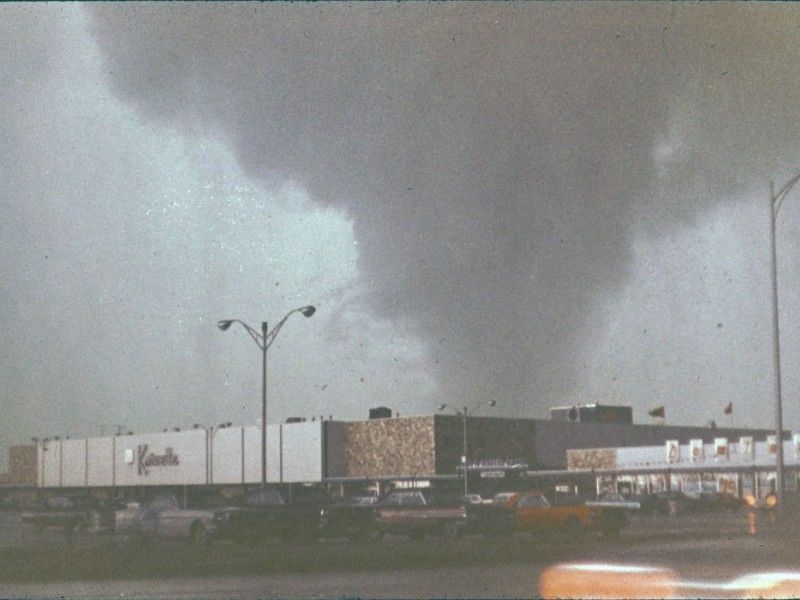
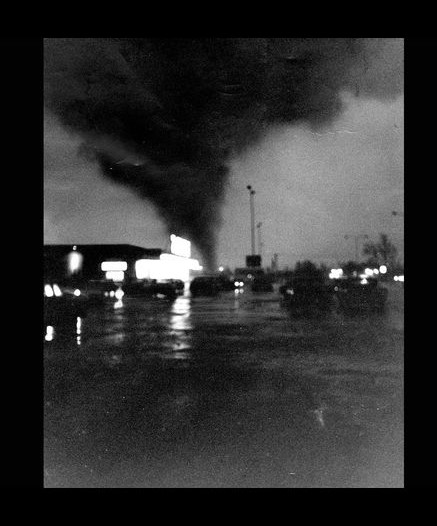
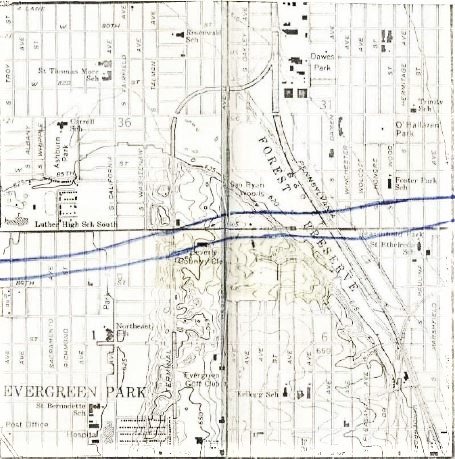
On April 21, 1967, the deadliest tornado in the history of northern Illinois came through the area right at evening rush hour. At 5:24 p.m., the twister touched down in Palos Hills by 106th Street and 88th Avenue where Moraine Valley Community College is now, and started moving east-northeast. It reached its maximum size and intensity as it passed through Oak Lawn, Hometown and Evergreen Park. It continued along 87th Street, destroying a building at the Beverly Country Club, and tore through DRW, uprooting and damaging hundreds of trees. The twister continued northeast, weakening, until it moved into the lake as a waterspout at Rainbow Beach around 79th Street. The tornado caused 33 fatalities and over 1,000 injuries, and more than $50 million in property damage.
Unexplained prank
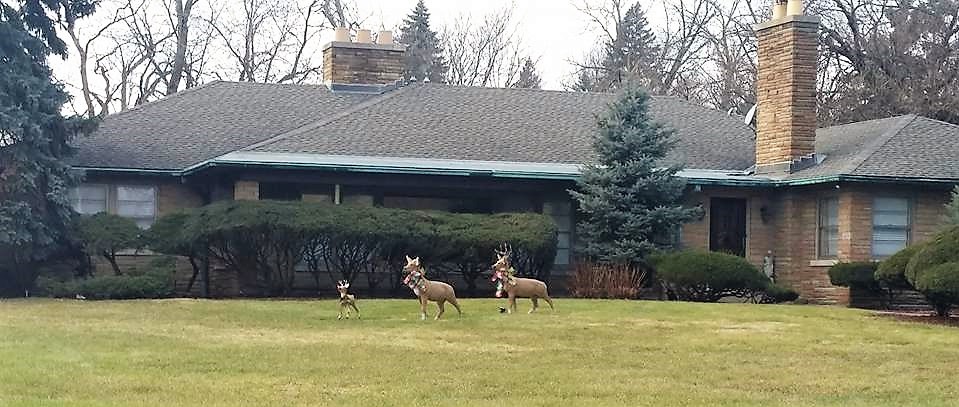
The cast iron deer family outside the home at 119th Street and Bell Avenue is a familiar sight. In 1968, the doe disappeared for several weeks after Halloween. Police on foot patrol found it in the middle of a sidewalk in a residential area blocks away but could not move it because it weighed 450 pounds. Returning with more help, the doe was gone. It turned up in DRW. How the lawn ornament was removed unnoticed in the first place was a matter of conjecture because it was so heavy, and there were no marks on the lawn that it had been dragged; in fact, there was no trace of the theft at all, not even a footprint. The police returned the doe via a police van, and because of this prank, the owners cemented the deer into the ground, where they remained for fifty years. However, it was recently noticed that the fawn is now gone.
Crosstown Expressway
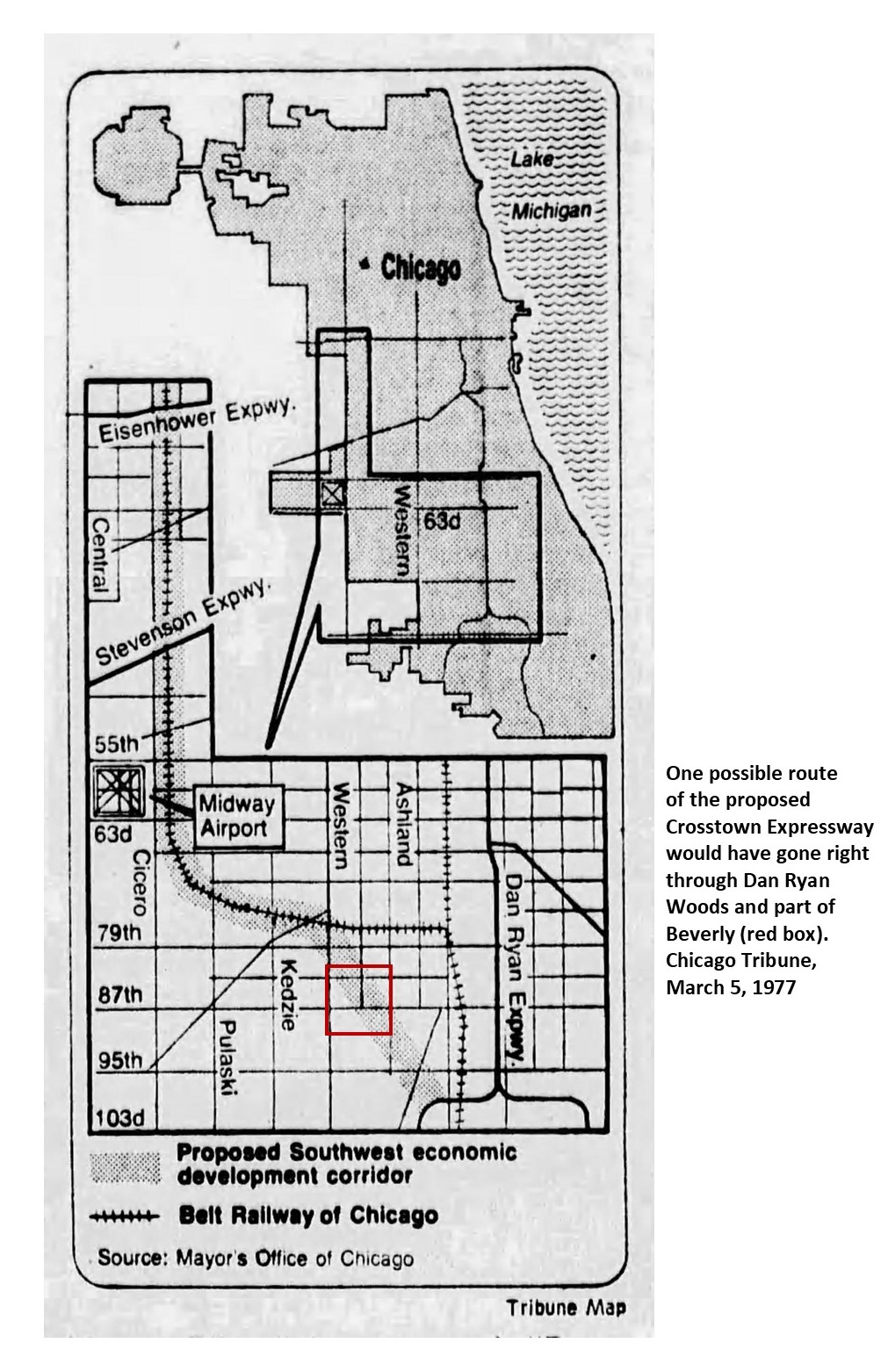
All through the 1960s and 1970s, there was talk of building a “Crosstown Expressway” on the west side of Chicago that would connect the north and south sides. The origins of this plan dated back to Daniel Burnham’s 1909 Plan of Chicago, to divert traffic around the central city. The Crosstown Expressway “corridor” was planned to start at Montrose Avenue where the Kennedy and Eden Expressways connected, and run south along Cicero Avenue, until Midway Airport, where it would veer southeast to connect to the Dan Ryan Expressway. Various routes through the southwest side were considered, including at least one that would have destroyed DRW. Ridge community groups spoke out against any plan that would adversely affect the preserve. The Crosstown Expressway was a political issue and there was only lukewarm public support for the $2 billion project. The plan was abandoned in 1979, although periodically new ideas related to this concept are proposed.
Toys for Tots
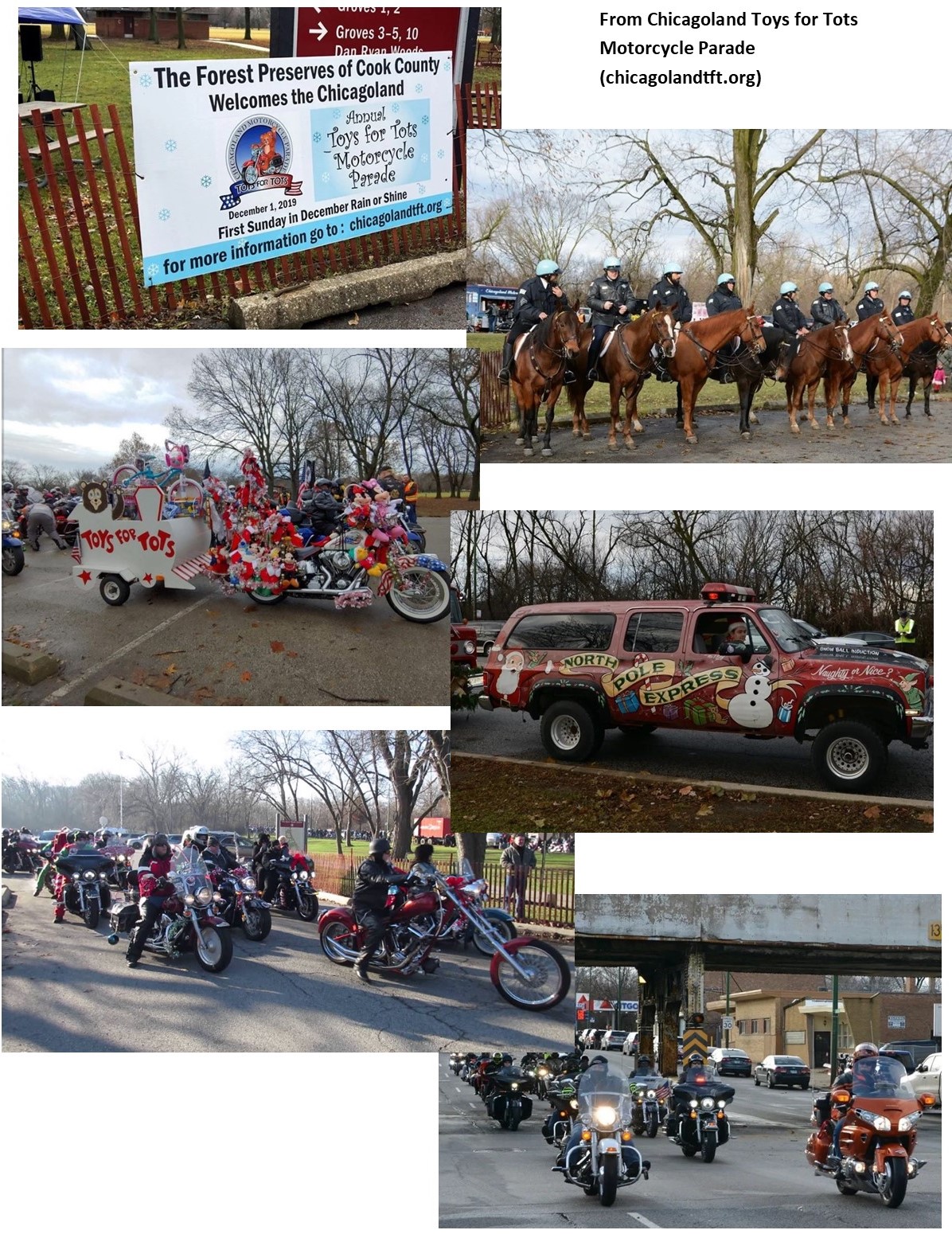
In 1985, DRW became the permanent gathering and starting point for the Chicagoland Toys for Tots Motorcycle Parade, which takes place the first Sunday of December, rain, shine, or blizzard. The purpose of the event is to collect Christmas presents for children. The parade starts at DRW and travels north on Western Avenue to Addison Street. This is the world’s largest motorcycle parade, and in past years attracted as many as 70,000 riders. In recent years, between 20,000 to 30,000 riders have participated annually. The Toys for Tots campaign began in 1947 in Los Angeles through the Marine Corps Reserve and today covers all 50 states and other U.S. possessions. Since that time, close to 300 million toys have been collected for children.
Plane crash
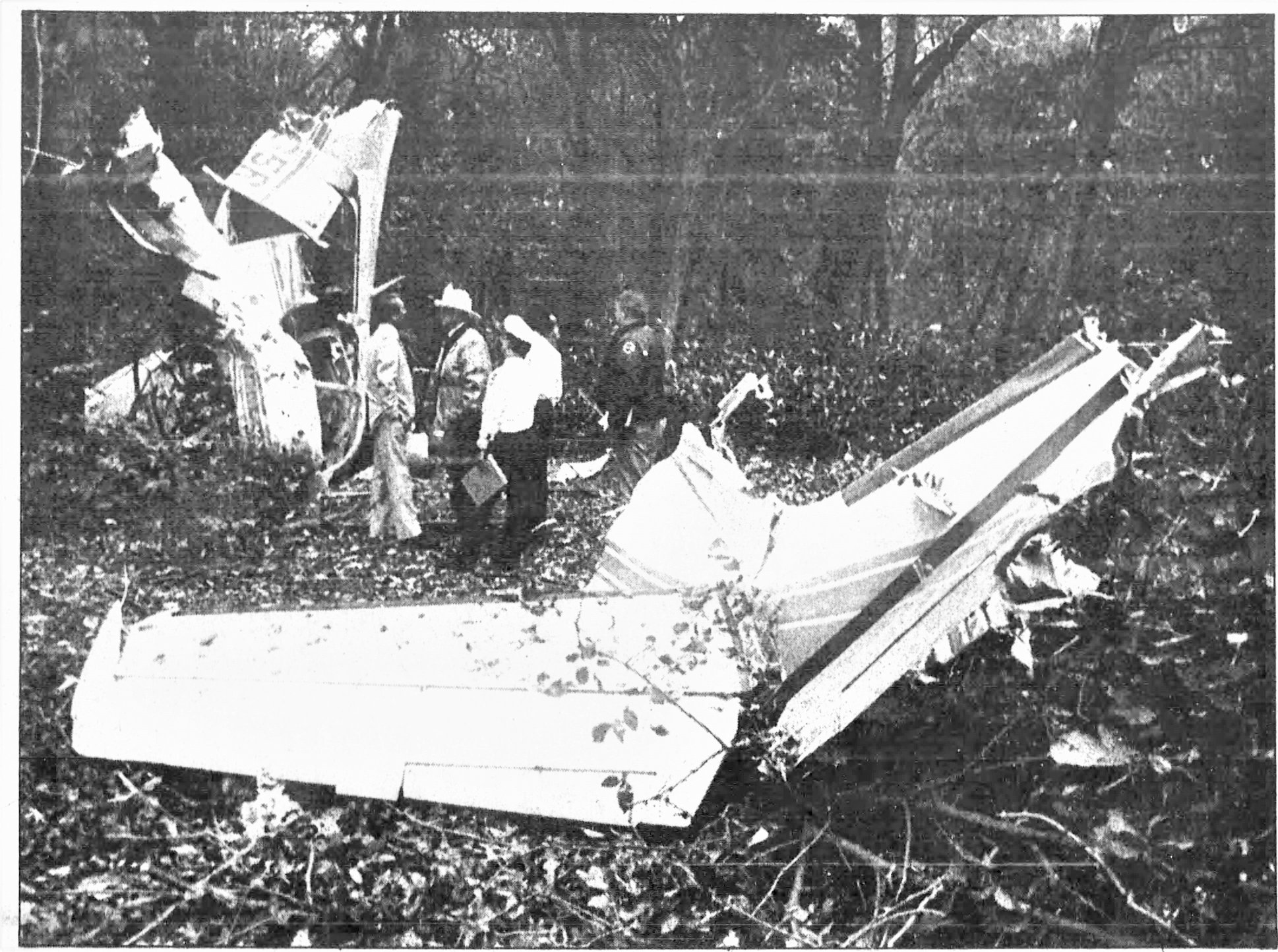
A twin-engine Beechcraft Baron crashed in DRW in 1986. The small plane, carrying three people, was in route from Jefferson, Missouri, to Midway Airport, where the passenger, a deputy sheriff, was to pick up a prisoner who faced burglary charges in Missouri. The plane ran out of fuel in flight and came to rest nose down after clipping the tops of trees for almost 100 yards. DRW staff helped free the deputy sheriff who was trapped in the wreckage; he was taken to Christ Hospital with critical injuries. The pilot and co-pilot received only minor injuries. The pilot was commended for steering the plane away from surrounding residential areas and into DRW. The deputy sheriff survived and lived to age 73, dying in Missouri in 2015 after a long career in law enforcement.
Major Taylor Trail
In 1993, the Forest Preserves of Cook County (FPCC) purchased eight acres of former railroad land to the east of DRW. These tracks had once been part of the Pennsylvania Railroad system. In 1883, special tracks were laid east-west to connect the Union Stockyards to these tracks outside of the Sherman Farm, giving John Sherman a private rail line between his experimental stock farm and the stockyards that he operated. An 1893 “Pennsy” railroad map showed a Forest Hill stop which would have been around 87th Street or so, as well as a Washington Heights stop, which assumedly was the 91st Street station, which this railroad shared with the Rock Island line. The Rock Island line was extended west to this location, and the station was built, in 1889-90. The Rock Island is still in operation as the Metra line.
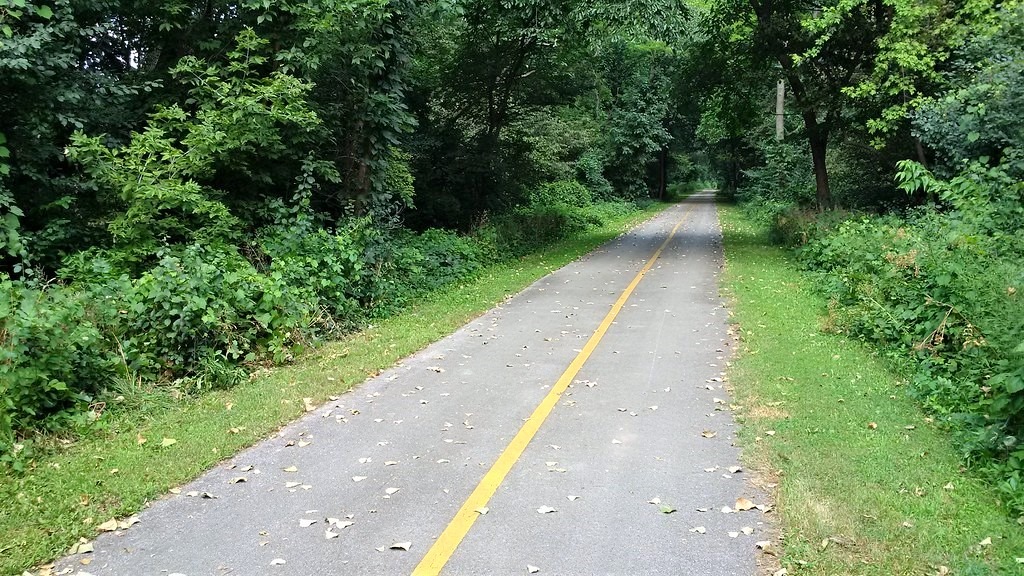
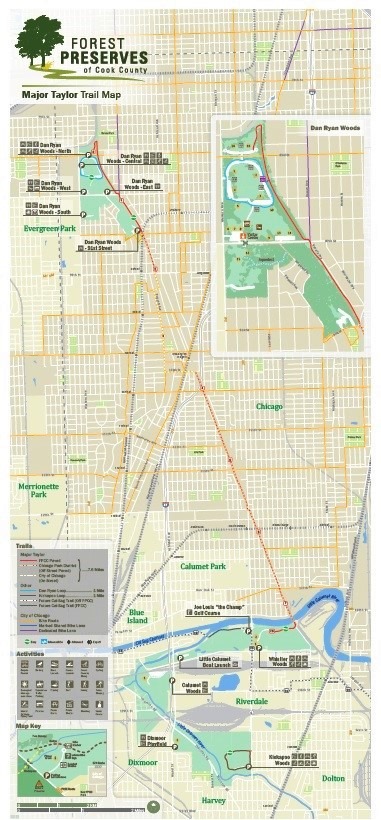
In 1997-98, the former railroad land was paved with a 10-foot wide asphalt bicycle path starting in the DRW parking lot north of 83rd Street, then running south over the old 83rd Street railroad overpass and along the east side of the woods to 94th Street. Later, the path was connected all the way to the Little Calumet River and Whistler Woods to the south.
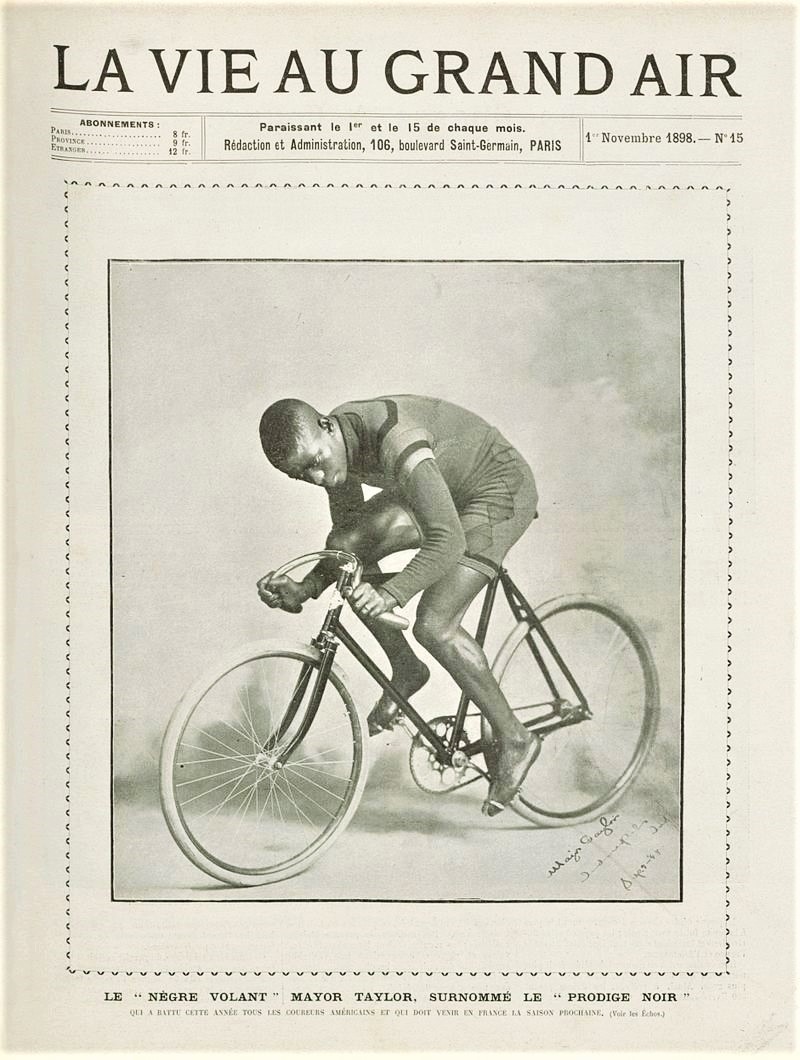
The path was named the Major Taylor Trail in honor of Marshall Walter “Major” Taylor (1878-1932), an African American professional cyclist. He received the nickname “Major” early in his career when he performed as a trick rider wearing a military uniform.
Taylor won hundreds of meets and in 1889-90, he set seven world records. But he was the victim of considerable racism, including being banned from tracks because white cyclists refused to race with him, and being threatened and intimidated, and once choked into unconsciousness by a rival.
Still, Taylor persisted and became the only black athlete to ever win a world championship in cycling. One of his biggest fans was President Theodore Roosevelt. Unfortunately, the Great Depression and unsuccessful investments took their tolls on Taylor’s finances. Retired in Chicago, he died penniless. His legacy was revived in 1982 and he has since received posthumous honors and awards.
Next: The “Lungs” of the City