
The history of Dan Ryan Woods – Part 13: “Necking” in the woods
By Carol Flynn
Among the comments we received a few weeks ago when we started this series on the Dan Ryan Woods were these:
“We went there to make out in the 50s.”
“Went tobogganing there and a great make out place.”
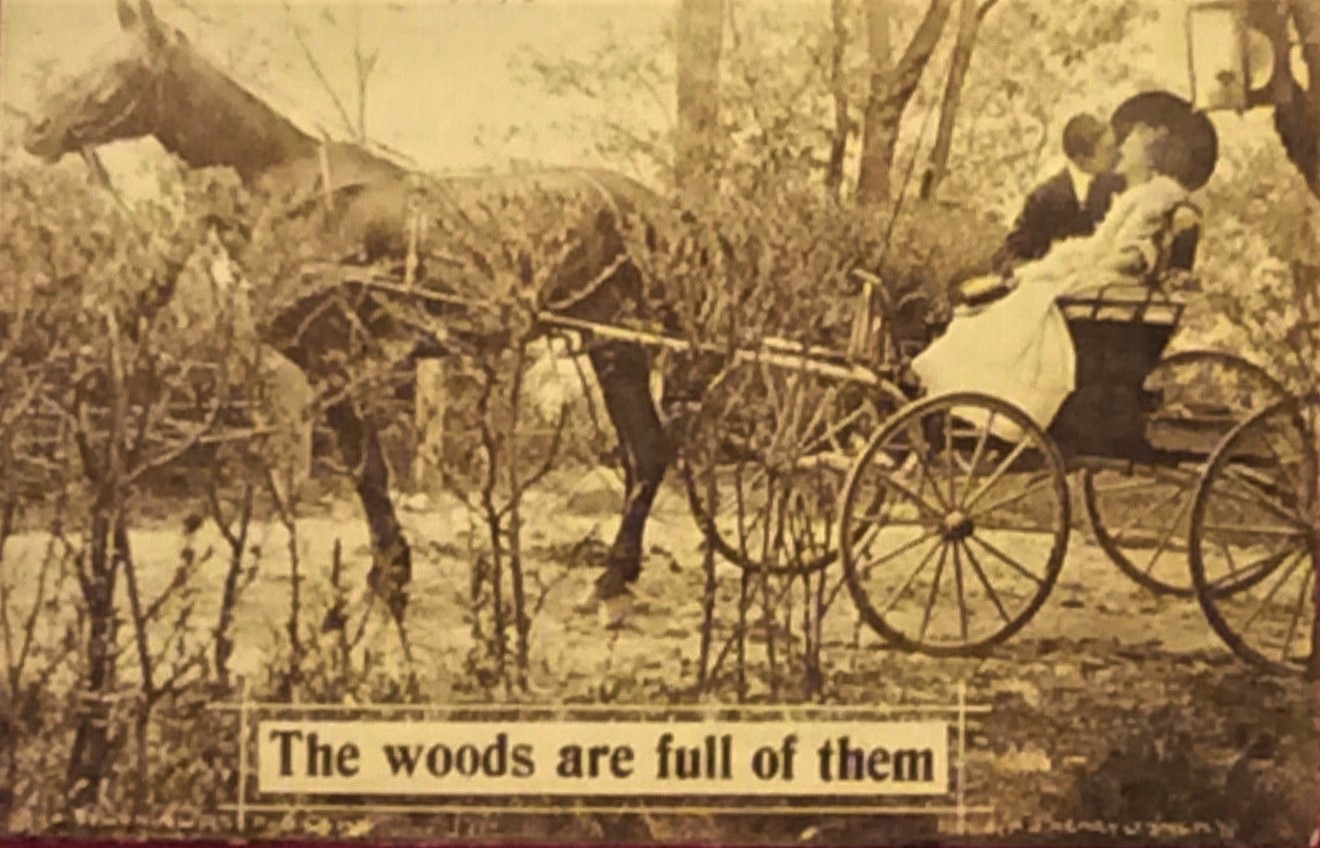
Making out, necking, petting, spooning. These were just some of the terms used through the years as slang for “expressing romantic affection.” No matter what it was called, it was a popular reason for an evening’s visit to the Dan Ryan Woods (DRW).
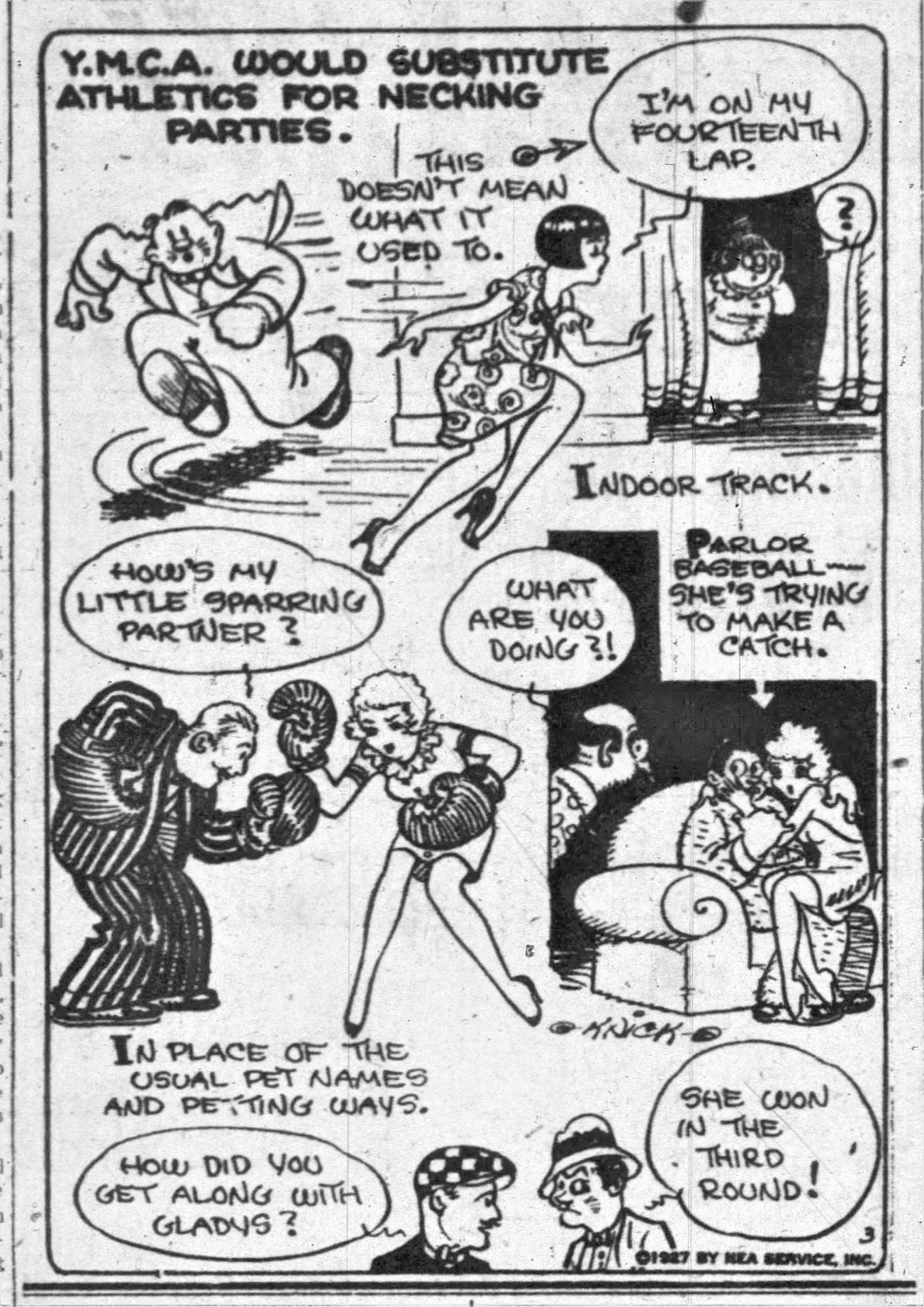
The subject of “necking” received a fair amount of newspaper attention in the 1920s and ‘30s, the early years of the Forest Preserves of Cook County (FPCC).
Automobiles offered new opportunities for necking, providing more privacy than, say, a movie theater or the front porch swing. But there were drawbacks here, also. In one case, a 16-year old boy “borrowed” his neighbor’s auto to take his 15-year old girlfriend for a ride. Becoming distracted by each other, they drove into a tree. Undaunted and apparently unharmed, they abandoned the auto and moved to a nearby bench, where the police found them. The boy wound at up at the juvenile detention center and the girl was taken home to her parents. One of several morals to this story was to not neck while driving.
Parking with lights off in dark, secluded spots along country roads also caused problems. A newspaper reported in 1928 that farmers could not tell if a car parked on the side of a road late at night meant a chicken thief was at work or if it was merely a couple engaged in necking, so they called the police just to be on the safe side. It was suggested something be done to “discourage lovers from choosing suspicious spots to park their cars.”
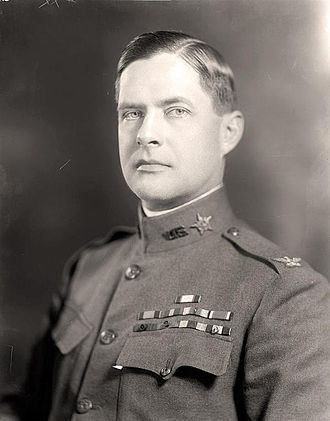
Forest preserves and parks seemed safe, private spots, but their use for nighttime romantic trysts was highly controversial. In Washington, D. C., Lt. Col. Ulysses S. Grant III, the Chicago-born grandson of President Ulysses S. Grant, U.S. Civil War General, was appointed director of public parks in the capitol from 1925 to 1933, giving him authority over the United States Park Police. He ordered a crackdown on necking within federal parks around the country.
Pointed out one newspaper columnist, “Nothing fosters 'necking' like prohibiting it. Prohibit it and it will come to be accepted as a smart and fashionable vice, indulged in not as an amorous experiment, but as a gesture for personal liberty.”
Chicago apparently had no specific ordinances or even guidelines covering “amorous experiments” so individual police officers made up their own rules. According to one Texas newspaper article, the Chicago chief of police said that a good police officer should be able to tell the difference between those necking in earnest true love, and those who were jelly beans and flappers just out for a good time. “Jelly beans” and “flappers” were slang terms for people who dressed and behaved trendily but had little else to recommend them. Police were instructed to send the jellies and flappers on their way. No verification in Chicago newspapers has been found for this story about the chief of police.
The FPCC had the same situation – police officers in the preserves made up their own rules. In 1927, Officer Nelson, stationed at the Deer Grove Preserve, said that his main responsibility on the 4:00 p.m. to midnight shift was to act as a “necking censor.” Using his own discretion, he made the rule that young women had to be 20 years of age or older to neck in the woods. They were advised to bring their birth certificates with them.
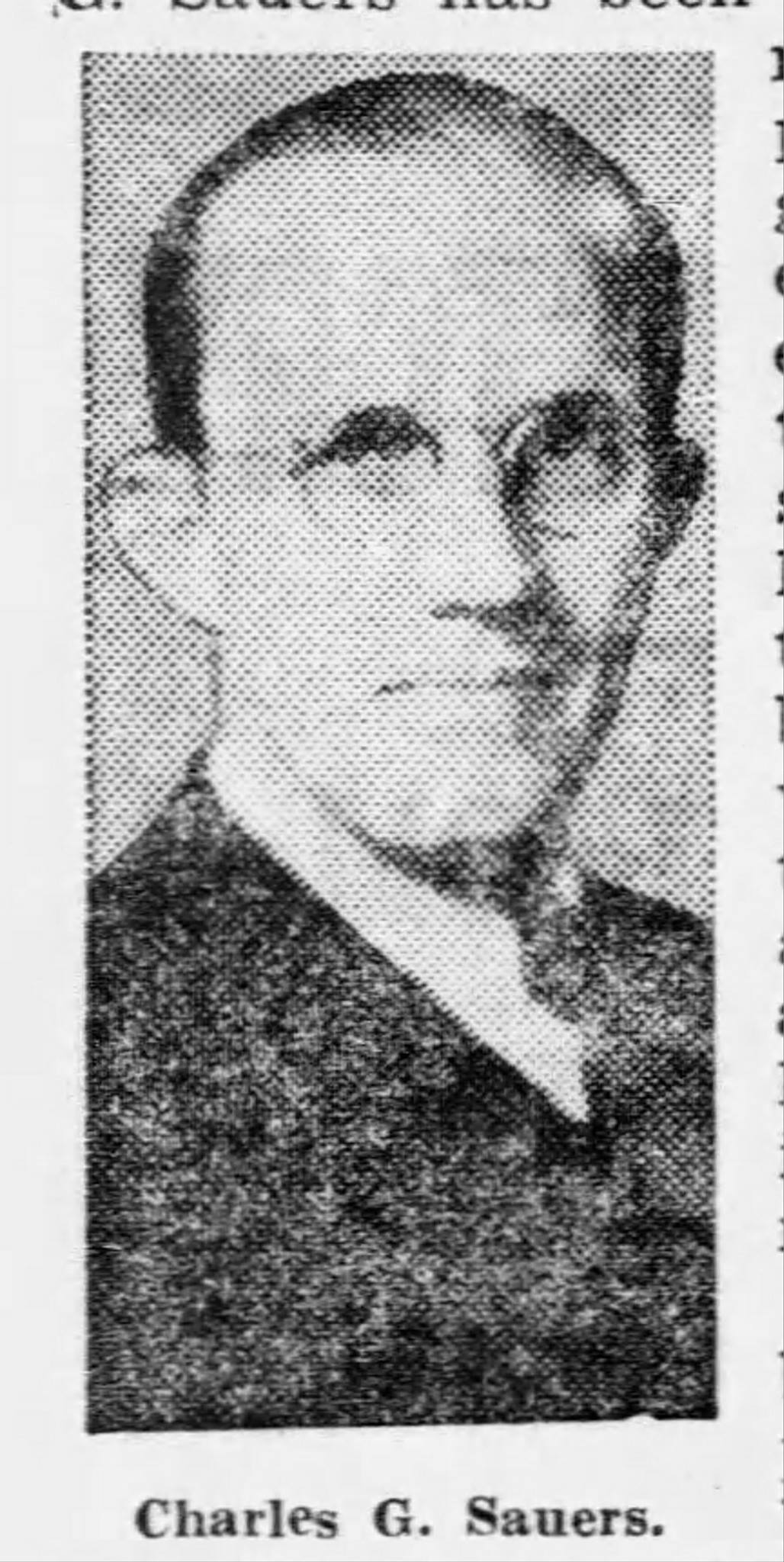
But Charles G. “Cap” Sauers himself, the well-regarded general superintendent of the FPCC for 35 years (1929-1964), officially made necking in the preserves a tolerated, even welcomed, practice.
In 1939, Sauers guaranteed that visitors would not be blinded by prying flashlights or questioned by rangers if they followed two rules: they parked in the regular parking areas and they kept their parking lights turned on.
“The forest preserves belong to the people,” said Sauers. “Many a young fellow who hasn’t the money for expensive entertainment can drive out to the preserves, buy a hamburger, and hold hands with his sweetheart.”
And many a young fellow took up that offer. More than 300 cars pulled up nightly in Dan Ryan Woods. The “best” nights, Wednesday and Friday, saw even higher numbers.
The Chicago Park District was not as liberal-minded. More than 200 patrolmen combed the city’s parks each night to chase away romancers.
“Necking in the park is unethical,” said James Kerr, chief of the park police. “We won’t allow it at all. You see, it isn’t the young kids we have the trouble with. It’s the adults. There’s no fool like an old fool.”
Likewise, “roadside courting” was taboo along county highways. Chief Lester Laird of the highway police declared, “We won’t have it. The forest preserves take care of that problem.”
Sauers’ main concern was safety. They didn’t allow “moongazers” in the remote areas of preserves after dark.
“We do like to herd the handholders into a common area,” said Sauers. “There’s safety in numbers.”
Cap Sauers has been gone from the FPCC for over 50 years, and today there are many more specific ordinances for the preserves. Although “necking” is not addressed per se, ordinances on public indecency in the FPCC prohibit sexual conduct. And parking is unlawful “after sunset and before sunrise of any day.” But there are a few preserves that take reservations for overnight camping ….
Next: More stories about DRW