
The history of Dan Ryan Woods – Part 12: Depression-era activities at DRW
By Carol Flynn
The U.S. stock market crash on Tuesday, October 29, 1929, was considered the start of the Great Depression, a worldwide economic downturn that lasted for a decade. Unemployment reached 25% in the U.S. and over 5,000 banks failed.
Franklin Delano Roosevelt was elected President in 1932, and he instituted programs known as the “New Deal” to stimulate demand and provide work and relief through government spending and oversight. Some of the agencies he set up became permanent, including the Securities and Exchange Commission, the Social Security Administration, the Federal Aviation Administration, and the Federal Communications Commission.
Other New Deal programs that provided relief and employment opportunities were discontinued in the 1940s following World War II. In the 1930s, projects through these agencies were completed in the Forest Preserves of Cook County (FPCC), including Dan Ryan Woods (DRW).
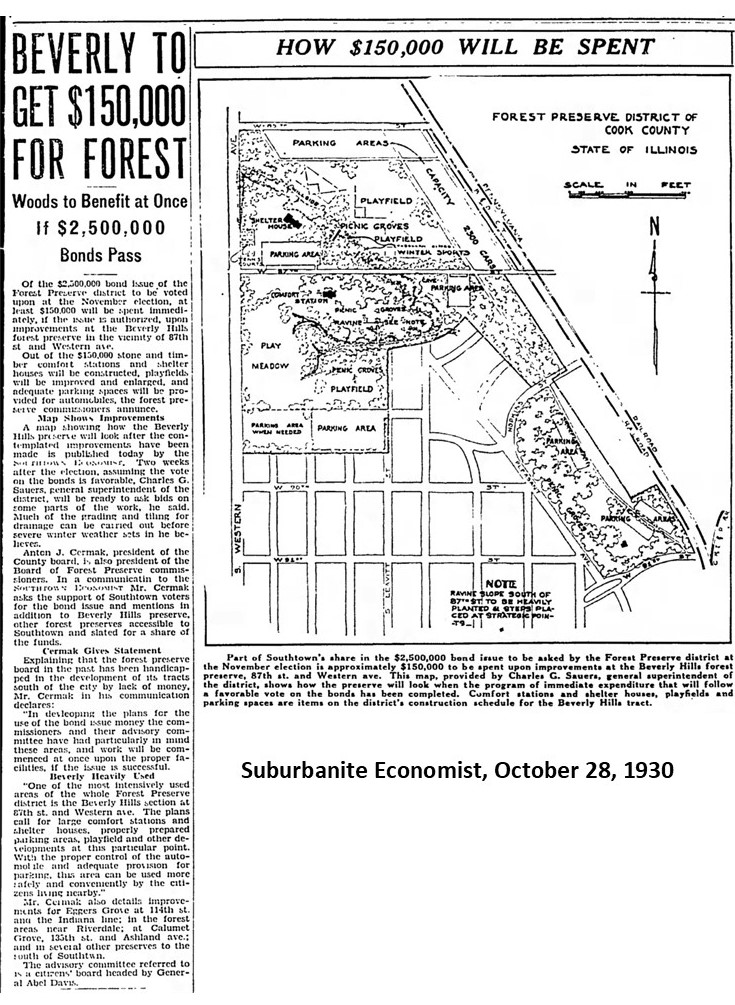
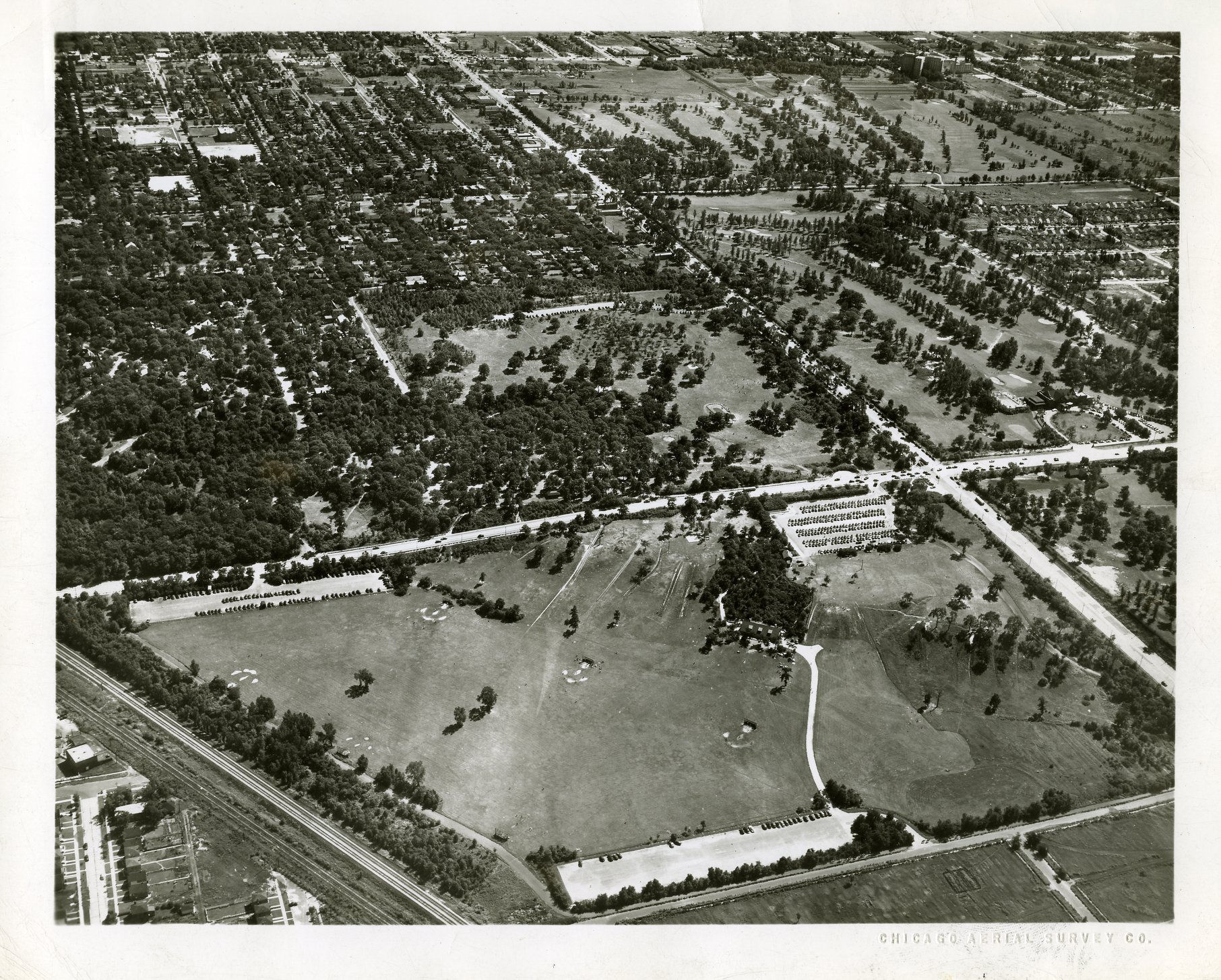
The 1929 Plans of the FPCC called for improvements in many of the preserves, with funding coming from a bond issue for $2.5 million. DRW, one of the most widely used areas in the entire preserve system, was to receive $150,000 in improvements, including new comfort stations, a shelter house, playing fields and parking areas. The DRW plan was presented in a newspaper article designed to solicit support for the bonds.
In 1933, it was announced that a new frame field headquarters was completed in DRW. It was built from materials left over from an old barn on the property, perhaps from the original Sherman Farm. But the Depression was seriously affecting finances, and since only $500,000 had been raised by the bond issue, work was discontinued on FPCC projects.
The situation didn’t last long, however. Because it was well represented politically, the FPCC received state and federal funds from the National Park Service, the Reconstruction Finance Corporation, and the Illinois Emergency Relief Commission. Above all, New Deal programs allowed the FPCC to embark on large projects to develop the preserves. The major “alphabet soup” federal agencies that provided services to the FPCC were the Civilian Conservation Corps (CCC), the Civil Works Administration (CWA), the Public Works Administration (PWA), and the Works Progress Administration (WPA).
These programs provided mostly manual labor jobs for unemployed men. The CCC concentrated on development of natural resources, the CWA provided construction jobs through the hard winter of 1933-34, and the PWA provided contracts to private construction firms for large-scale projects. The WPA was a larger and more far-reaching agency, providing millions of jobs for public works projects, ranging from road and building construction to the arts and history projects.
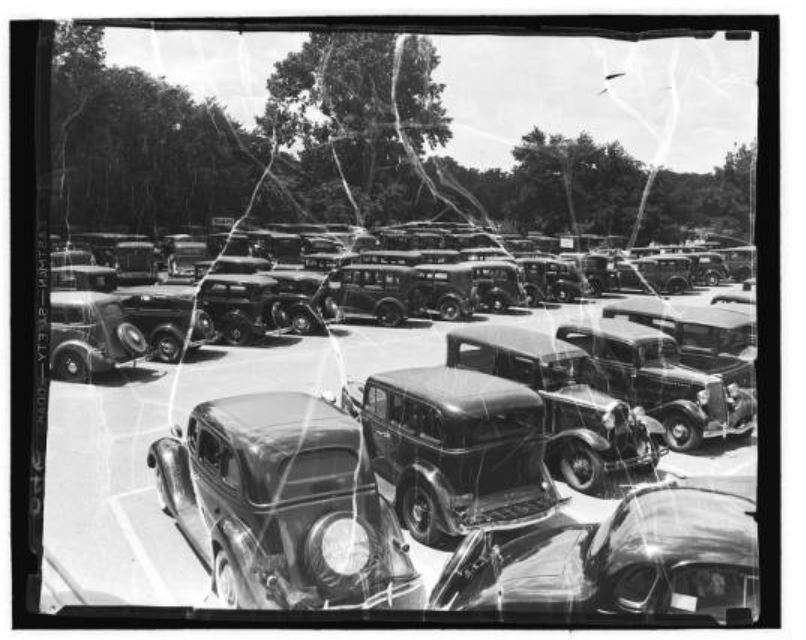
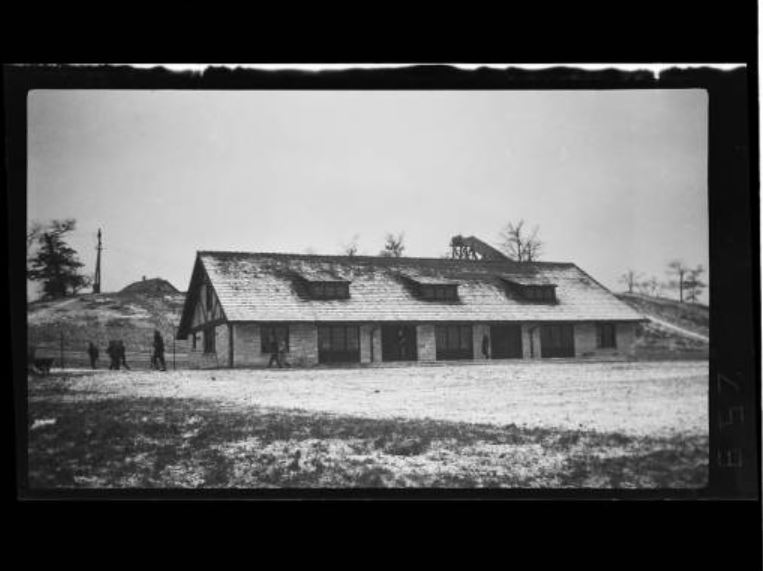
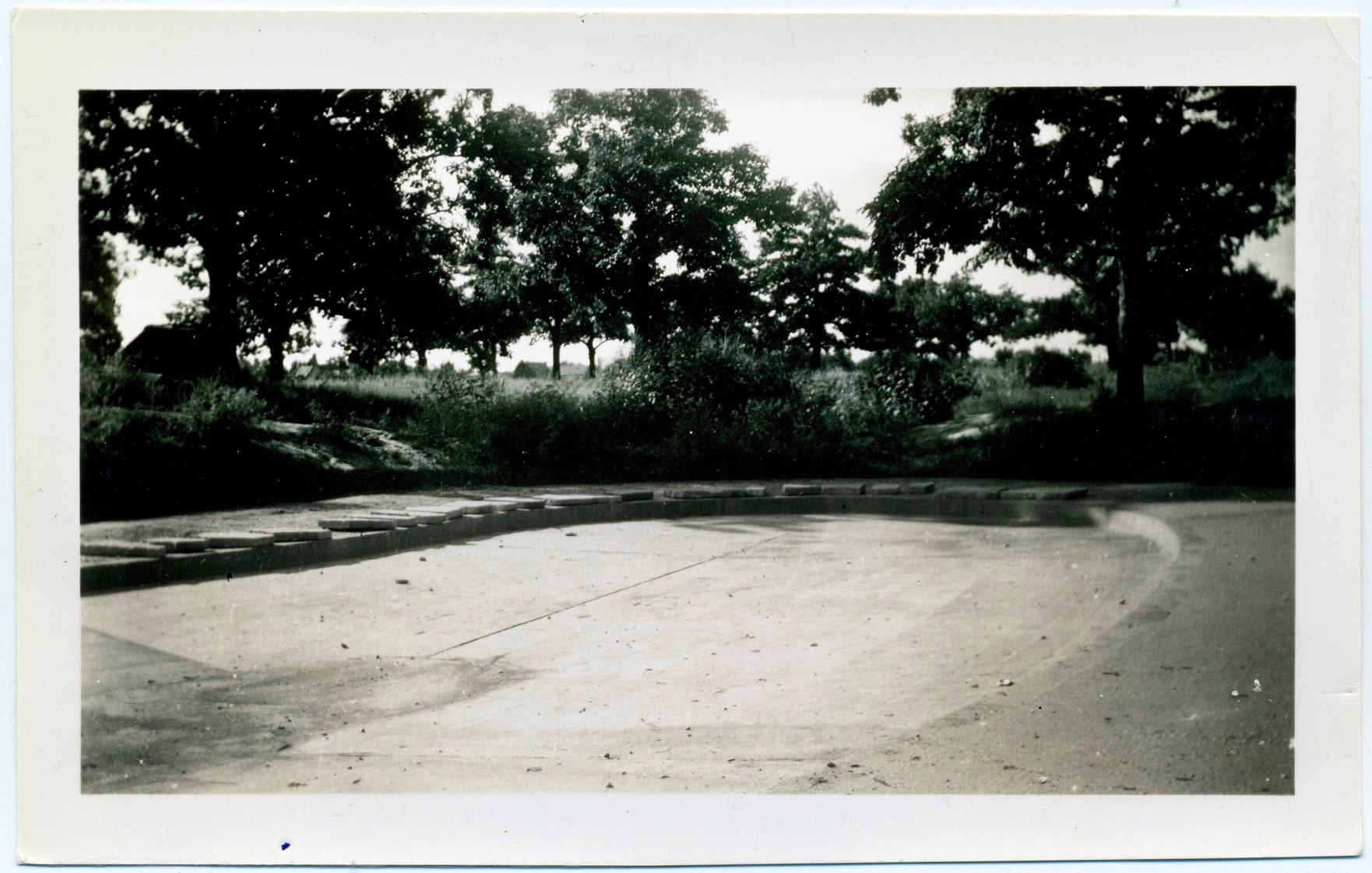
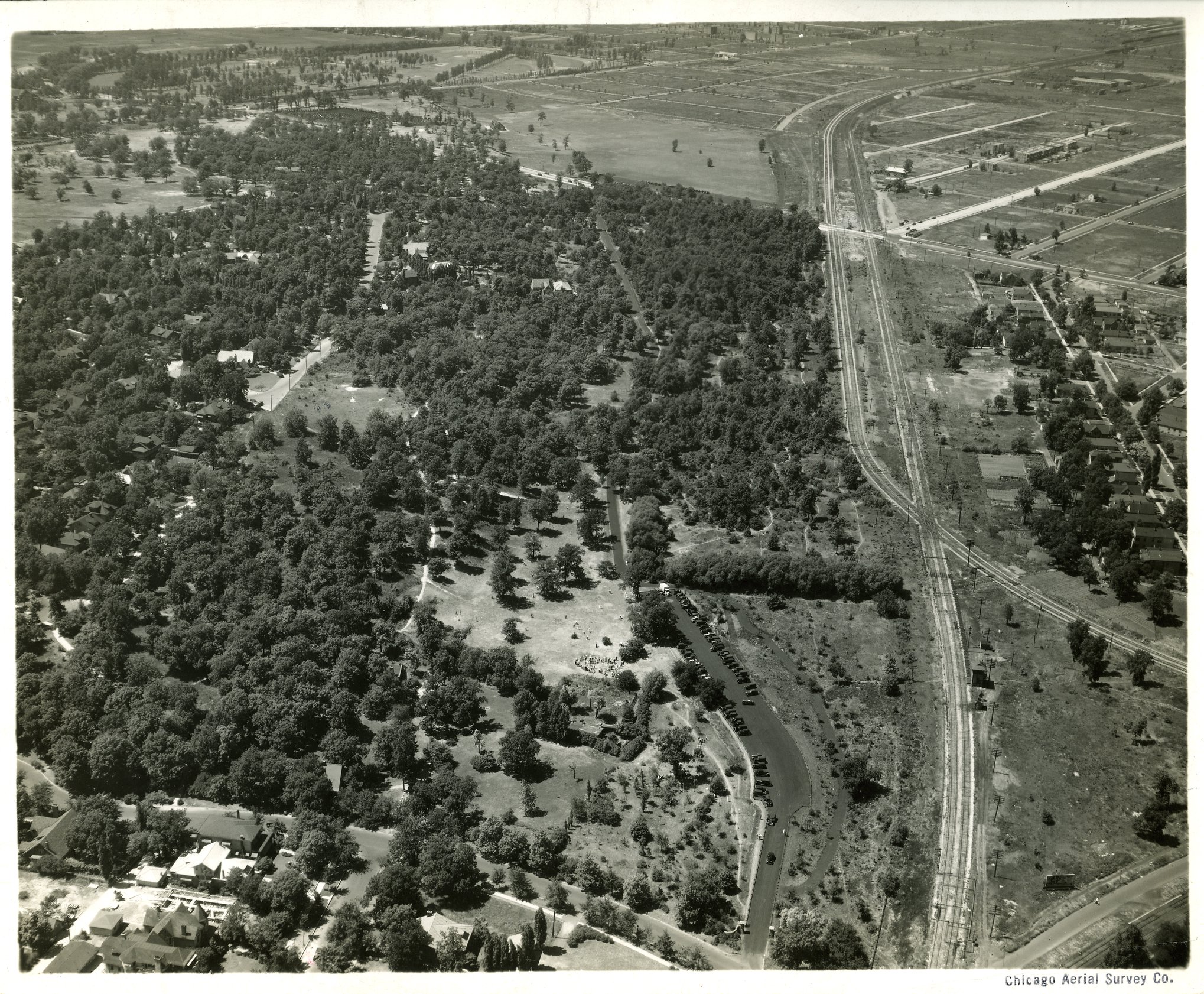
The improvements and additions made to DRW during the 1930s included parking lots, ball fields, dance floors and a wading pool. The stone shelter house nestled into the Ridge north of 87th Street between the sledding hill and the former skiing hill was built by the CCC in 1935.
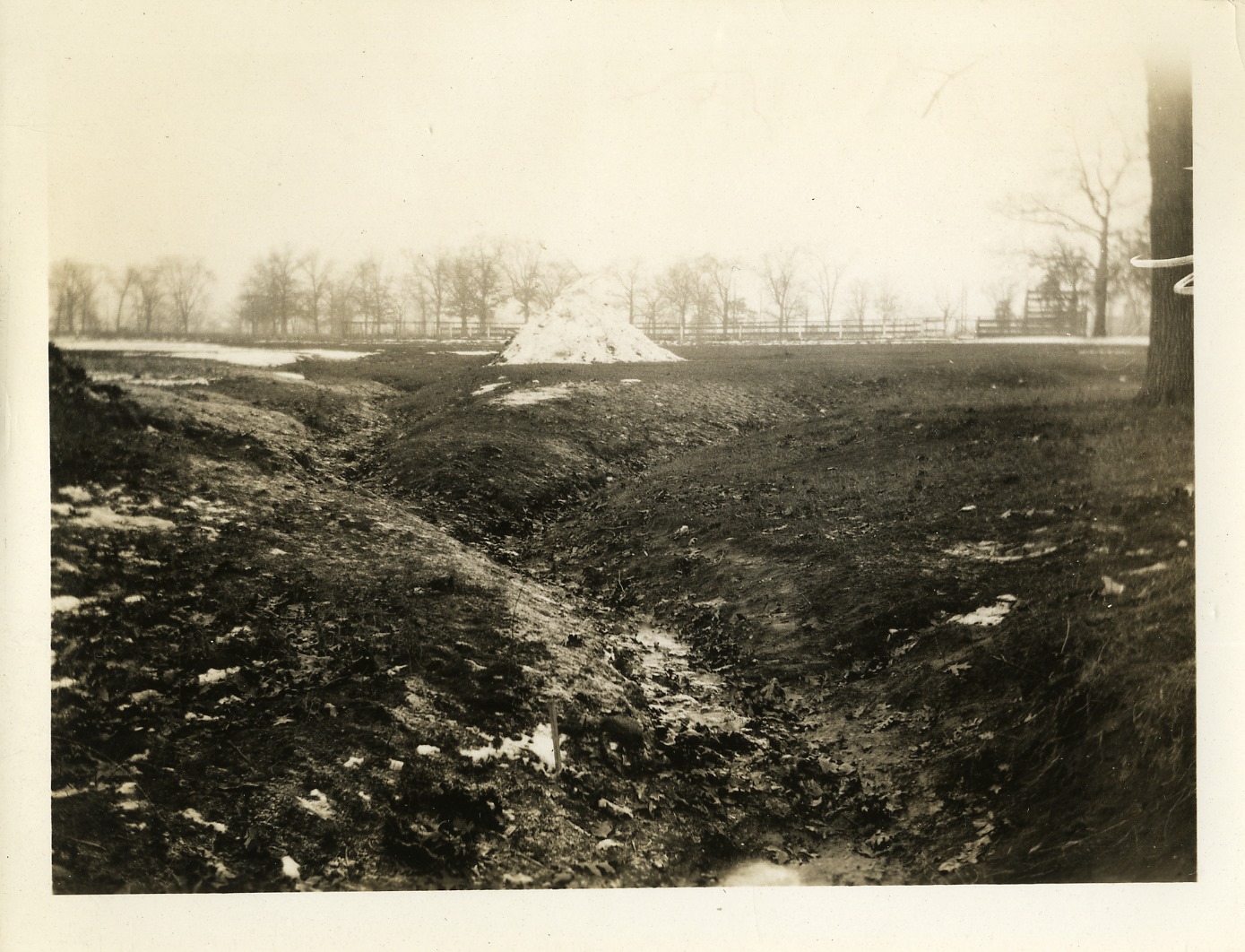
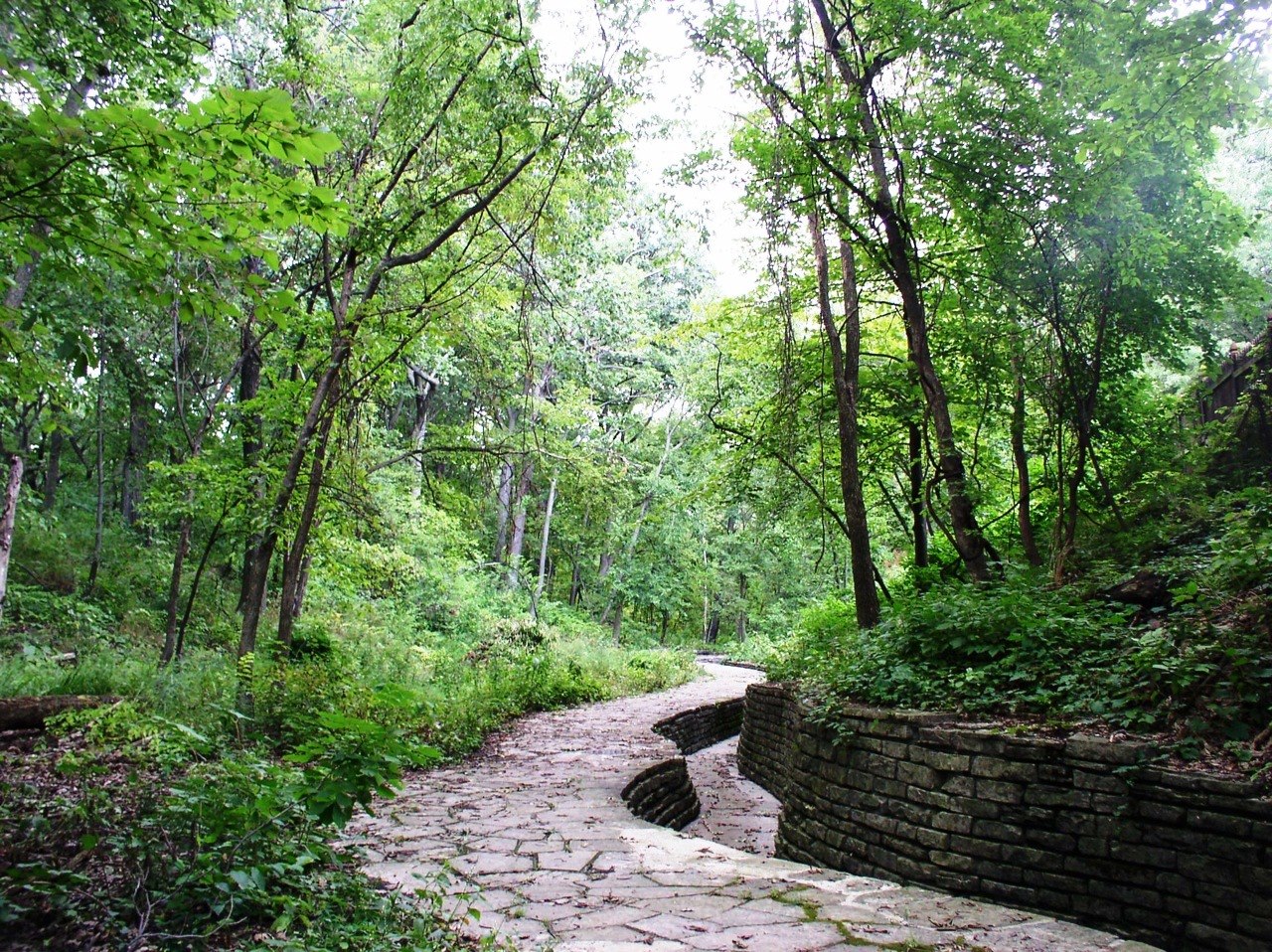
The most unique feature built during this time period was the ravine reinforcement and aqueduct system created in the woods south of 87th Street. This was the site of a natural drain, a geologic formation that allowed water from rain and melting snow to run off from higher to lower elevation. In this case, water from the top of the Ridge drained off to the east, where it formed marshes during the “wet seasons” and was eventually reabsorbed into the ground in the “dry seasons.”
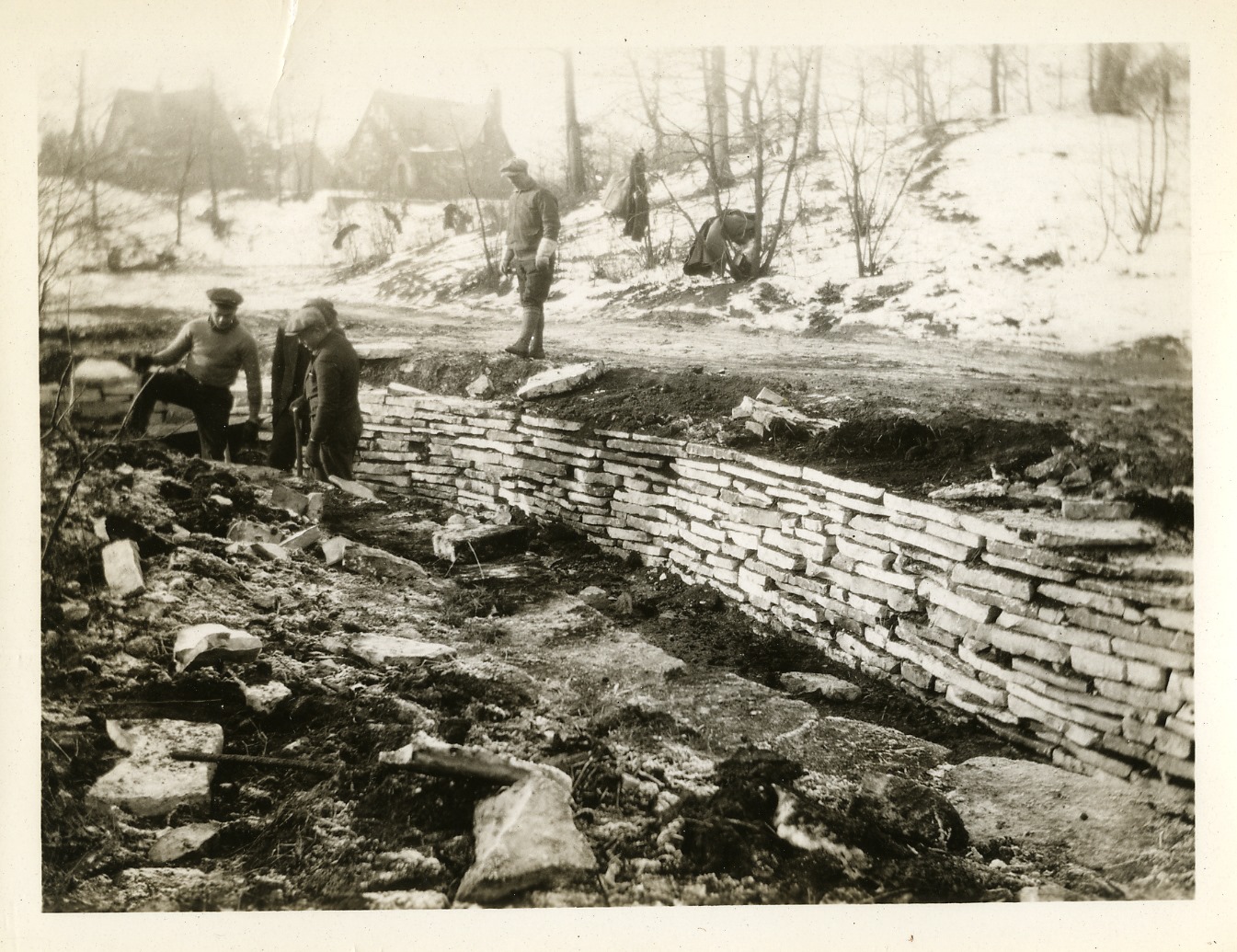
The first ravine project in the early 1930s used relief labor and funding through the state to dig out a channel and line it with loose limestone flagstone. In Illinois, the workers were known as “Emmerson men,” after Governor Louis Lincoln Emmerson who served during the early Depression years (1928-32).
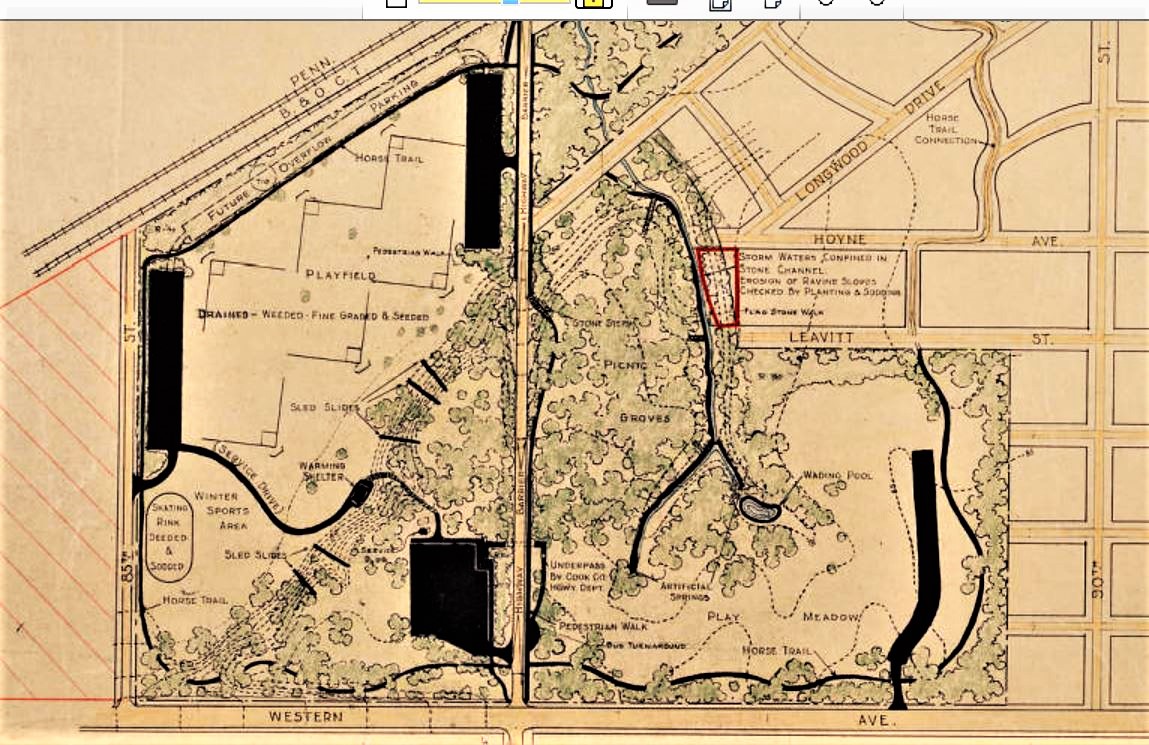
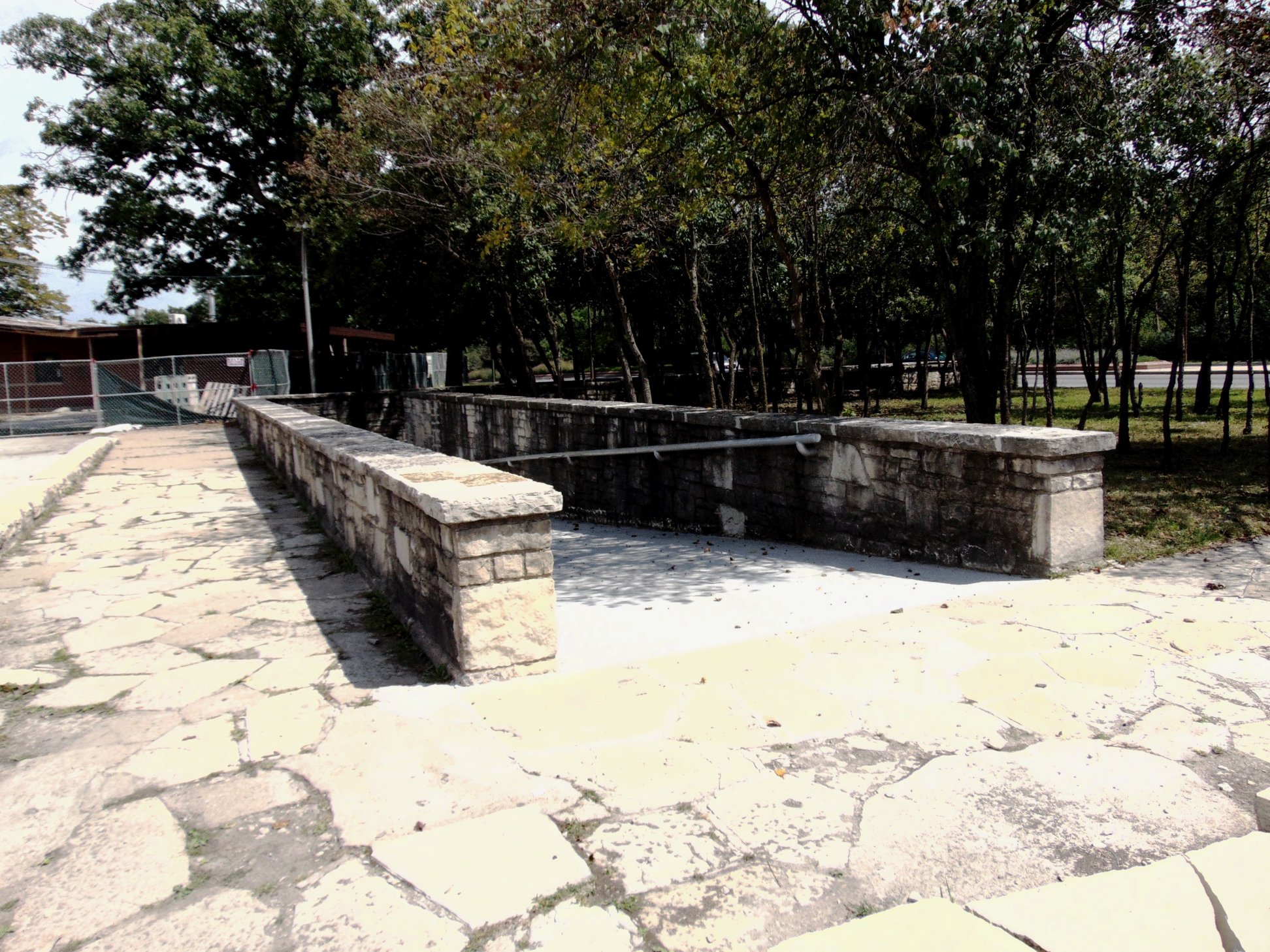
A few years later, the federal agencies got involved, and more formal plans were developed and projects completed. The detail of 1937 plans shows the features added in the 1930s, including the flagstone pedestrian underpass on 87th Street.
The projects provided much-needed jobs. Many of the men were in desperate situations, homeless, emaciated, and depressed. They lived in CCC camps set up in the forest preserves, where they were sheltered and fed, and paid $1 per day in wages.
Today’s FPCC materials describe the ravine project as follows: “In the south section of Dan Ryan, a series of stone aqueducts wind peacefully downhill through the site’s oak woodlands. Primarily built as drainage structures and erosion control features, they were constructed from limestone flagstone, adding a unique aesthetic feature to the site. Even today, when rain falls, the channels fill with water from the surrounding area. The water travels through the aqueducts to the lower eastern area of the preserve where it pools and percolates back into the ground.”
Some conservationists today say the aqueducts were not really a necessity, that nature was doing fine on her own, but the project did provide economic relief. Today the ravine makes for an interesting and pleasant hike in the south portion of DRW.
Next installment: “Necking” in the DRW