
The history of Dan Ryan Woods – Part 11: Both a preserve and a park
By Carol Flynn
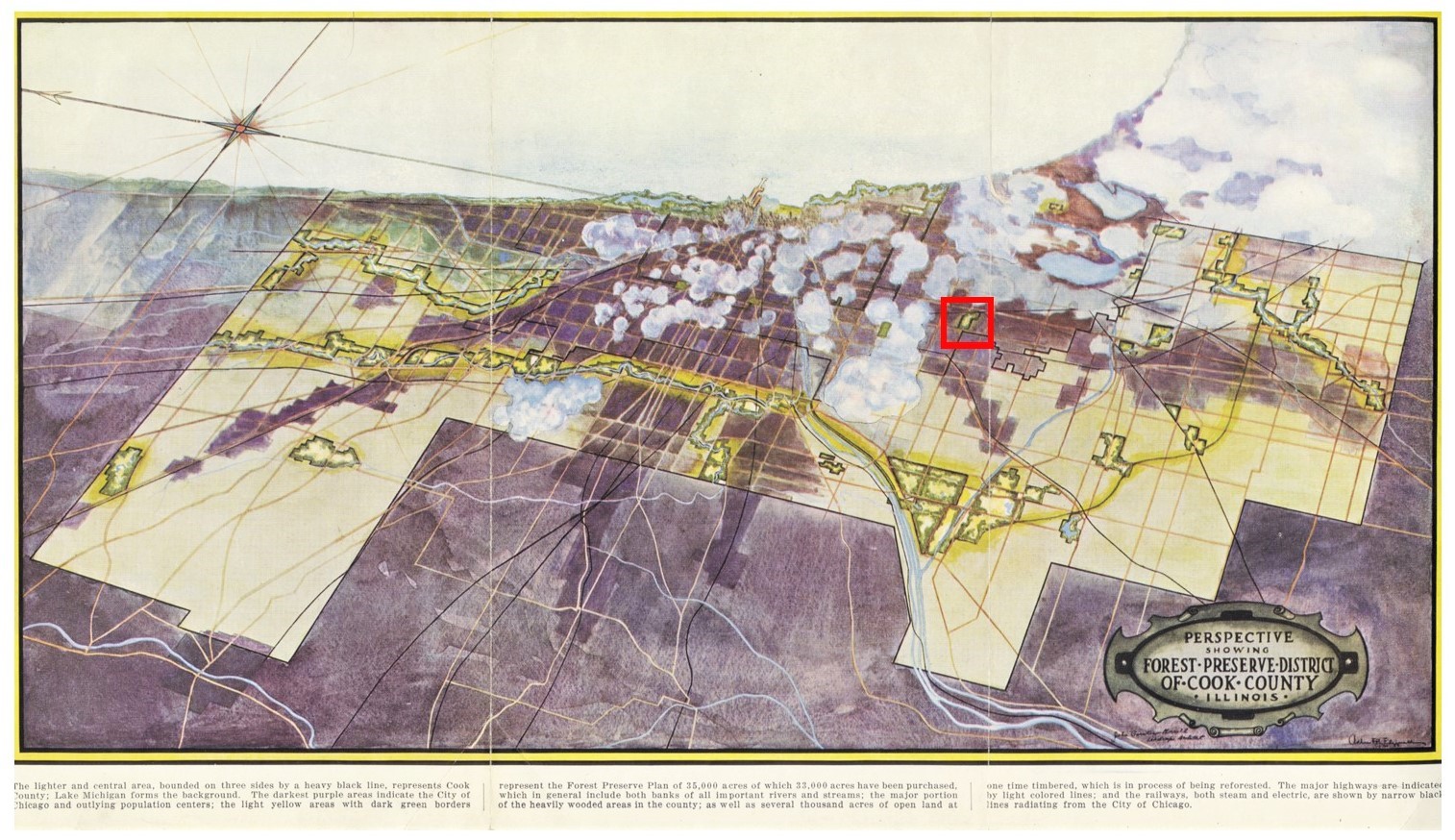
The Dan Ryan Woods (DRW) have always been a unique holding within the Forest Preserves of Cook County (FPCC). The land is a small, isolated tract within the city, far removed from the “outer belt” of the other preserves.
Chicagoans recognized the need for parks and recreation space from the city’s earliest days. Within two years of being incorporated as a city in 1837, the first park, Dearborn Park, was established where the Cultural Center is now, at Washington Street and Michigan Avenue, which was part of the site of the original Fort Dearborn. A few years later came Washington Square, the celebrated free-speech forum now on the National Register of Historic Places.
Chicago was an urban leader in establishing city parks in the mid to late 1800s. This was primarily a response to the rapid growth in population from the influx of European immigrants, which resulted in overcrowding. Public health and “social hygiene” theories of the time believed that disease epidemics as well as social strife and crime all resulted from crowded city neighborhoods and tenements, and could be cured by sunlight, fresh air, and time spent in moral reflection. City parks were designed to help alleviate the congestion, thereby improving physical and mental health, and encouraging city residents, especially the new immigrants, to become good civic-minded citizens.
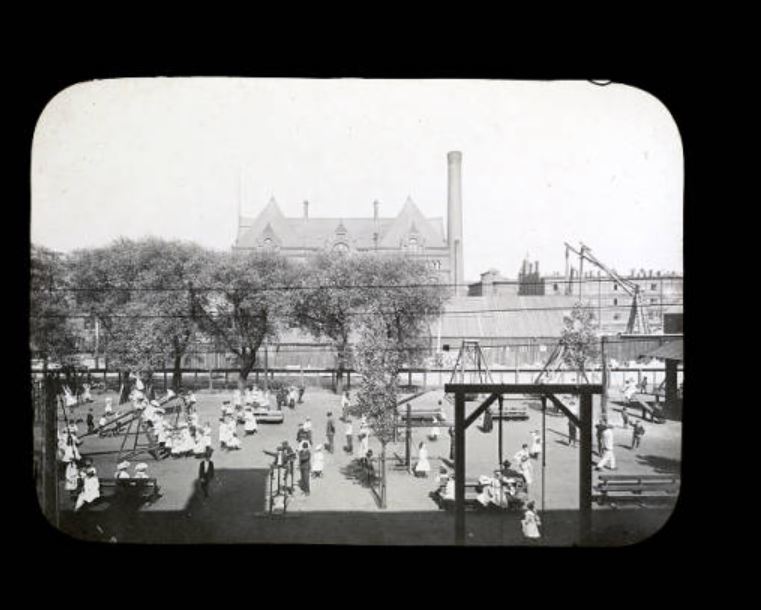
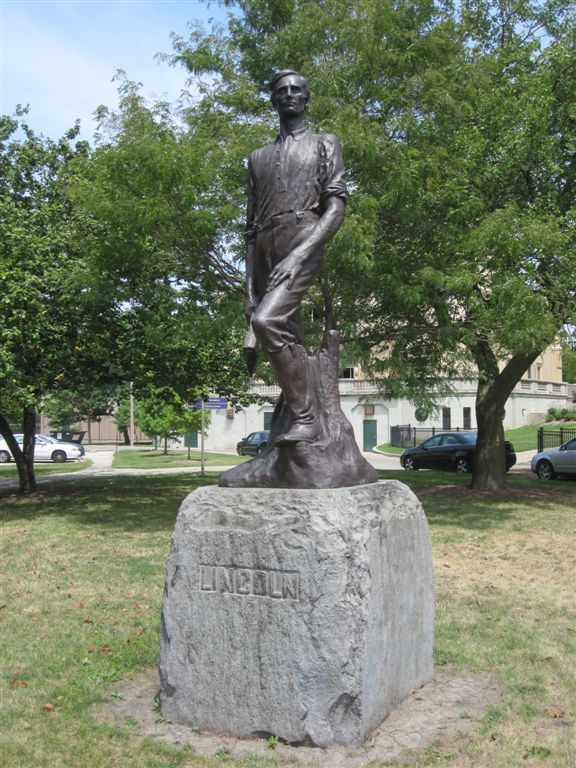
The forest preserves and the city parks were conceived with different but complementary purposes. The city parks were man-made and neighborhood based. Common features included playgrounds, manicured gardens, sports fields and courts, and field houses. Early playgrounds offered structured activities in rather barren settings. Later, the parks also became the settings for a world-class collection of fountains, monuments, and sculptures.
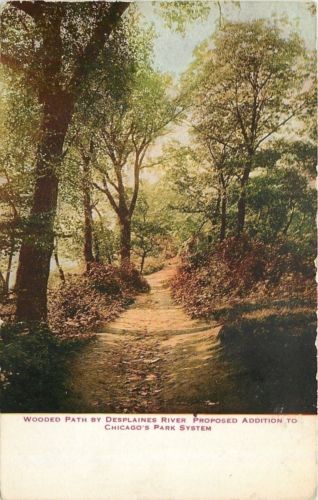
The forest preserves were envisioned as lands left in their natural state, a network of prairies, forests, wetlands, bluffs, streams, and lakes, encircling the city as sanctuaries for native plant and animal life. They were places where people could get away from the hustle and bustle of city life and enjoy fresh air and nature. They were often referred to as “the peoples’ country estate.”
Of course, there was plenty of cross-over. The preserves wound up with sports fields and warming houses and other man-made features, while parks began to emphasize a natural look, thanks to planners like Prairie School landscape architect Jens Jensen, who became superintendent of the West Park System. Jensen designed Crescent, Prospect and Depot (now Bohn) Parks in Morgan Park as well as landscaping some private homes in the area.
The land that Dan Ryan Woods is on almost became a city park instead of a preserve. The original owner, John B. Sherman, was the president of the South Park Commission. As was mentioned in a previous post, it was rumored he would leave this prime piece of land to the city to be turned into a park when he died in 1902. For whatever reason, that did not happen, and the land was purchased by Cook County in 1917 to become a preserve.
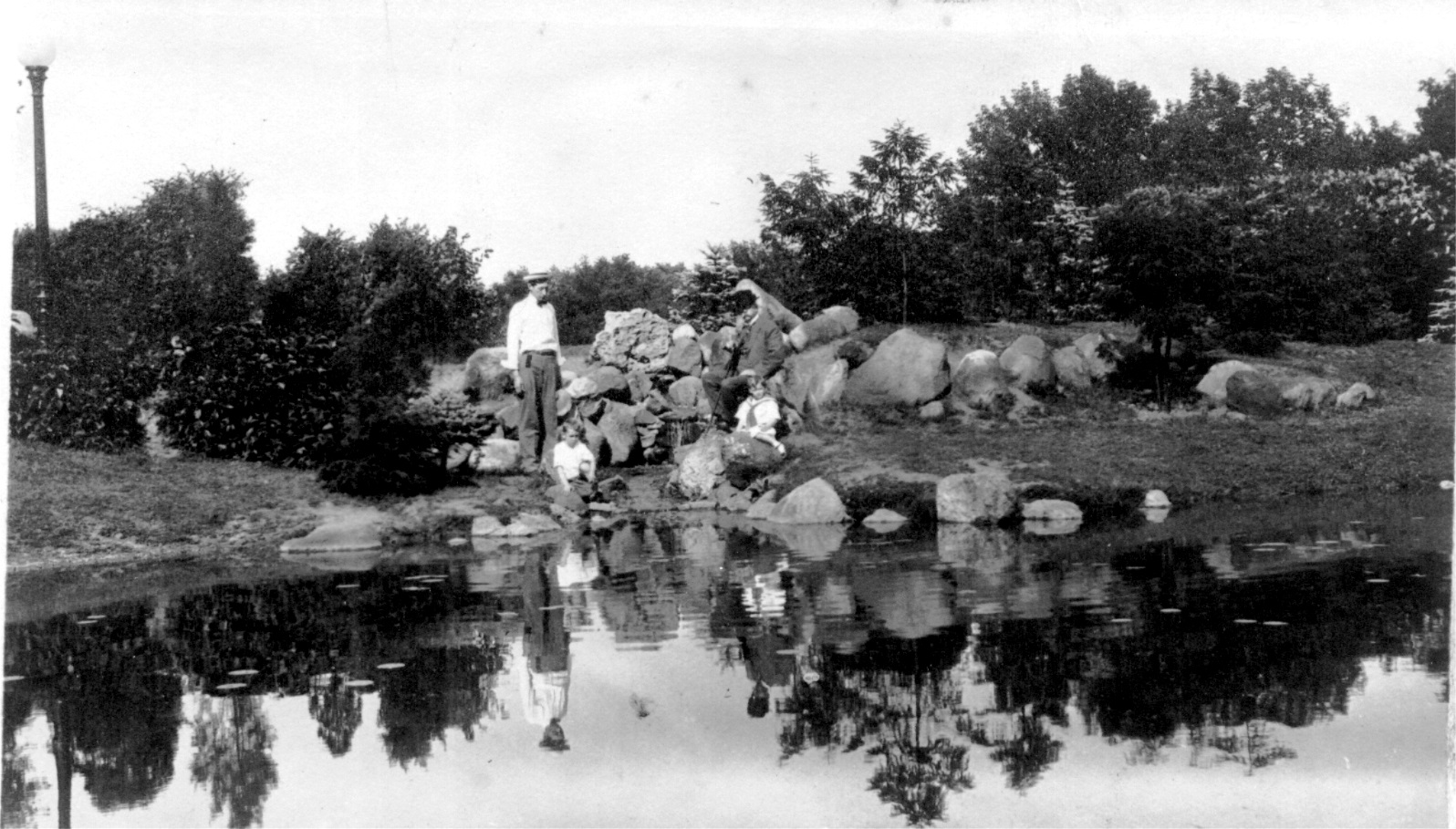
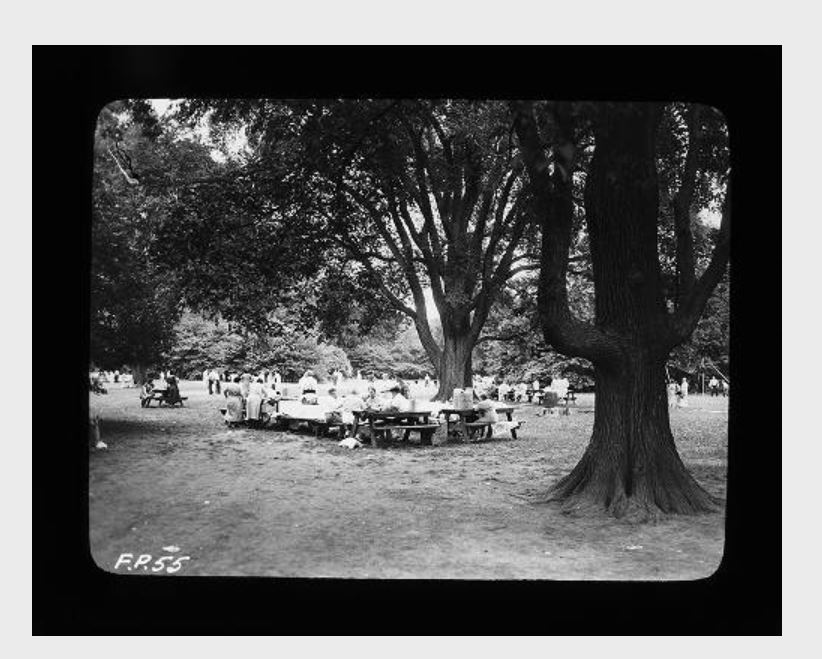
Because of its location, DRW combined the best of both worlds – a forest preserve with recreation activities, accessible by public transportation. Picnics were the most popular of FPCC events, and of all the preserves, DRW was ranked highest for usage for summer picnics.
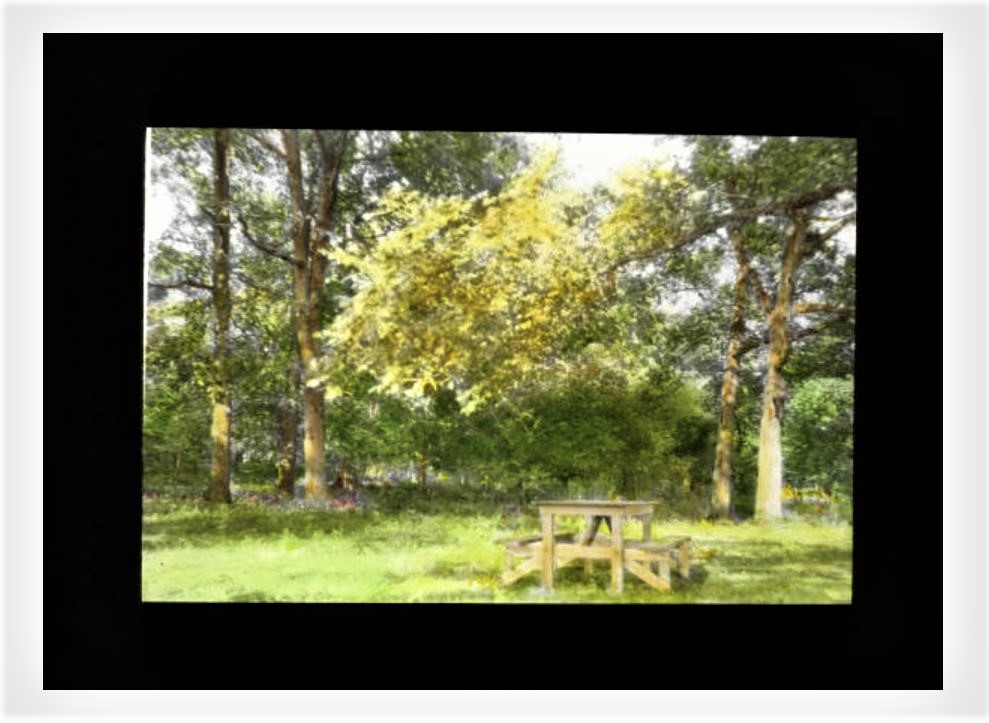
In 1929, a Forest Preserve Advisory Committee developed a document, “Recommended Plans for Forest Preserves of Cook County, Illinois.” The Plans recommended that the Beverly Hills Preserve [by then its proper name was the Dan Ryan Woods] and two other preserves within city limits “be planted with care with forest stock, and used for the present as picnic groves for small and large groups.” The report stated that much planting was needed on these tracts.
Some of the forest preserves land was reclaimed farmland, including portions of DRW. A major undertaking of the FPCC was to replant these sections with trees to reestablish forested areas.
The Plans went on to report: “It is recommended that these three tracts be acquired by the [Chicago park] districts, as soon as possible, by friendly condemnation suits. These tracts are better suited for city park use than for forest preserves, and the resulting acres to be gained for forested lands, may be used to acquire other forested areas which form connections with the present preserves.”
By law, “condemnation,” or “eminent domain,” is the power/process by which the government can take private property for public use, giving just compensation to the owner of the land. The Plans were recommending that the city buy DRW from the county to use as a city park, and the county use the proceeds to buy additional land connected to the outer belt of preserves.
The Plans were adopted, and while they gave strategic direction to the FPCC for many years, the recommendation to make DRW a city park was not acted upon. Although this idea of a city park popped up periodically, the land has stayed with the FPCC as a preserve for over 100 years now.
As these 1929 Plans were being written and implemented, the country, indeed the world, was entering the Great Depression. This led to developments that gave DRW distinctive features still on display today.
Next installment: The Depression and its impact on DRW