The history of Dan Ryan Woods – Part 6: The Pike estate and early 1920s changes
By Carol Flynn
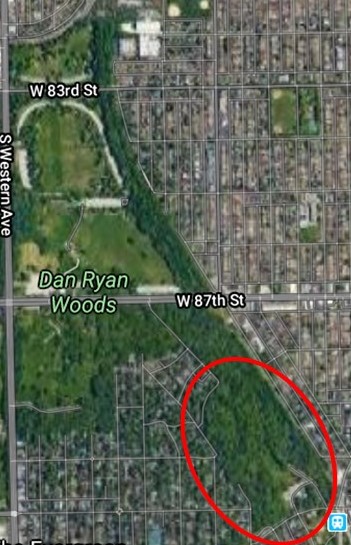
In 1921, Eugene R. Pike, former city comptroller, sold family property to the Forest Preserves of Cook County (FPCC) that added 32 acres to the southeast corner of the Beverly woods. The area was bordered by Hopkins Place, Pleasant Avenue, 91st Street, and the railroad tracks. The Chicago Tribune wrote, “We believe one of the prettiest spots to be found in the state is now located in the Beverly Hills district.”
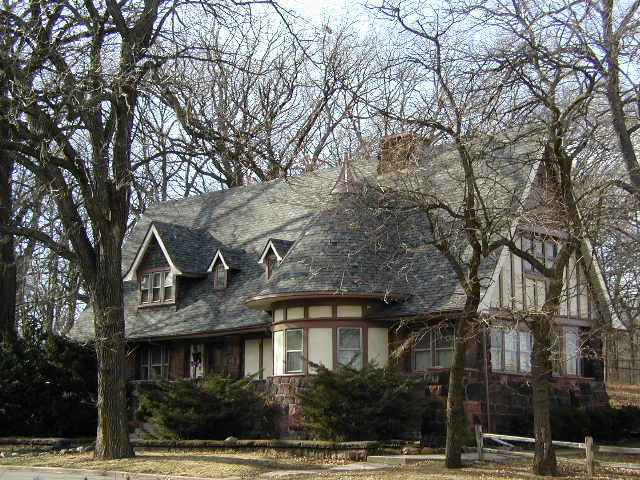
The property included a fine home, the E. S. Pike House at 1826 West 91st Street, designed by architect H. H. Waterman in 1894. The FPCC planned to use the house for the superintendent’s headquarters. The house is in a Tudor Revival style, with a base and lower exterior walls of red sandstone and upper walls of wood beams and stucco. Architectural elements include a round tower and a steeply pitched roof with tiny dormers with flared ends. The building is a contributing structure to the Ridge Historic District on the National Register of Historic Places.
[Note: Unfortunately, the house has not been maintained and is in very poor condition. It was gutted in 1962 and none of its original interior features were preserved. The FPCC has been studying adaptive reuse of the building and its future is uncertain.]
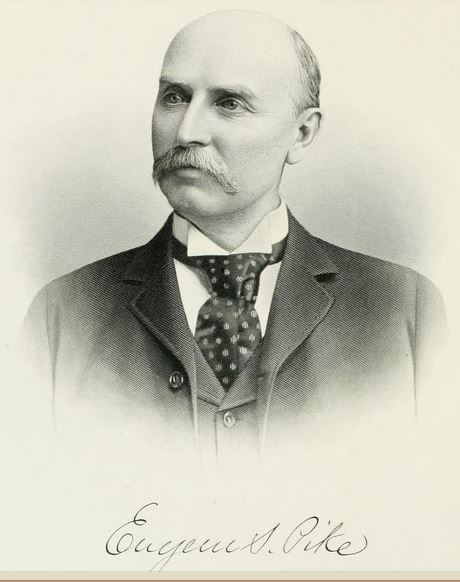
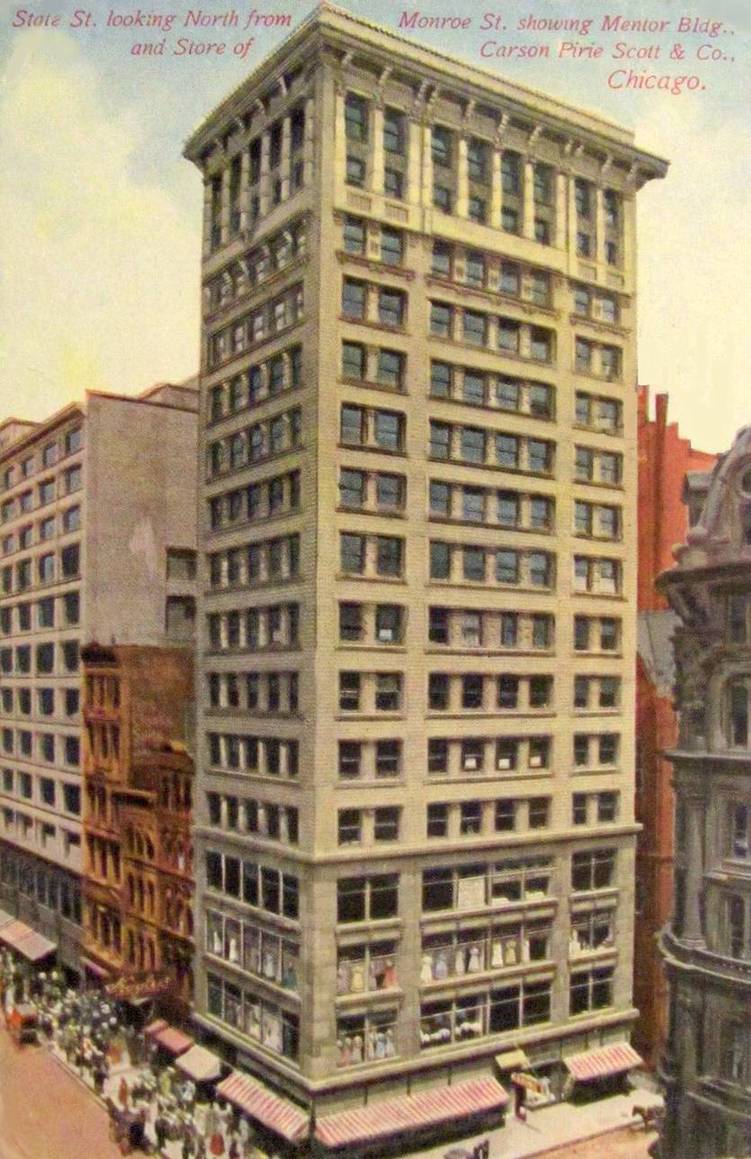
Eugene S. Pike (1835-1916), Eugene R.’s father, was a real estate developer and financier. He built several early skyscrapers on State Street in downtown Chicago. One was the Pike Building which was the first home of the Art Institute of Chicago, then called the Academy of Fine Arts. He also built the Mentor Building on the same block as Carson, Pirie, Scott and Co., and the department store used the bottom floors of the building.
Pike’s main dwelling was at 2101 S. Prairie Avenue, across the street from the home of John B. Sherman, who had owned most of the land which became the Beverly Hills Preserve. Pike sat on the Board of Directors for the 1893 World’s Fair, which was planned by Sherman’s son-in-law, Daniel Burnham. Pike had real estate/building projects with Burnham.
AMENDED 7/23/20: Pike purchased over 100 acres of land in 1888 from L. P. Hilliard in Washington Heights to sub-divide for residential lots. The purchase started at 95th Street and went north along the line of the Rock Island railroad branch. He sold about 2/3 of the land and built this house in the northern section of his holdings.
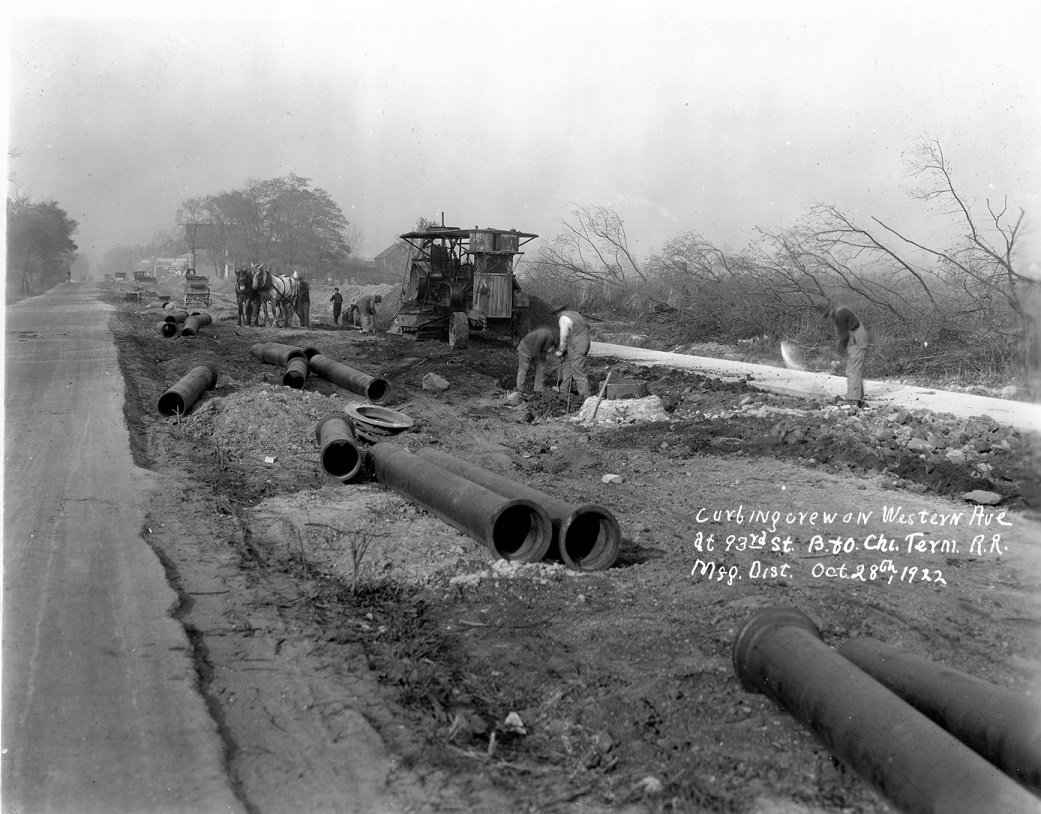
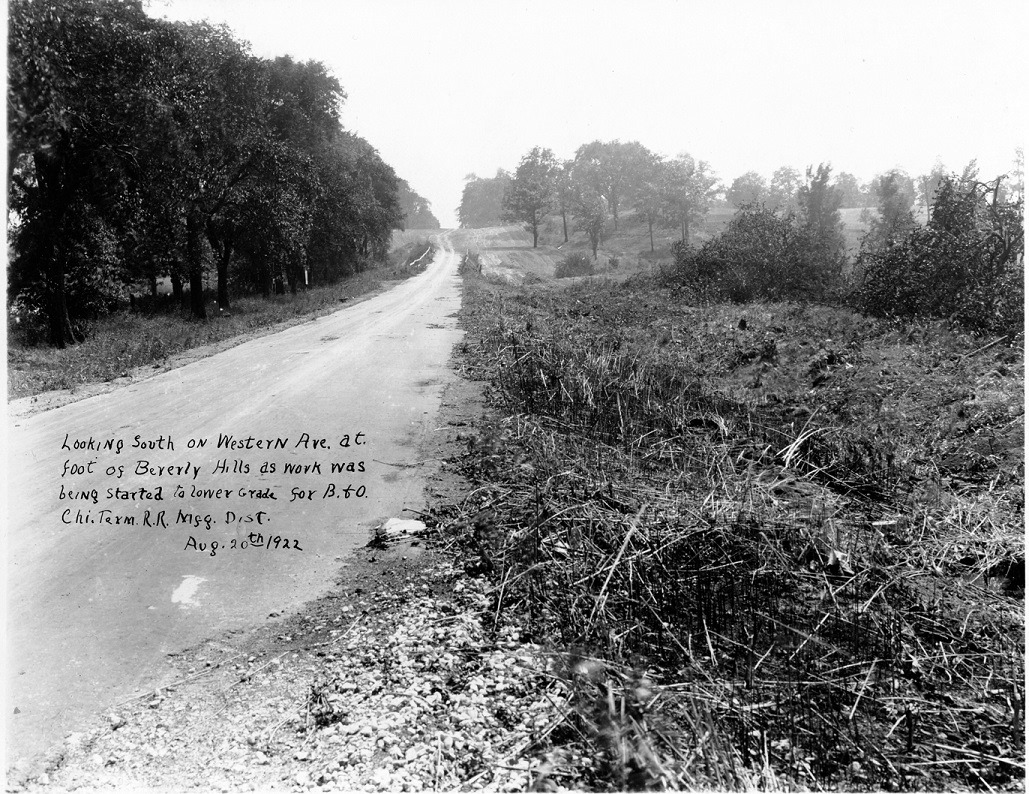
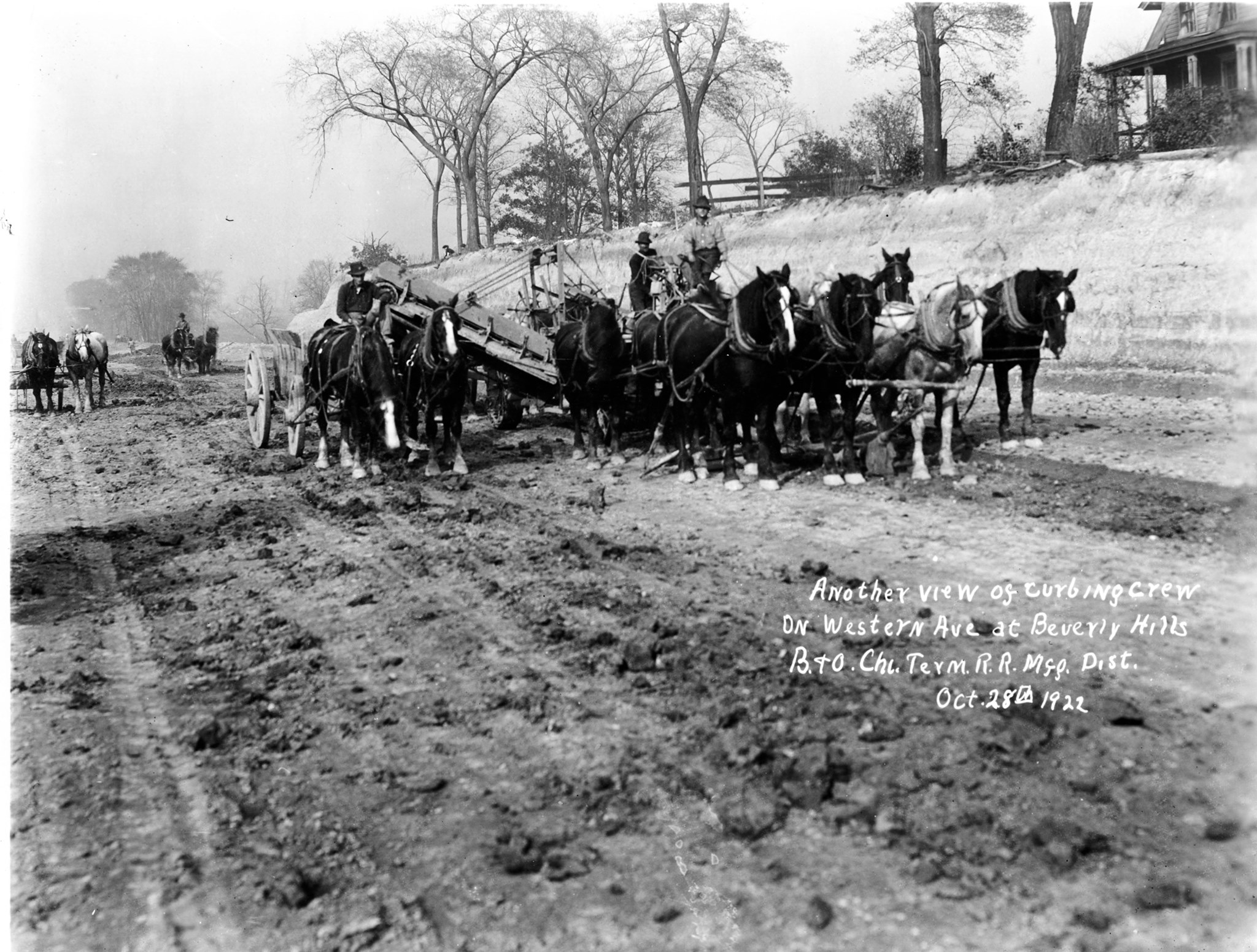
Other changes also occurred in the 1920s. Improving roads and building new ones were big priorities for the Cook County Board. More and more people were turning to automobiles as their means of transportation and the old dirt roads with their muddy quagmires were just not workable anymore – they had been barely passable for horses and wagons.
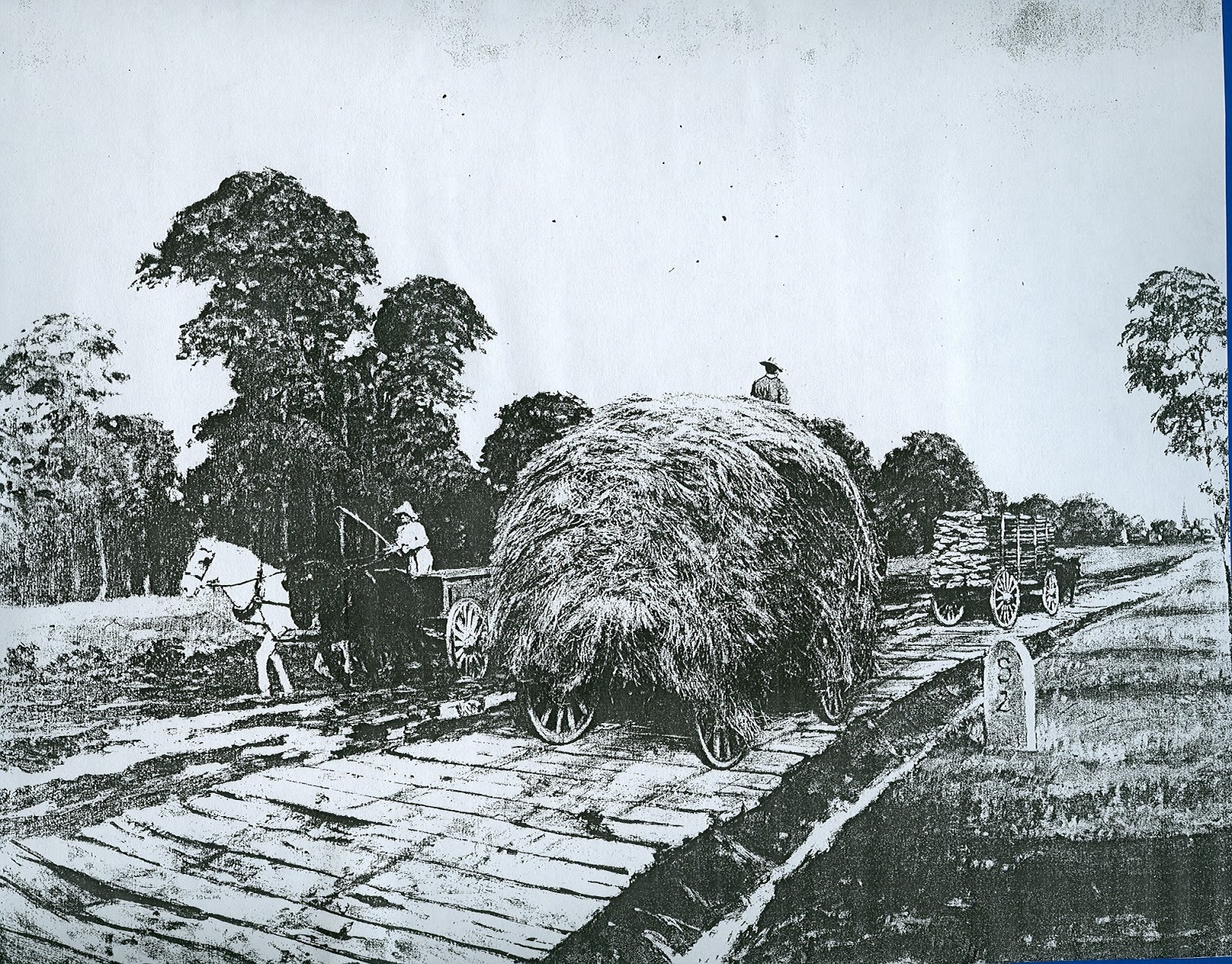
Western Avenue was an old and important north-south thoroughfare, going back to the 1850s. It showed up on early Ridge maps as the “Plank Road.” Wooden boards, or planks, were laid down on roads but this did not last long because the boards warped and decayed, and were washed away or “borrowed” by the settlers. These were replaced by gravel and brick roads and eventually concrete and asphalt.
An important project in the early 1920s was the widening, grading and paving of Western Avenue. The Ridge Historical Society has a scrapbook of pictures of this project and some are shared here.
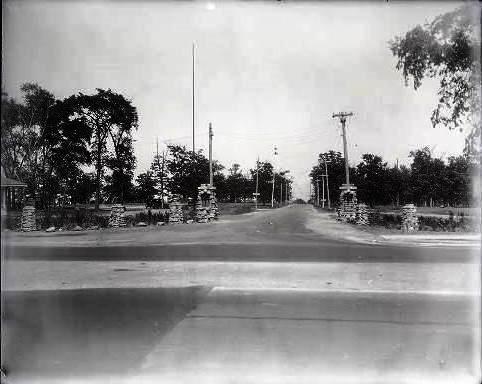
This project included paving and extending 87th Street west through the woods to Western Avenue. Up to this time, 87th Street was not much more than a dirt track cutting through Sherman’s Farm. An attractive new entrance to the preserve was built at 87th and Western. The plan was to make 87th Street a boulevard connecting the Beverly Hills Preserve with the Palos-area woods to the west, but that never happened.
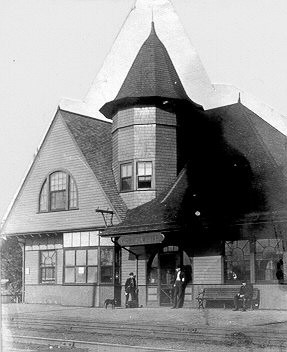
The new 87th Street access made for two convenient entrances to the woods, the other being at the 91st Street train station.
Next installment: Good old Dan Ryan.