
Ridge Historical Society
By Carol Flynn
School Series – Profile 4: John H. Vanderpoel
This is fourth in our series of people who have schools named for them on the Ridge.
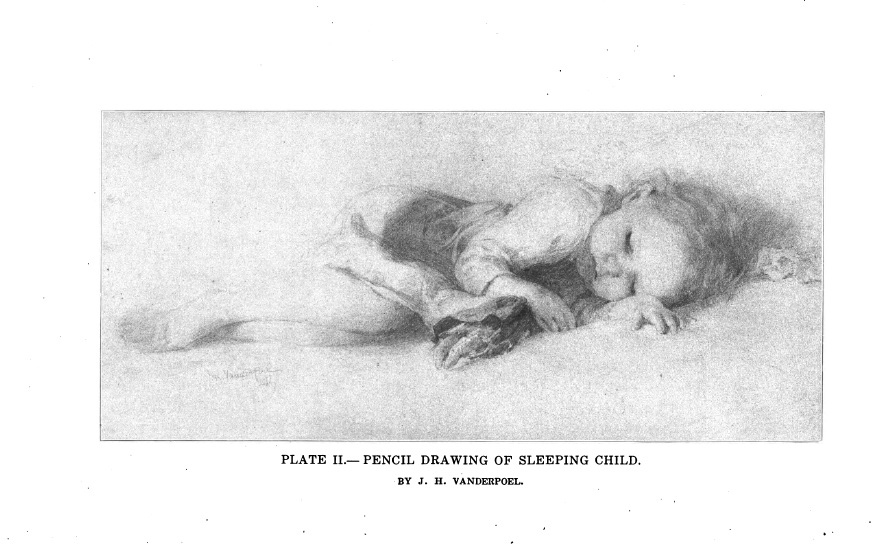
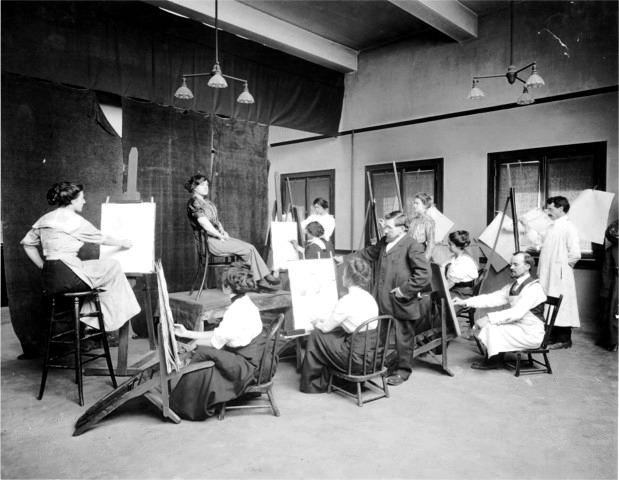
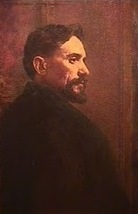
John H. Vanderpoel (1857 -1911) was an artist and educator who lived in Beverly. He is best remembered for his 30-plus years of affiliation with the School of the Art Institute of Chicago (SAIC).
Vanderpoel was born in Holland, one of ten children. His mother died when he was young, and his father moved the family to the U.S. when Vanderpoel was 11. Settling in Chicago, his father became active in politics and served as chief clerk of the probate court.
A gymnasium accident when he was 14 left young Vanderpoel with physical disabilities. While recuperating, he spent his time drawing. His talent was evident, and he set his heart on becoming an artist. As a teen, employed in a shop selling wallpaper, he used the backs of the rolls to practice his art. His employer fired him “before the whole of the store’s supply was ruined.”
Vanderpoel was awarded a scholarship to the Academy of Design, which eventually evolved into the Art Institute of Chicago. In 1880, he was appointed an assistant art instructor. The Academy gave him a fellowship to study in Paris for two years.
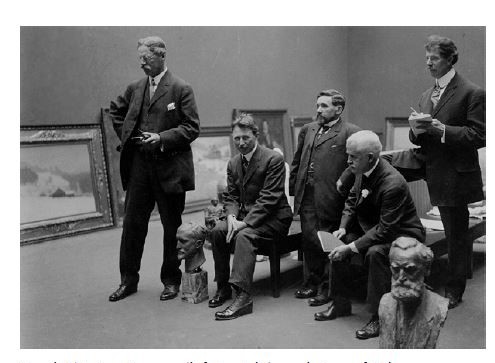
Upon his return to Chicago, Vanderpoel’s work was shown in many exhibits and his reputation grew. He was named head instructor at the SAIC. He exhibited five paintings and was a juror for artwork at the 1893 Columbian Exposition in Chicago. He was awarded a bronze medal at the St. Louis World’s Fair in 1904.
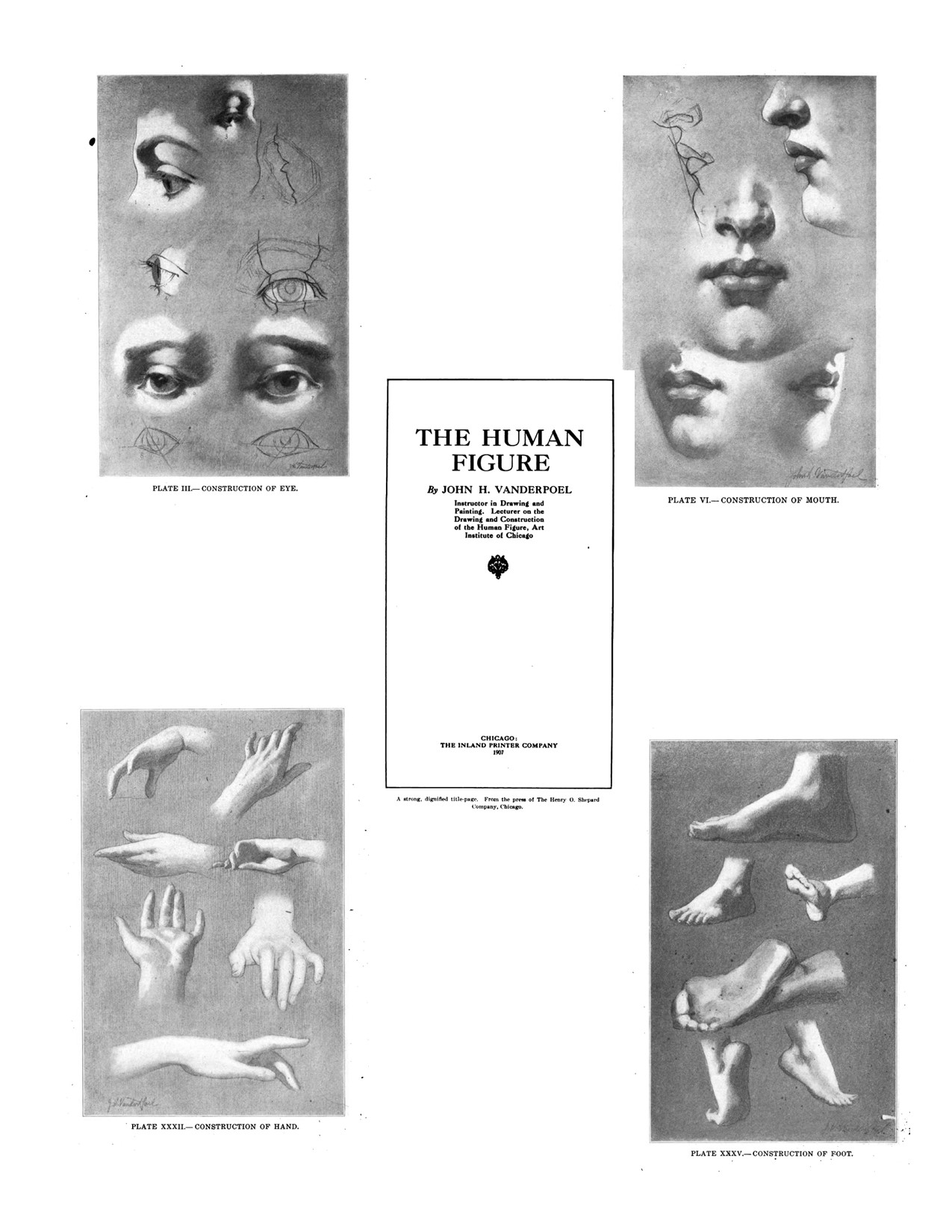
His book The Human Figure became a standard textbook for art school students and earned Vanderpoel the reputation as one of America's foremost authorities on figure drawing. One of his students at the SAIC was Georgia O’Keeffe, who praised Vanderpoel as “one of the few real teachers I have known.”
Vanderpoel took a leave of absence in late 1910 to move to St. Louis to head a museum and establish an art program. While there, in May of 1911, he died from a heart attack. He was survived by his wife, Jessie, and two children, Dorothy and David.
John H. Vanderpoel’s career has been well documented and can be found on-line. Less known is his history on the Ridge.
It was long assumed that it was the first executive director of the Art Institute, William Merchant Richardson French, who influenced Vanderpoel to settle in Beverly, but that is probably not the case; in fact, it is likely the other way around.
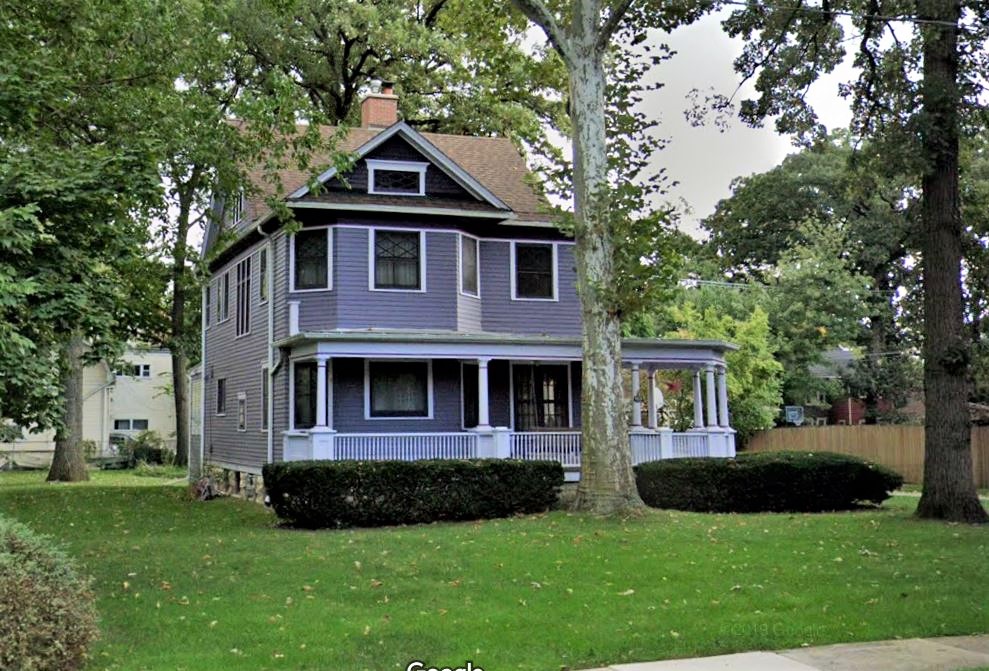
In 1890, Jessie Elizabeth Humphries was a student at the SAIC, living with her parents at “W. Meridian near Tracy Ave.” Today, that is 103rd Street and Walden Parkway. Vanderpoel was living with his father near Roosevelt Road and Western Ave. Vanderpoel and Jessie married on December 23 of that year, and he moved into the Humphries family house. In 1893, they had a daughter, Dorothy, while they were living at that address. The entire family including in-laws moved to 9319 S. Pleasant Ave., the house that is known today as the “Vanderpoel house.”
French married artist Alice Helm in March of 1890. They built a house at 9203 S. Pleasant Ave., which they moved into in 1894. That house also still stands. Some credit Alice Helm French with giving the name “Beverly Hills” to the area because the terrain reminded her of Beverly, Massachusetts.
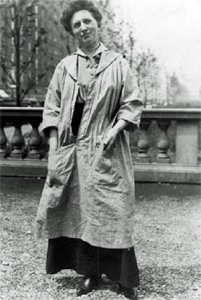
Matilda Vanderpoel, John’s sister who was also an artist and instructor at SAIC, later joined them in North Beverly, living at 9431 S. Pleasant Ave.
In 1911, Vanderpoel’s death was a great loss to the art community. A public wake was held at the Art Institute and prominent artists from all over the country as well as hundreds of his past students viewed his casket. He was buried in Mt. Greenwood Cemetery.
His friends and neighbors in Beverly and the art world sought ways to honor and remember him.
A new school was under construction at 95th Street between Howard Court and Prospect Ave., and his friends petitioned to have it named in Vanderpoel’s honor. The president of the Chicago Board of Education denied the request because the school had already been named for John Farson, a prominent banker and lawyer well known in Chicago financial and social circles who had died in 1910. In fact, Farson’s name was already chiseled in stone on the school facade.
But the community persisted. Alice Helm French along with others continued to petition the school board. Mrs. French contacted Farson’s widow, who lived in Oak Park and planned on relocating from the Chicago-area soon. Mrs. Farson had no objection to naming the school for Vanderpoel, and in fact had never been consulted by the school board about naming it for her husband in the first place. Mrs. Farson wrote a letter to this effect to the school board. After a year and a half of “more or less agitation,” Farson School was finally renamed for Vanderpoel. A memorial program to honor him was held at the school in May of 1913. Later, the street Howard Court was renamed Vanderpoel Avenue.
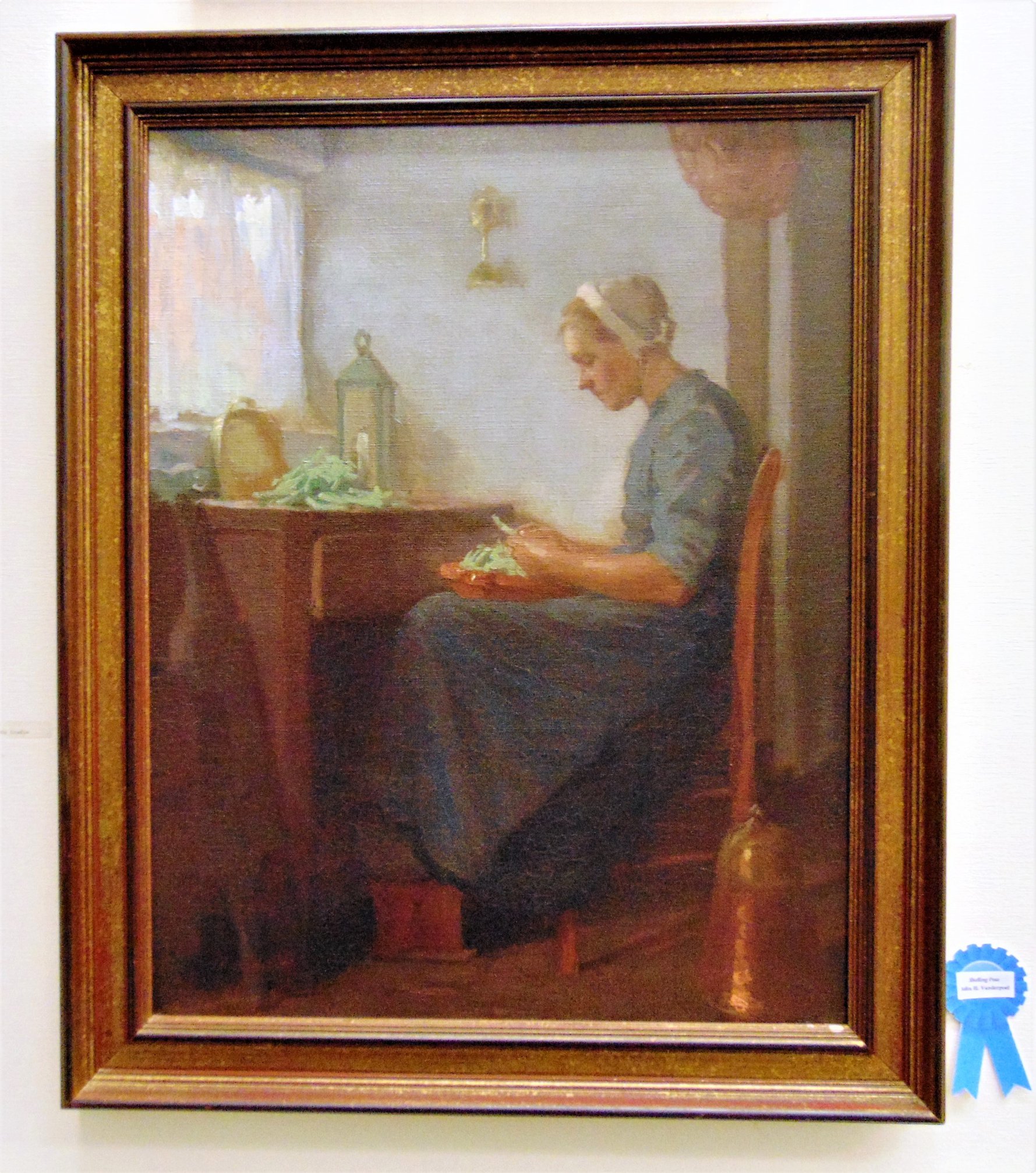
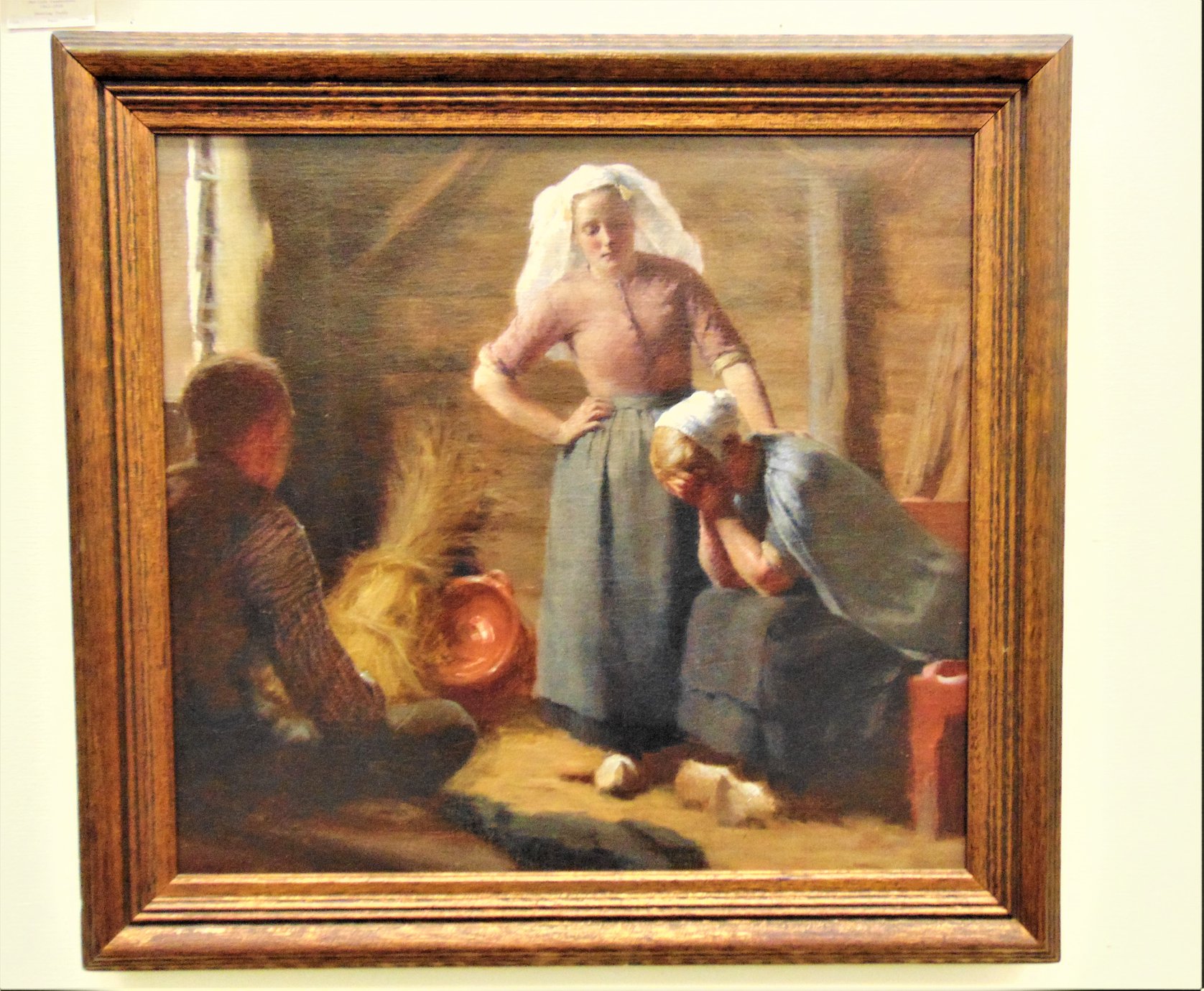
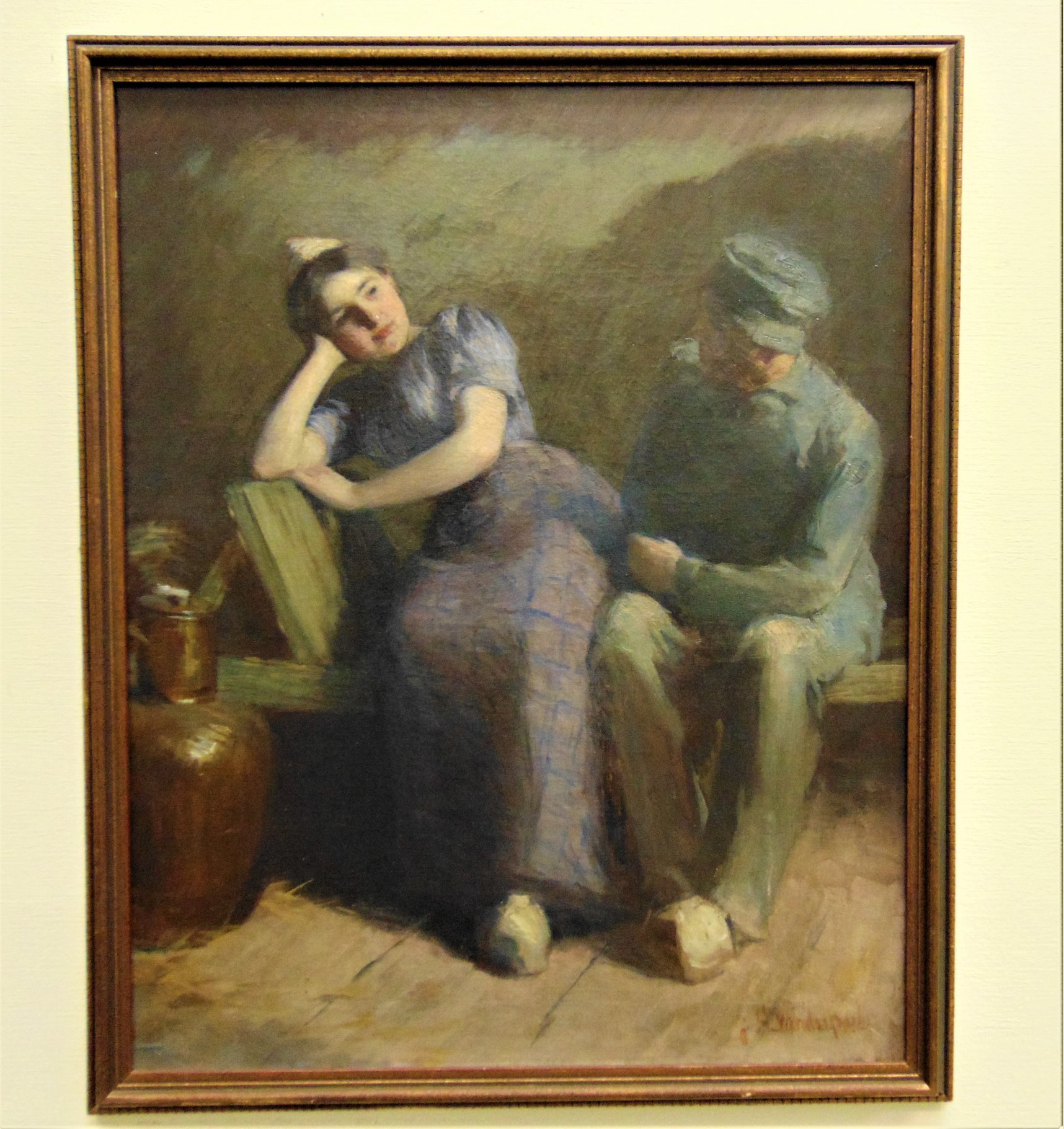
In 1914, his friends bought one of Vanderpoel’s paintings and installed it in the Vanderpoel School. Artists were invited to contribute works to continue this memorial. This was a usual practice then, to decorate schools with original artwork. By 1929 the collection had outgrown the school and arrangements were made with the Ridge Park District to move the collection there, creating the Vanderpoel Art Gallery. Today the gallery, in the Ridge Park field house at 96th Street and Longwood Drive, owns a world-class collection of paintings and other artwork.
These sites in Beverly are named for John Vanderpoel, but his true legacy was establishing SAIC’s reputation as a superb art school over 100 years ago.