Earth Day 2019: Celebrating Earth Day by highlighting four preserved remnants of the “wild Ridge” ecosystems
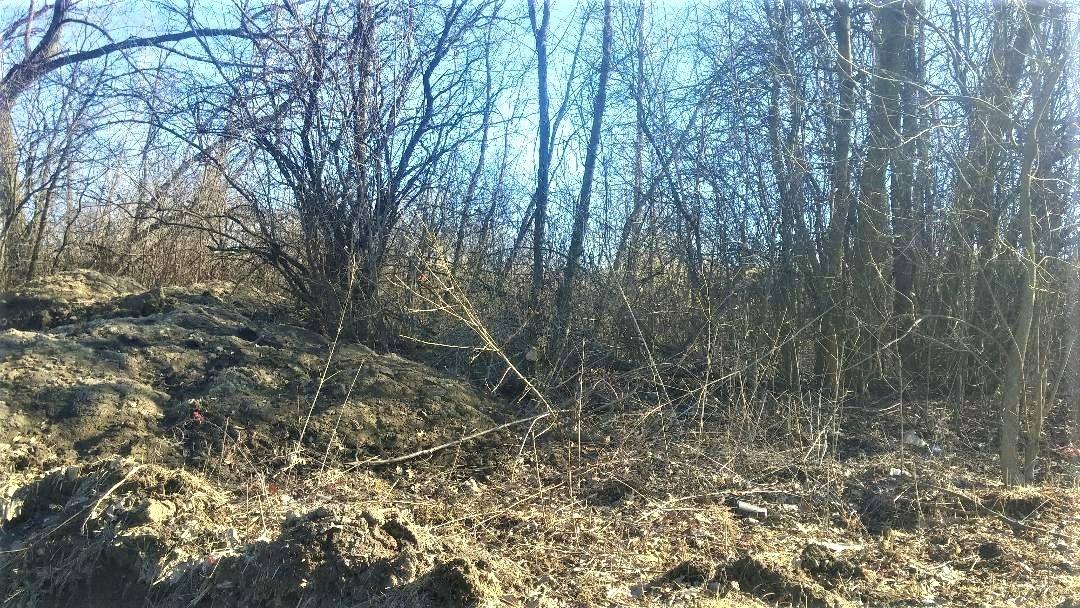
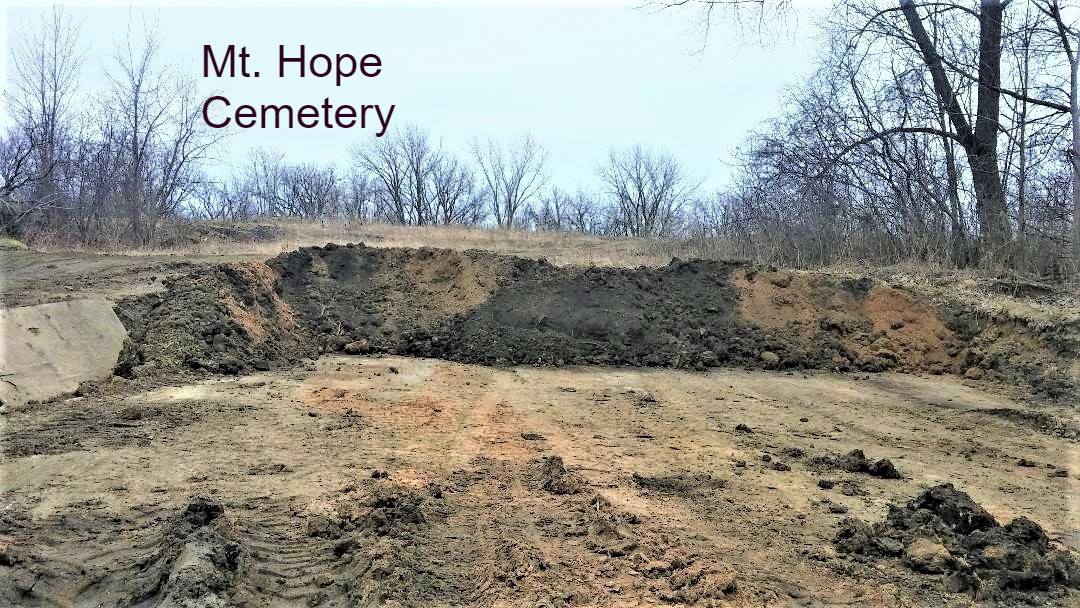
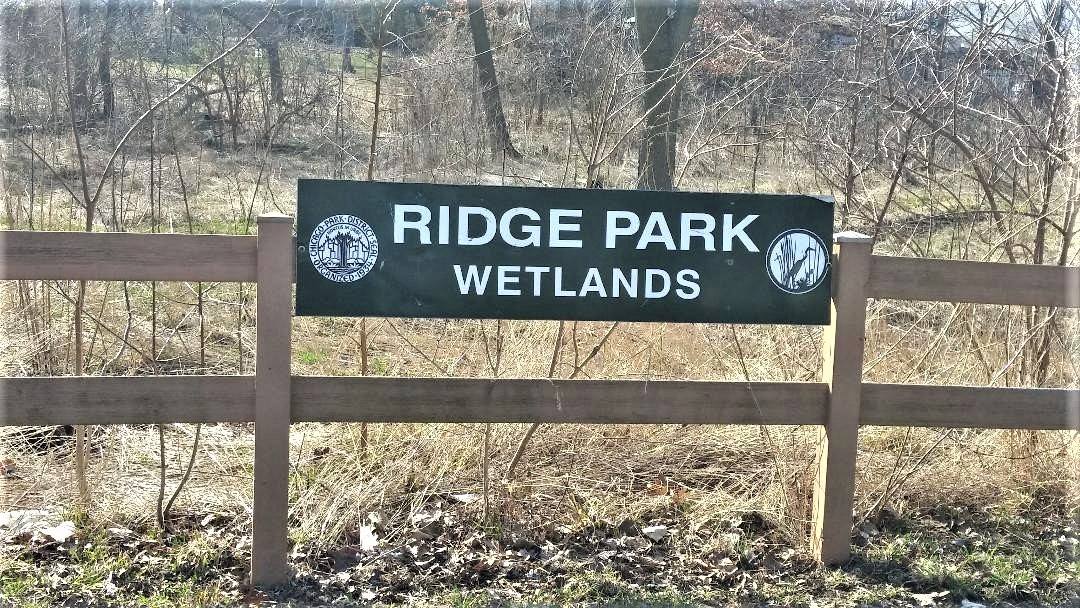
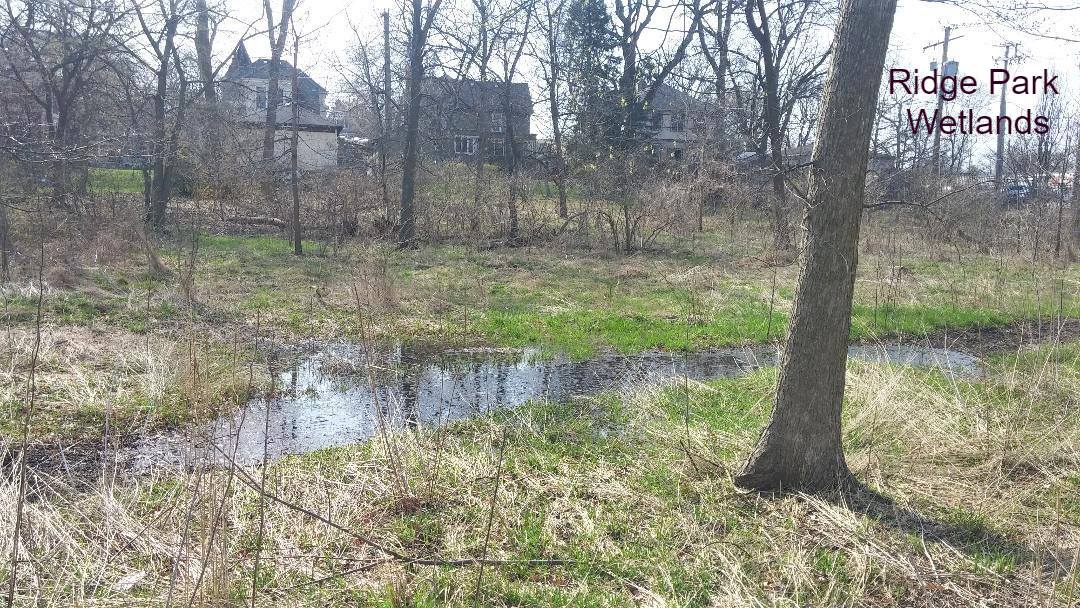
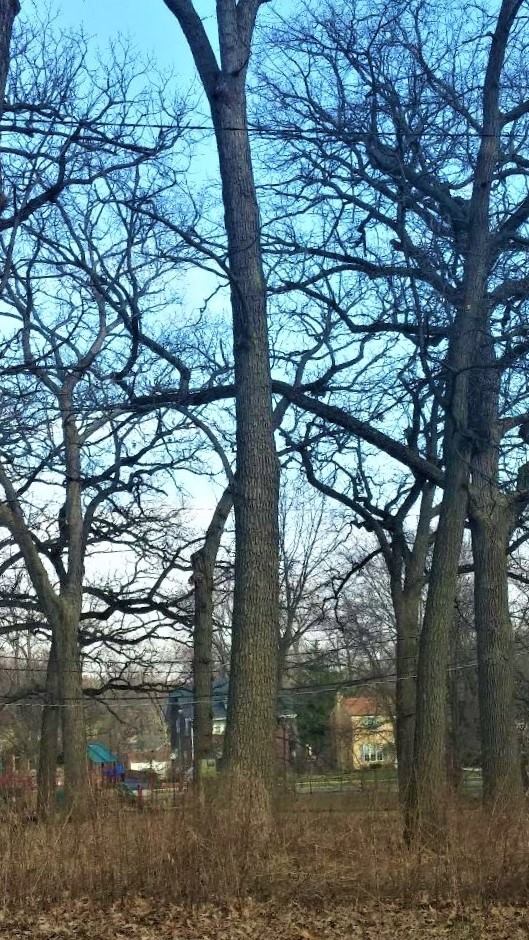
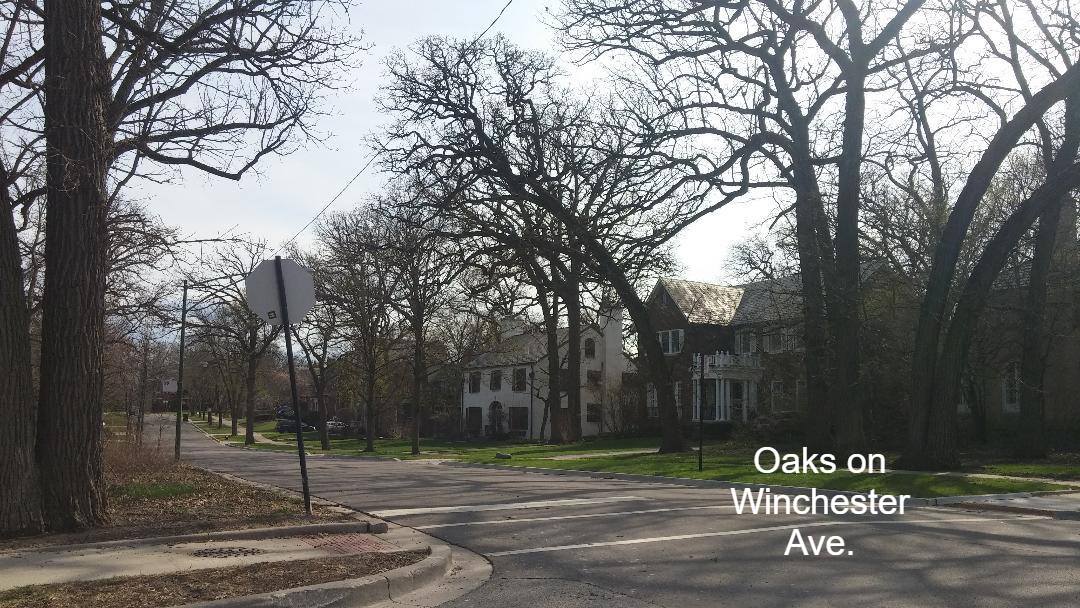
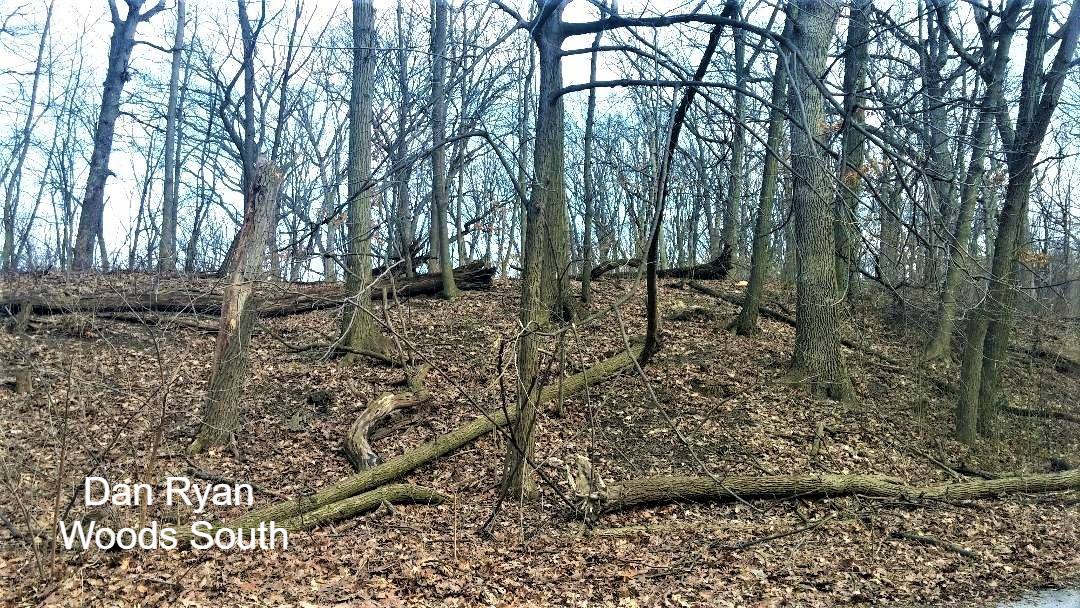
Sand deposits in Mount Hope Cemetery date back to when the Blue Island really was an island. This was the western side of the island; the east has the sharply defined ridge along Longwood Drive.New mausoleums are under construction in the southeast corner of Mount Hope Cemetery. Digging the foundations is cutting into the sand deposits that formed on the west side of the Blue Island 20,000 years ago.This area is located just west of the Metra tracks between 95th and 96th Streets, just north of Ridge Park. This is not much more than a museum exhibit of wetlands but this type of ecosystem went east to the lake when settlers first started coming to the Ridge.There is a walking path through the Ridge Park Wetlands. After it rains, the wetlands really show what they are all about. Some lawns on Longwood Drive, and other areas to the east below the Ridge, can look like wetlands (which is what they were) after a heavy rain.A number of ecosystems were in the Ridge area, including wetlands, prairie, and woodland. Hurley Park Woodland at 100th St. and Winchester Ave. gives a small example of the woodland primarily made up of oak trees that covered the top of the Blue Island. Dan Ryan Woods is managed as a woodland.Looking south down Winchester Ave. from Hurley Park at 100th Street, oak trees that are hundreds of years old line the street. This was all woodlands in the past.South Dan Ryan Woods (south of 87th Street) shows the woodlands and ravines that covered the "wild Ridge" in the past. One can easily see how the terrain was ideal for hiding stolen horses; thus the Morgan Park area became known as "Horse Thief Hollow."
April 22 is Earth Day when we focus on environmental issues. There is not much left of the original "wild Ridge" due to almost 200 years of "development" but here are four places where we can still see remnants of some of the ecosystems that once flourished here.
In the far southeast corner of Mount Hope Cemetery (entrance on 115th Street at Fairfield Ave.) we can see the remnants of the vast sand deposits that were the western shore of the pre-historic Blue Island. The sandy land was not suitable for farming and that is why we have so many cemeteries and golf courses along the western side of the island, starting with St. Mary's and Evergreen Cemeteries at 87th Street and going south.
Second, we have the Ridge Park Wetlands to the west of the Metra train tracks just north of 96th Street. The water ran off the Ridge to the east, creating wetlands, swamps and marshes for miles. This is one very small patch still preserved.
Third, we have Hurley Park at 100th St. and Winchester Ave. where there is signage about the once vast oak woodlands that covered the area. We still have old growth oak trees in the area but many of them are reaching the end of their lifespan and will die off in the next 50 years. We have not kept pace with establishing new oak trees.
Last, we have the south section of Dan Ryan Woods (south of 87th Street) where we can still see the ravines and natural gradients in the terrain that would have existed before most of the land was leveled for building.