
Harold T. Wolff was an architectural historian with Ridge Historical Society in the 1990s and early 2000s, who contributed substantially to our understanding of the architectural legacy of the Ridge. His regular columns for the BAPA Villager gave readers insights in architecture and history with his elegant prose. With permission from BAPA, these columns have been made available on the RHS website.
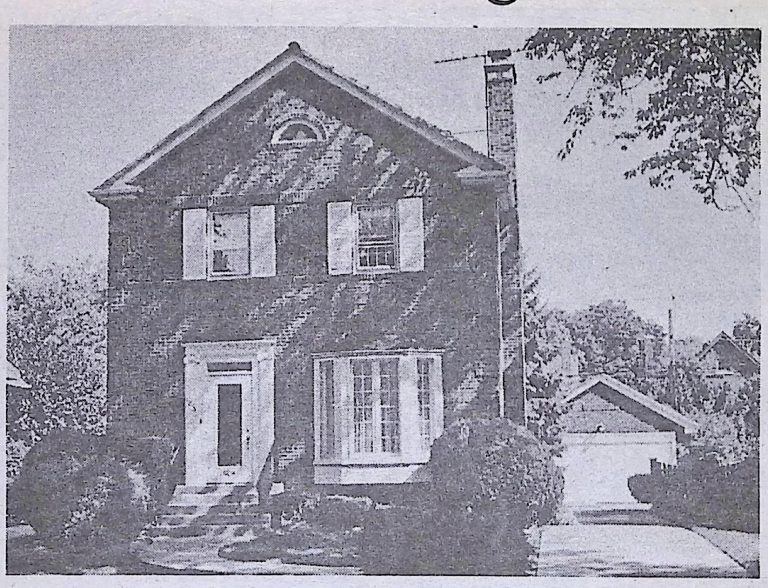
The Difference Between Georgians and Neocolonials
October 2004 | The Villager
In the western part of Beverly/Morgan Park, on the north-south streets on both sides of Western Avenue, can be found many narrow-fronted Neocolonial houses, usually called “Georgians” in the real estate ads. When most architectural historians think of Georgian architecture, what comes to mind is the sort of broad-fronted house one associates with Colonial Williamsburg,…
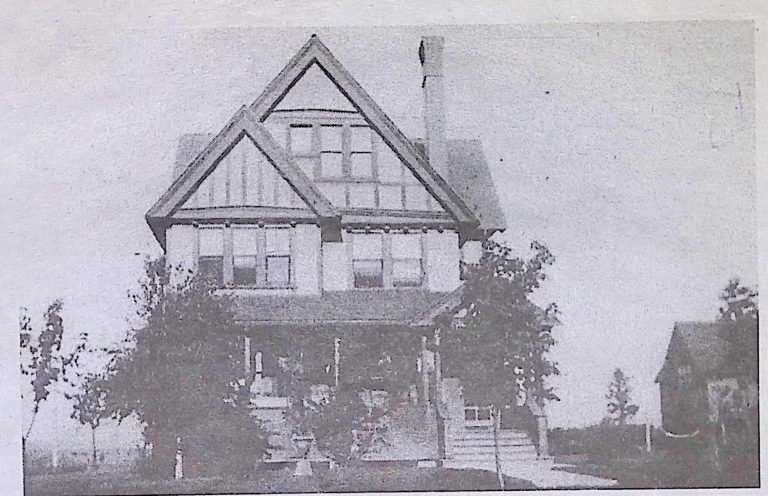
A Striking Queen Anne House
December 2004 | The Villager
American designers of Queen Anne ar-chitecture experiment extensively with shingles, spindlework, turrets, domed tow-ers and patterned blocks. When today's proud owners display a Queen Anne house for our inspection, we tend to size it up by comparing it to a mental catalogue: Has it got an onion dome or a tower? A patch of shingling?…
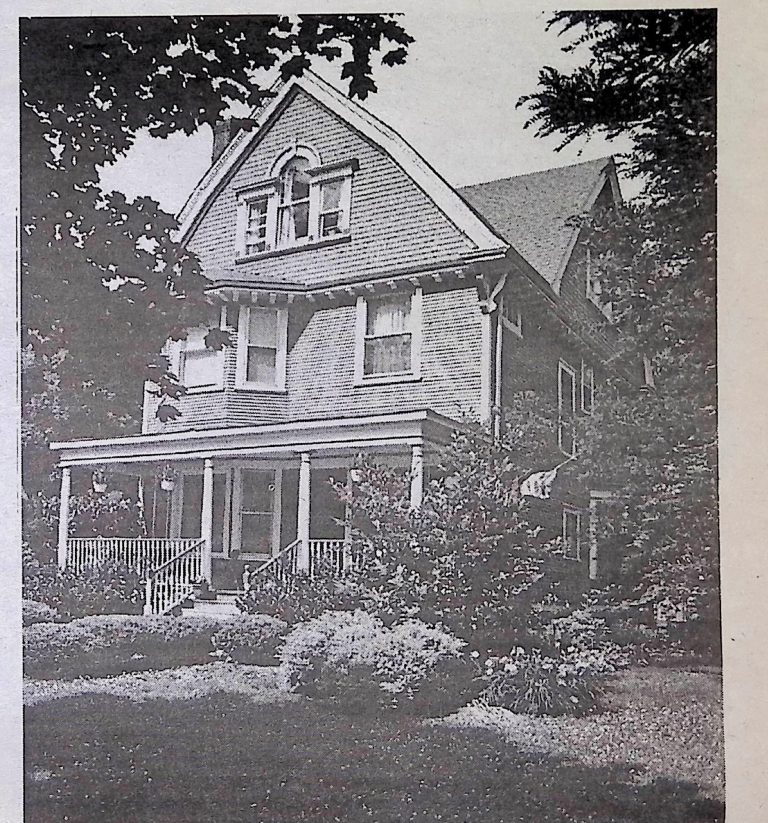
Components of a Queen Anne House
August 2004 | The Villager
It is fashionable to dismiss Queen Anne architecture as both the product of an expression of the explosive growth of the American economy in the decades after the Civil War, particularly the 1880s and 1890s. These vast houses, characterized by towers, turrets, a variety of exterior wall treatments and a complete lack of restraint in…
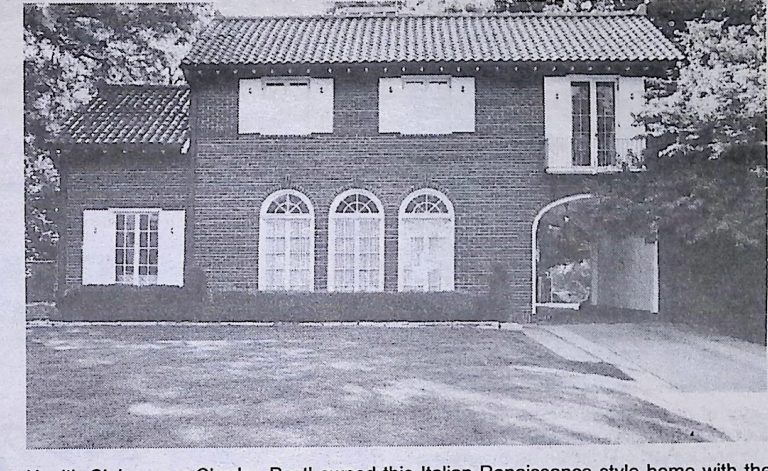
House Built for Famous Health Club Owner An Ingenious Place to Build the Garage
October 2003 | The Villager
By Harold T. Wolff Ridge Historical Society No development of modern times has disrupted the architecture of houses more than the attached garage. Even when garages can be made into a harmonious wing of the house, the size of a typical lot dictates that they face the street, exposing their unsightly collection of clutter to…
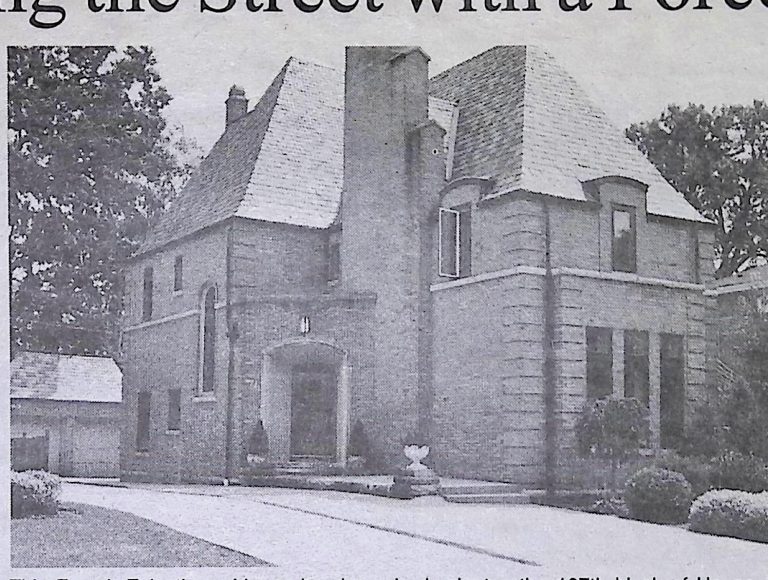
Dominating the Street with a Forceful Profile
December 2002 | The Villager
Many Americans first experienced French architecture while serving as doughboys in World War I and were impressed with what they saw. In the 1920s, French chateaus and country houses, suitably modified for 50- or 100-foot lots, began to put in an appearance all over the United States. While the most common French style represented in…
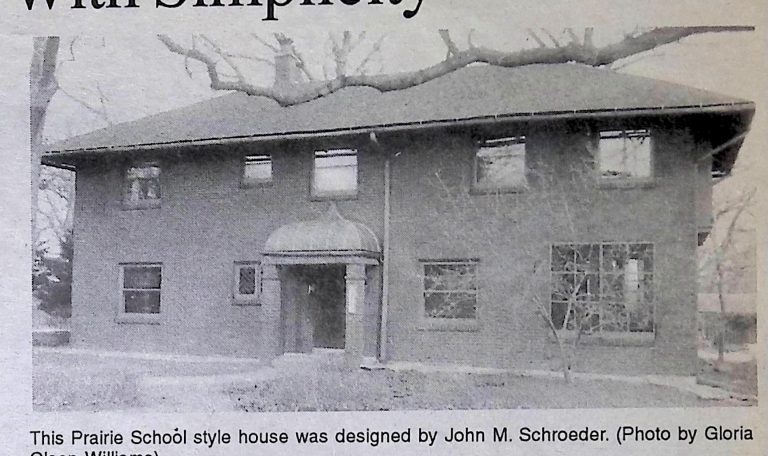
Overwhelming With Simplicity
August 2002 | The Villager
When we visit Oak Park to see the architecture of Frank Lloyd Wright, or Kenilworth to see the houses designed by George Washington Maher, we see how the resident architect influenced other Prairie School designers who worked “on his turf.” The imitation may have been unconscious, but we can’t help noticing the resemblance of the…
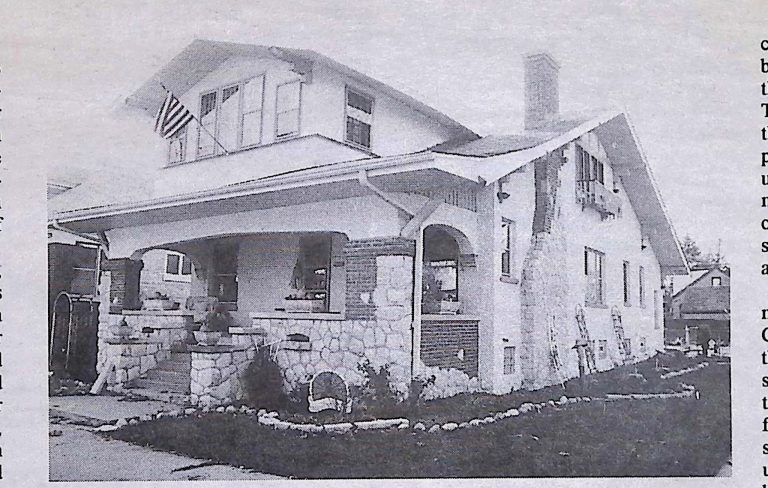
A California Semi-Bungalow
February 2002 | The Villager
To a certain extent, the City of Chicago's new-found interest in celebrating and preserving its bungalow heritage has caused our local architectural and historic preservation agencies — and, indeed, commentators like myself — to take a second look at this widely-varied type of house. And the effort is often well worth the time spent, as…
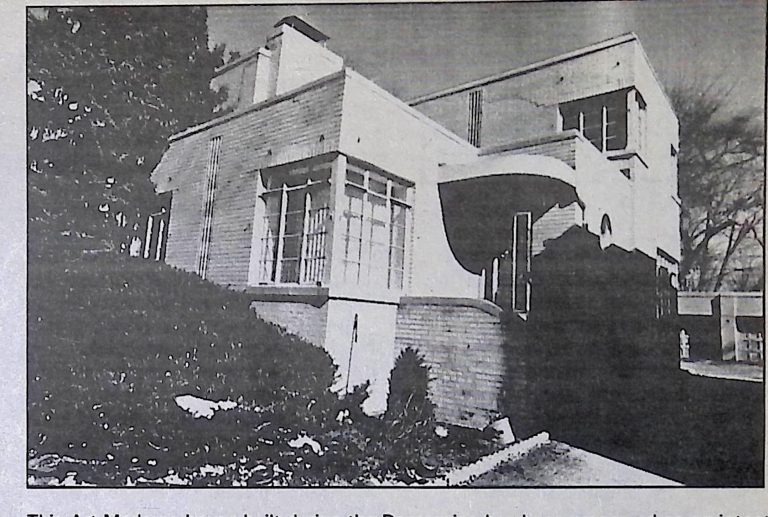
Art Moderne House Reflects Local Prosperity
March 2001 | The Villager
Perhaps the best evidence that Beverly/Morgan Park's prosperity continued (with some hesitancy) through the Depression is the wide sprinkling of Art Moderne houses throughout the neighborhood. Despite their relative simplicity they are both fragile and misunderstood, and it is hard to find intact examples. Their owners are prone to build huts with mansard roofs on…
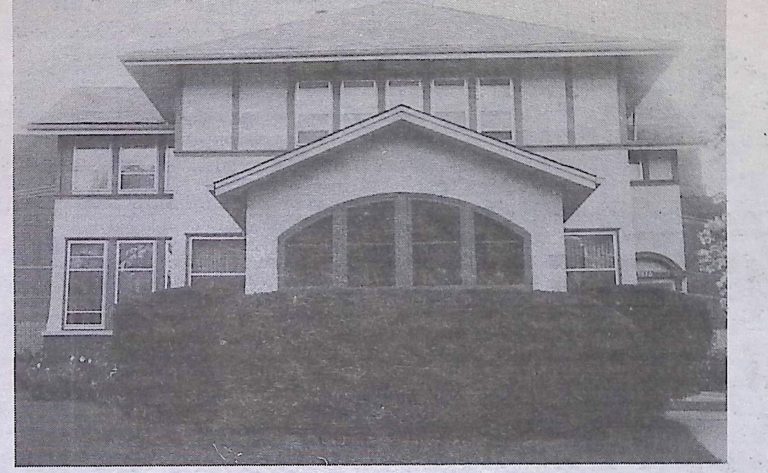
A Foursquare Takes Wing(s)
August 2001 | The Villager
From the mid-1890’s to the end of the 1920’s, the American Foursquare was among the most popular types of houses built from one end of the country to the other. With a depth almost as wide as its front and capped by a four-sided pyramid (the hipped roof), this house could be built in many…
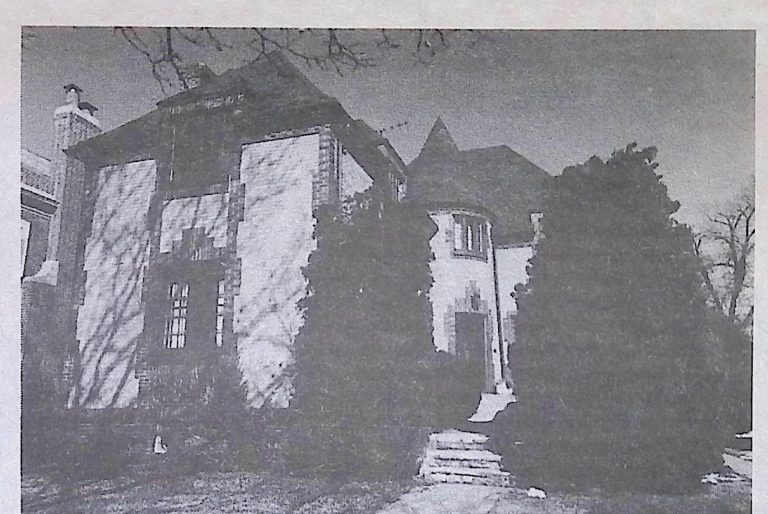
A Norman Manor House on a City Lot
April 2001 | The Villager
Although never as widely favored as Tudor or Georgian, Norman style houses are found all over Beverly/Morgan Park, with examples ranging from simple cottages with two wings joining at a central tower all the way up to high-style examples on or just off Longwood Drive. Norman was the preferred style of distinguished local architect Harry…