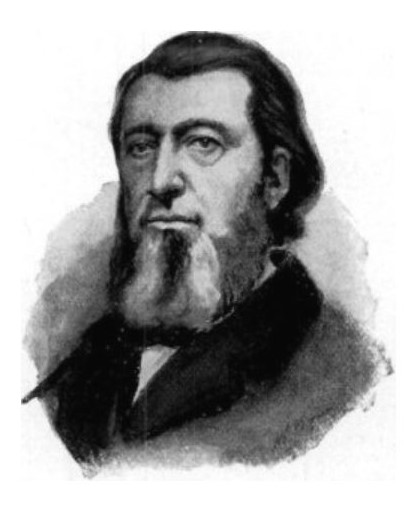
Ebenezer Peck (1805-1881) was a well-known consultant and mentor to Lincoln. He was a very powerful man in Chicago, a lawyer and an elected legislator, serving in both the Illinois Senate and the Illinois House. Lincoln often called upon Peck for advice. Peck was part of the delegation that informed Lincoln he was nominated for the Presidency. Lincoln met at Peck’s house following the election to plan his cabinet appointments. Peck accompanied President-elect Lincoln in his private train when Lincoln left Springfield for Washington, D.C. Peck made at least three visits to D.C. during Lincoln’s first term. Peck went to the White House in the summer of 1864 to convince Lincoln to run for a second term. He told Lincoln: “Your reelection is necessary to save the Union, and no man must stand in the way of that success.”
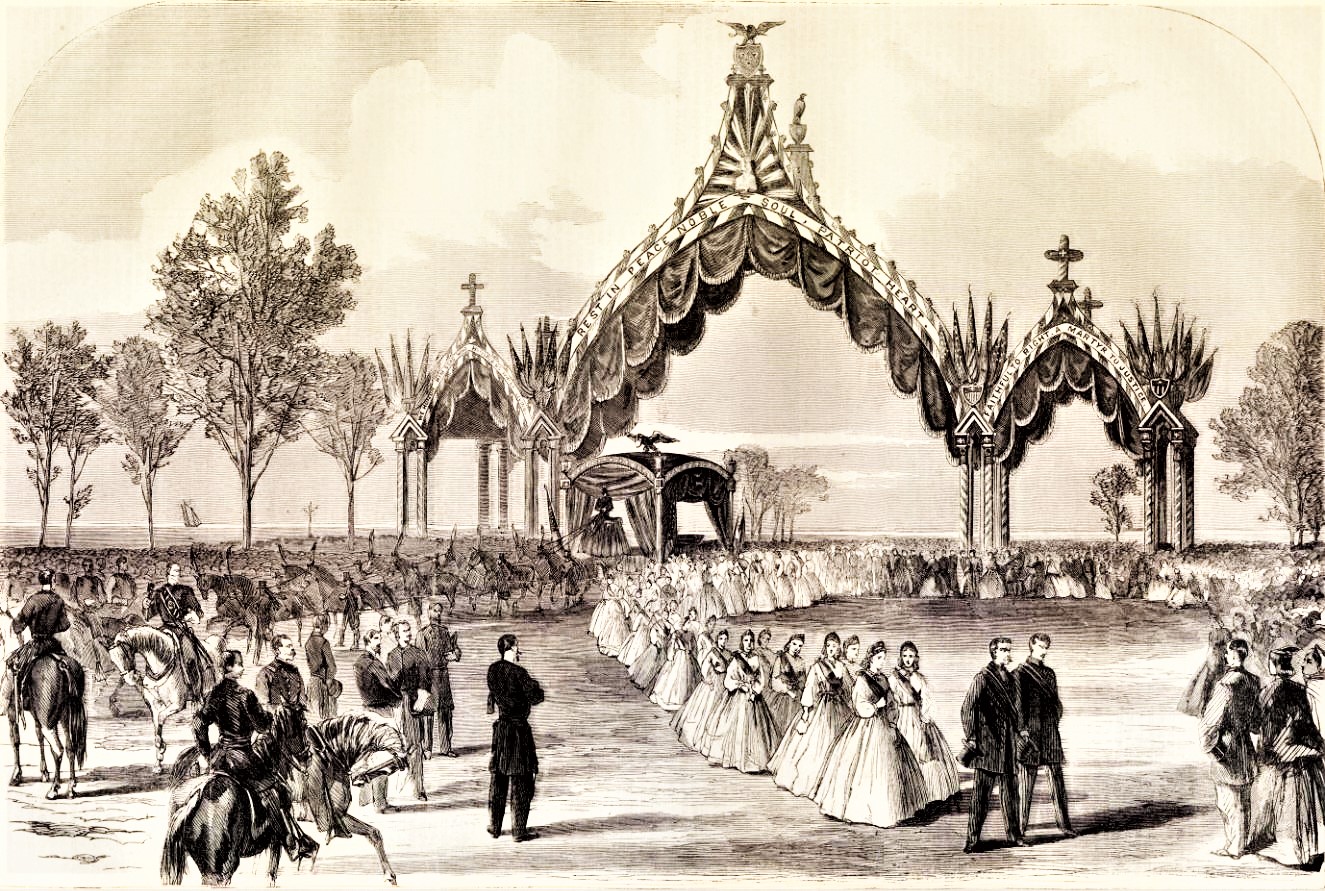
There is substantial documentation that Peck had a home just northwest of what is now 95th St. and Western Ave. on public domain land he purchased in 1835. He owned parcels of land all around the developing area of Chicago. This would have been where the back of Sam’s Club is now. One of the earliest houses on the Ridge, it was described as the nicest house in Cook County, but unfortunately, it was destroyed by fire before 1844. He later lived in the Lake View area. Lincoln appointed him as judge to the Court of Claims in 1863, a position he held until his death in 1881.Charles O. Ten Broeke built the funeral hearse, or catafalque, that carried the remains of President Abraham Lincoln through the streets of Chicago. As a young man, he boarded at the Matteson Hotel, where he became good friends with Lincoln, listening to his stories. Ten Broeke became one of the most successful carriage makers in the west. His company built Chicago’s first street car.
Ten Broeke moved to Morgan Park, where he served as village treasurer for 25 years. His house at 11336 S. Lothair Ave. still stands although it has been substantially altered from the original.
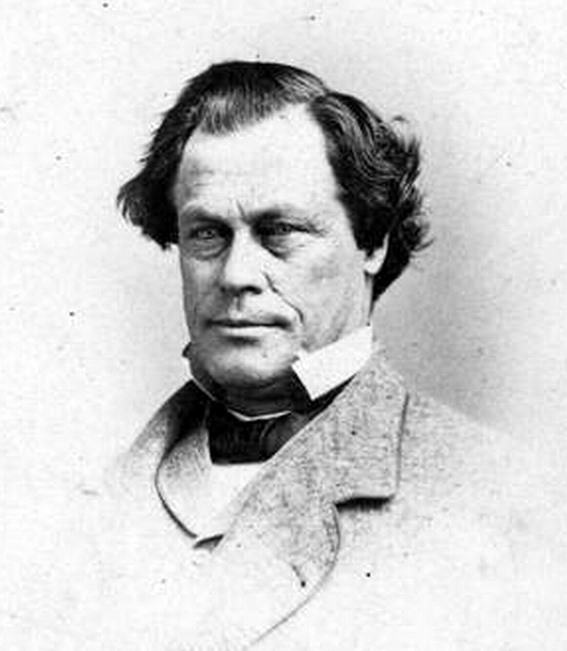
This illustration from Harper's magazine depicted Lincoln's funeral procession in Chicago. Passing under the enormous arch is the hearse built by Ten Broeke that carried Lincoln's coffin.This picture is of Owen Lovejoy.
Austin Wiswall was part of the Lovejoy family. His uncle Elijah Lovejoy, an ardent abolitionist and newspaper publisher, was murdered by a pro-slavery mob in Alton, IL, in 1837. He is known as the “first casualty of the Civil War.”
Elijah’s brother, Owen Lovejoy, became a friend of Lincoln’s, a congressman from Illinois and a leader of the abolitionist movement and Underground Railroad in Illinois. He supported Lincoln all through his Presidency. When Lovejoy died in 1864, Lincoln said,"To the day of his death, it would scarcely wrong any other to say, he was my most generous friend.”
Austin Wiswall was the son of the Lovejoys’ sister, Elizabeth Lovejoy Wiswall. He served as a lieutenant in the U.S. Colored Troops during the Civil War (the officers were white). He was captured by Confederate forces in August 1864 and held at Andersonville prison camp. Lincoln himself negotiated the exchange and release of Wiswall.
Later, Wiswall and his family moved to Morgan Park and he served on the Board of Trustees of the village. He is buried in Mt. Hope Cemetery on 115th Street.
The Ridge Historical Society is wrapping up Presidents Day with a look at some of the connections between Abraham Lincoln and the Ridge.
The Illinois slogan is "Land of Lincoln." Although Lincoln was born in Kentucky in 1809 and spent much of his youth in Indiana, it was in Illinois, where he moved in 1830, that he became a self-taught lawyer practicing out of Springfield, became active in politics, and was elected the 16th President of the United States in 1860. He was assassinated in 1865, and his remains were brought back to Illinois for burial.
Lincoln traveled the legal circuit on his horse, Old Bob. With certainty, he rode through the Ridge on the Vincennes Trail on his many trips to Chicago. He came to Chicago often for legal business, social interaction, and most importantly, politics.
Three of the people from the Ridge that were in Lincoln’s circle were Ebenezer Peck, Austin Wiswall and Charles Ten Broeke. See the accompanying pictures for their connections.