
Ridge Historical Society
Part I for Memorial Day – UPDATED
Carol Flynn, RHS Communications
Monday, May 25, is Memorial Day, the federal holiday when we commemorate those who have died while serving in the U.S. Armed Forces. Originally known as Decoration Day, from the custom of placing flowers on the graves of fallen soldiers, the day was adopted by states after the U.S. Civil War. In 1971, the name was changed to Memorial Day, and it was made a federal holiday to be celebrated on the last Monday in May to create a three-day weekend.
The Civil War, fought from 1861 to 1865, remains the deadliest military conflict in U. S. history, pitting American against American. As many as 750,000 military personnel from both the North and South were estimated to have died. More soldiers died from disease than from injuries; pneumonia, typhoid, dysentery, and malaria caused about two-thirds of the deaths.
Illinois was a major source of troops and supplies for the Union during the war, contributing over 250,000 soldiers. People from the Ridge fought in the war, and they will be profiled tomorrow.
After the war, many Civil War veterans moved to the Ridge. Mt. Greenwood Cemetery has identified over 300 Civil War veterans buried there. Similar numbers would be expected for Mt. Hope and Mt. Olivet cemeteries, and those along Kedzie Ave.
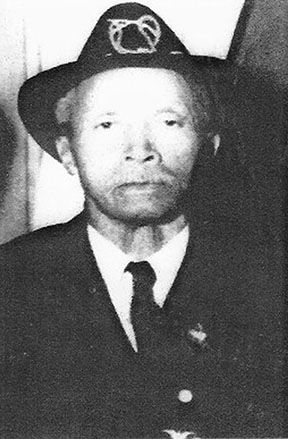
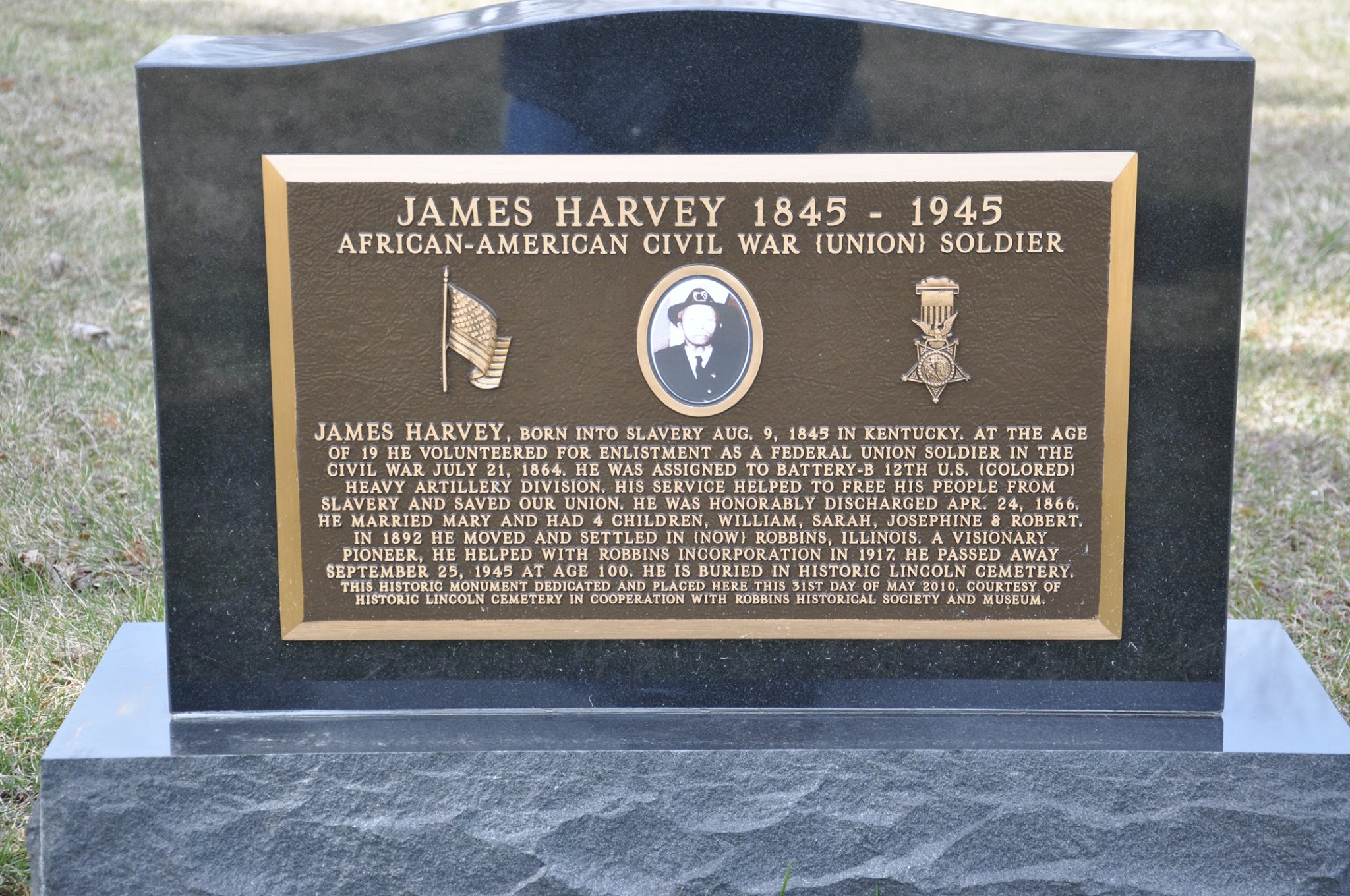
In 2016, a ceremony was held at Lincoln Cemetery, the historic African American cemetery at 123rd St. and Kedzie, to recognize and honor James Harvey, a Civil War veteran buried there. Harvey, born a slave in 1845, served with the U.S. Colored Troops (USCT). These troops consisted of black soldiers, usually ex-slaves, and white officers.
At the end of the war, Harvey received his freedom, but his monetary compensation was given to his former owner. He moved to the Chicago area and was one of the founders of the town of Robbins. He lived at 137th and Sacramento. He died at the age of 100, the last African American Civil War veteran in Illinois.
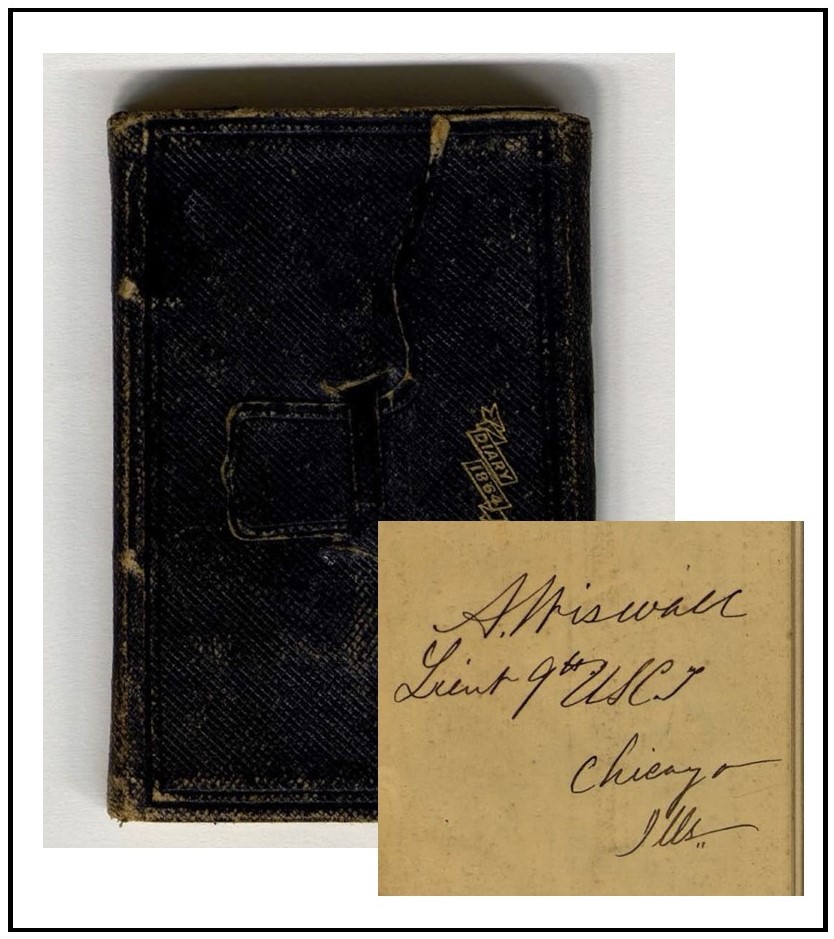
Several white officers from the USCT are buried on the Ridge. Buried at Mt. Hope Cemetery is Austin Wiswall, the nephew of Elijah and Owen Lovejoy, the ardent abolitionists. Elijah was murdered in 1837 in Alton, IL, by a pro-slavery mob. Owen became the best of friends with Abraham Lincoln, serving as a congressman from Illinois, and a “conductor” on the Underground Railroad.
Austin, born in 1840, a lieutenant in the USCT, kept a diary and wrote many letters home, which are preserved in a collection in Texas. These offer insight into the experiences and mindset of a young soldier.
Much of the work of a young officer was humdrum and routine. In the early days of 1864, Austin was in the Baltimore area, spending his time listening to music and drinking lemonade in his tent. He was bored with drilling recruits, he wanted to see action – he wrote if he did not get into the Calvary, he would resign.
He was sent to nearby towns to recruit men into the colored troops. After one session, on Monday, Feb. 8, he wrote: “Was busily engaged this morning making out my descriptive lists. There will probably be some inaccuracies in them as one of the charming mesdemoiselles of this place was sitting opposite me at the time and distracted my attention.”
Austin did see action later in that year. On August 9, he wrote to his mother, Elizabeth Lovejoy Wiswall, an enthusiastic letter about the new assignment that he was sure would lead to the Calvary.
Unfortunately, a few weeks later, Austin was captured by Confederate forces and held at the infamous Andersonville prisoner-of-war camp, in Georgia. His mother received a letter dated September 2, from Lt. Col. Armstrong, which began, “I regret to inform you that your son Austin Wiswall is now a prisoner in rebel hands and is slightly wounded in the fleshy part of his leg.”
The letter continued that Armstrong had met under truce with the enemy officers and they were impressed with Austin and would do what they could to help him.
After a few months, Austin was released in an exchange of prisoners which was believed to have been arranged personally by President Lincoln.
Wrote Austin on December 19 from the Officers’ Hospital in Annapolis, MD: “I am exchanged but have not ascertained what will be done in my case as of yet…. Exchanged prisoners are constantly arriving at this point from Charleston…. There have been no Officers of Colored Troops paroled since I was. I realize more and more how very fortunate I was to get away from them. There are a great many of the men die very soon after their arrival here. A great many come here [seeking] after their friends and find only their clothes or some little relic left for them in the hands of a comrade…. I will write to mother often.”
The war ended a few months later, and Austin returned to Illinois. He married Martha Francis (Fannie) Almy from Massachusetts and they moved to Morgan Park, where he was very active as a member of the Village Board of Trustees. He died in 1905.
Part II will share the Civil War experiences of the early families on the Ridge.