Ridge Historical Society
By Carol Flynn
School Series – Profile 8: Marcus Garvey
This is the eighth profile in our series on people for whom schools on the Ridge are named.
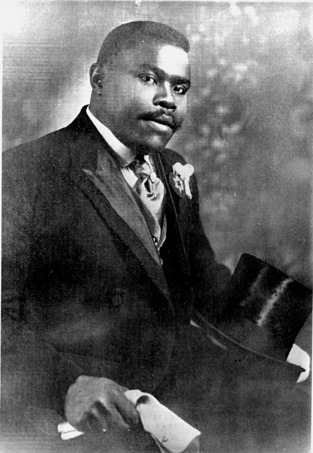
Marcus Mosiah Garvey, Jr. (1887-1940) was a political activist, journalist, and businessman born on the Caribbean island of Jamaica. He lived for over a decade in the United States. Although during his lifetime his viewpoints were considered controversial, with time his encouragement of pride and self-worth for people of African descent influenced African American leaders and movements. Some have called him the “Father of African Nationalism.”
Garvey’s entire history is too involved to cover in a Facebook post. There are many sources of information about him online that readers are encouraged to investigate.
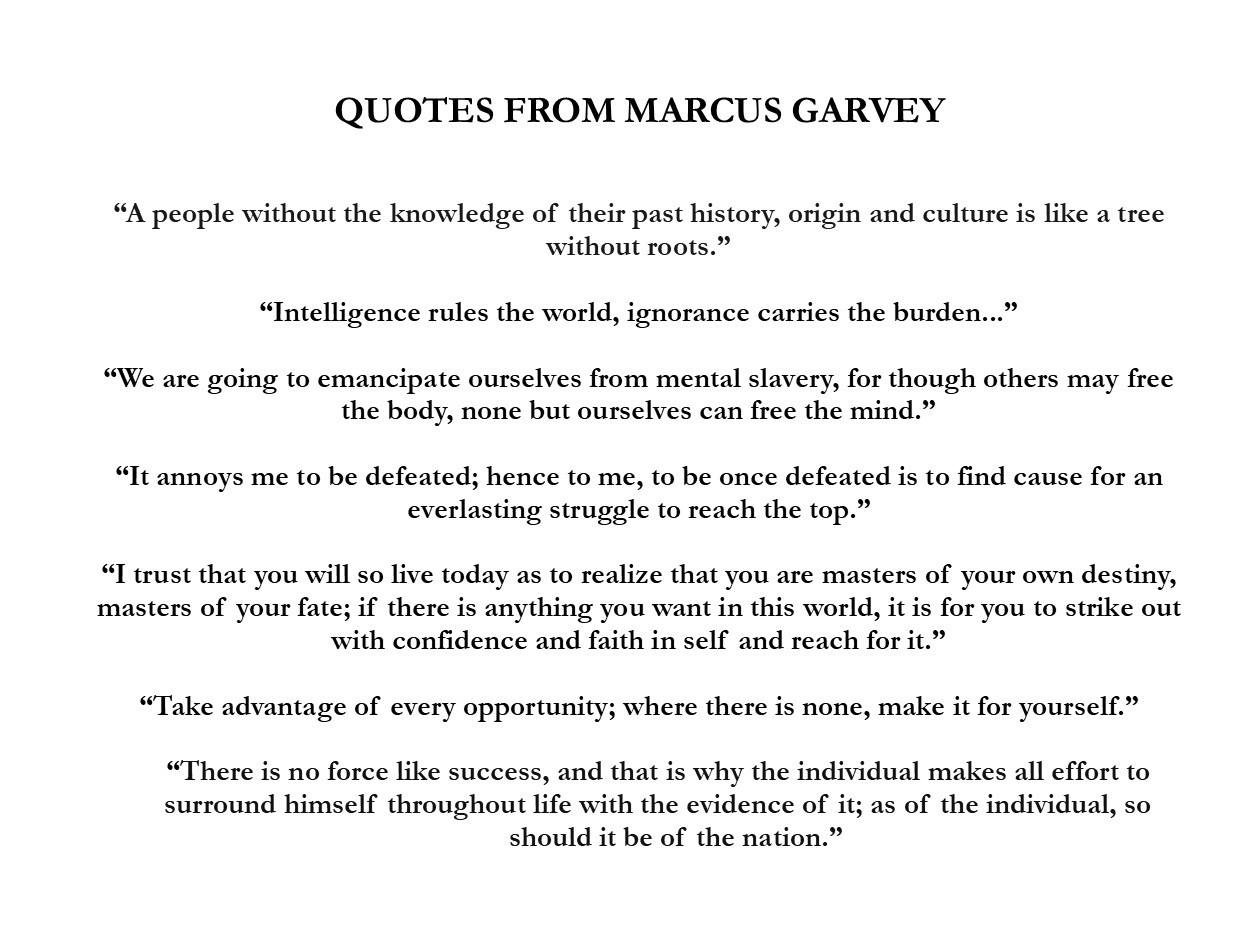
From an early age on, Garvey’s experiences with social and economic hierarchies based on color led him to become an advocate for improving the status of people of African origin. His belief was that the initiative had to come from within the African community itself.
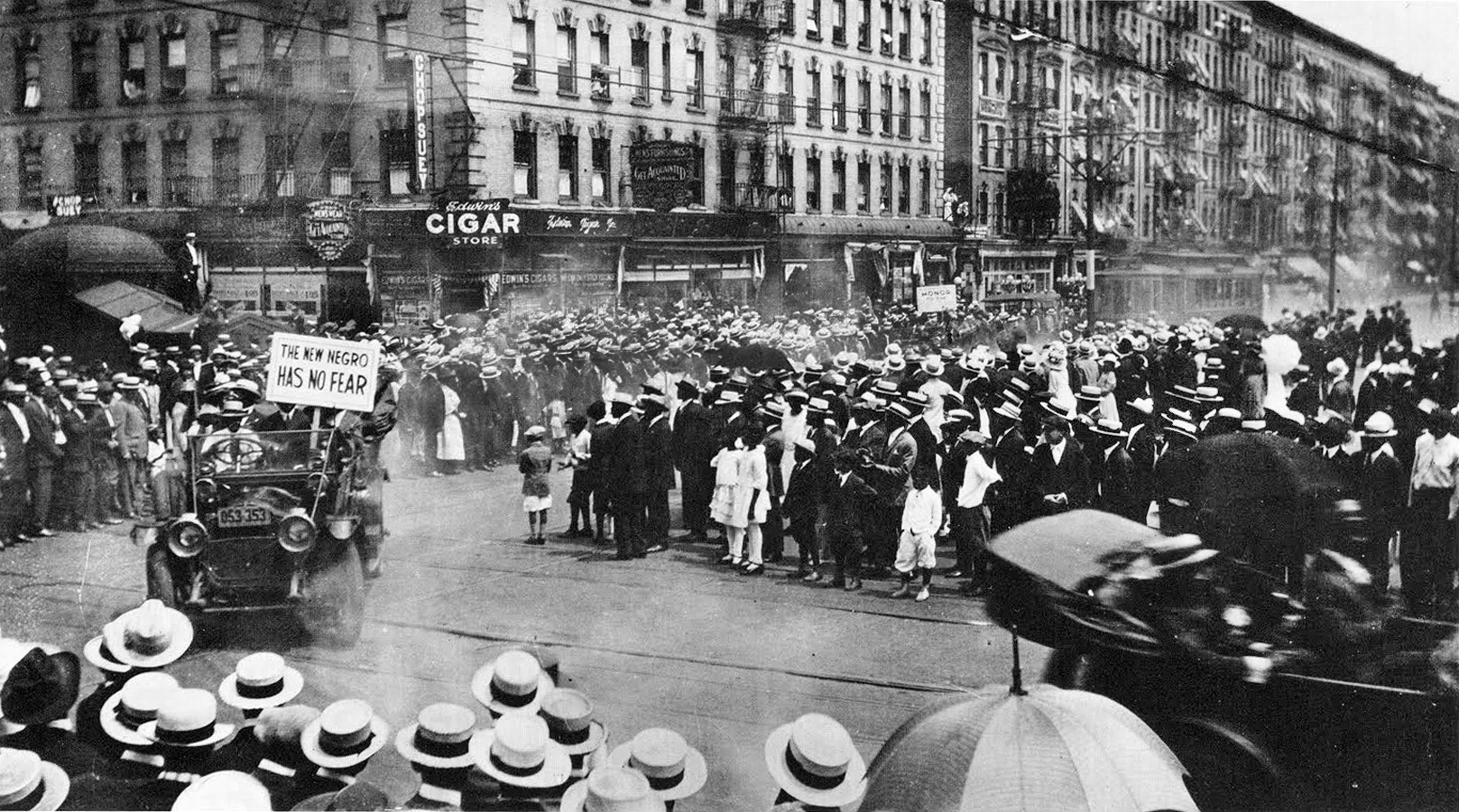
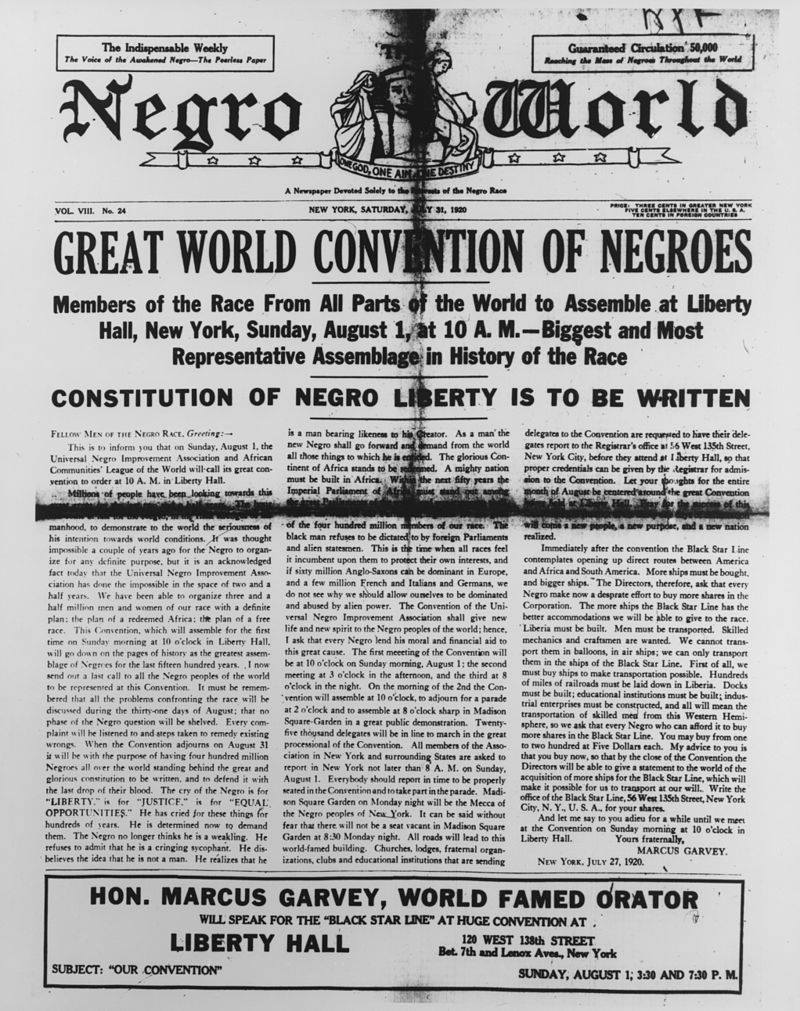
In 1914, Garvey started an organization called the Universal Negro Improvement Association and African Communities League (UNIA). He moved to the U.S. in 1916 and started a UNIA branch in Harlem in New York City. He attracted attention through a campaign of public speaking. A self-taught man, he was an accomplished orator and writer.
Garvey believed strongly in the equality and separation of the races, and in racial purity. He called for ending the European colonial rule in Africa and uniting that continent as one country. He named himself the Provisional President of Africa. Believing that African descendants would never achieve equality in any country ruled by whites, such as the U.S., he encouraged all educated and skilled people of pure African blood to move to Liberia, Africa. He was a capitalist and spoke against socialism. He believed blacks needed to start their own businesses to establish financial independence from whites. He insisted “Negro” be capitalized as a sign of respect and dignity.
Although he established a loyal following, his separatist views were at direct odds with most African American leaders of the day, including W. E. B. DuBois and the National Association for the Advancement of Colored People (NAACP), who were working for integration into American society. They were outraged when Garvey embraced the Ku Klux Klan to advance the segregation of the races. Garvey thanked the Klan for Jim Crow laws because they kept the races apart.
Garvey was outspoken against those who did not agree with him, and they responded in kind. He was derogatory of everyday people of color and he shunned people of mixed races. He made enemies and had many detractors.
In 1919, Garvey started a shipping and passenger company called the Black Star Line with the idea of fostering commerce between Africa and America and facilitating migration to Liberia. Garvey never visited Africa and knew little about life there. Liberia rejected his attempts to establish a settlement.
In 1923, Garvey was convicted of mail fraud for the way he was selling the company’s stock. Losing on appeal, he was sent to prison in 1925 in Atlanta for several years. Upon his release from prison, he was deported to Jamaica. He continued his activism there, again gaining followers and enemies. In 1935 he moved to London, where he died in 1940.
Garvey made one documented trip to Chicago, in October of 1919, and that did not go well. He was arrested for selling stock in the Black Star Line without being registered in the state. In addition, he had an acrimonious relationship with the Chicago Defender, one of the most important and influential African American newspapers in the country.
The Chicago Defender and its publisher, Robert Abbott, and Garvey and his newspaper, the Negro World, regularly traded insults and libel suits. The Defender called Garvey a “rabid agitator” and a “deluded megalomaniac;” Garvey labelled the Defender as traitorous to the Negro Race. The Defender showed no sympathy when Garvey was taken to prison in February of 1925.
But then a shift in the Defender’s opinion of Garvey started to occur. In November 1927, the paper called for Garvey’s release from prison, stating he had served long enough for what was really just “idealism and far-fetched dreaming.” The Defender led the campaign to free him, and Garvey was released in December.
Wrote the Defender: “What if his effort to build the Black Star Steamship line was a miserable failure? What if the provisional government of Africa was the wildest dream imaginable? Do these facts remove the one that Marcus Garvey stirred his people as they have never been stirred before? The Defender believes he was well worth the saving.”
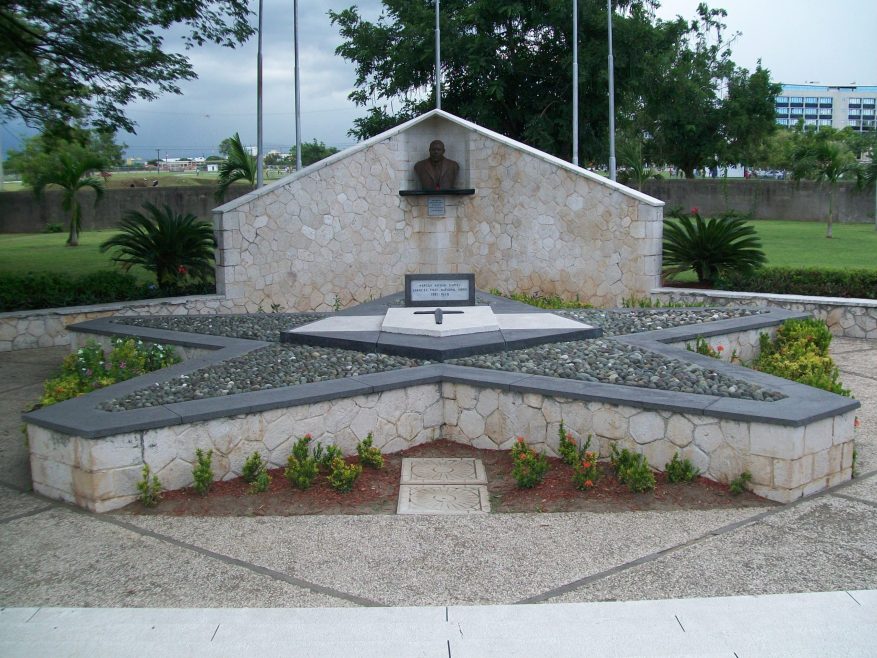
Thus began the focus on the broader implications of Marcus Garvey’s contributions. After his death, his status as an advocate grew. In 1964, his remains were returned to Jamaica and buried with a ceremony worthy of a national hero.
African American and world leaders have acknowledged they were influenced by Garvey. Martin Luther King, Jr., visited his tomb in 1965 and said: "Marcus Garvey was the first man of color to lead and develop a mass movement. He was the first man on a mass scale and level to give millions of Negroes a sense of dignity and destiny, and make the Negro feel he was somebody."
In 1974, it was announced that the new Chicago public school at 10309 S. Morgan Street in Washington Heights would be named for Marcus Garvey. This ended a three-year battle over the name of the school.
The residents of the community the school would serve, primarily African Americans, had been asked to submit potential names, and they submitted several, including Marcus Garvey. All of the names were rejected. This happened twice, and then they decided to rally for Garvey’s name.
The School Board maintained that Garvey was not appropriate because he was a separatist and had been in jail, and this would not be a good example for the children. The community leaders’ response was that they had the right to pick their own heroes. Garvey was the first real global activist for black pride, solidarity, and power, and therefore a worthy model. Naming a school for a person did not mean agreement with all his beliefs. The Chicago Defender supported the community’s choice.
The School Board finally voted narrowly in favor of the name. The Chicago Defender declared this victory a fitting legacy for Marcus Garvey.