
The Ridge Historical Society
February – Black History Month
By Carol Flynn
Last year we started a series on the people for whom schools in our Ridge communities are named. We paused that series to cover other things.
For Black History Month, we will profile the five people of color who have schools named in their honor. We covered three last year, but we will start with repeating those, then cover the other two.
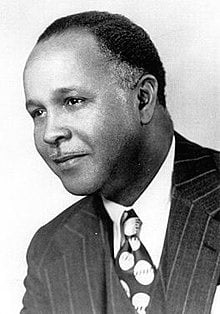
Percy Julian has the distinction of having a high school named for him.
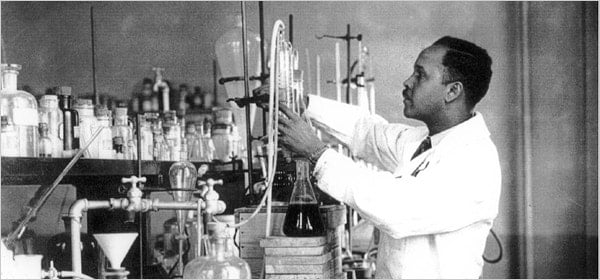
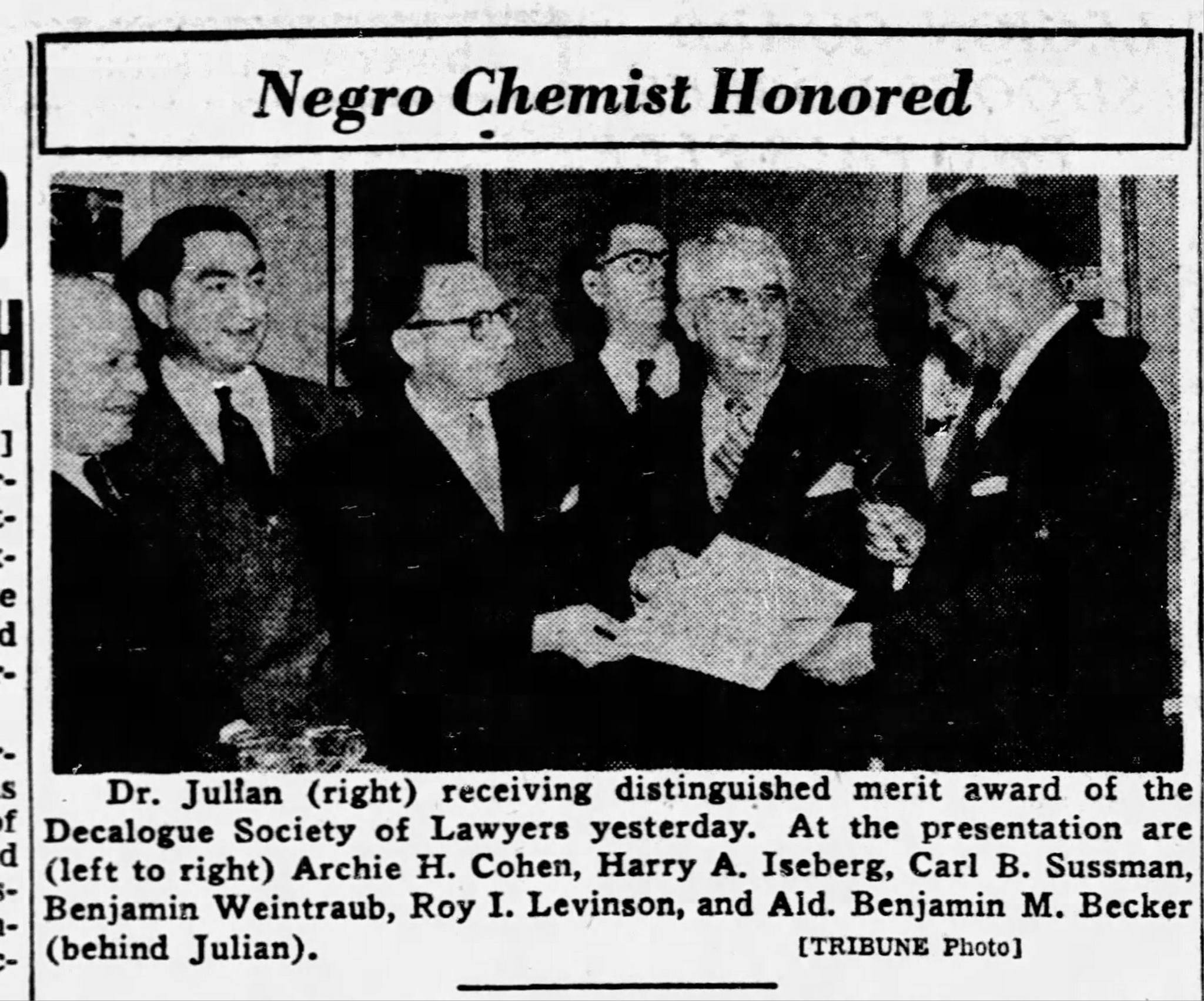
Percy Lavon Julian (1899-1975) was a research scientist who received over 130 chemical patents during his lifetime. He was inducted into the National Academy of Sciences in 1973, the first African American chemist to receive this honor. He was a pioneer in the chemical synthesis of medicinal drugs and human hormones from plants. His work led to treatments for glaucoma and infertility. When researchers showed the effectiveness of cortisone in treating rheumatoid arthritis, Julian improved the process for producing cortisone, greatly reducing costs.
Dr. Julian spent his life trying to overcome racial discrimination in education and employment. In his later years, he stated, “I feel that my own good country robbed me of the chance for some of the great experiences that I would have liked to live through. Instead, I took a job where I could get one and tried to make the best of it. I have been, perhaps, a good chemist, but not the chemist that I dreamed of being.”
Percy Julian was born in rural Alabama; one grandparent was an emancipated slave. He attended segregated schools until a white teacher who had taught Julian’s parents pulled strings to get him admitted to DePauw University in Indiana.
The school accepted him but would not allow him to live in the dorm. He found a boarding house, but they would not feed him. He went for days without eating before he found a place that would serve him. He later found work firing the furnace, waiting tables, and doing other odd jobs in a fraternity house; in return, he was allowed to sleep in the attic and eat at the house.
He was years behind the white students academically and took remedial classes at night while attending college classes during the day and working as a ditch digger. Despite all of this, he graduated first in his class and was valedictorian.
The practice at DePauw was to help students find post-graduate opportunities, however, the school would not help Julian because of his race. He was discouraged from pursuing a Ph.D. or employment in industry, and advised to find a teaching job in a “Negro college in the south.”
He received a scholarship to earn his master’s degree at Harvard University. However, because white students objected to a Black instructor, he was refused a teaching assistantship that would lead to a Ph.D.
Julian was awarded a fellowship to the University of Vienna, Austria, and earned his Ph.D. in 1931. In Europe, he was welcomed into the social, intellectual, and academic life he was denied in the U.S. He made life-long friends in the European community and helped Jewish friends escape the Holocaust.
Returning to the U.S., finding employment was difficult. Julian took a position teaching at Howard University, the historically Black university in Washington, D.C.
He then accepted a research fellowship back at DePauw, and his career as a research scientist began. However, when the fellowship ended, he was denied a teaching professorship there and had to find new employment. He was told by DePauw University “the time wasn’t right” for a Black professor.
DuPont offered a job to Julian’s research partner at DePauw, who was white, but declined to hire Julian, apologizing that the company was “unaware he was a Negro.” He turned down another position because Blacks were not allowed in the town past sundown.
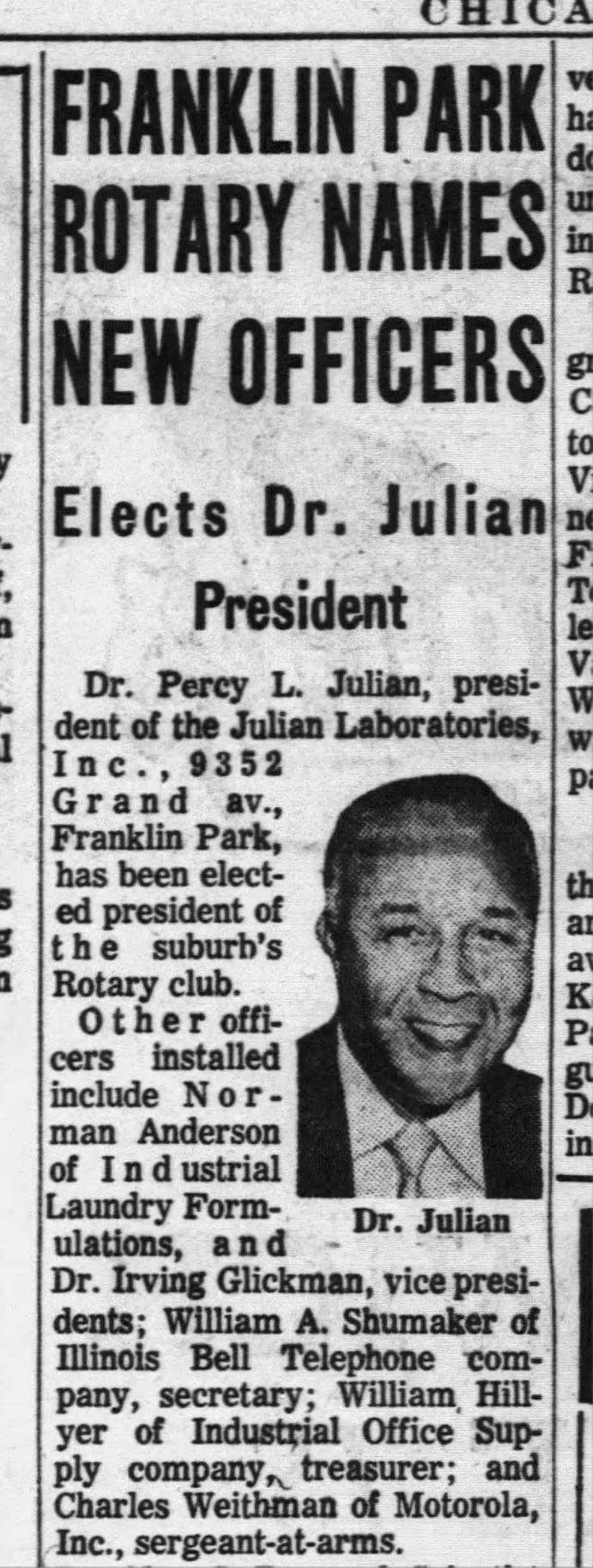
Julian accepted a job at Glidden company in Chicago where he was able to continue his research. He left there in 1953 and formed his own company, which he sold in 1961 for $2.3 million.
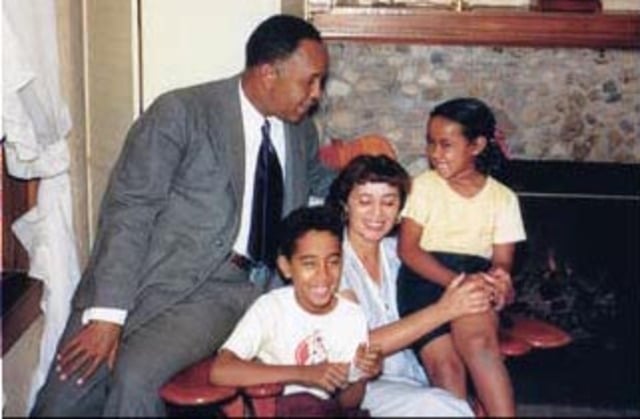
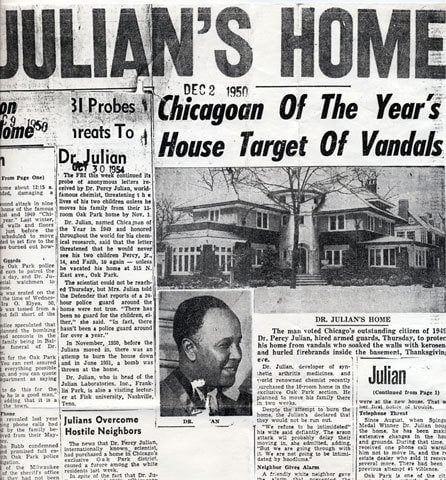
The Julians were the first African Americans to move into Oak Park. Attempts were made to burn their house down, and a bomb was thrown at the house. The police reported they could not identify any suspects for the crimes. White neighbors formed a group to support them but even so, threats continued for many years.
Chemistry was the break-through “technology” of the early and mid-1900s. Dr. Julian achieved great things – by any standards, he was much more than a “good” chemist. But for him, the issue was how much more he might have accomplished if given the same opportunities available to white chemists. After his death, he received recognition from the schools he attended, but as one DePauw scholar noted, the university finally had to embrace Julian because he became a success, Julian did not become a success because the university embraced him.
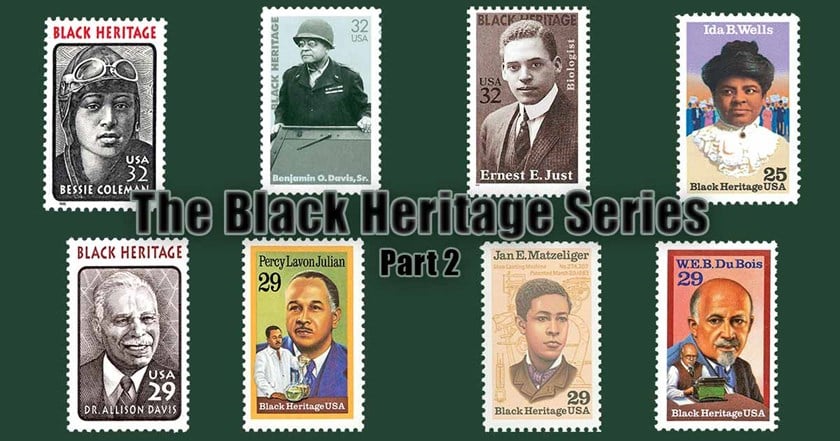
The Percy L. Julian High School opened at 10330 S. Elizabeth Street in 1975. In 1993, he was featured on the Black Heritage stamp, a series initiated by the U.S. Postal Service in 1978.