
The Ridge Historical Society
Black History Month: The Underground Railroad (UGRR) and the Ridge – Part 3
By Carol Flynn
In the decades leading up to the U.S. Civil War, abolitionists in the Chicago area helped thousands of escaped slaves, today referred to as “freedom seekers,” along their journey via the “Underground Railroad” to safety and freedom in Canada.
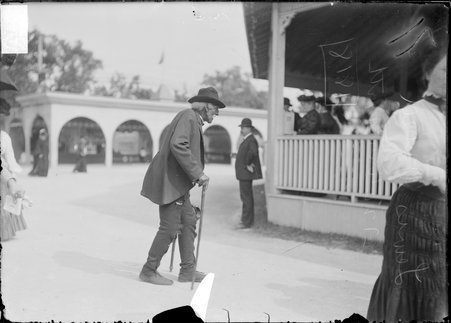
There were notable Black abolitionists in Chicago, including Lewis Isbell (1819-1905), who was born a slave but set free, and came to Chicago in 1838, where he worked as a barber. He knew Abraham Lincoln and Stephen Douglas. By his own account, Isbell helped over 1,000 freedom seekers at great danger to himself, sharing stories like the time in 1857 when he was shot at four times by a slave owner from Missouri. He is buried on the Ridge in Mount Olivet Cemetery on 111th Street.
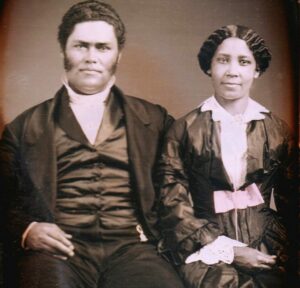
Another abolitionist couple was John Jones (1816-1879) and Mary Jane Richardson Jones (1819-1909), who harbored and fed freedom seekers at their home at 9th Street and S. Plymouth Court. Jones was the first Black man to be elected to office in Cook County as a commissioner. Mary was a pioneer in the suffrage movement.
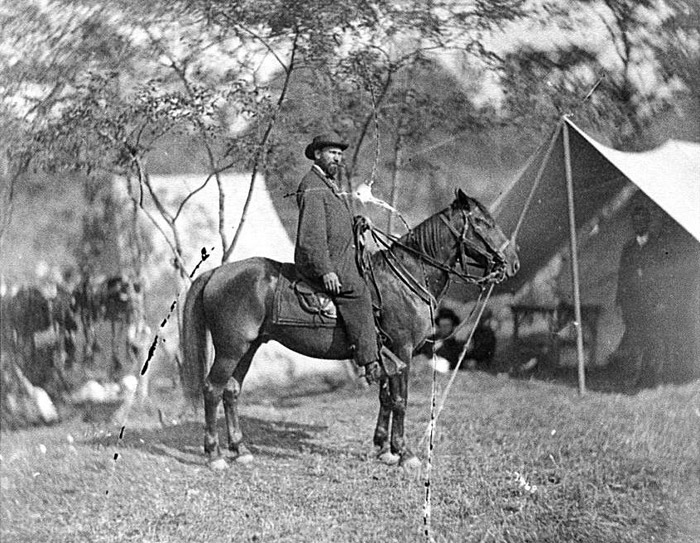
Other abolitionists included Allan Pinkerton (1819 – 1884), founder of the famous detective agency. He was born in Scotland and came to Chicago at the age of 23. He was a cooper, and had a barrel-making shop near Chicago, which was a safe house along the Underground Railroad.
South of the city, the Wilcox farm, located at today’s 99th Street and Beverly Avenue, was located along the Vincennes Road, and although it was not an “official” stop on the UGRR, there are anecdotal stories of freedom seekers being allowed to sleep in the barn and being fed there as they made their way to Chicago and then to Canada. RHS has a new exhibit on the location.
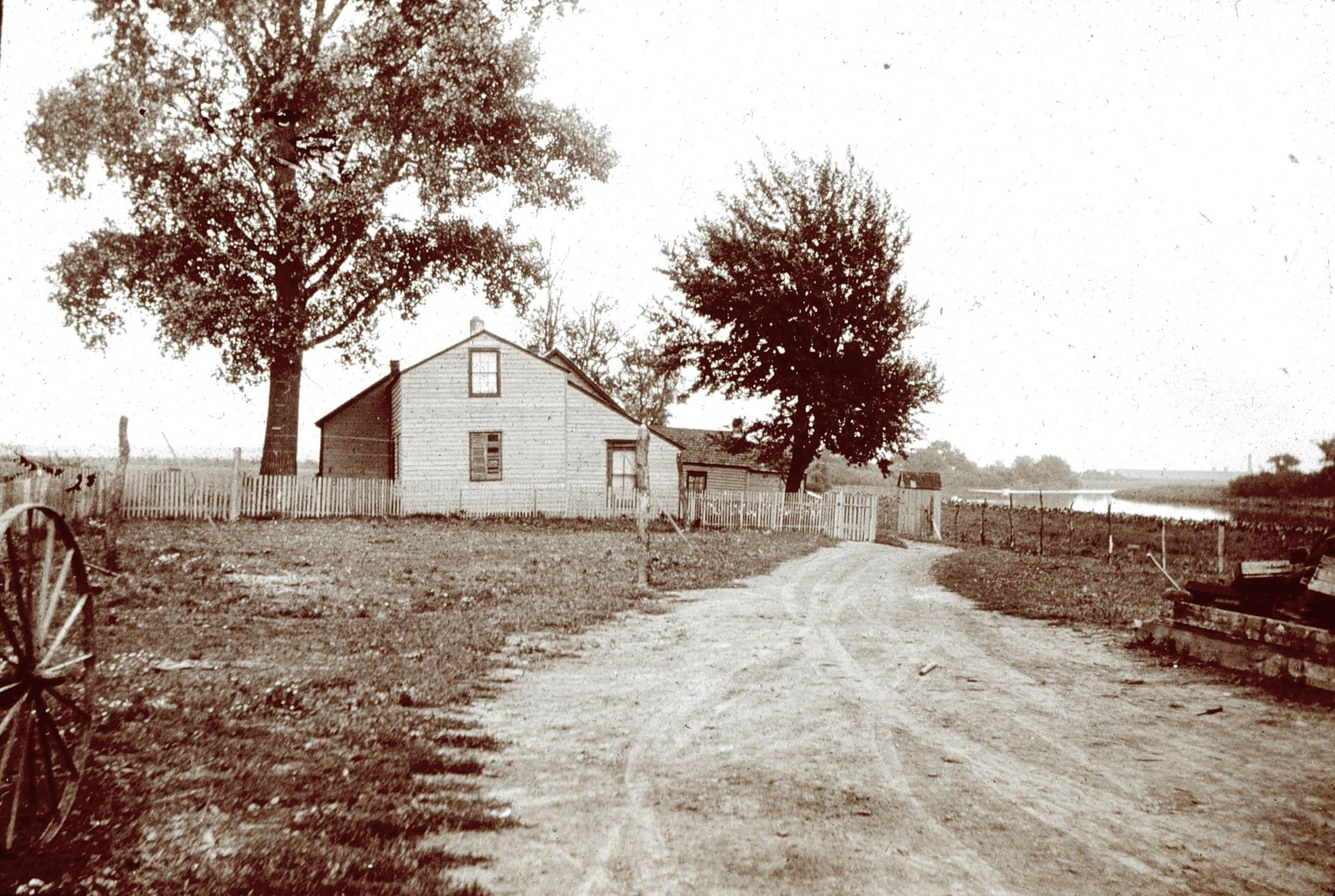
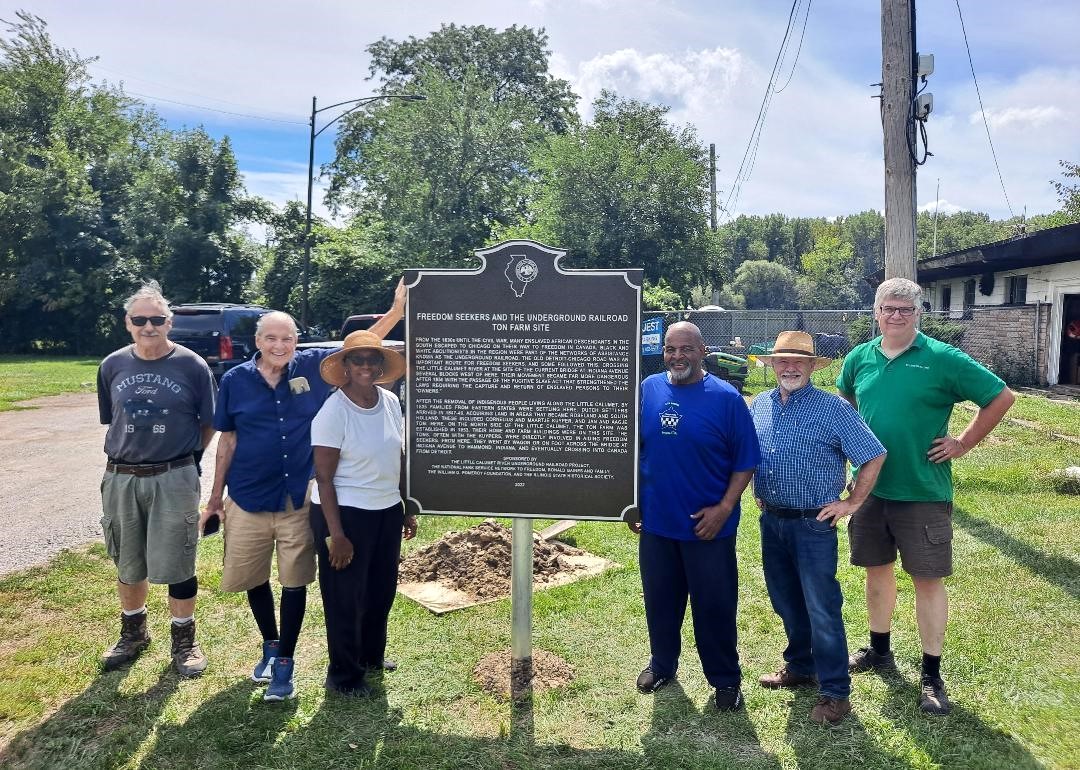
Farther to the southeast was the Jan and Aagie Ton Farm along the Little Calumet River, a known stop on the Underground Railroad and the focus of the Little Calumet River Underground Railroad Project.