Ridge Historical Society
By Carol Flynn
School Series – Profile 10: Rudyard Kipling
This is the tenth profile in our series on people for whom schools on the Ridge are named.
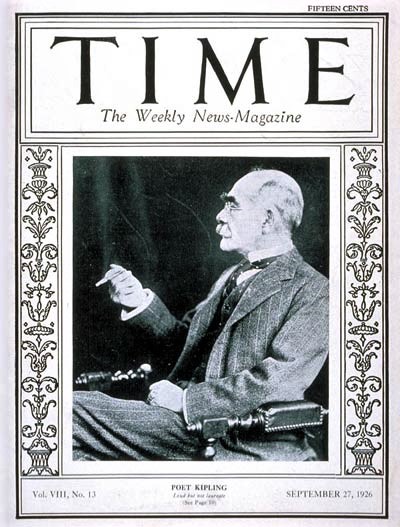
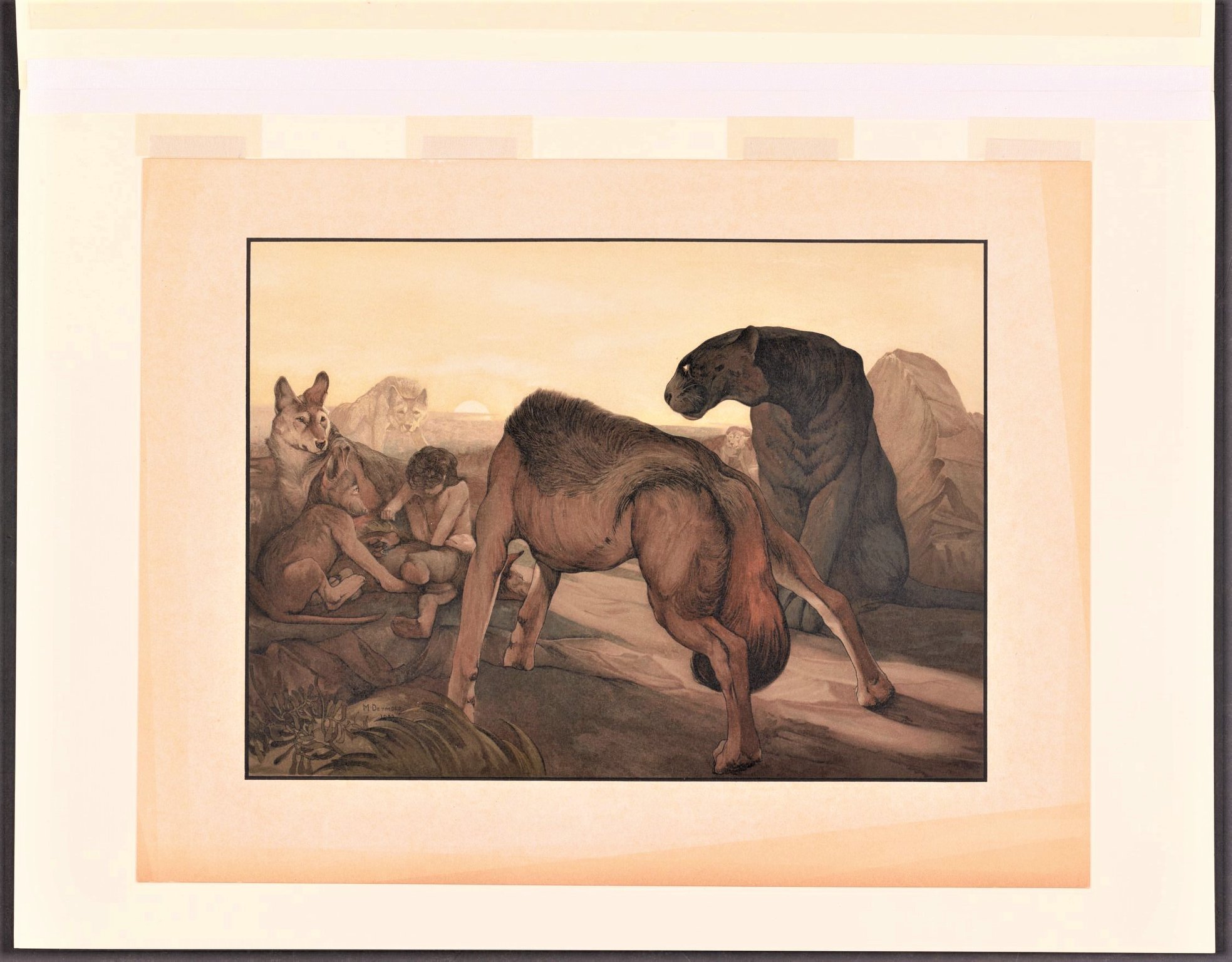
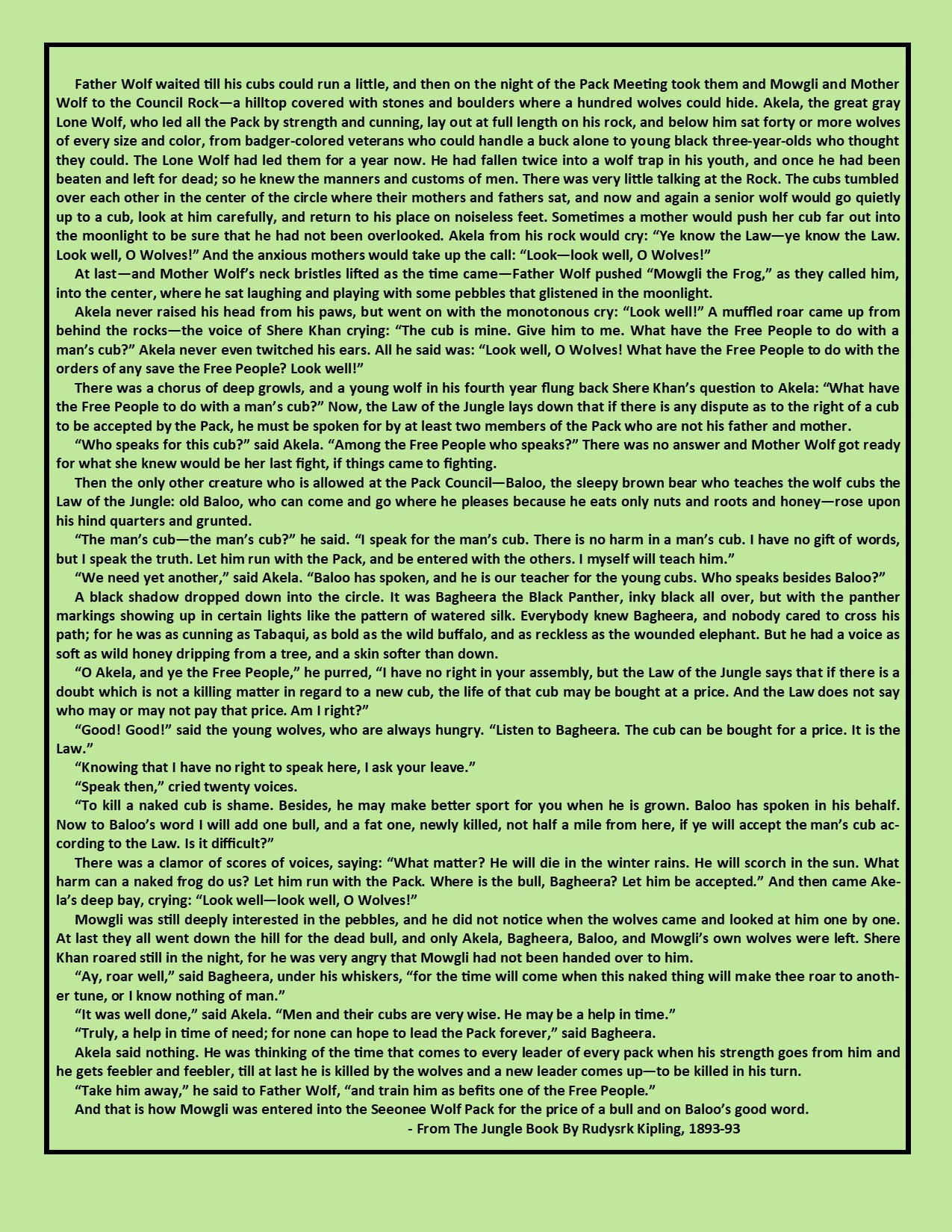
Joseph Rudyard Kipling (1865-1936) was an English author who was born in India. His works included The Jungle Book I and II, Captains Courageous, and Kim, and the poems “Gunga Din” and “Mandalay.” He was especially recognized for his innovation in short stories and children’s books. He was awarded the Nobel Prize in Literature.
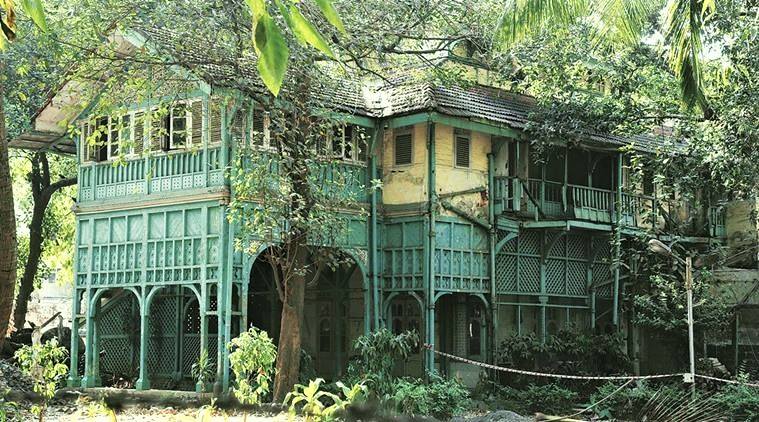
Kipling was born in Bombay during the British Crown rule of India. He came from a family with artistic and political roots. His father was a sculptor and pottery designer, heading art schools in Bombay. His aunt was married to artist Edward Burne-Jones. His cousin Stanley Baldwin was British Prime Minister three times.
From age 5 to 16, Kipling boarded and was schooled in England, then returned to India and his parents. He worked for English newspapers and began to write and publish poetry and short stories, which were very well received internationally.
He left India in 1889, and traveled to Hong Kong and Japan, and then to the United States and Canada where he visited many cities, one of them Chicago.
Wrote Kipling in “American Notes” after this trip: “I have struck a city – a real city – and they call it Chicago. The other places do not count. San Francisco was a pleasure resort as well as a city, and Salt Lake was a phenomenon. This place is the first American city I have encountered. Having seen it, I urgently desire never to see it again. It is inhabited by savages.”
He then described his wanderings in Chicago over a Saturday and Sunday. He started with the Palmer House, “overmuch gilded and mirrored… crammed with people talking about money and spitting everywhere.”
He took to the streets – which were “long and flat and without end.” A cab driver took him on a tour, talking about the progress Chicago had made. Wrote Kipling, “The papers tell their clientele … that the snarling together of telegraph-wires, the heaving up of houses, and the making of money is progress.”
On Sunday, he attended church – “It was a circus really, but that the worshippers did not know.” He heard more about progress: “… that the mere fact of spiking down strips of iron to wood, and getting a steam and iron thing to run along them was progress, that the telephone was progress, and the net-work of wires overhead was progress. They repeated their statements again and again.”
He ended the adventure with a trip to the stockyards where he listened to the hogs squealing and watched them be slaughtered. He was 24 years old at the time of this trip.
Returning to England, Kipling became a prolific and popular author, although some saw his work as propaganda for British imperialistic empire-building. He traveled to Australia, New Zealand, South Africa and back to India.
He married Carrie Balestier, the daughter of his American agent, and they lived in Vermont from 1892 to 1896, during which years he wrote The Jungle Book. They then lived in England with annual trips to English Cape Town in South Africa. For three years, he was the rector of St. Andrews University in Scotland.
The death of his daughter at age 6 from pneumonia, while visiting the U.S., spurred him to write more children’s books, for which he became well known. In 1907, he was awarded the Nobel Prize for Literature. The citation said it was "in consideration of the power of observation, originality of imagination, virility of ideas and remarkable talent for narration which characterize the creations of this world-famous author." Kipling was the first English-language recipient of the award, and at 41, the youngest at the time.
Such was his popularity and renown as an author that Kipling influenced world politics. He was always a pro-British Empire conservative, in favor of English colonialism in India and South Africa, and against Ireland Home Rule and Canadian reciprocity with the U.S. He was anti-communism, although his writings were popular in Russia. He was interested in Buddhism.
By all accounts, Kipling loved being a Freemason and received all the degrees. He used this as a plot device in his 1888 novella “The Man Who Would Be King” [which was made into a 1975 movie with Sean Connery and Michael Caine]. But Kipling turned down a knighthood and declined to be considered for Poet Laureate of Great Britain.
He became increasingly anti-German. During World War I, he was critical of the British Army and those who tried to avoid military service. His son John was rejected several times for service due to poor eyesight, so Kipling asked an acquaintance to get him into the Irish Guards. John disappeared in battle in 1915 and his remains were never found during Kipling’s lifetime. According to biographers, Kipling was emotionally devastated by the loss of his son. John’s burial place was finally identified in 2015.
Kipling used the swastika on his early works based on the Indian sun symbol for good luck. When the Nazis came to power and started using the symbol, Kipling ordered it removed from all his works, and warned about the danger the Nazis presented to the English.
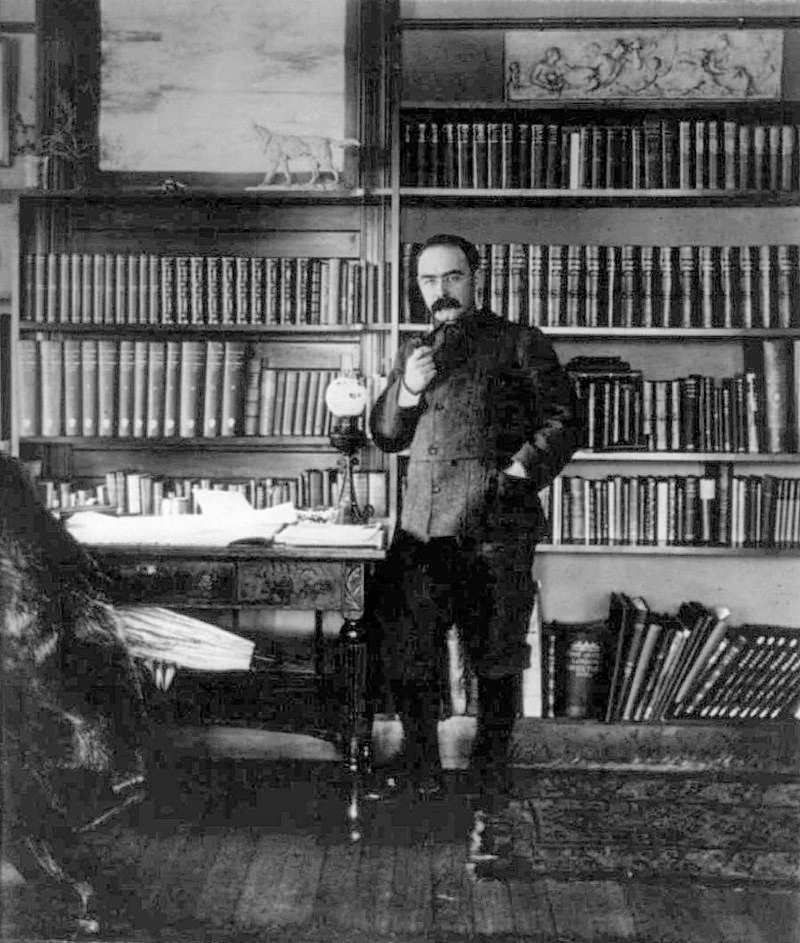
During his lifetime, Kipling produced twenty-five collections of short stories, four novels, four autobiographies/speeches, seven military collections, eleven poetry collections, and four travel collections. More than fifty unpublished poems were found after his death.
Kipling’s talent as a writer was praised by other authors including James Joyce, Henry James and T. S. Elliott. Even George Orwell who considered Kipling a “jingo imperialist” conceded he was a “gifted writer.”
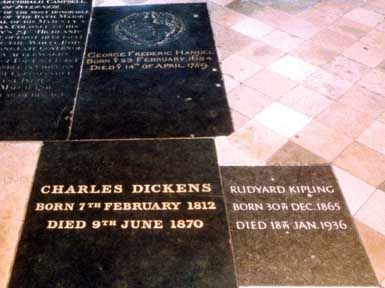
Kipling’s ashes are buried next to Charles Dickens in the Poet’s Corner at Westminster Abbey, London, England.
The Rudyard Kipling School, built as a new Chicago public school at 9351 S. Lowe Avenue, opened in 1961.