
Ridge Historical Society
By Carol Flynn
School Series – Profile 3: Charles Henry Wacker
This is third in our series of people who have schools named for them on the Ridge.
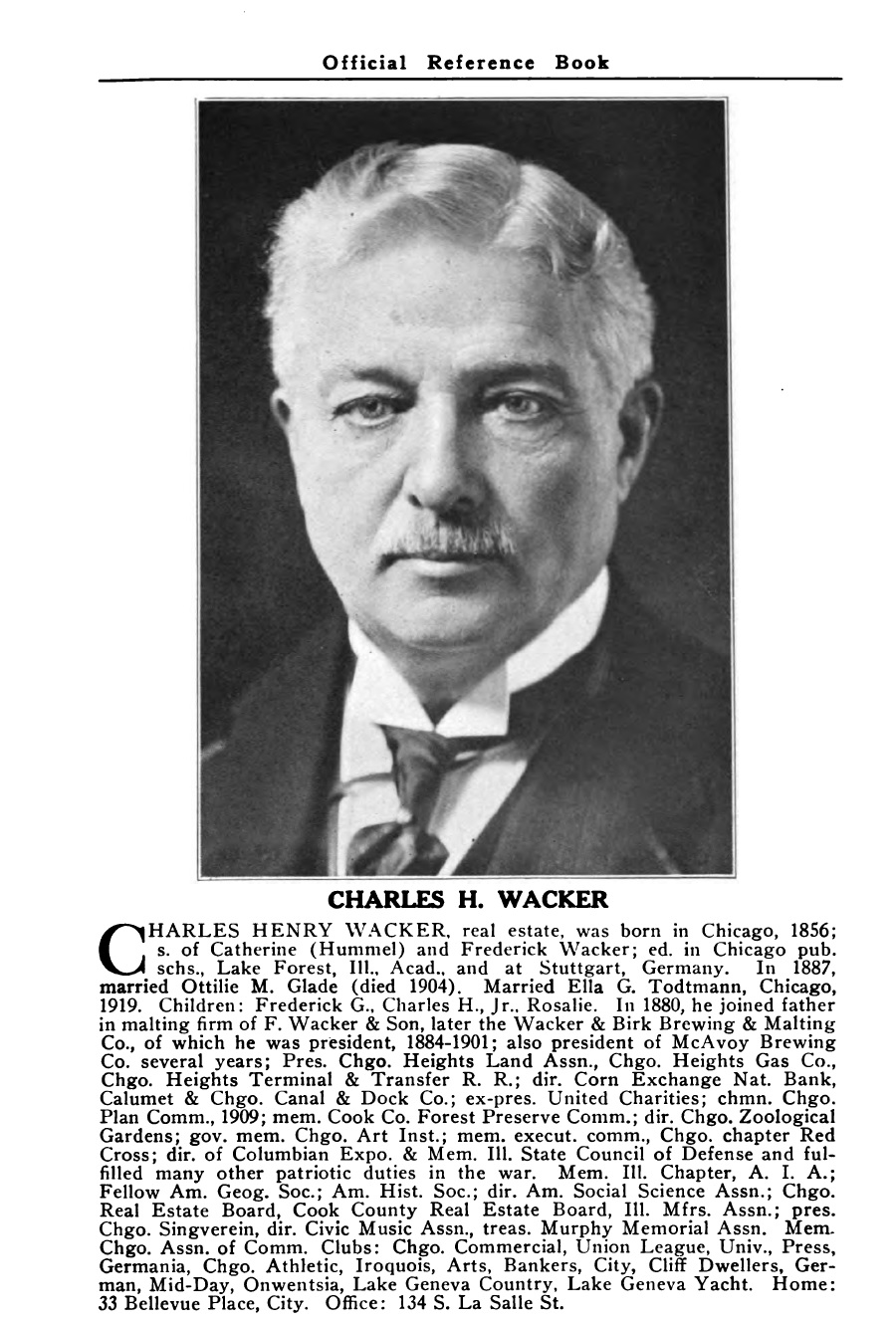
Charles Henry Wacker (1856-1929) was a successful businessman who devoted his time and effort to making Chicago a thriving and attractive city. The son of German immigrants, his story also illustrates the contributions that people of German descent made to Chicago’s development.
Wacker was born in Chicago right before the U. S. Civil War. He was educated in Chicago-area schools and then attended college in Germany and Switzerland. As a youth, his family took extended trips to Europe and he even visited Egypt.
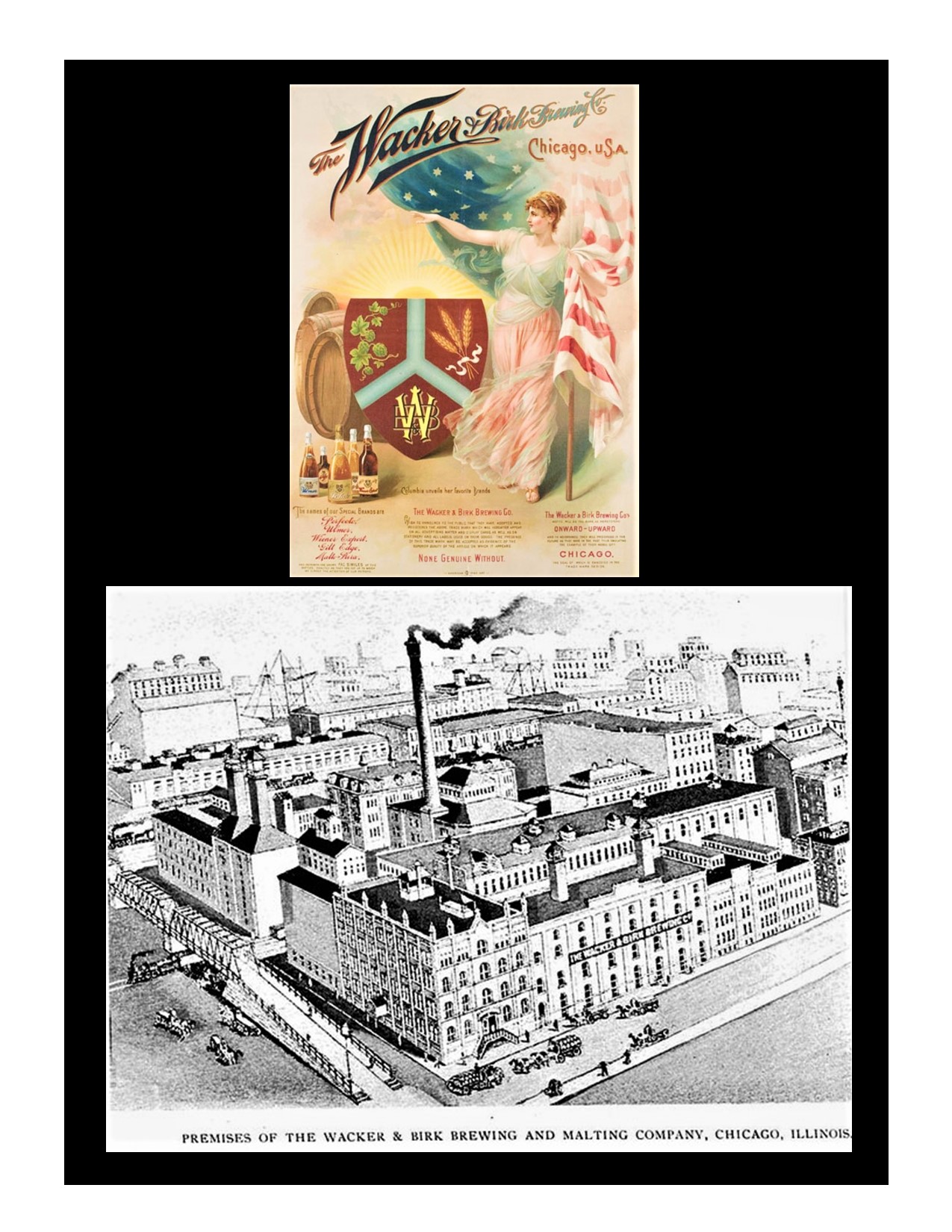
Wacker’s father was in the brewery business, one of the many German immigrants who brought his love for beer and his knowledge of brewing it to the United States. Wacker became his father’s partner in 1880 with the F. Wacker and Son malting business in Chicago. He became secretary and treasurer when his father joined with Jacob Birk to incorporate the Wacker and Birk Brewing and Malting Company in 1882. This operation was located at Grand Avenue and Desplaines Street.
Both of his parents died in 1884, leaving Charles, 28, an only child, with an inheritance of $600,000, quite a sum for the time. He became president and treasurer of the brewery. As president of the State Liquor Dealers’ Protective Association during this time, he was a vocal critic of the temperance movement, urging saloonkeepers to organize against city laws that interfered with the sale of alcohol. A few years later, he sold the brewery to an English group. Prohibition put an end to the company, and the property was put on the market in 1920.
Wacker became involved in other businesses, including banking and real estate. At the time, the city and suburbs were rapidly growing, and people could become millionaires in a short time through investing in real estate developments. Wacker became connected to the south side as the president of the Chicago Heights Land Association, which planned and developed that community southeast of the Ridge as an industrial and residential hub.
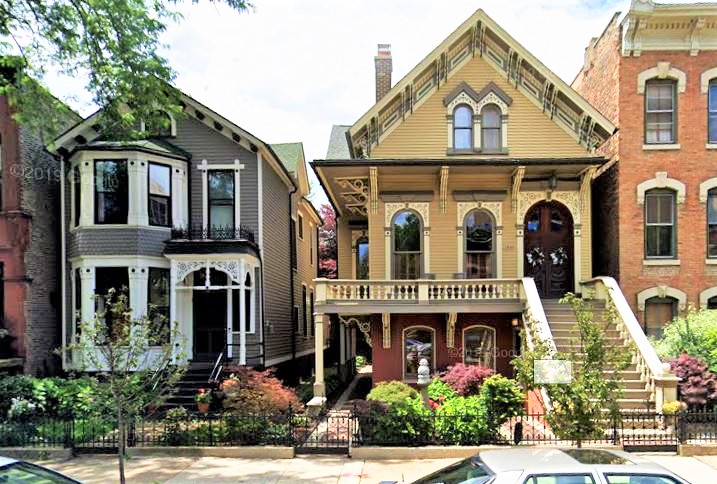
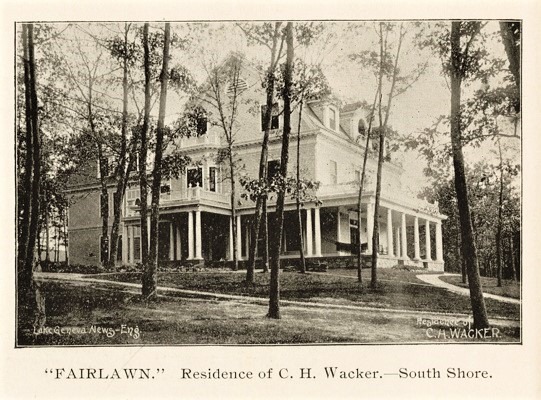
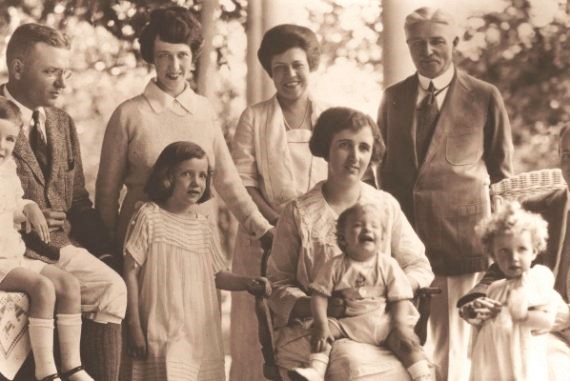
In 1887, Wacker married Ottille M. Glade, a Chicago native, and they had two sons and a daughter. They lived at several locations on the near north side. In 1892-93, Wacker built a “cottage” on Lake Geneva, Wisconsin, that he called Fair Lawn, complete with a Tiffany stained glass dome, billiard room, servants’ quarters and landscaping by noted landscape architect Jens Jensen. This second home became a favorite place for the family to spend summers and weekends.
“Tillie” Wacker died in 1904 at the age of 36 following an operation for appendicitis. Fifteen years later, Wacker remarried to Ella M. Todtmann, his secretary, almost 30 years his junior.
Wacker grew in prominence with the city. He became involved in numerous organizations and clubs. He was nominated for public office, and was even encouraged to run for mayor, but he declined those opportunities.
He was recognized for his service as the youngest member on the board of directors for the 1893 World’s Fair, the Columbian Exposition. He was a member of several committees, including Ways and Means, and Entertainment.
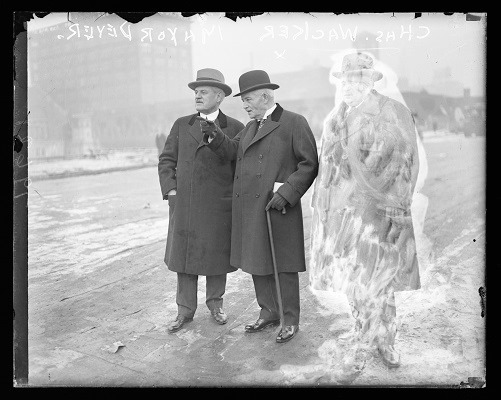
Charles Wacker is ultimately best remembered for his work as the Chairman of the Chicago Plan Commission, an appointed position he held from 1909 until 1926.
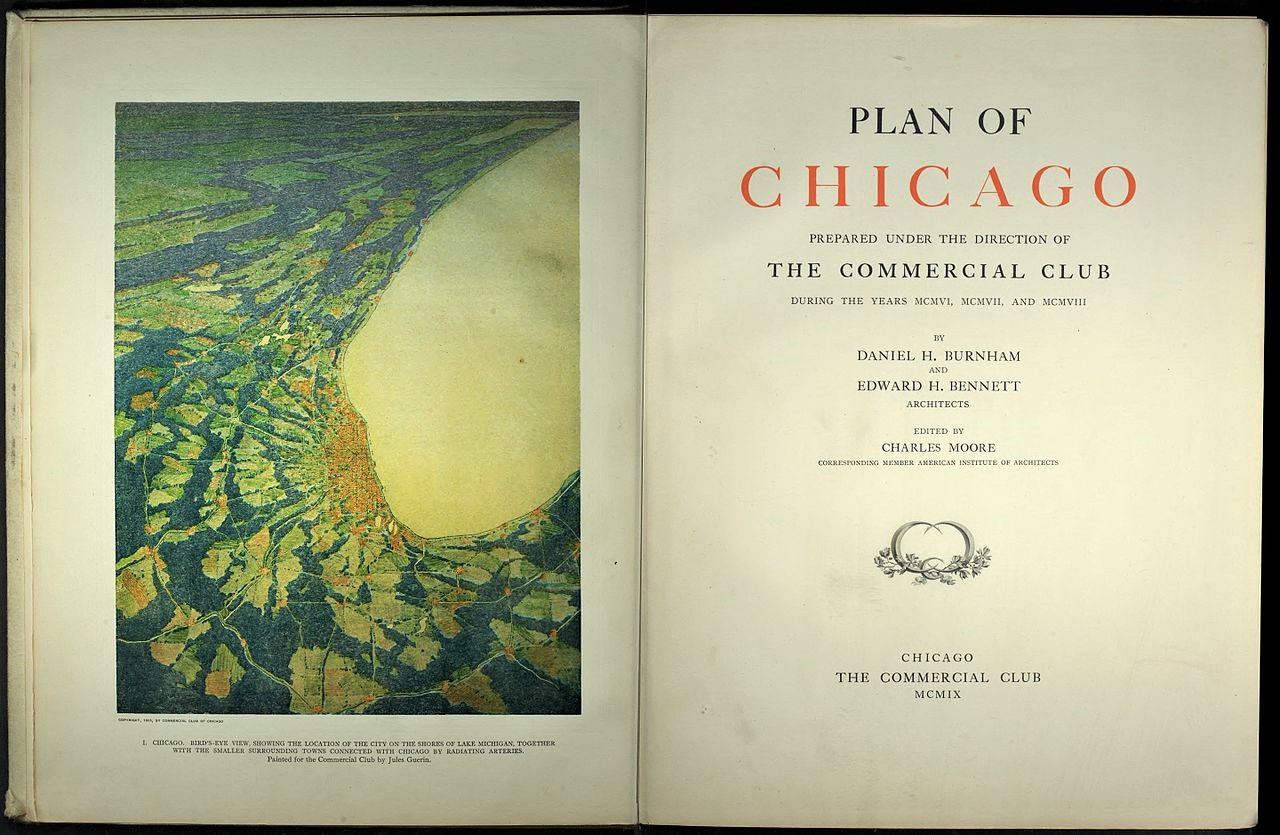
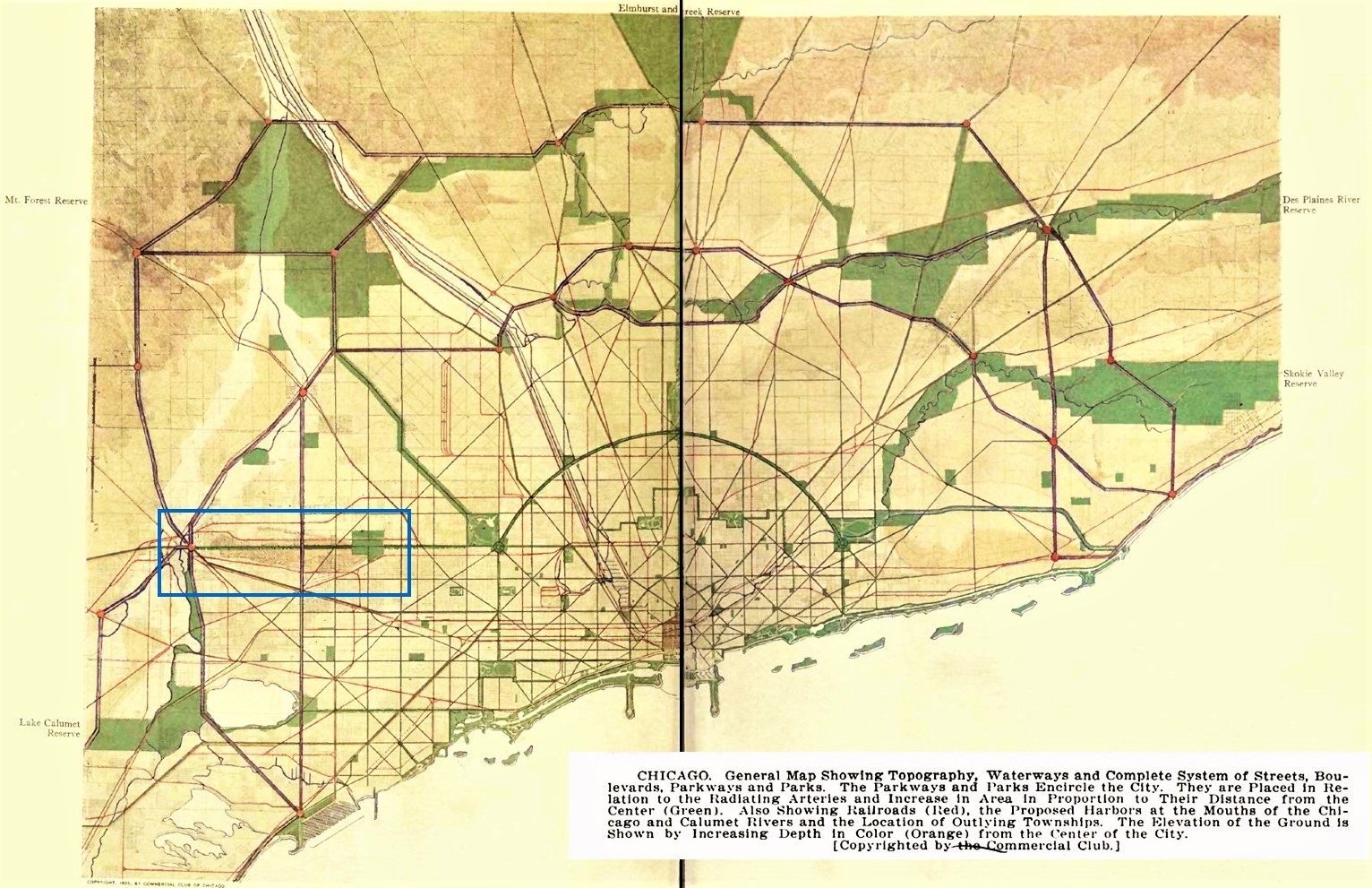
After the 1893 World’s Fair, the leading businessmen in Chicago began to discuss the need for a plan to manage the development, growth and lay-out of the city. In 1907, the Commercial Club, a social organization of these men, worked with Daniel Burnham, the city planner and architect who had created the White City for the World’s Fair, to create such a plan. The Plan of Chicago was published the following year. It’s often referred to as Burnham’s Plan for Chicago.
In 1909, the Mayor of Chicago, Fred A. Busse, and the city council formed the Chicago Plan Commission, and appointed over 300 businessmen, heads of government agencies, and other leaders as members. Wacker, who had been serving as Chair of the Commercial Club’s Plan Committee, was appointed permanent chair of the Commission.
The Plan of Chicago focused on improvements to the lakefront, streets and highways, railway systems, parks, and civic and cultural institutions. Until the Great Depression, the Plan led Chicago development, although it was not followed precisely or completely and there were plenty of conflicts, not surprising in a large city.
Thanks to the Commission and Wacker’s leadership, the Plan led to the lakefront public parkland, the forest preserve system, many neighborhood parks, the street grid, Union Station, Soldier Field, Navy Pier, today’s “museum campus,” and Michigan Avenue. There were countless smaller improvements. Wacker was a tireless cheerleader for the plan, connecting it to the future of the city. He even had a book for schoolchildren produced in 1913, Wacker’s Manual of the Plan of Chicago, so that they would understand and support the plan.
During the years of World War I, the Plan was mostly put on hold. Wacker was involved in many German American organizations, including serving as president of the German Relief Society. Relief organizations to help immigrants from various countries were common. Wacker found it necessary, due to wartime anti-German sentiment, to publicly declare, “We are American citizens first.” Plans for the annual “German Day” at Riverview were canceled so as not to invite demonstrators. Efforts were turned toward collecting for the Red Cross, of which Wacker was a member and spokesperson. Wacker’s son served in the U.S. military in WWI.
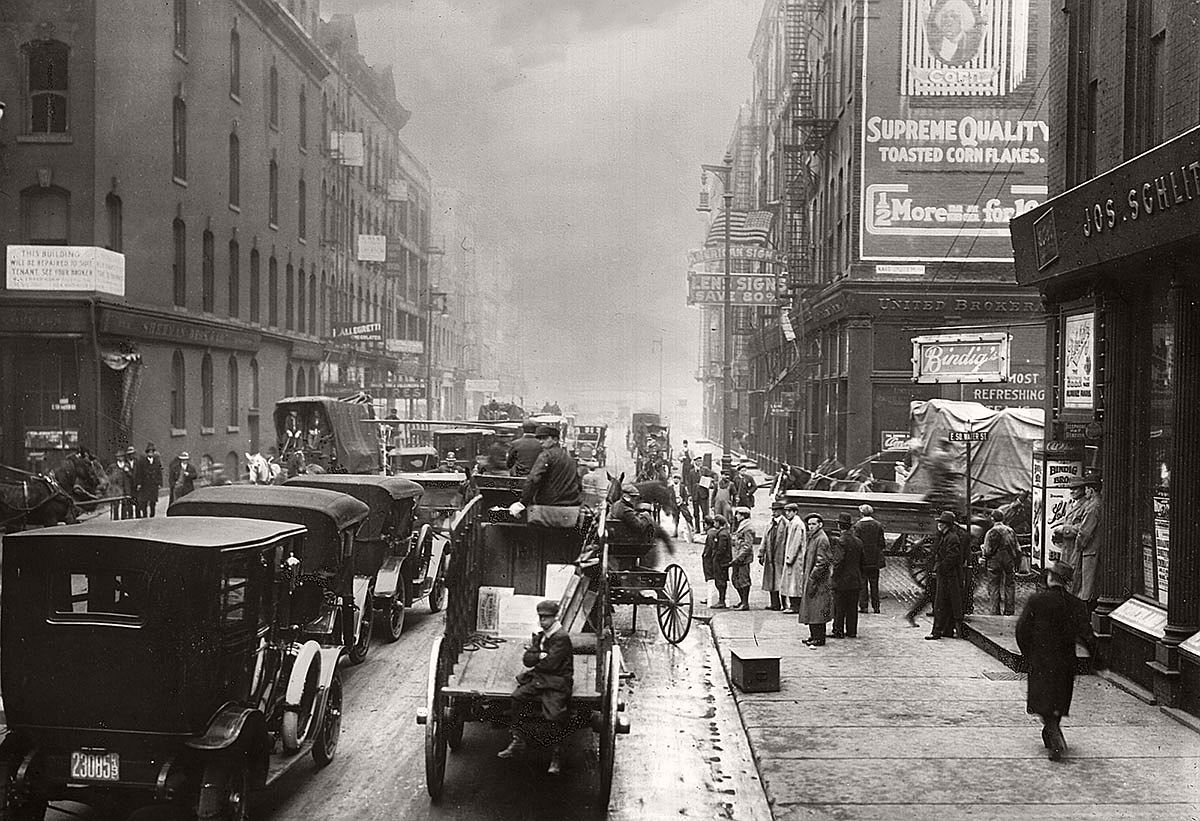
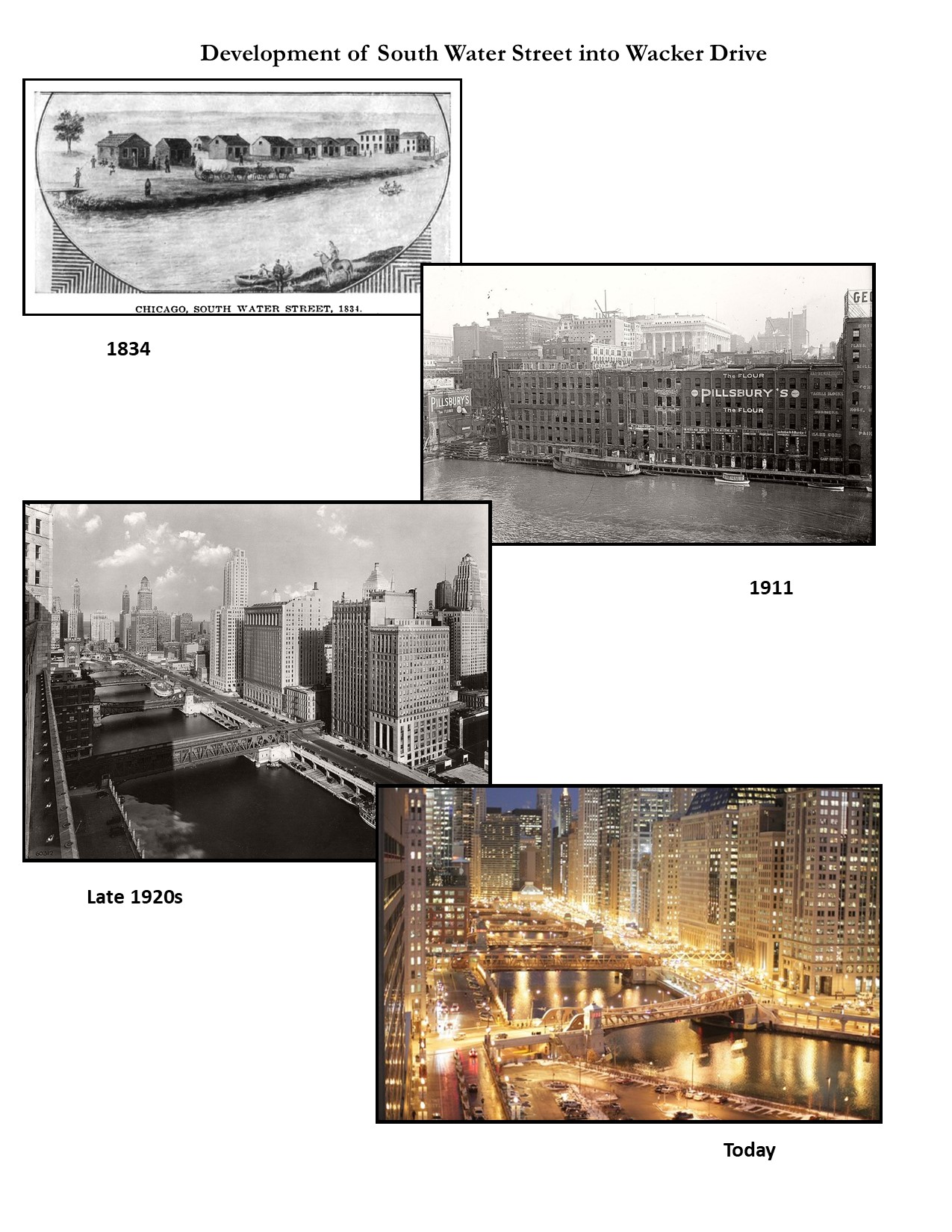
Wacker Drive was a special project that came out of the Plan to deal with River Street and Water Street, an extremely congested route that ran along the south side of the river, with buildings backing up right onto the water. The concept of the “double-decker” street was to have local traffic use the top level, with deliveries, through traffic, and access to/from river docks on the bottom level.
Wacker was an enthusiastic supporter of this plan. The first phase along the river was finished in 1926 for a cost of $8 million. The street was named in honor of Wacker. The bend and the south portion came later, in 1948-54, and the extensions east of Michigan Avenue were added in 1963 and 1975.
Failing heath caused Wacker to resign from the Commission in 1926. He died a few years later at the Lake Geneva house at the age of 73. He was buried in Graceland Cemetery on the north side of Chicago.
In addition to Wacker Drive, Wacker Elementary School at 9746 S. Morgan Street was named to honor him.