
Ridge Historical Society
By Carol Flynn
School Series – Profile 9: Henry Clissold
This is the ninth profile in our series on people for whom schools on the Ridge are named.
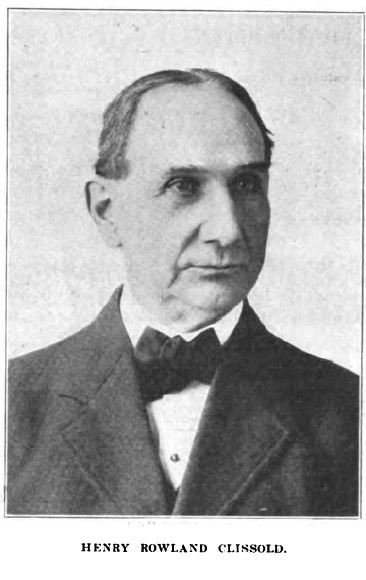
Henry Rowland Clissold (1842-1930) was one of the men who helped shape Morgan Park in its early days. He was a dedicated Baptist layman, and he owned a publishing company that produced a trade journal for the baking industry. Clissold was described as “modest and efficient and helpful,” fitting traits for a man who focused on two basics of American life, prayer and bread.
Clissold was born in England but the family moved to Canada when he was an infant. His father died when he was a child. In 1863, he came to Chicago with his mother, two sisters, and a nephew.
As a teen-ager, Clissold worked in printing facilities. In Chicago, he opened a publishing business which ran until 1879, mostly publishing materials from the Baptist church. He also published reports from the Chicago Relief and Aid Society, formed after the Great Chicago Fire of 1871.
Fortunately, the Clissolds, who lived in the downtown area, all survived the fire.
The Baptist church played a big role in Clissold’s life. He frequently gave sermons, taught classes, and led prayer services in locations throughout the Chicago area. He was involved in many church organizations.
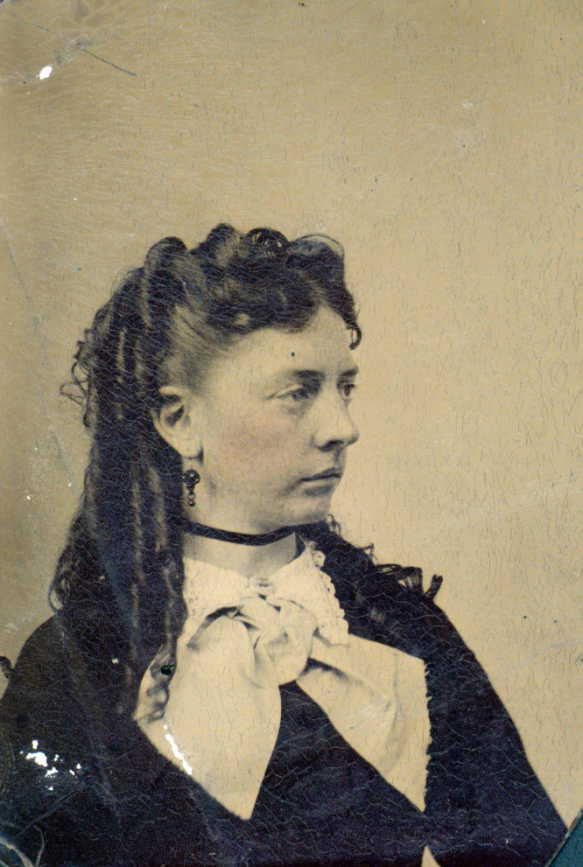
Clissold married Emma Isadora Smith, from a prominent pioneer family in Norwood Park, also a member of the Baptist church, in 1872. They had three sons and two daughters.
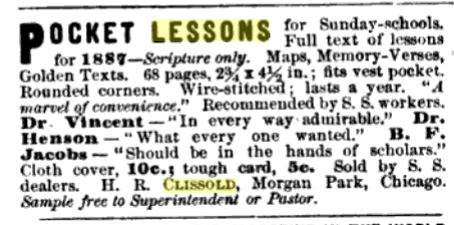
In 1879, Clissold accepted the position of State Sunday School Missionary in charge of all the Sunday school work for the Baptist General Association of Illinois. In addition to being a frequent guest lecturer, he authored class materials. In 1886, he produced “pocket lessons,” cards with Bible verses and church texts. These were popular for many years.
Morgan Park, which was founded as an education, religion, and temperance community, was a fitting place for the Clissolds to settle. Until annexation to the city of Chicago in 1914, the Village of Morgan Park had its own government, taxes, services, and school system.
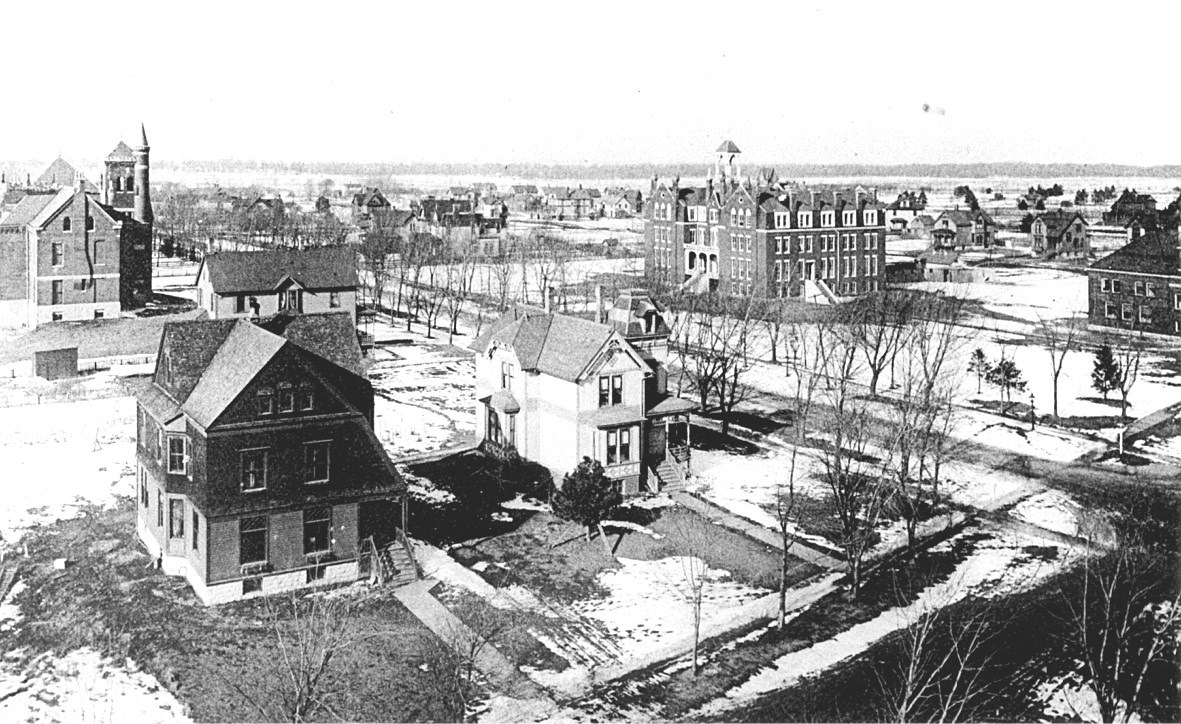
In 1877, the Baptist Union Theological Seminary relocated to Morgan Park. The Seminary was part of an “old” University of Chicago that ended up closing in 1886. The new Seminary building was built on the north side of 111th Street (then Morgan Avenue) at what is now about 2300 west. This was across the street from the Morgan Park Academy, which was founded in 1873 as the Mt. Vernon Military and Classical Academy.
Emma Smith Clissold’s older brother Fred had a law degree from and was a trustee for the old University of Chicago. He was also on the board of trustees for the Seminary.
The Seminary attracted many people to Morgan Park, mostly connected to the Baptist church but other academics as well. One brilliant young man who joined the faculty and lived in Morgan Park from 1879 to 1886 was William Rainey Harper, who at the age of 22 already had a Ph.D. and was an expert in the Hebrew language. He also became a Baptist clergyman while he was at the Seminary.
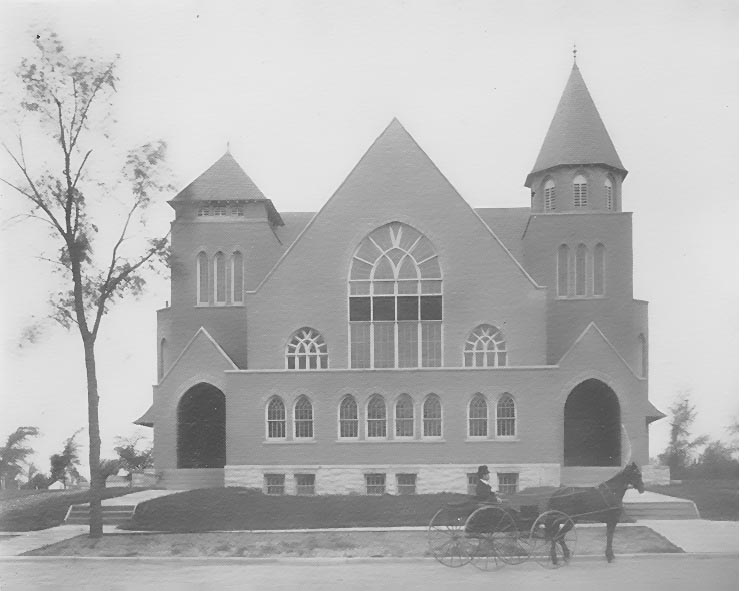
Baptists had been meeting and holding religious services in the community for about five years when the Morgan Park Baptist Church at 110th Street and Bell Avenue was officially established in 1877.
The Clissolds moved to Morgan Park in the early 1880s. Clissold went right to work, serving as clerk of the Village of Morgan Park and teaching Sunday school at the Morgan Park Baptist Church.
Clissold’s biography from “The Book of Chicagoans” states that from 1884 to 1887, he managed Harper’s publication work. During this time Harper rented a storefront in Morgan Park and started the American Publication Society of Hebrew, which published Harper’s educational materials as well as promotional materials for Morgan Park.
In the early 1890s, John D. Rockefeller agreed to fund a new University of Chicago (U of C). Harper was chosen as president and the Baptist Seminary was designated the divinity school for the new university. Morgan Park was considered for the site of the university but Rockefeller preferred Hyde Park. The Seminary left Morgan Park in 1892 to become part of the new U of C. Morgan Park Academy was part of the U of C system as a preparatory school from 1892 until Harper’s death in 1906
.
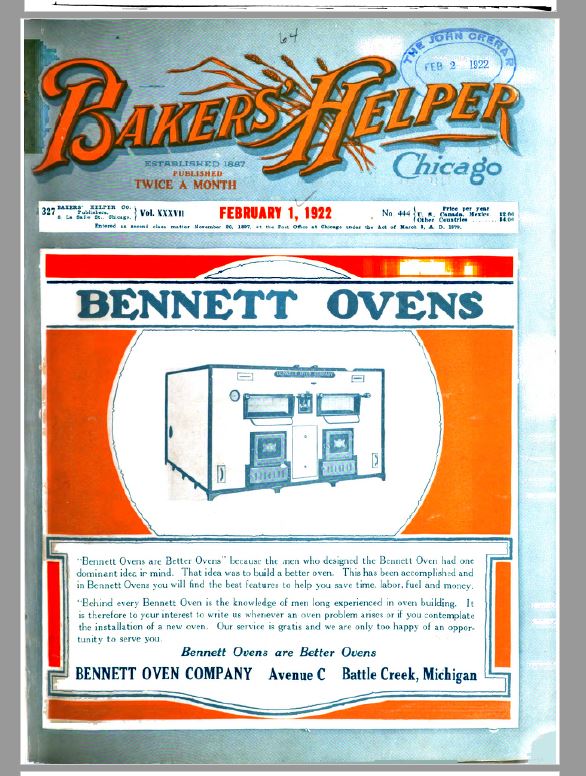
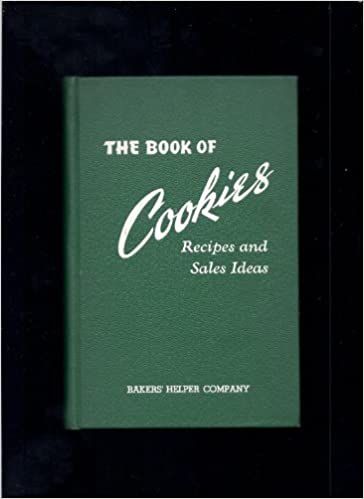
Clissold established a new publishing company in 1887 and started a trade magazine called Bakers’ Helper which focused on news, advice, equipment, and supplies for the baking industry. He became well-known in the trade publishing and baking fields and became an advocate and advisor for both. There were other trade journals in the baking industry, but Bakers’ Helper was the leader for decades. Along with the magazine, Clissold Publishers also produced manuals on baking topics.
In 1897, Clissold helped organize the Master Bakers’ Association of Chicago, which would later become the National Association of Master Bakers. The purpose of this organization was to advance the baking profession through high standards of operations and service. He served as secretary and in other roles for decades and helped organize conventions around the country.
In 1912, when Bakers’ Helper celebrated its 25th year in publication, Clissold’s friends in the industry gathered letters of praise about Clissold to run in the magazine, but Clissold would not publish the letters. His friends went directly to the advertising department and worked out a four-page supplement to the regular edition. Clissold knew nothing of this until he opened a published copy. The entire industry enjoyed this “surprise party.” Wrote the National Baker, another publication, “One of the best things [about this issue of Bakers’ Helper] is an insert voicing the high esteem in which Mr. Clissold is held by his many friends in the trade. It is a well-deserved tribute to the best known man in the American baking trade.”
The American Miller and Processor wrote: “He will keep on preaching the gospel of good bread, clean bakeries and square dealing as a part of his mission. He deserves all the good things said about him in the ‘Appreciation.’”
Clissold was also president of the Chicago Trade Press Association from 1899-1900. He gave testimony concerning second-class postage for trade journals and newspapers to the U.S. Senate Commission to Investigate the Postal Service.
His religious commitments also continued. He served as president of the Illinois Baptist State Convention twice, and president of the Illinois Sunday School Association. He served on the Sunday School Board of the Morgan Park Baptist Church.
In 1904, Clissold and other prominent Morgan Park citizens founded the Calumet Trust and Savings Bank with capital stock of $25,000. They built the building at 111th Street and Longwood Drive now owned by the Beverly Area Planning Association.
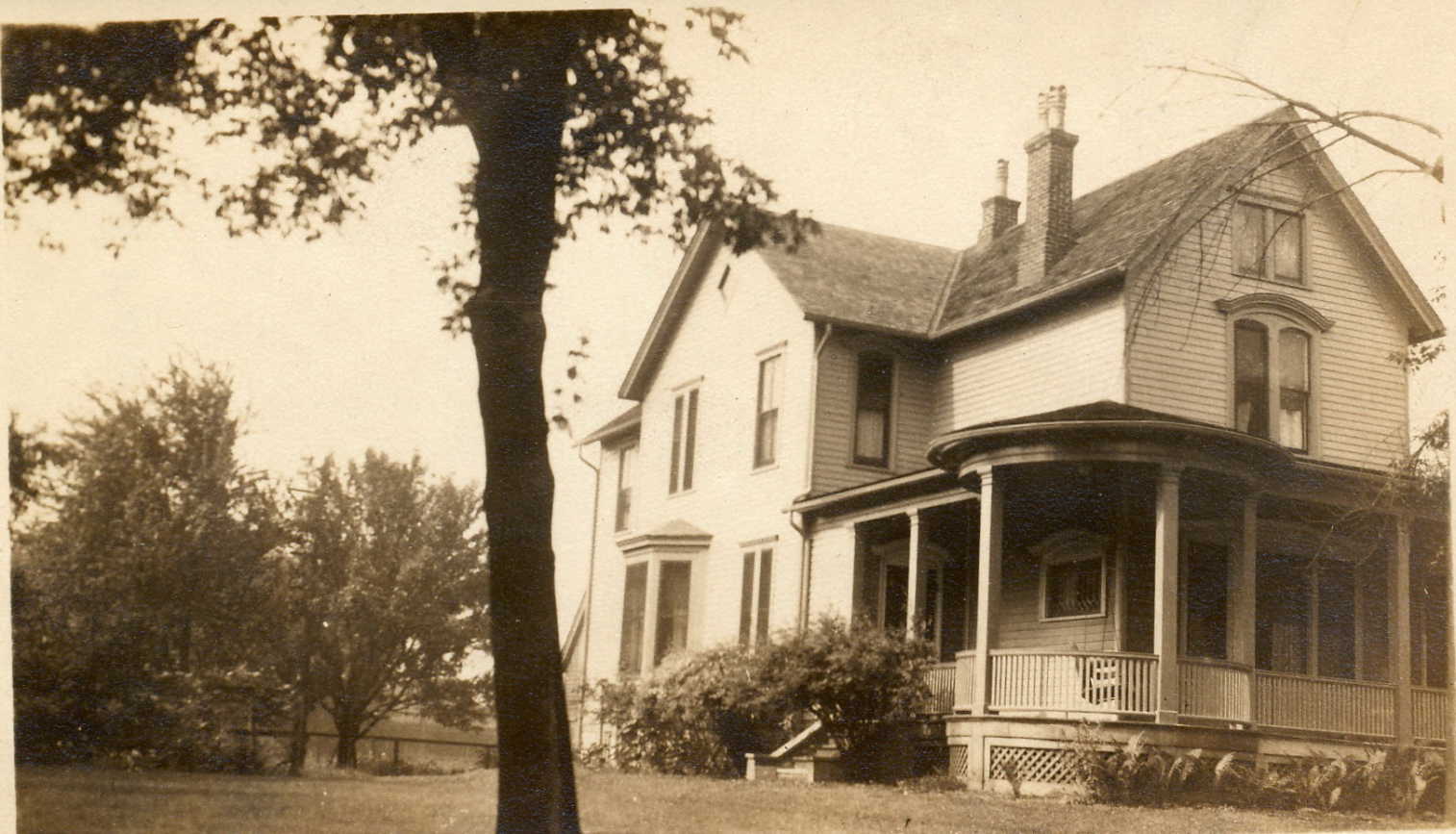
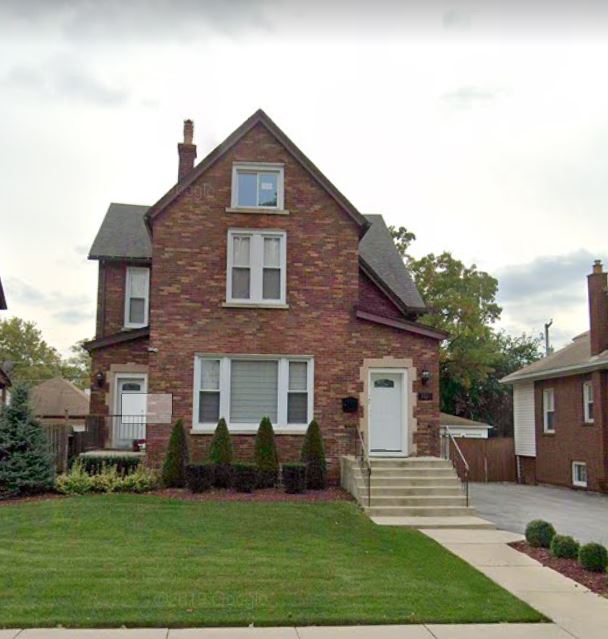
The Clissolds lived in several locations in Morgan Park and two of their houses still stand. One house at 2321 W. 111th Place was originally frame and has been covered with brick. They later owned the brick bungalow at 2117 W. 109th Street.
In addition to being a Village trustee, Clissold sat on the Morgan Park Board of Education, and served as president in 1905-10. He was a member of the Home Rule Association that opposed annexation to Chicago. One of the biggest concerns about annexation was the potential fate of the Morgan Park schools if the city took them over. Annexation was finally approved in 1914.
Henry Clissold died in 1930. The Clissold family plot is in Mount Greenwood Cemetery.
The Arlington and Western Avenue Schools were early structures around 110th Place and Western Avenue. A new school was under construction at 2350 W. 110th Place to replace those old buildings when Clissold died. The Morgan Park community lost no time petitioning to name the new school for Henry R. Clissold. The Chicago Board of Education readily approved.
Commented one of Clissold’s admirers, this was “a good way to honor a good name.”