
What else was going on in the Ridge communities during the 1920 Christmas season?
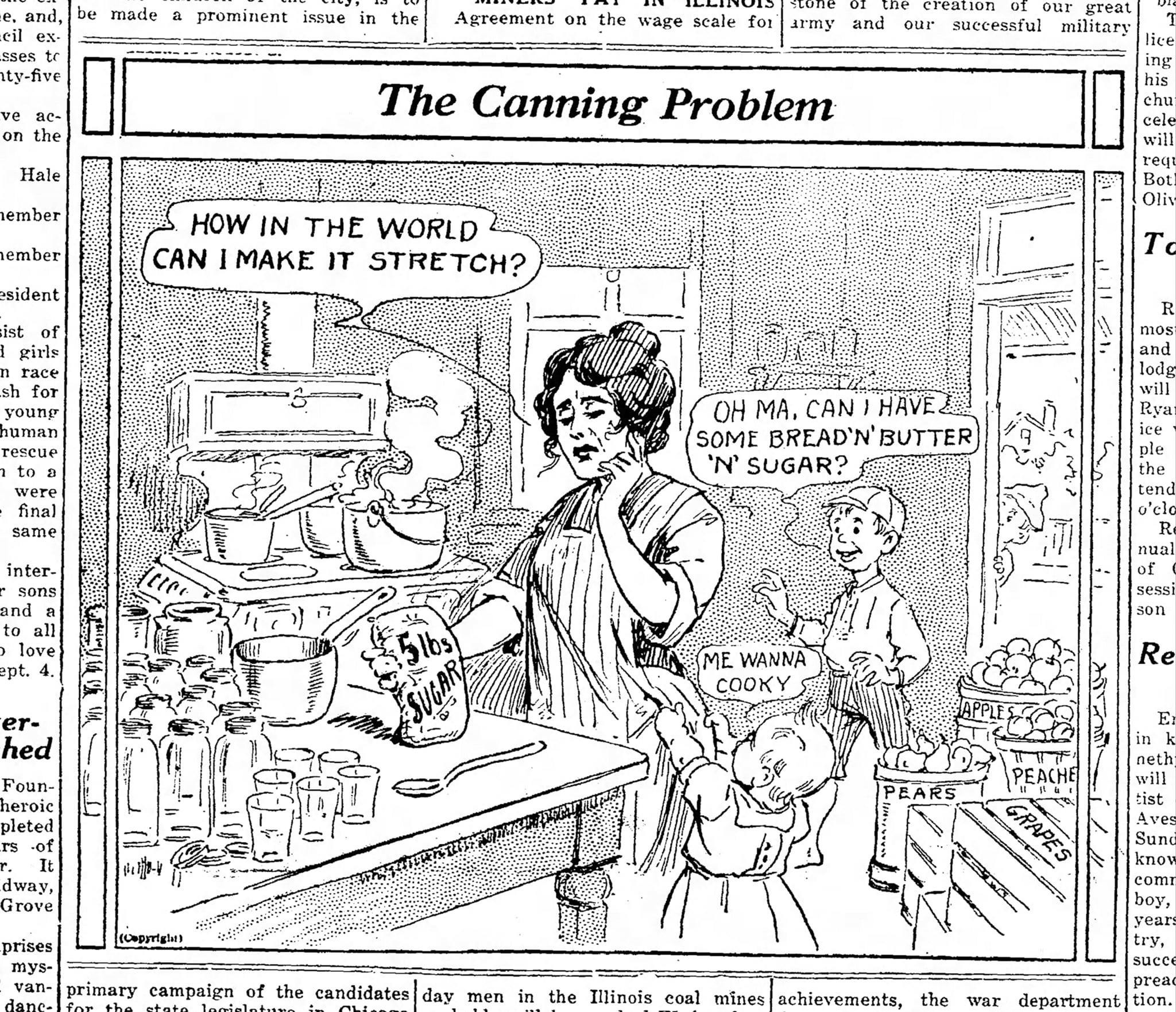
One hundred years ago, our reporter for the Englewood Times, Pauline F. Palmer, wrote: “Many of the mothers will not be obliged to stand hours waiting for that essential half pound of sugar. Remember last year? It looks as if the old time mince, pumpkin and apple pies and fruit puddings will all be enjoyed. Now all together, ‘Praise God from Whom all blessings flow.’”
Mrs. Palmer was referring to the shortages of certain food items, including sugar, during World War I.
The United States entered the war in Europe in 1917. By the end of the war, two million U.S. service people had been sent overseas.
The food situation in Europe developed into dire circumstances. The war had been raging for several years already, and food was becoming scarce. Farms had turned into battlefields, laborers were now in the armies, and transportation and delivery flow had been disrupted. Even before entering the war, the U.S. was sending food supplies to European countries, especially France and Belgium. Once American soldiers were sent to Europe, the problem was greatly compounded – now there were U.S. troops to feed.
In 1917, President Woodrow Wilson established the
U. S. Food Administration to manage the production and distribution of food during the war. He appointed businessman Herbert Hoover to head the effort. Hoover’s goals were to provide supplies to Europe while preventing shortages and rationing in the U.S.
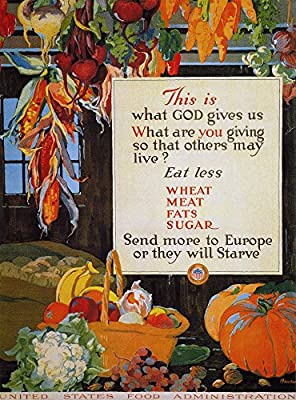
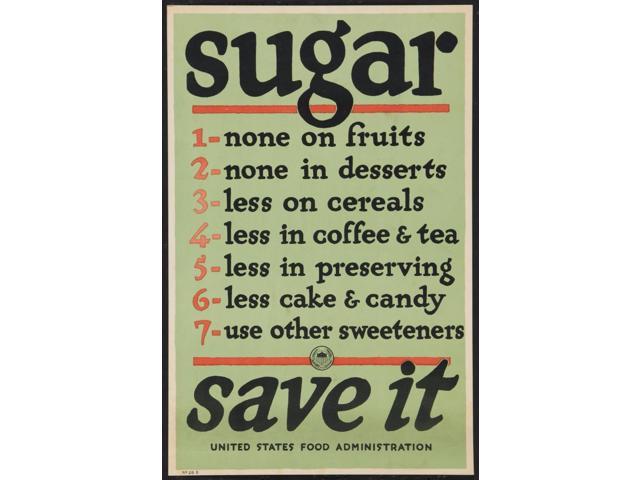
A campaign for voluntarily reducing the use of certain foods that could be transported to Europe was implemented. Sugar, wheat, meat, and fats were the main items. Americans were encouraged to use less of these items and eat more fresh fruits and vegetables, which were harder to transport overseas. These efforts led to “less days” as the people referred to them – Meatless Mondays, Wheatless Wednesdays. It became the patriotic duty of Americans to do with less. “Food will win the war” was a typical slogan.
The headquarters for the “meat division” of the federal food administration effort was located in Chicago. Harry A. Wheeler was appointed the “food administrator” of Illinois by President Wilson and he also oversaw the federal meat division. Wheeler lived on the South Side of Chicago, in Hyde Park. He was the vice president of the Union Trust Co. and former president of the U.S. Chamber of Commerce.
Wheeler spent his time between implementing the government’s programs and assuring the public everything would be fine.
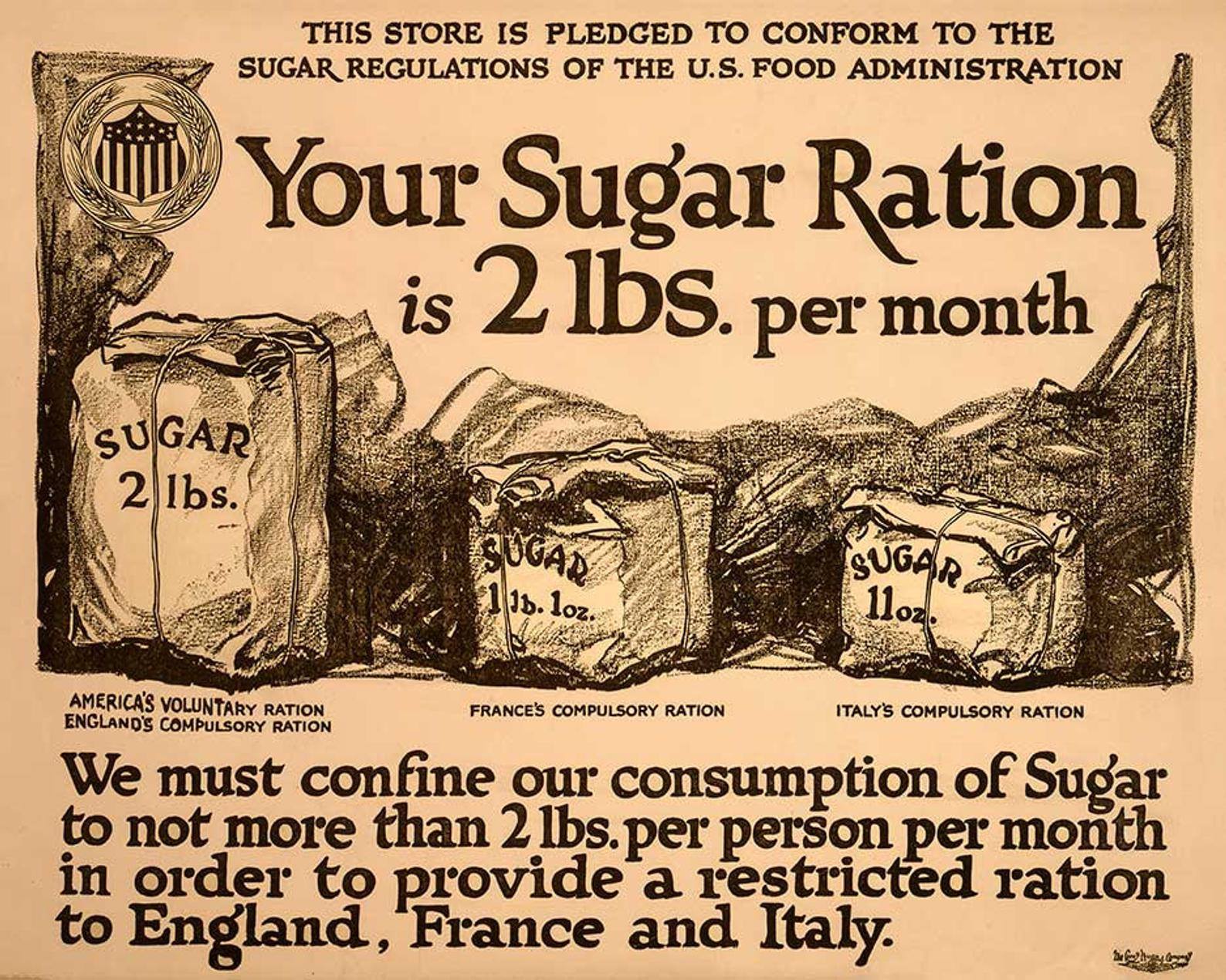
Americans had a real sweet tooth. In 1916, the average American consumed 85 pounds of sugar per year. An average Englishman consumed 40 pounds, an average Frenchman, 37 pounds. Americans loved candy and soda pop. Now, Americans were limited to two pounds of sugar per person per month.
Giving up sugar was not easy, but people did it.
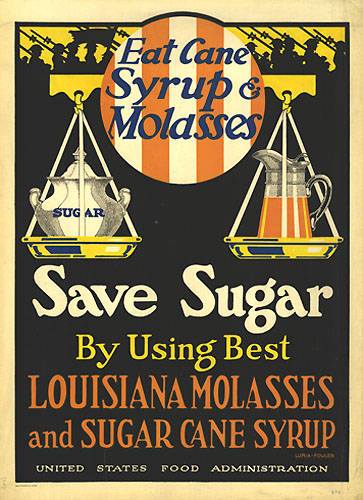
Children signed pledges to give up candy. Adults gave up sugar in their coffee. City housewives took up canning to preserve the fruits and vegetables grown in home gardens, using less sugar. Recipes were developed and distributed substituting brown sugar, honey, maple syrup, corn syrup, and molasses for white sugar.
There were cheaters, of course, those who engaged in price-gouging, hoarding, overuse, illegal sales, and other ways “to beat the system.” If caught, they were publicly admonished and received hefty fines that went to Red Cross relief efforts. Businesses could lose their licenses for ignoring the guidelines. In 1919, federal grand jury charges were brought against five Chicago dealers charged with profiteering in sugar.
When the war ended in 1918, the food issues did not end. Hoover started the American Relief Administration to continue to ship food supplies to the millions of people starving in Europe. It took years to return to normal food production.
And of course, there were also those who did not support helping others. One piece in the Englewood Economist in 1919 stated “if the people of Europe will go to work, they should be able to produce their own sugar, leaving the Cuban crop for the United States.”
When Prohibition started in early 1920 in the U.S., the demand for sugar increased as people substituted soft drinks for liquor, adding to the problem.
But by Christmastime, sugar was more plentiful and once again, people could look forward to their favorite Christmas desserts.
Next: 1920 Christmas on the Ridge – more stories.