Here are a few more stories from the 1920 holiday season on the Ridge, stemming from Pauline Palmer’s “Ridge and Morgan Park News” columns in the Englewood Times.
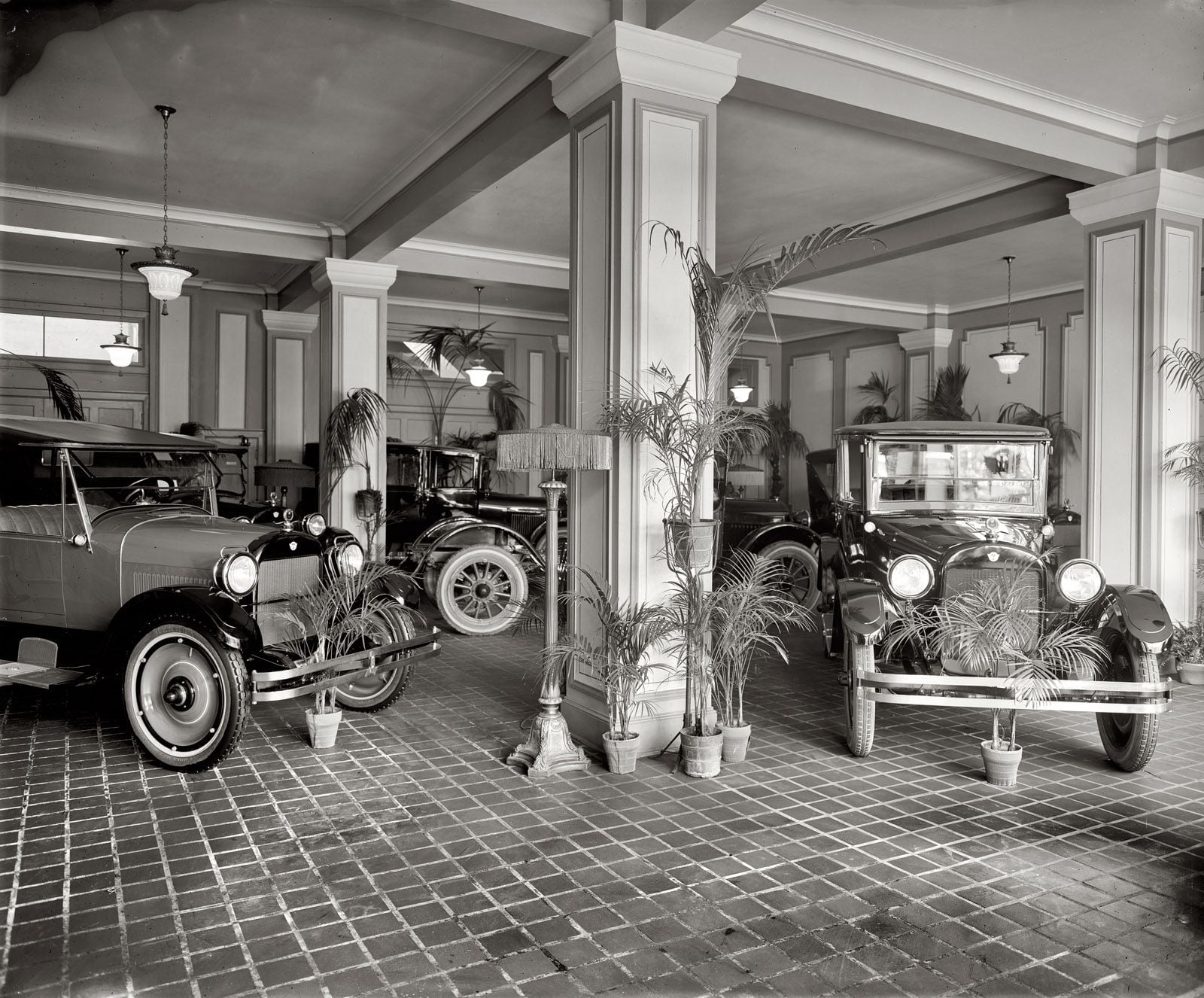
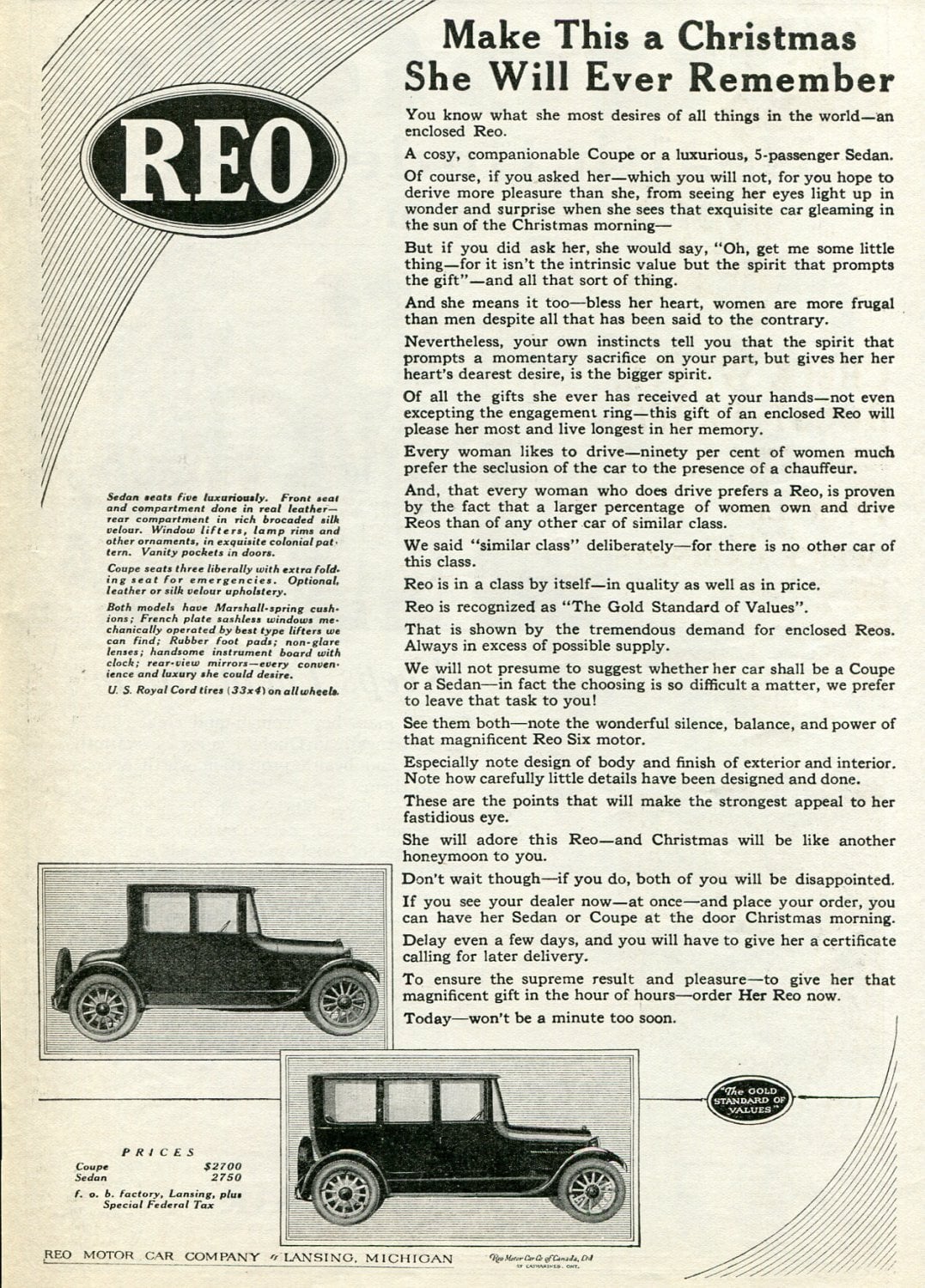
The W. Bacons of 1210 West 100th Street enjoyed a “pre-Christmas gift, a new REO car.” A little research revealed that Mr. Bacon was an employee of the Chicago Junction Railroad. An REO car was the product of the REO Motor Car Company founded in 1905 by Ransom E. Olds, who also founded and then left Oldsmobile. REO (the founder’s initials) was one of the top manufacturers of cars in 1920, and the cars, in the $2000 – 4000 range, were quite a bit more expensive than the Ford Model T, which went for $350.
The REO company started producing trucks in 1910. The REO Speed Wagon was a light motor truck made from 1915 until the 1950s. It was an ancestor of the pickup truck.
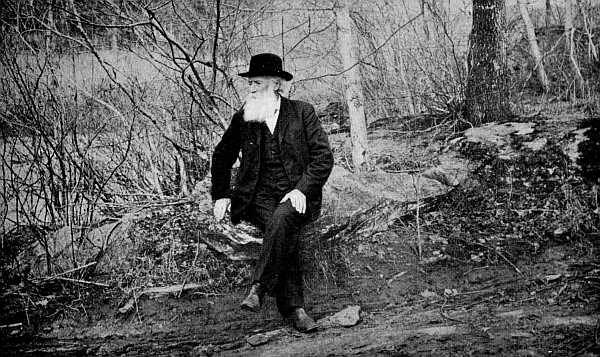
In another entry, John Burroughs, the “celebrated naturalist,” spent a few days with the DeLoach family at 10154 Longwood Drive. This wasn’t Burroughs’ first visit to the Ridge – an earlier Pauline Palmer column mentioned that Burroughs visited and spoke at a local school. Burroughs was well-known and popular at the time as an essayist on nature and the conservation movement. His work was more literary than scientific – he wrote about his own perceptions of the natural world. His health declined shortly after this visit to the Ridge, and he died in March 1921 right before his 84th birthday.
One quote from John Burroughs is: “I go to nature to be soothed and healed, and to have my senses put in order.”
Robert John Henderson DeLoach, an educator and naturalist, had a Ph.D. in Botany from the University of Georgia. He came to Chicago to be the horticulturist for Armour and Co., a position he held for 20 years. In 1911, DeLoach wrote a book, “Rambles with John Burroughs,” about his visits with Burroughs. The book included photographs of Burroughs taken by DeLoach. They first met in 1906 when DeLoach, then a professor at the University of Georgia, visited Burroughs at his cabin, Slabsides, in West Park, New York. This interesting story about the DeLoach family of Beverly calls for more research and elaboration.
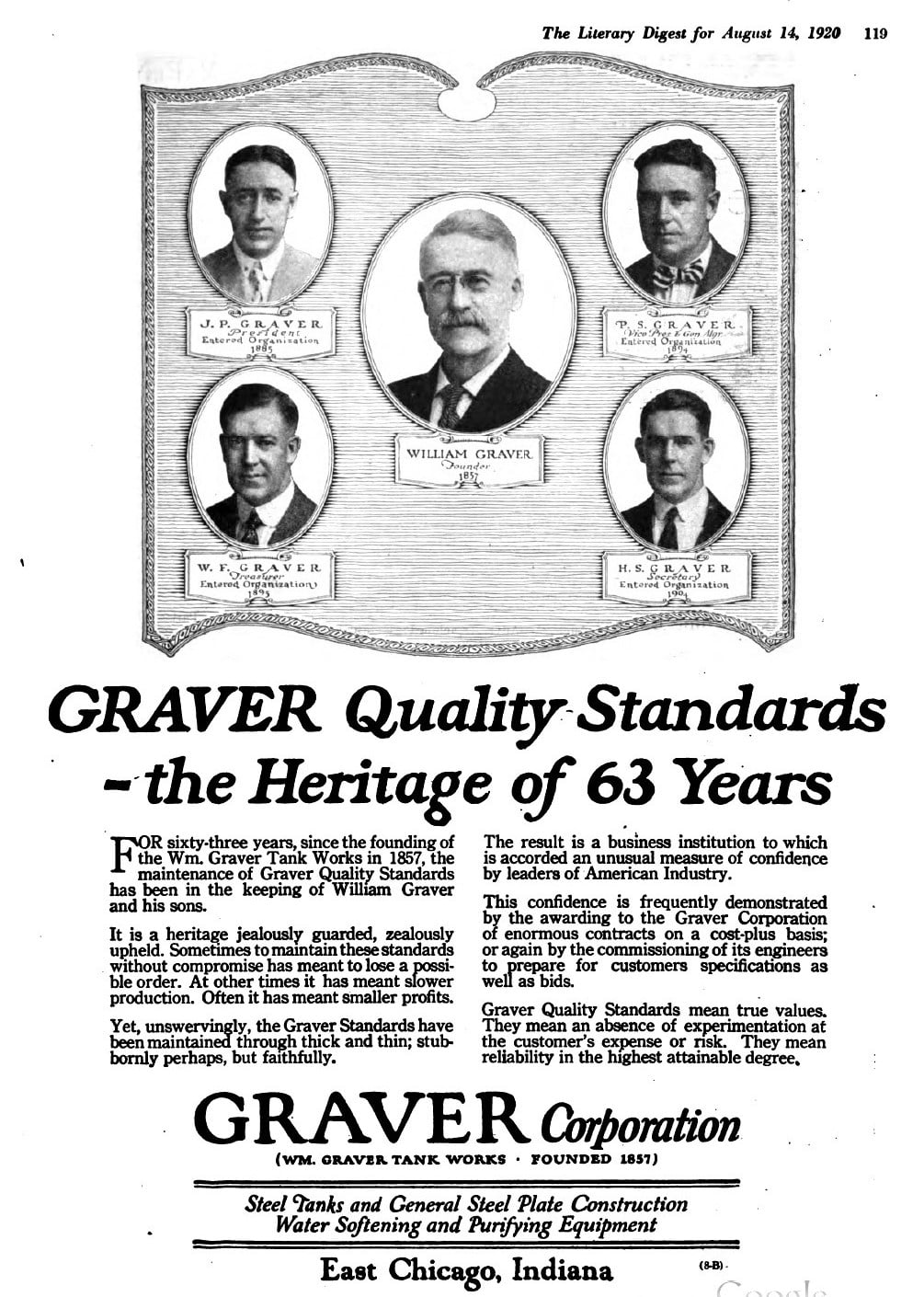
The Gravers were in the news. William Graver relocated his business, Graver Tank Works, to the Midwest in the 1880s. The company produced metal tanks mainly used to store oil.
William had five sons, all of whom went into the family business. All five bothers built houses in Beverly, including Herbert, the fourth brother. In 1921, he built the house that the Ridge Historical Society owns and operates as RHS headquarters.
During the holiday season of 1920, Cora Graver of Longwood Drive, the wife of the second brother, William, helped with a bazaar to raise money to furnish the Oak Haven Old People’s Home. Oak Haven was the forerunner of Smith Village at 113th and Western Avenue.
In 1917, it was reported that every home for the elderly in Cook County was filled to capacity, with waiting lists. A group of church leaders from Englewood came together to establish a new facility. Many leaders from the Ridge became involved in the effort.
The next three years were spent raising money to make the plan a reality. A women’s auxiliary was formed, and they did much of the fund-raising through activities like this bazaar, community dinners, card parties, etc.
The first building that was designed had to be abandoned because of the “fire laws.” Oak Haven eventually opened in 1924.
In another holiday news tidbit, Phyllis and Christine Graver entertained 125 children at a dancing party.
These girls were cousins, daughters of two more Graver men. Phyllis, 11, was the daughter of Phillip, the third brother, and Christine, 13, the daughter of James, the oldest.
The column does not say where the event was held, but it lists the address of the girls as a house on Longwood Drive, so perhaps the party was held there. The girls lived at two separate addresses on Seeley Avenue. The Longwood address given was built by the youngest Graver brother, Alexander. Unfortunately, he had died earlier that year, in January 1920, a victim of the influenza/pneumonia pandemic. He was 37, and he left his wife Grace and two young daughters.
This post – and the holiday stories of 1920 – will wrap up with the story of “little Miss Helen Carver” of 9557 Vanderpoel Ave.
Helen was turning seven years old, and her mother planned an event for two weeks after the actual day as a double party for Helen and an older brother. However, Helen felt a birthday should be celebrated on its rightful day. Without telling her mother, Helen invited a number of her school mates to her house for a party on her actual birthday. Mrs. Carver was quite surprised and perplexed when all these children showed up at the front door for a celebration. But like moms do everywhere, Mrs. Carver pulled it off, and “it ended fine and all had a good time.”