The Ridge Historical Society
All Saints Day, November 1, 2020
By Carol Flynn
Today is All Saints Day or the Feast of All Saints. The date was set by Pope Gregory III during his pontificate in the years 731-741.
In some churches (Catholic, Lutheran, Anglican, Eastern Orthodox, Oriental Orthodox), anyone who has died and gone to Heaven is considered a saint. Some saints are considered worthy of greater honor because of their exceptional holiness or closeness to God. Some of these saints have individual feast days, but most do not. The Catholic Church has recognized more than 10,000 saints, but some names and stories have been lost to history. And some names were never recorded, such as people who died in groups as martyrs.
The intent of All Saints Day is to recognize all these people, known and unknown.
Some saints are designated as “patron saints” or advocates for places, occupations or crafts, causes, and situations. It is believed that patron saints can intercede on behalf of the needs of their charges.
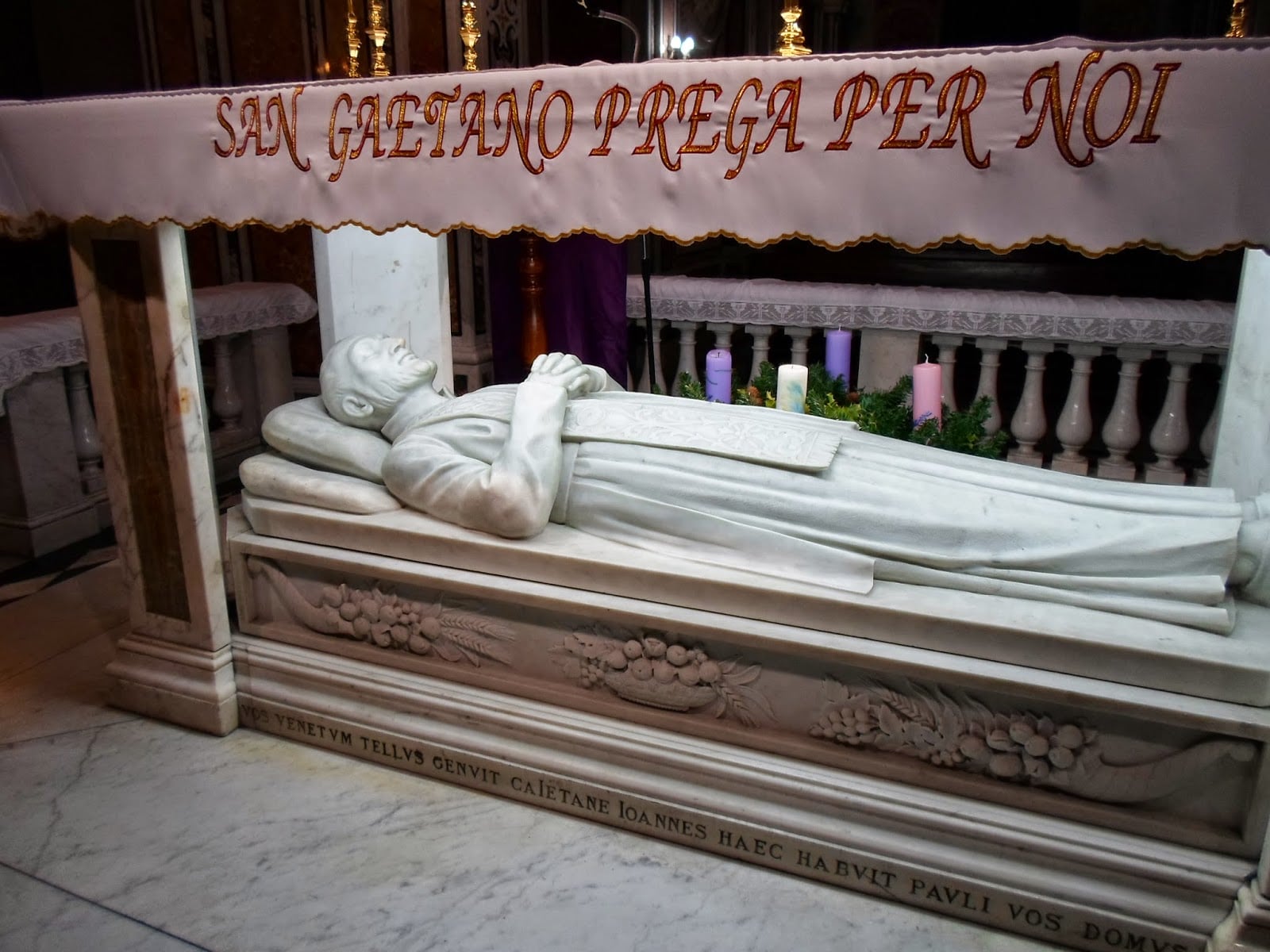
The Ridge communities have several churches named for saints. One saint who is particularly relevant today as people struggle with the realities of the global coronavirus pandemic is St. Cajetan, the patron saint of the unemployed and job seekers.
Since the pandemic started, tens of millions of people have lost their jobs. In March and April of this year, 22 million nonfarm jobs were slashed. Although the situation started to improve in late summer, employment still remains about 11 million jobs below pre-pandemic days, and many temporary layoffs have become permanent. In a study in mid-October, nearly 78 million people reported difficulty in covering usual expenses.
St. Cajetan, Gaetano dei Conti di Thiene (1480-1547), was born into a wealthy, noble family in Venice. He completed a law degree and worked as a diplomat for Pope Julius II. When Julius died, Cajetan resigned and entered the seminary, and was ordained a priest in 1516. He spent the rest of his life tending to the sick and poor, giving up his own worldly goods to help them. He established several hospitals for incurables during the years of the bubonic plague.
Cajetan recognized that people who had lost their livelihoods often became victims of desperation. He believed in the dignity of all people. He helped the unemployed through financial assistance and providing the basic necessities of life. In Naples, he founded a charitable non-profit bank/credit organization to protect the poor from usury, that is, exorbitant rates of interest. Wealthy benefactors donated to his cause and Cajetan took no money for his efforts. The bank provided loans without interest that people secured with personal objects. Job training and employment opportunities were also offered through the bank.
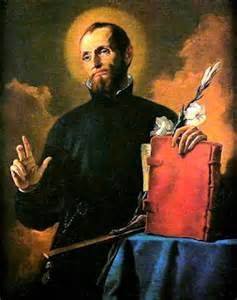
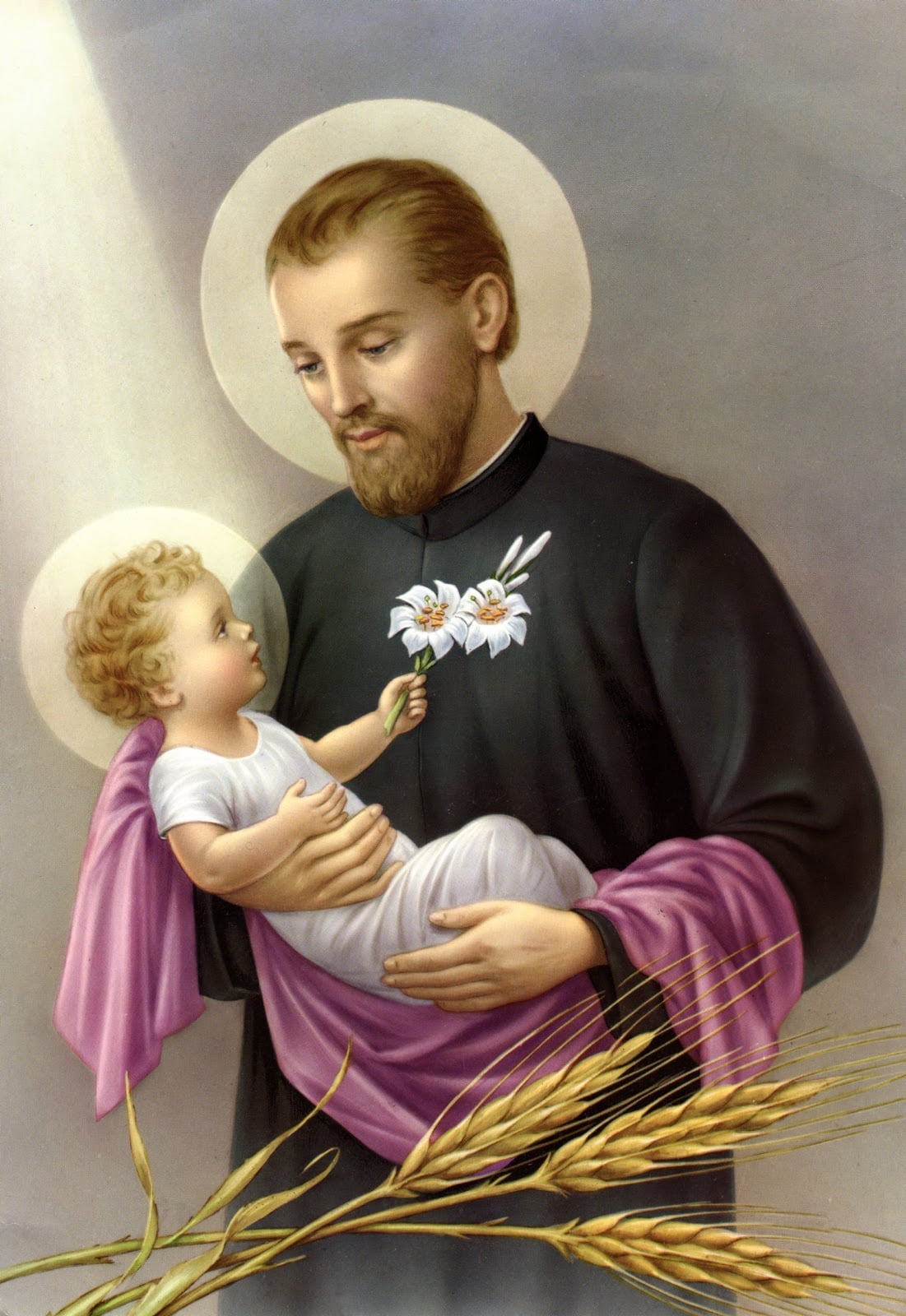
St. Cajetan is also the patron saint of Argentina. There they call him the patron of “Bread and Work.” He is presented two ways in art. One image depicts him with a book, to signify learning, and white lily, which represents Mary. The other presents him holding the infant Jesus. He had a vision in which Mary placed her infant in his arms, which he interpreted as her trust and approval of his work.
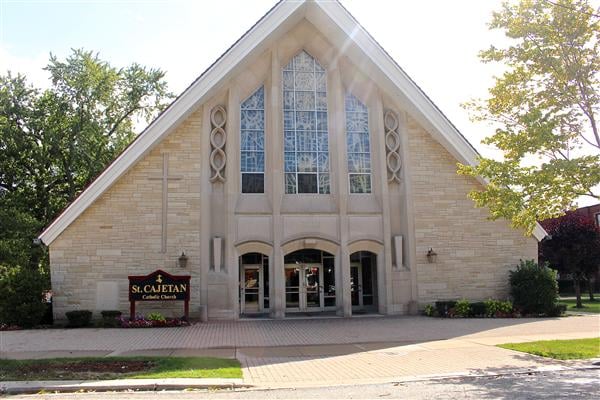
St. Cajetan Parish at 2445 West 112th Street was founded in 1927. It was the first Roman Catholic parish in Morgan Park, and the second Catholic church there, following Sacred Heart, which is a mission church and not a parish. It is the fifth Catholic church in RHS territory, and the fourth parish, following St. Margaret of Scotland (Washington Heights), St. Barnabas (Beverly), and St. Christina (Mount Greenwood). The current St. Cajetan Church was built in 1961-62.