
The Ridge Connection to Chance the Snapper
Remember “six degrees of separation” – that idea that all people are six, or fewer, connections away from each other?
How does the Ridge connect to Chance the Snapper, that alligator that lived in the Humboldt Park lagoon for a while, until he was captured last week and sent to a reptile facility in Florida to live out his life in comfort and safety?
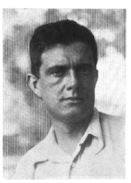
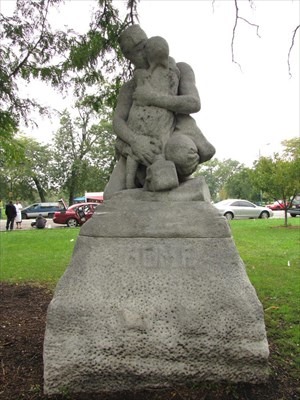
Our connection comes through public art. Humboldt Park is the site of a famous sculpture called “Home” by Charles Mulligan. The sculpture depicts a miner hugging his small daughter.
The Mulligan family lived in Fernwood, the community just east of Washington Heights. Later descendants of the family lived in Beverly and Morgan Park. And the final resting place for Charles Mulligan is Mt. Greenwood Cemetery, 2900 W. 111th Street.
Mulligan was born in 1866 in Riverdale, County Tyrone, Ireland. In 1881, he, his parents and his seven brothers and sisters immigrated to the United States in search of better opportunities. They settled in the South Side of Chicago where the father took a job building passenger railroad cars for Pullman.
Young Charles Mulligan also got a job at Pullman, carving marble into wash basins for the passenger cars. At night, he studied art. During breaks, he practiced modeling in clay and carving small objects from scrap pieces of marble. One day, the famous sculptor Lorado Taft was visiting the Pullman plant and noticed Mulligan and his work. He was impressed by the boy’s rough talent and invited Mulligan to study under his mentorship. (Talk about being in the right place at the right time!)
Mulligan became a student of Taft’s at the Art Institute of Chicago and also spent time in Paris at the L’Ecole des Beaux Arts. He became a naturalized citizen of the U.S. in 1888. He married Maggie Isabella Ely and they had six children; three died in infancy, and three sons survived to adulthood.
Mulligan had a distinguished career as an artist. In 1893, Taft made him foreman of his workshop for the Chicago World’s Fair. After Taft’s resignation, Mulligan became the head of the department of sculpture of the Art Institute. Mulligan was one of the founders of the Palette and Chisel Club, and he was a member of prominent organizations such as the Chicago Society of Artists (CSA), Cliff Dwellers, and the Irish Fellowship Club.
Regrettably, Mulligan’s life was cut short by pancreatic cancer. He died in March 1916 and was buried in Mt. Greenwood Cemetery, along with other family members.
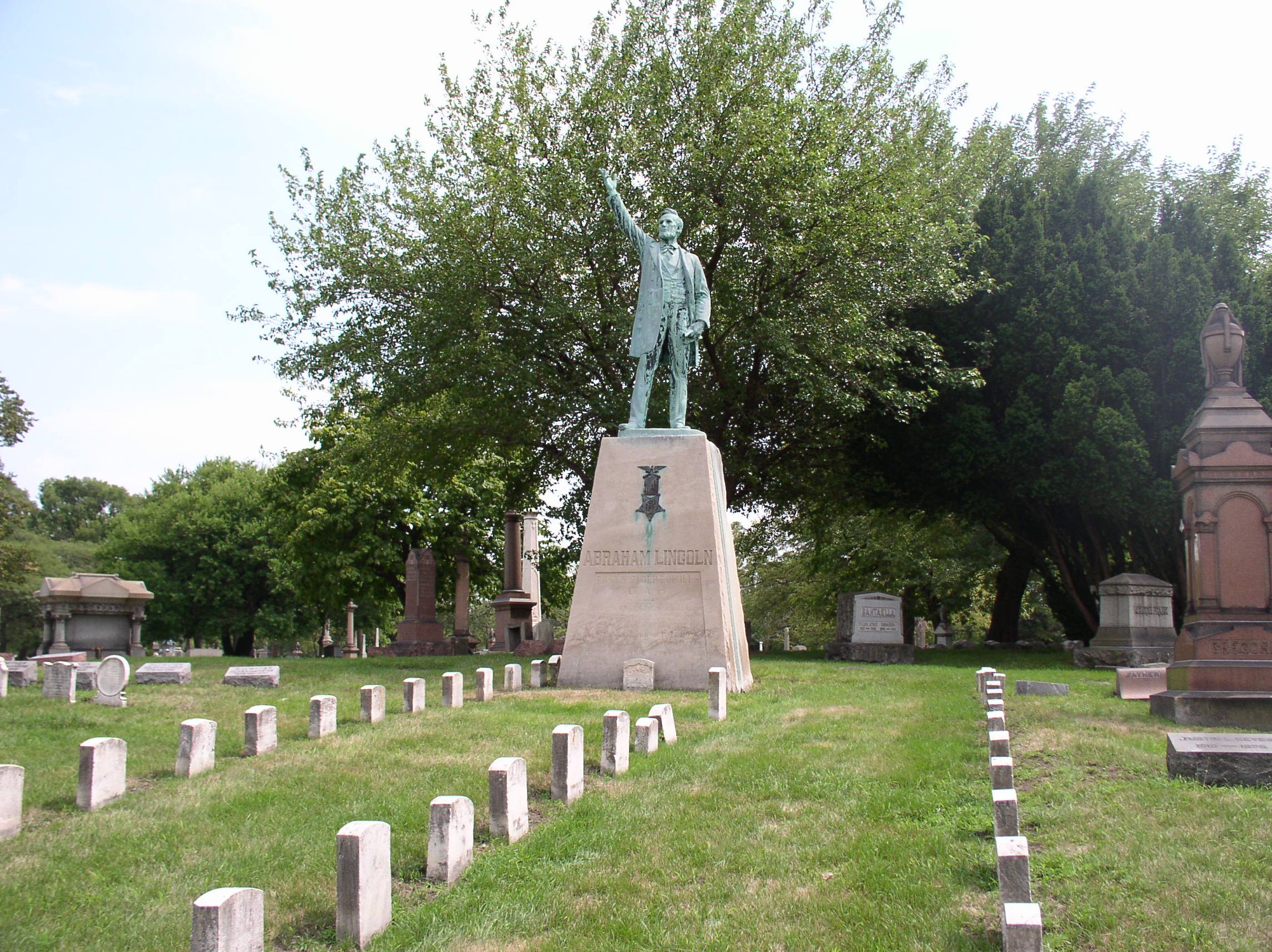
Mulligan left behind a rich legacy of existing sculptures throughout the country. Examples include his two architectural groupings that adorn the front entrance of the Illinois Supreme Court Building in Springfield. He also created three statues for the Illinois State Memorial in Vicksburg National Military Park in Mississippi, a U.S. Civil War site – President Lincoln, General Grant and Richard Yates, Illinois Governor during the Civil War. A third example is his statue of “Lincoln the Orator” at Oak Woods Cemetery at Cottage Grove Ave. and East 67th Street in Chicago.
Of particular interest to the history of Chicago are his sculptures in the Chicago Park Boulevard System Historic District. This system is about 26 miles in length and includes eight parks connected by 19 boulevards and six squares.
Chicago’s park and boulevard system began in 1869, but it was during landscape architect’s Jens Jensen’s tenure with the West Park Commission that Mulligan’s sculptures were added. Mulligan was one of Jensen’s favorite sculptors. Jenson and Mulligan are considered major contributors to the Progressive Era’s “Chicago beautiful” movement.
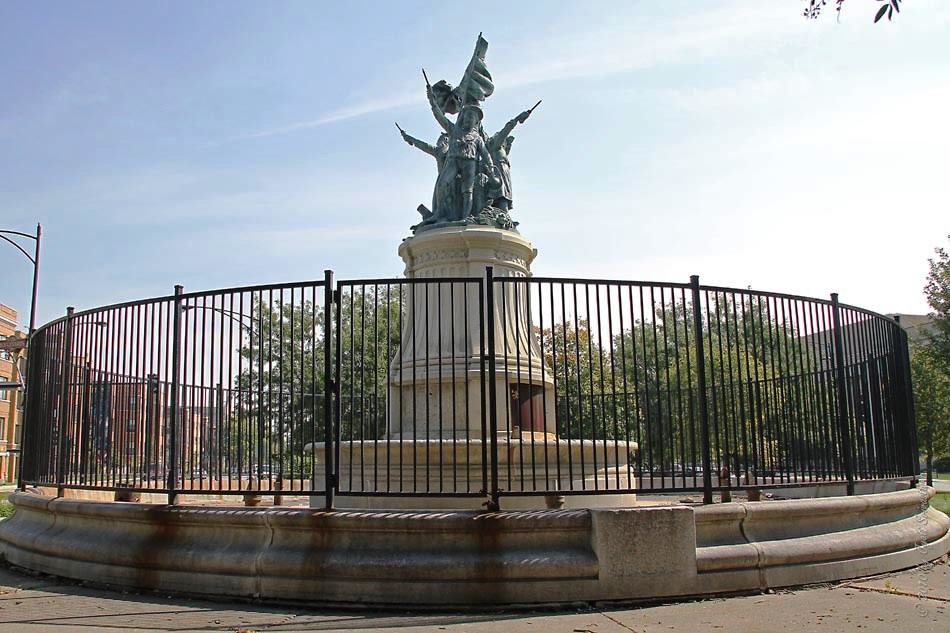
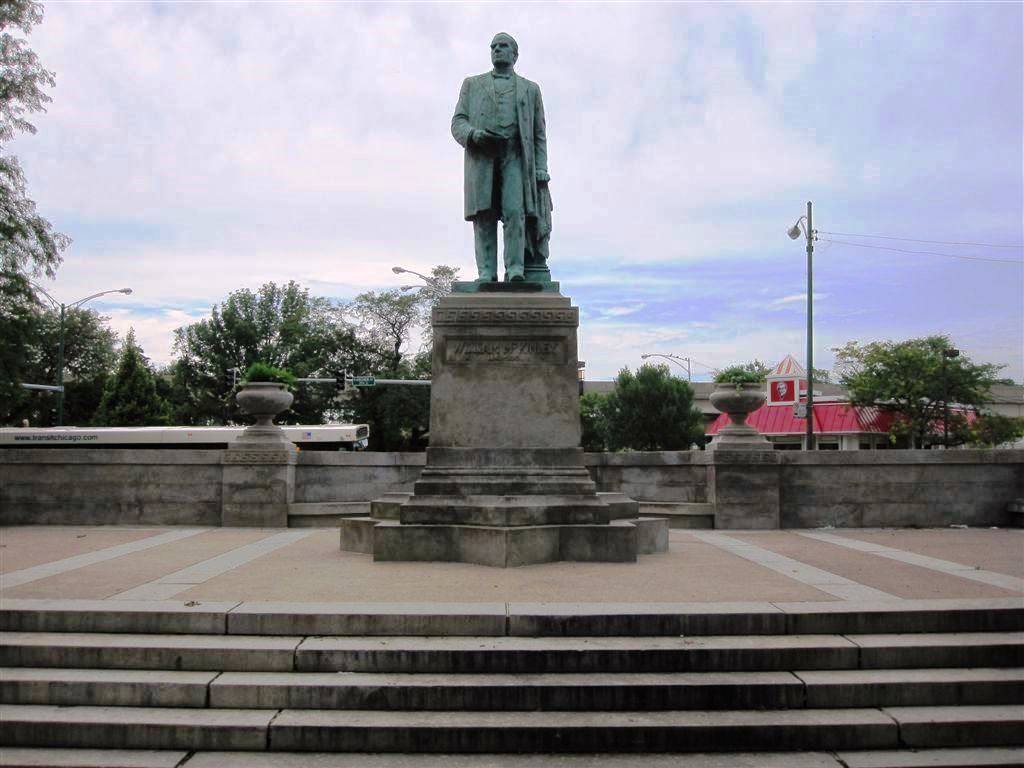
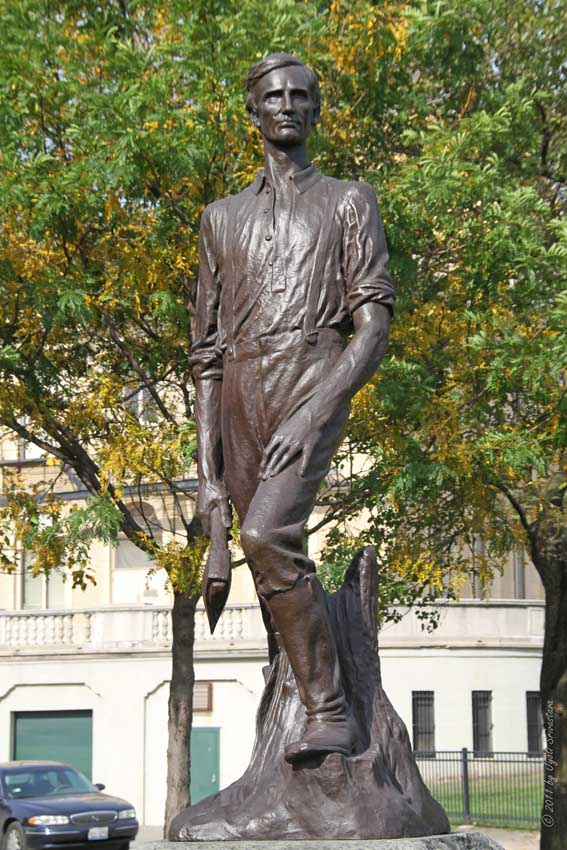
Mulligan installed artwork in four locations. First was Independence Square Fountain (dedicated in 1902), also known as Fourth of July Fountain, located at the intersection of West Douglas and South Independence boulevards. Next came the William McKinley monument installed in 1905 at the intersection of Western and Archer Avenues. This is the closest sculpture to the Ridge communities and memorializes the president assassinated in 1901.
Then there was Home (installed 1911) in Humboldt Park, and Lincoln the Railsplitter (installed 1911) in Garfield Park. These statues particularly convey the sense of humanism that Mulligan is known for in his works.
Upon his death, Mulligan was eulogized by Taft and others at memorial services at the Art Institute, University of Chicago, and other places.
“I have a memory of a little vocational school [I] attempted in Pullman soon after I came to Chicago – evening classes in drawing and modeling. The response was slight, the experiment brief, but we found Charlie Mulligan,” said Taft. “Soon after, he came to my studio for work and study. The studio rang with his hearty laugh; his enthusiasm was contagious. A strange thing happened to me; he gave me a courage and a confidence that I had lacked before. From morning till night his hammer strokes ran clear and joyous.”
“He made me acquainted too with the lives and the thoughts of the working people as no one else has ever done. I heard of their long hours and their pitiful pay; of their amusements and their aspirations, and was taught a great sympathy which has tinged my life,” continued Taft.
Taft concluded: “Oh, the many good things that that ardent soul brought into our lives! And to think that we shall not hear that rich voice again, nor feel the hearty grip of those strong hands – the thought is incredible.”
There is no monument, no marker at all, on Charles Mulligan’s grave at Mt. Greenwood Cemetery. His public works are the testimony to his artistic accomplishments.