
This is a five-installment post about the connections between the Ridge and the Iroquois Theater fire. To read all the posts go to the Ridge Historical Society Facebook page.
Part 4. The Iroquois Theater fire on December 30, 1903, which resulted in at least 602 deaths, spread shock waves and fear throughout the entire world. Even in faraway Germany, the Kaiser closed the royal opera house in Berlin until it could be remodeled with better safety features.
The fire led to immediate government and legal action in Chicago and Cook County. The coroner’s office began an investigation into the causes of the fire. Anticipating criminal charges, a special grand jury was appointed to deal solely with the fire.
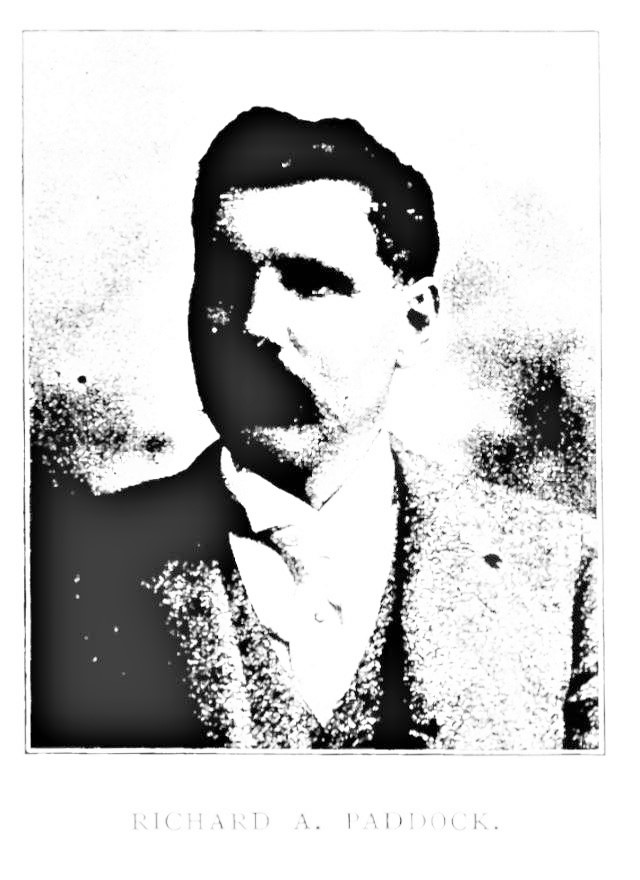
Beverly resident Richard A. Paddock was selected to serve as one of the 23 members of the special grand jury panel. Paddock, 45, and his wife Rosa, lived at 9648 Howard Court, now Vanderpoel Ave. No children are listed on the U. S. census.
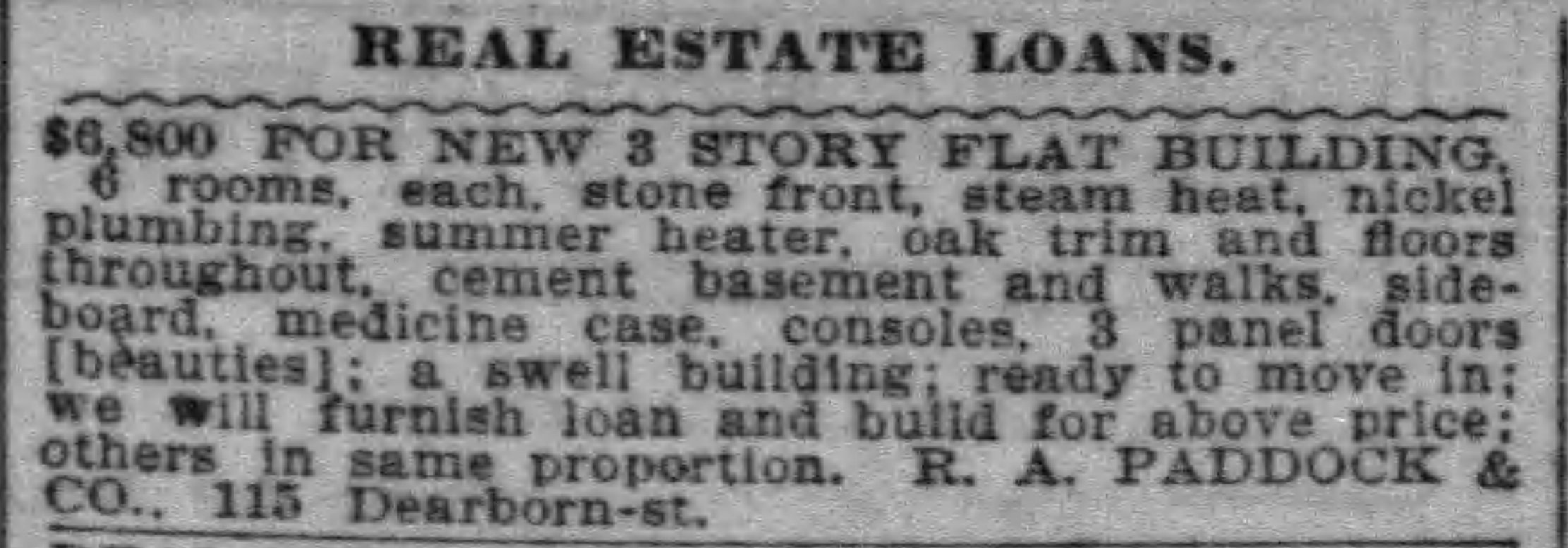
Paddock was president of Richard A. Paddock & Co., a real estate, general contractor and mortgage loan business with its office at 115 Dearborn St. Born in Antioch, IL, he began his career as a carpenter. He moved to Chicago to be a supervisor of construction companies and started his own company. One can assume he was a very knowledgeable member of the jury.
Paddock was considered a genial, likable man. He was known for his skills as an avid fisherman and hunter. The Paddocks eventually retired to Florida.
The special grand jury began its work by touring the theater ruins. The panel studied numerous reports and heard testimony from the fire and police departments, and witnesses and survivors.
The jury concluded its work on February 23, 1904 by bringing indictments against five men. Included were manslaughter charges against the theater manager and treasurer, who were part of the ownership group of the theater, and the head carpenter. Charges were brought against the city’s building commissioner and a building inspector for not having adequately inspected the building.
However, in February 1905, the manslaughter indictments against the theater defendants were quashed in court on technical grounds. Although legal action continued for several more years, ultimately no one was ever held criminally liable.
The last installment will look at a related story involving the fire department.