
The Ridge Historical Society
Native Americans and the Blue Island Ridge – Part 11: Gender Roles
By Carol Flynn
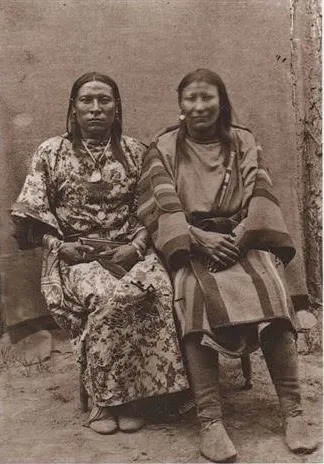
There were specific gender roles in the Native American groups that inhabited the Calumet region.
In addition to being responsible for childcare and the home, women were in charge of agriculture and food, a vital aspect of village life. They managed the sowing, cultivation, and harvesting of crops. Typically, the women in the families were the “owners” of specific crop fields although the fields were often communally farmed and harvested. Men were expected to help with the clearing and harvesting of the fields. The entire tribe gathered wild fruits, nuts, and medicinal plants.
Men were responsible for hunting and fishing. Women built the temporary structures used for homes during seasonal hunting trips. Women did the tanning of the hides and dyed them different colors using roots and plants.
Local hunting was done by individuals or small groups of men. In spring, larger groups hunted buffalo on the prairies. Deer were often hunted at night. Potawatomi used spears to fish at night with torches of cedar soaked in pine pitch.
There were generally more women than men in a tribe, as men were lost through hunting and fishing accidents and warfare. Polygamy was practiced – a man could have several wives but he was expected to be able to provide for all of them. Infidelity was frowned upon for both sexes. Women could be subjected to physical mutilation or group rape for breaking the tribe’s norms. Men were subjected to the loss of their personal possessions for the same crimes.
The Potawatomi were organized into clans, or smaller family-based units, considered descended from a non-human ancestor, usually an animal. The lineage of a clan was from the male side, but ties to the mother’s family were also important. People did not marry within their own clan, and a woman usually joined her husband’s clan upon marriage. The intermarriages between clans created important links. The Potawatomi freely married members of the Ojibwe and Odawa tribes, their confederates in the Council of Three Fires.
Women rarely served in formal leadership roles. Occasionally one might be a village chief but never a hunting or warfare chief. They had a voice in selecting chiefs, however, and it was reported that in some tribes, it was the women who actually selected the chief.
Women could become powerful healers, and older, experienced “medicine women” held a lot of power in a tribe along with the “medicine men.”
We’ll talk more about games and pastimes of the Native Americans in the area in a future post. These tended to be games of physical prowess, in which the men participated, and gambling games, which the women, as well as men, played. There were specific ceremonial dice games that only women played.
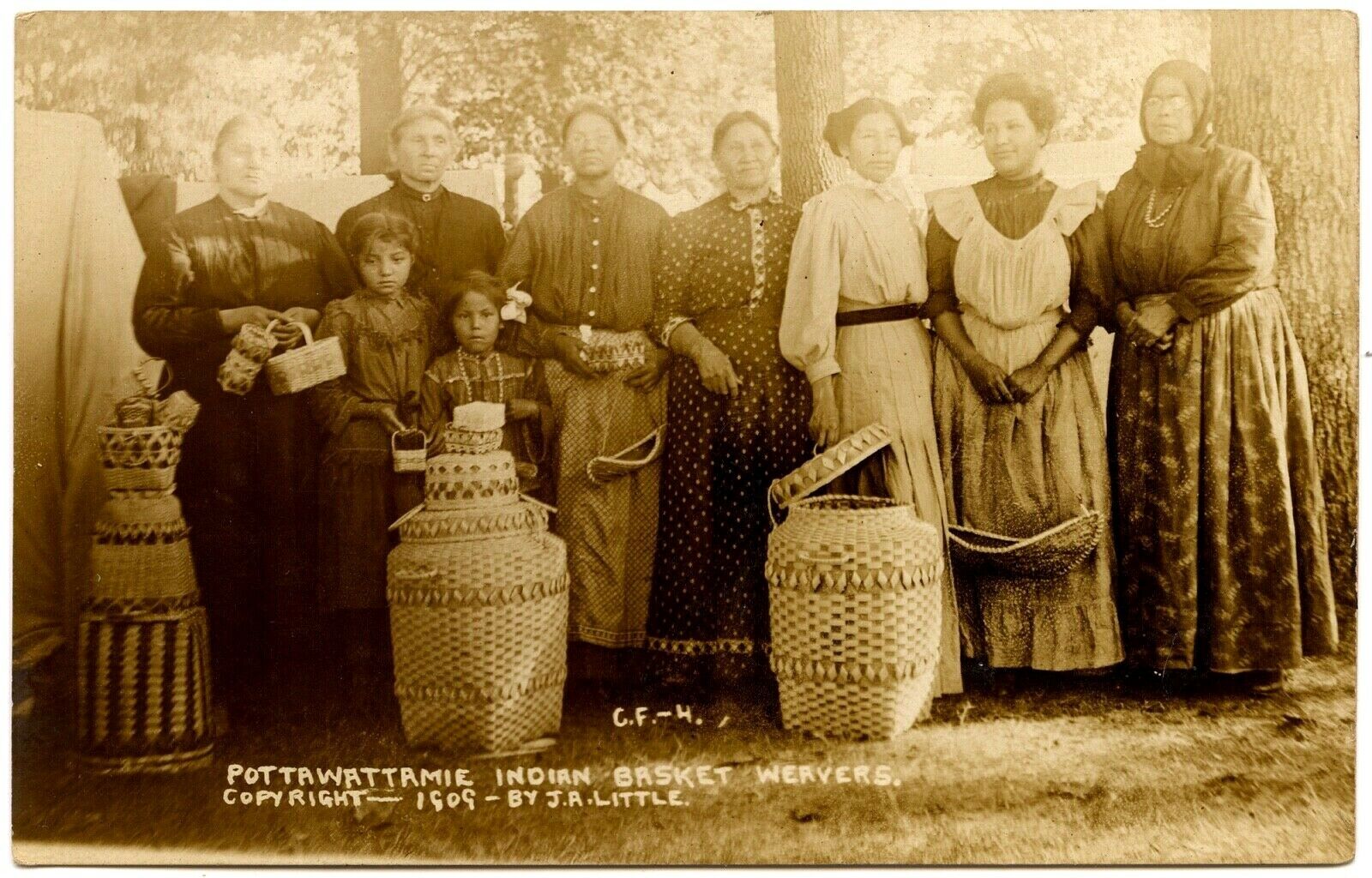
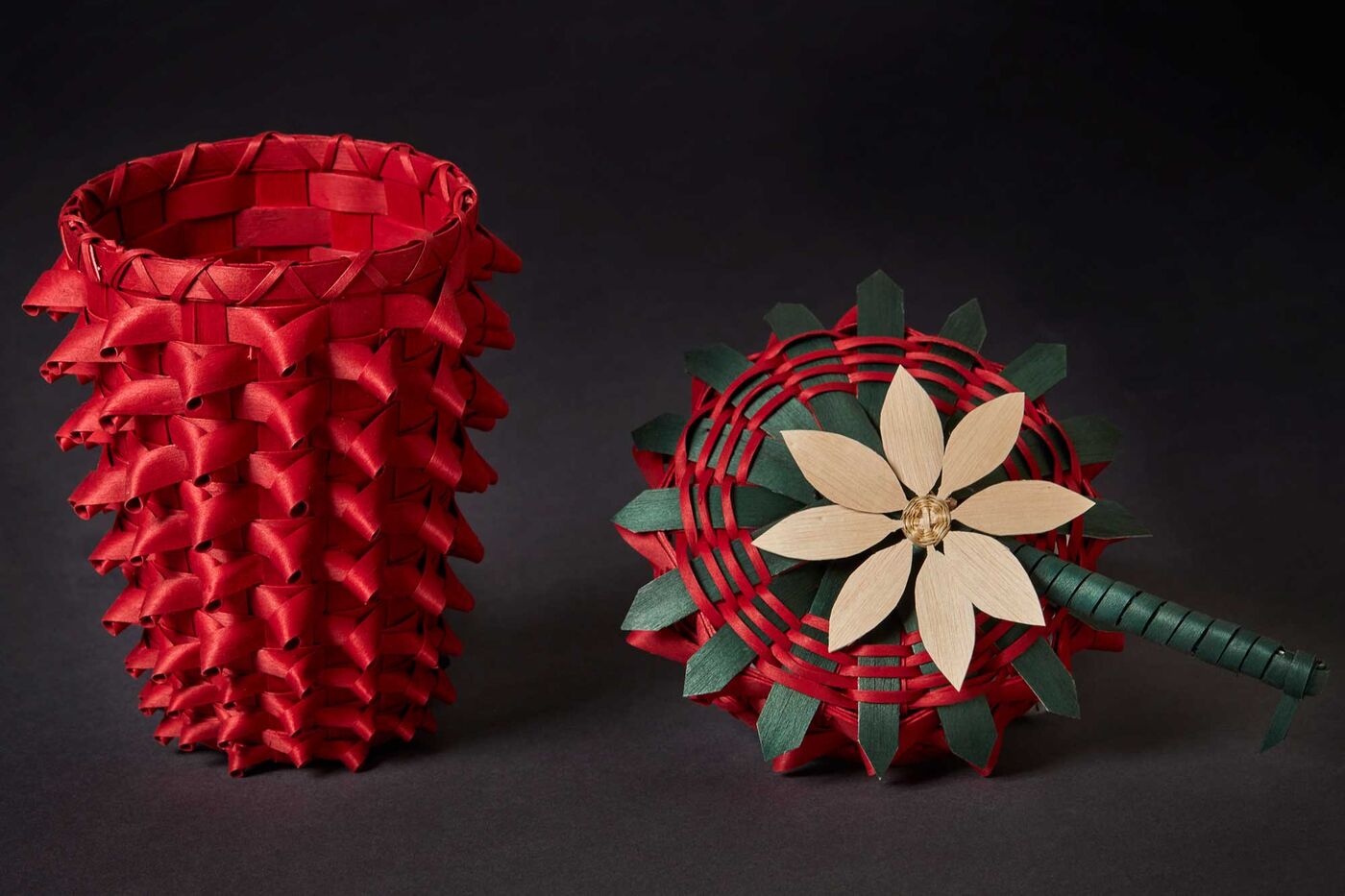
As for the arts, Potawatomi women were, and still are, known for their basket making, using black ash, sweetgrass, and birch bark. Their beadwork and embroidery also became recognized starting in the 1600s with the introduction of glass beads, ribbon, and fabrics, brought by the Europeans. The Potawatomi were also known for their birchbark canoes. These were goods used by the tribe and also traded in commerce. It was the men who did the actual trading with other tribes and the Europeans.
As far as gender identities, Native American tribes recognized as many as five genders, before the Europeans came. These were male and female, “two-spirited” males and females, and transgenders. It was not considered a moral issue; some people were born with the spirits of both sexes or the spirit of the other sex and it was natural to express that. There were many observations of male tribe members who dressed like and took on women’s roles, and of “Hunting Women” who had wives and were fierce warriors. Indians believed that a person who was able to see the world through the eyes of both genders at the same time was a gift from the Creator and often these people had special status in society.
Next: The staples of existence for the Ridge Native Americans – food, clothing, etc.