
The Ridge Historical Society
Native Americans and the Blue Island Ridge – Part 8: Relationship to the Land
By Carol Flynn
This series is looking at the history of Native Americans on the Ridge in the context of developing Land Acknowledgement Statements, which are declarations recognizing that Indigenous Peoples lived on this land for thousands of years before the European settlers arrived.
As with every aspect of this topic, the relationship that Native Americans had with the land was complex. Indians were natural environmentalists, stemming from their spirituality. Customs and lifestyles varied from group to group, but in general, the Indigenous people considered the land and all things in nature as gifts from a sacred Creator being or force, and were grateful and humble for these gifts.
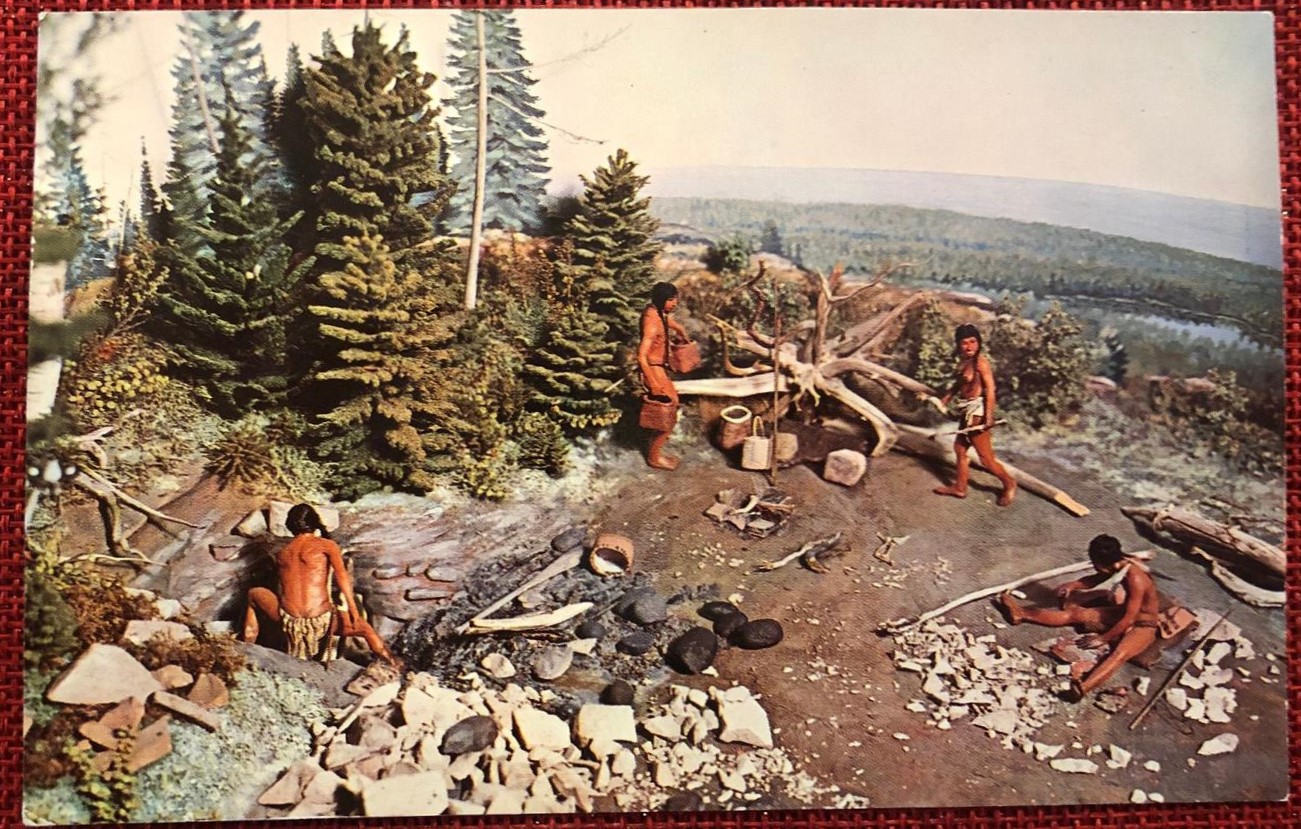
In this value system, humans were not masters of the natural world, but rather they were a part of the system like other animals and plants. There were mutual benefits for plants and animals to exist together in an environment. A human being did not exist separately from the air he breathed, or the water he drank, or the plants he ate, or the animals whose furs clothed him, or the bark of the tree that was used to make his canoe.
According to John Low, Ph.D., J.D., a professor at Ohio State University, who is an enrolled citizen of the Pokagon Band of Potawatomi Indians, and was interviewed by RHS:
“Our ancestors lived for thousands of years utilizing the resources around them and securing a balance in their use of the environment. Our traditional teachings emphasize that we are but one part of the Universe and that to live in balance with the other beings of the world we must live in a way that minimizes waste and honors the sacrifices that plants and animals make for our continued existence.
“Our songs, stories and spirituality all teach the ways for us to live in harmony with each other and the world around us.”
Comments from other Native Americans in the past support Dr. Low’s statements:
“Indians and non-Indians alike [must] see ourselves as part of the earth, not as an enemy from the outside who tries to impose its will on it. Because we … also know that, being a living part of the earth, we cannot harm any part of her without hurting ourselves.” – Lame Deer, Lakota medicine man
“The Great Spirit made the flowers, the streams, the pines, the cedars—takes care of them. . . . He takes care of me, waters me, feeds me, makes me live with plants and animals as one of them. . . . All of nature is in us, all of us is in nature.” – Black Elk, Lakota medicine man
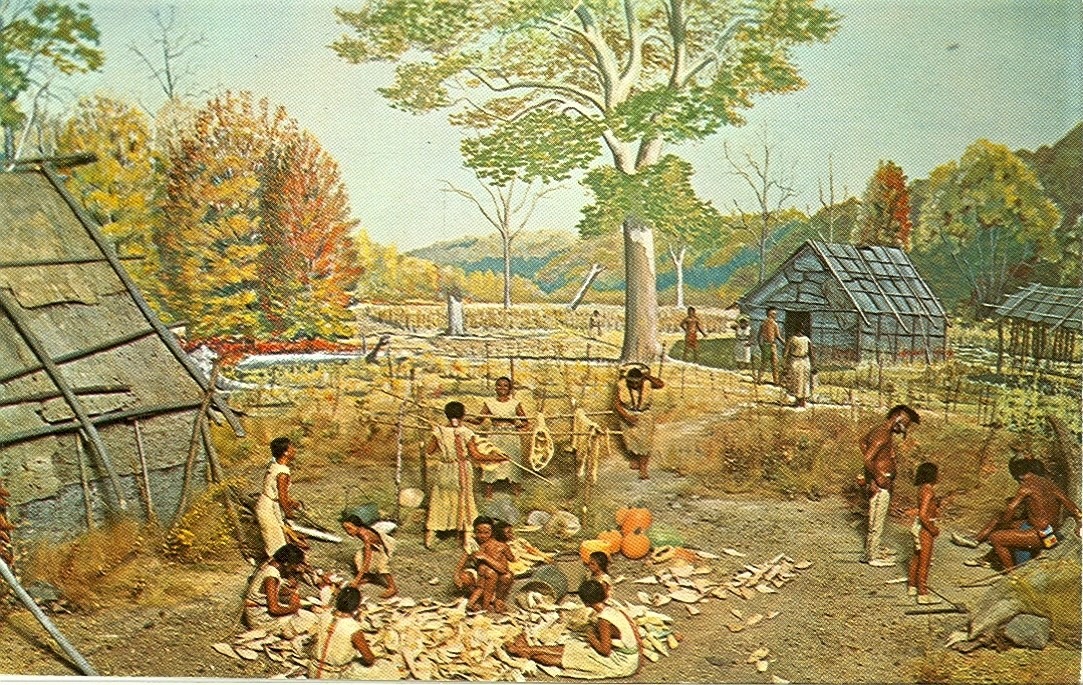
Although their efforts were not perfect, the lifestyles of most Native American tribes were excellent examples of sustainability. Some tribes, like the Iroquois, were fierce hunters, but they respected their prey, such as deer and bison, and took care not to overhunt. Other tribes who relied on crops developed elaborate irrigation systems and other practices to keep the land fertile. They cut down trees sparingly.
There is a misperception that Native Americans did not understand the concept of land ownership or personal possessions. This is not true. Different tribes practiced different customs and some had very complex systems and rules concerning possessions.
They certainly established boundaries of tribal lands for hunting, fishing, and growing crops. Within tribes, while they considered the land to be a communal resource, they respected personal boundaries of homes and family plots and possessions. Possessions were something you could take with you – horses, clothing, food, tools, ceremonial items. You could not take the land and nature with you – therefore no one could really “own” it.
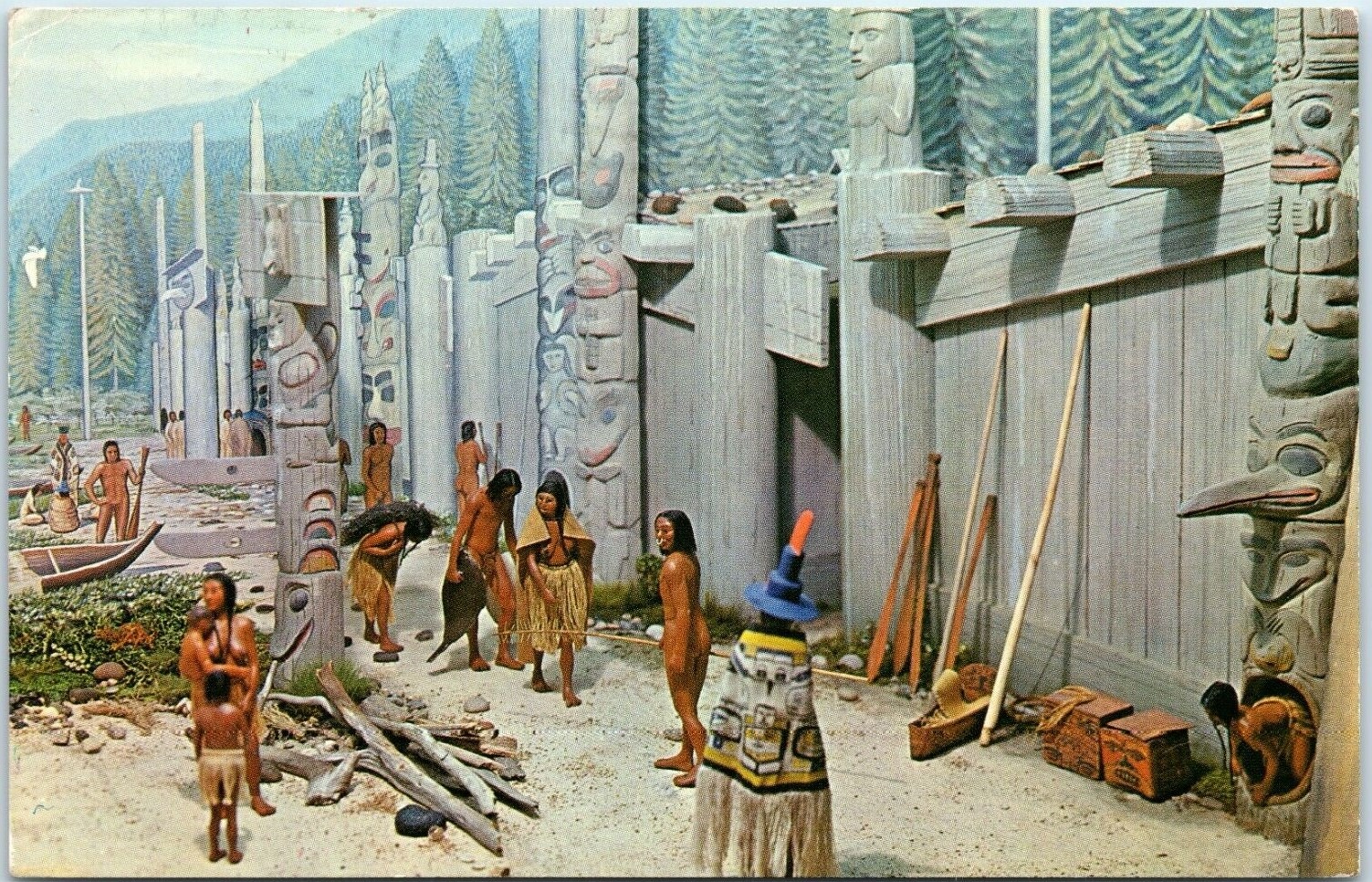
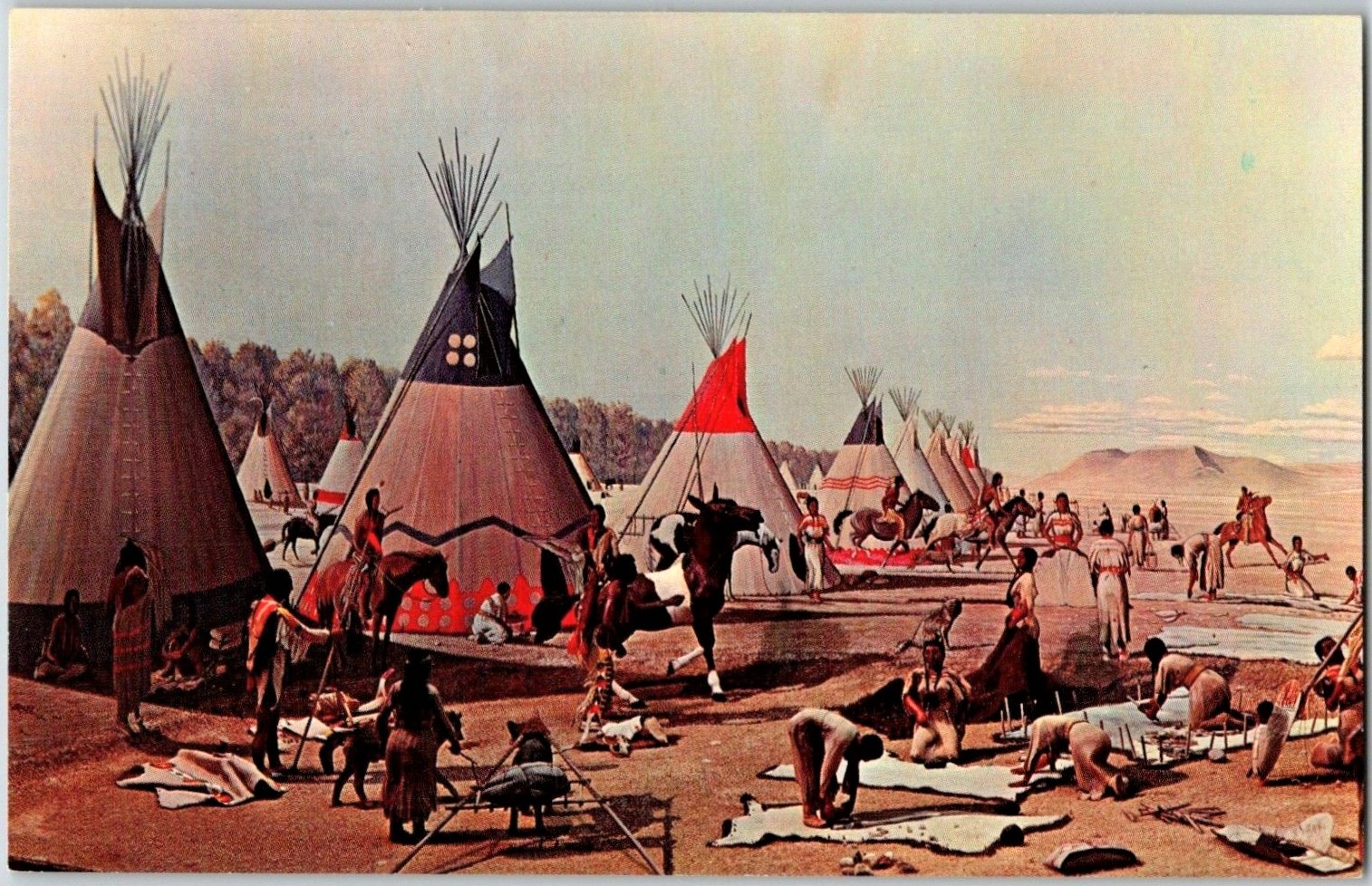
What European settlers considered an unsettled, nomadic lifestyle for some Indians was actually not aimless wandering at all. The Indians rotated their living arrangements among several preferred locations to take advantage of seasonal bounties for hunting and harvesting food plants. It was an environmentally efficient way to live. Rather than building permanent structures and fences, and trying to force the environment and land to conform to their needs and wants, they followed the seasons and the plentiful resources available at different places at different times.
Next: The life of the Native Americans in the Blue Island Ridge area.