
The Ridge Historical Society
The History of Brood XIII Cicadas in the Chicago Area – Part 1
By Carol Flynn
The Blue Island Ridge is experiencing a spectacular display from Mother Nature that will go on for the next six weeks or so: the emergence of insects known as Brood XIII or the Northern Illinois Brood of periodic cicadas.
The natural world is an integral and important part of the community’s history and development, and this is an extraordinary natural history event that has occurred every 17 years for a very, very long time.
As promised to the entomophiles (insect lovers) in the community, or to those who at least have accepted Brood XIII even if with qualms, here is some research on the history of cicadas in the Chicago area, starting with some basic information on cicadas.
Today there are over 3,000 species of cicadas worldwide. They all live the major part of their lives underground as nymphs, or juveniles, feeding off the sap of the root systems of deciduous trees, those trees that shed their leaves annually. Cicadas are important parts of eco-systems, aerating and enriching the soil, allowing the trees to grow and flourish.
At the end of their life span, cicadas emerge from the soil, molt into an adult form, mate, and die. The eggs laid by the females hatch and the nymphs burrow into the soil and begin a new lifecycle. While breeding, the males are known for their very loud “song.”
The earliest cicada fossils that have been identified date to the last period of the Paleozoic Era, some 260 million years ago, predating the dinosaurs. Modern cicadas have been around for 40 million years.
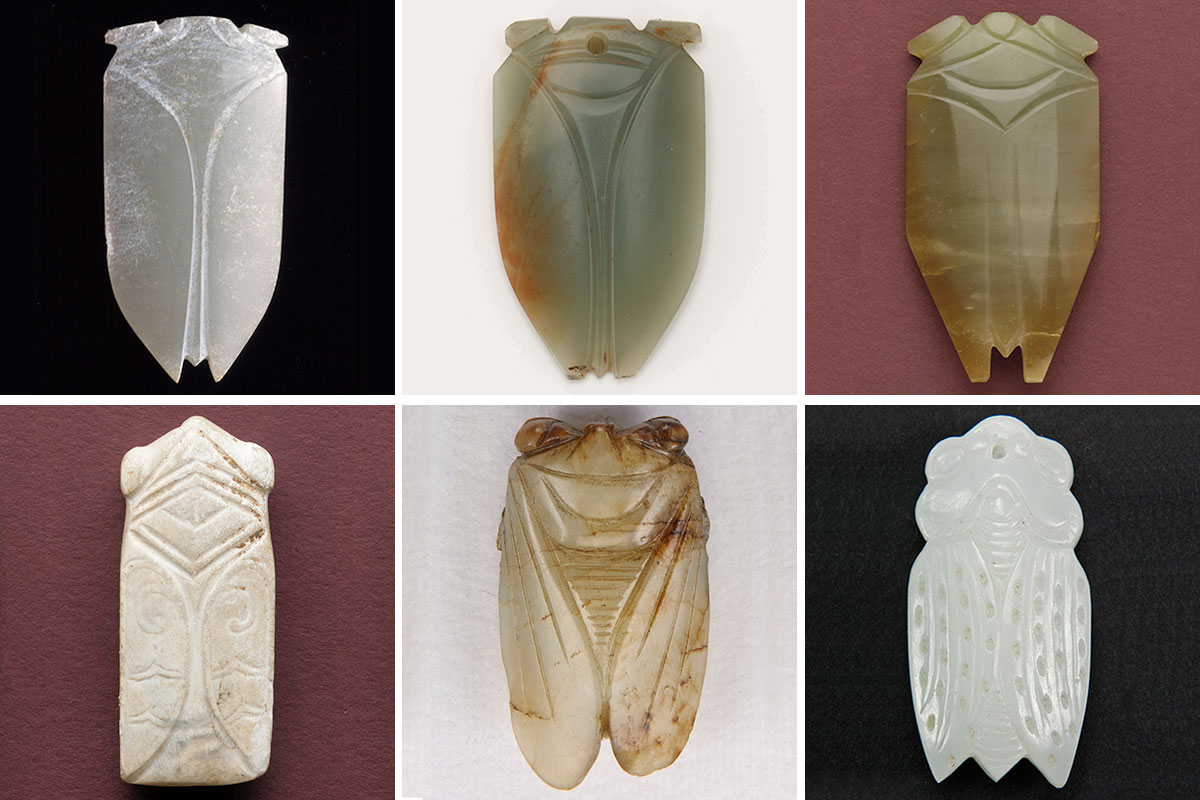
The earliest documentation of human use of cicadas dates to the Chinese about 3,500 years ago. Cicadas were considered a sign of rebirth and images of them were carved out of jade.
Cicadas were mentioned in Homer's “Iliad,” and were described by Aristotle in his “History of Animals.” They were eaten in Ancient Greece, and the shells were used in traditional Chinese medicines. They have been used for money and to forecast the weather.
In Ancient Greek mythology, the goddess of the dawn, Eos, asked Zeus to let her lover Tithonus live forever as an immortal, but she neglected to ask Zeus to make Tithonus ageless. As a result, her lover grew old but never died. He became so tiny and shriveled that he turned into the first cicada, and he became the emblem for music.
A genus of cicadas called the Magicicada exists only in North America. These are known as the “periodic cicadas,” and the species within this genus have some unique features that set them apart from other cicadas.
All species of cicadas live underground for the major part of their lives, with lifecycles from one to nine or more years. Nearly all of the species outside of the U.S. are “annual cicadas” with some members of each species reaching maturity every year and emerging from underground.
What makes the North American “magic cicadas,” a play on the genus name, unique is two things. First, some of the species have evolved 13- or 17-year lifecycles, making them the longest living insects on the planet. Second, these species have synchronized emergence – almost all of the members of the species emerge at the same time.
Insects are part of the diets of many countries and cultures. The role of insects in the diets of the Indigenous Peoples of North America, however, is for the most part poorly documented.
One paper published in 1910 in the Journal of the New York Entomological Society, “The Use of Insects and Other Invertebrates as Food by the North American Indians,” by Alanson Skinner, reported that insects did not form any substantial part of the diet of Native Americans east of the Mississippi River because other food sources, both plants and game, were so plentiful.
This would include the Blue Island Ridge, and surrounding territory, an area known for its natural bounty such as fruit and nut trees and shrubs and edible wild plants including rice in the wetlands; game including deer, many small mammals, prairie birds, and migratory waterfowl; and abundant fish from the Calumet River and Stony Creek.
The Potawatomi, the Indigenous People who lived in the area when the European settlers came, were also cultivators of crops, growing the “three sisters,” corn, beans, and squash. Although they did not rely on insects for their main diet, what is not known is if any insect species were considered delicacies for them, as some insects are considered in other cultures. They certainly would have been familiar with the periodic cicadas, which are described as having a sweet, nut-like flavor.
It was documented that the Cherokee in North Carolina enjoyed cicadas as a treat. They dug up the nymphs and fried them in hog fat, baked them into pies, and salted and pickled them to save for later.
The Onondaga Nation of the Iroquois Confederacy in New York calls cicadas Ogweñ•yó’da’ and considers them a great snack. When their crops, orchards, food supplies, and homes were burned and many of their people killed by the Continental Army during the American Revolution in retaliation for some of the Native American tribes siding with the British, they were faced with starvation as they tried to rebuild. Then thousands of cicadas emerged from the ground, providing a much-needed food source. They consider cicadas a gift from the Creator.
American Indians in the western and southern sections of North America, with more sparse resources, did include many different insects in their diets.
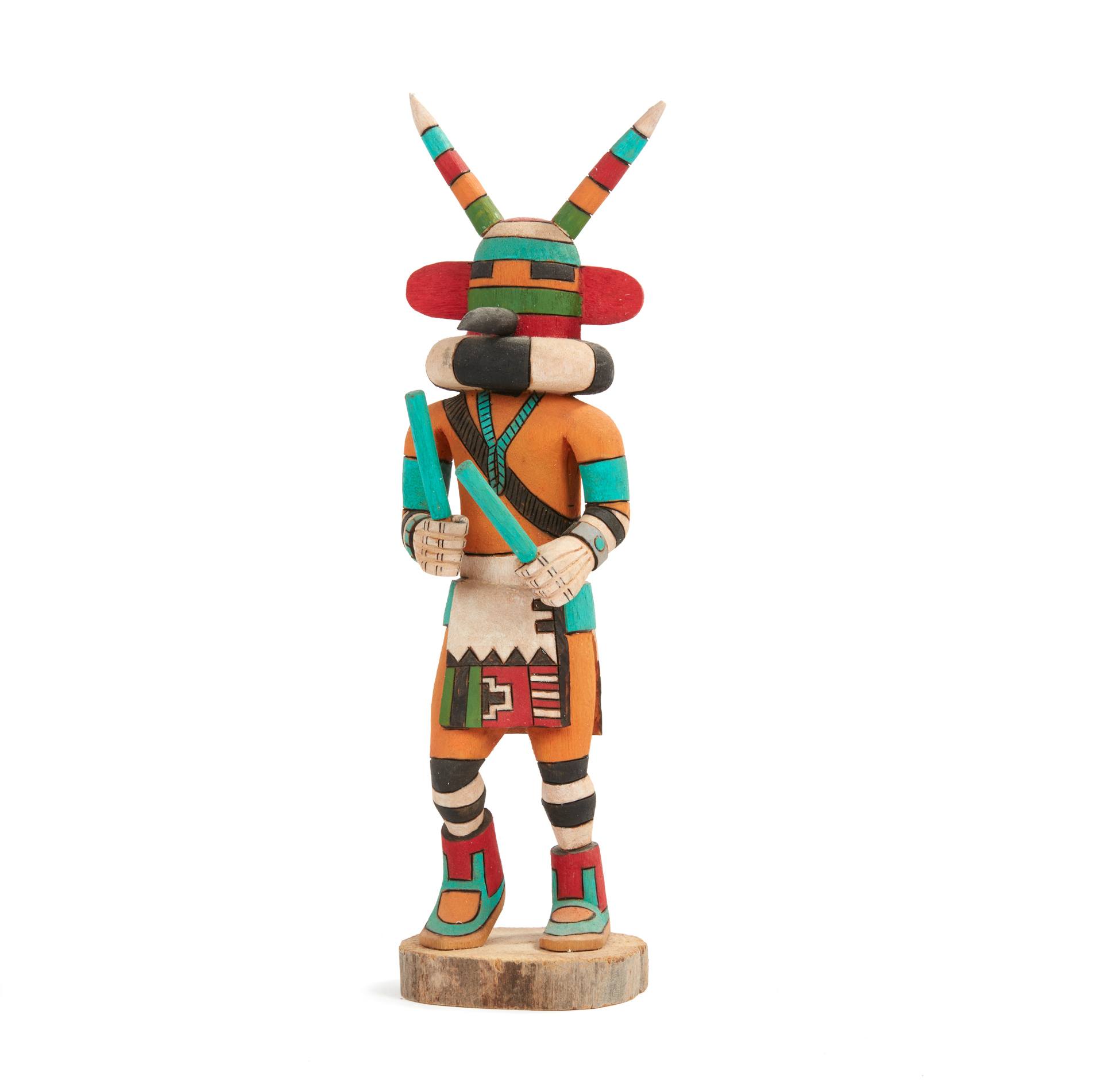
Cicadas do have a place in some Native American folklore. The mythology of the Hopi people of northern Arizona believes that two cicadas, known as maahu in the Hopi language, led the Hopi people into the fourth world. The fourth world is the world they live in now, believed to follow previous worlds that were underground. The maahu played flutes, creating the buzzing of the cicadas, which healed the humans when shot with arrows from the eagles that guarded the fourth world. Today Hopi artists create kachinas, or spirit figures, of the maahu.
The next post of this series will look at the reactions of the European colonists who encountered the periodic cicadas when they arrived in the “New World.”