
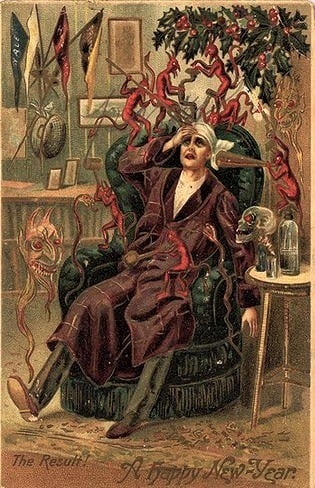
New Year 1921
By Carol Flynn
New Year’s Eve in 1920 was a momentous occasion. It was the first New Year’s Eve following the implementation of Prohibition.
The Eighteenth Amendment to the United States Constitution was ratified in January 1919 and became effective in January of 1920. It stated that “the manufacture, sale, or transportation of intoxicating liquors … is hereby prohibited.”
The Volstead Act, or National Prohibition Act, accompanied the 18th amendment and covered its implementation. It was named for Andrew Volstead, Chairman of the House Judiciary Committee.
In the federal law, consumption of alcohol and private ownership of alcohol were not banned, and the use of wine in religious ceremonies and alcohol for medicinal and research purposes was allowed. States could set their own laws, but Illinois used the federal version.
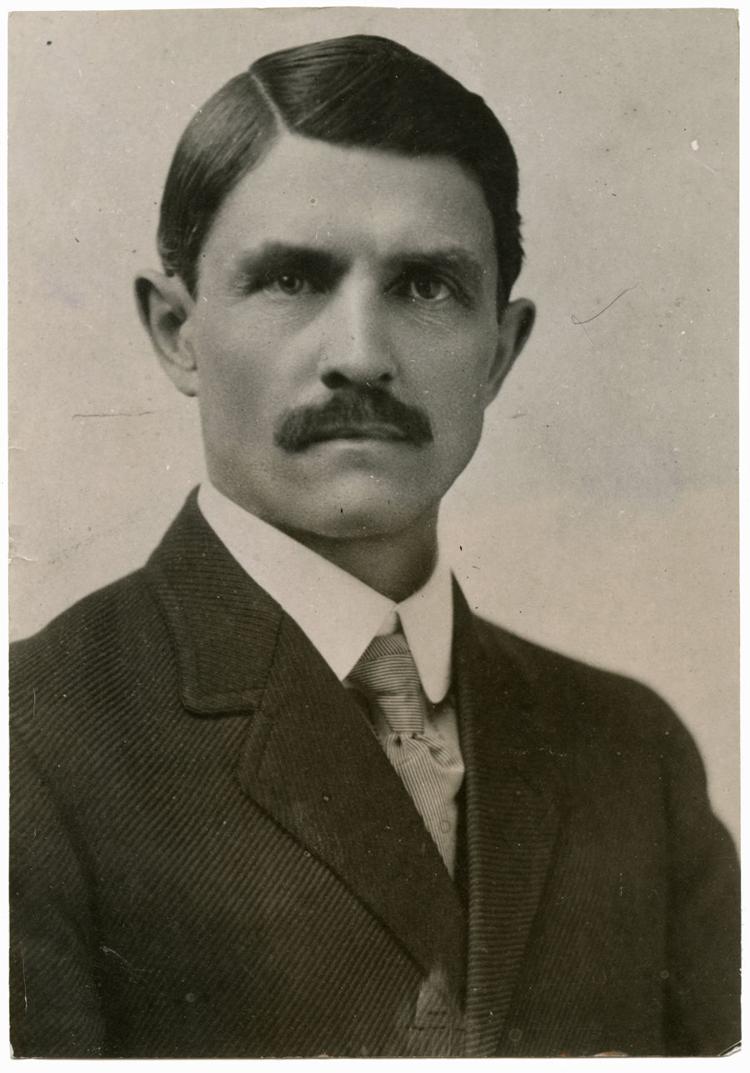
As New Year’s Eve approached, the Federal Prohibition Commissioner, John F. Kramer, stated there would be no “tilting” of the Volstead Act. He warned that federal agents throughout the country “were prepared to halt any attempt to turn the celebration of the New Year into an orgy of imbibition” like what occurred before Prohibition.
Chicago hotel, restaurant, and cabaret owners hoped that an exception would be made for that one night, that the “dry” agents would not “chaperone” their establishments. But that did not happen.
According to the Chicago Tribune in December 1920, Frank D. Richardson, Chicago’s “dry chief,” made it clear to the hotels that would host most of the parties that “Chicago hotels must obey the law.”
Richardson said, “Every hotel, from the largest to the most exclusive to the smaller family hotels will have its quota of dry agents assigned to check the
tendency toward law violation.”
As it turned out, Chicagoans for the most part behaved themselves. On January 1, 1921, the Tribune reported that the crowds in the loop were smaller that year, and although noisy, “there was an absence of the bibbling boisterousness of other days” – and little for the police to do.
Some of the restaurants and cabarets, of course, circumvented the rules. There were a few raids on places where alcohol was being sold, and arrests were made. The paper noted the evening was not entirely dry, “though more arid than any of its predecessors in memory.”
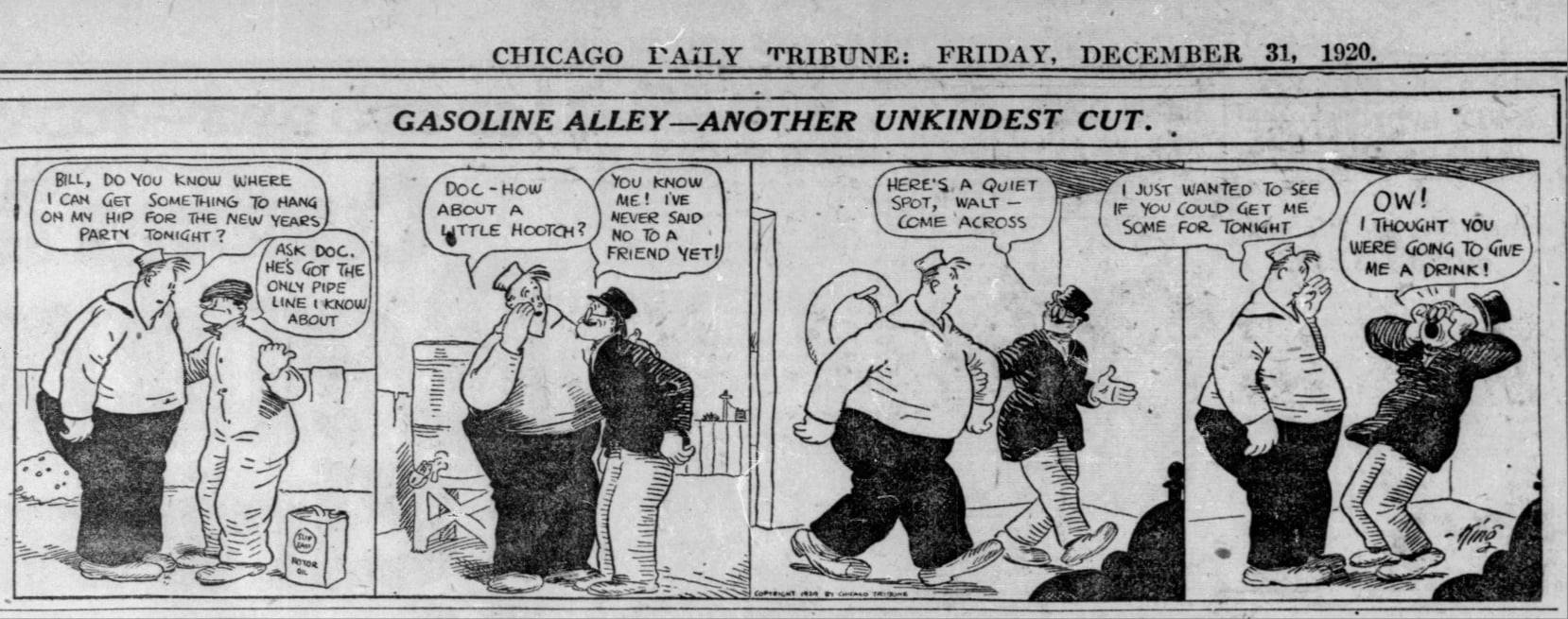
“Hip liquor,” or flasks that patrons carried secretly, were “winked at” in most of the restaurants but incidents of intoxication were infrequent. One manager noted that people were having as good a time without liquor as with it. For one thing, they spent more time on the dance floor.
But most of the party-goers made it an early night, and the crowds thinned out by 1:00 a.m.
One Tribune reporter lamented that in “restaurants where in former years the celebration found light, music, wine and hilarity only the ghosts of the former days walked, danced, and dined.”
He found it a “dreary tour” through the neighborhoods of “darkened doors of the cafes of yesteryear.” He called it the “indications of a new age.”
Prohibition was repealed in 1933. It proved to be impossible to enforce, and there were economic drawbacks mostly in the loss of tax revenue from the sale of alcohol. The health and social outcomes of Prohibition are mixed. Drinking did decrease and some medical conditions like liver cirrhosis declined. However, crime and violence due to illegal operations increased.
When Prohibition was repealed at the federal level, it was left up to states and local governments to restrict or ban alcohol. One of Chicago’s best examples of a “dry” community that chose to stay that way is our own Beverly/Morgan Park area. Morgan Park was founded as a temperance community. Efforts have been made through the years to reverse this “dryness” but to date, the residents have voted to ban the sale of alcohol east of Western Avenue. There are a few exceptions where addresses hold a liquor license.