Right now the South Side Irish Parade would ordinarily be marching along Western Avenue, but this year it was cancelled as we all work together to contain the coronavirus. Just wait until next year.
One last article in the Beverly Review special section is on the early history of St. Patrick's Day celebrations in Chicago.
The first recorded St. Patrick’s Day parade in Chicago took place on Friday, March 17, 1843. The Chicago [Brass] Band and the Montgomery Guards turned out in full uniform for the procession and there was a Mass at the Catholic church [St. Mary’s].
The Montgomery Guards was a volunteer militia group named for Irish-born American Revolutionary War General Richard Montgomery. There were numerous voluntary militia groups in the country, formed by local citizens to fill the gap left by a small U. S. Army. These units were the forerunners of the United States National Guard.
By 1843, the population of Chicago had grown to 7,580 residents. Of these, almost 800 were Irish, mostly Catholics. Many of these were laborers who came to work on the Illinois-Michigan Canal. The mid to late 1840s saw hundreds of thousands of Irish Catholic immigrants come to the U.S., and thousands made their way to Chicago.
St. Patrick’s Day celebrations became a regular occurrence. The militia groups were joined by the charitable organizations that were founded to help the destitute Irish both in their native country and in their adopted United States.
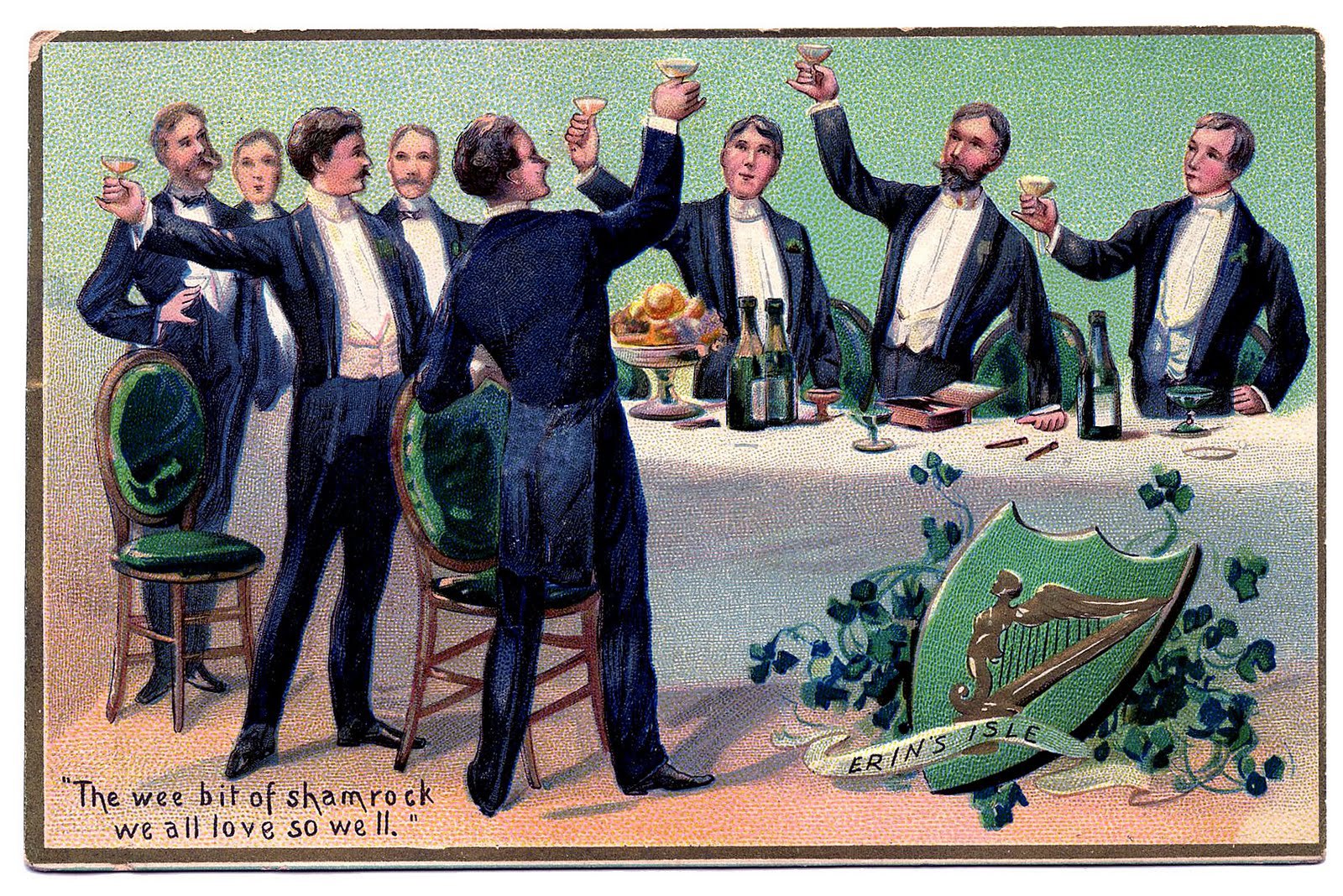
In 1854, the Chicago Tribune reported on the “sumptuous dinner” at the Tremont House put on by the Chicago Hibernian Benevolent Emigrant Society to celebrate St. Patrick’s Day and raise money. After dinner, there were a series of toasts, or speeches, accompanied by musical airs performed by the Chicago Brass Band.
The toasts covered everything from St. Patrick to the U. S. President, and patriotic U.S. tunes like the “Star Spangled Banner” alternated with Irish ballads like “St. Patrick’s Day in the Morning.”
By the 1860s, the Chicago Irish were forming religious, fraternal and political organizations, and with the start of the U. S. Civil War, new volunteer militias were formed.
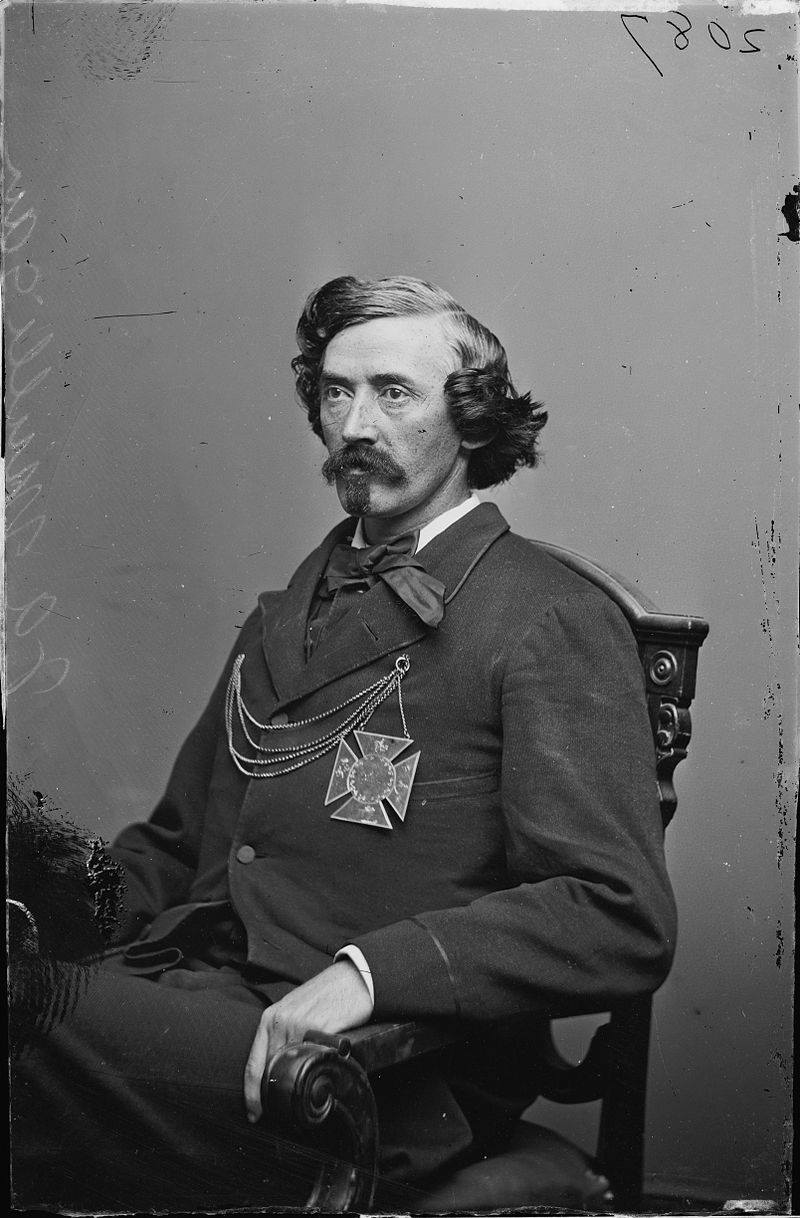
In Chicago, the 23rd Illinois Volunteer Infantry Regiment of the Union Army, referred to as the Irish Brigade, was mustered into federal service in June of 1861, commanded by Col. James A. Mulligan, a popular lawyer and politician known for his gallantry.
From February to June 1862, Col. Mulligan and the Irish Brigade staffed Camp Douglas in Chicago. The camp had started as a training camp for Union soldiers, but that month had been converted to a prisoner of war camp for captured Confederate soldiers.
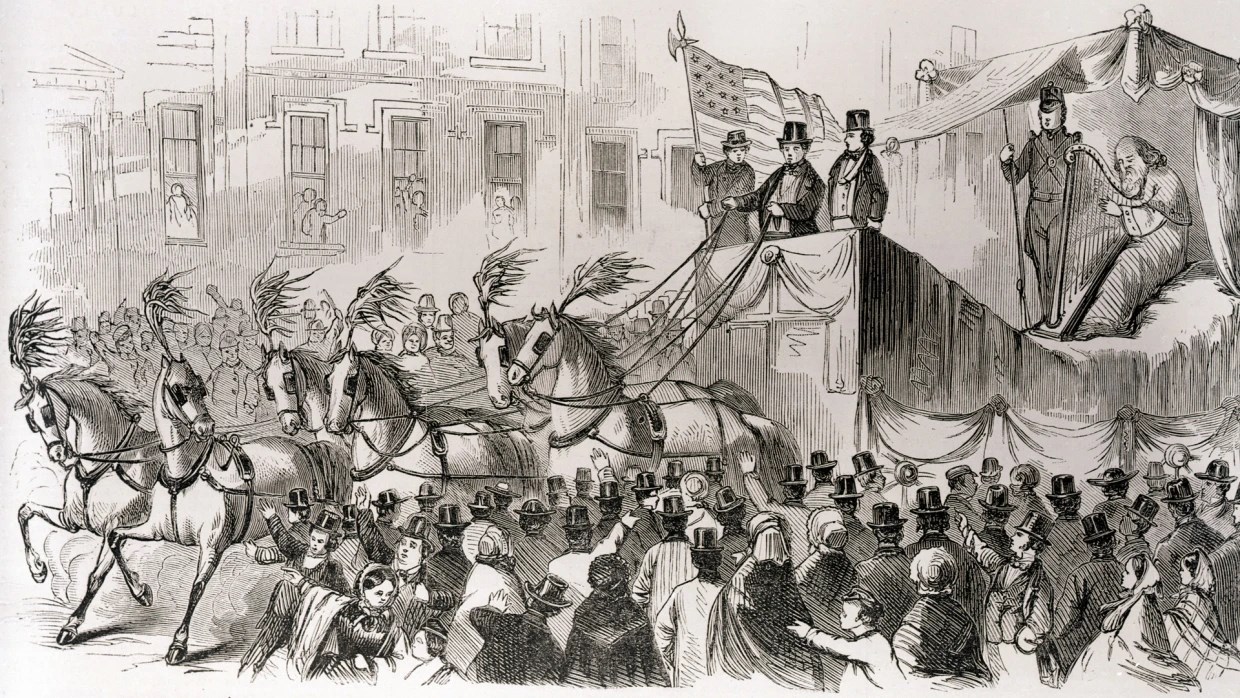
The Irish Brigade led the St. Patrick’s Day parade on March 17, 1862, and what a parade that was. There were aldermen, civic leaders and military officers; four brass bands; and at least ten organizations joining in. Thousands marched and many thousands more lined the streets to cheer.
That evening, the Benevolent Society held its now-annual banquet at the Tremont House, followed by toasts and dancing.
During the years, the parades have waxed and waned. The South Side Irish started a neighborhood parade along 79th Street that Mayor Richard J. Daley moved downtown in 1960. Residents of Morgan Park started what today is the very successful South Side Irish Parade in 1979.
These parades have kept alive the tradition that dates to Chicago’s earliest days.
See page 04B at:
http://www.beverlyreview.net/special/page_456a7e38-9cc6-5709-a99e-e915e18e71f9.html