Ridge Historical Society
Irish-American Heritage Month: The Ellerslie Cross Country Club
By Carol Flynn
March is Irish-American Heritage Month, and a new research project has revealed another connection that the Irish had to the Blue Island Ridge in the early days.
The Irish were an important presence in Beverly decades before they started building their homes and churches here in appreciable numbers in the 1920s. They first came here for sports and socializing.
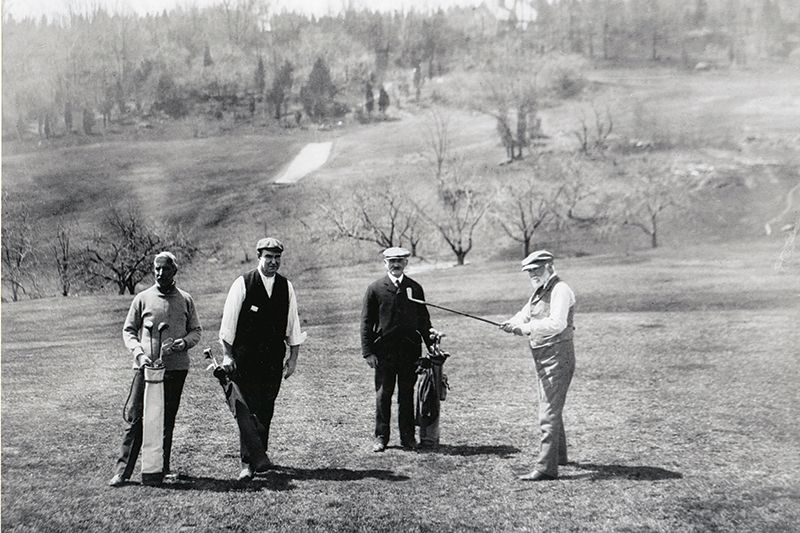
It was a group of wealthy Irish American Catholic businessmen who introduced golf to the Blue Island Ridge by starting the first “country club” here, the Ellerslie Cross Country Club, in 1899.
The club was located at the southwest corner of 91st Street and Western Avenue, where today a strip mall stands. The land is part of Evergreen Park, but back then, it was often referred to as Beverly. The club itself identified its location as “between Beverly Hills and Evergreen Park, Chicago.”
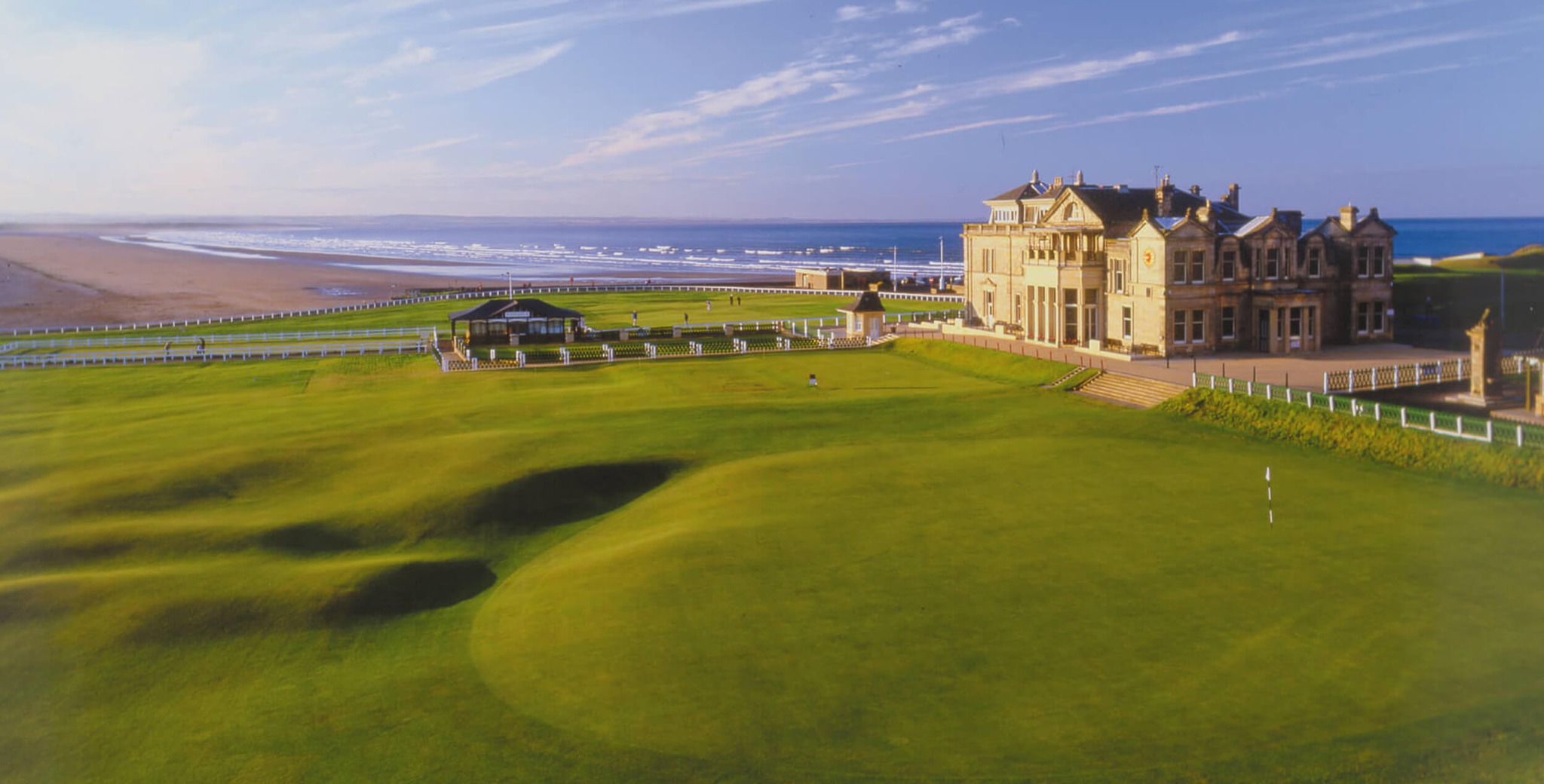
Country clubs started being established in the U.S. in the 1880s due to the newfound interest in the sport of golf. Clubs in the U.S. followed golf clubs started in Great Britain.
Stick and ball games had been around for centuries when “modern” 18-hole golf evolved in Scotland in the mid-1400s. The word “golf” is a Scottish derivation of the Dutch word “colf” meaning stick, bat, or club.
Scottish royalty, including Mary Queen of Scots, enjoyed the game, and brought it to London, but it didn’t become popular there until the late 1800s. By 1887, England had 50 golf courses and in 1890 held the first Open Championship.
Golf came to America with the English colonists, but again, did not become really popular until the 1880s.
By this time, the basic philosophy concerning exercise was changing. Sports were considered a distraction from more important activities, but as lifestyles switched from rural to city, that is from farming to industrial, the need for exercise started to become apparent. Not only was this for physical health, but it was believed that regular exercise would improve people’s “civic morality” and make them better “American citizens.”
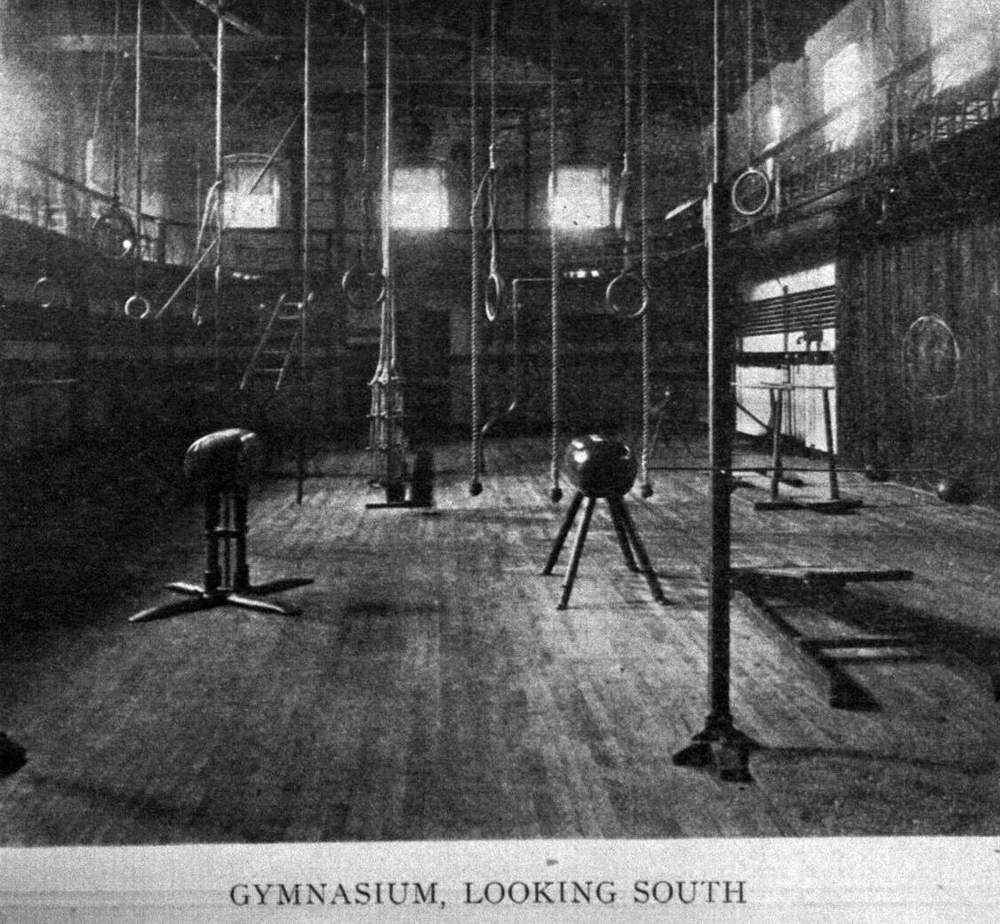
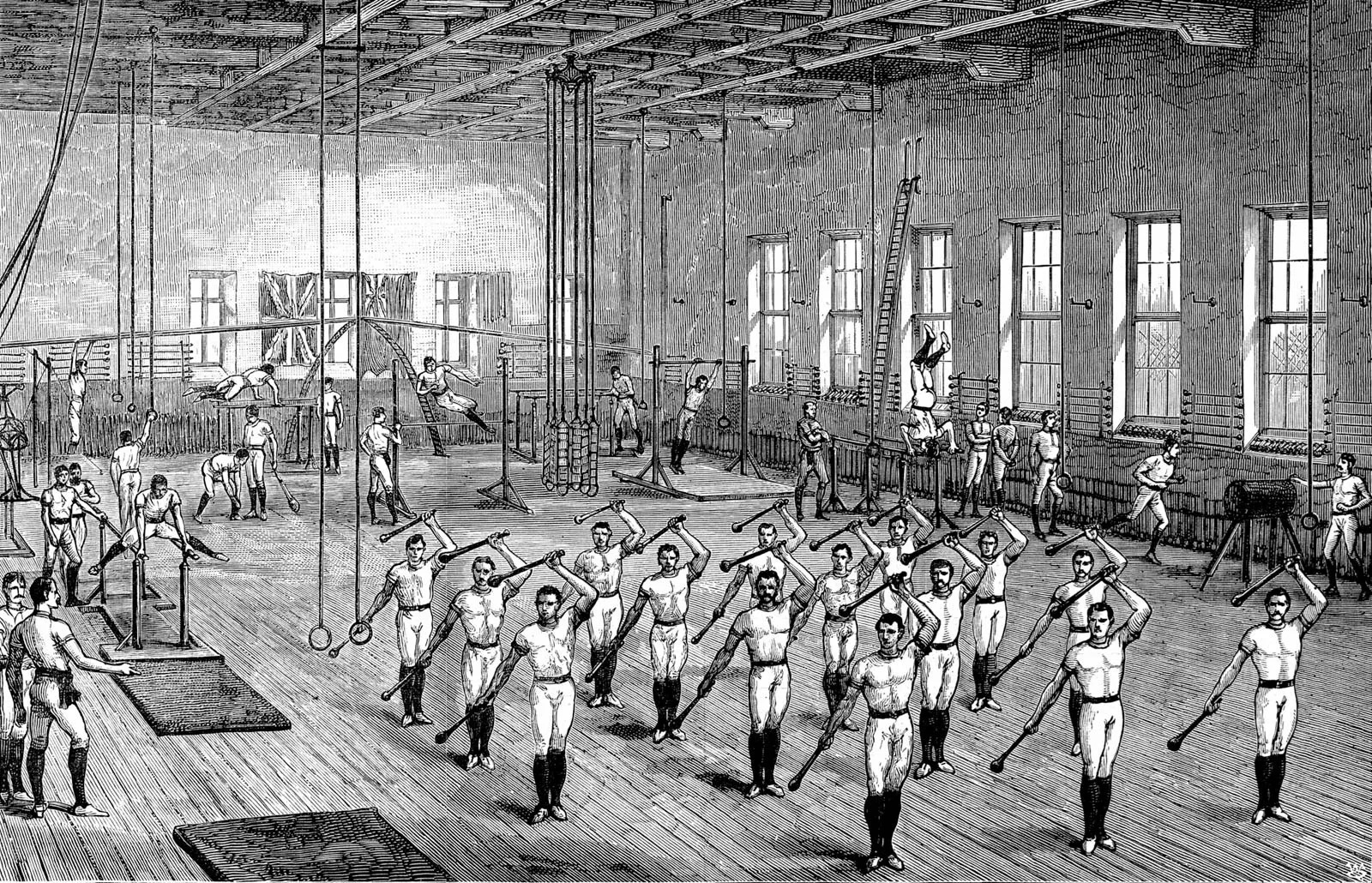
Athletic clubs existed in the cities as men-only indoor gymnasiums that offered gymnastic exercises and weightlifting equipment, and some had boxing rings. At this same time, rowing, swimming, track and field, football, and baseball were becoming college sports.
Tennis, also imported from Great Britain [note: Mary Queen of Scots enjoyed tennis as well as golf], was catching on in the U.S. at the same time as golf, and tennis courts were popping up on estates and other locations.
However, golf necessitated large outdoor spaces, leading to private golf clubs established on the outskirts of cities, in the “country,” giving rise to "country clubs."
The term “country clubs” had been used informally to refer to rural baseball teams, and a group of writers had started an organization they called "The Country Club,” but the term primarily became associated with “golf clubs.”
The first such club established in Chicago was the Chicago Golf Club founded in 1893 in Belmont (Downers Grove) and later relocated to Wheaton.
Country clubs established elite subcommunities and are considered the forerunners of gated communities. They almost always had a limited, exclusive membership, and high membership fees.
Membership in the majority of clubs formed by those of the Anglo Protestant establishment was open only to fellow Anglo Protestants and excluded Catholics, Jews, African-Americans, Native Americans, and other groups.
The names associated with the Chicago Golf Club were from Chicago’s highest social echelons, including Marshall Field, Potter Palmer, and Eugene S. Pike.
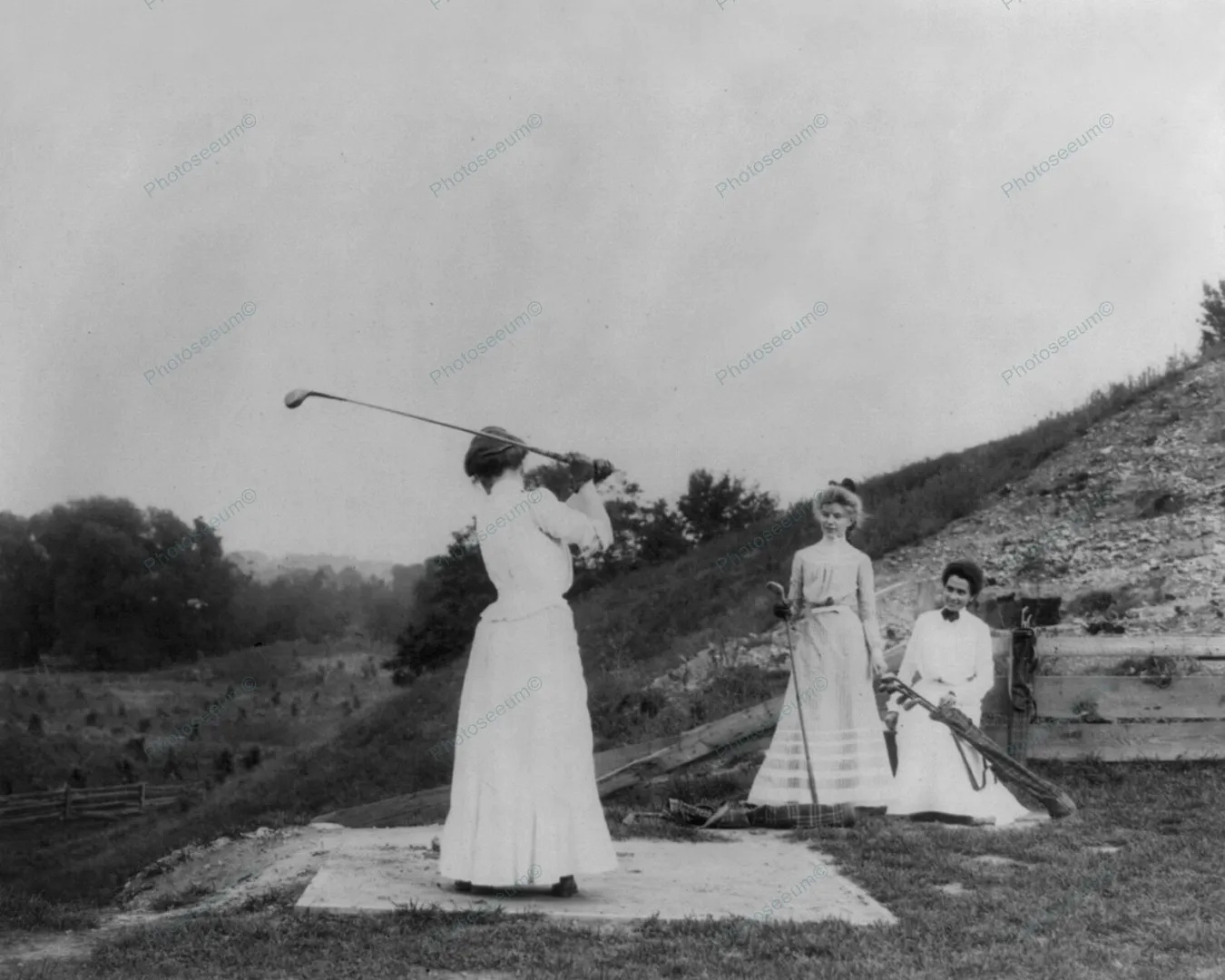
Country clubs looked and worked differently than traditional clubs. They were more family oriented. Women were allowed to participate in golf and some clubs even allowed women to subscribe on their own without going through a male family member.
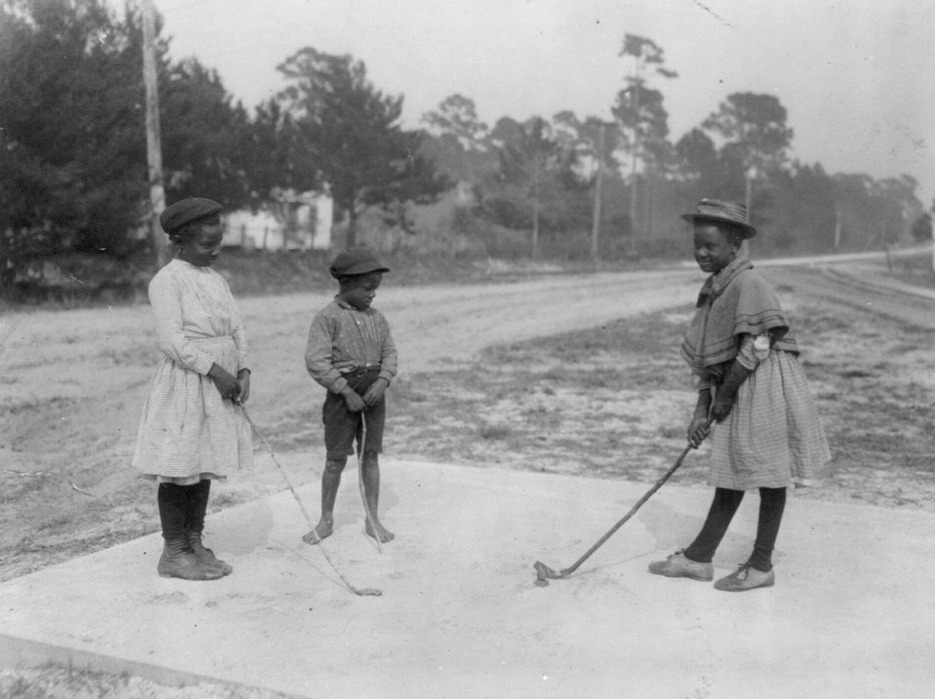
There were also activities for children, including play areas. Family picnics were typical social events at country clubs.
By this time in Chicago, the Irish had advanced in education, business, and politics, creating a growing subcommunity of wealthy Irish Catholics. They formed their own clubs, such as the Sheridan Club in 1888.
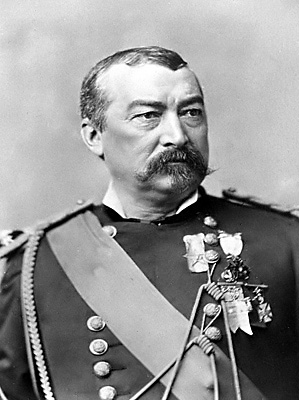
The Sheridan Club was founded in honor of General Phillip Henry Sheridan, the son of Irish Catholic immigrants, who had an outstanding career as a U.S. Army officer. He was a Union Army general during the Civil War; commanded the Illinois troops when martial law was declared in Chicago following the Great Chicago Fire in 1871; was named Commanding General of the U.S. Army in 1883; and was promoted to the equivalent of today’s five-star general in 1888, the year he died.
The “leading spirit” of the Sheridan Club, as he was referred to in the Chicago papers, was Michael Cudahy who had emigrated from County Kilkenny, Ireland, as a child.
Starting employment at the age of 14, Cudahy worked his way up to meat inspector, then into a partnership in the Armour and Co. meat-packing business, before starting his own meat-packing house. He developed oil fields in Oklahoma, and real estate in Mackinac Island, Michigan, and Los Angeles, California.
Sheridan’s and Cudahy’s careers were examples of how the Irish were advancing in the U.S.
Other members of the Sheridan Club, friends and fans of Sheridan and Cudahy, all successful Irish Catholic businessmen, started the Ellerslie Cross Country Club. They did not live in Beverly, but they were making their homes on the south side of Chicago.
In the next post, we’ll look at some of the people involved in the Ellerslie Cross Country Club and the events held by the Club.