
The Ridge and the holidays, part I: The historical connection to the Jewish community
Today, December 21, is the Winter Solstice, the shortest day of the year. Since prehistory, the day has been important in many cultures, observed with festivals and rituals. The day marks the symbolic death and rebirth of the sun.
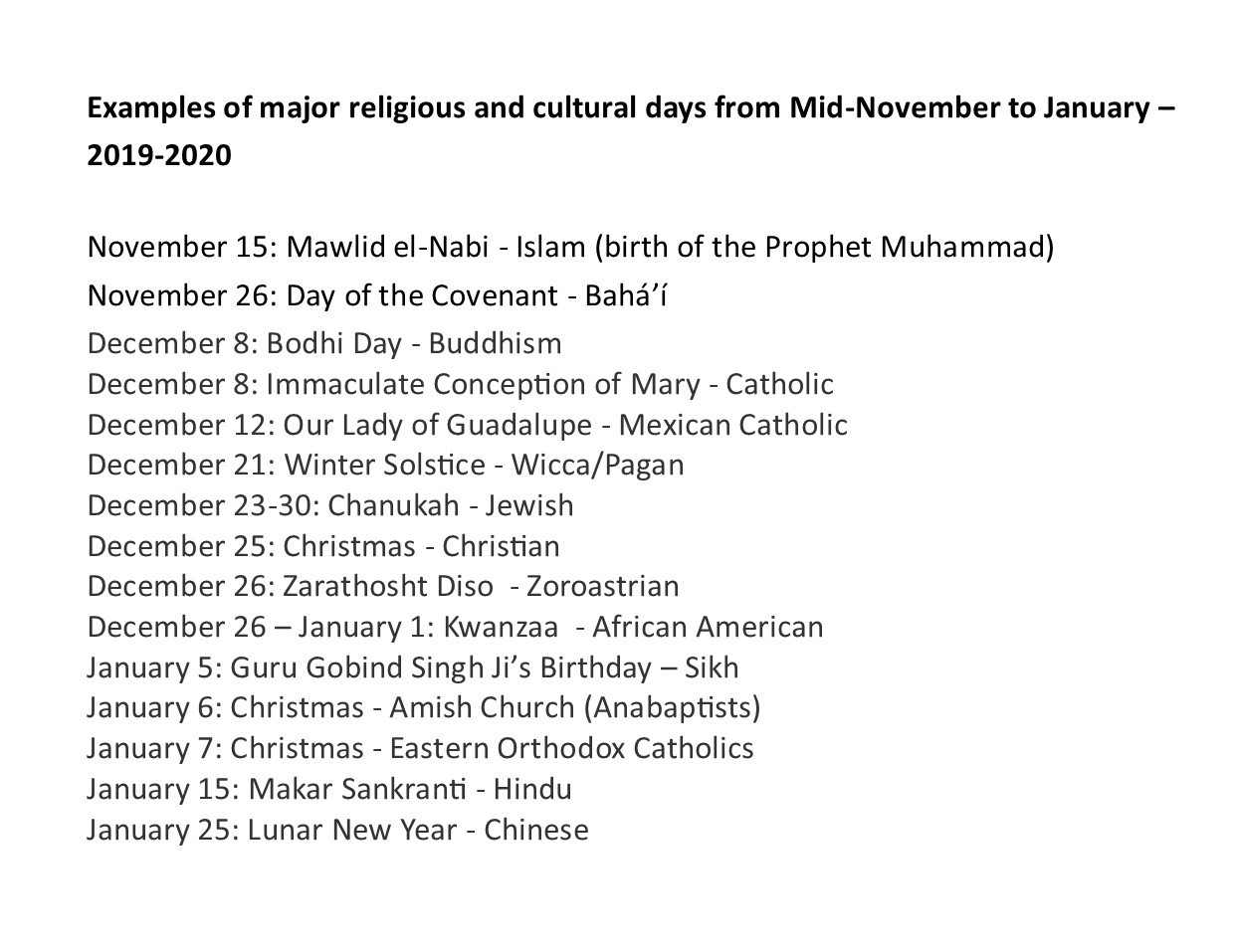
As we celebrate this holiday season, we recognize that many religious and cultural groups, from Buddhists to pagans, have events between November and January.
Attached is a brief list of some of the observances that go on during these months.
Although since settlement and development started in the 1800s, the Ridge has always been predominantly Christian in population, marked today by many Protestant and Catholic churches, Beverly was also the home of Beth Torah congregation and synagogue.
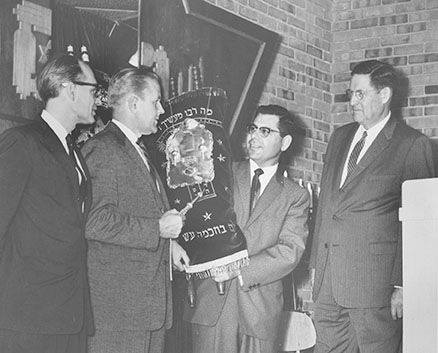
In 1953, Jews living on the Southwest side of Chicago and suburbs established a Reform congregation they named Beth Torah, or Temple of Instruction. All but one of the officers lived in Beverly/Morgan Park. Although a small group, they were active with classes, a youth group and social events.
In the early years, they held Friday night services in the Beverly Unitarian Church in the Givins Castle, and special events at Trinity United Methodist Church and Bethany Union Church. Beth Torah Sunday School took place at first at 10546 S. Western Ave. (current office of the Beverly Review) and later at Sutherland School. Hebrew classes were held at Bethany Union. In the summers, they held programs in members’ homes
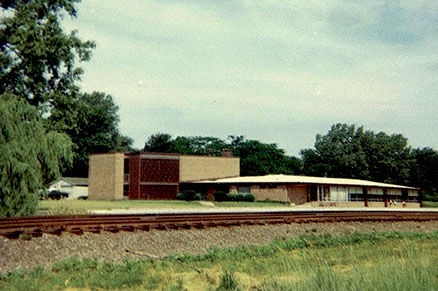
Their goal was to have their own synagogue. Funds were raised, they purchased land at 9200 S. Vanderpoel Ave., and constructed a building. Beth Torah Synagogue opened in October of 1961.
Beth Torah congregation was active in interfaith groups and supported civic organizations like the Beverly Area Planning Association.
By 1974, the congregation was declining and those remaining opted to combine with another group in Olympia Fields. The building at 9200 S. Vanderpoel Ave. was purchased by the Chicago Board of Education and used for classrooms for a few years. Eventually, after years of being vacant, the building was demolished in 1999, but the foundation still remains.
The Jewish festival of Hanukkah begins at sundown on Sunday, December 22, and is observed for eight days and nights. Also known as the Festival of Lights, the event commemorates the Jews reclaiming Jerusalem and rededicating the Temple in 160 B.C. The lighting of the menorah, the lamp stand that has been a symbol of Judaism since ancient times, commemorates the miracle of the oil. Only enough pure oil was found at the Temple to burn for one day, yet the oil burned for eight days until a fresh supply could be prepared.
Happy Hanukkah!
Reference: “Beth Torah: The Congregation That Held Services in a Castle,” by Errol Magidson, published in Chicago Jewish History, Vol. 38, No. 4, Fall 2014, a publication of the Chicago Jewish Historical Society.