
The Ridge Historical Society
Happy Valentine’s Day – 100 Years Ago
By Carol Flynn
One hundred years ago, Valentine’s Day was emerging as the big holiday it would become during the following century.
The day had its origins as a religious feast day honoring any one of several Christian martyrs named Valentine in early Rome. The Catholic Church “demoted” the day in 1969, basically for not being specific on who exactly was being honored and if there really was a “Saint” Valentine at all. But traditional Catholics and Christians the world over still revere the day.
The day also became a symbol of the coming of spring. The St. Valentine from Slovenia is considered the patron saint of beekeepers.
There are many folk legends connected to Valentine’s Day.
One is that it is the day that birds propose to or marry each other. Another is that St. Valentine brings the keys to roots, and plants and flowers begin growing that day.
Sometime in the Middle Ages, the day started to be associated with romantic love and permanently affixed to the date of February 14. An earlier legend had Valentine cutting hearts from parchment to give to people to symbolize God’s love, and this is considered the possible origin of giving hearts on the day.
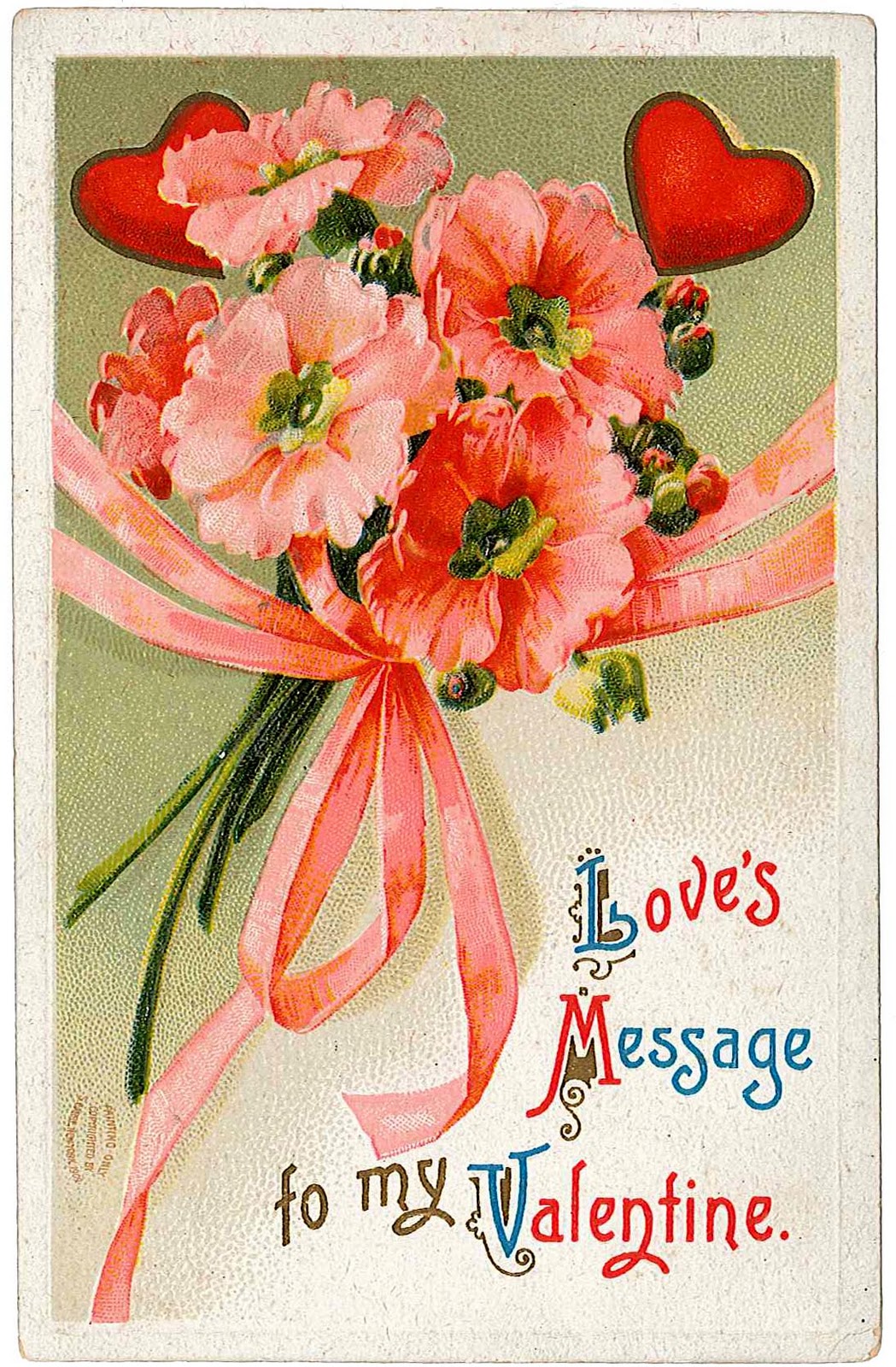
Valentine-themed poetry started being written in the Middle Ages. By the 1800s in England, sending verses of poetry and Valentines made of paper with real lace and ribbons was very popular. In 1868, the British company Cadbury created heart-shaped boxes of chocolates.
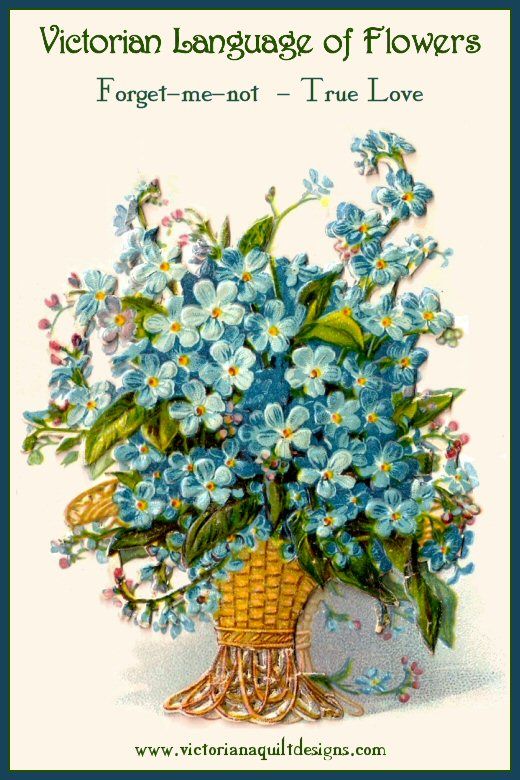
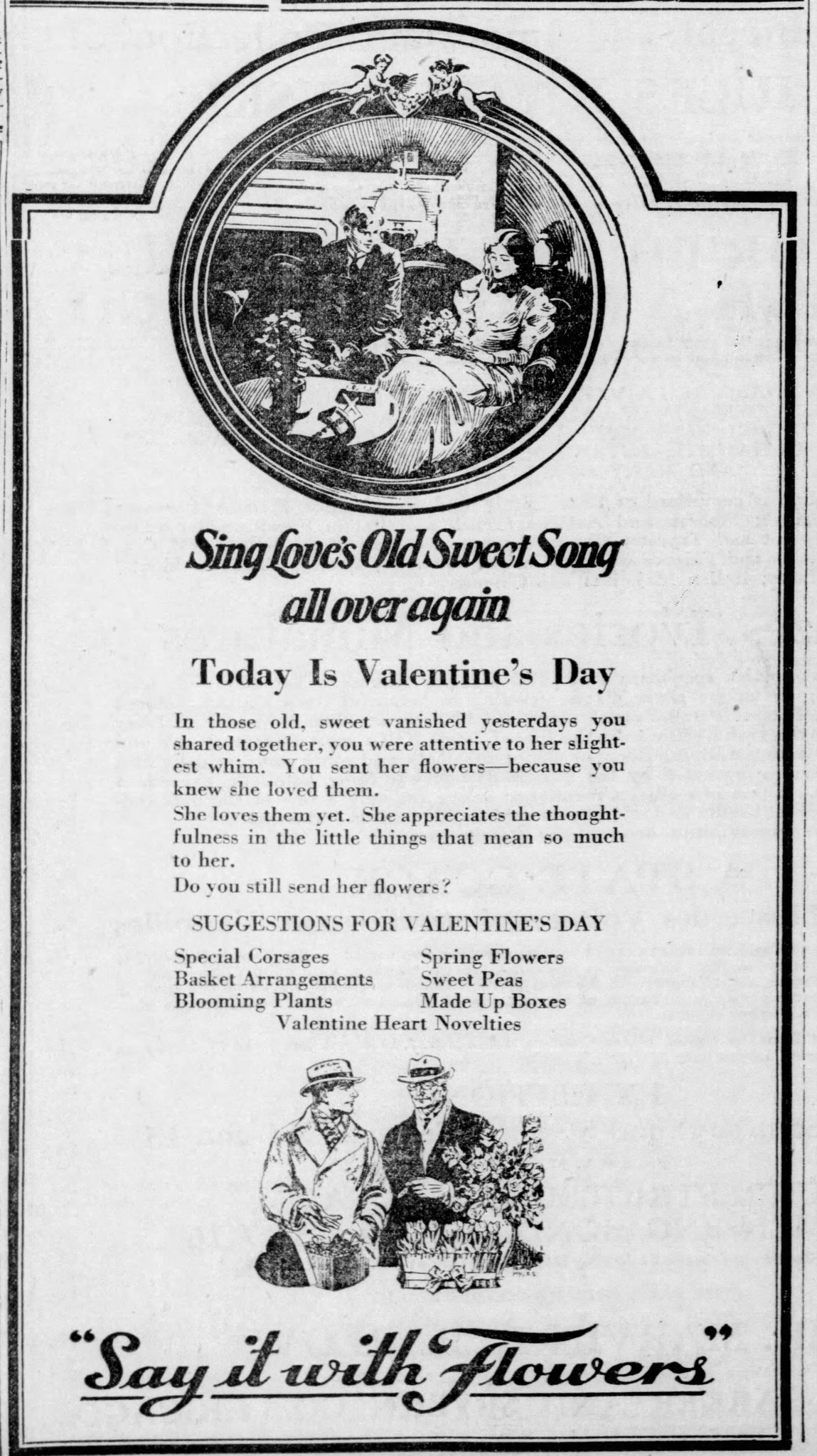
And then there were flowers. The red rose was long associated with Valentine and became associated with romantic love. But that was not the only flower considered appropriate to send that day.
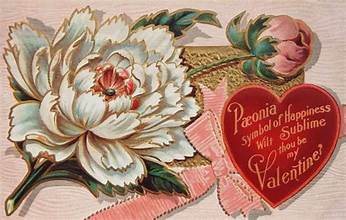
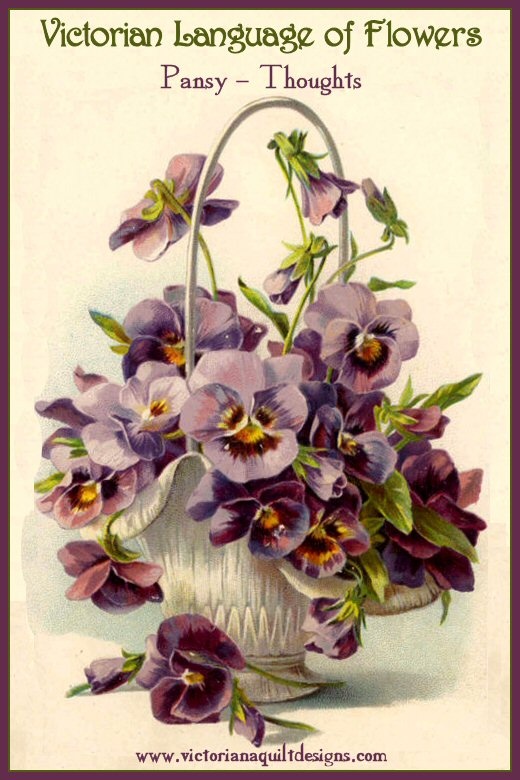
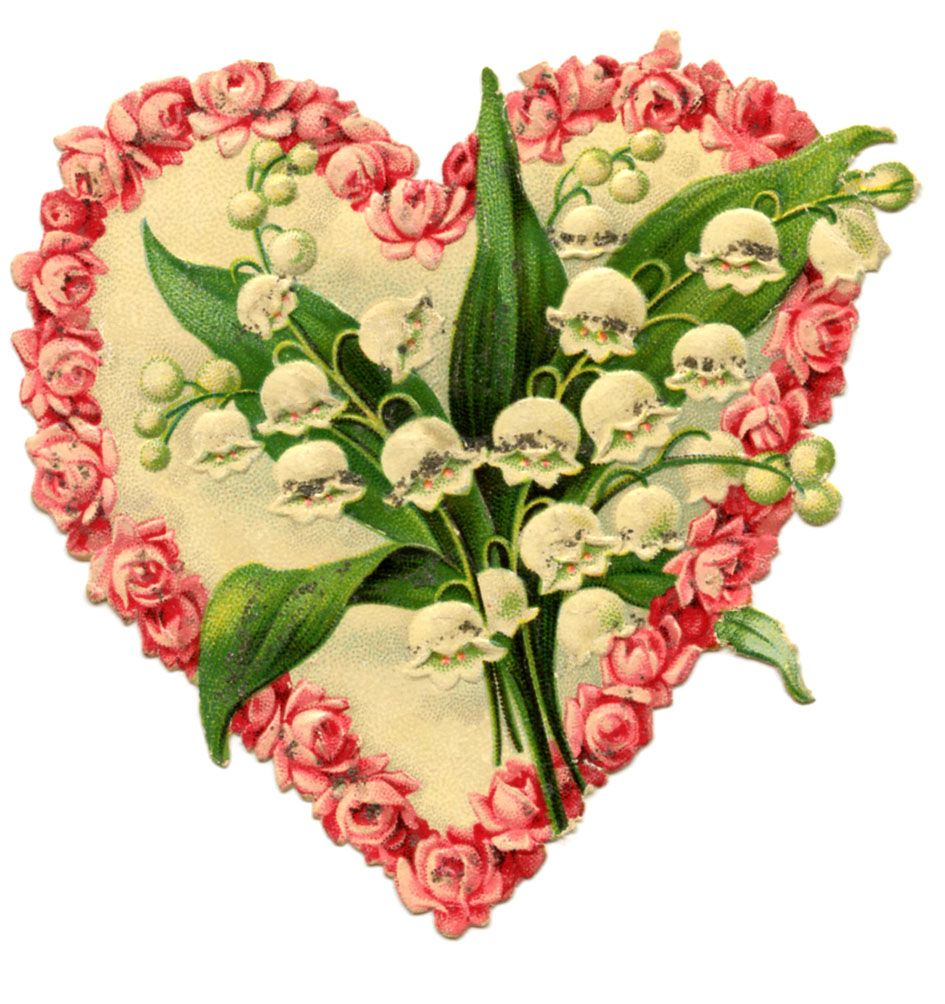
During Victorian times, the “language” of flowers, or floriography, was considered important – different flowers, blooms, and colors had different symbolic meanings. Some examples of other flowers presented on Valentine’s Day included the forget-me-not, with obvious meaning; peonies symbolizing happy marriages; carnations expressing gratitude: pansies representing loving thoughts; and lily of the valley indicating purity of heart.
These customs came to the United States in the 1800s with the English immigrants and eventually spread to the other immigrant groups.
Valentine’s Day in Chicago on February 14, 1925, fell on a Saturday (noted by some as following Friday the 13th). The temperature was in the low 30’s, it was partly cloudy, not too windy, and there was no snow.
The celebrations were private events. Some of the women’s clubs held parties, one with a Valentine and Colonial costume theme. Individuals and couples hosted parties for their friends with games, cards, bunco, dancing, and refreshments. Several parties combined meals and bridge with a Valentine’s theme.
At one church, the Young People’s Bible class held a party. At another, the women in the English Ladies Aid held a church dinner, which was followed by a concert.
For children, the Hobby Club, a radio program they could belong to and receive a membership card, held a radio Valentine’s party, with stories and singing.
One youngster celebrated her 8th birthday with a Valentine’s Day party. A Valentine birthday surprise party was given for a woman by her sons, with dancing, games and singing; relatives came from out of town, turning the event into a family reunion.
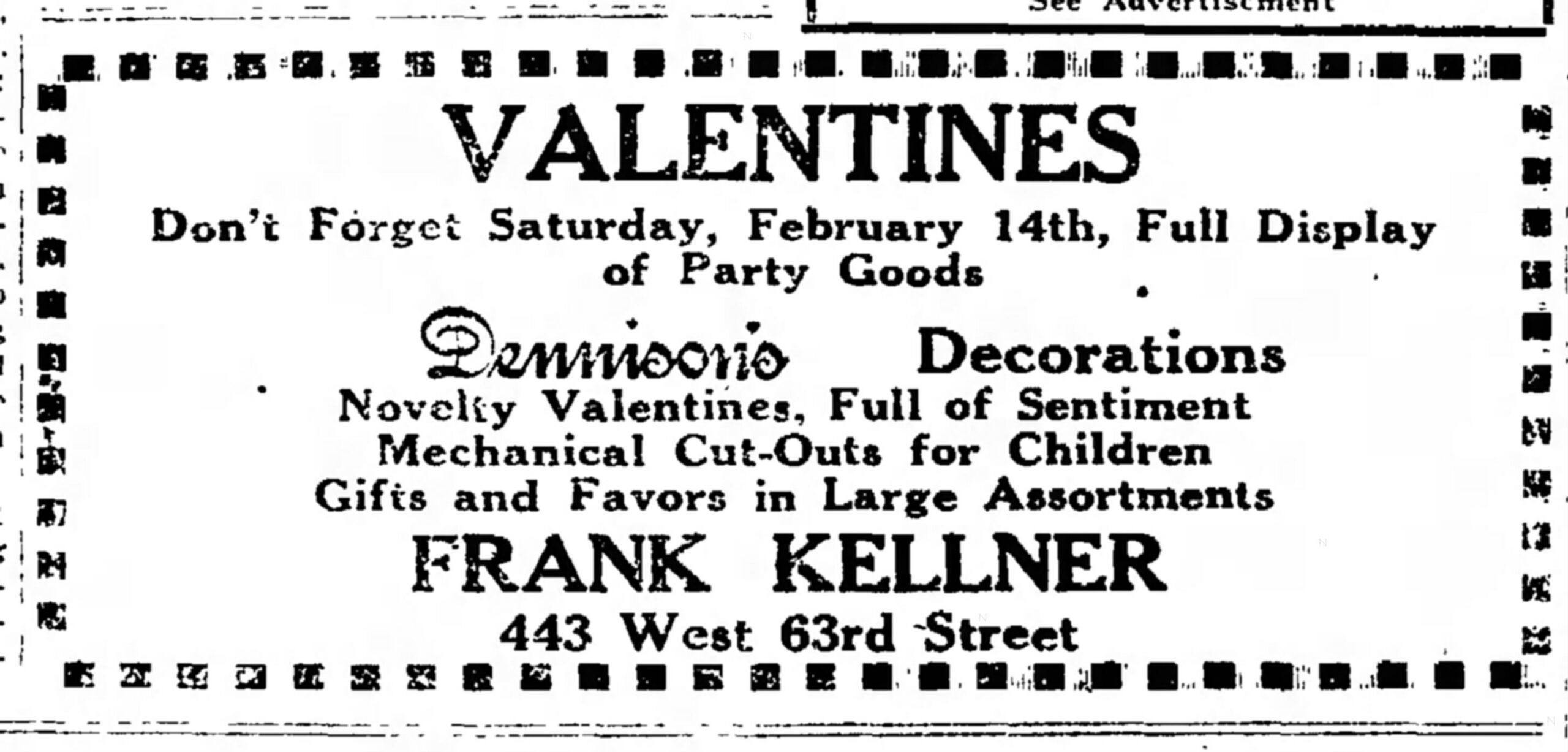
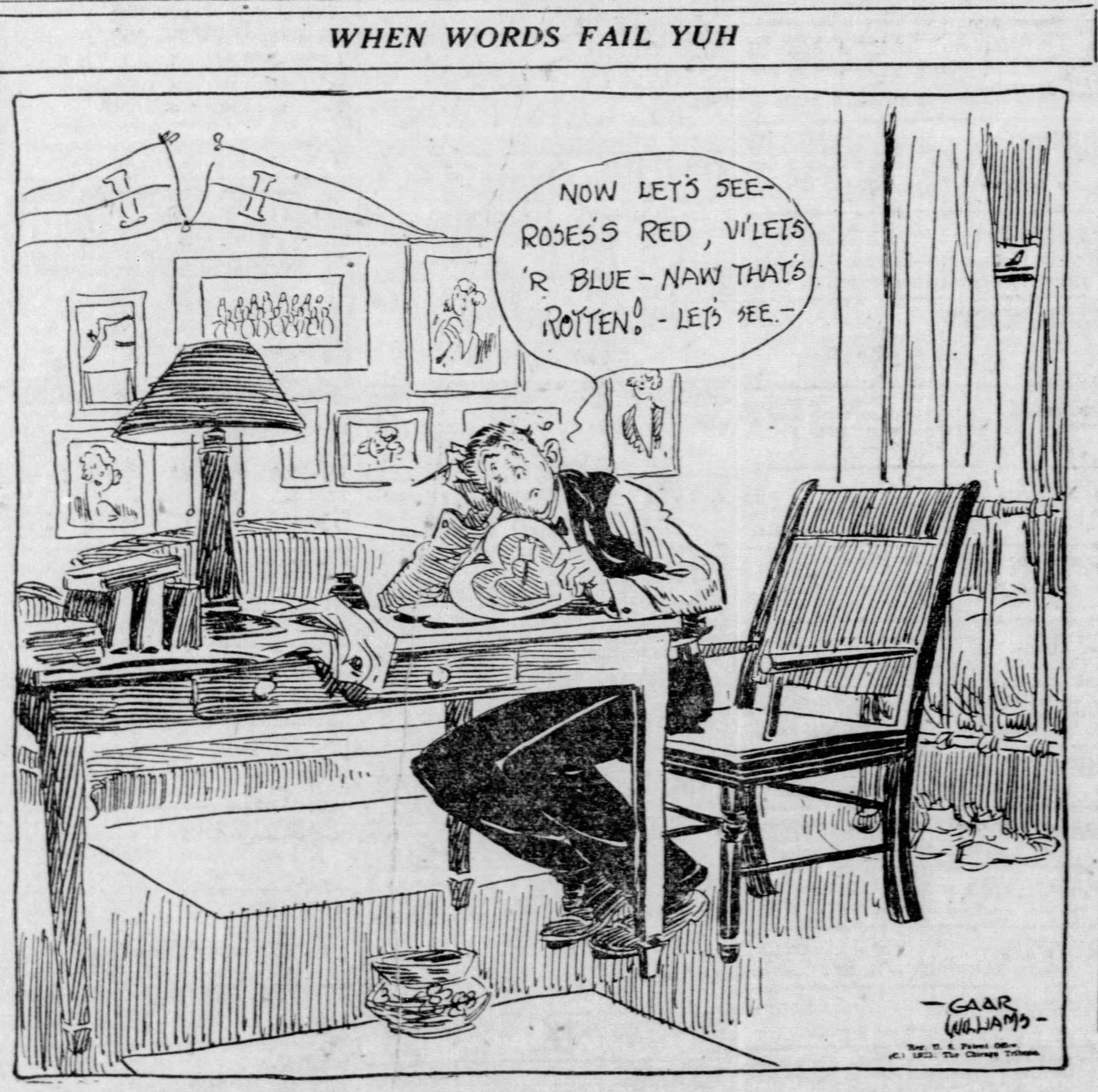
Most Valentines and decorations were still hand-made, although mass-produced cards were available, and decorations from Dennison’s were sold in some novelty shops and available by catalog.
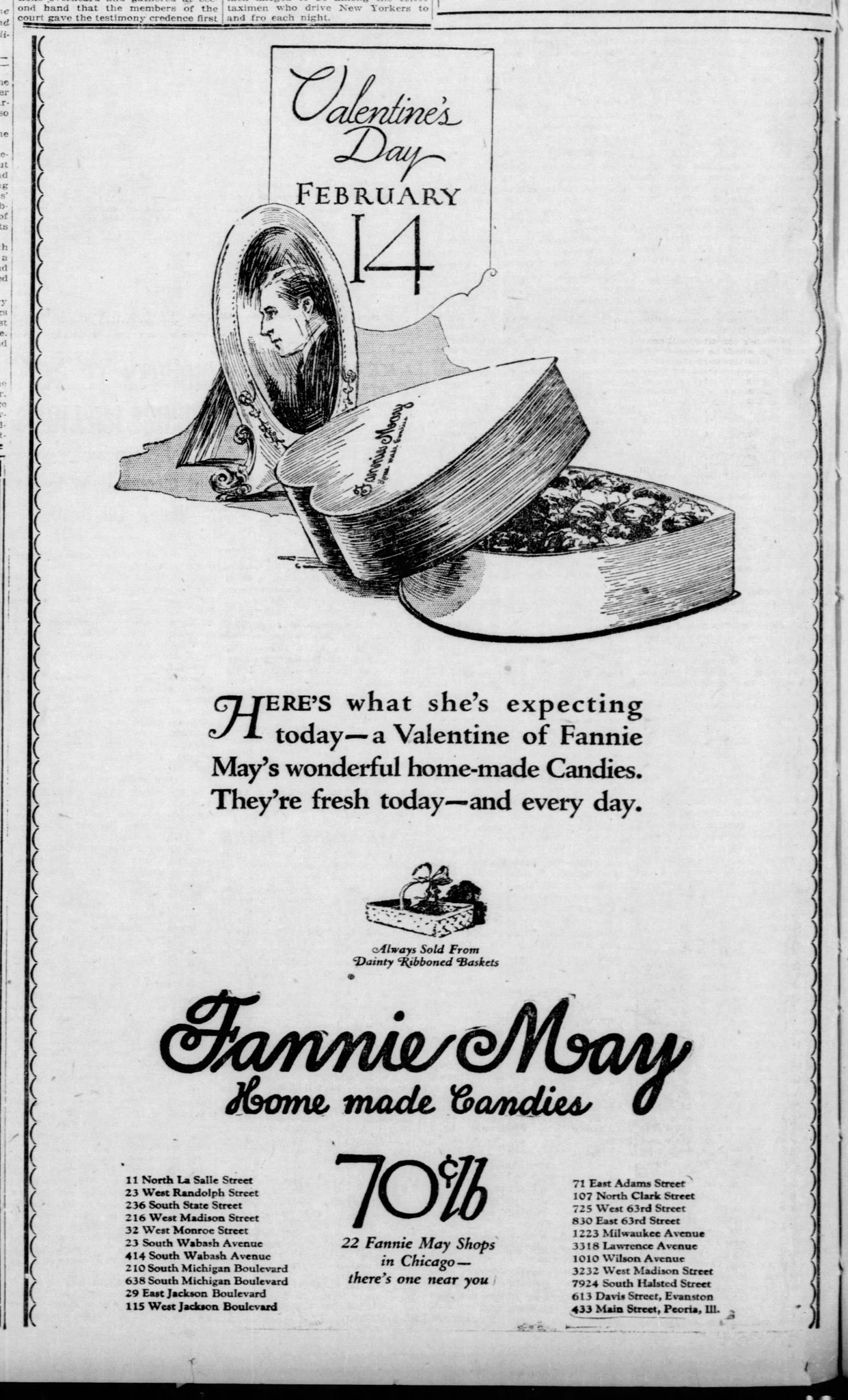
The newspapers included advertisements for flowers and candy.
In the past 100 years, Valentine’s Day has grown to a $20 billion annual business, although the popularity of the holiday has declined in recent years. It’s the number one day for flower sales in the U.S., followed by Mother’s Day. It ranks behind Halloween, Easter, and Christmas for candy sales.
And one more fact about 1925 Valentine’s Day: It was still the Prohibition Era, so no alcohol was legally produced or sold. That’s not to say the private parties were all dry; many people brought their own hip flasks to events. Illegal champagne cost a small fortune.
But Valentine’s Day is low on the list for alcohol consumption, far below days like New Year’s Eve and Super Bowl Sunday.