Explore the RHS Facebook Archives, a rich repository of local history written by Carol Flynn. For two decades, Carol brought a deeply dedicated voice to public education at RHS. Her role as Facebook administrator through mid-2025 naturally extended her prolific research into meticulously detailed articles, most notably her multi-part historical series posts. Today, Carol continues her local history writing for The Beverly Review and other outlets.
Past Events: 2019
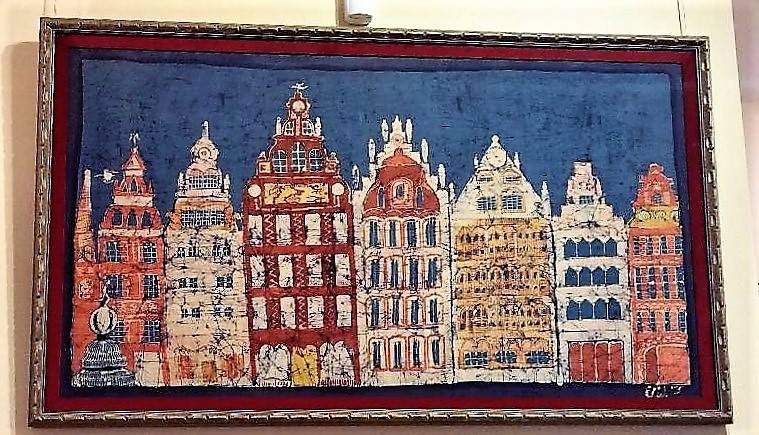
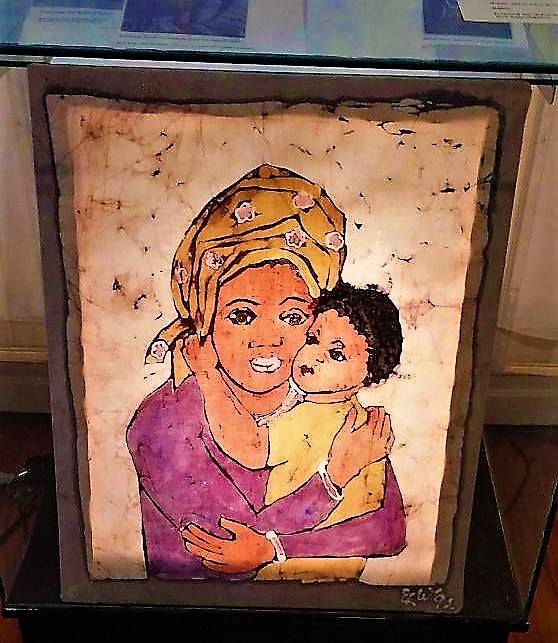
Winter got you down? Right about now, cabin fever is setting in big time in Chicago. We need to find fun, local, free things to do! And the Ridge Historical Society is coming to the rescue. On Friday, February 8, RHS will open its doors from 1 to 3 pm, and again from 7 to 9 pm, to welcome in everyone to view the current exhibit of the "Art of Ethel Wirtshafter."
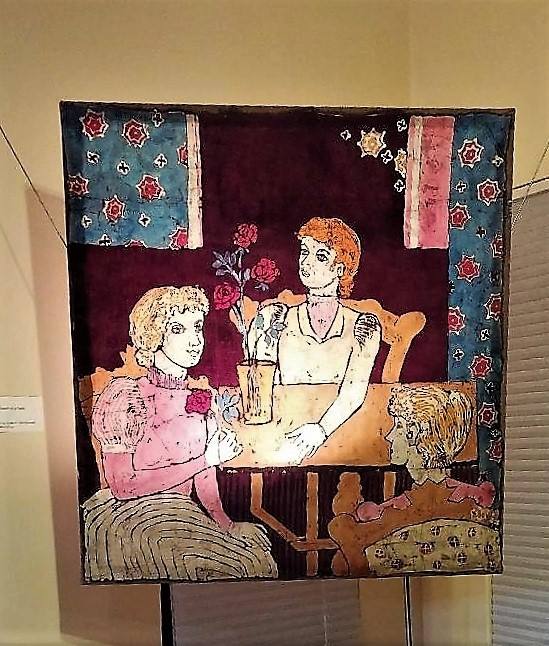
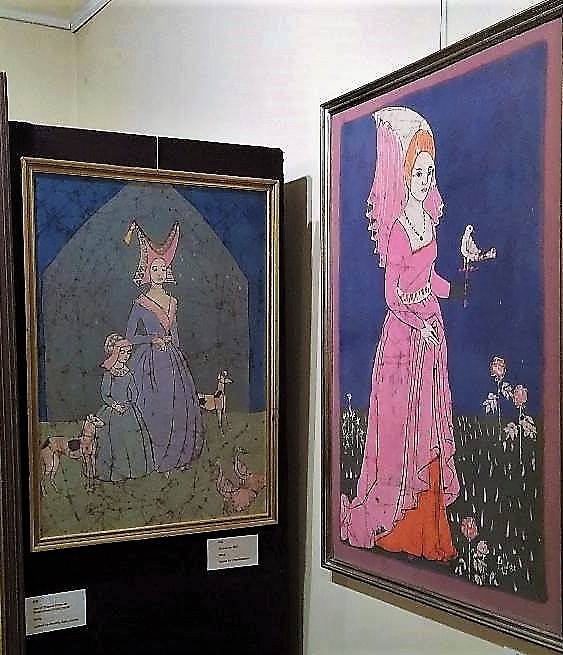
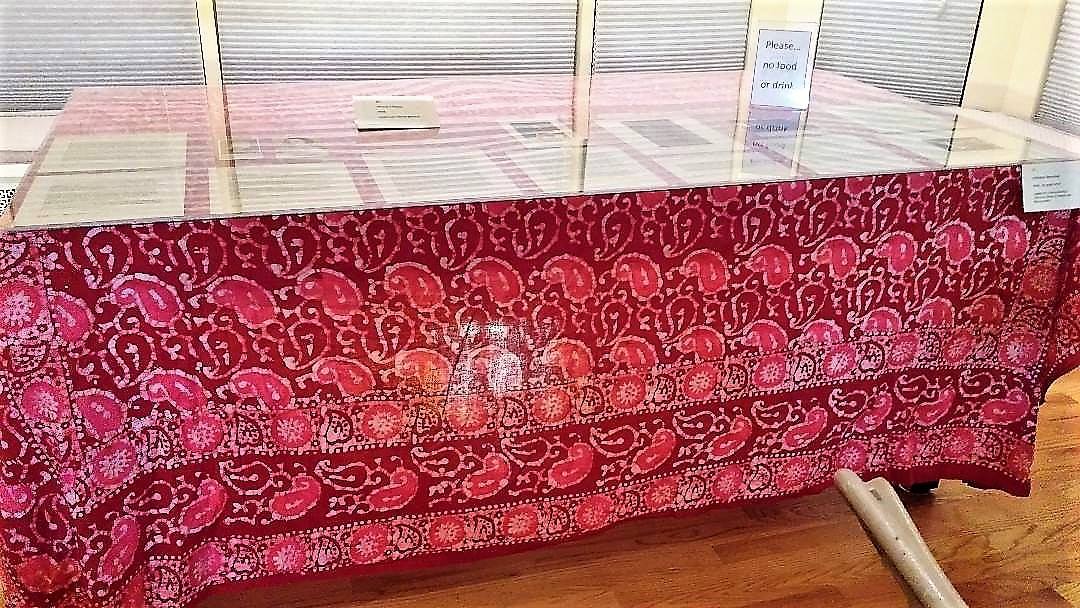
Ethel was a beloved local artist whose signature works were batiks. Batik is an ancient method for dying fabric, where layers of beeswax are applied to the cloth and scraped off, allowing the dye to be absorbed.
Most batiks we know are from Indonesia and feature repetitive geometric designs. But Ethel used the fabric like a canvas and created scenes with people and objects.
I will post more about this during the coming week. Please come over to RHS, 10621 S. Seeley Ave., next Friday for the Open House! If you have ever been curious about the historical society, here is your opportunity to come inside this amazing place. The mission is to investigate and preserve the history of the Beverly Hills, Morgan Park, Washington Heights, and Mt. Greenwood neighborhoods of Chicago. And what a rich history we have! Membership is open to everyone and there are loads of volunteer opportunities to work with the collection, house and grounds, and programs and events,
I will be there and I hope to meet a lot of you that day.
– Carol Flynn, RHS Communications
Here are just two of Ethel's works, again, batiks, dye on cloth. The first is a cityscape on loan from a private collector, the second shows one of her favorite themes, Madonna and Child, and is on loan from the Vanderpoel Art Association, where Ethel taught art classes for 45 years.
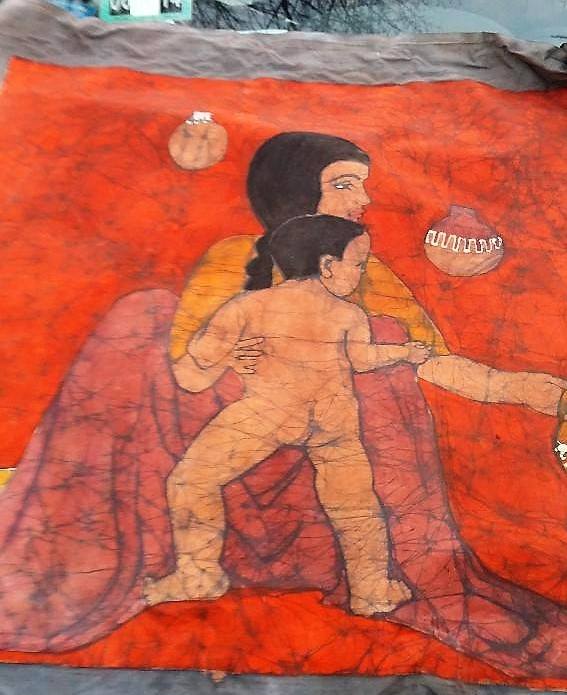
Being added to the Wirtshafter exhibit this week – another batik found all rolled up at a house, and is now part of my personal collection, and it will be on loan to RHS until Feb. 24. This would be from Ethel's "Madonna and Child" series, with a Southwest theme. The colors are amazing – very vibrant. Ethel mixed her own dyes for her work. See the exhibit, "The Art of Ethel Wirtshafter," at the Ridge Historical Society, 10621 S. Seeley Ave., at the Open House on Friday, Feb. 8, from 1 to 3 p.m. and from 7 to 9 p.m. All are welcomed, free of charge. Get to know your local historical society!

Reminder! Tomorrow, Friday, February 8, is the Open House at the Ridge Historical Society, 10621 S. Seeley Ave. We will be welcoming all visitors from 1:00 to 3:00 p.m. and from 7:00 to 9:00 p.m. The event is free and refreshments will be served. Please join us!
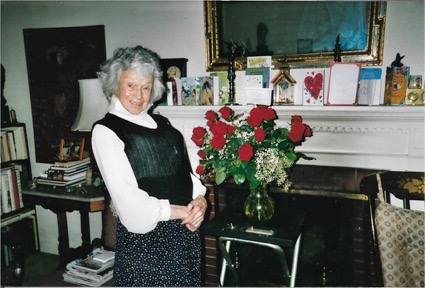
The special exhibit right now is “The Art of Ethel Wirtshafter.” More than 30 pieces by this beloved local artist and art teacher, who died in 2009 at the age of 99, are on display. Included are some paintings, but mostly Ethel’s signature work, batiks, created using the ancient technique for dyeing cloth.
The artwork is on loan from private collectors and from the Vanderpoel Art Association and the Beverly Arts Center. This exhibit offers an extraordinary opportunity to see so many of Ethel’s works in one location. Pictures of Ethel’s work on display are posted here, followed by a picture of the artist.
RHS is located in the Graver-Driscoll House, designed in 1921 by John Todd Hetherington, and part of the Longwood Drive Historic District. Our mission is to preserve and interpret the history of the local communities. Tomorrow’s Open House is an invitation to learn more about us. Membership is open to everyone and there are many opportunities for involvement. We hope you will stop by!
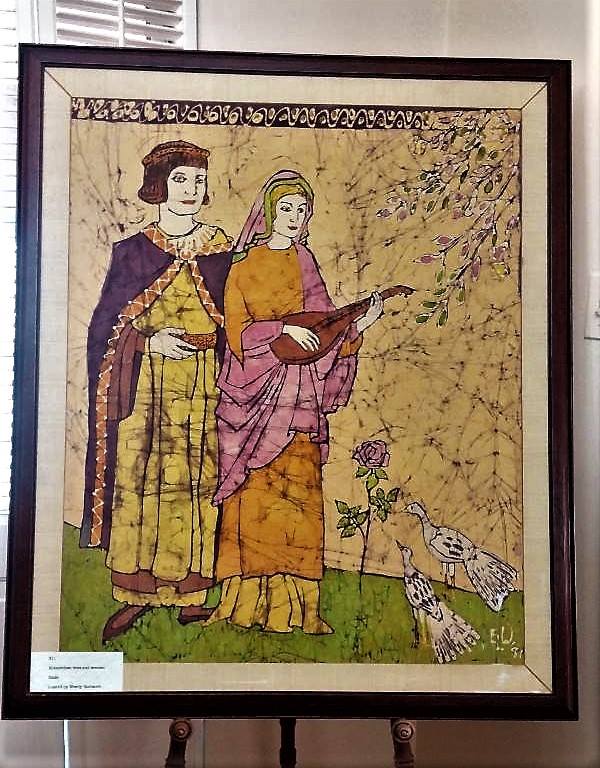
Thanks to the folks who visited the Ridge Historical Society today for our Open House and to view "The Art of Ethel Wirtshafter" exhibit. Despite the freezing cold below-zero temperatures, and I do mean COLD, at least 100 people came over. We even had someone bring over her Ethel Wirtshafter batik to add to the display – making for three additional pieces added this week.
One of the new pieces added this week is posted here. It is one of Ethel's signature batiks, created using the ancient fabric-dyeing technique. The word that comes to mind when you see it in person is "exquisite."
For those who missed today's event, the exhibit will run through February 24. Arrangements may be made to view the exhibit by contacting RHS at 773/881-1675, or ridgehistory@hotmail.com.
The Ridge Historical Society has several events coming up. First, this Sunday, February 24, is the annual meeting of the members, starting at 2:00 p.m. Evites went out to members.
This week is the last chance to view the "Art of Ethel Wirtshafter" exhibit. It will be dismantled next week. What a wonderful exhibit it has been, with participation with so many members of the community. You can still catch the exhibit if you hurry – call RHS at 773/881-1675 to arrange a visit.
Two very interesting programs are coming up in early March. On Friday, March 8 at 7:00 p.m., John Langer will present “Planning a Nation, a State, a Town.” Langer is with the Friends of the Chicago Portage, and will discuss the connection between the Chicago Portage and the Northwest Territory; the shape and boundaries of the State of Illinois; and the original Plat of Survey for the City of Chicago. This is a "must" program for anyone interested in the earliest days of exploration of the Chicago area.
On Sunday, March 10, at 2:00 p.m., author Chris Fogarty will discuss his 2015 book, “Ireland 1845-1850: The Perfect Holocaust, and Who Kept it ‘Perfect.’” The author explores the conditions that led to the “Great Hunger” resulting in the deaths or emigration of millions of the Irish people.
RHS is located in the historic Graver-Driscoll House at 10621 S. Seeley Ave. There is parking on the street, then walk down the drive to the house. The cost for the programs is $5 per RHS member, and $10 for non-members. Light refreshments will be served. There will be more detailed information posted under Events.

The Ridge Historical Society is sponsoring an upcoming program at the Givins Castle that is sure to be excellent. On Sunday, April 7, at 2:00 p.m., presenter Don Hayner will discuss his book, "Binga, The Rise and Fall of Chicago’s First Black Banker," scheduled for release in November 2019.
Jesse Binga (1865 – 1950) was a prominent real estate businessman who founded the first privately owned African-American bank in Chicago in 1908 to serve black clients denied service at white-owned banks. Binga built a home in a white area and his house and offices were bombed numerous times. Animosity between whites and blacks led to a major Chicago race riot in 1919.
Binga's bank closed when the Great Depression hit. He refused to seize the property of the black churches and societies that could not meet their mortgage payments. He was accused and convicted of embezzlement and served time in prison. He received a full pardon in 1941. He died in poverty and is buried in Oak Woods Cemetery.
Author Don Hayner, a lifelong Chicagoan living in Beverly, retired as editor-in-chief of the Chicago Sun-Times newspaper in 2012. During his tenure, the paper won multiple national and local awards for investigative reporting and breaking news, including the Pulitzer Prize for local reporting in 2011. He has co-authored three books including "Streetwise Chicago, A History of Chicago Street Names."
“'Binga, The Rise and Fall of Chicago’s First Black Banker,' tells the story of the beginning of a sad saga that Chicagoans have lived through for more than a century. It's the story of racial change in the neighborhoods of a city, which is one of the most segregated in America, but at its core, it's a story of how Jesse Binga represented hope to a community shut out and isolated by racial animosity,” said Hayner in a description of this program.
The cost of the program is $10 per person and all proceeds will go to the Castle Restoration Fund. The Beverly Unitarian Church, owner of the Castle, has started an initiative to raise money for repairs to the Castle turrets. Donations to this fund will be used for preservation of the Castle, not for church operations. The BUC has already raised more than $400,000 in donations and pledges from its own members. A total of at least $800,000 is needed for the beginning work. RHS supports the preservation of this most iconic of all local landmarks.
As space is limited, reservations are suggested, and may be made by calling RHS at 773/881-1675 or emailing ridgehistory@hotmail.com. Tours of the Castle will be available following the program. Light refreshments will be served. The address of the Castle is 10244 S. Longwood Drive, Chicago.
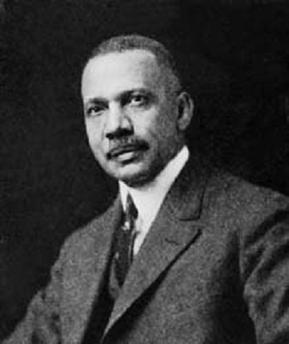
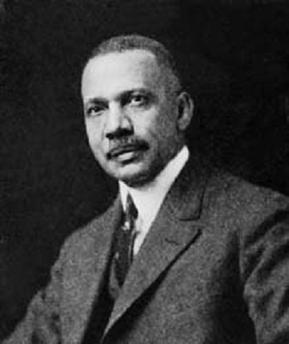
Photo1: Jesse Binga, the first African-American banker in Chicago.
Photo 2: Don Hayner, presenter, author of upcoming book on Jesse Binga and retired editor-in-chief of the Chicago Sun-Times.

Message from the Ridge Historical Society: A big reminder – this Sunday, April 7, is the program "Binga, The Rise and Fall of Chicago’s First Black Banker." The program will be at the Givins Castle, 10244 S. Longwood Drive, starting at 2:00 p.m. The presenter is Don Hayner, a lifelong Chicagoan living in Beverly, who retired as editor-in-chief of the Chicago Sun-Times newspaper in 2012. His book about Binga (same title as presentation) is due to be released in November.
Jesse Binga came to Chicago from Detroit just before the 1893 World's Fair. He was a savvy businessman, starting a real estate business to serve the growing African American community in the city. As black people were denied mortgages and other services at white-owned banks, Binga started the first African-American bank in the city.
African Americans, historically largely confined to the "Black Belt" on the near South Side, began expanding into new areas. This caused alarming tensions with the white community and led to violent race riots in 1919. Binga himself moved into a white neighborhood and his properties were bombed numerous times.
Today Chicago is one of the most segregated cities in the country, with many areas of the South Side "hyper-segregated" – some neighborhoods as much as 99% black.
According to Hayner, while Jesse Binga was a towering symbol of success in Chicago’s “Black Belt” in the early 20th Century, he was also one of the most hated men in the city.
“Binga, The Rise and Fall of Chicago’s First Black Banker, tells the story of the beginning of a sad saga that Chicagoans have lived through for more than a century. It's the story of racial change in the neighborhoods of a city, which is one of the most segregated in America, but at its core, it's a story of how Jesse Binga represented hope to a community shut out and isolated by racial animosity,” said Hayner in a description of this program.
Don Hayner started out practicing law but switched his career to journalism. Working his way up from reporter, he retired as editor-in-chief of the Chicago Sun-Times newspaper in 2012. During his tenure, the paper won multiple national and local awards for investigative reporting and breaking news, including the Pulitzer Prize for local reporting in 2011. Hayner has co-authored three books including Streetwise Chicago, A History of Chicago Street Names.
Hayner completed a fellowship at the University of Maryland’s Knight Center for Specialized Journalism on race, class and ethnicity. As a reporter at the Sun-Times he co-authored, with Columnist Mary Mitchell, an award-winning series, “The Great Divide: Racial Attitudes in Chicago.” As part of that project, Hayner helped design the largest poll on race relations ever done in the Chicago region.
The cost of the program is $10 per person and all proceeds will go to the Castle Restoration Fund. The Beverly Unitarian Church, owner of the Castle, has started an initiative to raise money for repairs to the Castle turrets. Donations to this fund will be used for preservation of the Castle, not for church operations.
As space is limited, reservations are suggested, and may be made by calling RHS at 773/881-1675 or emailing ridgehistory@hotmail.com. Tours of the Castle will be available following the program. Light refreshments will be served.
Pic 1: Jesse Binga
Pic 2: Don Hayner
Join us tomorrow, Sunday, April 7, at the Givins Castle – 10244 S. Longwood Drive (corner of 103rd Street and Longwood Drive – you can't miss it, it's Chicago's only Castle) at 2:00 p.m. for Don Hayner's presentation on his book, Binga, The Rise and Fall of Chicago’s First Black Banker, scheduled for release in November 2019.
Hayner is retired editor-in-chief of the Chicago Sun-Times newspaper and a Beverly resident. The money raised for this presentation will go to the Castle restoration fund. The Castle, built in 1886-87, needs preservation work on the turrets. The money raised will not be used for church operations of the Castle's current owner, the Beverly Unitarian Church.
Jesse Binga was a black real estate tycoon who opened the first African American bank in Chicago to serve his clients not welcomed at white-owned banks.
This program offers the chance to see and support the Castle – tours will be available after the presentation; to meet Don Hayner; to learn more about a very important part of Chicago's history and the history of the South Side; and to learn more about the Ridge Historical Society,
The cost of the program is $10 per person and refreshments will be served. Reservations are not needed – just come!
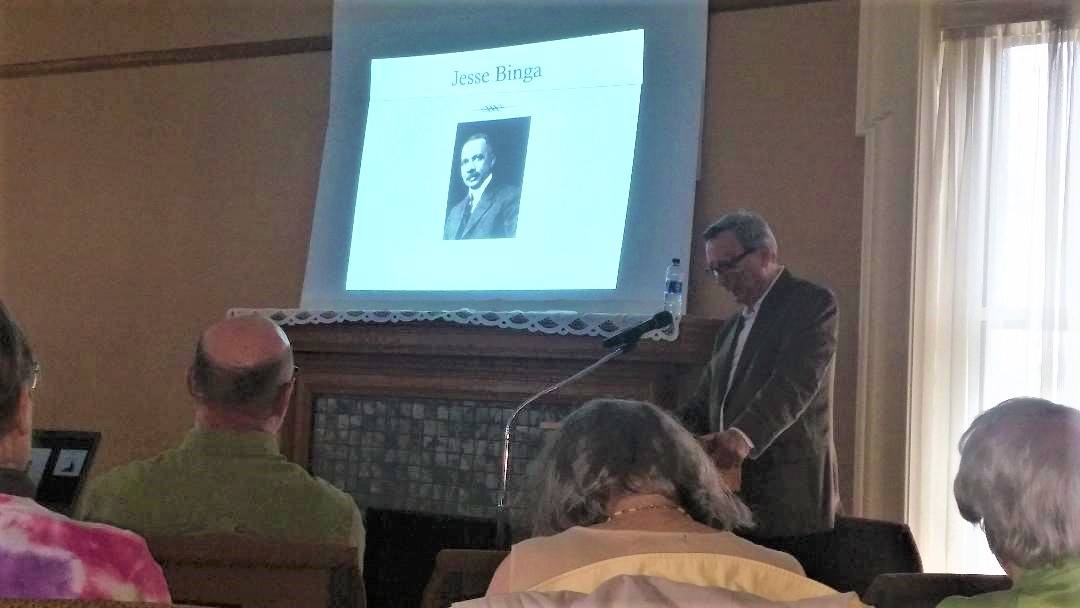
Don Hayner, Beverly resident and retired editor-in-chief of the Chicago Sun-Times, giving his presentation at the Givins Castle today, April 7. Haynor spoke on the topic of his upcoming book, Jesse Binga, the first African American banker in Chicago. This is the type of program that helps put the history of race relations and Chicago's hyper-segregated South Side into perspective. Thank you, Mr. Hayner, for sharing your research with us. The program was put on by the Ridge Historical Society and the proceeds went to the Castle restoration fund.
The Ridge Historical Society supports the efforts to restore the Givins Castle, Beverly Hills/Morgan Park area's most recognized landmark. A series of world folk music concerts have gone on since last Fall at the Castle, with the proceeds (after a few expenses) all going to the Castle Restoration Fund. The series was underwritten by the late Dean Miller, in memory of his late wife, Martha Herriott Swift. The last concert of the series (with the money going to the Castle) for this year will be held on Saturday, April 27, at 7:00 p.m. at the Castle, 10244 S. Longwood Drive. The performers are the group Come Sunday.
A description of the group: "Come Sunday is a Chicago-based Jazz septet heavily influenced by the musical genres indigenous to North America: jazz, blues, folk. In Come Sunday the genres are melded together into one swingin’ good time, then delivered by four powerful singers and the deep grooves of a crazy-good rhythm section."
The band has a Facebook page so you can check them out. Come Sunday
The concert series is arranged by John Devens, who owned/operated the World Folk Music Center on 103rd Street for many years. People were very upset when that venue closed, but they can still enjoy the concerts John books through this series. And the one thing everyone agrees on is that John Devens knows the best talent from the Chicago music scene.
To reserve a seat for this concert, you can just respond to this post THROUGH THE RIDGE HISTORICAL SOCIETY (NOT ANY "SHARES" WHICH RHS WON'T SEE), and we'll get the info to the Castle. Please give name and number of seats you want. The suggested donation is $20 per person and you can pay at the door. Thank you. For information on the Castle restoration itself, visit that page. Givins Beverly Castle
For some reason I cannot figure out, this post will not share. If you want to send it to someone else, let me know and I can send it.