
Explore the RHS Facebook Archives, a rich repository of local history written by Carol Flynn. For two decades, Carol brought a deeply dedicated voice to public education at RHS. Her role as Facebook administrator through mid-2025 naturally extended her prolific research into meticulously detailed articles, most notably her multi-part historical series posts. Today, Carol continues her local history writing for The Beverly Review and other outlets.
Memorial Day – The Civil War and the Ridge
Ridge Historical Society
Part I for Memorial Day – UPDATED
Carol Flynn, RHS Communications
Monday, May 25, is Memorial Day, the federal holiday when we commemorate those who have died while serving in the U.S. Armed Forces. Originally known as Decoration Day, from the custom of placing flowers on the graves of fallen soldiers, the day was adopted by states after the U.S. Civil War. In 1971, the name was changed to Memorial Day, and it was made a federal holiday to be celebrated on the last Monday in May to create a three-day weekend.
The Civil War, fought from 1861 to 1865, remains the deadliest military conflict in U. S. history, pitting American against American. As many as 750,000 military personnel from both the North and South were estimated to have died. More soldiers died from disease than from injuries; pneumonia, typhoid, dysentery, and malaria caused about two-thirds of the deaths.
Illinois was a major source of troops and supplies for the Union during the war, contributing over 250,000 soldiers. People from the Ridge fought in the war, and they will be profiled tomorrow.
After the war, many Civil War veterans moved to the Ridge. Mt. Greenwood Cemetery has identified over 300 Civil War veterans buried there. Similar numbers would be expected for Mt. Hope and Mt. Olivet cemeteries, and those along Kedzie Ave.
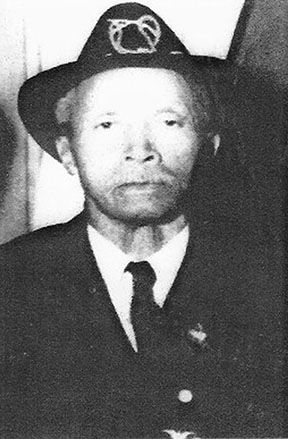
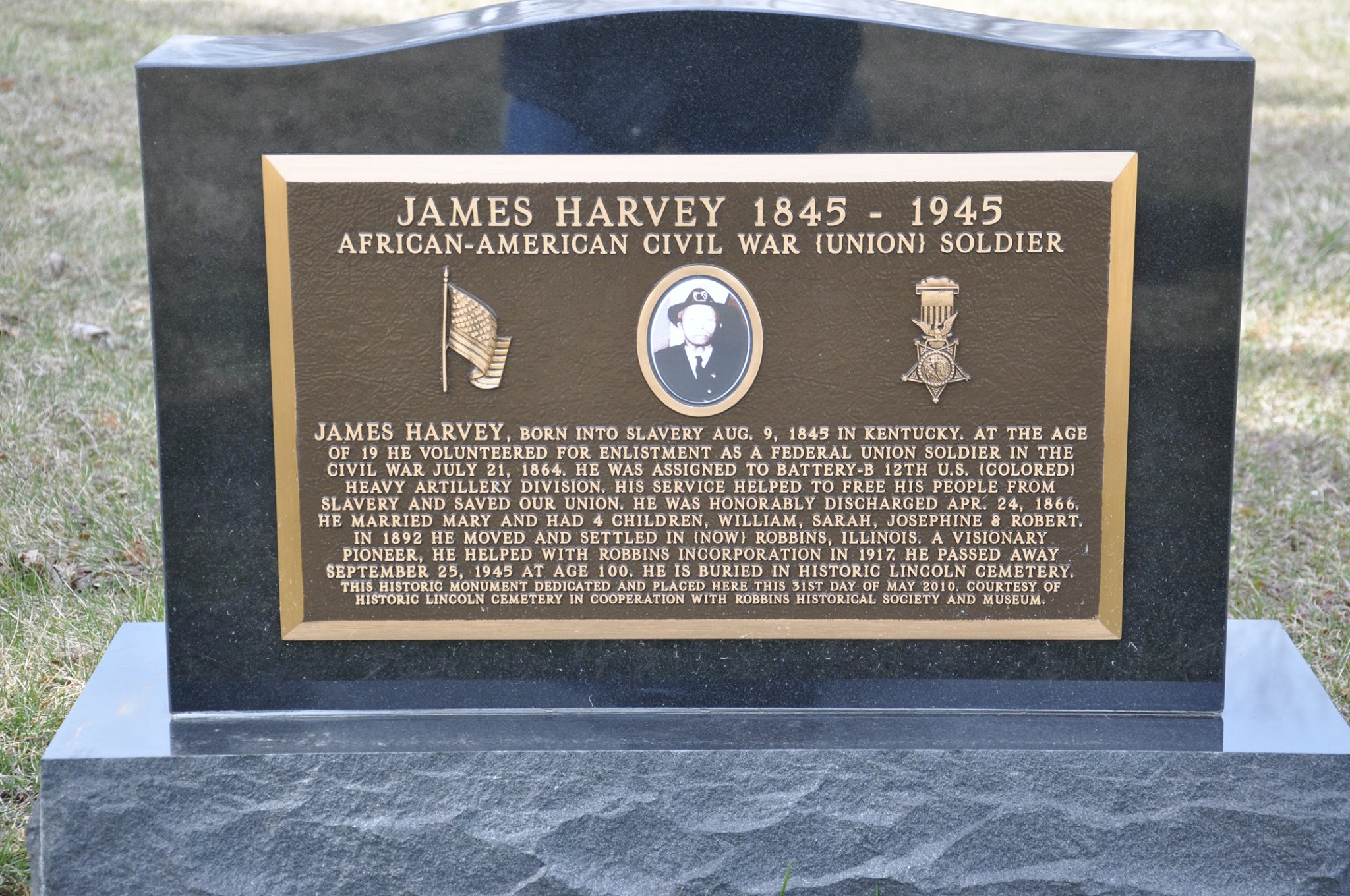
In 2016, a ceremony was held at Lincoln Cemetery, the historic African American cemetery at 123rd St. and Kedzie, to recognize and honor James Harvey, a Civil War veteran buried there. Harvey, born a slave in 1845, served with the U.S. Colored Troops (USCT). These troops consisted of black soldiers, usually ex-slaves, and white officers.
At the end of the war, Harvey received his freedom, but his monetary compensation was given to his former owner. He moved to the Chicago area and was one of the founders of the town of Robbins. He lived at 137th and Sacramento. He died at the age of 100, the last African American Civil War veteran in Illinois.
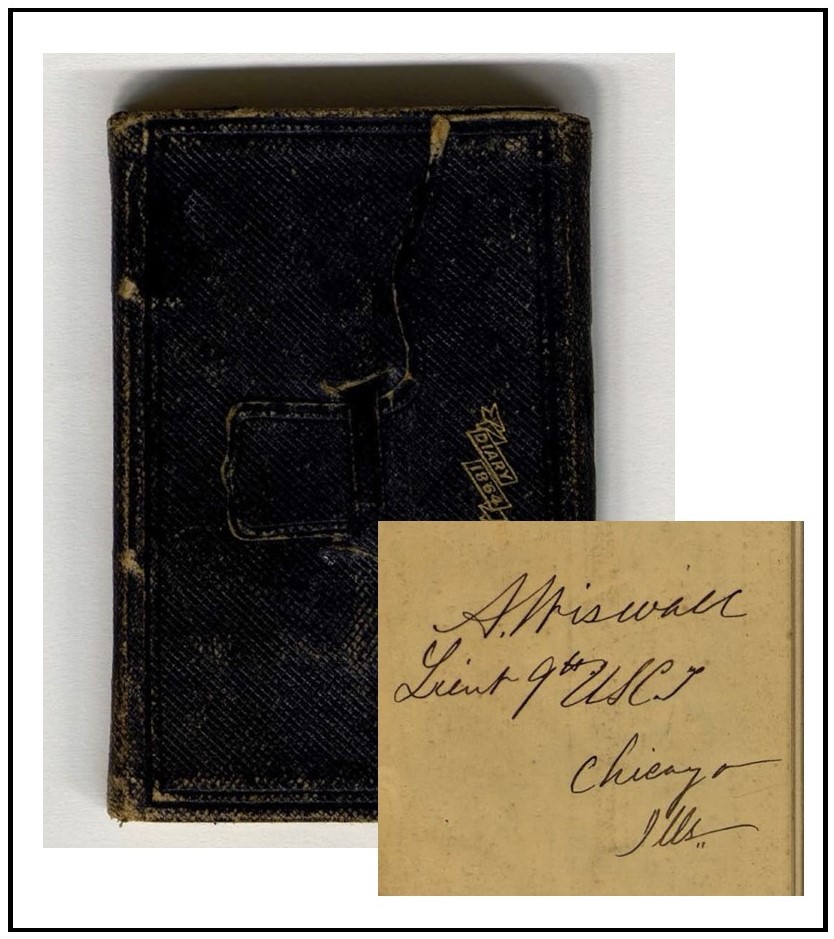
Several white officers from the USCT are buried on the Ridge. Buried at Mt. Hope Cemetery is Austin Wiswall, the nephew of Elijah and Owen Lovejoy, the ardent abolitionists. Elijah was murdered in 1837 in Alton, IL, by a pro-slavery mob. Owen became the best of friends with Abraham Lincoln, serving as a congressman from Illinois, and a “conductor” on the Underground Railroad.
Austin, born in 1840, a lieutenant in the USCT, kept a diary and wrote many letters home, which are preserved in a collection in Texas. These offer insight into the experiences and mindset of a young soldier.
Much of the work of a young officer was humdrum and routine. In the early days of 1864, Austin was in the Baltimore area, spending his time listening to music and drinking lemonade in his tent. He was bored with drilling recruits, he wanted to see action – he wrote if he did not get into the Calvary, he would resign.
He was sent to nearby towns to recruit men into the colored troops. After one session, on Monday, Feb. 8, he wrote: “Was busily engaged this morning making out my descriptive lists. There will probably be some inaccuracies in them as one of the charming mesdemoiselles of this place was sitting opposite me at the time and distracted my attention.”
Austin did see action later in that year. On August 9, he wrote to his mother, Elizabeth Lovejoy Wiswall, an enthusiastic letter about the new assignment that he was sure would lead to the Calvary.
Unfortunately, a few weeks later, Austin was captured by Confederate forces and held at the infamous Andersonville prisoner-of-war camp, in Georgia. His mother received a letter dated September 2, from Lt. Col. Armstrong, which began, “I regret to inform you that your son Austin Wiswall is now a prisoner in rebel hands and is slightly wounded in the fleshy part of his leg.”
The letter continued that Armstrong had met under truce with the enemy officers and they were impressed with Austin and would do what they could to help him.
After a few months, Austin was released in an exchange of prisoners which was believed to have been arranged personally by President Lincoln.
Wrote Austin on December 19 from the Officers’ Hospital in Annapolis, MD: “I am exchanged but have not ascertained what will be done in my case as of yet…. Exchanged prisoners are constantly arriving at this point from Charleston…. There have been no Officers of Colored Troops paroled since I was. I realize more and more how very fortunate I was to get away from them. There are a great many of the men die very soon after their arrival here. A great many come here [seeking] after their friends and find only their clothes or some little relic left for them in the hands of a comrade…. I will write to mother often.”
The war ended a few months later, and Austin returned to Illinois. He married Martha Francis (Fannie) Almy from Massachusetts and they moved to Morgan Park, where he was very active as a member of the Village Board of Trustees. He died in 1905.
Part II will share the Civil War experiences of the early families on the Ridge.
Ridge Historical Society
Part II – Memorial Day – More on the Civil War and the Ridge.
Carol Flynn, RHS Communications
Decoration Day, which became Memorial Day, evolved because of the Civil War. This is a continuation of the post started yesterday about the Civil War and the Ridge.
Almost all the soldiers from the Chicago area who fought for the Union in the Civil War were volunteers. Some of these men likely heard Abraham Lincoln speak while he was running for president, at one of the hotels Lincoln frequented, like the Tremont House.
Families started settling around today’s Beverly/Morgan Park area in the 1830s. The entire area was called Blue Island back then. This post will look at four of these families – Rexford, Wilcox, Morgan and Barnard – and their experiences in the Civil War.
The Rexford family came in 1834 and built a large log cabin as a rest stop for travelers around what is now 91st Street, along the Vincennes Road, which they called the Blue Island House. A few years later they moved to the south end of the Ridge, which would become the city of Blue Island. The Wilcox family came in 1844 and took over the Gardner Tavern, another wayside stop which had been built in 1836 at 99th and Beverly Ave. The Morgan family came in 1844 and owned most of the land on top of the Ridge, establishing their estate around 92nd and Pleasant. The Barnard family came about 1846 to join the Morgans; William Barnard was tutor to the Morgan children. They settled around 101st and Longwood Drive. In addition to their other undertakings, the families established farms to grow crops and raise livestock.
The early families of course knew each other well. Two Barnard brothers married two Wilcox sisters. A Morgan and a Rexford married Robinson sisters, from another early family. When the Civil War started, brothers, friends, and neighbors enlisted and went off to war together. They wrote letters home to their families, some of which have been saved. Some of the men from the Ridge did not return.
Alice S. Barnard, whose mother was a Wilcox, wrote in 1924: “The ‘60’s – the decade of the Civil War!
…I was a very little girl. When Lincoln was candidate for president there was held in the North Blue Island school house [likely around 103rd and Vincennes] what was probably the first political meeting of the neighborhood…. Feeling at the meeting ran high….
“The call came for three month enlistments. In the Wilcox family were five sons. The two youngest enlisted. Returning at the end of this term they told the story of the reenlistment. Their company stood in line! The sign of reenlistment was a step forward – one after the other took the step – many hesitated. But finally all but one had taken the decisive step and when he finally came forward, wild cheering rent the air.
“The war went on, the two oldest sons enlisted, leaving the [fifth] brother incapacitated for military service to care for the farm and the aging mother. Of the seven Morgan boys several enlisted and all returned. Erastus A. Barnard marched with Sherman to the sea.”
Brothers Erastus, William and Daniel Barnard all fought in the Civil War, all survived, and are all buried at Mt. Greenwood Cemetery. William had married Miranda Wilcox and was the father of William Wilcox Barnard and Alice Sarah Barnard, the authors of the histories we have been sharing. Erastus had married Mary Lavinia Wilcox. Daniel Barnard, who never married, formed his own company in which he served as Captain. Family lore says he fought in many battles and was never sick or wounded.
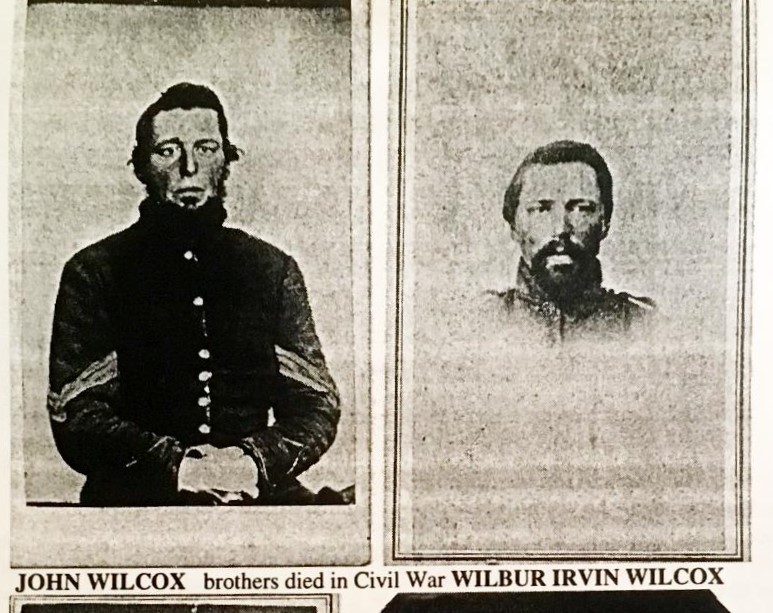
Four Wilcox brothers fought in the war, and the family was not as fortunate as the Barnards. John joined his friend Daniel Barnard’s company as a sergeant, and was killed in 1863 and buried at Chattanooga, Tennessee. He was 37 years old and left a wife and two sons.
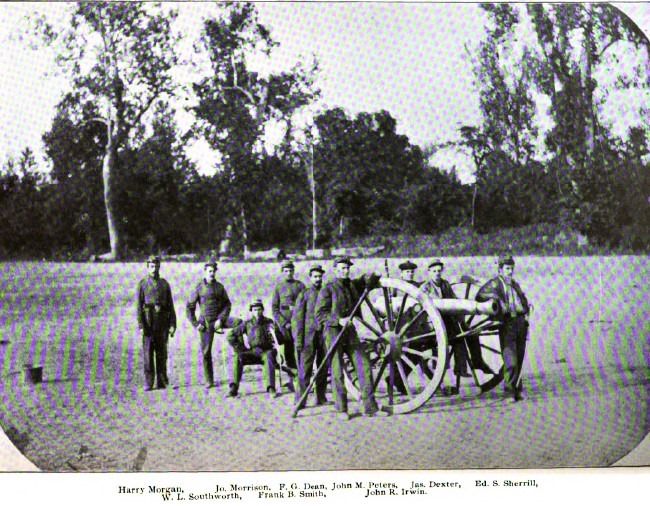
Wilbur, Thomas, and Willard Wilcox joined Company A First Illinois Artillery Volunteers, which the group itself called “Battery A.” Most of the men were from the Chicago area. Friends from the Morgan and Rexford families also enlisted with Battery A.
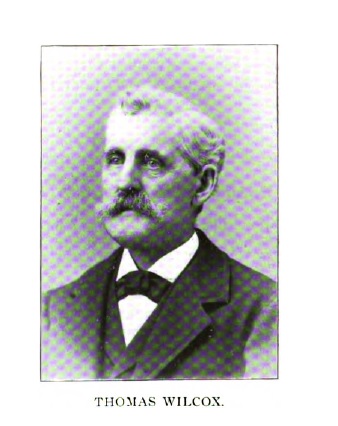
Thomas wrote home to his sister from Vicksburg, Mississippi, in 1863: “Have to stay at the guns [cannon] most of the time…. [We] opened on them one morning about three o’clock; for hours it seemed like a stream of fire from one end of the line to the other…. They cannot stand it much longer…. I would like to come home when we take Vicksburg. It seems a long time since I came away. Willard is as strong as ever…. I do not like soldiering, no way you can fix it.”
Unfortunately, Thomas was captured and held prisoner in Andersonville, Georgia, for eight months. His health deteriorated and he reportedly never fully recovered. He did return home, and in 1872 he moved his farm to Indiana, where he died in 1895. Willard also returned home and moved away from the Ridge.
Their brother Wilbur was not so fortunate. He was killed in Mississippi in 1863. He was 26 and single.
The fifth brother, William, stayed home to keep the family farm running during the war years. It was a common, and necessary, practice, to designate a family member to remain behind to continue the family business. He is the only Wilcox brother buried in a Ridge cemetery, Mt. Greenwood.
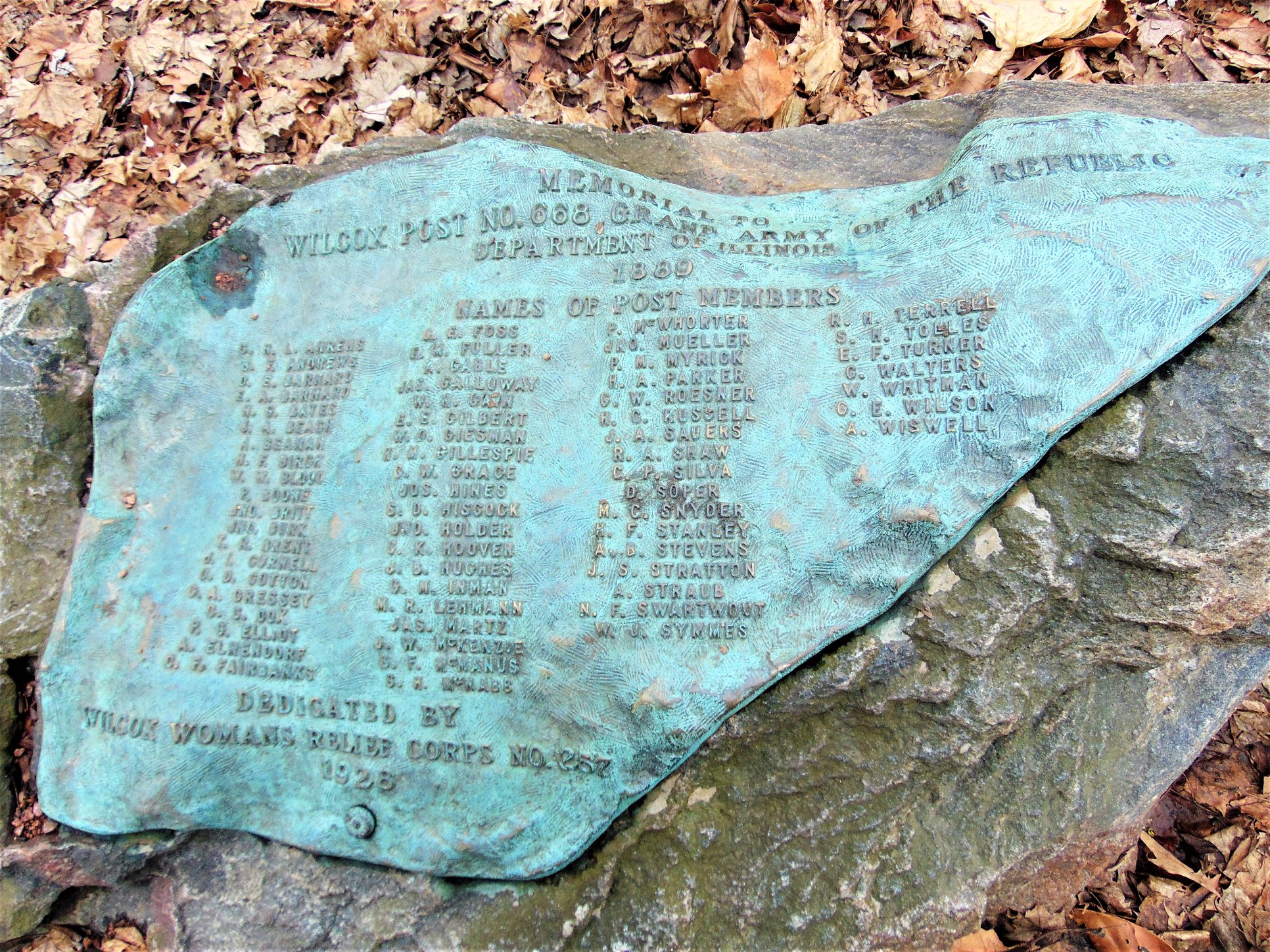
After the Civil War, the Grand Army of the Republic (GAR) was founded in 1866 as a fraternal organization for veterans of the Union military. A local branch, the Wilcox Post, No. 668, was founded in 1889. It was named in honor of the Wilcox brothers who served in the war.
A stone and bronze marker listing the charter members, created in 1928, is installed at Ridge Park at 96th Street and Longwood Drive. Charter members included Daniel and Erastus Barnard. Austin Wiswall, the young officer written about in yesterday’s post, who settled in Morgan Park after the war and is buried in Mt. Hope Cemetery, was also a charter member.
The GAR dissolved in 1956 at the death of its last member. The legal successor of GAR is the Sons of Union Veterans of the Civil War (SUVCW), open to male descendants of Union military veterans.
Next installment: The Rexfords and Morgans in the Civil War.
Ridge Historical Society
Part III – For Memorial Day: The Civil War and the Ridge
Carol Flynn, RHS Communications
Yesterday we posted about the three Wilcox brothers, Wilbur, Thomas, and Willard, who joined Company A First Illinois Artillery Volunteers (“Battery A”) to fight for the Union cause in the Civil War. The Wilcox family was one of the first families on the Ridge, arriving here in 1844.
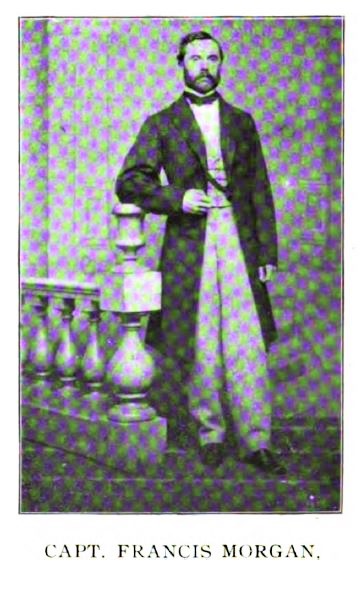
The Rexford brothers, Roscoe Eugene and Everett Heber, were recruited into Battery A by their friend Wilbur Wilcox. The Rexford family had been on the Ridge since the 1830s. Other Ridge friends also joined Battery A – Harry and Francis Morgan, from the Morgan family that gave Morgan Park its name.
According to a history of the Battery published in 1899, the Rexford brothers were “delighted” to join their friends at Camp Smith, Cairo, Illinois, in July of 1861. But soon, youthful visions of camaraderie and glory gave way to the grim reality of war.
After the Battle of Fort Donelson at the Tennessee – Kentucky border early in 1862, Roscoe fell ill. He was sent back to Cairo, where his father met him. He died before they reached home on the Ridge. Two-thirds of Civil War fatalities were due to illnesses such as malaria, typhoid and pneumonia. Roscoe was 21 years old. He is buried in Mt. Greenwood Cemetery
Everett Rexford became the bugler for the Battery. The men had true affection for the bugler but gave him a hard time for early morning wake-up calls by stealing the mouthpiece of the bugle and other tricks.
The bugler played “taps” when a fellow soldier died. Presumably Everett Rexford had to perform this duty when his friend Sgt. Wilbur Wilcox, 26, was killed in an ambush by Confederate soldiers in July 1863 in Mississippi. Wilcox had volunteered to be part of a group that went behind enemy lines to procure food for the horses.
Everett had a faithful horse named Japhet that had been with him since the beginning of the war. He left the horse with his friend Thomas Wilcox and shortly afterwards, in July of 1864, both Wilcox and the horse were captured by the Confederates during a skirmish outside of Atlanta. Wilcox spent the next eight months in the Andersonville prisoner-of-war camp. What happened to Japhet is not known.
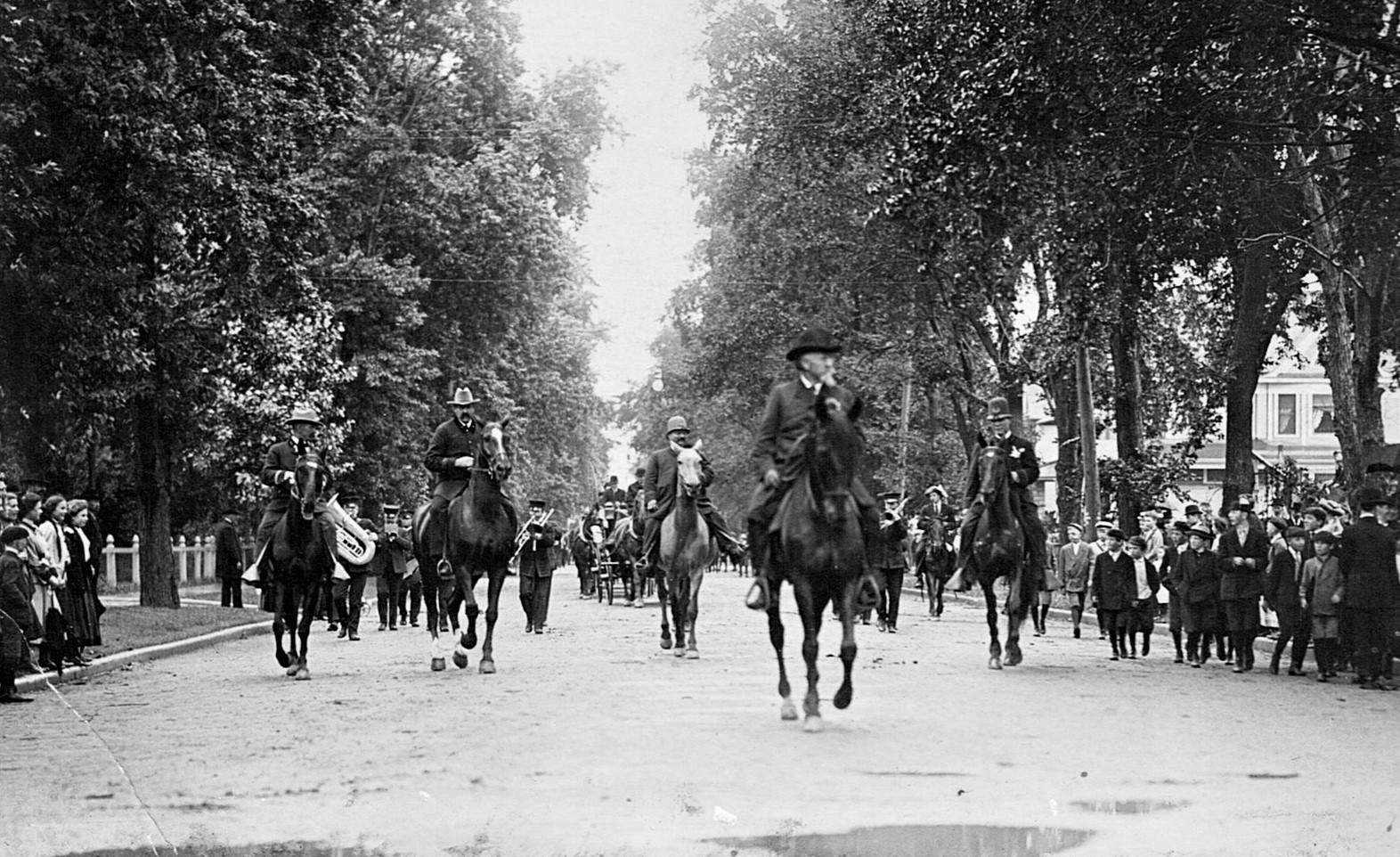
Everett Rexford survived the war, becoming a very prominent citizen of Blue Island. He served as village president and cut a dashing figure for many years leading mounted parades of local Civil War veterans through the streets on Decoration Day, May 30, the forerunner of Memorial Day. He served as musical director of Battery A’s veterans’ association and blew all the old battery calls on his “old war bugle” at their reunions. He was made the National Bugler of the GAR. He died in 1920 at age 78 and was buried in Mount Greenwood Cemetery.
Francis and Harry Morgan were two of the sons of Thomas Morgan, the man who brought his family to the United States from England on his own ship and purchased much of the land on the Ridge.
Francis was educated in a military school in the East and was recognized for his military leadership skills and efficiency. He started as a lieutenant with Battery A and rose to captain. Plagued by health issues, he resigned his commission and returned to Chicago, taking a job on the governor’s staff. He died in 1887 at age 50. The Battery A history noted that Francis was a “thorough gentleman … held in the highest esteem … whose integrity of character and innate honesty has never been questioned.”
Harry Morgan, Francis’s older brother, made it through the war and returned to the Ridge, farming the Morgan lands. He and Everett Rexford became brothers-in-law through marriage when they married sisters Emily and Sarah Robinson, respectively, from another early Ridge family. Harry eventually moved to Blue Island as the family land was sold to developers; some of the land became the Village of Morgan Park. He died in 1893 at age 60.
The Morgan family is buried in Graceland Cemetery on the north side.
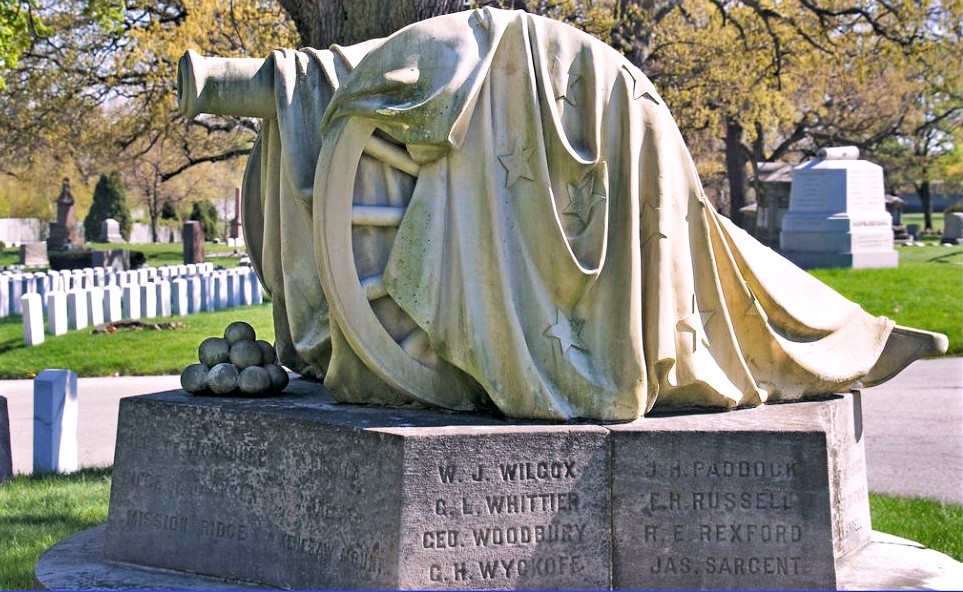
There is a monument to Battery A at Rosehill Cemetery on the north side. The names of those who died in service are inscribed in the base. W. J. Wilcox and R. E. Rexford are listed.
These are just a few of the stories of men from the Ridge who served in the Civil War.
Women joined the war effort, also. At least three U.S. Army Nurses who served during the Civil War have been identified from Blue Island. Tomorrow we will share their stories.
Ridge Historical Society
Part IV for Memorial Day – The Civil War and the Ridge
Carol Flynn, RHS Communications
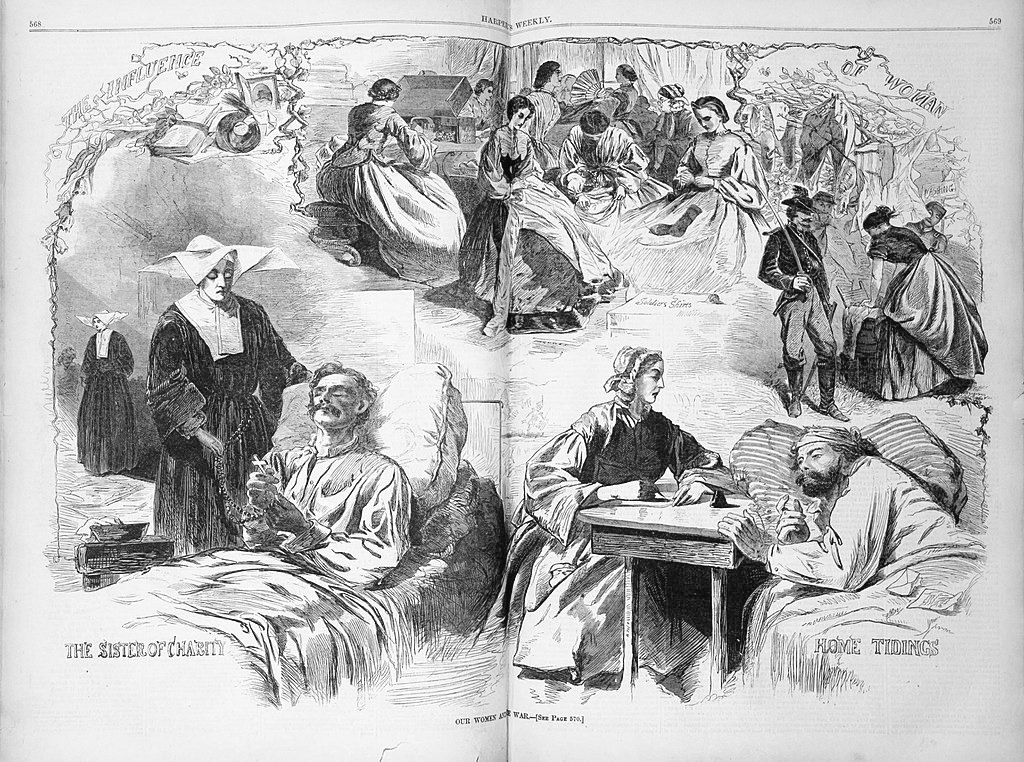
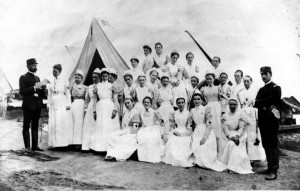
Women joined the war effort, also. At least three U.S. Army Nurses who served during the Civil War have been identified from Blue Island.
Thousands of women served as nurses during the Civil War, first as volunteers, and then as paid members of a nurse corps established through the efforts of Clara Barton in 1861. Dorothea Dix organized nursing efforts in the Washington, D. C., area, and Mary Ann Bickerdyke did likewise at the military camps in Cairo, Illinois.
Nursing as a profession was in its infancy, and there were no nursing education programs. At first women were considered too delicate to cope with the demands of caring for the sick and wounded, but they soon proved themselves through their determination, hard work and sacrifice. Women nurses were paid $0.40 per day. Male nurses in the same situations were paid over $200 per month.
Nurses came from many sources, including wives who had accompanied their soldier husbands to camps, women who lived by the camps, and members of religious institutions and relief organizations.
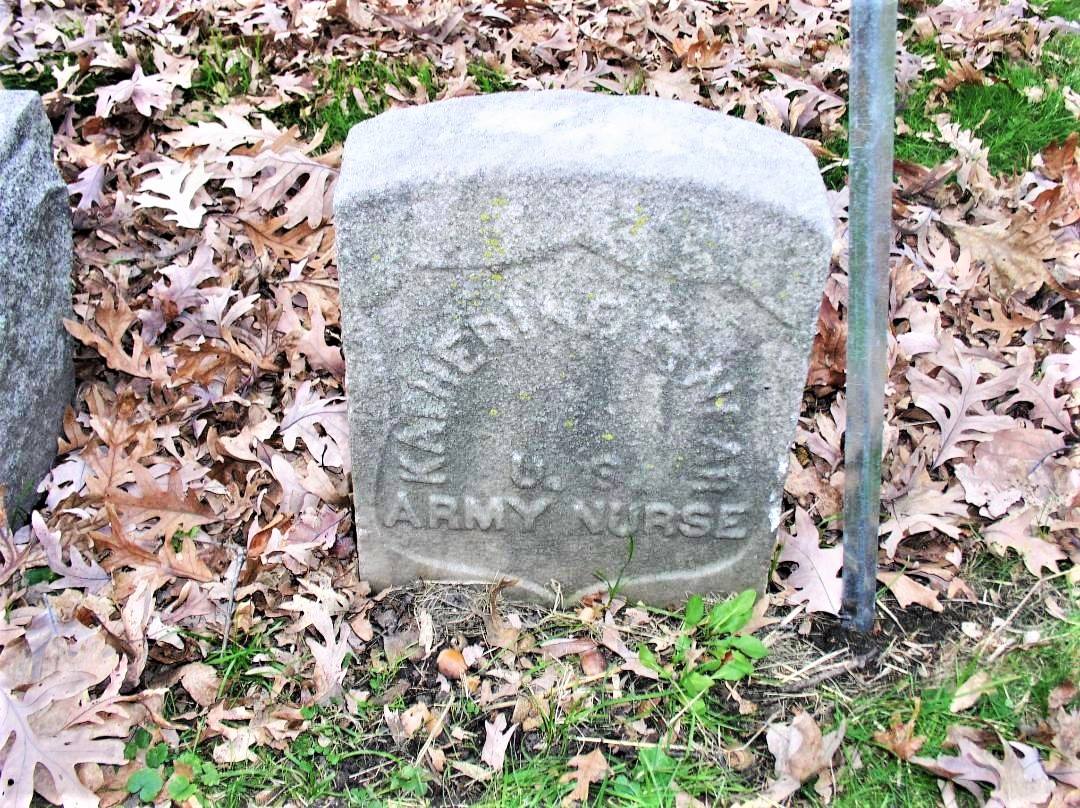
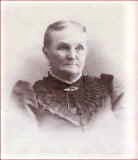
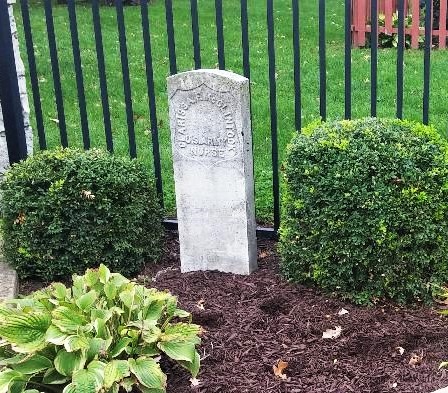
Mt. Greenwood Cemetery identified the grave of one Civil War woman veteran buried there, Catherine Near, U. S. Army Nurse. Her maiden name was Catherine Fay and she was known as Kate.
The Fay family came to Blue Island in the early 1850s. Kate was living with her mother and a son from a first marriage, with a sister and brother in town, when the war broke out. The exact sequence of events that led Kate to become an Army nurse are not yet documented, but records show that she married John H. Near, a soldier from Blue Island, in December of 1861 in Alexander County, which includes Cairo as the county seat. Cairo, at the southern tip of the state on the Mississippi River, was the site for many Union camps, a point from which the soldiers embarked for campaigns in the South.
So far there is no documentation of Kate Near’s experiences as a nurse. The 1870 U. S. Census reports John and Kate Near and her son living in Grand Tower, Illinois, in the far southern part of the state in Jackson County. It appears the marriage later broke up, with Kate and her son returning to Blue Island, and John Near relocating to Missouri.
Army records show that Kate received her own pension from the Army. She died in 1908 at the age of 73. The cause of death was listed as accidental gas poisoning, assumedly from a gas leak.
Kate’s brother, Jerome Fay, bought property for farming at the junction of the Calumet River and Stony Creek, which became known as Fay’s Point. Jerome married John Near’s sister, Lydia. So a Fay brother and sister married a Near brother and sister.
At the entrance to Memorial Park on 127th Street in Blue Island is a display of old tombstones dating back to the days when the park was the Blue Island Cemetery. One of the stones belonged to Clarissa F. McClintock, U. S. Army Nurse.
The McClintock family came to the Ridge in 1850 and was among the “intelligentsia” of early Blue Island. Clarissa’s mother, Laura (Mrs. Thomas), and her sister, Marion, ran a private school in their home on Vermont St. Her father Thomas allowed his large collection of books to be borrowed by the townspeople, starting the first Blue Island “library.” McClintock's occupation was as a county surveyor.
Both Clarissa and her older sister Marion were listed as employed in 1863 at Jefferson Barracks, Missouri, as commissioned nurses. As with Kate Near, no documentation of their experiences have been uncovered yet.
Clarissa was born in 1842 and died young, in March 1867, “after two years’ illness.” It is possible she contracted a lingering illness during the war. She was buried in the Blue Island Cemetery. That cemetery was closed and turned into a park. Most, but not all, of the graves were moved to other cemeteries. Her old gravestone is still in Blue Island but the location of the McClintock family graves hasn’t been looked into yet by RHS.
Marion was born in 1835 and died in 1900. She taught German for many years in the Chicago Public Schools. Marion is buried in Rosehill Cemetery.
The McClintock sisters and Kate Near are listed in the Army pension records. They are also listed in the Illinois Roll of Honor, compiled in 1929 to identify the burial places of those who served in any of the wars up to that time and were buried in Illinois. The list was started to aid in honoring deceased veterans on Decoration (Memorial) Day.
This concludes our posts – for now – about some of the Ridge residents who served in the U.S. Civil War. Their sacrifices to preserve the Union and the U.S. Constitution should be remembered.