
Explore the RHS Facebook Archives, a rich repository of local history written by Carol Flynn. For two decades, Carol brought a deeply dedicated voice to public education at RHS. Her role as Facebook administrator through mid-2025 naturally extended her prolific research into meticulously detailed articles, most notably her multi-part historical series posts. Today, Carol continues her local history writing for The Beverly Review and other outlets.
The Month of March – Frank and Kate Egan Family
The Ridge Historical Society
The Month of March
By Carol Flynn
March is here. This is a busy time for “tribute months.” We have National Women’s History Month, National Irish American Heritage Month, National Nutrition Month, National Craft Month, and a few others.
Daylight savings returns in March – we gain an hour of daylight; Spring begins in March. Passover and the Easter Holy Week both begin in March.
Our first story this month is a look at an Irish American Catholic family on the Ridge one hundred years ago, the George Francis Egan family. This is pieced together from newspaper accounts and Ancestry files, although it is not a full profile by any means. There may even be people reading this who knew the Egans – we’d love to hear from you.
Mrs. Kate Egan was an interesting person; she brought together the Irish, women, crafts, and food/nutrition themes for the month.
Like all families, the Egans had their good times and their tough times. They suffered several tragedies with the early deaths of loved ones. They were “typical” of many Irish Catholics in Chicago – until we get to their house. That sets them apart, and we’ll cover that in part 2.
George Francis Egan was born on October 25, 1857, in Chicago. His parents, Michael and Bridget, were both from Ireland.
Katherine Theresa Murnane was born on March 1, 1864, also in Chicago, and her parents, John and Anne were born in Ireland. Kate came from a large family.
On May 26, 1883, George, 25, and Kate, 19, were married.
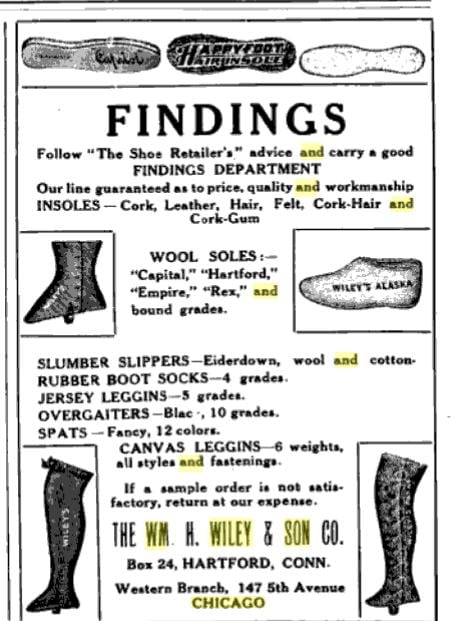
George’s occupation was listed as “department superintendent of a clothing company” for many years. He was with the W. M. Wiley and Son Company for thirty years, in charge of the factory in which over-gaiters and leggings were made. These went out of fashion, and the factory relocated out east. He became a self-taught carpenter. Later, he worked as a watchman.
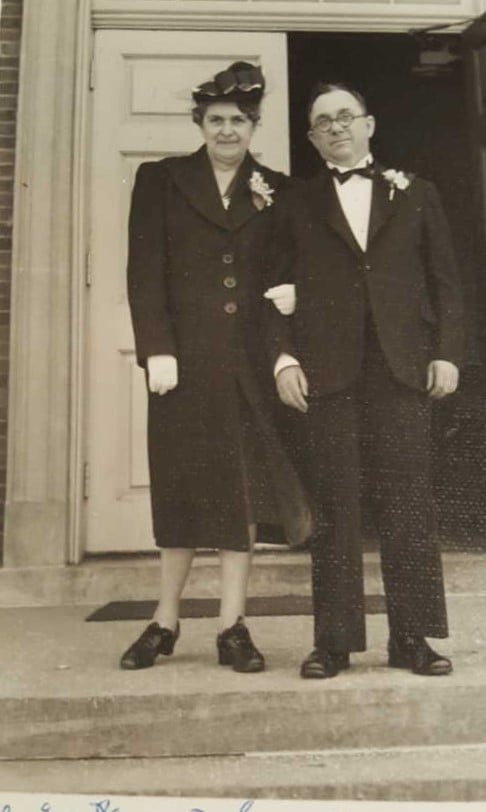
Kate and George had seven children, with four living to adulthood. These were George F., Jr., Florence, Bernard, and Marie.
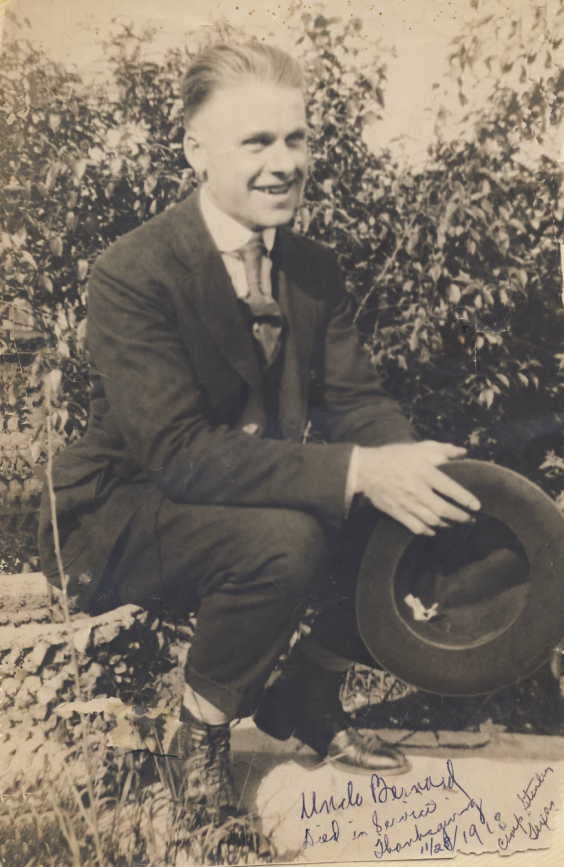
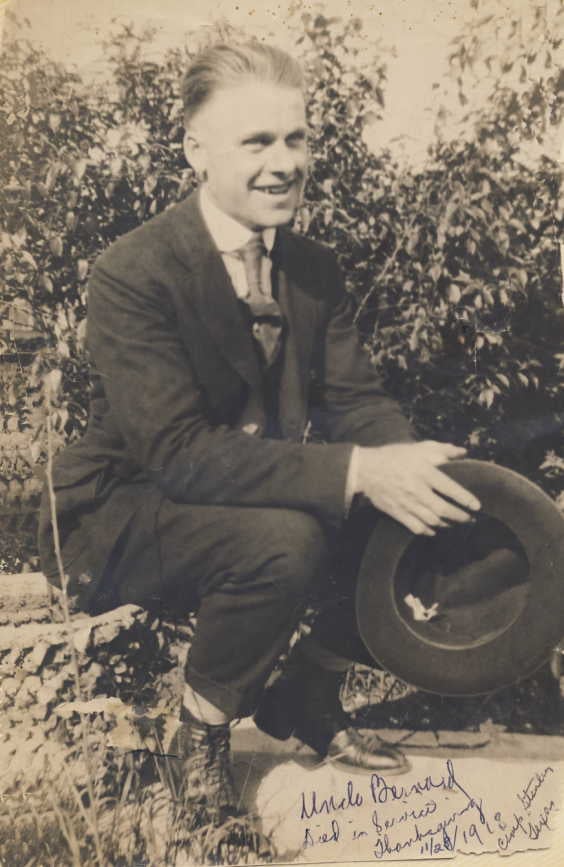
Unfortunately, Bernard died as a soldier during World War I, in a Texas military camp hospital in 1918 at the age of 24. The cause of death was pneumonia, a complication of influenza. Mrs. Egan and daughter Florence traveled down to San Antonio to arrange to have Bernard returned home, and he was buried in Mount Olivet Cemetery.
George, Jr., became an electrician with the city of Chicago, married Emily Biggs from England, and lived up north in the Irving Park area. They had seven children.
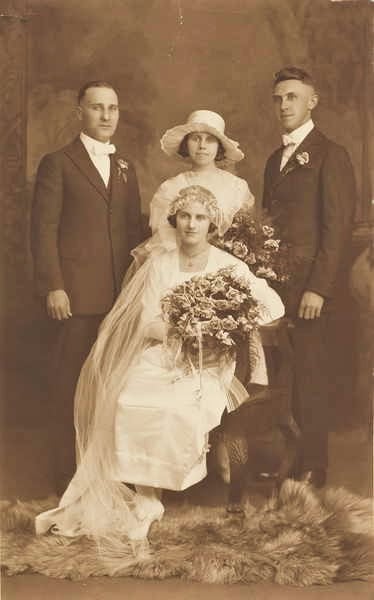
In 1920, Marie Egan, who had been working as a bookkeeper at a publishing company, was married to George DuMais in a “beautiful double ring ceremony” at St. Margaret of Scotland Church which was the only Catholic parish then serving the entire Ridge. Her sister was maid of honor and her brother’s daughter the flower girl. A wedding breakfast was served at the Del Prado Hotel, and the couple left for their new home in Portland, Oregon, where her husband’s job temporarily took them, although they came back to the Ridge shortly thereafter.
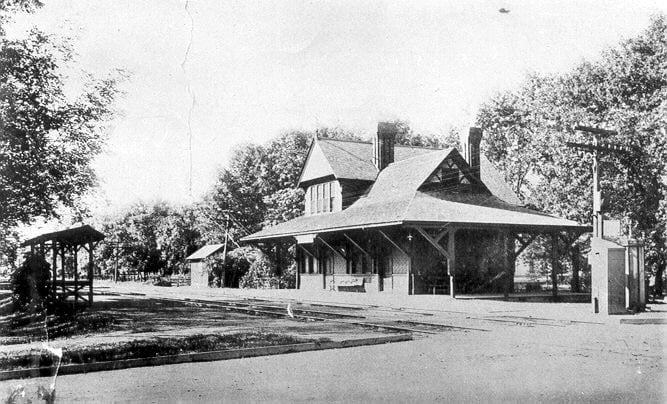
Her husband was a World War I veteran and a switchman with the railroad. He was killed in October of 1924 at the age of 32 in an accident at the Rock Island switching yard in Blue Island. This left Marie with three small children, and she went to work as the agent at the 103rd Street Rock Island (Metra) station. She lived at 10301 S. Walden Parkway, which might have been the train station. Often agents lived on the second floor.
Florence graduated from Englewood High School in millinery work in 1921. She married Benjamin McGovern of Buffalo, New York, in 1924. She had one son. Her sister held both her wedding and baby showers. That marriage ended in divorce.
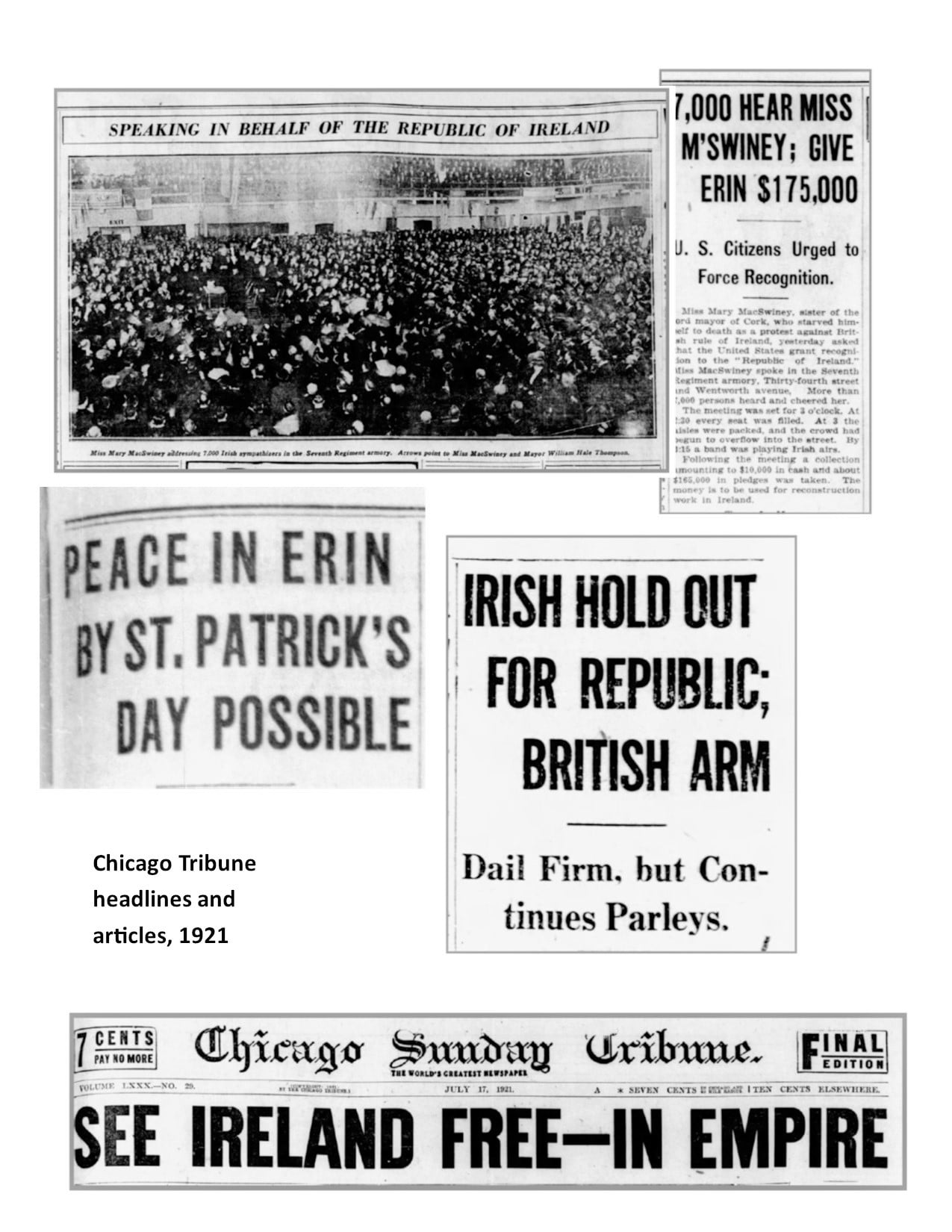
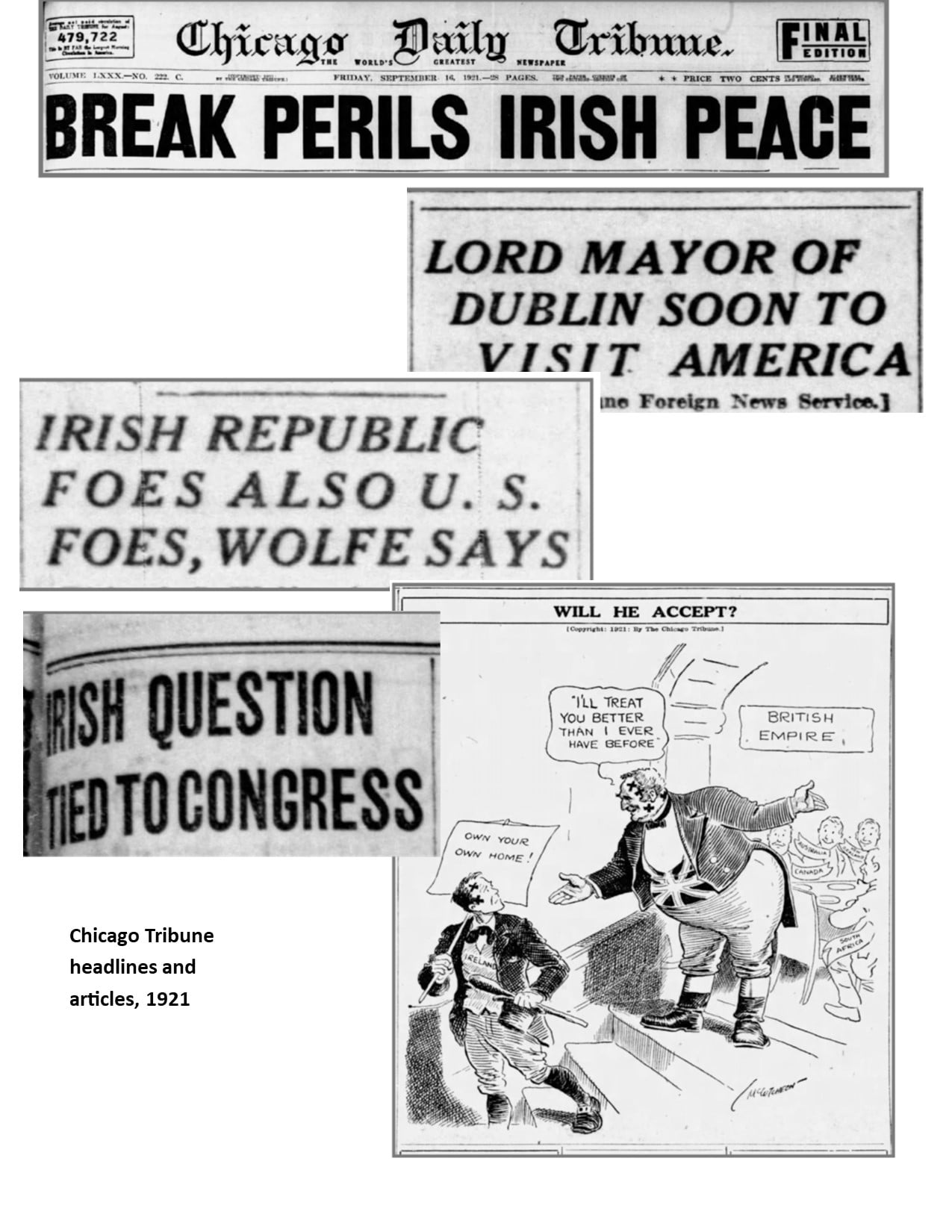
Both Mr. and Mrs. Egan were reported in the newspapers as being involved in the American efforts for Irish independence. This was an ongoing issue of extreme importance for the Irish who had settled in America, and their descendants, and the newspapers of the day covered the topic in great detail.
In 1921, George was reported as the point person on the Ridge for a bond drive for the Irish Republic, and Kate was reported as being on the membership committee for a group working for the recognition of the Irish Republic. From 1919 to 1921, over $5 million was raised in the U.S.to keep alive the political and revolutionary efforts in Ireland during the country’s struggle for independence, through the Sinn Fein political organization.
They were active in the community in other ways also. At Christmas time, in 1920, “Grandfather” Egan played Santa Claus for the Catholic Order of Foresters on Christmas Eve. The Catholic Order of Foresters is a fraternal benefit society. It was formed to offer insurance to its members – death claims, and funeral and sick benefits.
In 1926, George worked with the election commissioner’s office on the recount of ballots.
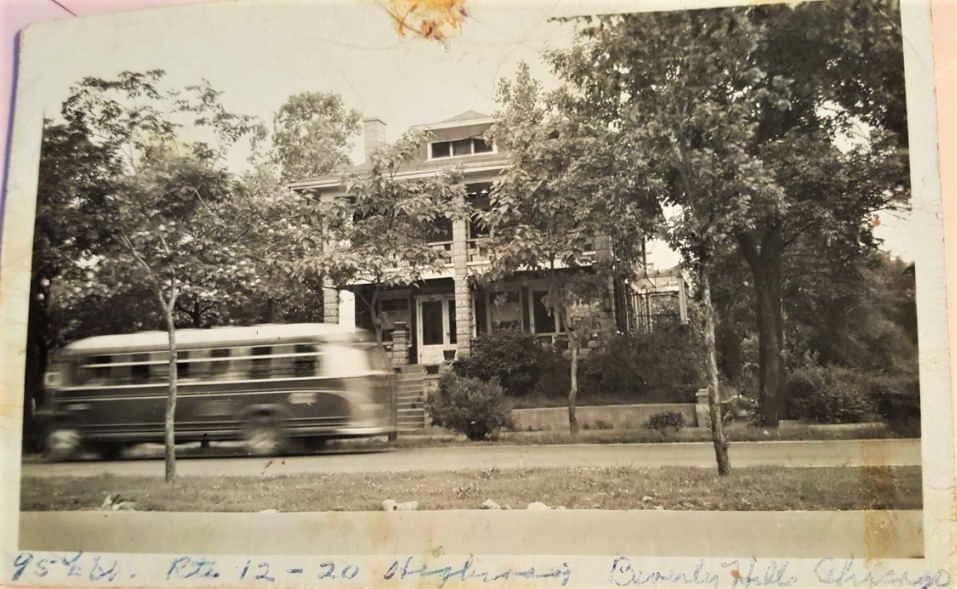
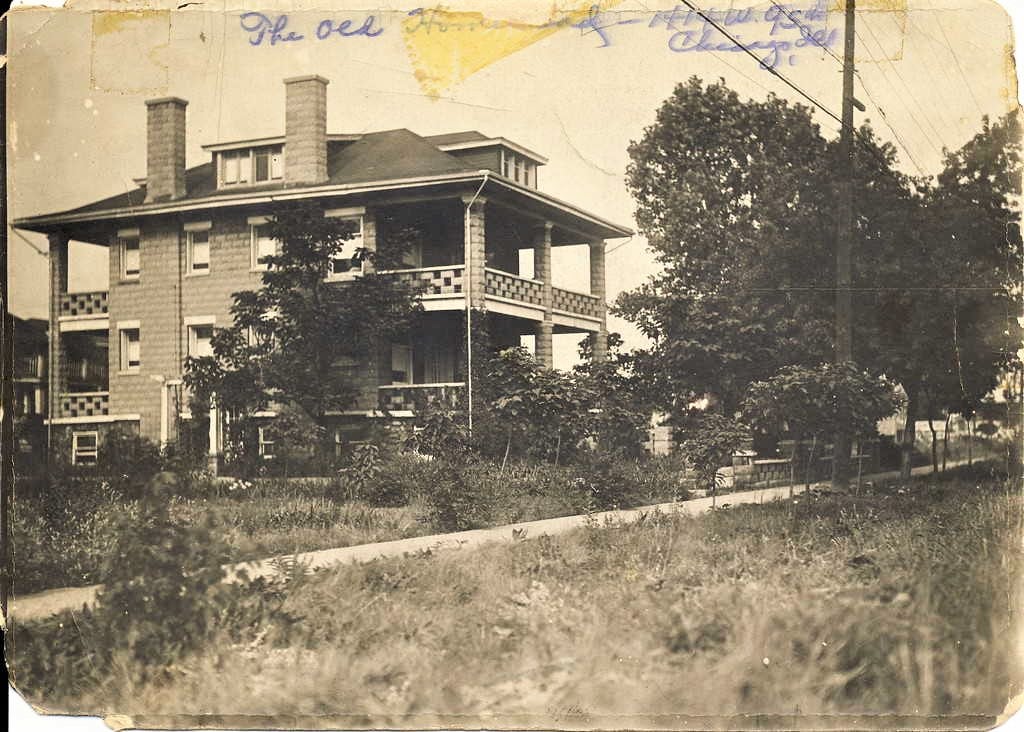
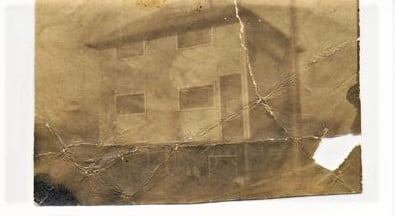
One of the most fascinating parts of the Egan family’s story was their house at 1414 West 95th Street, unfortunately, now an empty lot. This is where they separate from “typical” families on the Ridge. This also brings in National Craft Month.
Next installment: The George F. Egan House
The Ridge Historical Society
The Month of March – Part 2 on the George F. Egan Family
By Carol Flynn
An interesting development has occurred since the first post on the George F. Egan family a few days ago. Through Ancestry, we were able to connect with the great-granddaughter of George and Katherine Egan, and she has graciously given us permission to share some pictures and additional information from the family.
George Francis “Frank” and Katherine Theresa “Kate” Murnan Egan and their descendants were a pretty typical Irish American family living on the Ridge one hundred years ago – typical, that is, except for the house they built at 1414 West 95th Street, which received a lot of media attention. As March is National Irish American Heritage Month, National Women’s History Month, and National Craft Month, the story of their house ties all three themes together, and we will get to that in the next post.
Some additional information we have on the family itself is that George Francis Egan always went by “Frank,” and he was a trustee for the Village of Fernwood in the 1880s. Fernwood was a small area to the east of Washington Heights that annexed to the city of Chicago in 1891.
According to the family, Frank and Kate were small in stature. Frank stood only 4 feet eleven inches tall, and Kate was only 4 feet 10 inches.
Frank worked as a tailor with the Singer Sewing Machine Company during World War I, and made puttees, or leggings, for the soldiers. A newspaper article reported that Frank also worked for years before that with the W. H. Wiley and Son Company, based in Connecticut, where he was in charge of the Chicago factory in which over-gaiters and leggings were made. These eventually went out of fashion, and the factory closed. A copy of an ad for this company is attached, showing the products made there.
The U.S. Census records list that Kate and Frank had seven children, but only four lived to adulthood. These four were identified in the first post and are included in the pictures here. Two sons and a daughter died young; one son was only five years old and the other two are assumed to have died as infants. This type of mortality rate was only too prevalent back then.
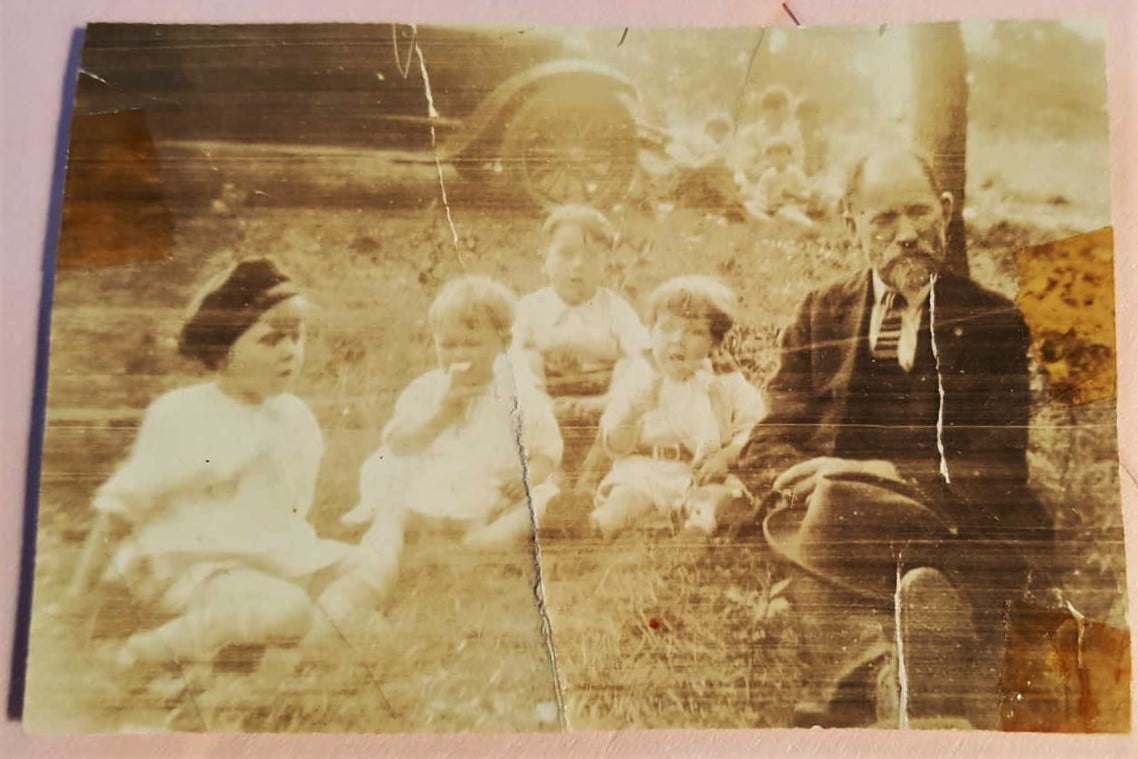
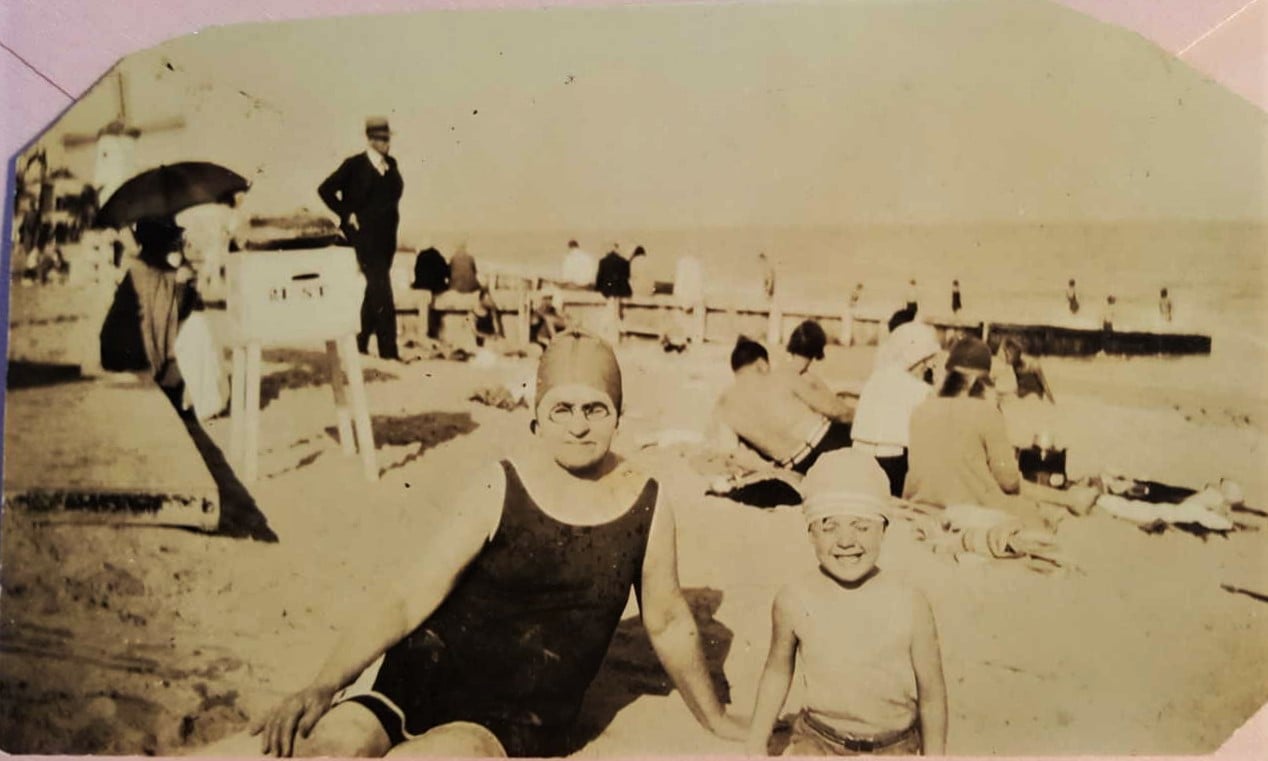
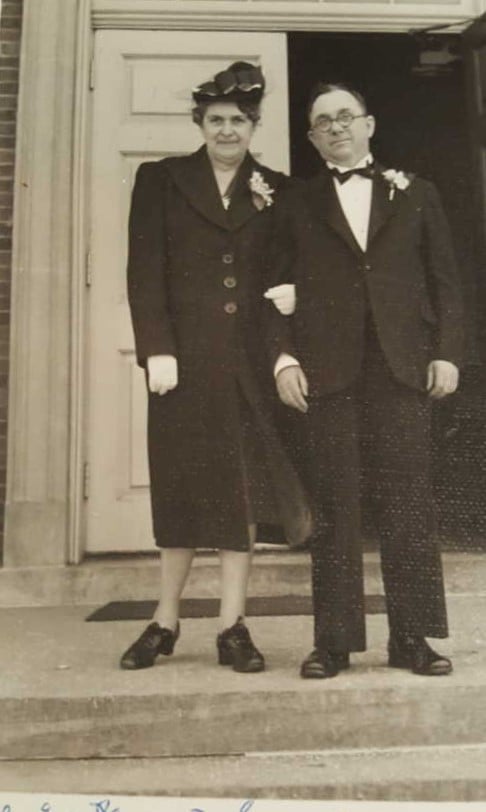
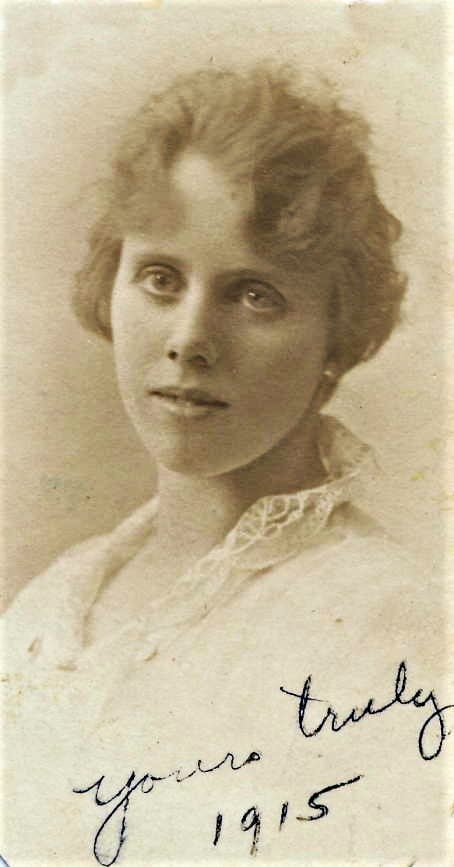
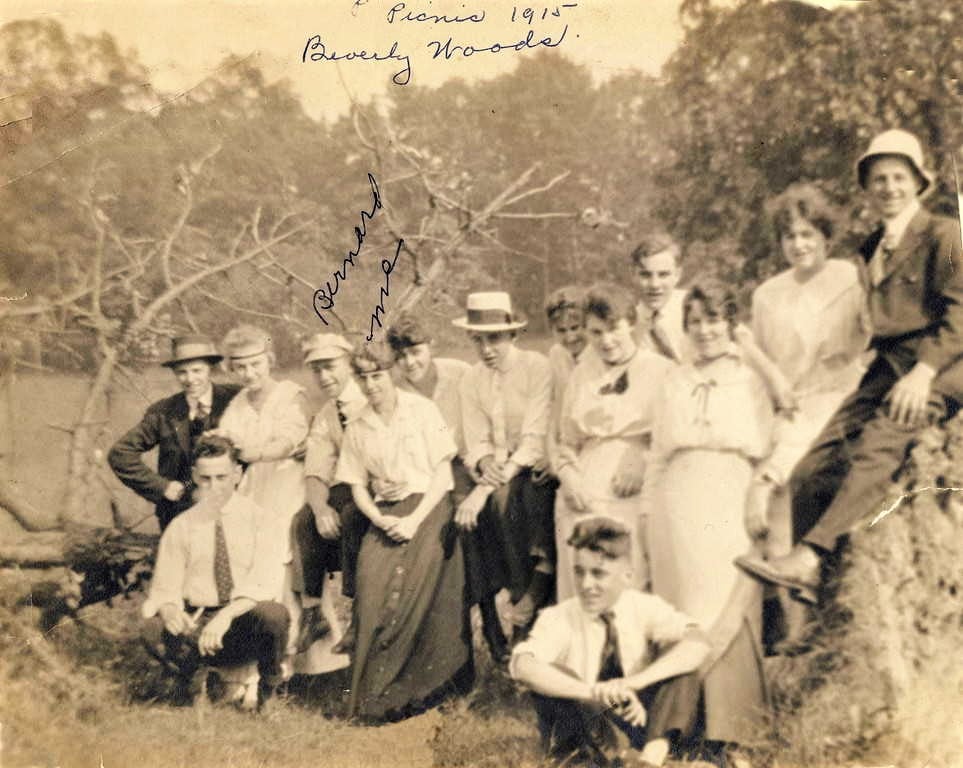
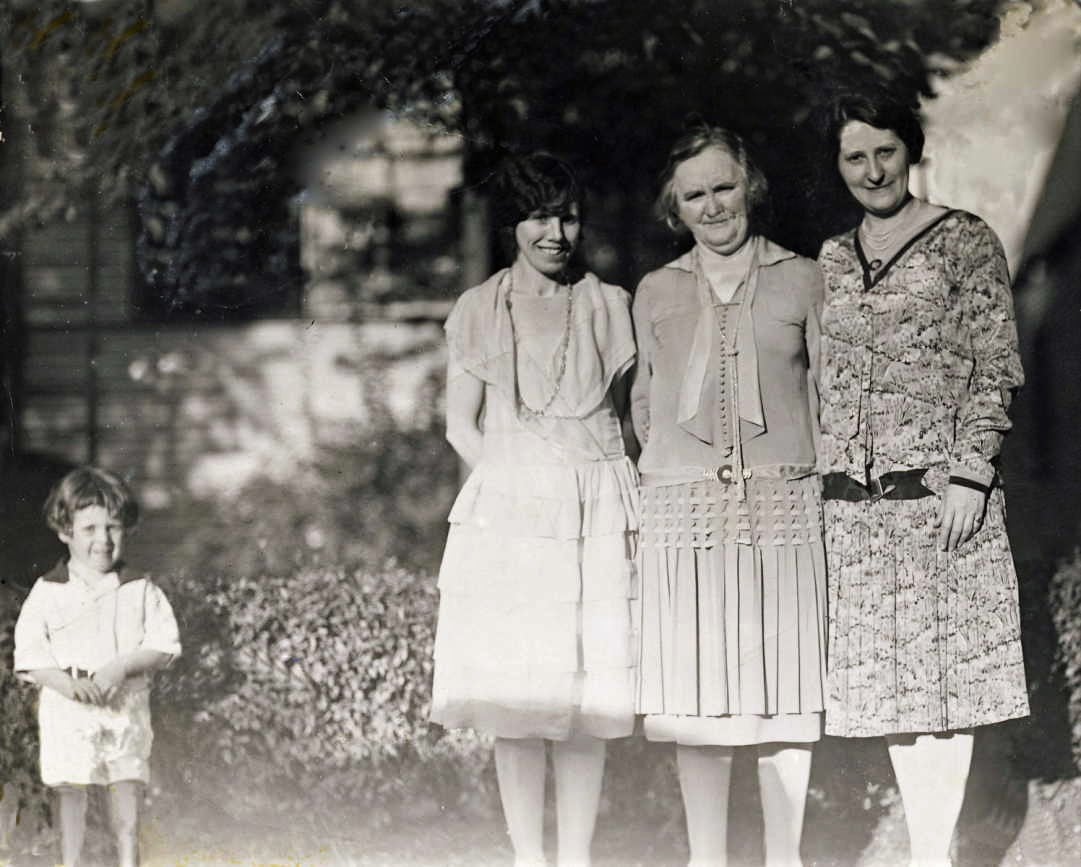
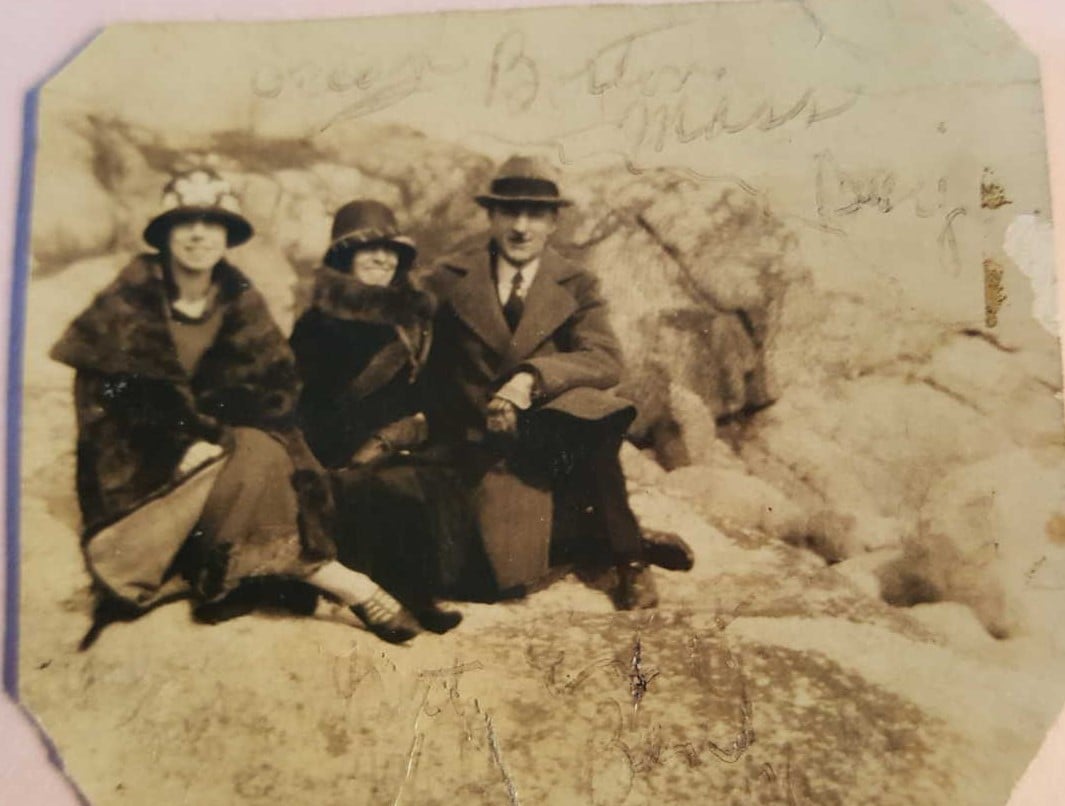
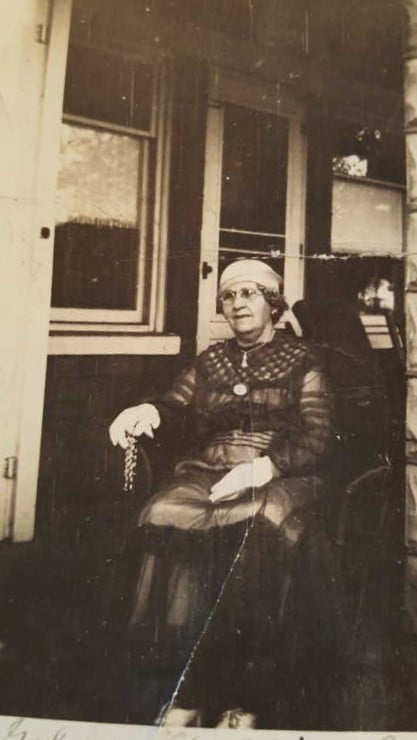
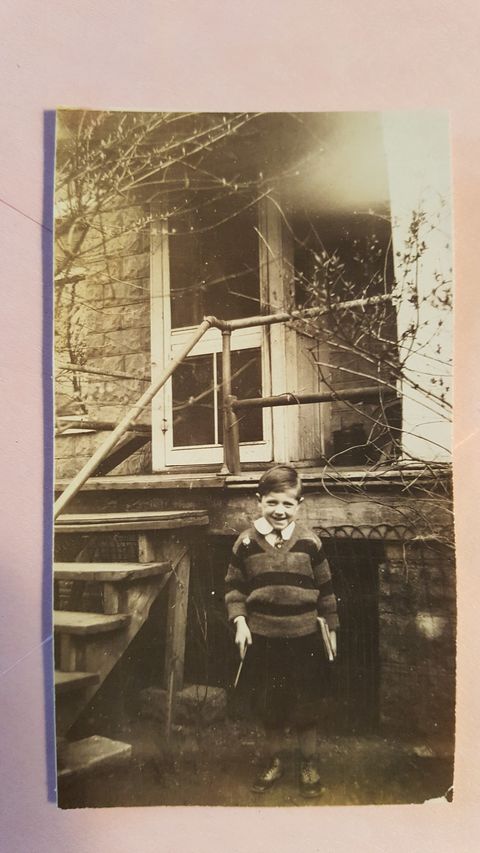
Pictures of the family are attached, from user submissions on Ancestry. Each picture is explained in its caption.
Next: The house at 1414 West 95th Street.
The Ridge Historical Society
The Month of March – Part 3, The House the Egans Built
By Carol Flynn
In the last few posts, we’ve been profiling the Frank and Kate Egan family, a typical Irish American family that lived on the Ridge one hundred years ago. They became media celebrities due to the house they built at 1414 West 95th Street.
As March is National Irish American Heritage Month, National Women’s History Month, and National Craft Month, the story of their house ties all three themes together.
The Egans lived at 9440 S. Loomis Street for a number of years. In 1912, they acquired the property at 1414 West 95th Street, a 50-foot by 125-foot lot, with the intention of building a house. They set up a temporary portable structure like a garage that they intended to live in for a short time while the house was built.
At the time, a new building material, and the technology for making and using it, that was generating incredible public interest was cement.
Cement is a binding material that can be made from a variety of chemical substances (limestone, etc.) that when mixed with sand, gravel, and water, dries into a hard substance called concrete. Wet concrete can be poured into molds to dry to look like anything, from bricks to furniture.
The term “new” is relative here because deposits of cement formed by natural means have been found that are estimated to be twelve million years old. A form of cement was used in the Bronze Age, and it was continually refined up to modern times. Advances in the 1800s led to a product that had a reasonable drying time and developed strength quickly, important characteristics. Machinery for making cement and concrete also advanced during this time period.
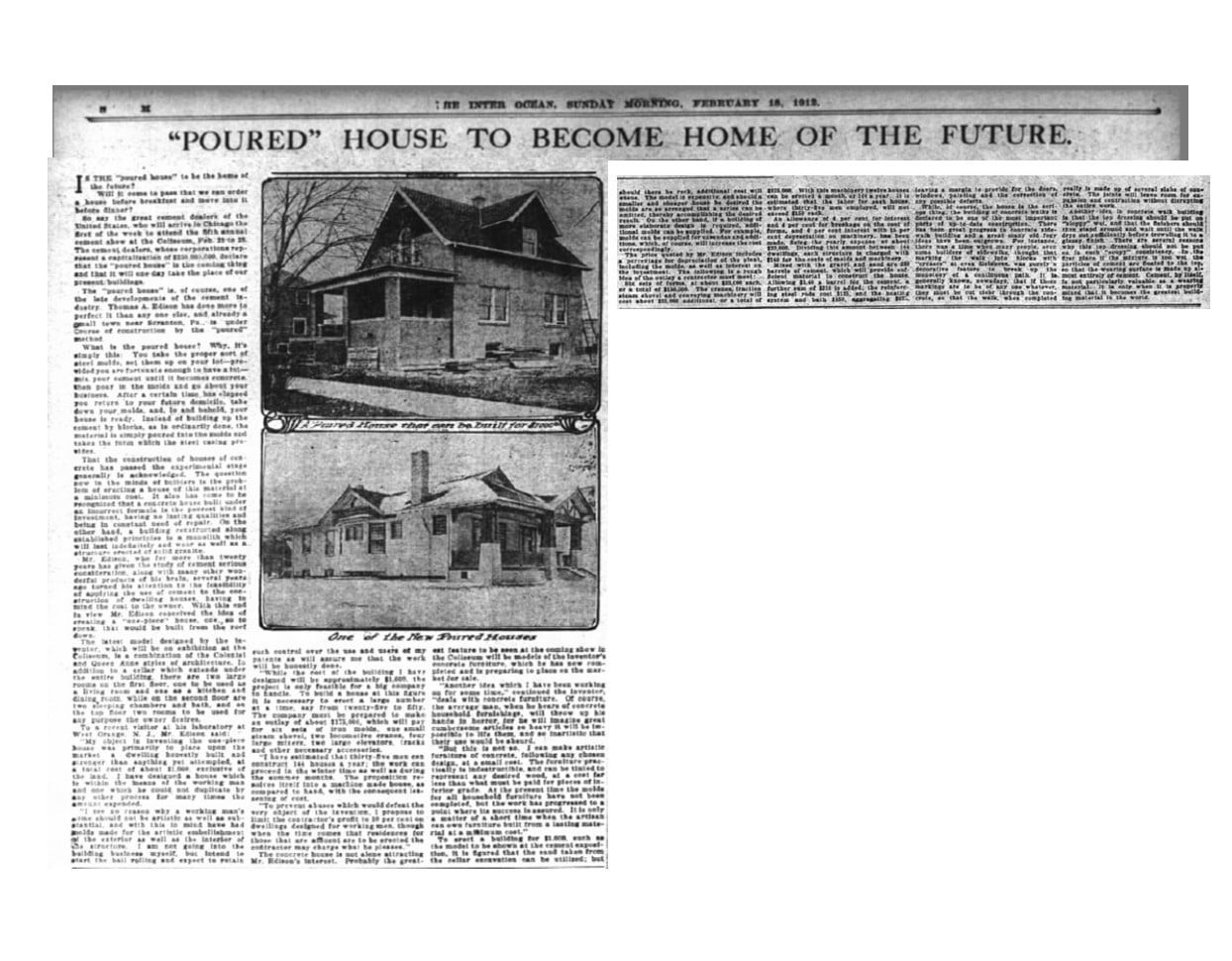
The use of concrete in construction grew rapidly from 1850 on. It was used for the foundation of buildings. Then in 1908, Thomas Edison experimented with using pre-cast concrete to build houses.
Cement manufacturers and dealers began holding an annual industry exhibition at the Chicago Coliseum in 1908. By 1912, the show had 300 exhibits and 10,000 attendees. On display was everything from concrete burial cases to concrete pianos – and concrete houses.
“’Poured’ house to become home of the future” declared the Inter Ocean newspaper. A “poured house” was created by mixing cement with the materials to make concrete, pouring it into molds, letting it dry and harden, and removing the molds to use the finished structural pieces. They could be any size blocks or an entire side of a house.
Many of the exhibitors held contests and games at their booths with prizes awarded to members of the public. A newspaper article reported that Kate Egan attended the cement show at the Coliseum and was presented with a machine for making concrete blocks.
Egan family descendants reported that at a church fair, husband Frank won a set of cement brick molds.
Son Bernard began to build cement blocks, and produced enough to cover the entire garage. The family then designed and began to build an entire house from cement blocks they made themselves.
They started by gathering large granite boulders to use for the foundation. All of the family members kept their eyes open for boulders. Kate drove around in a horse and buggy looking for boulders, which Frank would then call for. Note, there were a lot of boulders left by glacial activity thousands of years ago that could be found, although it took some time to round them all up.
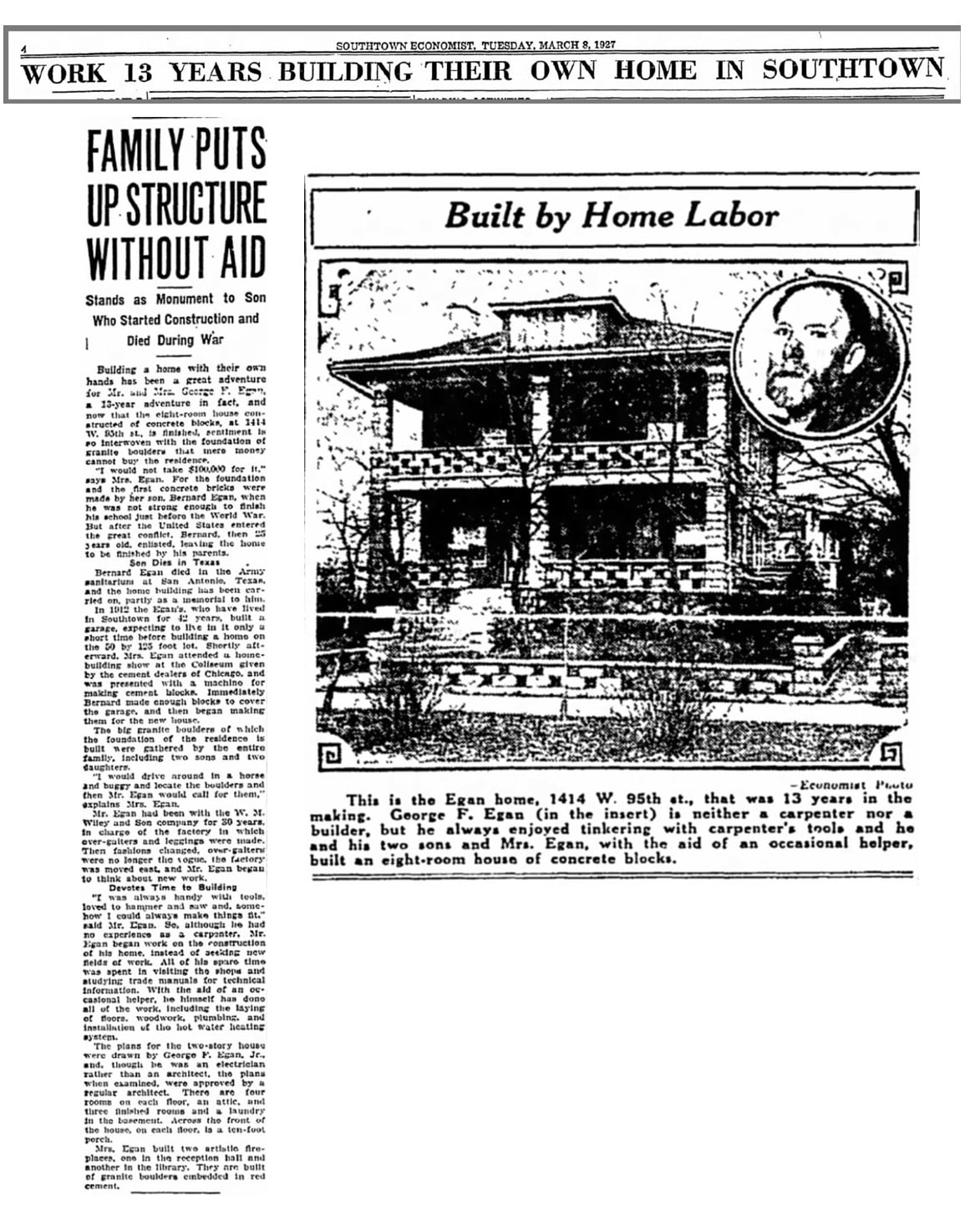
The plans for the house were drawn up by George, Jr., who was an electrician, and they were approved by an architect. There were four large rooms on each floor, an attic, three finished rooms in the basement plus a laundry. Porches were planned for the fronts and backs of both floors.
Frank was always handy with tools, so although he had no experience as a carpenter, he began constructing the interior of the home. He visited shops and studied trade manuals for technical information. With just some occasional professional help, he installed the plumbing and a hot water heating system, and laid the floors and woodwork. Presumably, son George took care of the electricity.
In October of 1918, it was reported that Kate, with the help of a mason, laid the final cornerstone of the house herself. She said many times afterward that she was proud she accomplished that.
Unfortunately, tragedy struck the family the next month. Although he had health problems, Bernard had enlisted at the start of World War I. In November of 1918, he died of pneumonia as a complication of influenza in a military hospital in San Antonio, Texas. His mother and sister Florence traveled down there to arrange to have his remains returned home, and he was buried in Mount Olivet Cemetery.
Bernard had built the foundation and first floor of the house. The family’s sentiment was so interwoven with the granite boulders that Kate declared a monetary value could never be placed on the house and she would not take even $100,000 for the home.
Kate was the creative force behind much of the project. She built two artistic fireplaces, one in the reception hall and another in the library. They were built of granite boulders embedded in red cement.
There were 32 windows in the house that were inset with colored stained-glass fleur-de-lis, according to a newspaper article. Kate planned this based on her love of seeing the French flag waving. There are many symbolic meanings of the fleur-de-lis, including honor and faith.
The family lived in the house while they built it. In 1920, the newspaper reported the house was almost finished and their friends would soon join them for a magnificent house-warming. There were still finishing touches to be made and Frank and Kate later estimated it ultimately took 13 years to complete the house.
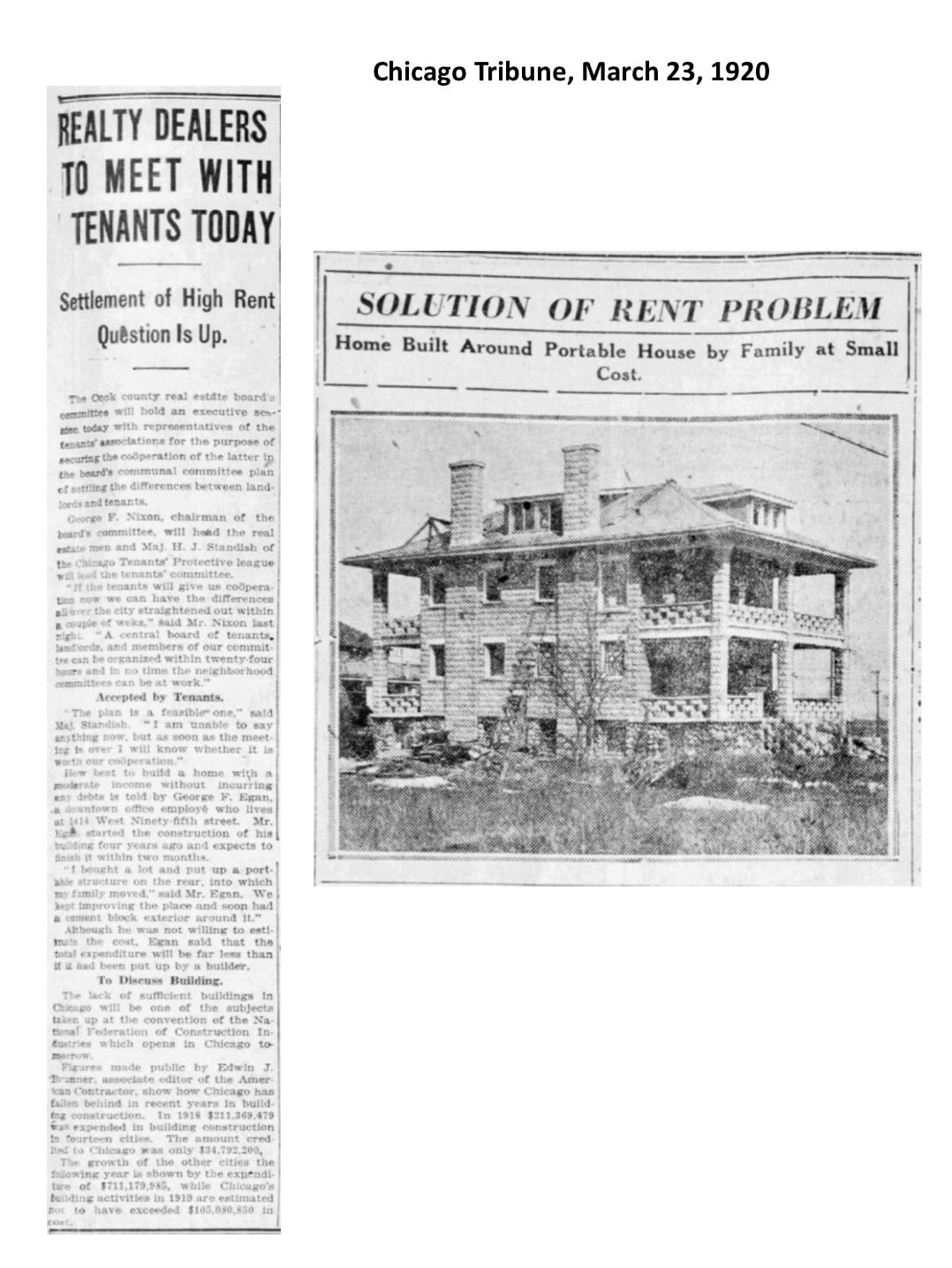
Affordable housing, whether building, buying, or renting, was then, and always will be, an issue. Frank was part of a program in 1920 to advise people on how to build a home on a moderate income without incurring debt. He would not estimate the cost of the house but said that the total expenditure would be far less than if it had been put up by a builder.
Kate lived in the house until her death in 1947; Frank had died in 1939. Daughter Florence and her son lived with Kate. According to family stories posted on Ancestry, the family ran the house as a “tourist home,” what we would call a bed-and-breakfast today. It was a huge 10 room house, and at one point they were approached to sell it to a mortuary firm but turned the offer down.
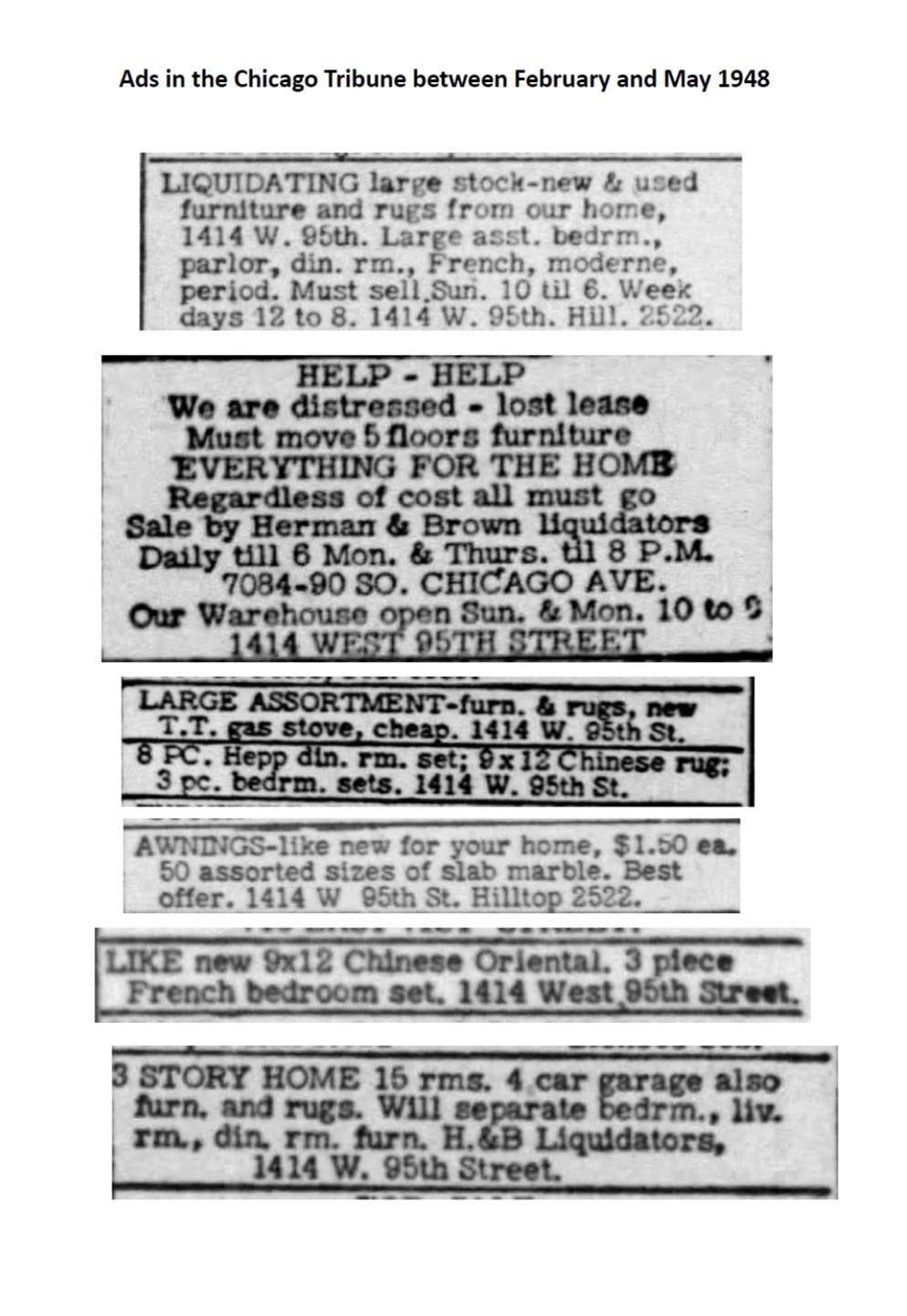
In the spring of 1948, there were a series of ads about items for sale from the house.
RHS has tracked down, so far, that the house was still occupied in the late 1950s. We’re trying to discover when it was torn down. Today the address is a vacant lot.
This gives new meaning to a “craft project” for National Craft Month.
Next post: Some final information on the Egans.
Note that other people had concrete houses built on the Ridge and there are some outstanding examples in the Beverly/Morgan Park area today.
The Ridge Historical Society
The Month of March – Part 4, Wrap up on the Egan Family – Sons George and Bernard
By Carol Flynn
This post continues our story on the Frank and Kate Egan family, an Irish American family who lived on the Ridge one hundred years ago.
The Egans became famous for building a concrete-block house on 95th Street in the 1910s, doing all the work themselves. They lived in the house for almost four decades.
They often shared information about their activities with Pauline Palmer, the reporter for the “Ridge and Morgan Park News” section of the Englewood Times, so this gives us a glimpse into the social lives of a Ridge family. Mrs. Palmer only lived a few blocks away from the Egans and surely they were acquaintances.
Also, through Ancestry.com, RHS connected with the great-granddaughter of Frank and Kate Eagan, and she generously shared photos and family information with us. We are very grateful for that.
Here are some “moments in time” from the Egans.
A lot of Irish Catholic families, especially “older” generations, will relate to this story. The one thing many Irish Catholic mothers set their hearts on was that one son would become a priest. Denied the right to practice their faith in their own country for so many years by the British government, and experiencing a great deal of anti-Irish Catholic sentiment in the U.S. by the established Anglo-Protestant leadership, Irish Catholics tenaciously clung to the Church in the U.S. Priests were not only spiritual leaders, they were social and political leaders, also. They were local celebrities.
According to Egan family folklore, oldest son George, Jr., was apparently slated for the priesthood, at least in his mother Kate’s viewpoint, until he met and married Emily Biggs. George became an electrician, and in 1919, they moved to the north side in the Irving Park area, and eventually had seven children.
Undoubtedly, Kate was disappointed that George did not become a priest. But there are entries in the social notices that George and Emily were guests of his parents, and their children were also entertained at their grandmother’s house.
In addition, Kate stayed with George and Emily for two weeks in 1918 when Emily was ill with influenza and pneumonia. At least one of the children was also ill with bronchitis.
In 1920, there was an entry that Emily Biggs Egan received notice that she and her descendants were beneficiaries in a large estate left by a deceased aunt and uncle. Surely that was welcome news.
In previous posts, we’ve shared that the Egans’ second son, Bernard, died from influenza and pneumonia at the age of 24 in a military hospital in Texas. According to the newspaper, he died on Thanksgiving Day, 1918. His mother Kate and sister Florence traveled down to Texas to arrange to have his body returned to Chicago.
The solemn high Mass, at St Margaret of Scotland Church, and burial in Mount Olivet Cemetery took place in February 1919, likely delayed by weather and the ground too frozen for the burial.
In 1917, the newspaper carried several stories about Bernard. We posted before that it was Bernard who made the first cement bricks that were used to cover the garage and begin the house, and he did most of the building of the foundation and first floor. Now he was traveling throughout the East Coast and Canada as a representative of the Bates Valve Bag Company, which produced machines for packing cement and like substances.
He came home for Easter, and that summer, it was reported he was home for a brief visit before he left for a long trip through South America.
Pauline Palmer reported, “Mr. Egan has been very successful and the neighborhood is proud of him.”
Whether any of that trip took place before Bernard enlisted in the Army isn’t reported. It also isn’t reported what kind of service action Bernard saw once he did enlist. Eighteen months later he died in Texas.
Losing Bernard was a tragic blow to the family. For several years, on Thanksgiving Day, Bernard was remembered at St. Margaret’s Church with services in his honor.
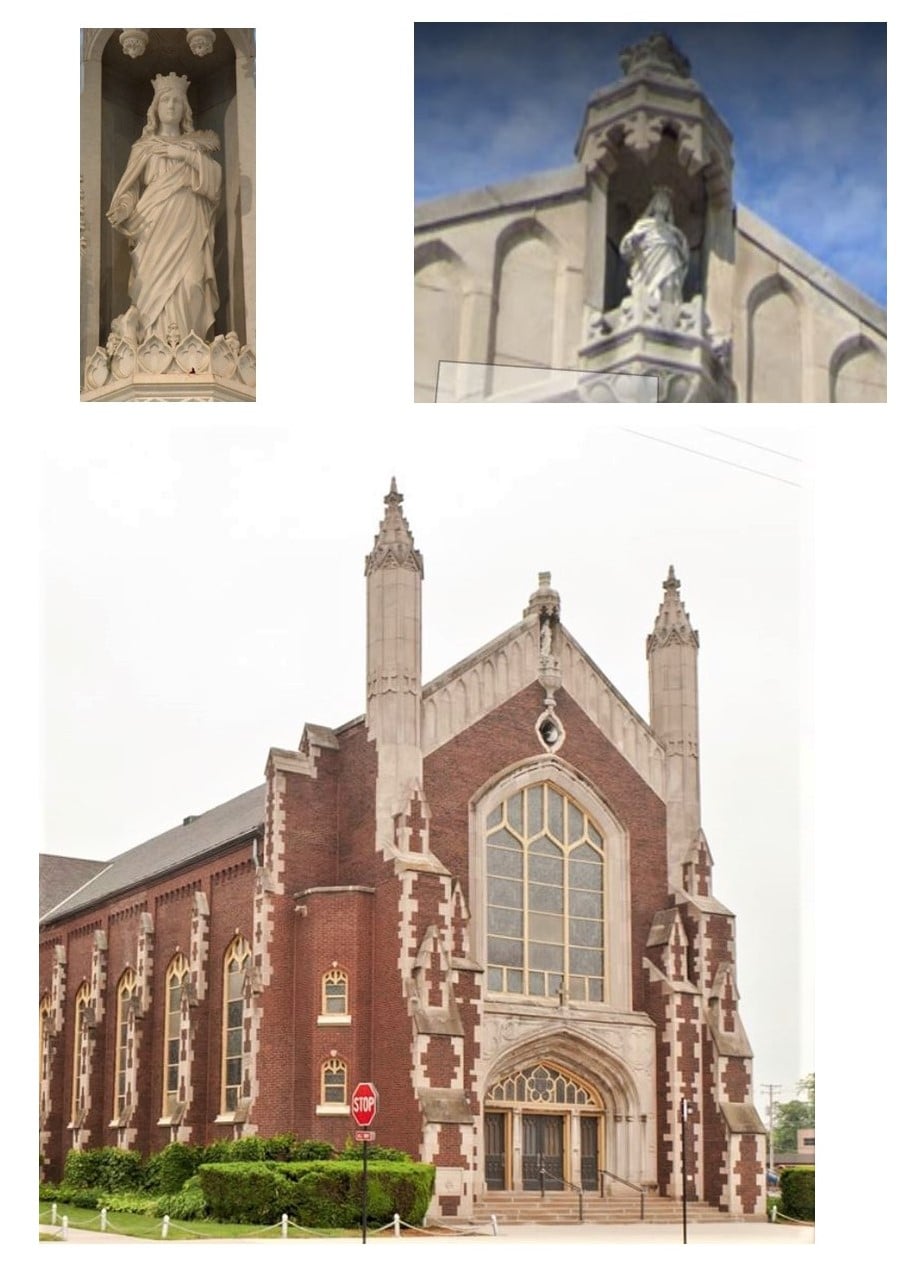
In 1927, St. Margaret of Scotland Parish began the construction of a new church. The paper reported that Frank and Kate Egan were donating a statue of St. Margaret to the new church in memorial to Bernard and to their son-in-law George Dumais who was killed in 1924.
Bernard lost his life in the Influenza Pandemic of 1918-19. Other family members were also very sick that year. Kate was ill in October. Daughter-in-law Emily was ill in November and daughter Florence in December. Frank, the father, was very ill with influenza in the spring of 1919. Fortunately, they all survived.
Next post: Egan daughters Florence and Marie.
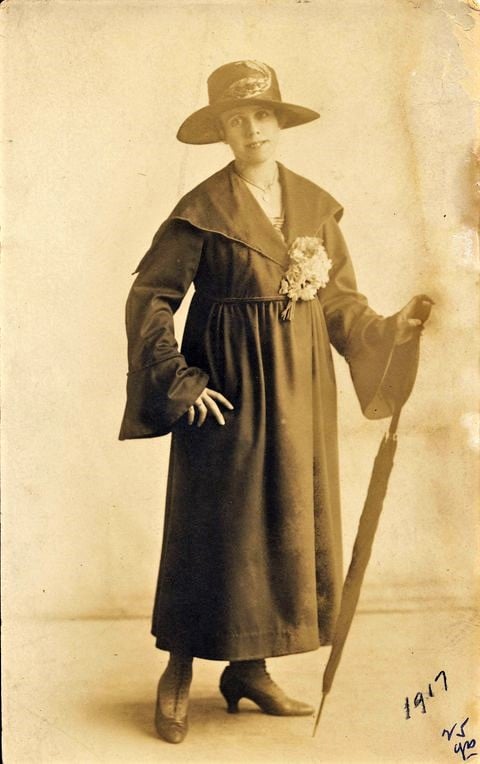
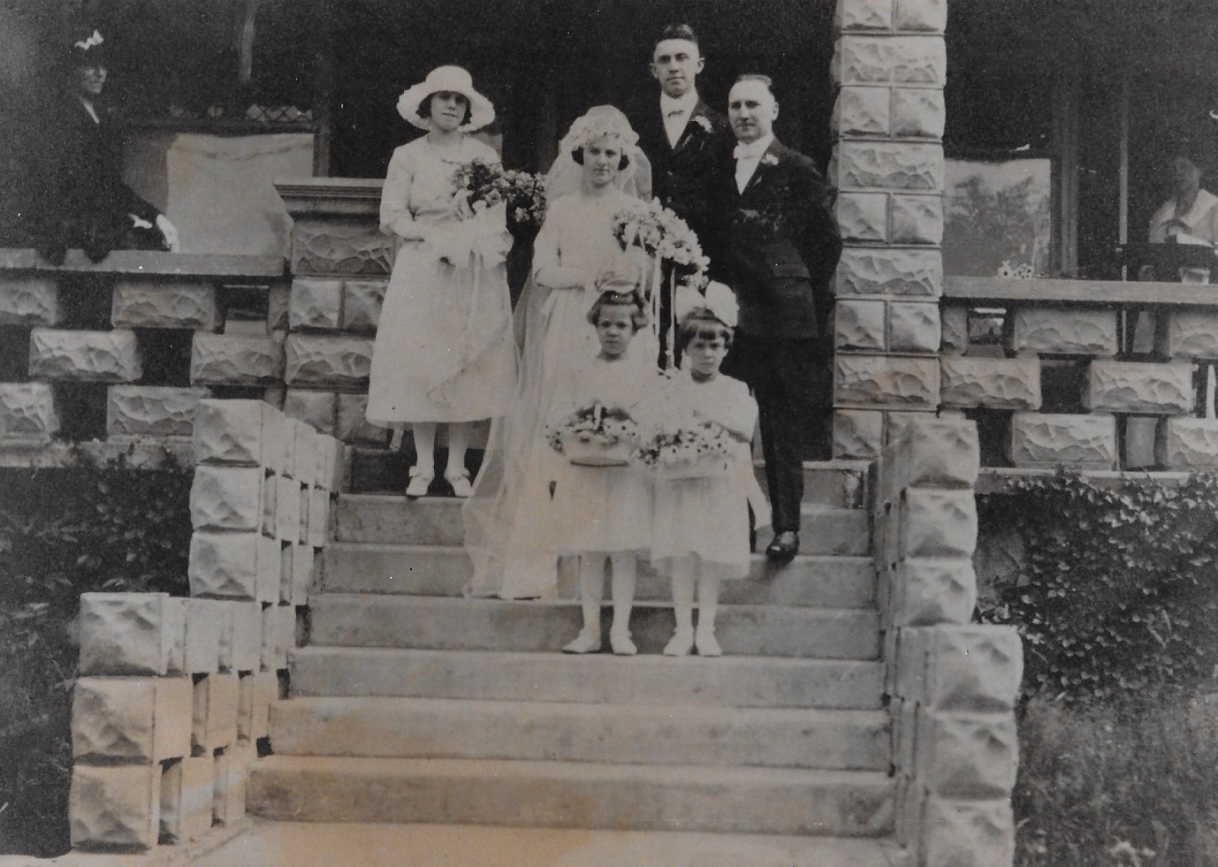
The Ridge Historical Society
The Month of March – Part 5, the Egan Daughters
By Carol Flynn
We’ve been looking at the George Francis (Frank) and Kate Egan family, an Irish American family that lived on the Ridge one hundred years ago. We shared some information on the sons, George, Jr., and Bernard, in the last post. This post will look at the daughters, Florence, born in 1892, and Marie, born in 1898.
Like most Irish American Catholic families at the time, activities centered around family, the Church, and Irish organizations. We see this with the Egan daughters. The family belonged to St. Margaret of Scotland Parish at 99th and South Throop Street. Florence and Marie were both involved in multiple activities and organizations, often following in their parents’ footsteps.
In 1919, the local paper reported Florence and Marie spent the Fourth of July in Indiana and both came home with “a nice sunburned complexion.” They were members of the One-Two-Three Club, and they entertained the club at their house; the Egan house was a stop for the club’s progressive hiking party, where refreshments were served at the stops.
After their brother Bernard died in 1918 from influenza while he was in the army, the family became involved with the Gold Star Mothers. Florence and Marie were mentioned in the local paper for assisting at the candy booth for the Gold Star Mothers’ bazaar held at the Coliseum.
Florence served as an officer with the St. Margaret’s chapter of the Women’s Catholic Order of the Foresters, which formed following the men’s organization, to offer sick, funeral and death benefits. She was also a member of the Daughters of Isabella, the women’s auxiliary of the Knights of Columbus.
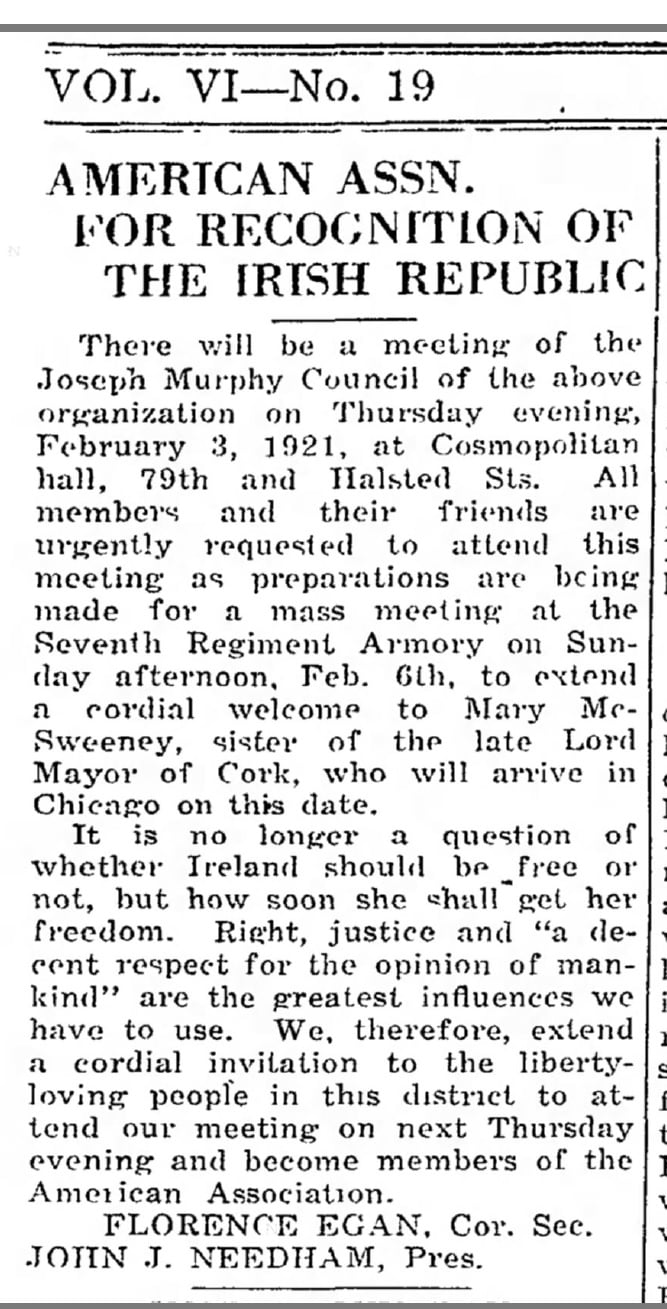
Like her parents and many Irish American Catholics, Florence was very active in efforts to secure Ireland’s freedom. She became the recording secretary for the Joseph Murphy Council of the American Association for the Recognition of the Irish Republic.
In 1921, she and the president posted an open invitation in the newspaper for people to attend a meeting of the group. She attended an outing with the group at Riverview Park that fall. Most impressive, she led the grand march at the Council’s benefit dance that summer.
That year, she and a friend hosted a Halloween party at the family home at 1414 W. 95th Street, which also served as the housewarming party for the house, which the family had famously built themselves from cement blocks. Reported the local paper: “Spooks, witches and brownies … all enjoyed themselves in the pretty new home … at the genuine old-fashioned Halloween party.”
Florence enjoyed travelling. She liked day trips to visit family and friends in outlying areas, and she also visited local resorts and places like Starved Rock.
In the fall of 1922, she visited Buffalo, New York, and she decided to move to New York and make it her home. The paper gave her location as Herkimer, a town south of Utica. But she was back home on the Ridge by spring 1923.
In 1924, she married Benjamin McGovern from Buffalo, New York. The newspapers noted she was treated to many showers and parties. She had one son. The marriage ended in divorce and Florence and her son moved into the large family house with her parents.
Florence continued her social activities. In the 1930s she was active with the Catholic Daughters of America, and the women’s auxiliary of the American Legion, where she served as president of a local unit and attended conventions in Springfield.
She had a summer home in McHenry where she entertained guests. Florence eventually moved to Arizona.
Marie, the younger sister, married George DuMais in 1920. Friends from all the clubs, and relatives, feted Marie with showers and parties.
DuMais worked for the Rock Island railroad. They moved to Portland, Oregon, for a brief time. Kate, Marie’s mother, spent a winter out there with her daughter. They moved back to the Ridge, and they bought a summer home in Wisconsin, along with a cousin from Kate’s side, the Murnans.
In October of 1924, George DuMais was crushed between two train cars in the Blue Island switching yards and died in the hospital a few hours later. His funeral was from St. Margaret of Scotland Church and he was buried in Mount Olivet Cemetery. This left a devastated Marie a widow at the age of 27 with three small children; the third was born about a month after George died.
A descendent of the DuMais family responded to the RHS Facebook posts about the Egan family and reported this about Marie: “Marie Egan (later Marie Egan DuMais) was my great aunt.
“As I recall family history retelling the story, George DuMais worked for the Rock Island, and he was killed in a workplace accident. Marie was offered a cash settlement, or a promise of a lifetime job. Her son was only 5 or 6 at the time and she was pregnant with [another child]. She took the job.
“She worked as the ticket agent at multiple stations between 91st and 119th streets on the suburban line, ultimately ending up at 95th and Wood. The station included an apartment where she lived for many years, and where we would occasionally spend a night when her grandchildren, my cousins, would come to visit. Her son was a career Air Force officer and lived
in many places around the country.
“The Rock Island lived up to their commitment, and she worked long past the normal retirement age.
“When she finally retired, she was the longest tenured employee of the Rock Island.”
Her address for many years was listed as 10301 Walden Parkway, the 103rd Street station. All of the stations had second floors that were often lived in by the agents. This station no longer exists, it was replaced in the 1960s.
Marie also participated in clubs and activities.
Florence and she were both members of a cards club, the Beverly Five Hundred Club.
In 1943, the Ridge Court members of the Catholic Daughters of America (CDOA) held a supper followed by cards and games at the Food Research Institute downtown at Jackson and State Streets. The Food Research Institute fostered “better homemaking,” and developed new food formulas, tested and developed recipes, and staged food photography. It put on lunch and dinner events and was a popular venue for women’s clubs. This connects us to National Nutrition Month, which is also celebrated in March.
Florence was the chairman of the event. A few weeks before, the CDOA selected committee chairs for the year. Marie was appointed chair of the committee on caring for the sick, and Florence was appointed chair for “Americanism and national defense.”
Neither Florence nor Marie remarried.
Next post: Conclusion on Frank and Kate Egan.
The Ridge Historical Society
The Month of March – Part 6, Conclusion with Frank and Kate Egan
By Carol Flynn
This post will bring to a conclusion our stories about the Frank and Kate Egan family, an Irish American Catholic family that lived on the Ridge one hundred years ago. Their frequent mention in the local newspapers gave us a glimpse into their lives that we don’t often find.
Through Ancestry, we connected with a great-granddaughter who shared some wonderful family pictures and history with us. Another distant relative supplied information via comments on one of the posts. We love connecting with family members of the historical people we profile, and we thank them for their contributions.
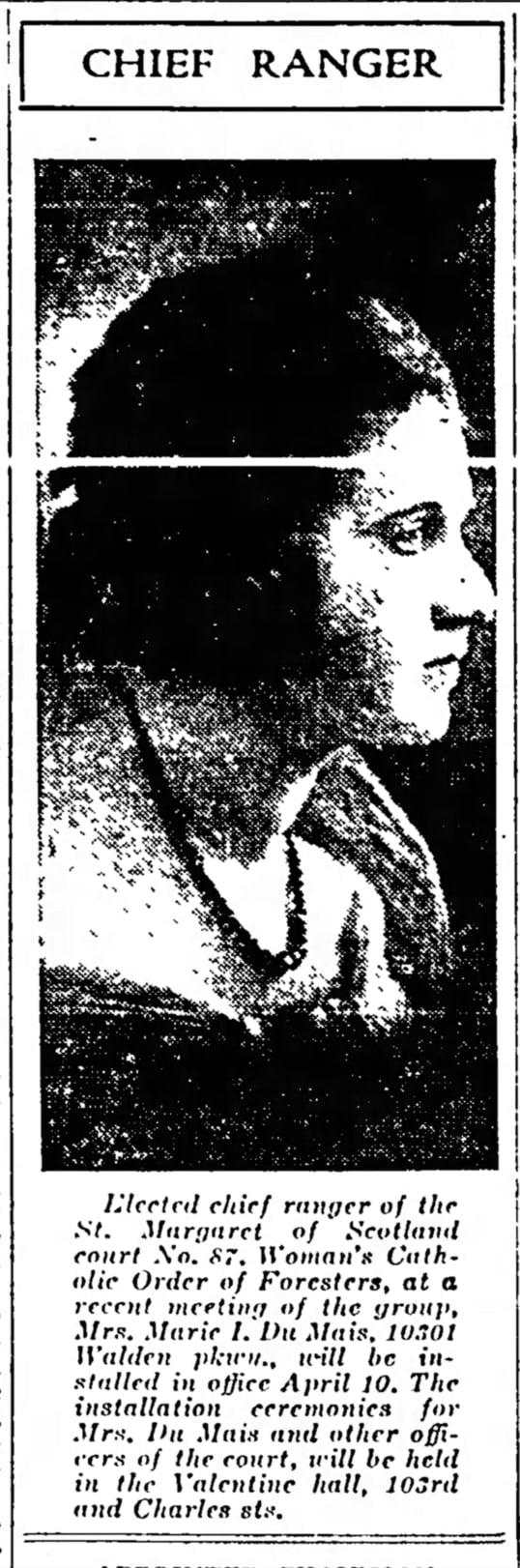
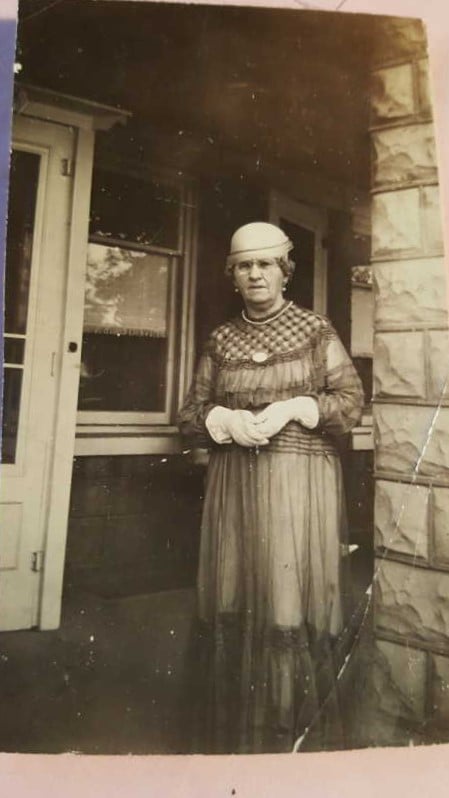
We’ll start out with one addendum to Part 5 on the Egan daughters. We found a newspaper picture of Marie Egan DuMais from 1931 that we are including here. She was installed as the chief ranger of the St. Margaret’s chapter of the Women’s Catholic Order of the Foresters. Her sister Florence was named treasurer.
March is National Women’s History Month, National Irish American Heritage Month, National Nutrition Month, and National Craft Month, and the Egans brought all four themes together for us.
The cement block house that the Egan family built at 1414 West 95th Street has to be the ultimate craft project. Mother Kate Egan was much of the creative force behind the project. The house became the center for family activities. There were many newspaper mentions of them entertaining there. Kate came from a large family and out-of-town relatives – from Denver, Austin, Seattle, Los Angeles, New Mexico – stayed at Kate’s house.
At one time, assuming during the Great Depression and World War II years in the 1930s – 40s, when families looked for new ways to bring in income, the Egan family ran the house as a “tourist lodge,” and advertised permanent rooms for men. This was the time that “motels” were beginning – “MO-tor” and “ho-TEL” combined – indoor rooms to stay in conveniently located along major autoroutes, replacing earlier motor camps.
It was mentioned in the papers several times that Kate suffered from severe flare-ups of “rheumatism,” which back then encompassed osteoarthritis, rheumatoid arthritis, gout, and any other illnesses that affected the joints. Rheumatology was just coming into its own as a medical specialty.
Kate stayed active with her grandchildren. One article had her going to two First Communions, the Lane Tech High School prom at the Medinah Temple, and graduation for the grandson who had the prom, all in a space of two weeks. Her grandchildren, and nieces and nephews, were frequent guests at the big house.
In 1927, Frank and Kate Egan and Phillip DuMais donated the statue of St. Margaret of Scotland for the new church the parish was constructing. The statue was in memory of Bernard Egan, the son who died of influenza in the army during WWI, and George DuMais, the husband of Marie Egan, killed in an accident at the Blue Island train yard. The statue can be seen in a niche high above the outside front doors of the church, right below the roofline.
Frank and Kate celebrated their golden wedding anniversary in 1933 with a Mass at St. Margaret of Scotland Church, a breakfast, and an open house for friends during the day. One article brought up some reminiscences by the couple.
During the Great Chicago Fire, when he would have been just 14 years old, Frank hitched up his father’s express team to help people rescue their household goods. Apparently, the frightened horses ran away and there was an accident; the chaos and danger in the streets at the time can only be imagined.
Their 50th anniversary coincided with the beginning of the Century of Progress, and Frank recollected he managed an exhibit in the Machinery Hall during the 1893 World’s Fair. It could have related to sewing machines, as his expertise was in that area.
Frank died on December 1, 1939, at the age of 82, and was waked at their home, then buried from St. Margaret of Scotland in Mt. Olivet Cemetery.
In 1941, daughter Marie held a surprise 77th birthday party for her mother Kate.
Kate died on January 22, 1947, at the age of 82. Her last story involves her funeral procession from St. Margaret of Scotland Church and burial in Mount Olivet Cemetery.
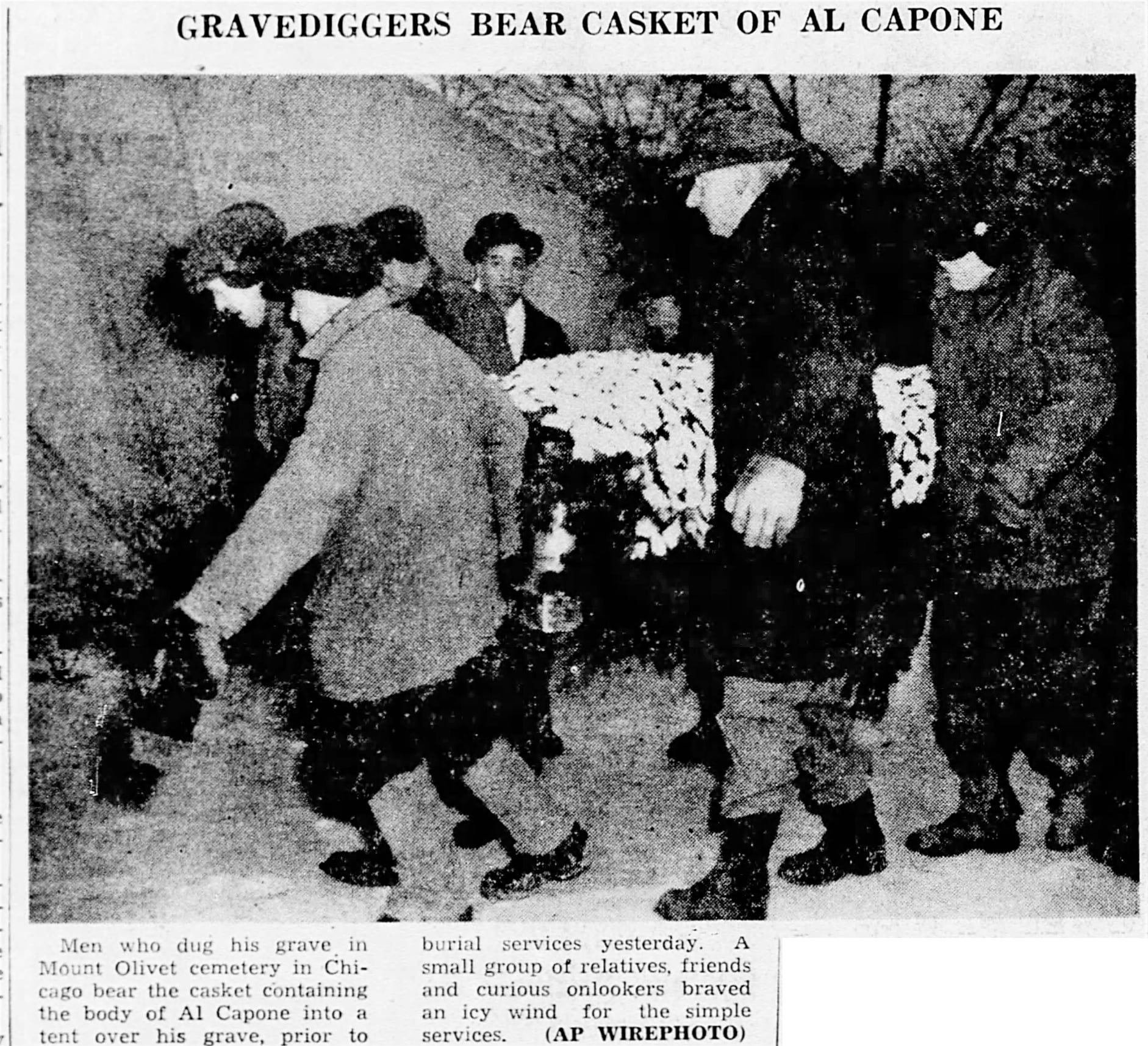
Kate was buried the same day in the same cemetery as was Al Capone, the infamous bootlegger from the days of Prohibition. Capone, aged 48, died in his home in Florida, and his remains were brought up to Chicago for burial. At that time, Capone’s father and one brother were already buried in Mount Olivet Cemetery.
It was a freezing cold, windy day, February 5, 1947, when the funeral cortege for Capone arrived at the cemetery at the same time as that of Kate Egan and her family. Fifteen limousines conveyed Capone’s mother, wife and son, brothers, and other family members and friends. A few “gawkers” and media people braved the cold to watch. There were about forty people in attendance, very small by standards set during the 1920s for gangsters. The service was said by Monsignor William Gorman, the chaplain of the Chicago Fire Department, who had been Capone’s mother’s parish priest at one time. The ceremony was brief, and the family did not linger.
According to Egan family folklore, the family was scandalized that famous people turned out for Capone’s funeral and it was conducted by Monsignor Gorman, while a good Catholic mother like Kate got only a small cortege and a local priest.
Of course, a good Catholic mother like Kate was the expected norm, and Kate couldn’t possibly have competed for public attention with a notorious bootlegger and alleged murderer who dominated Chicago and the newspapers for over a decade.
One paper reported that Msgr. Gorman did say at Capone’s gravesite that the ceremony was “to recognize his penitence and the fact he died fortified by the sacraments of the church. The church never condones evil, nor the evil in any man’s life.”
The Capone graves were later relocated to Mount Carmel Cemetery, but the Capone gravestone still stands in Mount Olivet Cemetery.
However, this was not a story about Al Capone. This was a story about a typical Irish American Catholic family who lived on the Ridge one hundred years ago and contributed to the rich history of the community.
This concludes the series on the George F. Egan family.