Explore the RHS Facebook Archives, a rich repository of local history written by Carol Flynn. For two decades, Carol brought a deeply dedicated voice to public education at RHS. Her role as Facebook administrator through mid-2025 naturally extended her prolific research into meticulously detailed articles, most notably her multi-part historical series posts. Today, Carol continues her local history writing for The Beverly Review and other outlets.
Real American Girls of the Ridge Exhibit Features
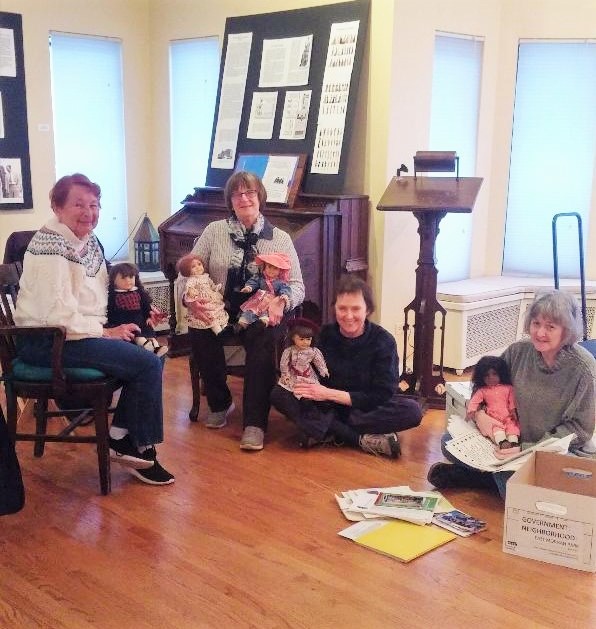
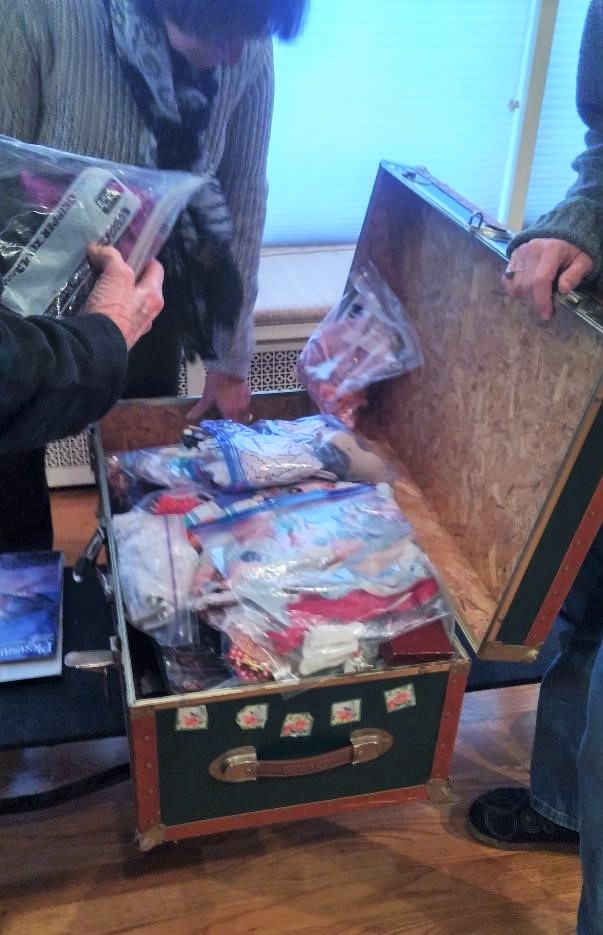
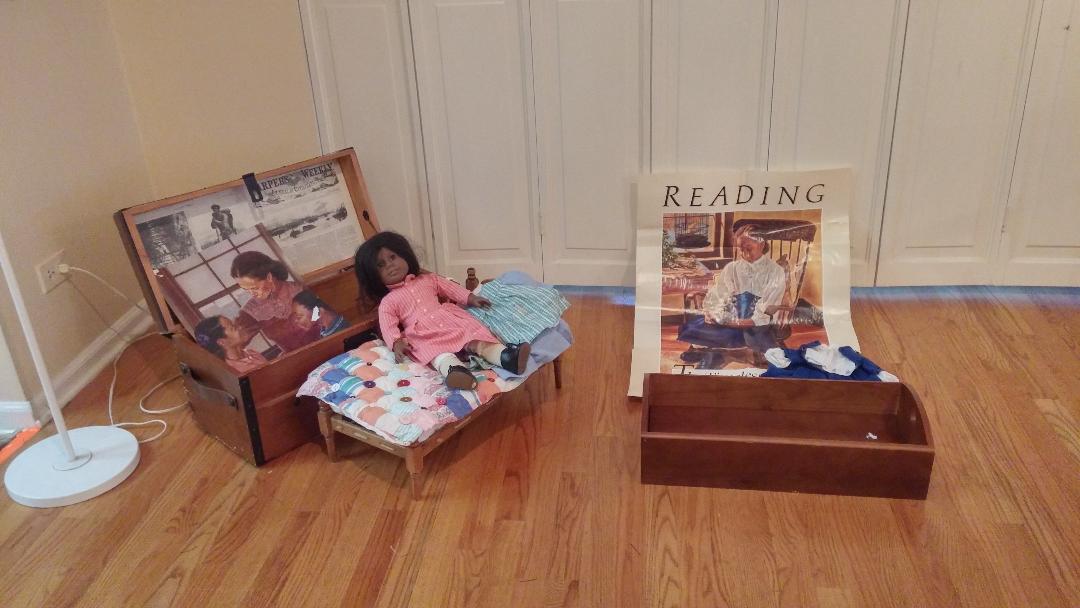
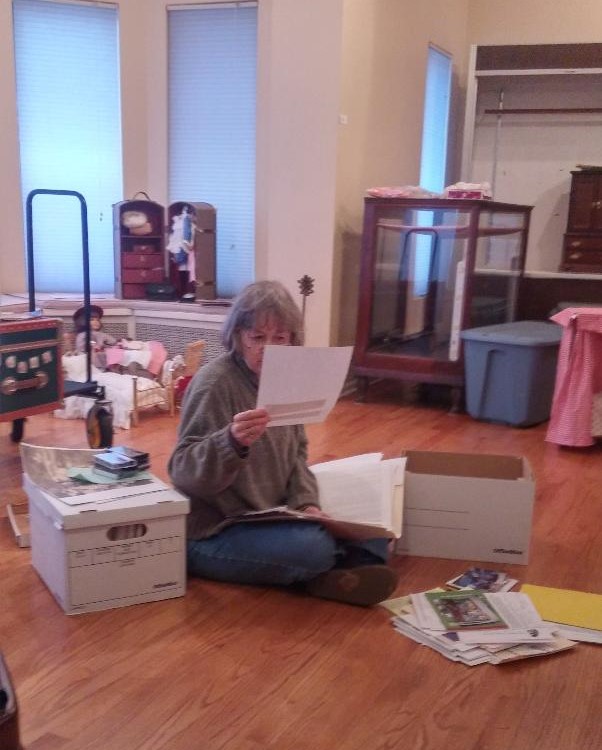
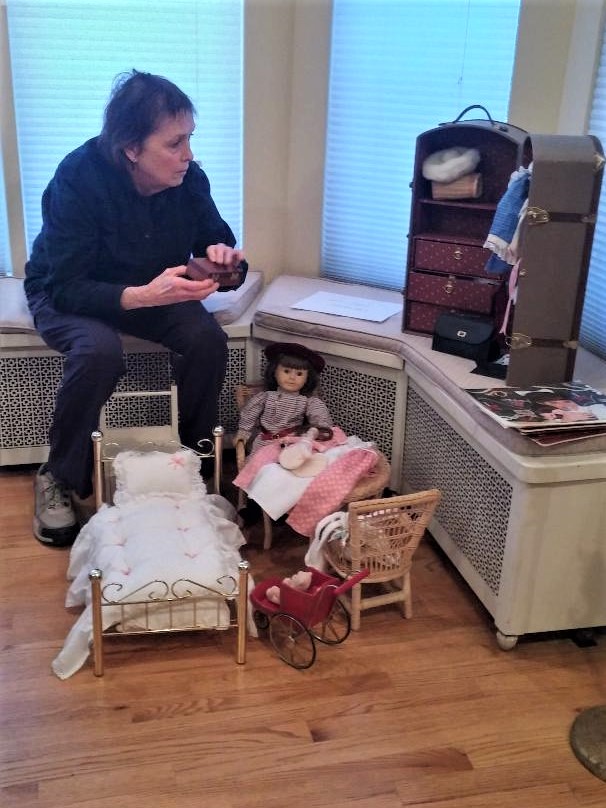
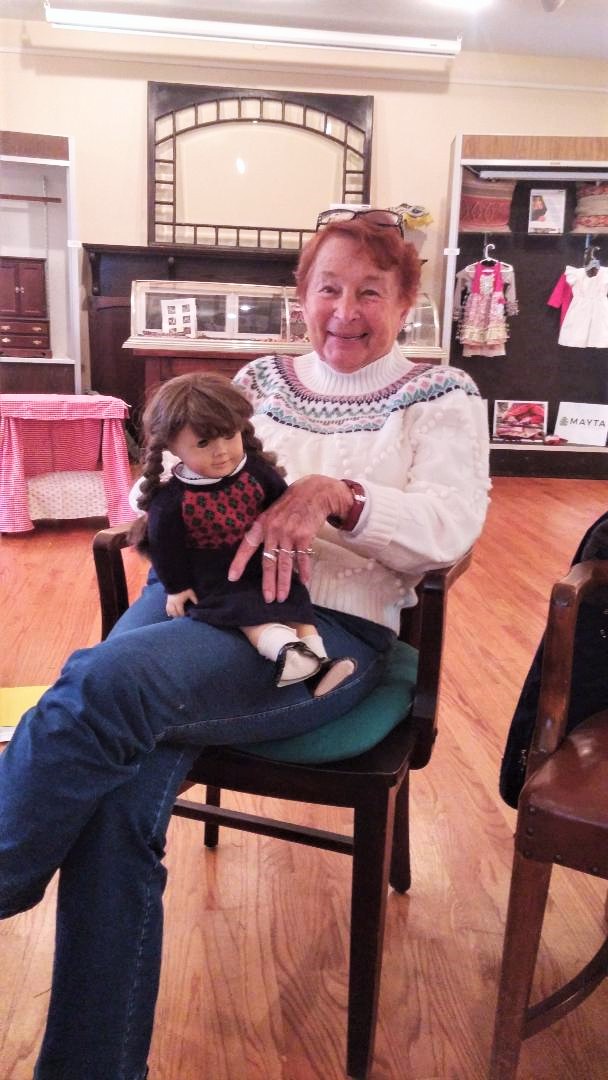
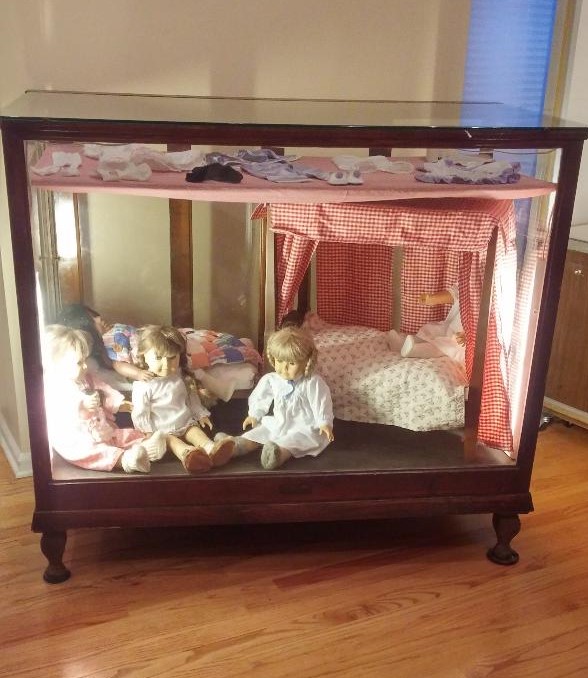
Today the Ridge Historical Society revealed a recent donation and plans for a new exhibit. Beverly resident Joan Regnier O'Connor has donated her family's collection of five original American Girl dolls and numerous furniture items and accessories.
The American Girl dolls, of course, are a well known and beloved phenomenon. They are a line of 18-inch dolls first introduced in 1986 by the Pleasant Company, founded by Pleasant Rowland. The original dolls focused on various periods of American history, with accompanying books told from the viewpoint of the girls. Rowland sold the company to Mattel in 1998.
Joan began collecting the dolls with her daughters Michelle and Christina, who are now in their 30s. They first got interested in the dolls thanks to Joan's mother-in-law, the late Grace O'Connor, who was a children's librarian in Beverly and Mt. Greenwood. Grace shared the books with her daughter-in-law and granddaughters. She used to hold parties for the dolls at the libraries.
Joining the RHS collection are Felicity from the Colonial period, Kirsten the Pioneer girl, Addy from the Civil War era, Samantha from late Victorian times, and Molly from World War II.
RHS will be showcasing the dolls in a new exhibit, "Real American Girls of the Ridge." Three of the dolls, Addy, Samantha and Molly, will be paired with stories of actual girls who grew up connected to the Ridge communities during the appropriate time periods.
Addy will be paired with the story of the late Cornelia Reeves, an ex-slave who settled in Morgan Park in 1885-86. Her descendants are believed to still be in the area and RHS Historian Linda Lamberty, the Curator for this exhibit, is tracking them down for the story.
Samantha will be paired with the late Margaret Gear Lawrence who grew up on the Ridge around 1900. Margaret became very active with the new Girl Scouts organization founded in 1912. RHS Board Secretary Carol Macola, also very active with the Girl Scouts, will help with this exhibit entry.
Molly will be paired with Elaine Spencer, RHS President, who grew up on the Ridge during World War II. Elaine will share first-hand stories of life in the early 1940s during the turbulent war years.
Pleasant Rowland, the "inventor" of the American Girl dolls, has a strong connection to the Ridge. Her paternal grandparents lived at 96th and Winchester and her father spent his formative years here.
All of these stories will be shared in upcoming Facebook posts.
The soft opening for the "Real American Girls of the Ridge" exhibit will be at the annual meeting of RHS members on February 23rd. The following Sunday, March 1, at 2:00 p.m. will be the free grand opening reception for the public at RHS. The exhibit will run through the summer. Watch this page for more information.
The Ridge Historical Society salutes Black History Month, celebrated in February. It is a time to remember important people and events in history. We have two stories from Ridge history today, an unofficial stop on the Underground Railroad (UGRR) and a woman named Cornelia Reeves.
The UGRR was not really a railroad that ran underground. It was the name given to the secret network of safe routes and locations that escaped slaves from the southern U. S. could use to reach the northern states and Canada in the early to mid-1800s.
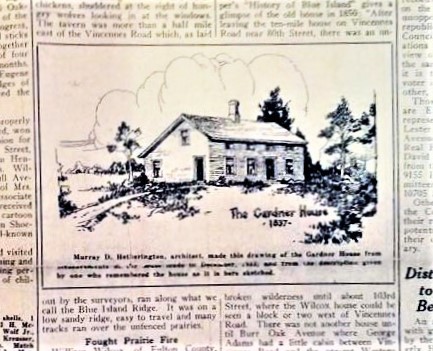
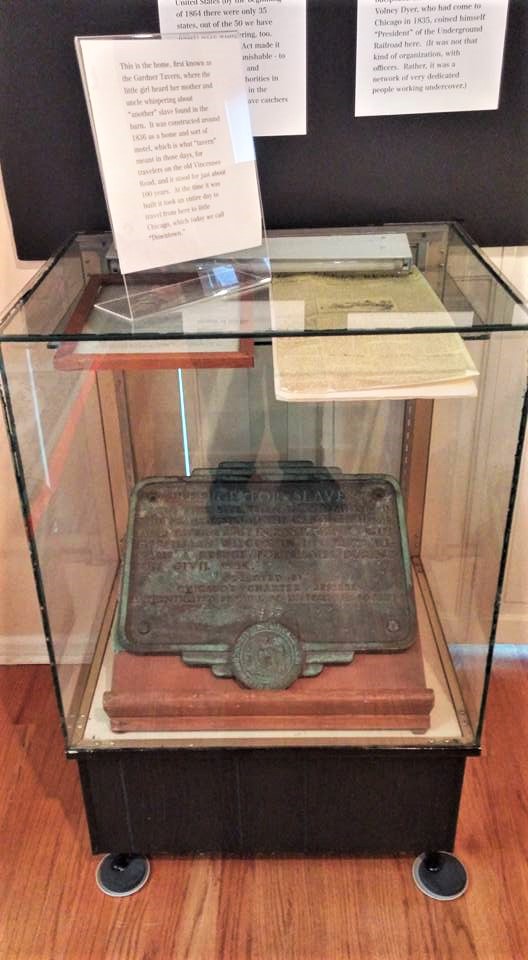
The Gardner Tavern at 9955 Beverly Ave. was built around 1836 by Jefferson Gardner. It served as his home and as a way-stop for travelers along the Vincennes Road. A “tavern” back then was more like a motel.
William Wilcox bought the property in 1844 and owned it until 1870. The building was never an official stop on the UGRR but there are stories about fugitive slaves sleeping in the barn and out-buildings. In 1934, when the old tavern was finally torn down, Alice Barnard wrote in The Weekly Review newspaper, the forerunner of today’s Beverly Review, that these people “were fed and went on their way.” There were four Wilcox sons who served in the Union Army. A picture of the Gardner Tavern as it likely appeared in 1837 was included with the article, drawn by architect Murray Hetherington who designed many fine homes in the Beverly-area.
It was kept very hush-hush when an escaped slave was discovered. One of the many pro-slavery people in Illinois could report this to the authorities. The law was not on the slave’s or property owner’s side. Runaway slaves could be returned to the South for a bounty and there were some very prosperous slave hunters.
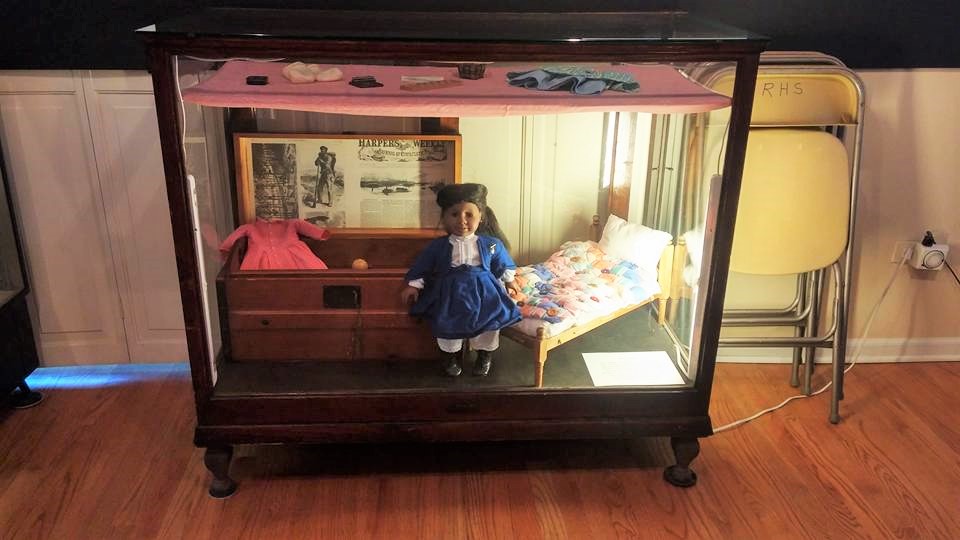
RHS is including its information on the Gardner Tavern in the new exhibit, “Real American Girls of the Ridge,” which opens to the public this Sunday, March 1. This exhibit pairs dolls from the historical collection of American Girl dolls with real women who were connected to the Ridge from the same time period. Addy Walker, the African American doll from the Civil War period, is part of the exhibit. She is paired with Cornelia Reeves.
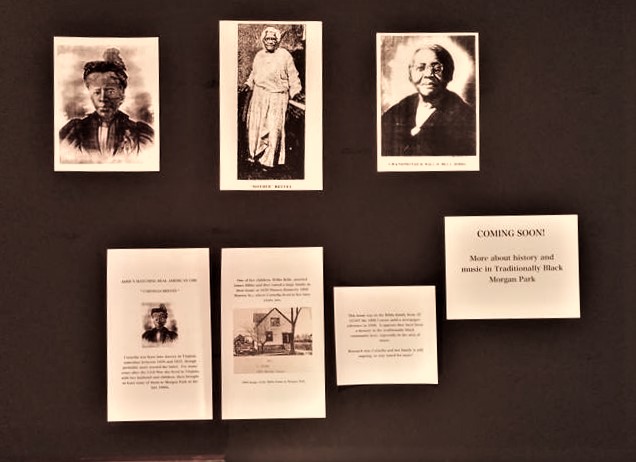
Cornelia Reeves was a former slave who came to the Ridge with her children and grandchildren in the late 1880s. According to a 1936 article in the Chicago Defender, as a small child in Virginia, she saw her parents and siblings sold, and never had any contact with them again. The article claims her family were the first African Americans to settle in Morgan Park. Mother Reeves, as she was known, and her family were active with the Beth Eden Baptist Church.
RHS is doing more research on Mother Reeves and is reaching out to descendants who may still be in the area. As more is learned, the section of the exhibit on Mother Reeves will be expanded.