
Explore the RHS Facebook Archives, a rich repository of local history written by Carol Flynn. For two decades, Carol brought a deeply dedicated voice to public education at RHS. Her role as Facebook administrator through mid-2025 naturally extended her prolific research into meticulously detailed articles, most notably her multi-part historical series posts. Today, Carol continues her local history writing for The Beverly Review and other outlets.
Black History Month
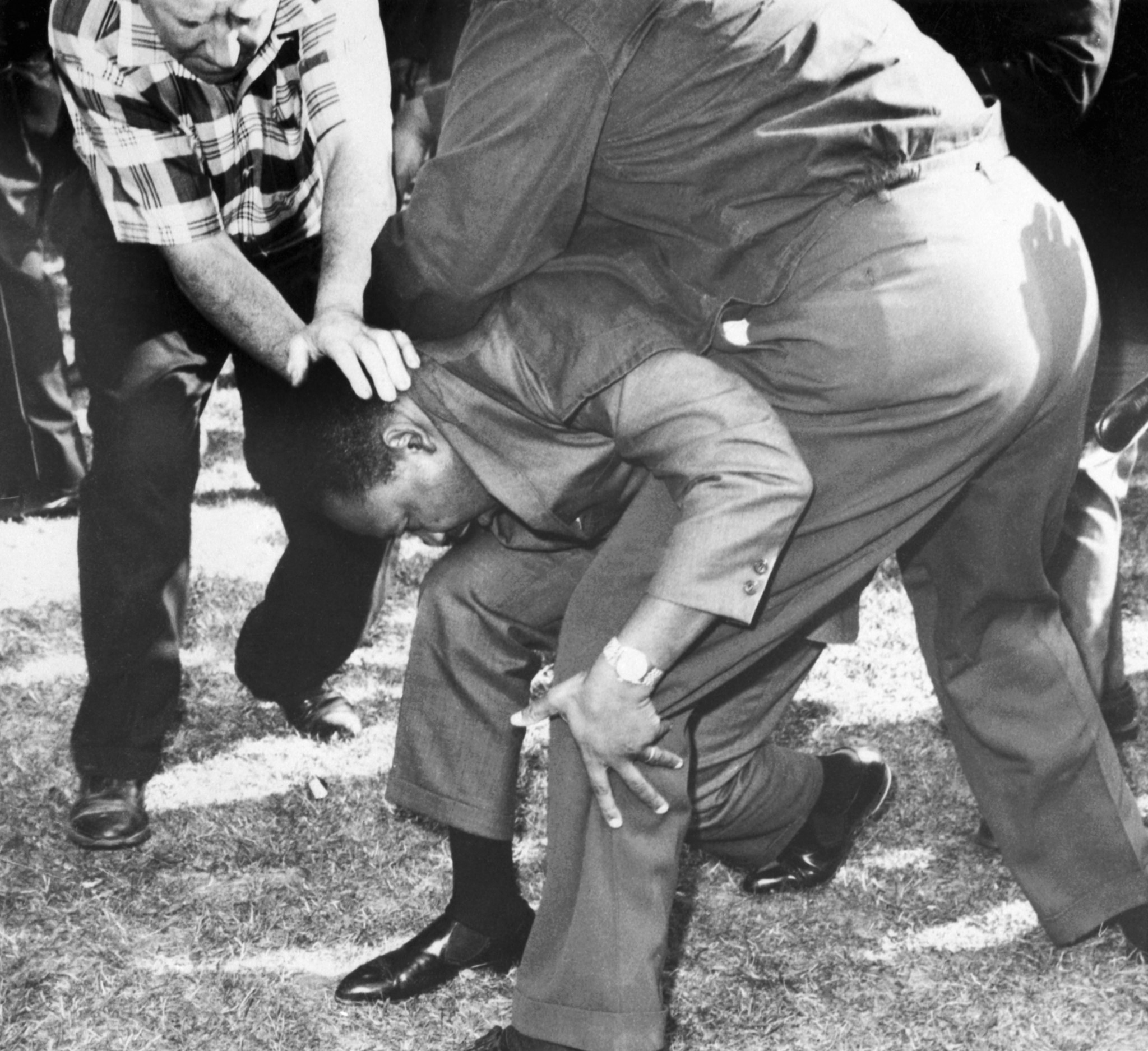
Martin Luther King, Jr., stated: “We are not makers of history. We are made by history.”
One point he was trying to make is that to understand the present, we need to study the past.
Today, Martin Luther King Jr. Day, is an appropriate day to announce that beginning in February, Black History Month, the Ridge Historical Society will explore the history of race relations and integration in the Ridge communities. This fits in well with the 2021 theme of “The Black Family: Representation, Identity and Diversity.”
Introduction: Martin Luther King, Jr.’s Visit to the South Side of Chicago
Excerpted from a Time Magazine article by Olivia B. Waxman, updated January 16, 2020
Martin Luther King, Jr., is usually associated with civil rights activities in the southern states, but in 1966, he spent time in Chicago.
In January of 1966, he moved into an apartment on Chicago’s west side to call attention to the poor living conditions of people of color in many of the northern cities. The slogan for the Chicago campaign was simply “End Slums.”
On August 5, 1966, he planned to lead a march in Marquette Park – centered around 69th Street and South Kedzie Avenue – to a realtor’s office to call attention to discrimination in the housing market.
He was attacked by a swarm of about 700 white protesters hurling bricks, bottles, and rocks. One rock hit King and knocked him to one knee. His aides rushed to shield him, and he remained in a kneeling position for a few moments until his head cleared. That is the picture included here.
Afterward, King told reporters, “I’ve been in many demonstrations all across the South, but I can say that I have never seen, even in Mississippi and Alabama, mobs as hostile and as hate-filled as I’m seeing in Chicago.”
President Lyndon B. Johnson signed the Fair Housing Act into law on April 11, 1968, one week after Dr. King’s assassination. It was an important step in equalizing opportunities, but it was just a beginning step.
Follow RHS for the series in February.
Photo from the Chicago Tribune.
Ridge Historical Society
By Carol Flynn
School Series – Profile 8: Marcus Garvey
This is the eighth profile in our series on people for whom schools on the Ridge are named.
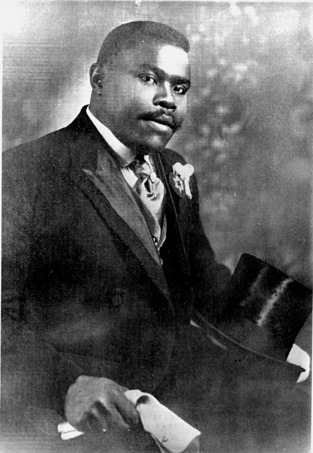
Marcus Mosiah Garvey, Jr. (1887-1940) was a political activist, journalist, and businessman born on the Caribbean island of Jamaica. He lived for over a decade in the United States. Although during his lifetime his viewpoints were considered controversial, with time his encouragement of pride and self-worth for people of African descent influenced African American leaders and movements. Some have called him the “Father of African Nationalism.”
Garvey’s entire history is too involved to cover in a Facebook post. There are many sources of information about him online that readers are encouraged to investigate.
From an early age on, Garvey’s experiences with social and economic hierarchies based on color led him to become an advocate for improving the status of people of African origin. His belief was that the initiative had to come from within the African community itself.
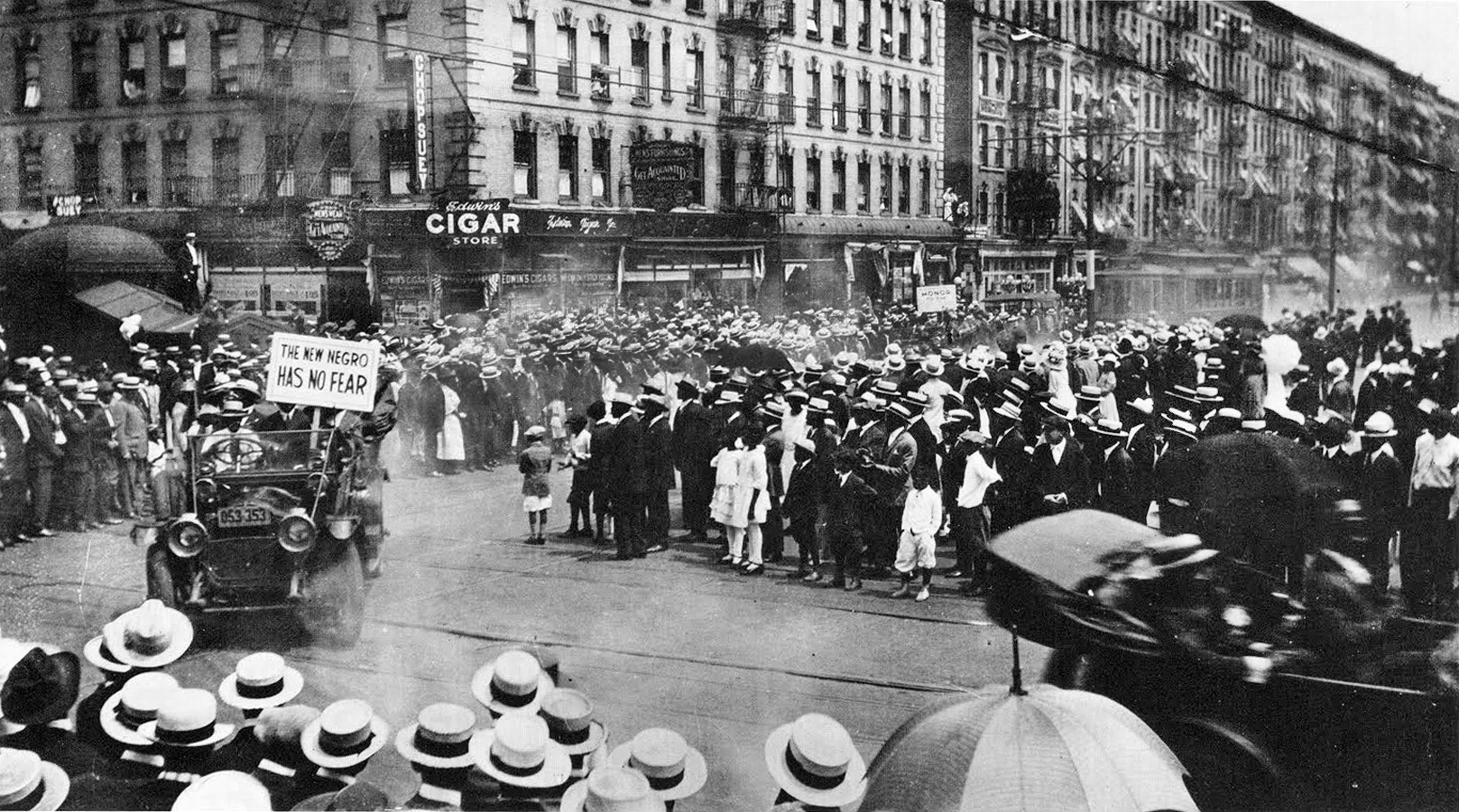
In 1914, Garvey started an organization called the Universal Negro Improvement Association and African Communities League (UNIA). He moved to the U.S. in 1916 and started a UNIA branch in Harlem in New York City. He attracted attention through a campaign of public speaking. A self-taught man, he was an accomplished orator and writer.
Garvey believed strongly in the equality and separation of the races, and in racial purity. He called for ending the European colonial rule in Africa and uniting that continent as one country. He named himself the Provisional President of Africa. Believing that African descendants would never achieve equality in any country ruled by whites, such as the U.S., he encouraged all educated and skilled people of pure African blood to move to Liberia, Africa. He was a capitalist and spoke against socialism. He believed blacks needed to start their own businesses to establish financial independence from whites. He insisted “Negro” be capitalized as a sign of respect and dignity.
Although he established a loyal following, his separatist views were at direct odds with most African American leaders of the day, including W. E. B. DuBois and the National Association for the Advancement of Colored People (NAACP), who were working for integration into American society. They were outraged when Garvey embraced the Ku Klux Klan to advance the segregation of the races. Garvey thanked the Klan for Jim Crow laws because they kept the races apart.
Garvey was outspoken against those who did not agree with him, and they responded in kind. He was derogatory of everyday people of color and he shunned people of mixed races. He made enemies and had many detractors.
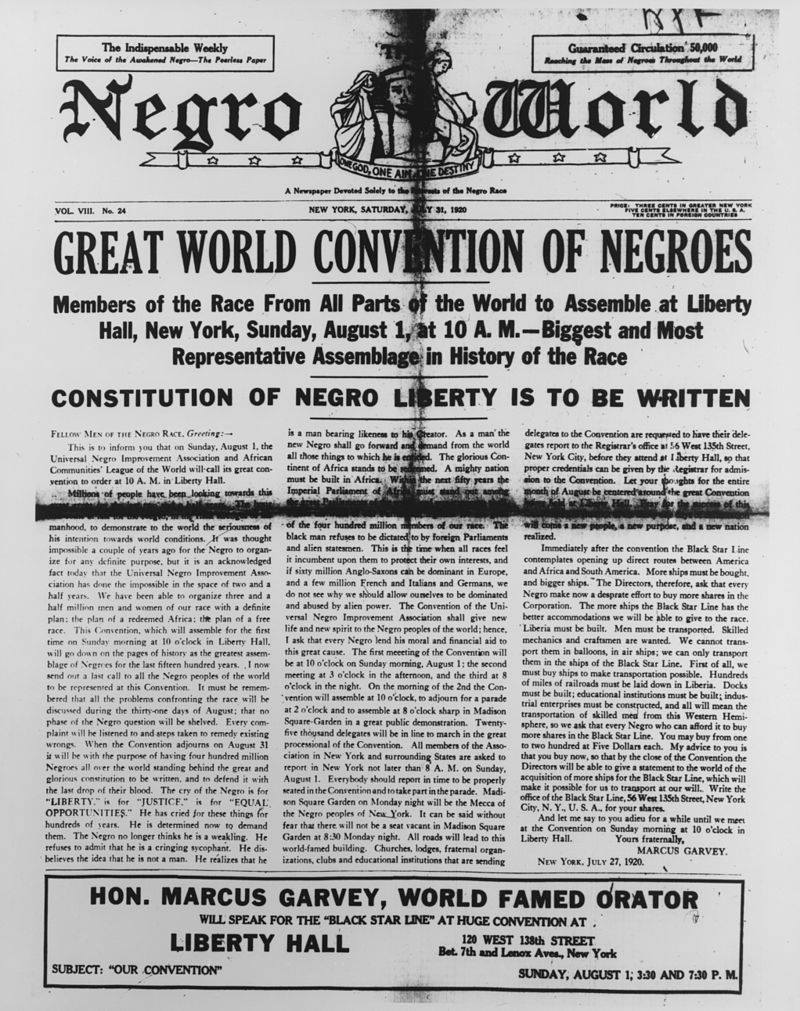
In 1919, Garvey started a shipping and passenger company called the Black Star Line with the idea of fostering commerce between Africa and America and facilitating migration to Liberia. Garvey never visited Africa and knew little about life there. Liberia rejected his attempts to establish a settlement.
In 1923, Garvey was convicted of mail fraud for the way he was selling the company’s stock. Losing on appeal, he was sent to prison in 1925 in Atlanta for several years. Upon his release from prison, he was deported to Jamaica. He continued his activism there, again gaining followers and enemies. In 1935 he moved to London, where he died in 1940.
Garvey made one documented trip to Chicago, in October of 1919, and that did not go well. He was arrested for selling stock in the Black Star Line without being registered in the state. In addition, he had an acrimonious relationship with the Chicago Defender, one of the most important and influential African American newspapers in the country.
The Chicago Defender and its publisher, Robert Abbott, and Garvey and his newspaper, the Negro World, regularly traded insults and libel suits. The Defender called Garvey a “rabid agitator” and a “deluded megalomaniac;” Garvey labelled the Defender as traitorous to the Negro Race. The Defender showed no sympathy when Garvey was taken to prison in February of 1925.
But then a shift in the Defender’s opinion of Garvey started to occur. In November 1927, the paper called for Garvey’s release from prison, stating he had served long enough for what was really just “idealism and far-fetched dreaming.” The Defender led the campaign to free him, and Garvey was released in December.
Wrote the Defender: “What if his effort to build the Black Star Steamship line was a miserable failure? What if the provisional government of Africa was the wildest dream imaginable? Do these facts remove the one that Marcus Garvey stirred his people as they have never been stirred before? The Defender believes he was well worth the saving.”
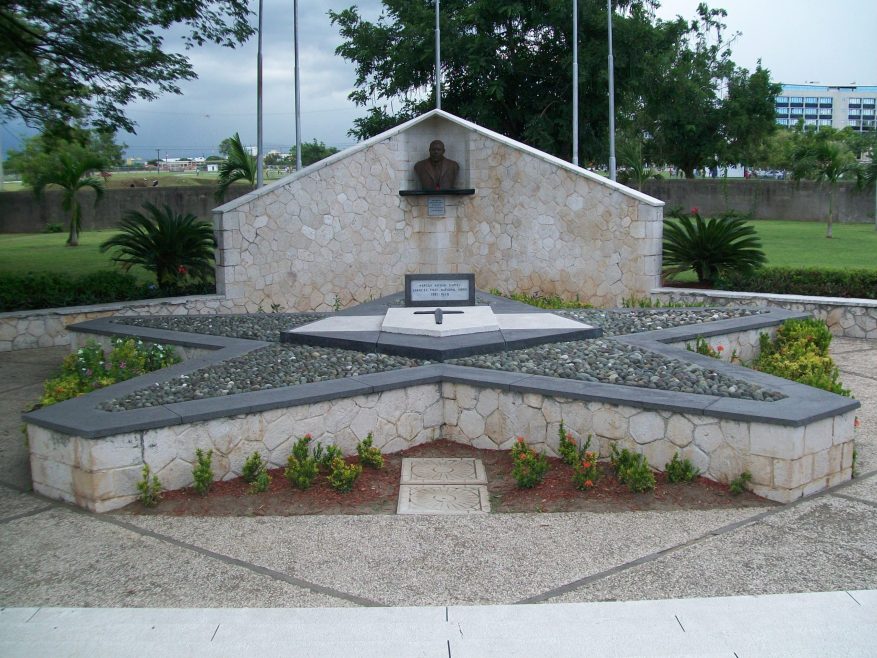
Thus began the focus on the broader implications of Marcus Garvey’s contributions. After his death, his status as an advocate grew. In 1964, his remains were returned to Jamaica and buried with a ceremony worthy of a national hero.
African American and world leaders have acknowledged they were influenced by Garvey. Martin Luther King, Jr., visited his tomb in 1965 and said: "Marcus Garvey was the first man of color to lead and develop a mass movement. He was the first man on a mass scale and level to give millions of Negroes a sense of dignity and destiny, and make the Negro feel he was somebody."
In 1974, it was announced that the new Chicago public school at 10309 S. Morgan Street in Washington Heights would be named for Marcus Garvey. This ended a three-year battle over the name of the school.
The residents of the community the school would serve, primarily African Americans, had been asked to submit potential names, and they submitted several, including Marcus Garvey. All of the names were rejected. This happened twice, and then they decided to rally for Garvey’s name.
The School Board maintained that Garvey was not appropriate because he was a separatist and had been in jail, and this would not be a good example for the children. The community leaders’ response was that they had the right to pick their own heroes. Garvey was the first real global activist for black pride, solidarity, and power, and therefore a worthy model. Naming a school for a person did not mean agreement with all his beliefs. The Chicago Defender supported the community’s choice.
The School Board finally voted narrowly in favor of the name. The Chicago Defender declared this victory a fitting legacy for Marcus Garvey.
Ridge Historical Society
By Carol Flynn
School Series – Part 2 of Profile 5: Johnnie Colemon
This is fifth in our series on people who have schools named for them on the Ridge.
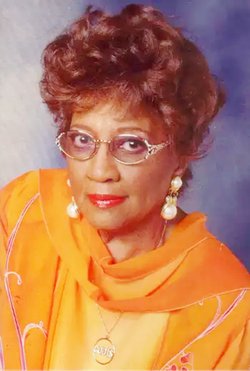
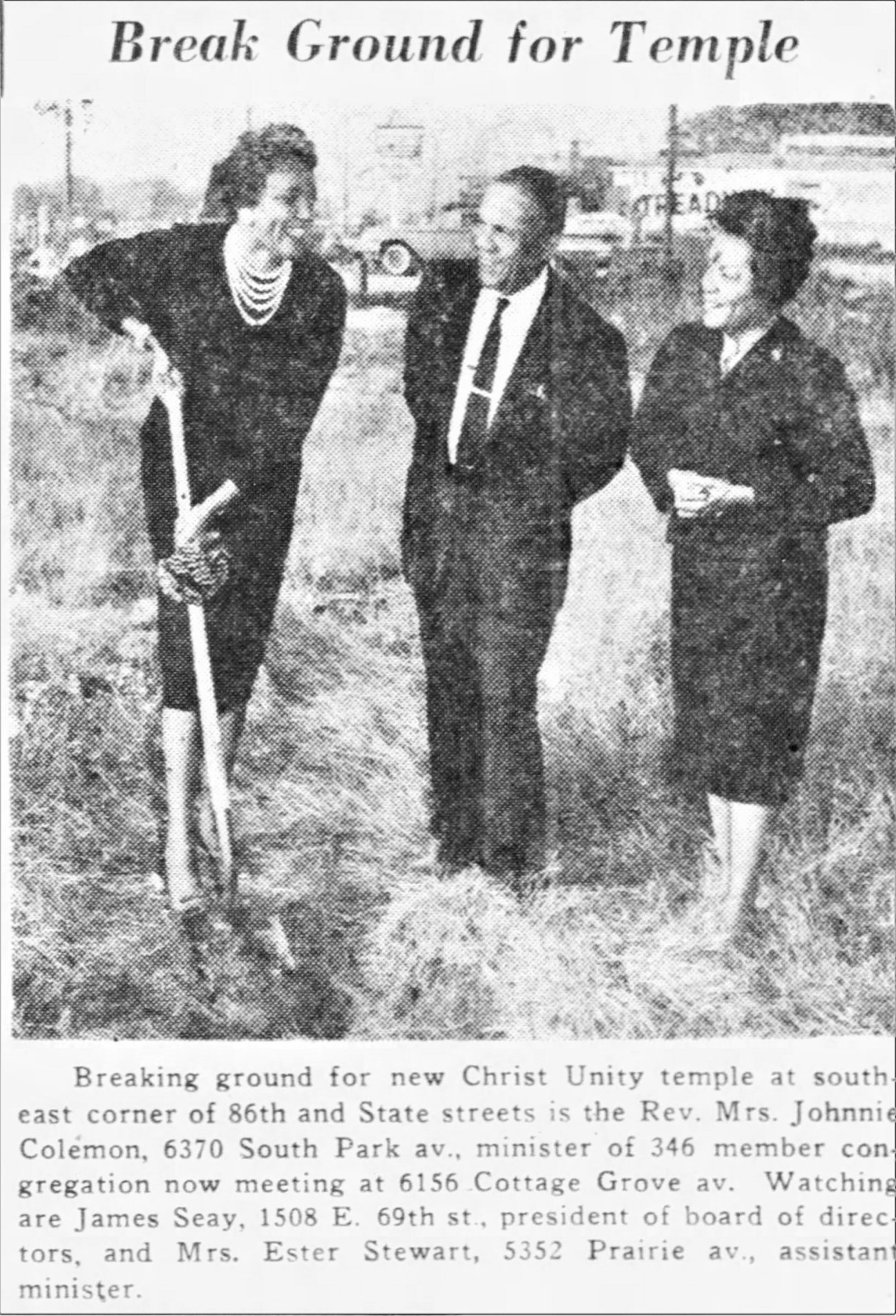
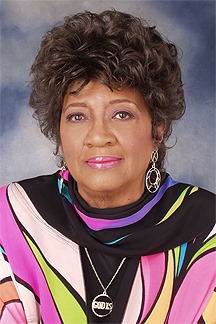
Johnnie Colemon (1920 – 2014) was a religious leader who inspired tens of thousands of people. This is a continuation of her story started on Juneteenth.
Any discussion of the African Americans on our list must include their experiences with racism and discrimination. This was part of the very fabric of their lives. The fact that they succeeded despite these barriers illustrates just what extraordinary, inspirational people they were.
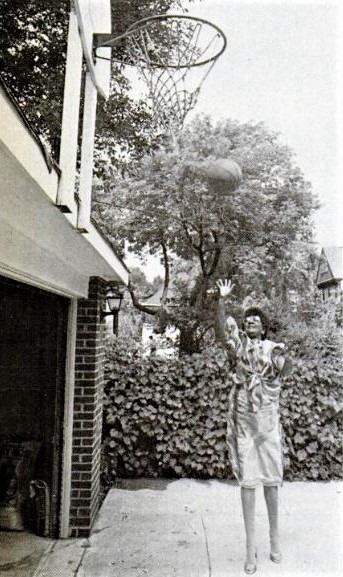
Despite her numerous titles, she always insisted people just call her Johnnie. She was born Johnnie Mae Haley in Alabama and raised in Mississippi. Like many people, her childhood dream was to be in show business – she wanted to play the saxophone or be a dancer on Broadway. And apparently, like for most of us, practicality won out. In 1943, she received a bachelor’s degree from Wylie College in Texas, an historically black college, where she excelled in her studies and in sports, and was voted the “most versatile” student in her class.
She taught school in Mississippi, and then moved to Chicago and taught in the Chicago public schools. In 1952, her teaching career was cut short by illness, and that is when she turned to religion.
Her journey took her to the Unity Church, which was founded in 1889 as a spiritual healing ministry. Today it is part of the “New Thought” movement. As it is beyond the scope of this post to go into the details of a religious movement, readers who want more information can research this on-line.
Johnnie often talked about her insecurities from her early years. She was an only child. She was named for her father, John, who had wanted a son. She spent much of her youth trying to win his approval. At Wylie, she called herself an “ugly duckling.” She was not considered attractive; she was too tall and thin and her skin too black. She was rejected by the top sorority. She would credit her embracement of the New Thought teachings with greatly increasing her self-esteem.
Johnnie visited Unity headquarters near Kansas City, Missouri, and immediately felt at home with the teachings. But even though the church taught that each person was a unique expression of God, sacred and worthy, Johnnie encountered what she described as blatant racism. She was accepted into the Unity School of Christianity, but black students were not allowed to live in the school’s cottages or eat in the school restaurant, and had to sit in a segregated, roped off section in church. Johnnie voiced her objections to these arrangements, and not surprisingly, many of the whites considered her “arrogant.” But an unused cottage was made ready for her, although it was set apart from those of the white residents. She was the first black person to live on campus.
In 1953, Johnnie married Richard Colemon, a delicatessen operator in Chicago. She kept this name throughout her career.
She became an ordained Unity minister in 1956, the first African American woman to do so. Returning to Chicago, she started her own church. In 1968, she was elected the first black president of the Association of Unity Churches. This prompted some churches to quit. In 1974, Johnnie withdrew her church from the Unity organization, in part due to the systemic racism and also because her philosophies were developing in other directions.
At that time, she renamed her church Christ Universal Temple (CUT). She also formed her own organization of churches, the Universal Foundation for Better Living, that grew to twenty member churches internationally.
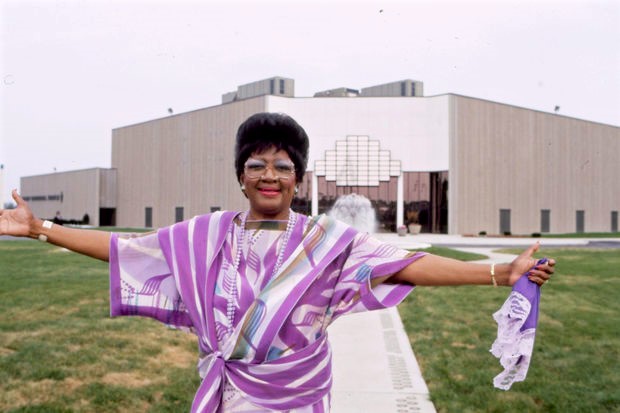
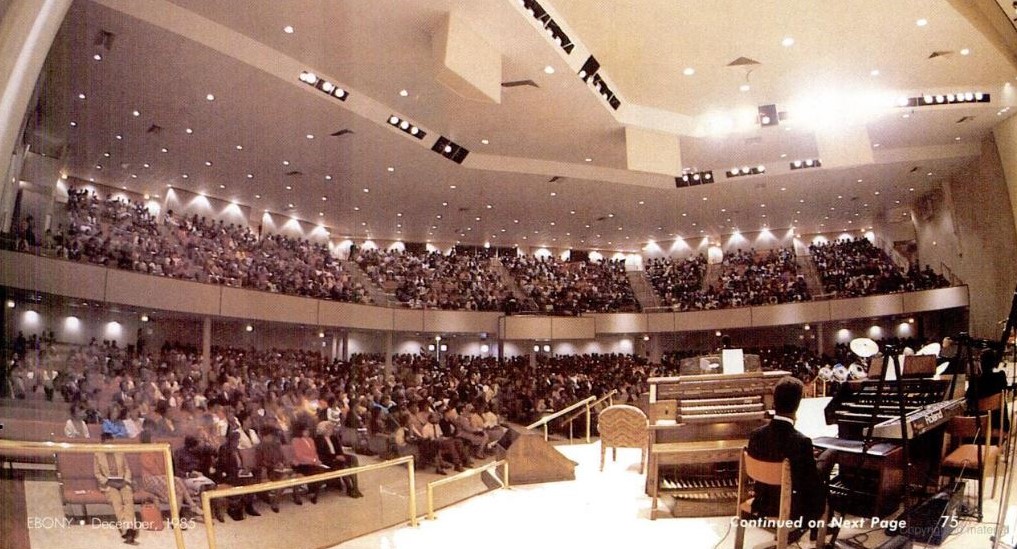
Her influence spread. Her sermons with positive, practical, understandable messages were well-received and her congregation kept growing. By 1985, CTU had grown into a megachurch and needed a building to accommodate its size. With loans and donations, Johnnie had a new facility built at 119th Street and Ashland Avenue. This facility included a 3500-seat auditorium, a chapel, a bookstore, banquet facility, and a prayer center.
In 1999, she built a private elementary school as part of the complex, which was named the Johnnie Colemon Academy. The school did not attract the number of students needed to stay open, and beginning in 2001, the Chicago Board of Education (CBOE) rented the building for a public school.
In keeping with the separation of church and state, the current regulations for Chicago public schools forbid naming a school for a religious leader. However, this school came with a name in place as part of a campus. The rental agreement kept the name of the school, and also agreed to hire all existing teachers and staff who met Board guidelines.
In addition to her ministry, Johnnie also held civic positions. She was a director of the Chicago Port Authority and a commissioner on the Chicago Transit Authority Oversight Committee. She received too many honors and awards to list, including honorary doctorates. Mayor Harold Washington declared August 18, 1985 as Rev. Dr. Johnnie Colemon Day in Chicago and she was given the key to the city. Washington’s funeral was held at CTU in 1987. Johnnie ordained actress/singer/author Della Reese a minister in the 1980s; they became close friends. Barack Obama, then U.S. Senator, gave a Father’s Day address at CTU in 2005. For over 30 years, Johnnie owned and resided in the house at 5008 S. Greenwood Ave. in Hyde Park/Kenmore, on the same block as the Obamas.
Johnnie was widowed twice when Colemon and later her second husband died. She had no children, but people who grew up in her congregation became known as “Johnnie Colemon babies.” One famous person on this list is superstar and entrepreneur Kanye West, who lived in South Shore and attended Vanderpoel Magnet School in Beverly.
Johnnie was not without controversy. Some of her doctrines differed from traditional Christian teachings. For example, Johnnie taught that heaven and hell were not places, people created their own heaven or hell. She also was criticized because her “Better Living” philosophy encouraged material wealth, and some considered her lifestyle too lavish for a minister. Her response was that “It is God’s will that every individual on the face of this earth should live a healthy, happy, and prosperous life. God is my source of supply ….” She lived to age 94, and really, when compared to some of today’s ministers of megachurches and television ministries, her lifestyle was not that lavish. She had a car and driver, nice clothes, and a fine house in Hyde Park.
As a religious leader, a school today likely would not be named for her. But when she is considered as a person, she had the same traits that made other people, white and black, for whom schools were named, inspirational: a passion for and belief in what she was doing, determination, intelligence, and a willingness to help others. In addition, she had to combat racism and prejudice to succeed. She was a trailblazer in carving paths for other African American women to enter the ministry.
Ridge Historical Society
By Carol Flynn
School Series – Part 1 of Profile 5: Johnnie Colemon
This is fifth in our series of people who have schools named for them on the Ridge.
Johnnie Colemon (1920 – 2014) was a religious leader who inspired tens of thousands of people. Despite persistent racism and discrimination, she was a trailblazer who opened paths for other African American women to enter the ministry. And even though she had numerous distinctions, she always insisted people just call her Johnnie. Today is an appropriate day to begin Johnnie’s story.
Today is June 19th, or Juneteenth, a day we commemorate the end of slavery in the United States. It dates back to 1865, when Union soldiers landed at Galveston, Texas, with the news that the Civil War had ended and that all slaves were now free. Actually, of course, President Abraham Lincoln had declared the end of slavery as of January 1, 1863, with the Emancipation Proclamation, but the southern states had not honored that. It took over two more years of bloodshed to make emancipation a reality.
Annual celebrations on this day started with African Americans in Texas and with time spread throughout the country. The day has been celebrated in African American communities for over 150 years, and is finally receiving more widespread recognition. Some states recognize it as an official holiday. The Federal government has acknowledged the day as “Juneteenth Independence Day” and efforts continue to establish it as a national holiday. The day is known as America’s Second Independence Day.
More of Johnnie Colemon’s life will be covered in a second post. These are just some highlights.
Johnnie was born in Alabama and raised in Mississippi. In 1943, she earned a bachelor’s degree from Wylie College, which, interestingly for our story today, is a historically black college located in Texas.
Historically black colleges and universities (HBCUs) are those institutions founded specifically to serve African Americans. Most are located in the southern states and most were founded in the years following the U.S. Civil War. Prior to the Civil Rights Act of 1964, most colleges in the south prohibited African Americans from attending, and quite a few colleges in other parts of the country had policies and quotas limiting black students. HBCUs were established to allow black students to receive the educations rightfully due to them, and they persisted despite racism, segregation, and Jim Crow laws. These colleges were often started with the assistance of religious missionary organizations. Wylie College was founded in 1873 by Rev. Isaac Wiley, a physician, and bishop of the Methodist Episcopal Church.
After earning her degree, Johnnie moved to Chicago and was a Chicago public school teacher. A health crisis in the early 1950s led her to the Unity Church, which had started in 1889 as a spiritual healing ministry. In 1956, Johnnie became the first African American woman ordained a Unity minister. She returned to Chicago and started a congregation in a YMCA.
Johnnie’s positive and practical approach to religion and life drew many followers. She built her first church in the 1960s. She was elected the first African American president of the Association of Unity Churches in 1968. This caused some of the churches to quit the association. Even though the church preached that every person was a unique expression of God, sacred and worthy, the reality is that there was much systemic racism.
Johnnie named her church the Christ Universal Temple. In 1985, she became the minister of the “megachurch” she aspired to when she had a new 3500-seat facility built at 119th Street and Ashland Avenue. In addition to the auditorium, the building included a 470-seat chapel, a banquet hall, a bookstore, and a prayer ministry. More facilities were added later. At the time the Temple was built, Johnnie had a following of over 10,000, and this would more than double before she retired in 2006.
Videos of some of Johnnie Colemon’s sermons can be found on YouTube. Her doctrine was to think positively and concentrate on the present and the future. One of her sermons that was published, given in 2002, is titled, “Dear Enemy, I Love You.” Here is an excerpt.
“…. I want to say – “Dear enemy, I love you,” not because I want to, but because I have to! Not for your sake, for my own sake. I love you, enemy, because to hate, to harbor resentment, is what I call spiritual suicide. Hate ain’t killing nobody but yourself.
“Let’s review the word forgiveness. You’ve heard it a million times here in class, and you need to hear it a million times more. Forgiveness means to give for. Forgiveness means the giving up of something. It means to give love for hate. It means to give understanding for misunderstanding. It means to give joy for sadness. What do you need to give up? Can’t nobody answer that for you but you.
“What did Jesus Christ say about it? Jesus Christ said, ‘Father, forgive them for they know not what they do.’ Now, that’s what Jesus said. Can you live according to the teachings of Jesus Christ? Can you follow His example? Jesus was above all hatred, all animosity, and all thoughts of revenge. He proved it that day at Calvary.”
Words for all of us to consider.
Ridge Historical Society
Carol Flynn
School Series – Profile 2: Percy Julian
This is the second in our series on people who have schools in a Ridge community named for them.
“In a nuclear world where time is of the essence in reaching a solution to the problems of conflicts between groups, peoples, and nations, we either rededicate ourselves to the principles that, though oft unheeded, have urged us on to the “everlasting right way,” or we shall hasten the destruction of civilization.” – Dr. Percy Julian, at a conference on human relations, Highland Park, IL
Percy Lavon Julian (1899-1975) made the above statement in 1962, over 50 years ago. He might have been speaking of today.
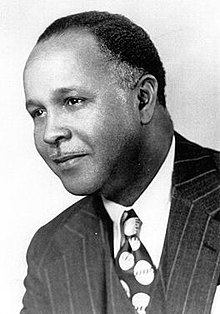
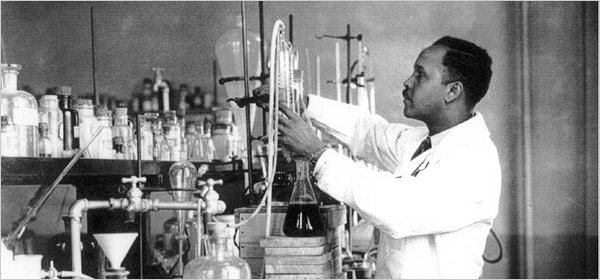
Percy Julian was a brilliant research scientist. During his lifetime, he received over 130 chemical patents. He was inducted into the National Academy of Sciences in 1973. This was a break-through – he was the first African American chemist to receive this honor.
Dr. Julian was a pioneer in the chemical synthesis of medicinal drugs from plants. He worked with the Calabar bean, a poisonous legume from Africa, that offered up a treatment for glaucoma. He isolated soy protein which could be used to replace more expensive milk protein in many applications. He synthesized human hormones, progesterone, estrogen, and testosterone, from soy sterols, leading to fertility and other therapies. In 1949, researchers at Mayo Clinic showed the effectiveness of cortisone in treating rheumatoid arthritis. Julian improved the process for producing cortisone, greatly reducing costs.
Through all of this, he dealt with racism and discrimination because he was African American.
Julian was born in Montgomery, Alabama, at the turn of the last century. His grandparents were emancipated slaves; the Civil War had ended just 34 years before.
Obtaining an education was difficult. There were few opportunities for black students. He was accepted at DePauw University in Indiana, but he was not allowed to live in the dorm. The boarding house he found refused to feed him at the table with the other boarders. He went for days without food before he found a place that would serve him. He was years behind the white students academically and he took high school classes at night to catch up while attending college classes during the day. Despite all of this, he graduated first in his class and was valedictorian.
Julian yearned for a doctorate in chemistry. He received a scholarship that allowed him to earn his master’s degree at Harvard University. However, because white students objected to being taught by a black instructor, he was refused a teaching assistantship that would have allowed him to go on for a Ph.D.
He was later awarded a fellowship to the University of Vienna, Austria, and earned his Ph.D. in 1931. In Europe, he was welcomed into a social and intellectual life he was denied in the U.S. He studied classical music and poets. He attended the opera and drank wine at outdoor cafes. His status as a prized student allowed him to develop self-confidence. He made life-long friends in the European community. He helped Jewish friends escape the Holocaust and move to the U.S.
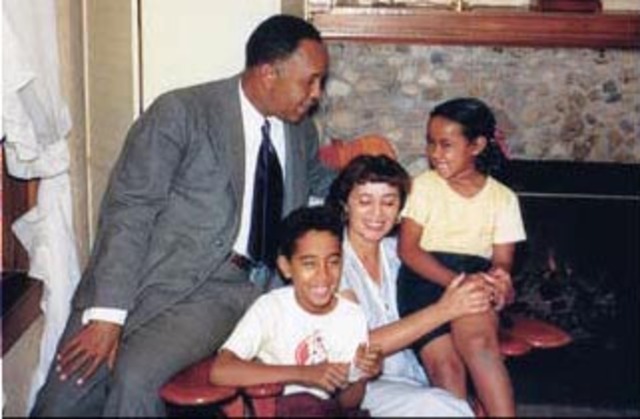
Back home in the States, employment proved difficult. He took a position teaching at Howard University, the historically black university in Washington, D.C. There he met his future wife, Anna Roselle Thompson. Anna was a scholar in her own right and would have many accomplishments in her life.
He accepted a research fellowship at DePauw, and his career as a research scientist began. However, he was denied a teaching professorship there and had to find new employment. The university told him "the time wasn't right" for a black professor. DuPont offered a job to his research partner at DePauw, who was white, but declined to hire Julian, apologizing that the company was “unaware he was a Negro.”
In 1936, he was offered a job at the Glidden Company as director of research of their soy products division in Chicago. He had contacted them previously to obtain soybean oil to use for experiments. An important factor in the job offer was that he could speak German fluently and the company had just purchased a soybean-processing plant in Germany.
Glidden was founded in 1875 as the maker of varnishes and expanded into other chemicals and pigments. The company was eventually taken over by conglomerate PPG Industries and Glidden is now the brand name of the paint division.
Julian took the job with Glidden and moved to Chicago. He stayed with Glidden until 1953. During this time, he did much of his remarkable research work.
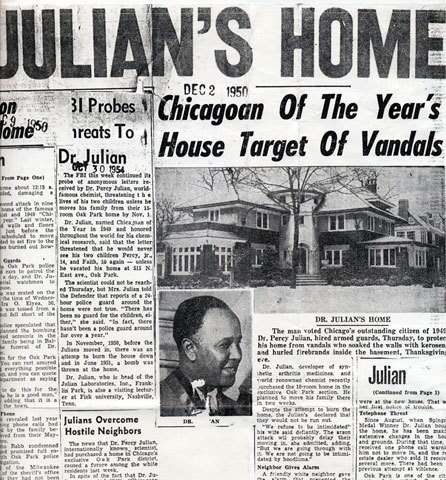
Percy Julian was named Chicagoan of the Year by the Chicago Sun-Times in 1950. That same year, Percy, Anna, and their two children were living in Maywood when they decided to move to Oak Park. There were no black residents in that suburb. They purchased a 15-room home that they were remodeling and landscaping when attempts were made to burn the house down. Someone broke in and poured gasoline all over, but the fuse did not light. The following summer, a dynamite bomb was thrown from a passing car, exploding in the flower beds in the front of the house. At the time, their children, ages 11 and 7, were at home with a caregiver and a security guard.
The police reported they could not identify any suspects for the crimes. Many white members of the community were appalled at the treatment the Julians were receiving and formed a group to support and help them. Even so, threats continued for many more years.
In 1953, Glidden got out of the steroid business, which, despite Julian’s innovations, was never profitable. Julian founded his own research firm, Julian Laboratories, Inc., in Franklin Park, Illinois. He continued to work on synthesizing hormones using Mexican and Guatemalan yams. Julian sold his company in 1961 to Smith Kline and Upjohn for $2.3 million.
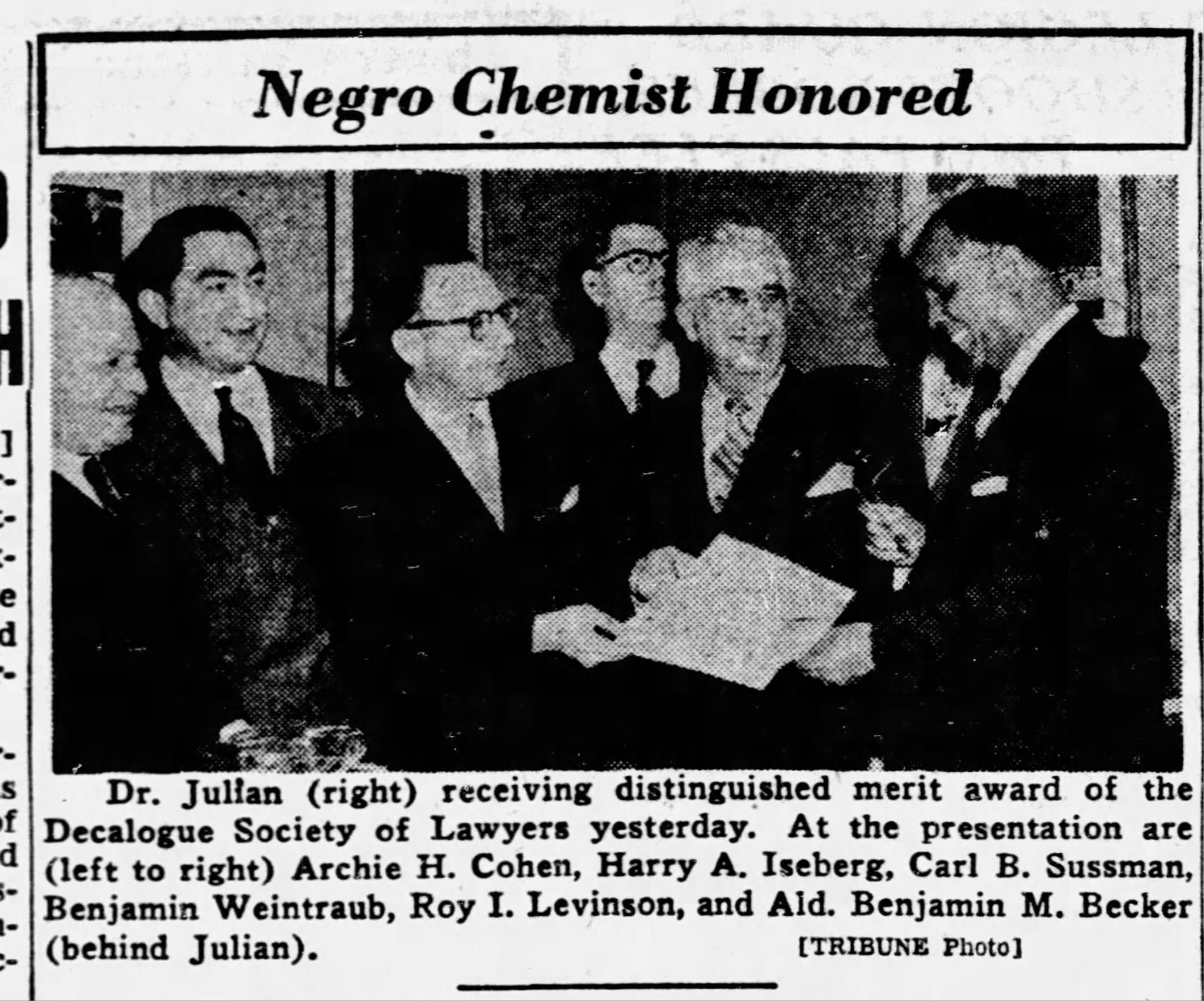
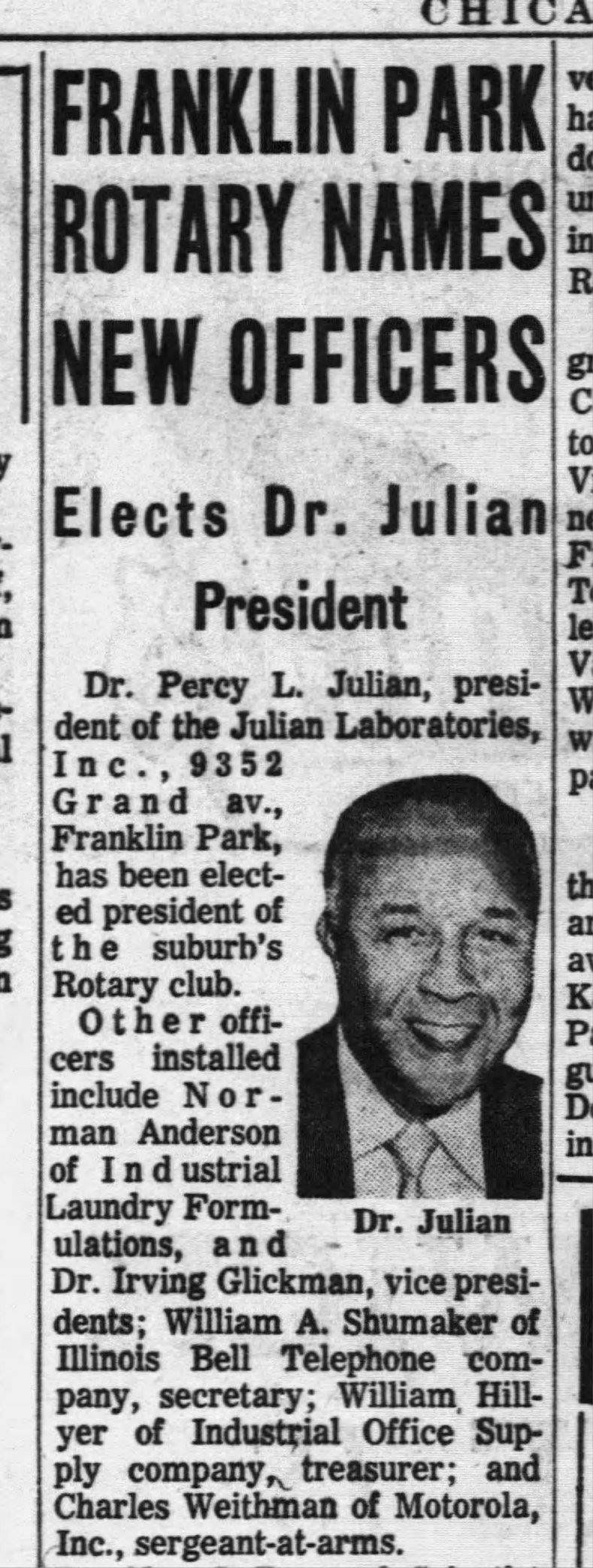
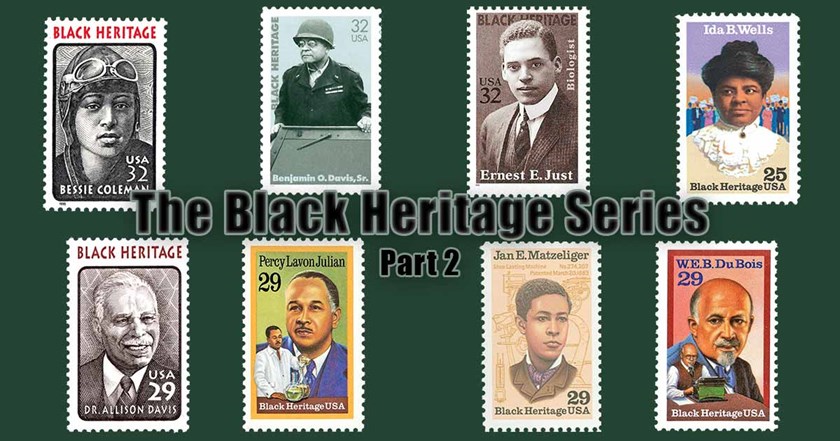
During his lifetime, Julian received awards and recognition. Some examples are included in the accompanying images. He died in April of 1975, and that fall, the Percy L. Julian High School opened at 10330 S. Elizabeth Street. Since his death, recognition has continued. In 1993, he was featured on the Black Heritage stamp, a series initiated by the U.S. Postal Service in 1978.
There is so much more information available on the life of Percy Julian. Readers are encouraged to Google his name to access the numerous websites that share his story.
After he retired, he said of his life and career, “I feel that my own good country robbed me of the chance for some of the great experiences that I would have liked to live through. Instead, I took a job where I could get one and tried to make the best of it. I have been, perhaps, a good chemist, but not the chemist that I dreamed of being.”
Despite the burden of racial discrimination, Percy Julian achieved great things – by any standards, he was much more than just a “good” chemist. Chemistry was the break-through “technology” of the early and mid-1900s. How much more might he have contributed if he had been given the chance?
Ridge Historical Society
Part I for Memorial Day – UPDATED
Carol Flynn, RHS Communications
Monday, May 25, is Memorial Day, the federal holiday when we commemorate those who have died while serving in the U.S. Armed Forces. Originally known as Decoration Day, from the custom of placing flowers on the graves of fallen soldiers, the day was adopted by states after the U.S. Civil War. In 1971, the name was changed to Memorial Day, and it was made a federal holiday to be celebrated on the last Monday in May to create a three-day weekend.
The Civil War, fought from 1861 to 1865, remains the deadliest military conflict in U. S. history, pitting American against American. As many as 750,000 military personnel from both the North and South were estimated to have died. More soldiers died from disease than from injuries; pneumonia, typhoid, dysentery, and malaria caused about two-thirds of the deaths.
Illinois was a major source of troops and supplies for the Union during the war, contributing over 250,000 soldiers. People from the Ridge fought in the war, and they will be profiled tomorrow.
After the war, many Civil War veterans moved to the Ridge. Mt. Greenwood Cemetery has identified over 300 Civil War veterans buried there. Similar numbers would be expected for Mt. Hope and Mt. Olivet cemeteries, and those along Kedzie Ave.
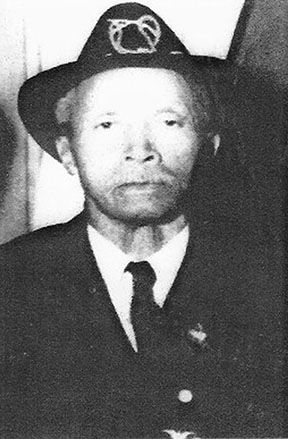
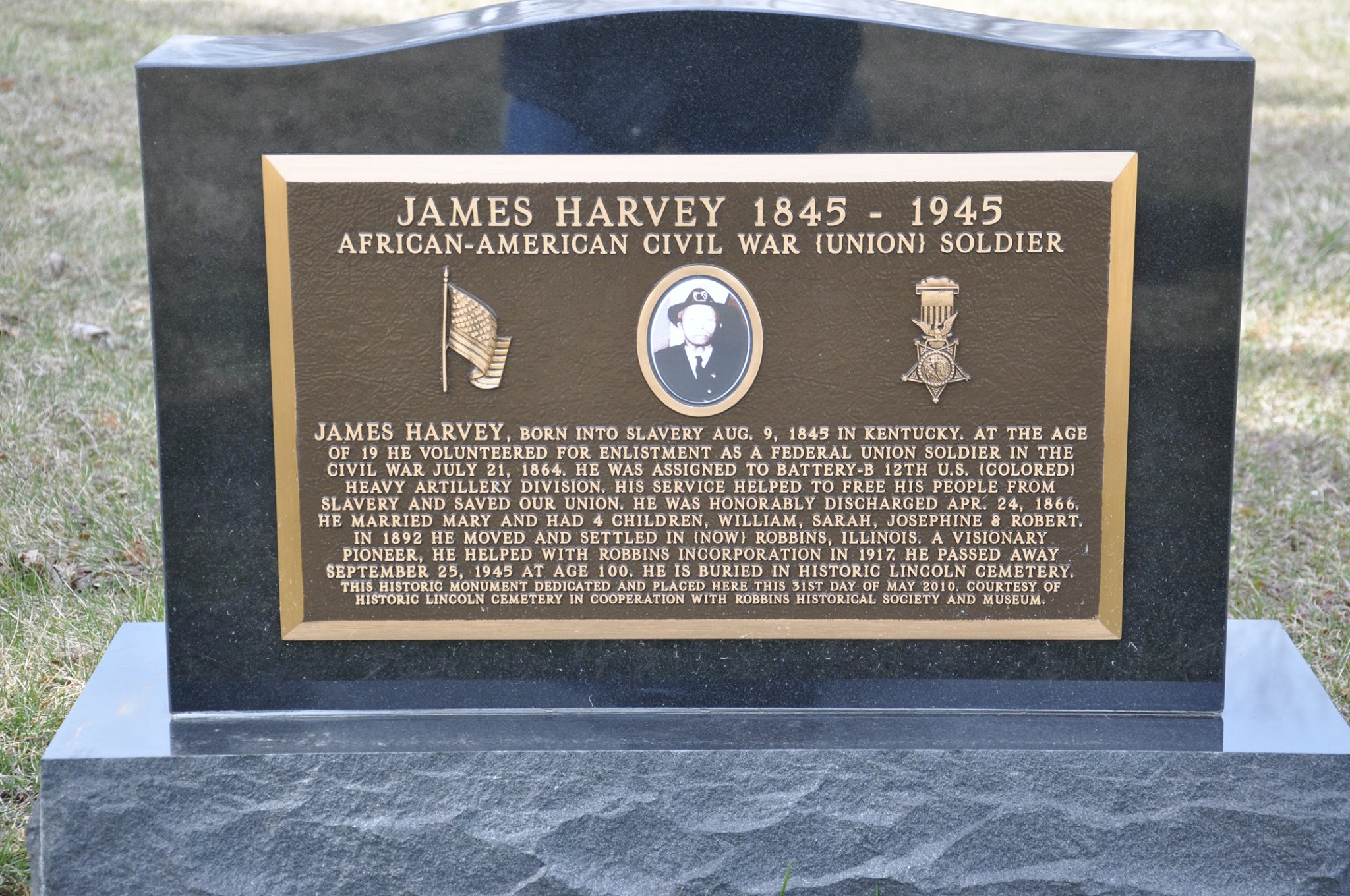
In 2016, a ceremony was held at Lincoln Cemetery, the historic African American cemetery at 123rd St. and Kedzie, to recognize and honor James Harvey, a Civil War veteran buried there. Harvey, born a slave in 1845, served with the U.S. Colored Troops (USCT). These troops consisted of black soldiers, usually ex-slaves, and white officers.
At the end of the war, Harvey received his freedom, but his monetary compensation was given to his former owner. He moved to the Chicago area and was one of the founders of the town of Robbins. He lived at 137th and Sacramento. He died at the age of 100, the last African American Civil War veteran in Illinois.
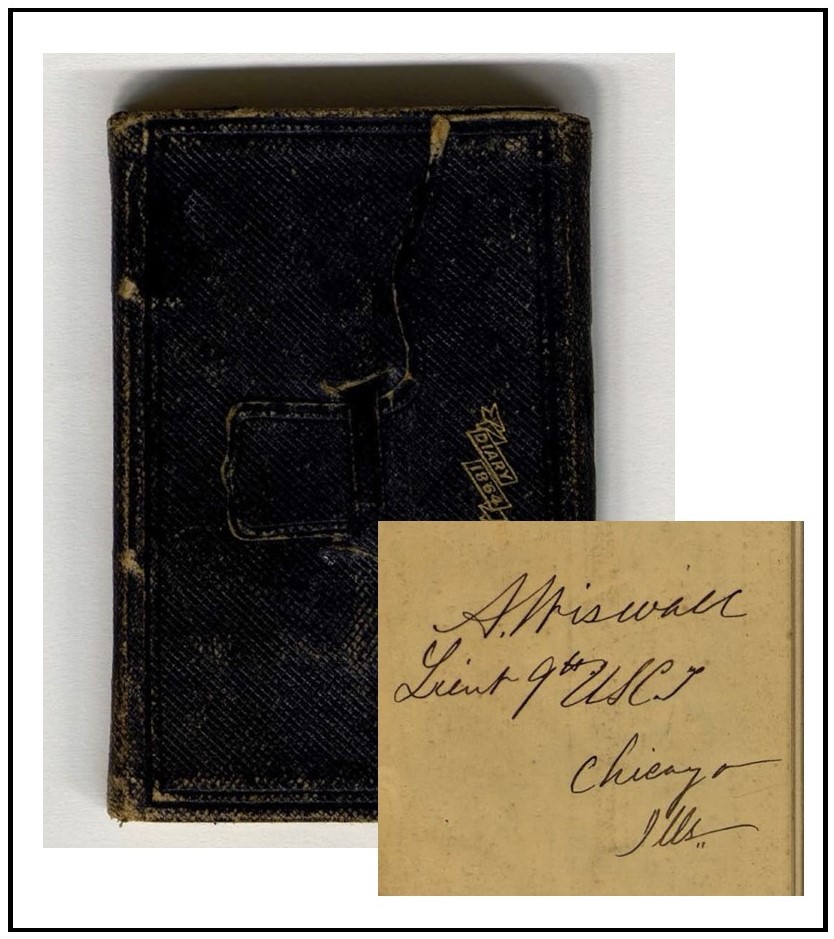
Several white officers from the USCT are buried on the Ridge. Buried at Mt. Hope Cemetery is Austin Wiswall, the nephew of Elijah and Owen Lovejoy, the ardent abolitionists. Elijah was murdered in 1837 in Alton, IL, by a pro-slavery mob. Owen became the best of friends with Abraham Lincoln, serving as a congressman from Illinois, and a “conductor” on the Underground Railroad.
Austin, born in 1840, a lieutenant in the USCT, kept a diary and wrote many letters home, which are preserved in a collection in Texas. These offer insight into the experiences and mindset of a young soldier.
Much of the work of a young officer was humdrum and routine. In the early days of 1864, Austin was in the Baltimore area, spending his time listening to music and drinking lemonade in his tent. He was bored with drilling recruits, he wanted to see action – he wrote if he did not get into the Calvary, he would resign.
He was sent to nearby towns to recruit men into the colored troops. After one session, on Monday, Feb. 8, he wrote: “Was busily engaged this morning making out my descriptive lists. There will probably be some inaccuracies in them as one of the charming mesdemoiselles of this place was sitting opposite me at the time and distracted my attention.”
Austin did see action later in that year. On August 9, he wrote to his mother, Elizabeth Lovejoy Wiswall, an enthusiastic letter about the new assignment that he was sure would lead to the Calvary.
Unfortunately, a few weeks later, Austin was captured by Confederate forces and held at the infamous Andersonville prisoner-of-war camp, in Georgia. His mother received a letter dated September 2, from Lt. Col. Armstrong, which began, “I regret to inform you that your son Austin Wiswall is now a prisoner in rebel hands and is slightly wounded in the fleshy part of his leg.”
The letter continued that Armstrong had met under truce with the enemy officers and they were impressed with Austin and would do what they could to help him.
After a few months, Austin was released in an exchange of prisoners which was believed to have been arranged personally by President Lincoln.
Wrote Austin on December 19 from the Officers’ Hospital in Annapolis, MD: “I am exchanged but have not ascertained what will be done in my case as of yet…. Exchanged prisoners are constantly arriving at this point from Charleston…. There have been no Officers of Colored Troops paroled since I was. I realize more and more how very fortunate I was to get away from them. There are a great many of the men die very soon after their arrival here. A great many come here [seeking] after their friends and find only their clothes or some little relic left for them in the hands of a comrade…. I will write to mother often.”
The war ended a few months later, and Austin returned to Illinois. He married Martha Francis (Fannie) Almy from Massachusetts and they moved to Morgan Park, where he was very active as a member of the Village Board of Trustees. He died in 1905.
Part II will share the Civil War experiences of the early families on the Ridge.
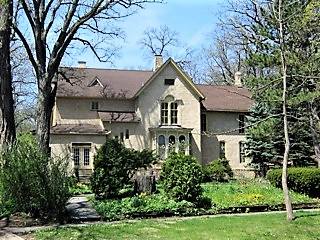
One of the duties of a legitimate history organization like the Ridge Historical Society is to investigate and either verify or "debunk" local myths and legends to maintain historical accuracy. It's not always easy to get to the truth, and it can be dismaying and downright upsetting to the public to find out something they have believed for years is just not accurate.
Case in point for Morgan Park: The widespread belief that the Hopkinson-Platt House at 108th and Drew Streets was a stop on the Underground Railroad. As we finish up Black History Month, let's take a look at this local urban myth, which someone referred to on an RHS post today.
The Underground Railroad (UGRR) was a network of safe stops where escaping slaves could find refuge and help as they made their way north to freedom. The locations were passed along by word of mouth and secret symbols.
The Blue Island Land and Building Co. began platting and selling the land bordered by today's Western Ave., Ashland Ave., 107th St., and 119th St., in 1869, after the U.S. Civil War ended. William Hopkinson purchased that land at 108th and Drew and built that house in 1871, too late for the Underground Railroad.
The Platts owned the house in later years. What appears to have happened is that a man investigating an ancestor's escape to freedom using the Underground Railroad told Mrs. Platt that the ancestor's journal described a house with windows like the ones on the Hopkinson-Platt House. From this, Ms. Platt drew the conclusion this was the house. But the dates just do not confirm this.
Some people will say there might have been a building there before the Hopkinson-Platt House that runaway slaves used. That is not relevant to this discussion. Mrs. Platt made this claim about the current house, and it just does not work out date-wise.
There are oral histories that confirm that escaping slaves passed through Beverly/Morgan Park and hid in barns. And there are several verified Underground Railroad stops on the South Side. But, unfortunately, the Platt House was not one of them.
So what about the "hidden room?" Well, it could have been a storage area, or changes could have been made to the house at any time along the way.
Does this lessen the historical significance of the house? Not at all. It is one of the earliest structures in Morgan Park, and has a fascinating history. Its nearly three acres of never-developed land make it a prime spot to study for potential significance to the Native Americans who lived in the area. And the Platts were fascinating people. A post about them is in order – but not connected to the UGRR.
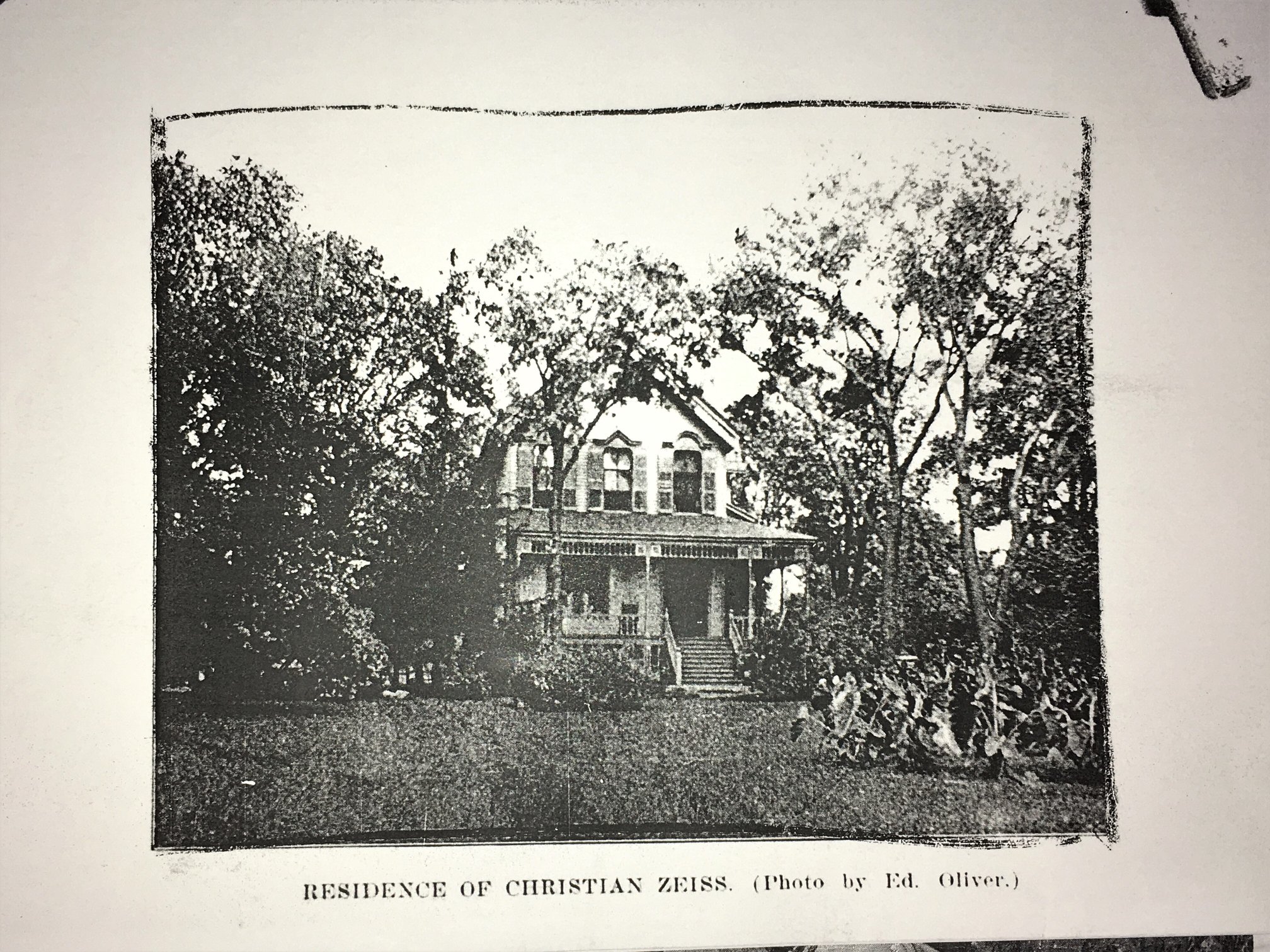
Two pictures here show, first, the house in its early years, then owned by Christian Zeiss, when the front entrance faced Prospect Ave. As land around the house was sold off, the house was remodeled to create the entrance on the Drew St. side, which is shown in the second photo, the way the house looks now.
– Adapted from a post from February 2019
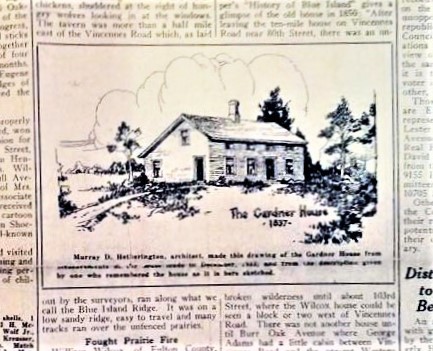
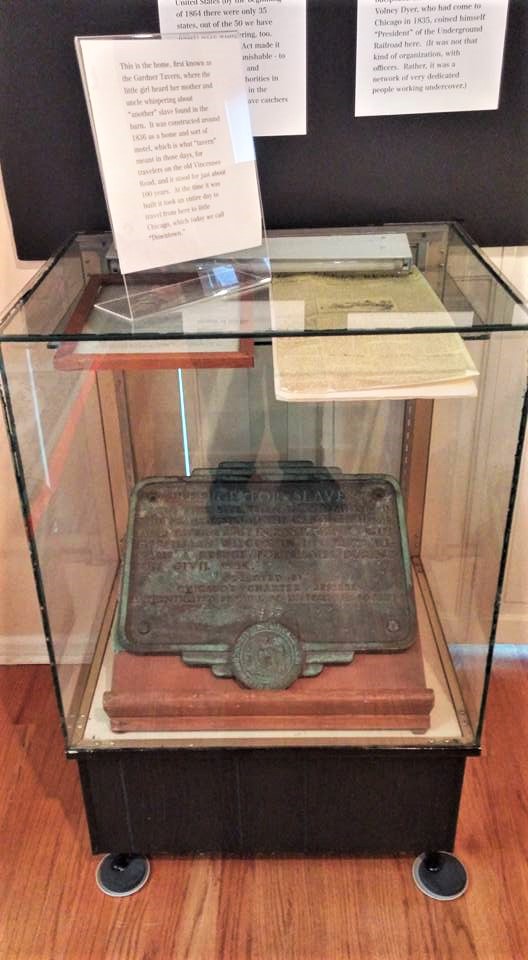
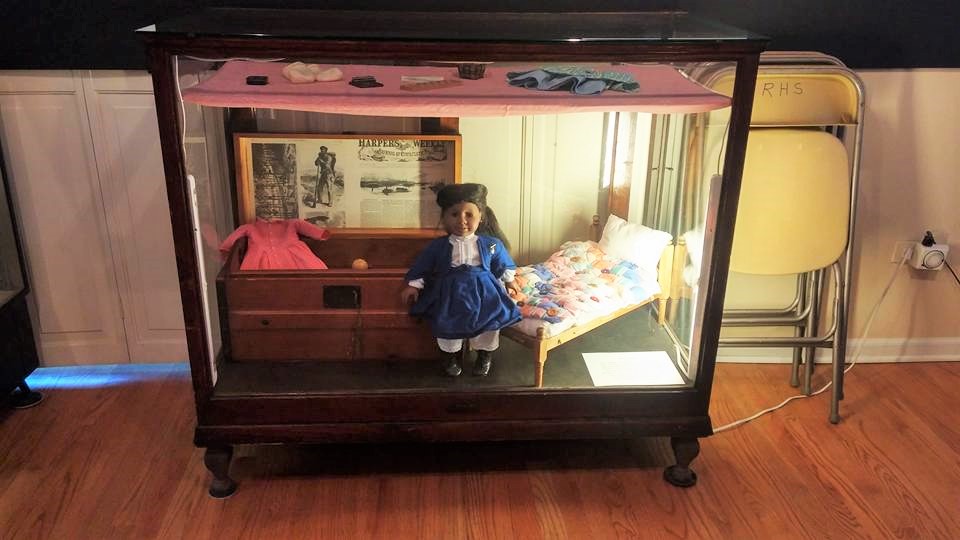
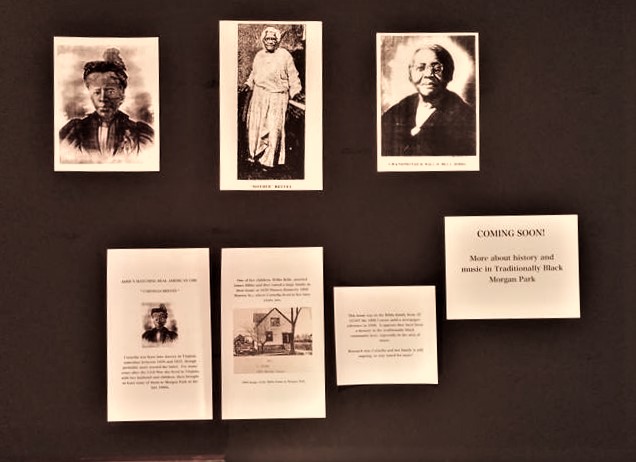
The Ridge Historical Society salutes Black History Month, celebrated in February. It is a time to remember important people and events in history. We have two stories from Ridge history today, an unofficial stop on the Underground Railroad (UGRR) and a woman named Cornelia Reeves.
The UGRR was not really a railroad that ran underground. It was the name given to the secret network of safe routes and locations that escaped slaves from the southern U. S. could use to reach the northern states and Canada in the early to mid-1800s.
The Gardner Tavern at 9955 Beverly Ave. was built around 1836 by Jefferson Gardner. It served as his home and as a way-stop for travelers along the Vincennes Road. A “tavern” back then was more like a motel.
William Wilcox bought the property in 1844 and owned it until 1870. The building was never an official stop on the UGRR but there are stories about fugitive slaves sleeping in the barn and out-buildings. In 1934, when the old tavern was finally torn down, Alice Barnard wrote in The Weekly Review newspaper, the forerunner of today’s Beverly Review, that these people “were fed and went on their way.” There were four Wilcox sons who served in the Union Army. A picture of the Gardner Tavern as it likely appeared in 1837 was included with the article, drawn by architect Murray Hetherington who designed many fine homes in the Beverly-area.
It was kept very hush-hush when an escaped slave was discovered. One of the many pro-slavery people in Illinois could report this to the authorities. The law was not on the slave’s or property owner’s side. Runaway slaves could be returned to the South for a bounty and there were some very prosperous slave hunters.
RHS is including its information on the Gardner Tavern in the new exhibit, “Real American Girls of the Ridge,” which opens to the public this Sunday, March 1. This exhibit pairs dolls from the historical collection of American Girl dolls with real women who were connected to the Ridge from the same time period. Addy Walker, the African American doll from the Civil War period, is part of the exhibit. She is paired with Cornelia Reeves.
Cornelia Reeves was a former slave who came to the Ridge with her children and grandchildren in the late 1880s. According to a 1936 article in the Chicago Defender, as a small child in Virginia, she saw her parents and siblings sold, and never had any contact with them again. The article claims her family were the first African Americans to settle in Morgan Park. Mother Reeves, as she was known, and her family were active with the Beth Eden Baptist Church.
RHS is doing more research on Mother Reeves and is reaching out to descendants who may still be in the area. As more is learned, the section of the exhibit on Mother Reeves will be expanded.
This is how it happens. History was made today in Chicago and on the Ridge. The first African American gay woman was elected as Mayor.
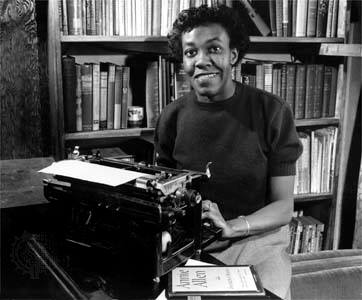
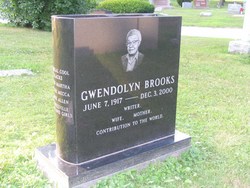
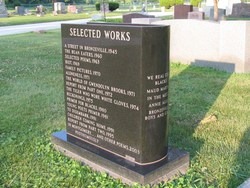
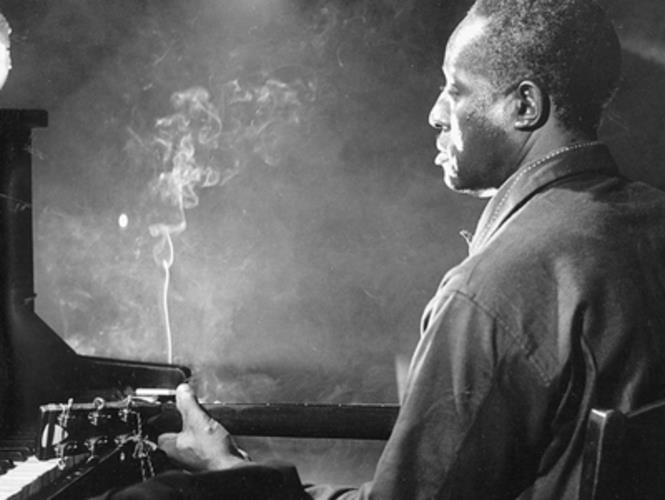
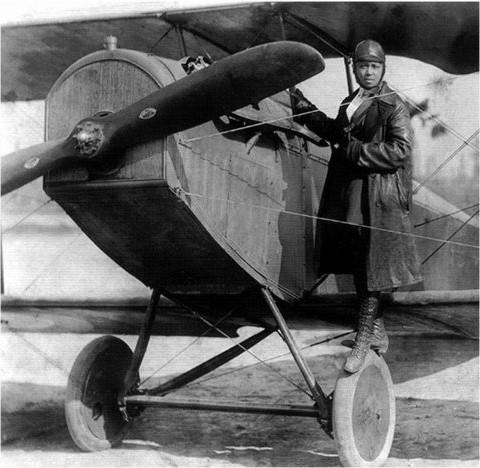
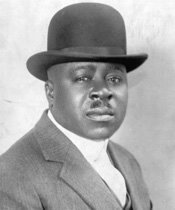
In celebration of Black History Month: The Ridge area includes one of Chicagoland’s most historic African American cemeteries, Lincoln Cemetery at 12300 S. Kedzie Avenue.
By the early 1900s, the growing population and the encroachment of segregationist ‘Jim Crow’ laws from the South had made it increasingly difficult for blacks to find burial plots in white cemeteries. So as many ethnic groups were doing, African Americans established their own cemeteries. In 1911, a group of black undertakers approached the owners of Oak Hill Cemetery on Kedzie Avenue, established in 1902 for Swedish families, to ask if some of their unused land could be opened to African Americans. The request was agreed to and Lincoln Cemetery was founded.
This is the final resting place for notable musicians and other personalities associated with blues music, including Big Bill Broonzy, Mathis James ‘Jimmy’ Reed, Jack L. Cooper, Lillian ‘Lil’ Hardin Armstrong, and several others.
A number of men connected to the Negro Baseball Leagues are buried there.
Bessie Coleman (1892-1926), the first woman of African-American descent and the first woman of Native American descent to earn a pilot’s license, is buried there. She was a successful air show pilot but died in a crash while testing a new plane.
Robert Sengstacke Abbott (1870 – 1940), lawyer and newspaper publisher, is buried there. He founded The Chicago Defender in 1905 and started the Bud Billiken Parade and Picnic in 1929.
The most famous person buried in Lincoln Cemetery is the poet Gwendolyn Brooks (1917 – 2000). She won the Pulitzer Prize for Poetry in 1950 and was appointed Poet Laureate of Illinois in 1968 and Poet Laureate Consultant in Poetry to the Library of Congress in 1985. Her tombstone is a marble book.
Pictures: Gwendolyn Brooks, and the grave of Ms. Brooks; Big Bill Broonzy, Bessie Coleman, Robert S. Abbott.