
Explore the RHS Facebook Archives, a rich repository of local history written by Carol Flynn. For two decades, Carol brought a deeply dedicated voice to public education at RHS. Her role as Facebook administrator through mid-2025 naturally extended her prolific research into meticulously detailed articles, most notably her multi-part historical series posts. Today, Carol continues her local history writing for The Beverly Review and other outlets.
Earth Day
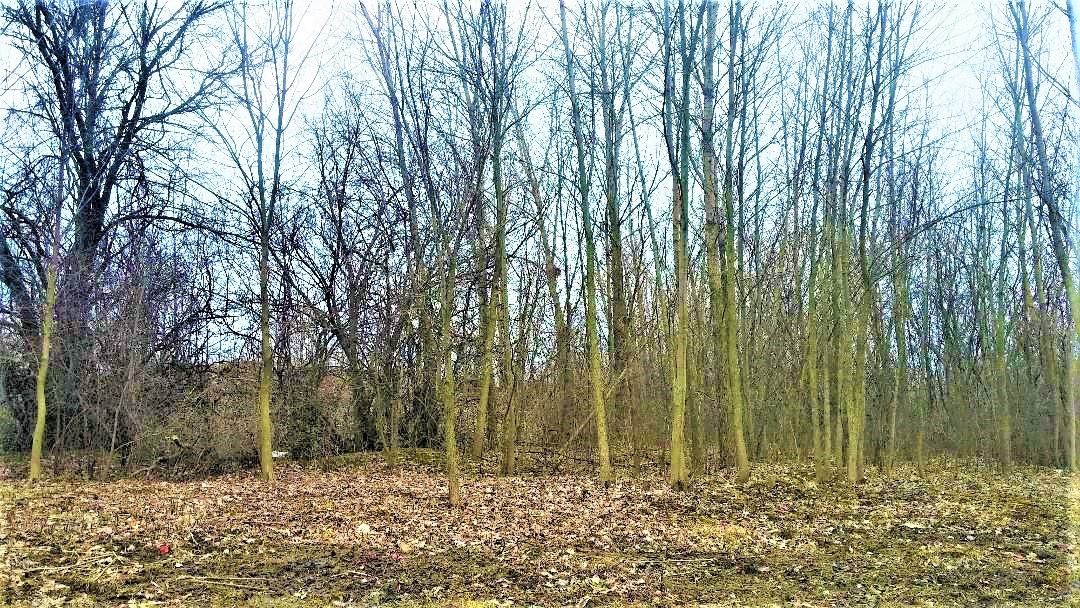
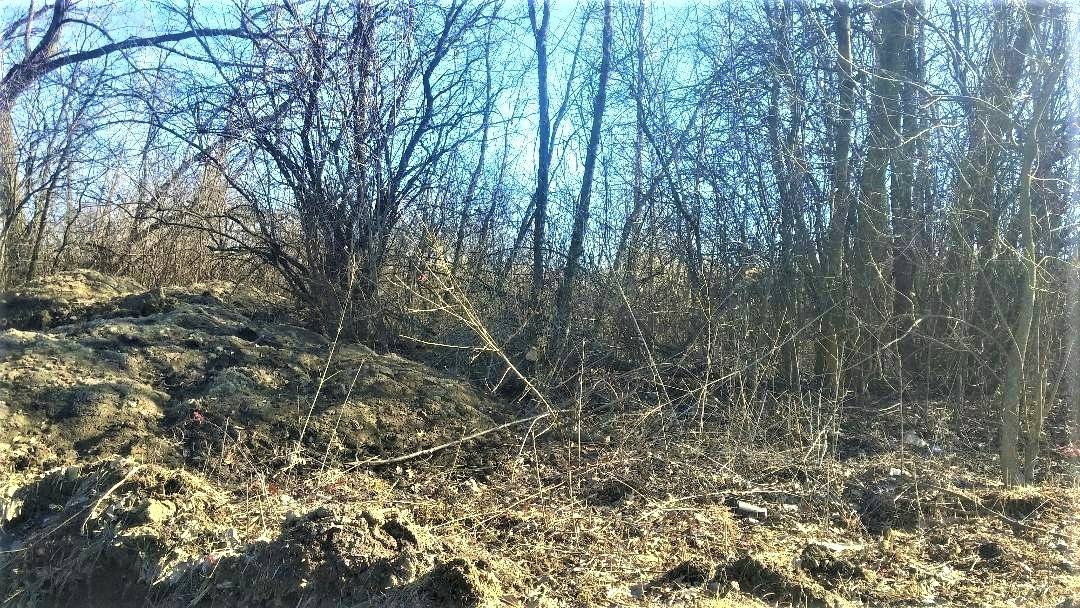
Today, Wednesday, April 22, is Earth Day. Its purpose is to support environmental protection world-wide. It was first celebrated in 1970.
The Blue Island Ridge was once a pristine wilderness. It was described as "a vast vegetable solitude" more than 150 years ago.
Today you can still see glimpses of the "wild Ridge" here and there.
Notable features are:
– Dan Ryan Woods
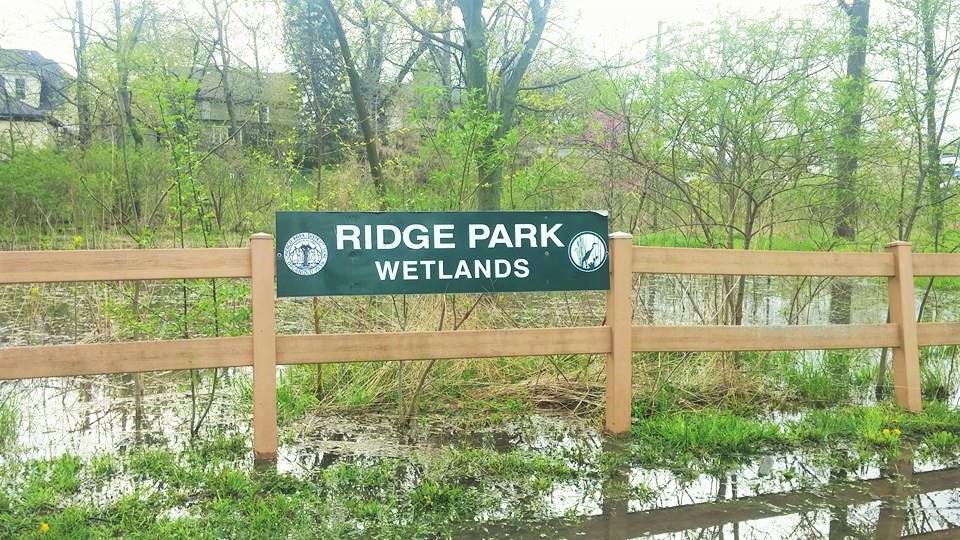
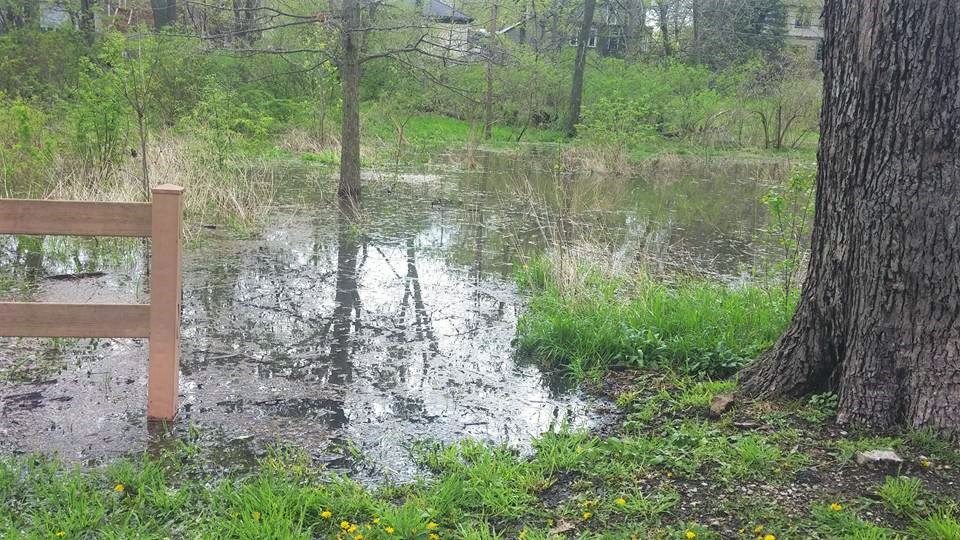
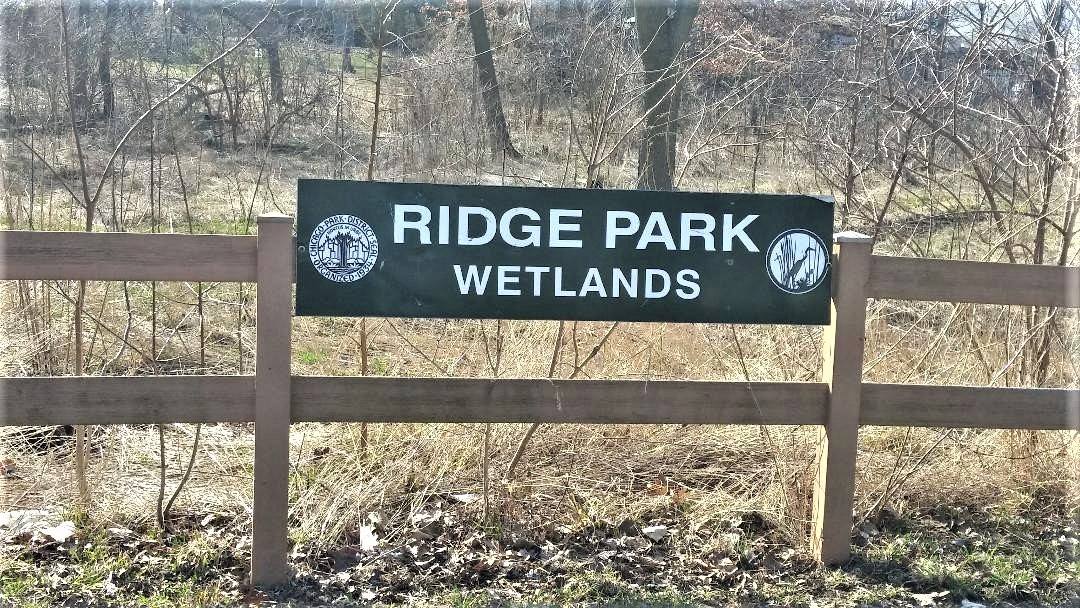
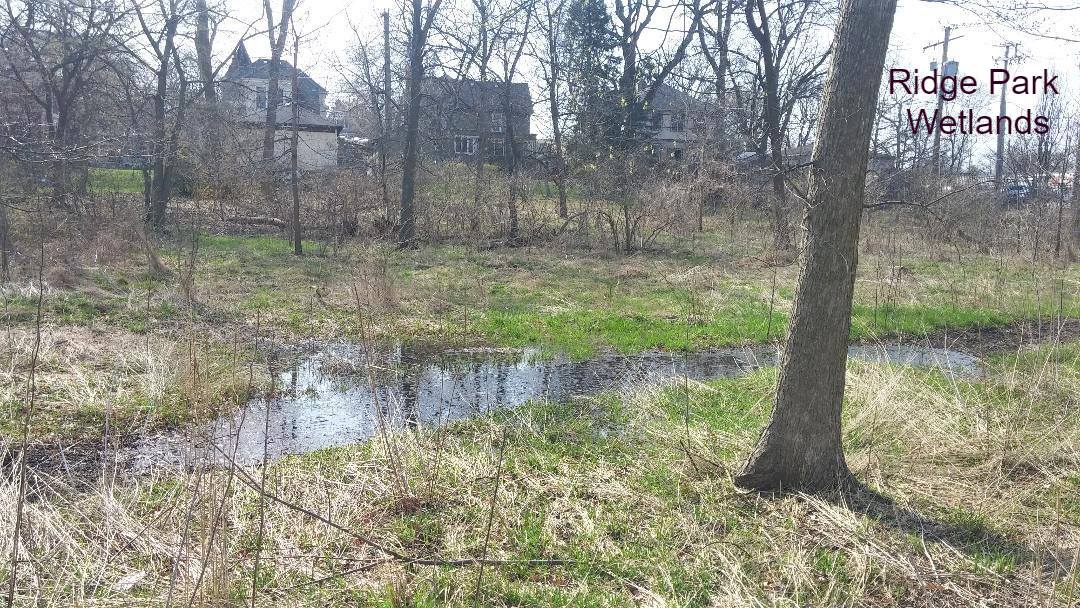
– Ridge Park Wetlands
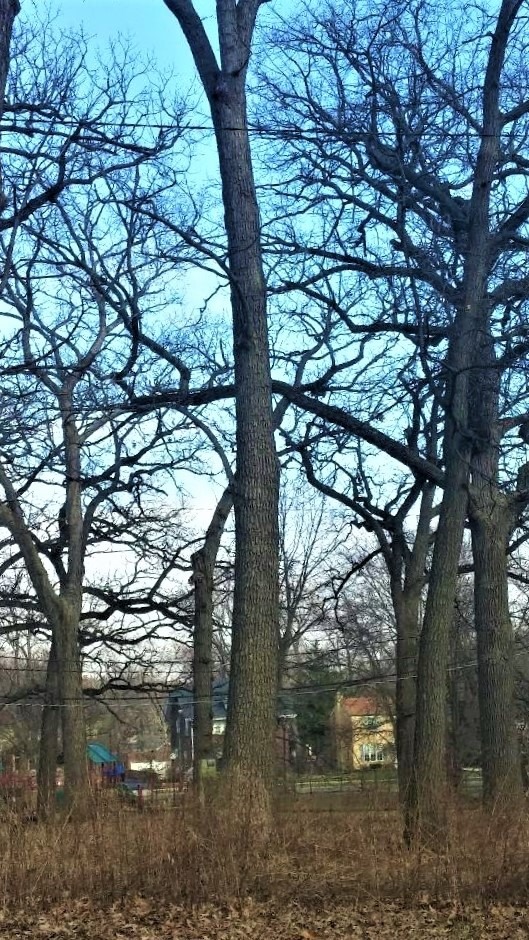
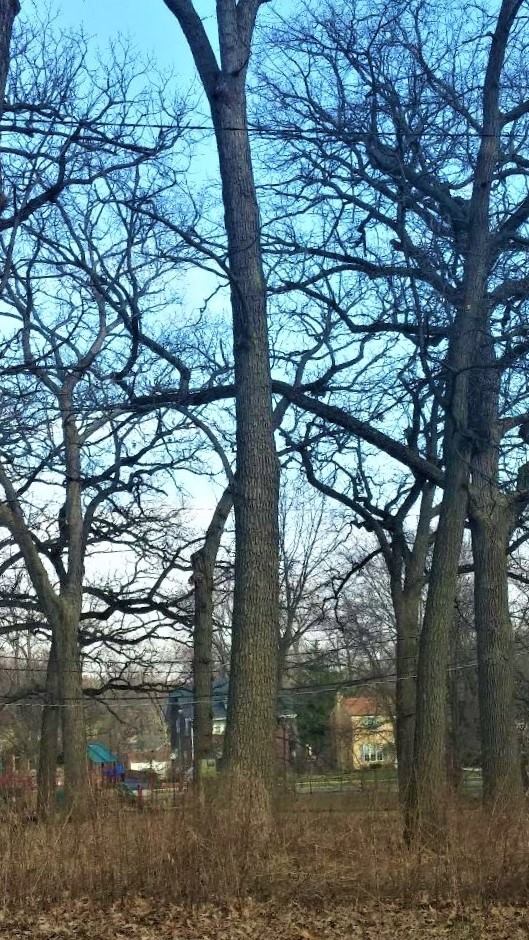
– Hurley Park oak savanna
– Ancient sand dunes in Mt. Hope Cemetery
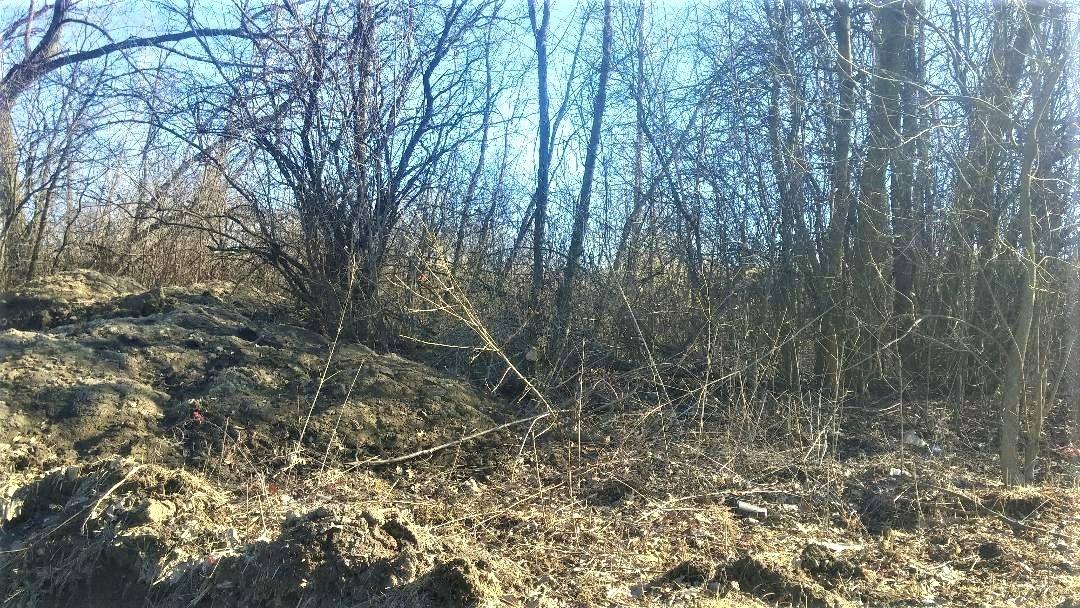
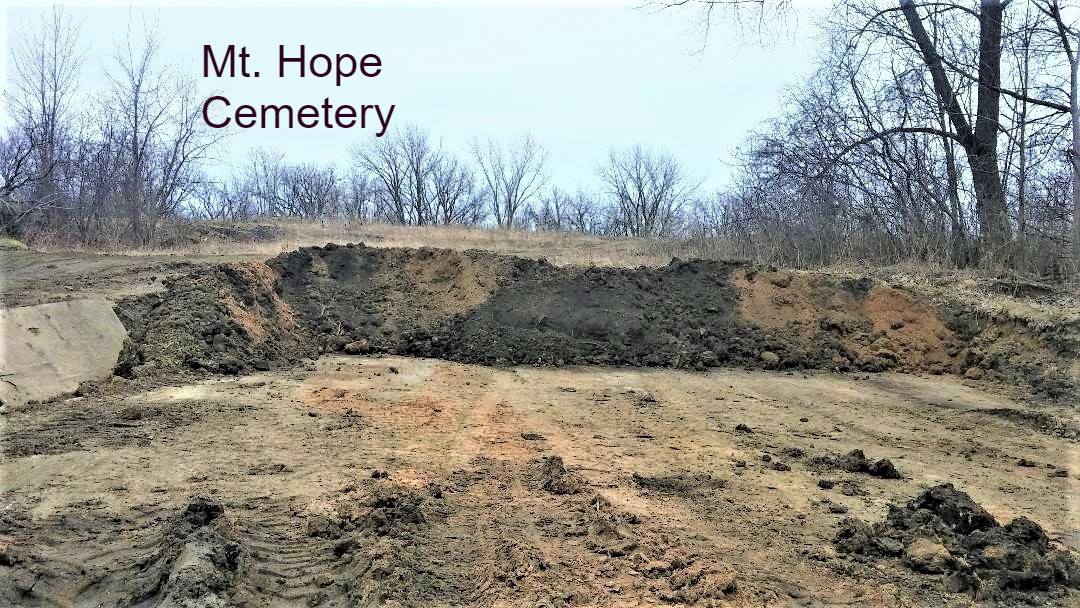
April 22 is Earth Day when we focus on environmental issues. There is not much left of the original "wild Ridge" due to almost 200 years of "development" but here are four places where we can still see remnants of some of the ecosystems that once flourished here.
In the far southeast corner of Mount Hope Cemetery (entrance on 115th Street at Fairfield Ave.) we can see the remnants of the vast sand deposits that were the western shore of the pre-historic Blue Island. The sandy land was not suitable for farming and that is why we have so many cemeteries and golf courses along the western side of the island, starting with St. Mary's and Evergreen Cemeteries at 87th Street and going south.
Second, we have the Ridge Park Wetlands to the west of the Metra train tracks just north of 96th Street. The water ran off the Ridge to the east, creating wetlands, swamps and marshes for miles. This is one very small patch still preserved.
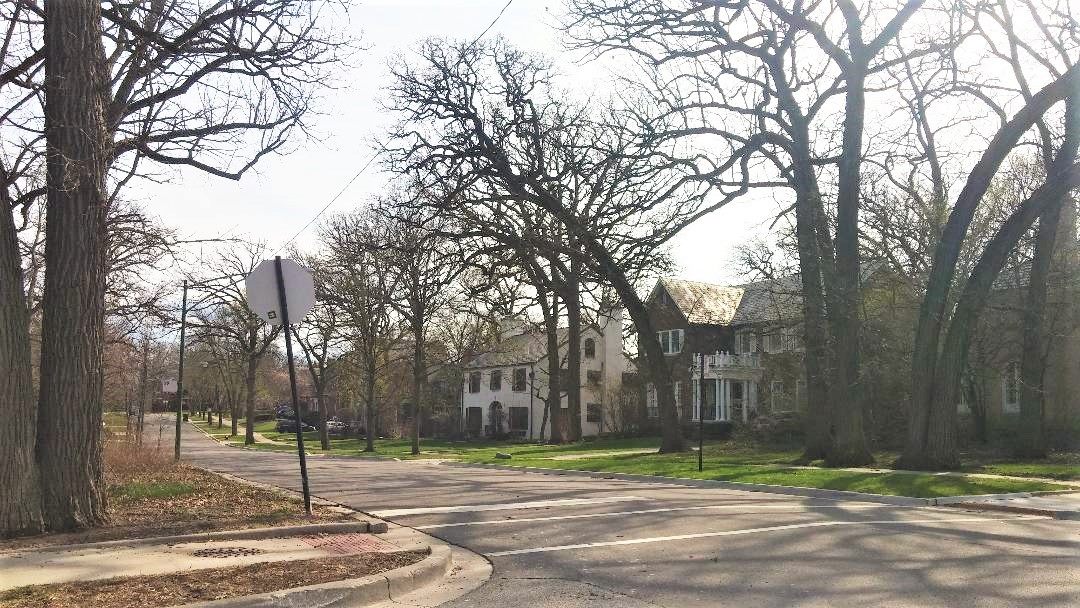
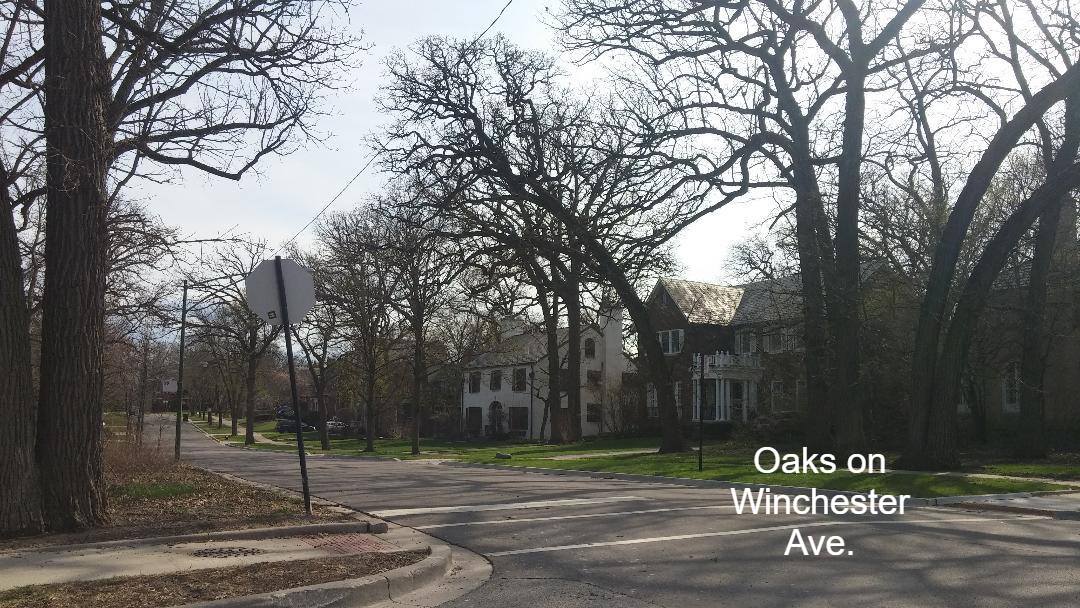
Third, we have Hurley Park at 100th St. and Winchester Ave. where there is signage about the once vast oak woodlands that covered the area. We still have old growth oak trees in the area but many of them are reaching the end of their lifespan and will die off in the next 50 years. We have not kept pace with establishing new oak trees.
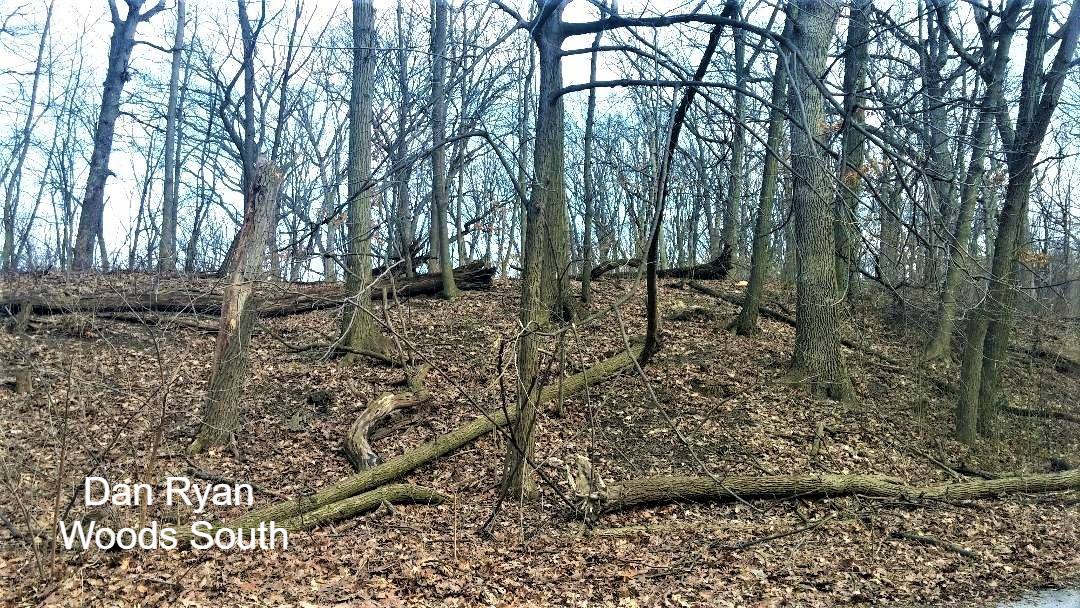
Last, we have the south section of Dan Ryan Woods (south of 87th Street) where we can still see the ravines and natural gradients in the terrain that would have existed before most of the land was leveled for building.
Photos by C. Flynn.