Explore the RHS Facebook Archives, a rich repository of local history written by Carol Flynn. For two decades, Carol brought a deeply dedicated voice to public education at RHS. Her role as Facebook administrator through mid-2025 naturally extended her prolific research into meticulously detailed articles, most notably her multi-part historical series posts. Today, Carol continues her local history writing for The Beverly Review and other outlets.
Valentine's Day
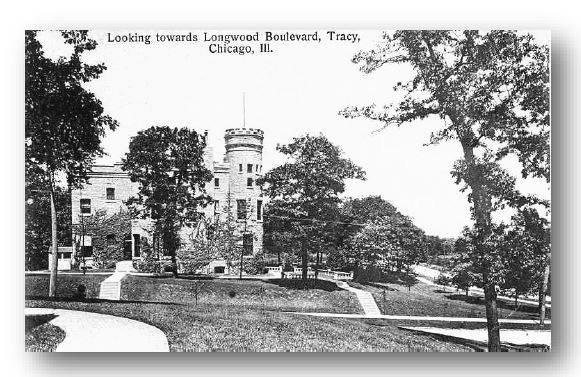
Tomorrow is Valentine’s Day, which brings to mind tales of love and devotion. Beverly/Morgan Park has its share of love stories (and a few scandals, but that is for another day). One of the most compelling surely has to be that a man built an actual castle for his new bride. We’re talking about the Givins Castle at 103rd Street and Longwood Drive, of course. This entire story has a lot of urban myth attached to it, and here are the real facts.
Robert Cartwright Givins was a very popular man in Chicago, very well-liked. The newspapers often referred to him as “Bob,” something unusual for the formal times of the late 1800s. He was a real estate developer, a lawyer, a writer of romance and science fiction novels, a world traveler, and the biggest booster of Chicago to be found. Bob Givins was even proposed for mayor. He had moved to Chicago from Canada, and his family came from Northern Ireland Protestant descendancy.
Givins lost his first wife and three of his four children at an early age. Only one son, Robert Saltern Givins, made it to adulthood – and he was involved in one of the scandals we will save until later.
On August 17, 1884, the Inter Ocean newspaper ran this little blurb: “Mr. Robert C. Givins has gone to St. Paul and Lake Minnetonka. Will he come back alone?”
Givins came back with a new wife, the former Emma Steen. Emma was a Chicago school teacher, 13 years younger than Givins, and of Norwegian descent. They built the Castle on the hill in Tracy, as the area was then known, in 1886-87. Tracy was the name of the street that would become 103rd Street.
Now we get to some of the myths. First, that Givins visited Ireland, saw this castle on the River Dee, and came home and built it for his new wife. Well, there is no documentation of this that we have found – yet. It seems the first time this was mentioned was about 50 years after the Castle was built. It actually could be highly likely that the Castle was built due to Masonic influence – the Givinses were very active in the Knights Templar of the Masons.
Second, there is a myth that the Givinses never lived in the Castle. They most certainly did. There are numerous newspaper articles about their activities there, and their involvement in the local community. They even brought a trendy new game to the Ridge: “pin-the-tail-on-the-donkey.” During the winters, they took up rooms in downtown hotels, which is something the rich living outside the city often did to avoid the commute downtown for business and social activities.
Givins was in favor of the annexation of Washington Heights, which included Beverly, to Chicago in 1890. He sat on the finance committee for the first Church of the Mediator at 110th St. and Hoyne Ave.
Emma Givins was a strong supporter of education for women and teachers’ rights. She was a founder of an early domestic science school through the Chicago Woman’s Club. This was a forerunner of today’s Family and Consumer Sciences programs.
The Castle was sold in 1909. The Givinses divided their time between the north suburbs and Sarasota, Florida. Emma died in 1914 at the age of 56. Bob died the following year, age 69. They are buried in Rosehill Cemetery on Chicago’s north side.
– Carol Flynn, RHS Communications @ridgehistoricalociety
Ridge Historical Society – For Valentines Day
A Sparrow: Love in a Cottage
By Carol Flynn
According to a Chicago Tribune column from one hundred years ago, here is an old English superstition.
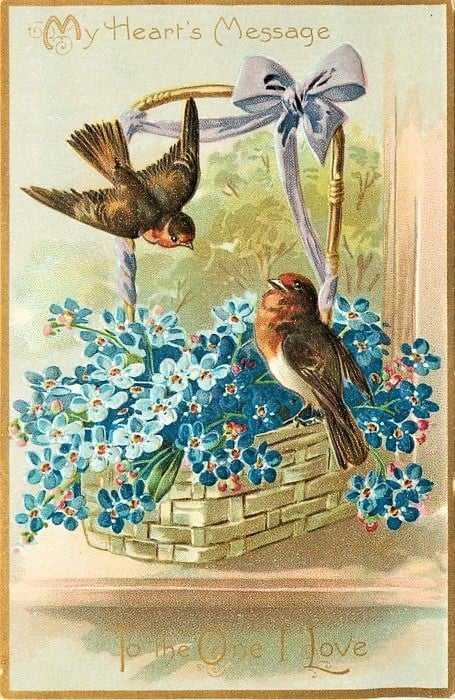
On Valentines Day, the first bird a maiden sees in the morning will determine her future marriage situation. If she sees a goldfinch, she will many a millionaire; if she sees a bluebird, she will live in poverty. If she sees a blackbird, she will marry a clergyman; if she sees a redbreast, she will marry a sailor.
If she sees a flock of doves, she will have good luck.
If she sees a sparrow, she will find love in a cottage. Chances are, in Chicago, and on the Ridge, the first bird a maiden will see is an English sparrow, also called a house sparrow. These birds were brought into the United States by collectors in the mid-1800s and introduced throughout the country. Early city park planners in Chicago released them into Lincoln Park. They are now the most widely distributed birds in the wild.
The Ridge has a vast collection of houses that can be considered “cottages.” There really is no specific definition of a cottage architecturally – in fact, there is a lot of similarity in the definitions for cottage, bungalow, cabin, and like structures.
Some general characteristics of cottages are that they are smaller frame houses, one or 1.5 floors, with dormers and small porches. They are usually thought of in terms of coziness and charm. In the United States, cottages are often associated with vacation properties.
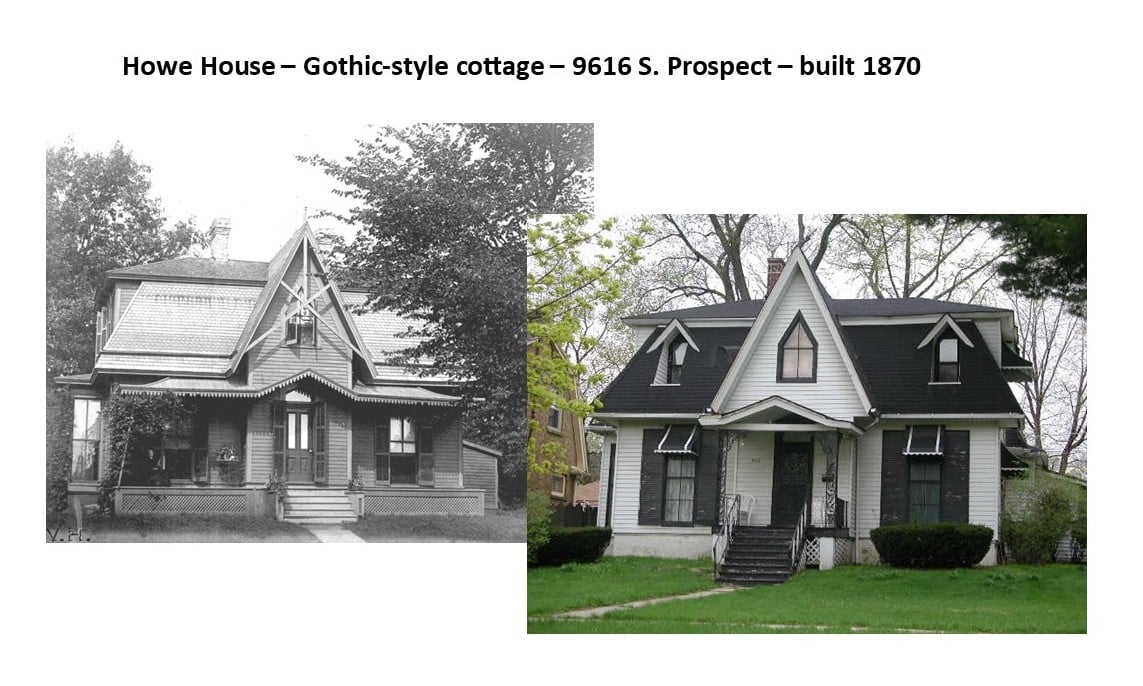
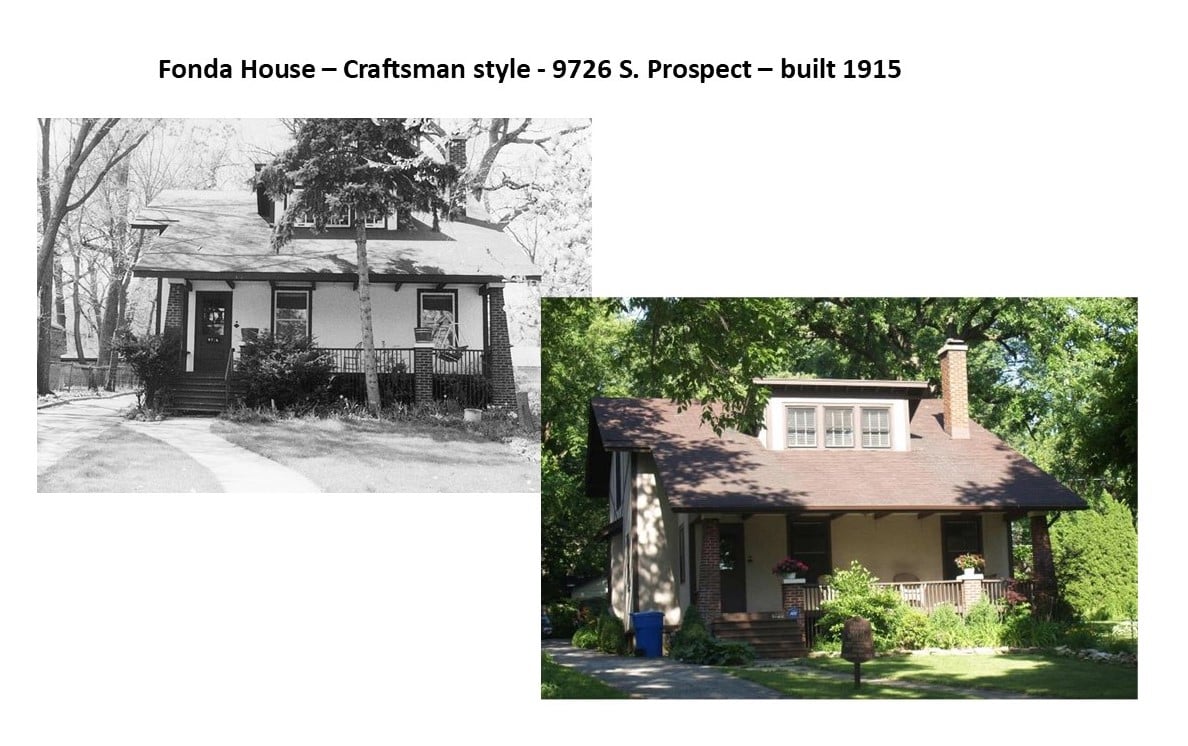
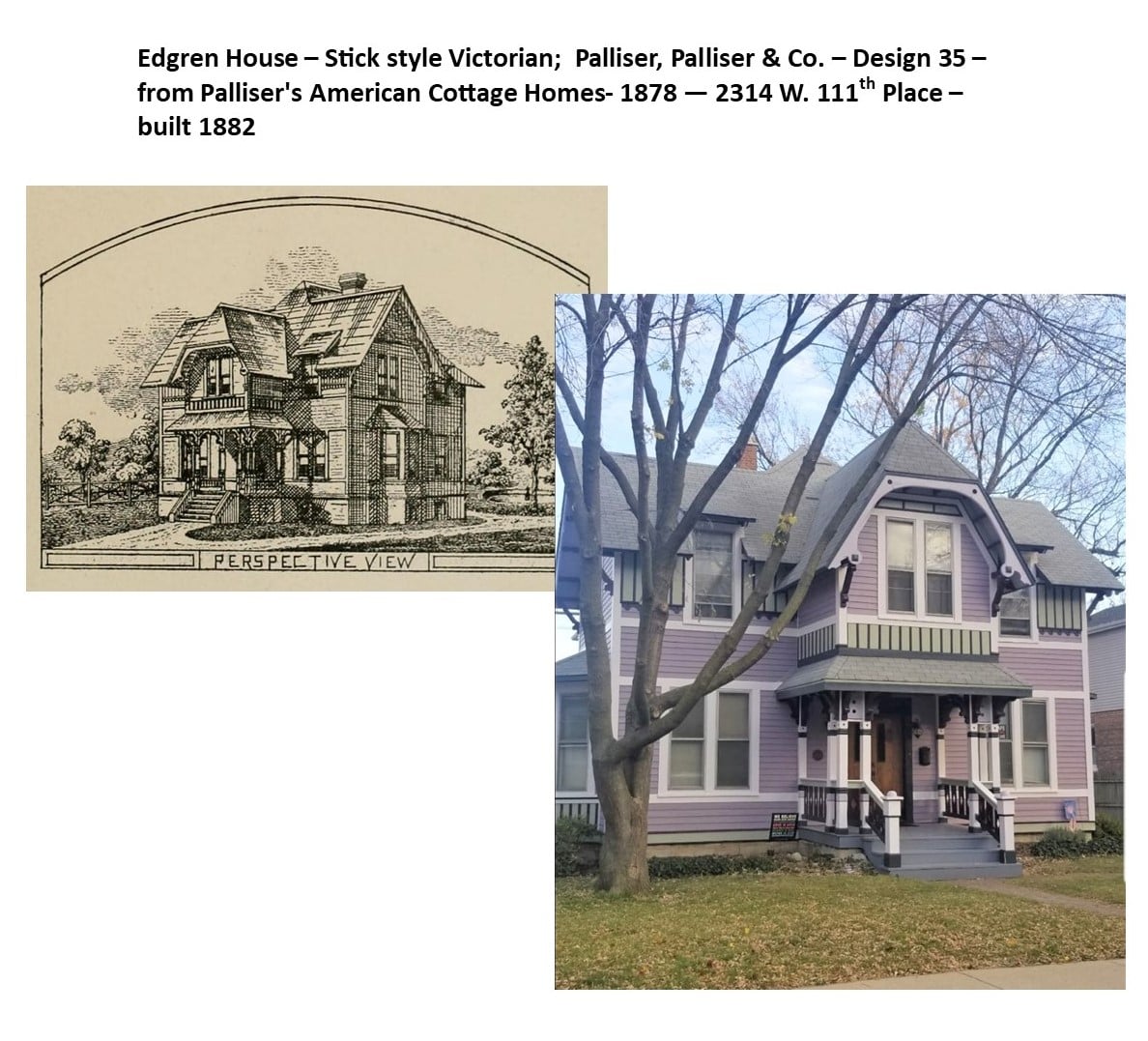
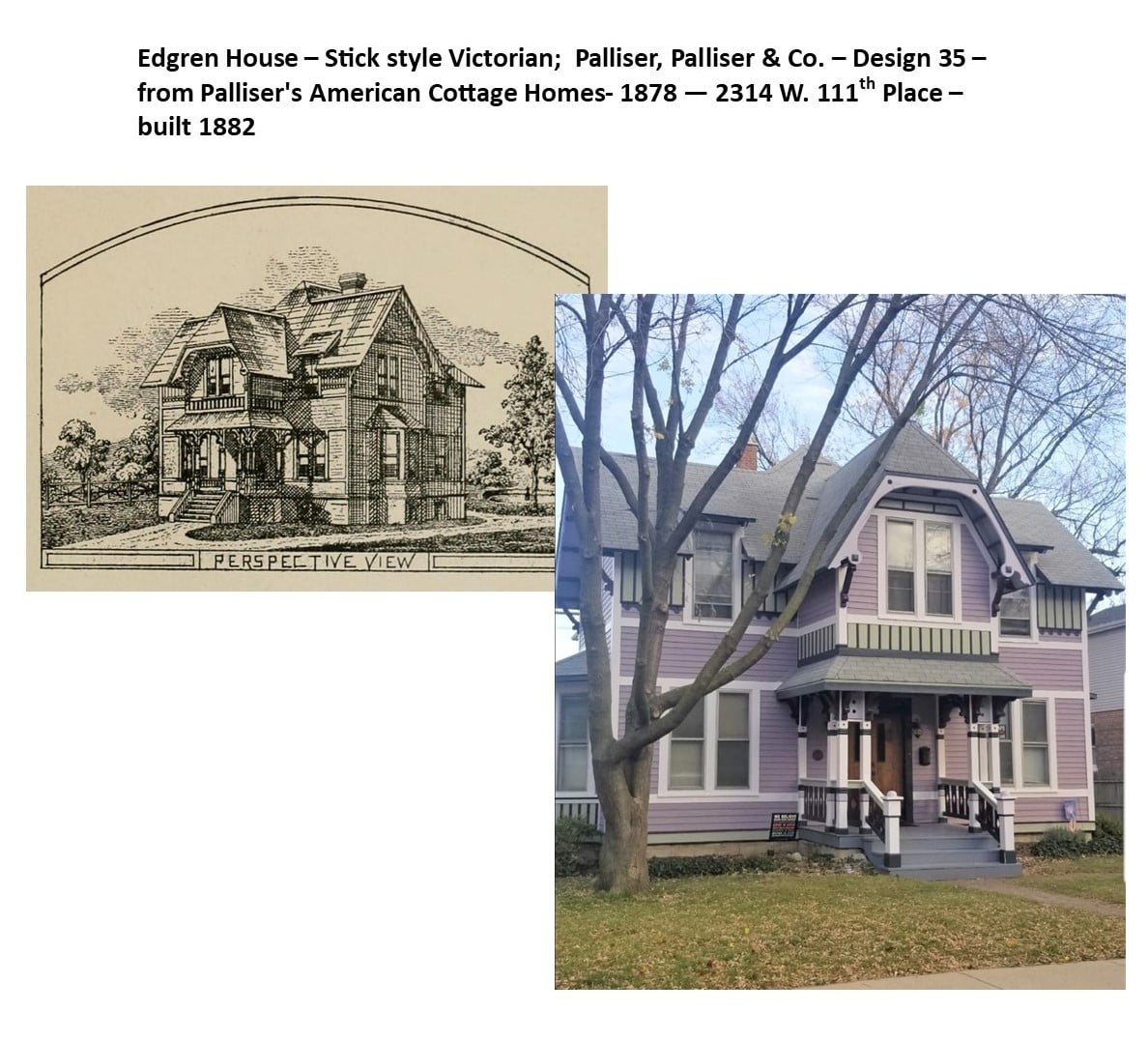
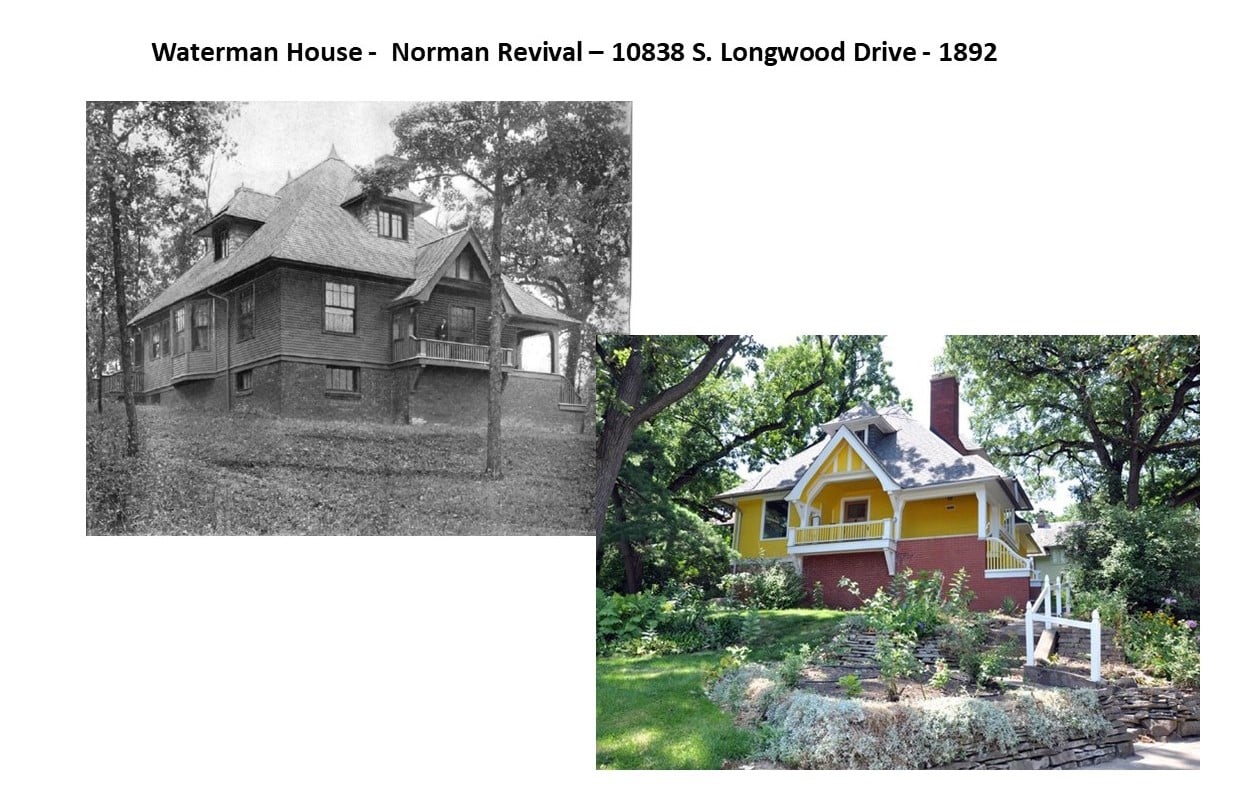
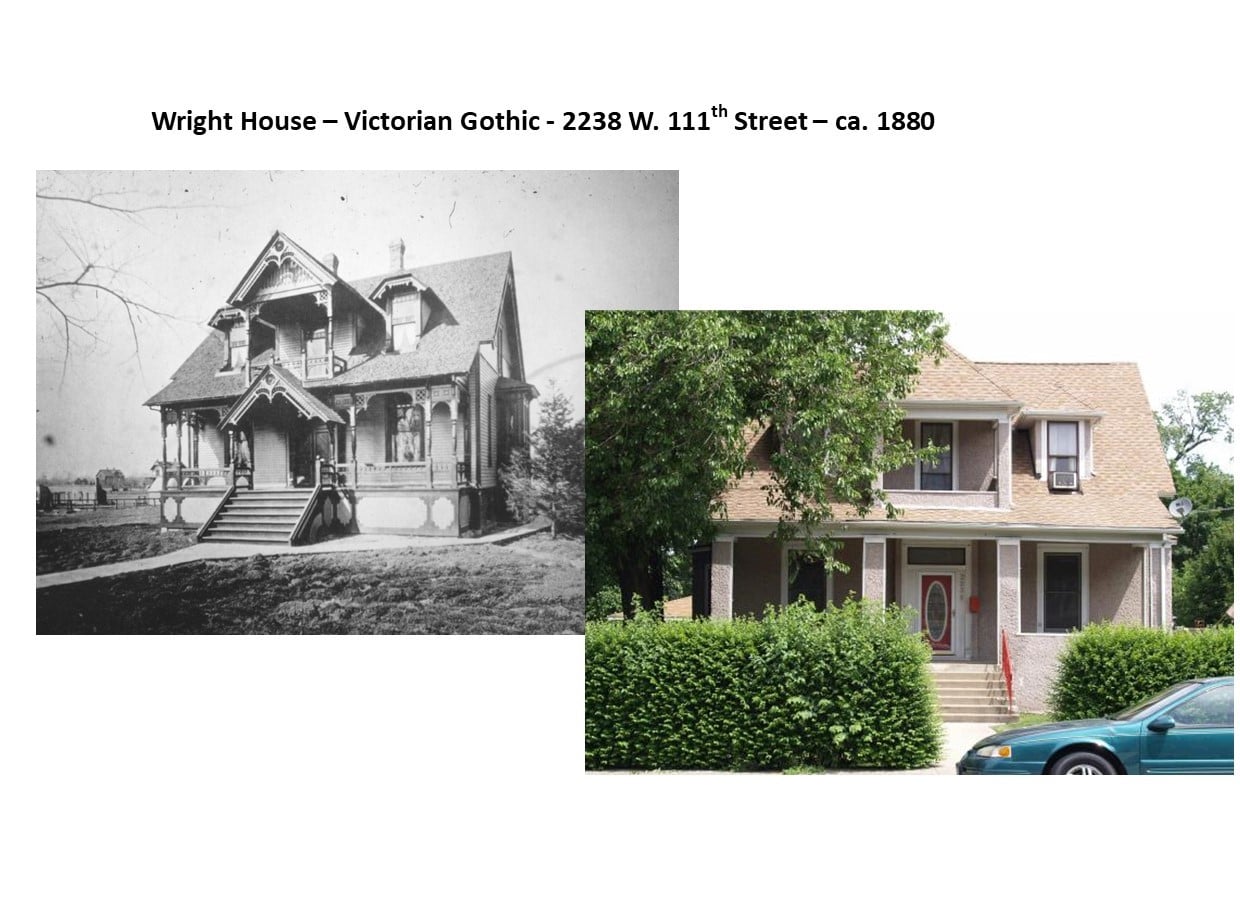
Here are some pictures of well-known cottages in Beverly and Morgan Park displaying a variety of architecture styles. Both the original as well as a more current view of each cottage is shown. Some have been substantially altered but the charm is still there.
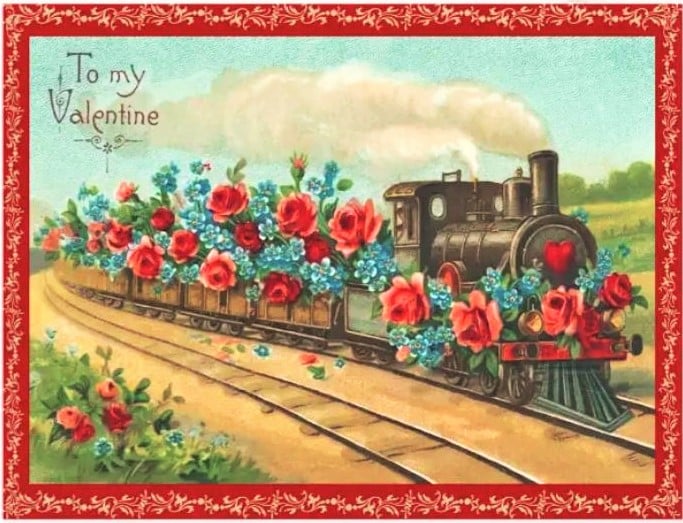
Happy Valentine's Day from the Ridge Historical Society!
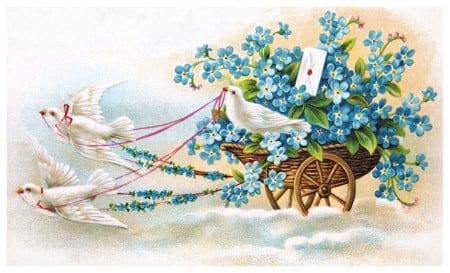
Here's a vintage postcard appropriate for the day – the railroads were a huge factor in the history of the Ridge communities, and here is one carrying Valentine's wishes to all our followers.
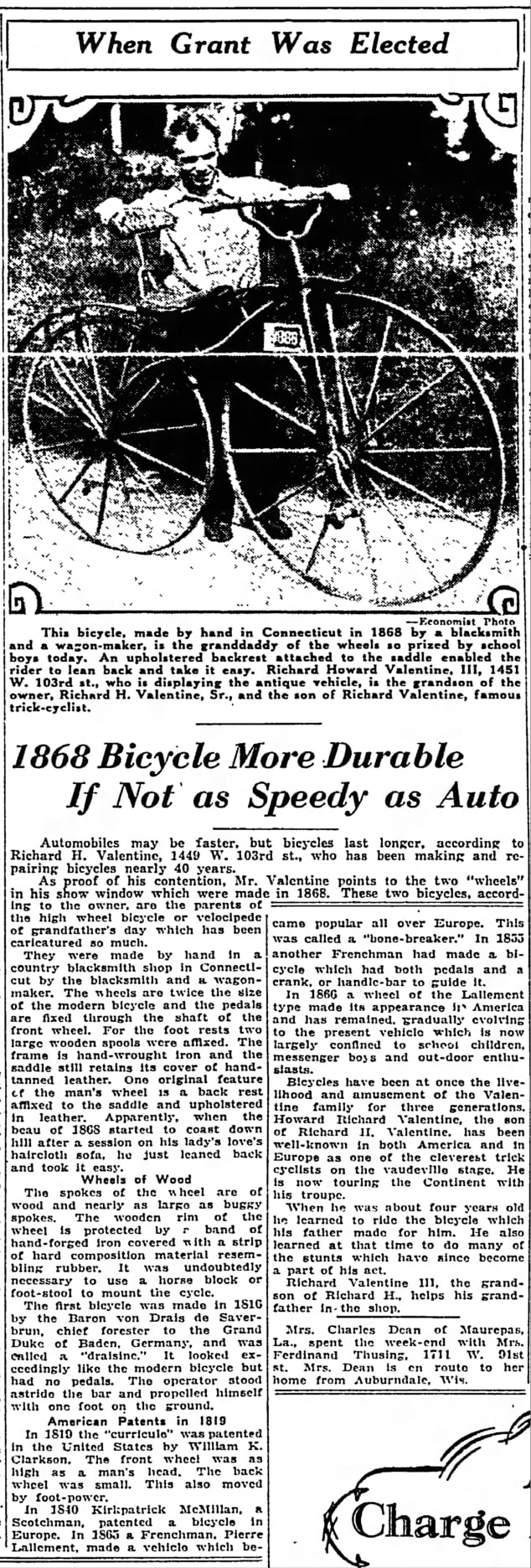
The Ridge had its own Valentine family in the community. Here is one interesting article about them. This is from the Southtown Economist, September 25, 1928.
The Ridge Historical Society
Happy Valentine’s Day!
By Carol Flynn
Parents, other family members, and friends are always delighted to receive handmade Valentines crafted by school children.
Handmade paper cards started in the Middle Ages and really took off during the Victorian era of the 1800s. The cards could get very elaborate, with bits of lace, bows and ribbons, seashells, gold and silver foil, and pressed and silk flowers.
Hallmark started mass producing cards in 1913, but even since then, it has remained the practice to spend a day crafting Valentines as a school project.
Louise Barwick (1871-1957) was an artist and educator who lived in Beverly. Her accomplishments included a huge relief map showing the geographical topology of the State of Illinois that was displayed at the 1893 World’s Fair in Chicago. The Ridge Historical Society also has a wonderful collection of watercolor paintings of local scenes that Louise completed.
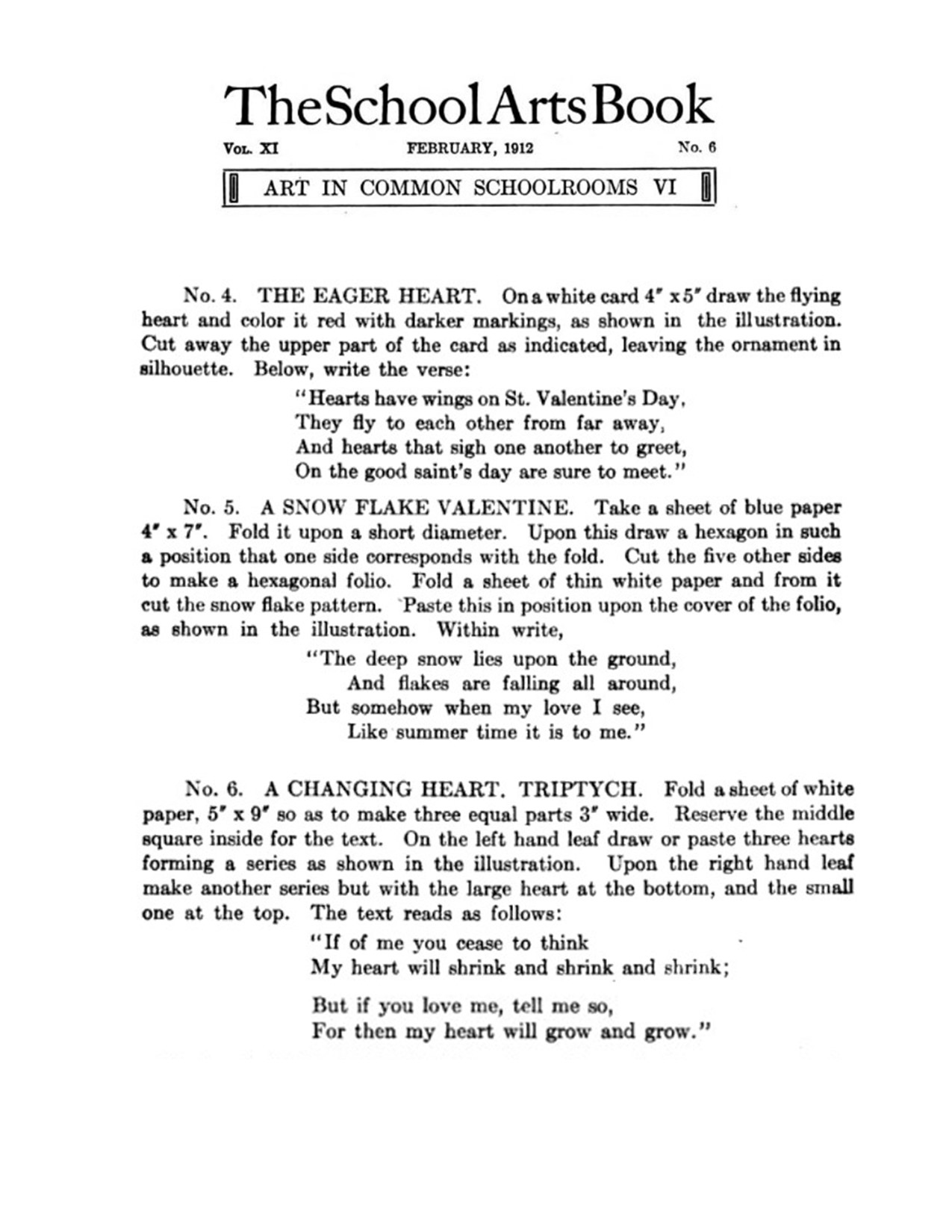
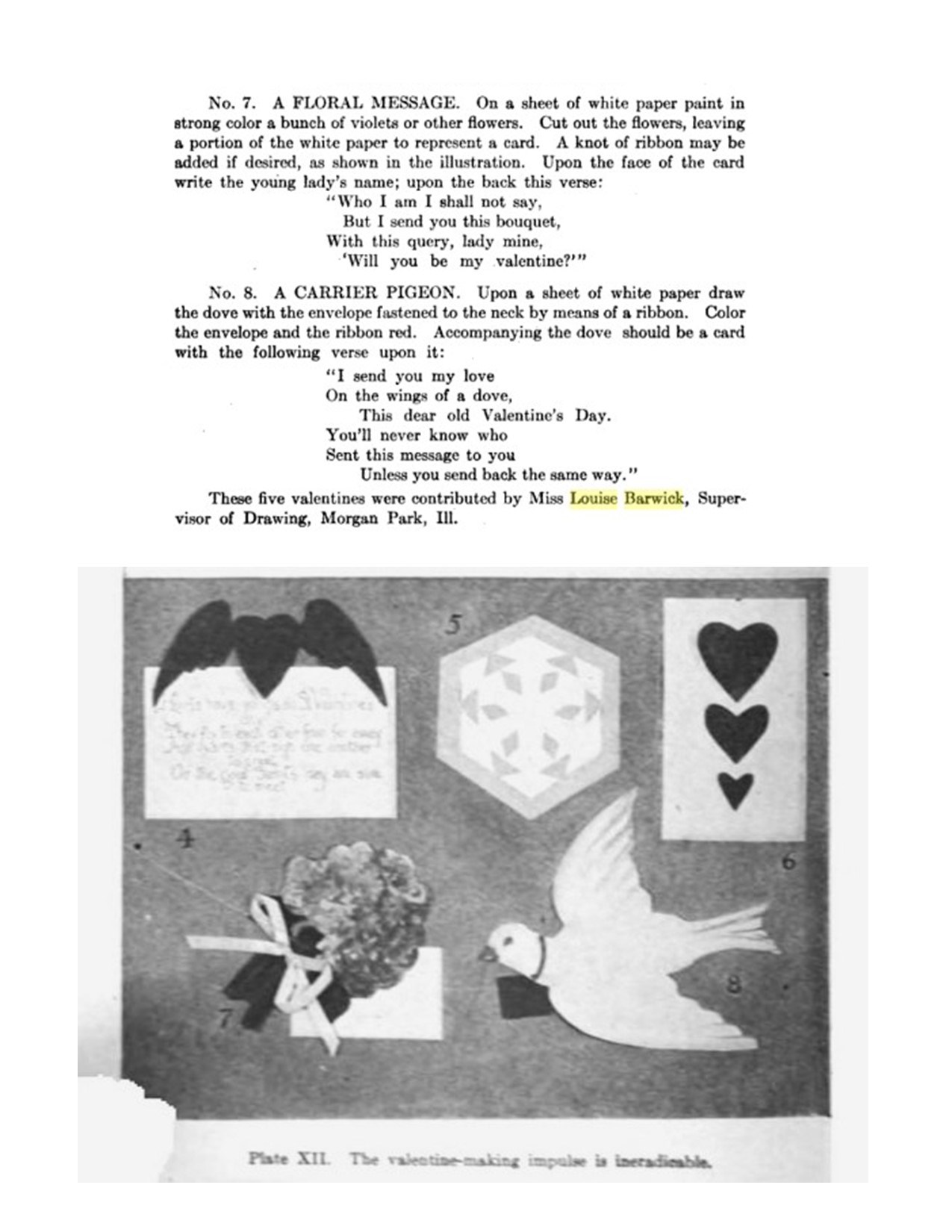
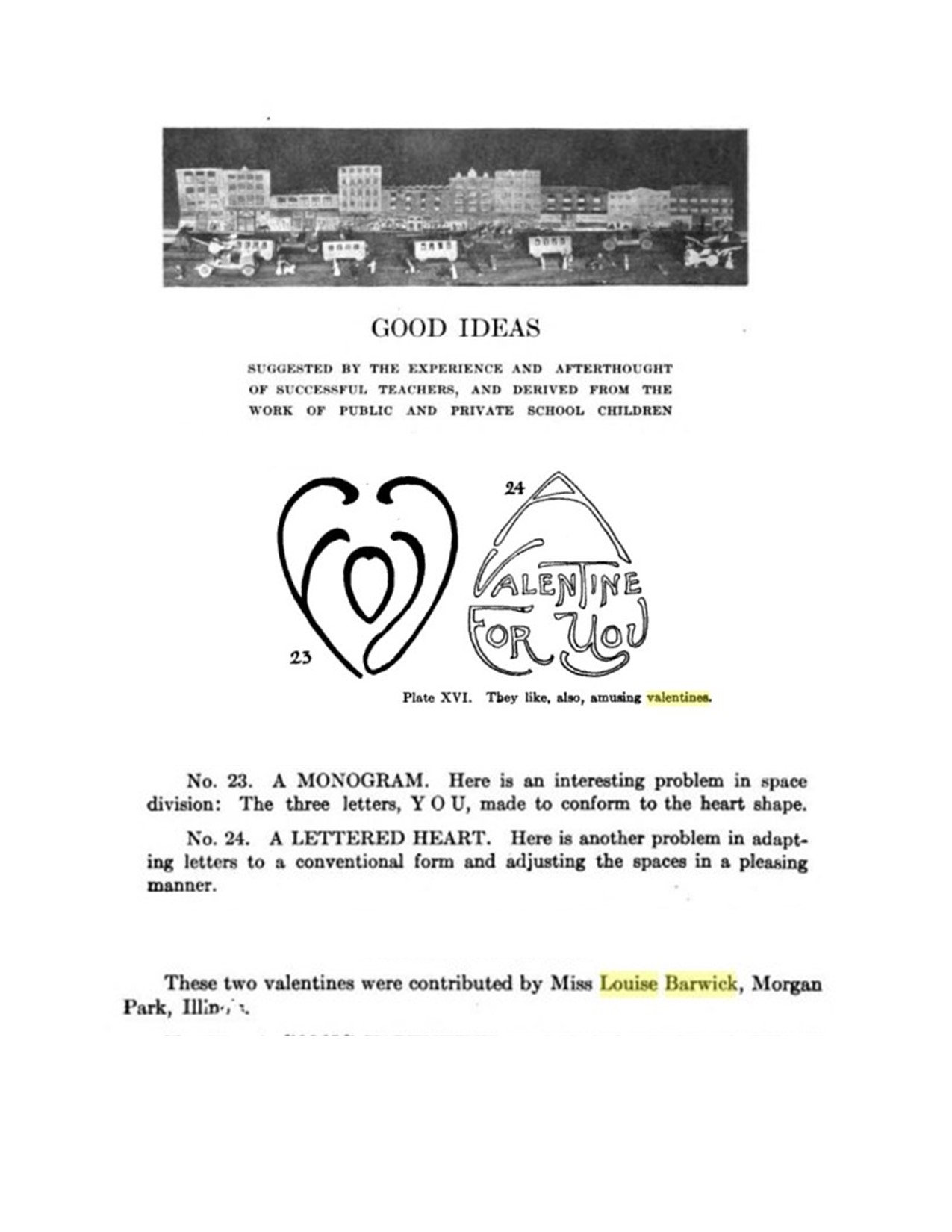
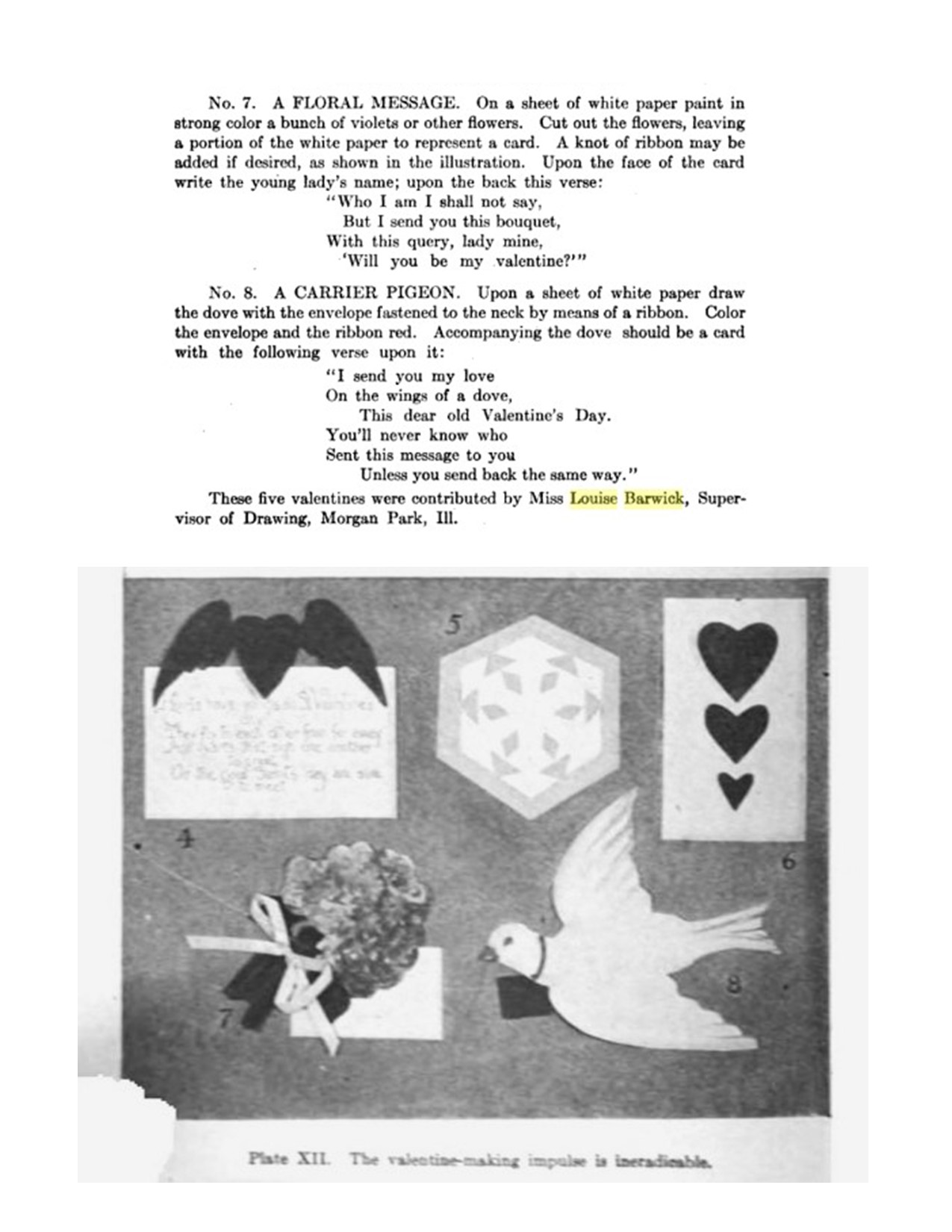
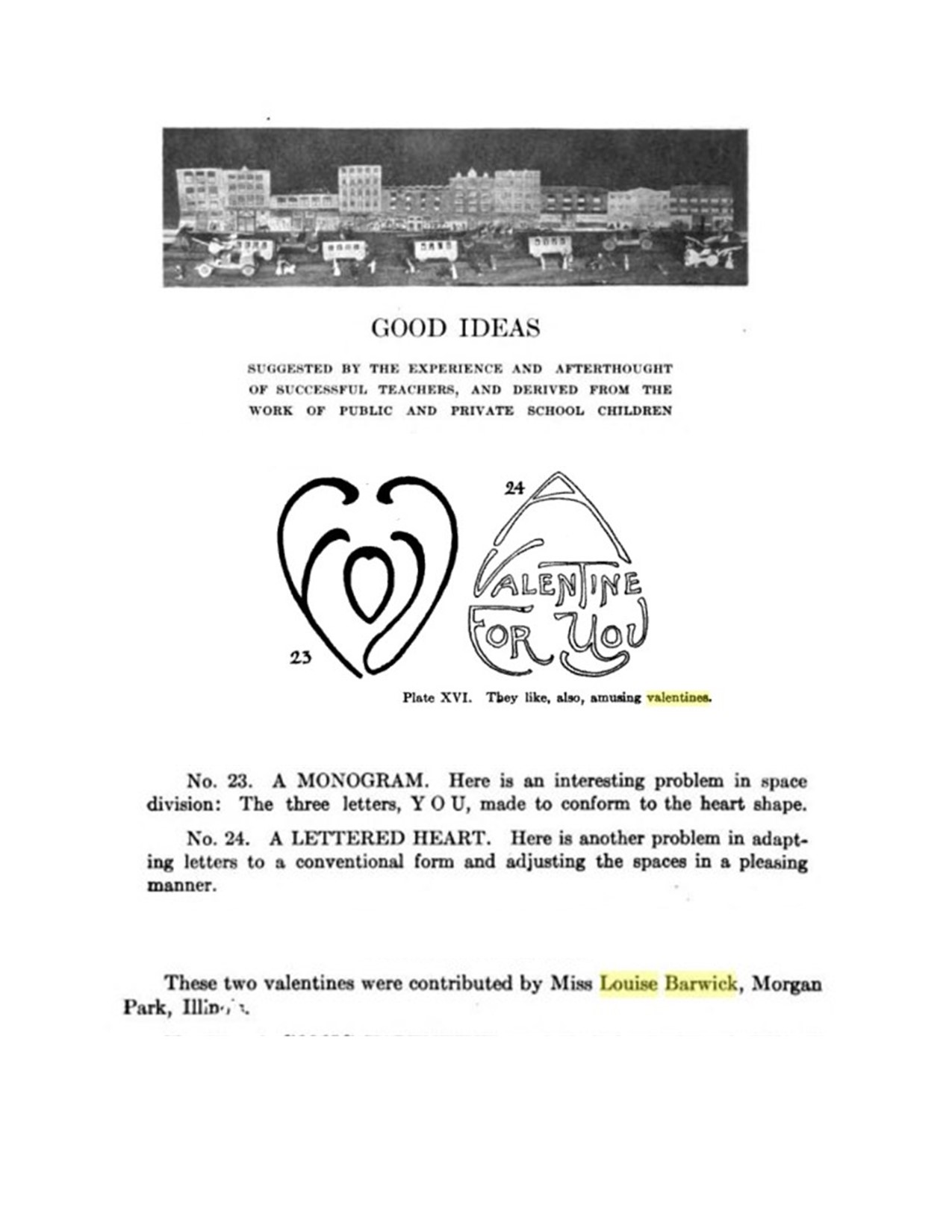
Louise Barwick was the art teacher for Morgan Park and other southside Chicago schools for several decades. In 1912, some of her ideas for handmade Valentines were published in The School Arts Book, a periodical for classroom arts.
Here are Louise Barwick’s Valentines. They could be recreated today.
The Ridge Historical Society
Happy Valentine’s Day!
Valentines from Louise Barwick
By Carol Flynn
The Ridge Historical Society’s (RHS) current exhibit, “Louise Barwick’s Lost Ridge,” may be viewed on Sundays and Tuesdays from 1:00 p.m. to 4:00 p.m. or by appointment. RHS is located at 10621 S. Seeley Avenue in Chicago. The exhibit is free. RHS may be contacted at 773/881-1675 or ridgehistory@hotmail.com.
Louise Barwick (1871 – 1957) was a long-time resident and art teacher in the Ridge community. Her watercolor paintings of local scenes from around 1900, which form the basis of the current exhibit, offer a visual history of the environment of that time.
For about forty years, Miss Barwick was an art teacher in schools on the south side of Chicago, including West Pullman School and the Morgan Park schools. Morgan Park was listed as one of the few school districts that had both drawing and music specialty programs.
In 1912, some of Miss Barwick’s ideas for handmade valentines were published in The School Arts Book, a periodical for classroom arts.
Back then, valentines were all hand made. Handmade paper cards started in the Middle Ages and really took off during the Victorian era of the 1800s. The cards could get very elaborate, with bits of lace, bows and ribbons, seashells, gold and silver foil, and pressed and silk flowers.
Hallmark started mass producing cards in 1913. However, it has remained the practice to spend a day crafting valentines as a school project. Parents, other family members, and friends are always delighted to receive handmade valentines.
Here are Louise Barwick’s valentines. They could be recreated today.
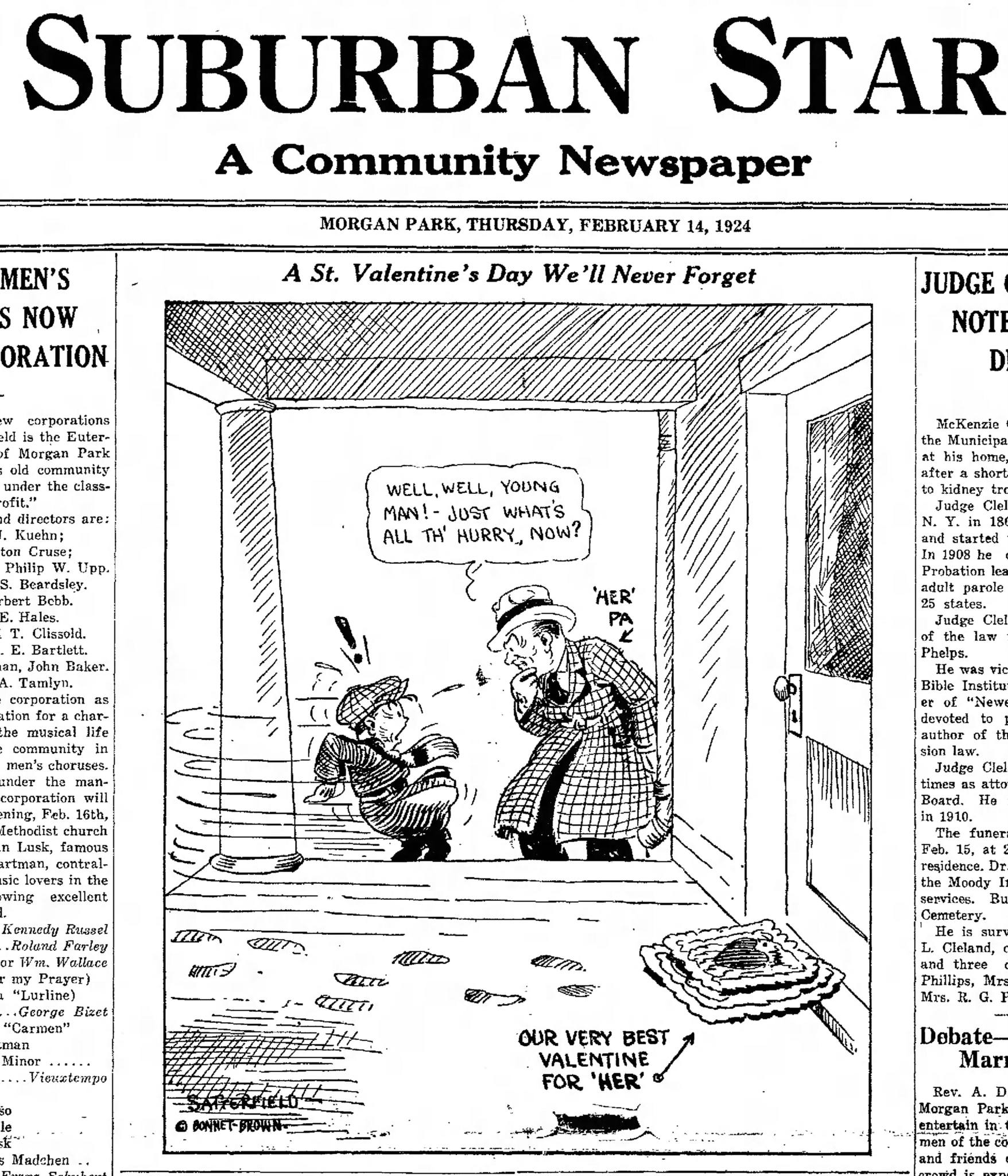
Also attached is a Valentine's Day cartoon from 100 years ago from a local paper. A young man leaving a "from a secret admirer" valentine got caught by the girl's father! Oh, the embarrassment for the lad!
The Ridge Historical Society
Happy Valentine’s Day – 100 Years Ago
By Carol Flynn
One hundred years ago, Valentine’s Day was emerging as the big holiday it would become during the following century.
The day had its origins as a religious feast day honoring any one of several Christian martyrs named Valentine in early Rome. The Catholic Church “demoted” the day in 1969, basically for not being specific on who exactly was being honored and if there really was a “Saint” Valentine at all. But traditional Catholics and Christians the world over still revere the day.
The day also became a symbol of the coming of spring. The St. Valentine from Slovenia is considered the patron saint of beekeepers.
There are many folk legends connected to Valentine’s Day.
One is that it is the day that birds propose to or marry each other. Another is that St. Valentine brings the keys to roots, and plants and flowers begin growing that day.
Sometime in the Middle Ages, the day started to be associated with romantic love and permanently affixed to the date of February 14. An earlier legend had Valentine cutting hearts from parchment to give to people to symbolize God’s love, and this is considered the possible origin of giving hearts on the day.
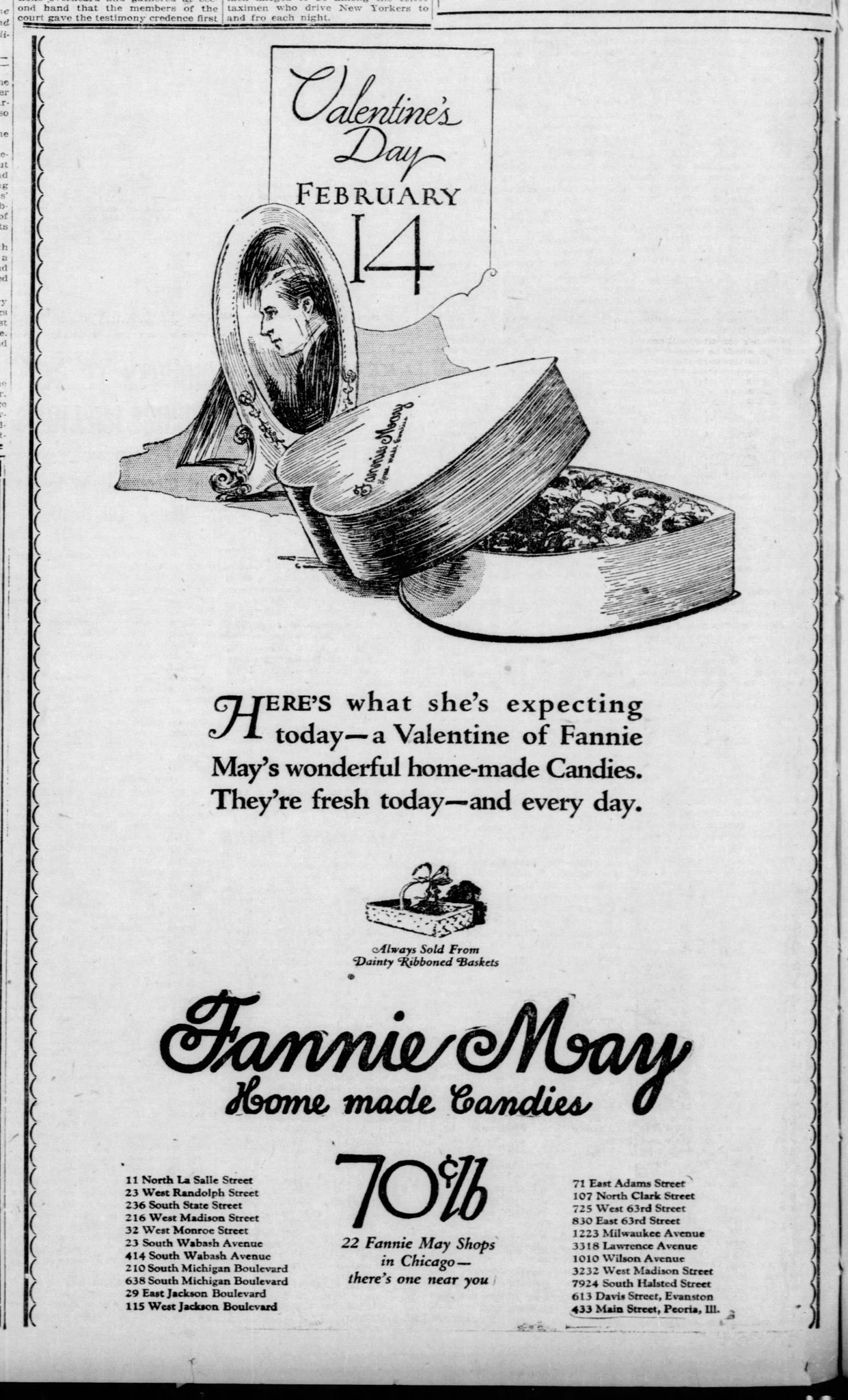
Valentine-themed poetry started being written in the Middle Ages. By the 1800s in England, sending verses of poetry and Valentines made of paper with real lace and ribbons was very popular. In 1868, the British company Cadbury created heart-shaped boxes of chocolates.
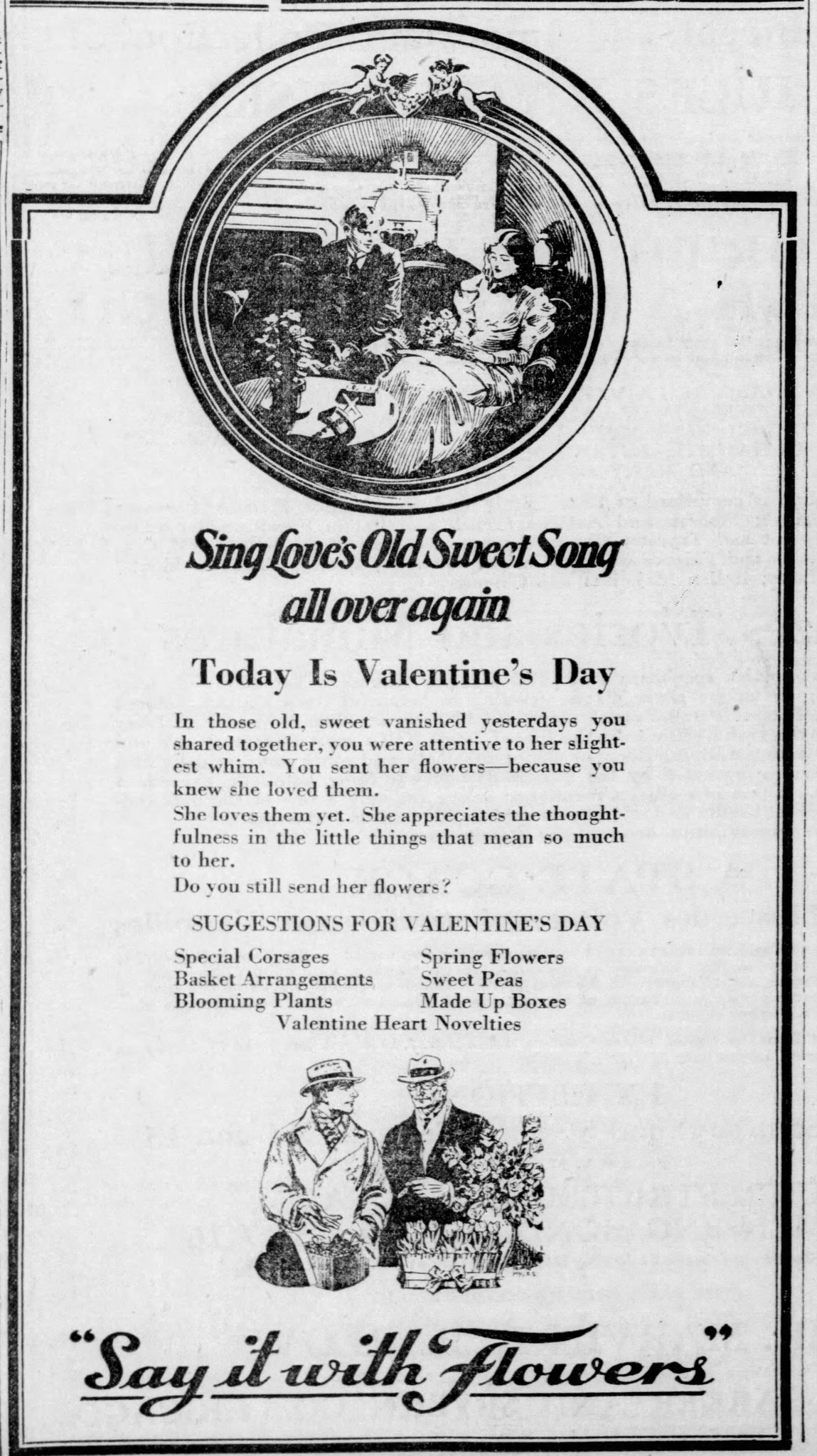
And then there were flowers. The red rose was long associated with Valentine and became associated with romantic love. But that was not the only flower considered appropriate to send that day.
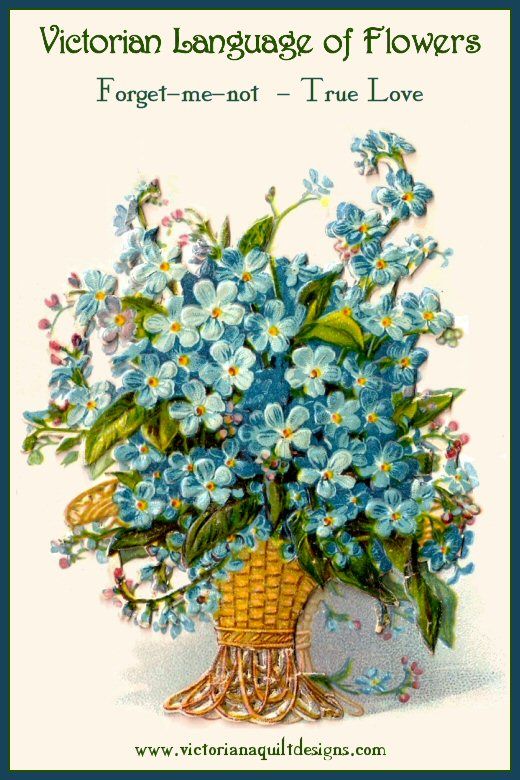
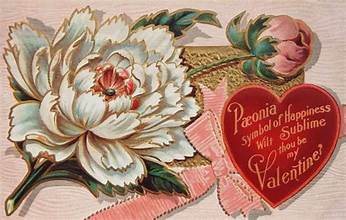
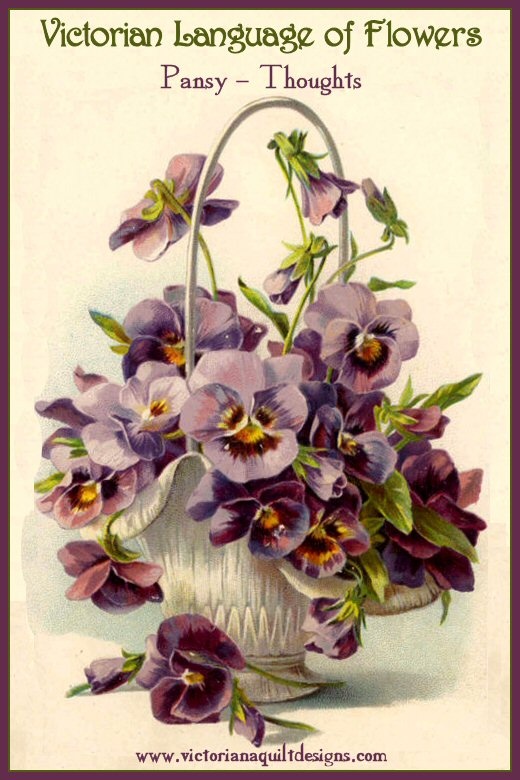
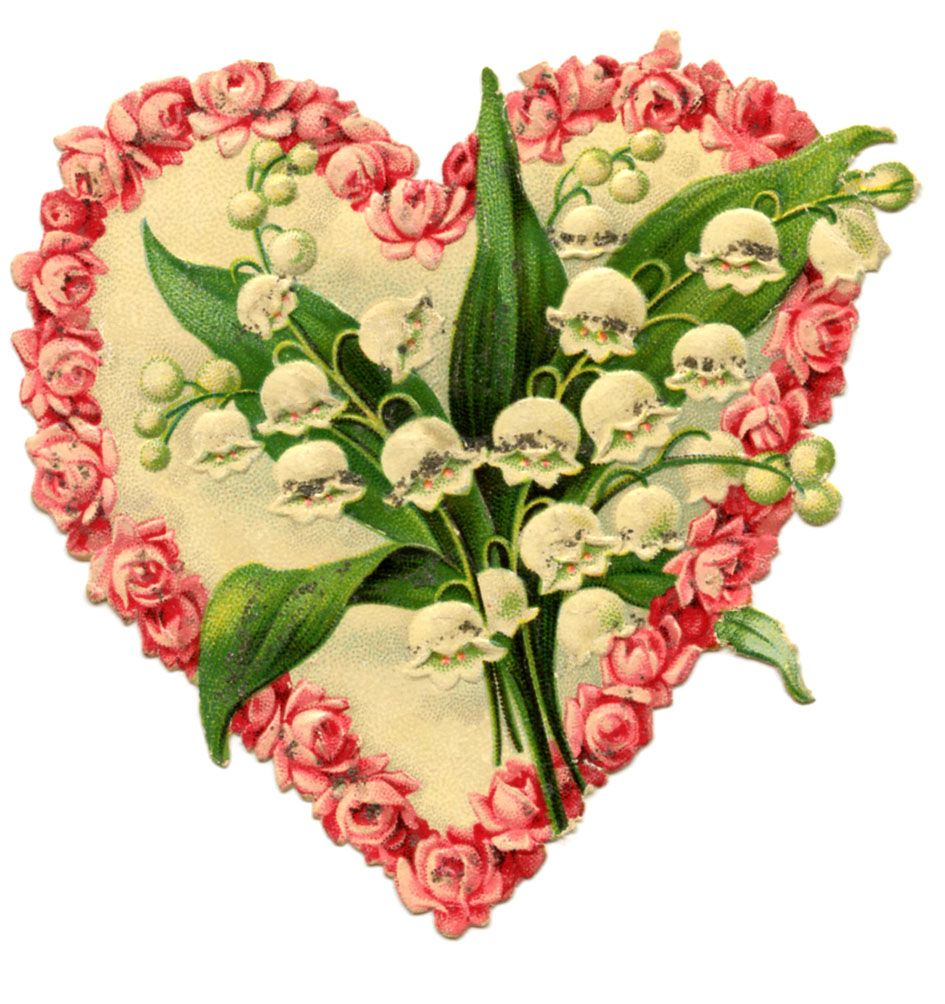
During Victorian times, the “language” of flowers, or floriography, was considered important – different flowers, blooms, and colors had different symbolic meanings. Some examples of other flowers presented on Valentine’s Day included the forget-me-not, with obvious meaning; peonies symbolizing happy marriages; carnations expressing gratitude: pansies representing loving thoughts; and lily of the valley indicating purity of heart.
These customs came to the United States in the 1800s with the English immigrants and eventually spread to the other immigrant groups.
Valentine’s Day in Chicago on February 14, 1925, fell on a Saturday (noted by some as following Friday the 13th). The temperature was in the low 30’s, it was partly cloudy, not too windy, and there was no snow.
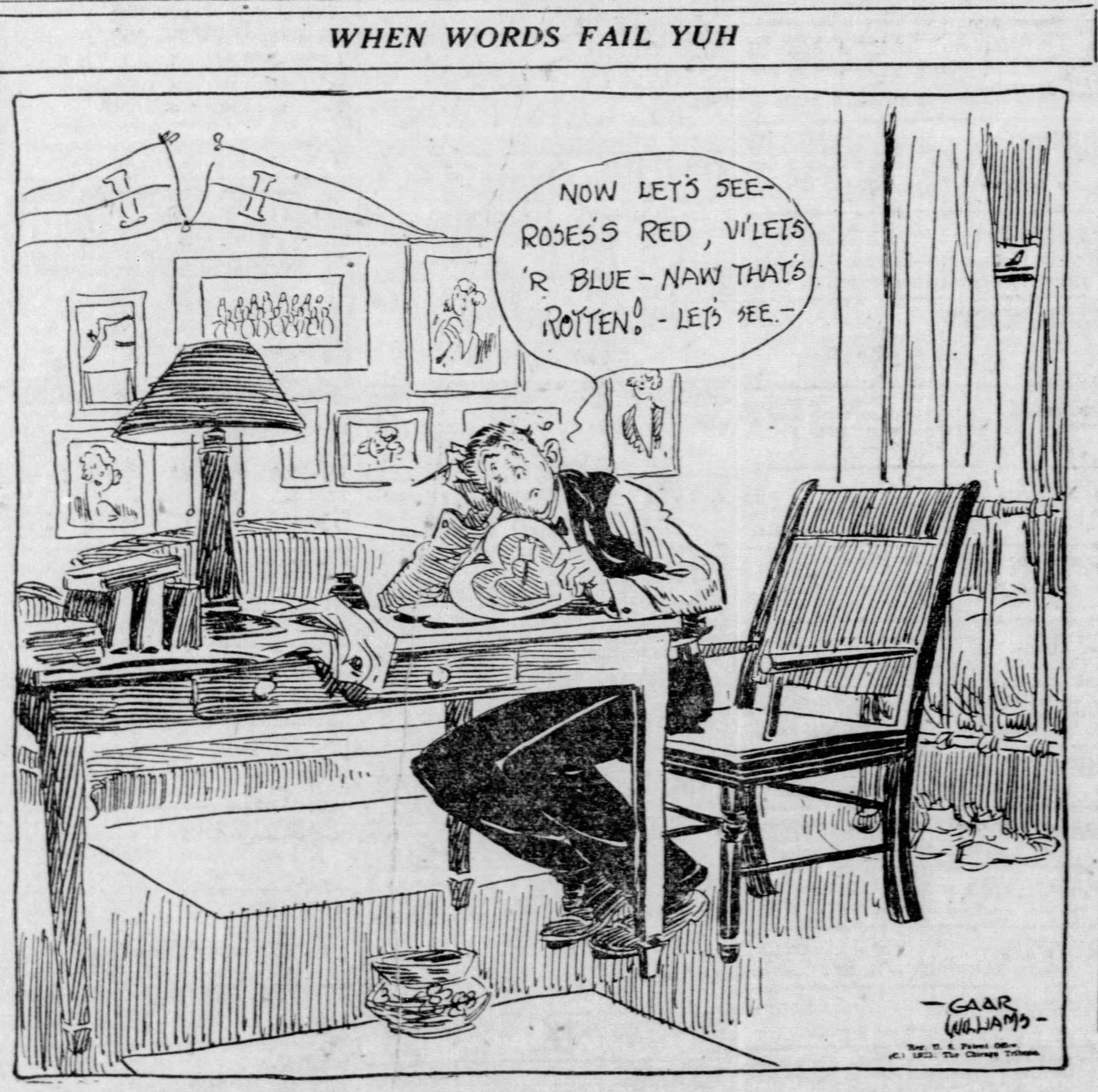
The celebrations were private events. Some of the women’s clubs held parties, one with a Valentine and Colonial costume theme. Individuals and couples hosted parties for their friends with games, cards, bunco, dancing, and refreshments. Several parties combined meals and bridge with a Valentine’s theme.
At one church, the Young People’s Bible class held a party. At another, the women in the English Ladies Aid held a church dinner, which was followed by a concert.
For children, the Hobby Club, a radio program they could belong to and receive a membership card, held a radio Valentine’s party, with stories and singing.
One youngster celebrated her 8th birthday with a Valentine’s Day party. A Valentine birthday surprise party was given for a woman by her sons, with dancing, games and singing; relatives came from out of town, turning the event into a family reunion.
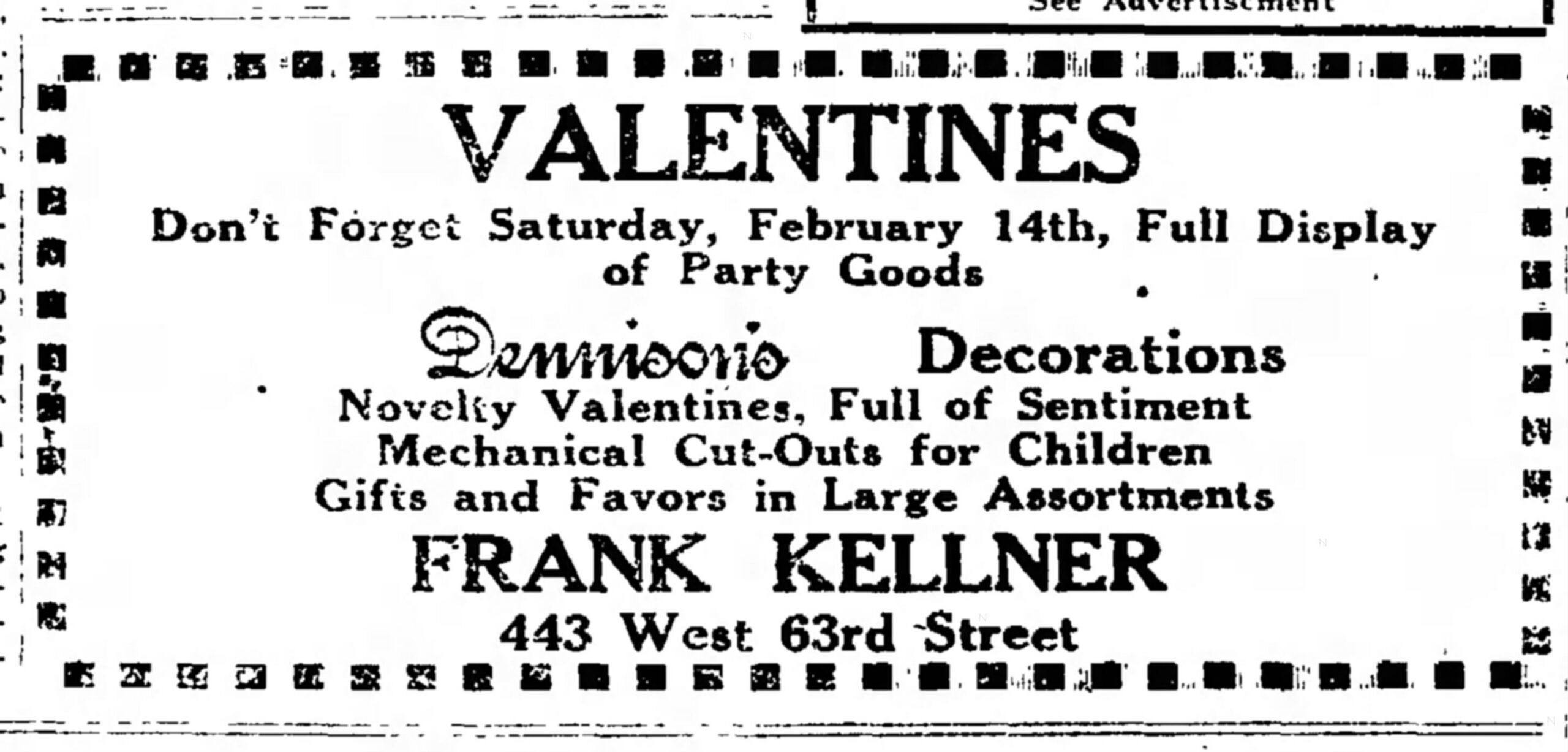
Most Valentines and decorations were still hand-made, although mass-produced cards were available, and decorations from Dennison’s were sold in some novelty shops and available by catalog.
The newspapers included advertisements for flowers and candy.
In the past 100 years, Valentine’s Day has grown to a $20 billion annual business, although the popularity of the holiday has declined in recent years. It’s the number one day for flower sales in the U.S., followed by Mother’s Day. It ranks behind Halloween, Easter, and Christmas for candy sales.
And one more fact about 1925 Valentine’s Day: It was still the Prohibition Era, so no alcohol was legally produced or sold. That’s not to say the private parties were all dry; many people brought their own hip flasks to events. Illegal champagne cost a small fortune.
But Valentine’s Day is low on the list for alcohol consumption, far below days like New Year’s Eve and Super Bowl Sunday.