Explore the RHS Facebook Archives, a rich repository of local history written by Carol Flynn. For two decades, Carol brought a deeply dedicated voice to public education at RHS. Her role as Facebook administrator through mid-2025 naturally extended her prolific research into meticulously detailed articles, most notably her multi-part historical series posts. Today, Carol continues her local history writing for The Beverly Review and other outlets.
Veterans Day
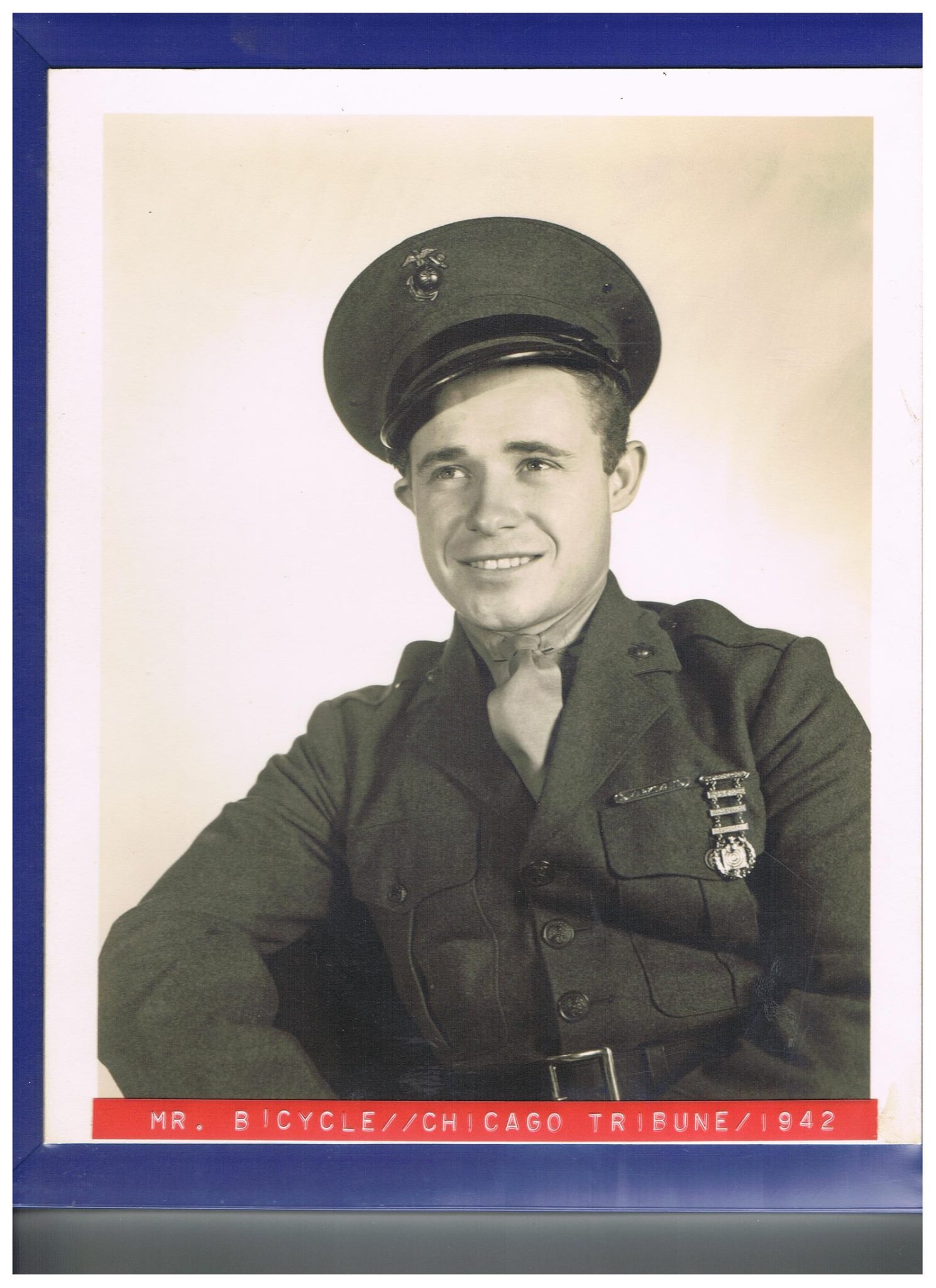
Carl Spencer was a Marine, avid cyclist, and long time supporter of RHS.
To honor the 200th anniversary of the Marine Corps in 1975, at age 56, Carl made the monumental decision to cycle cross-country from New York to San Diego. Carl's bicycle and memorabilia formed the first permanent exhibit in the RHS museum.
Today, we take the time to honor him while enjoying his favorite activity, cycling. Join us at RHSn this evening, to watch the Beverly Hills Cycling Classic and remember this pround American.
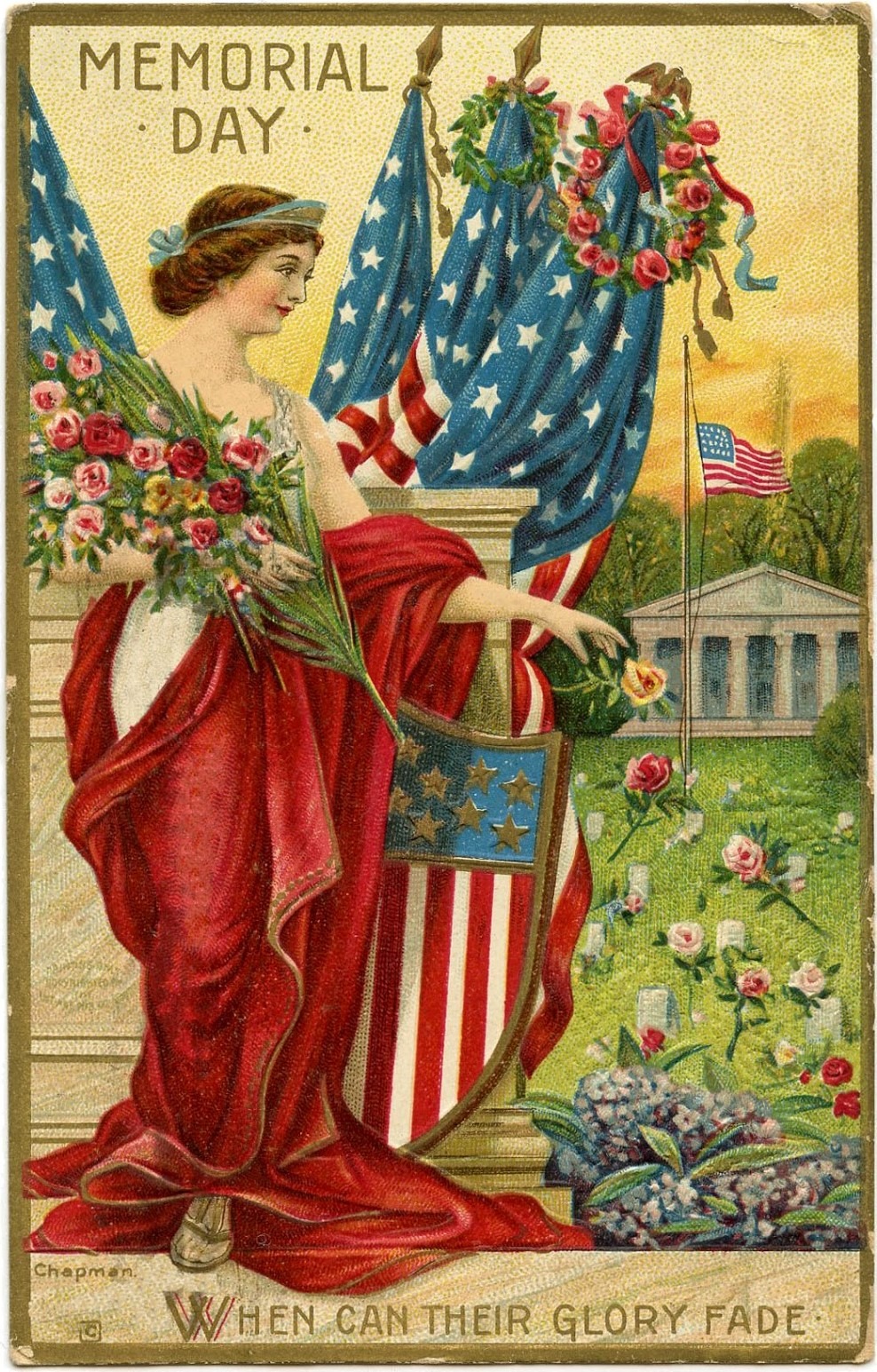
A vintage postcard for Memorial Day.
Memorial Day is one of America’s favorite federal holidays and it is also a very emotional one. It happily marks the start of the summer season, yet the somber purpose of the day is to remember all who have died while serving in the country’s armed forces. To date, close to 1.3 million Americans have died in service, with almost half the fatalities occurring during the Civil War.
The day was officially established in 1868 as Decoration Day, because decorating the graves of fallen soldiers with flowers was an ancient custom. The date was set as May 30, which had no particular significance; it reportedly was chosen to coincide with the blooming of flowers.
In the 1880s, it began to be known as Memorial Day. It was not until 1971 that the federal government implemented a national holiday on the last Monday in May, intentionally to give a three-day week-end at the beginning of summer.
The local Memorial Day Parade is a neighborhood tradition that dates back 90 years. It is one of the oldest Memorial Day events in Chicago. The parade was started by the Beverly Hills Post 407 of the American Legion, which was formed in 1919 for those who served in World War I.
Beginning in 1923, Post 407 paraded to local cemeteries on Memorial Day to decorate graves. Then in 1926, the Legion invited the community to participate. Some of the groups who marched that first year still participate – the Dewalt Mechlin Chapter of the Daughters of the American Revolution, the Reserved Officers Training Corps from Morgan Park High School, and local Boy Scouts and Girl Scouts troops.
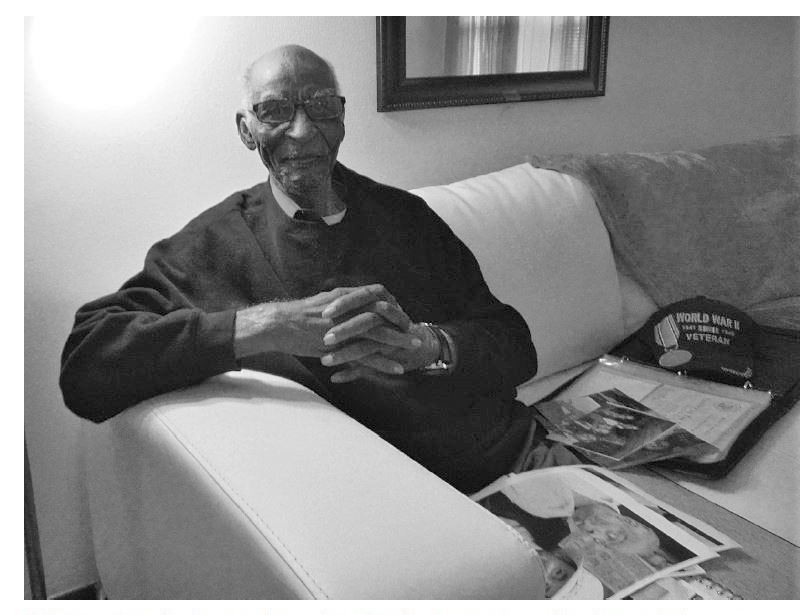
The Ridge Historical Society was saddened to learn of the death of William A. Sandstrom, 92, one of our long-time leaders. Bill was a past president and treasurer and a Director Emeritus. He was also very active with the Kiwanis of SW Chicago and a leader at Bethany Union Church. He was a veteran of World War II and employed with the Environmental Protection Agency for many years. Our sincerest sympathy is extended to Bill's wife, Marie, and his children and grandchildren. Visitation Friday 3-8 p.m. at Donnellan Funeral Home 10525 S. Western Ave. Chicago. Visitation Saturday from 10 a.m. until time of Service 11 a.m at Bethany Union Church 1750 West 103rd. Street.
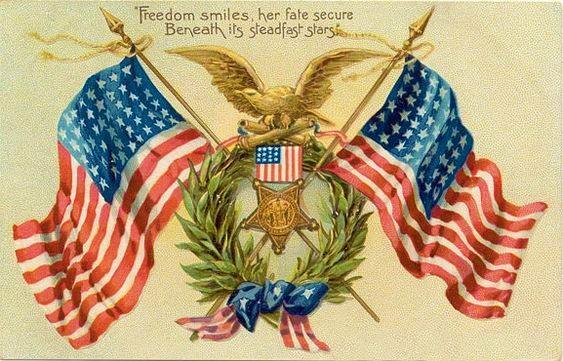
Today is Veterans Day. This is the day we honor those who have served in the United States Armed Forces.
The day started as Armistice Day 100 years ago. The major hostilities of World War I formally ended at the 11th hour of the 11th day of the 11th month of 1918, when the Armistice with Germany went into effect.
The first anniversary of this day, the first Armistice Day recognition, occurred November 11, 1919. Throughout the country, the day was remembered by proclamations and events.
At 11:00 a.m., all traffic and business in the Chicago Loop stopped. Pedestrians faced toward the east, towards Flanders Fields, for a minute of silence to “render homage to the memory of the soldiers, sailors and marines sacrificed in the war,” per the direction of Mayor William Hale Thompson. Flanders Fields are the WWI battlefield sites in Belgium and France, the “Western Front,” that today are filled with tens of thousands of red poppies.
At 11:01 a.m., bands in various parts of the Loop, arranged by the Red Cross, began playing, with singing leaders to direct the crowds in patriotic songs. The bands played until 2:00 p.m.
The American Legion, a new veterans organization formed just that year, held an athletic carnival at White Sox Park. Special events were held for the city’s 360,000 school children. Clergymen made the Armistice the subject of their sermons, and businesses and homes decorated with the U.S. flag.
Congress declared this day a federal holiday in 1938. After World War II, the day was expanded to include all veterans, and was renamed Veterans Day in 1954.
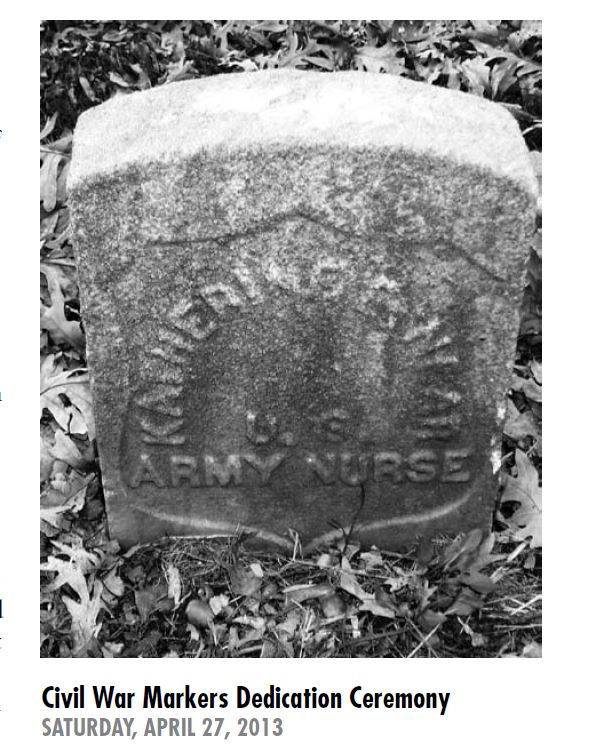
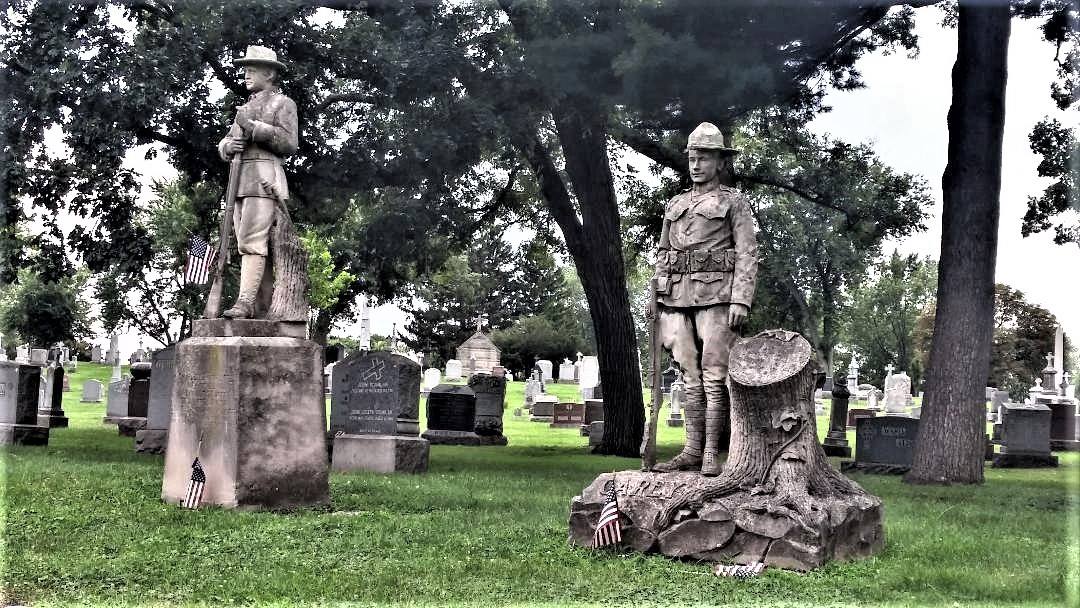
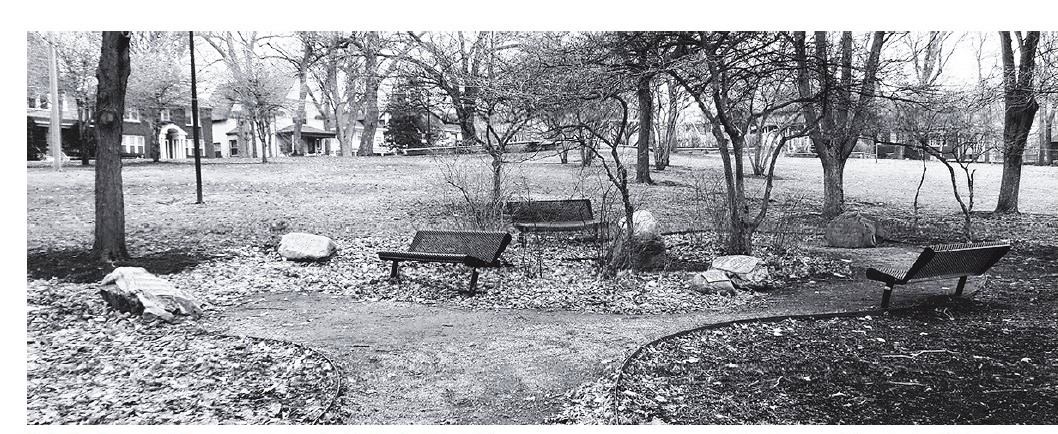
Some sites and sights to bring Veterans Day home to the Ridge communities: A vintage postcard; the grave site of Kate Near, U. S. Civil War nurse, at Mt. Greenwood Cemetery; graves with soldier statues at Mt. Olivet Cemetery; the memorials at Ridge Park. Photos by C. Flynn.
Ridge Historical Society
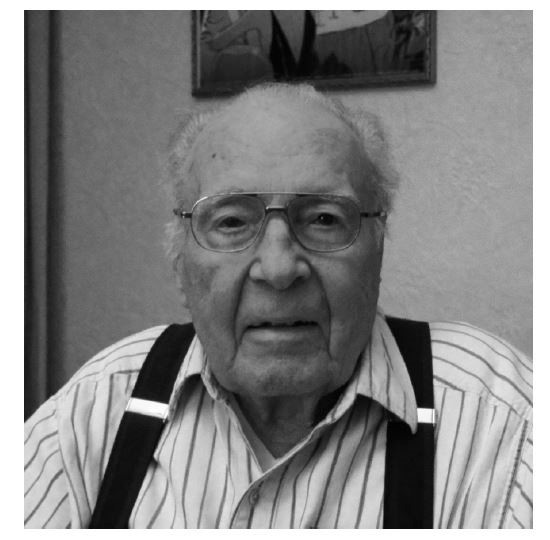
Good-bye to “my” World War II veterans
By Carol Flynn
Five years ago, I had the honor and privilege of interviewing four World War II veterans for a Memorial Day feature for the Beverly Area Planning Association Villager and for the Ridge Historical Society newsletter. These men had been invited to be the Grand Marshals for the annual parade. Although they were in their late 80s and 90s, they welcomed me into their homes, and shared their stories and pictures with me. Each of the visits is a cherished memory.
Since that time, one by one they have passed away. The last of them, Norm Lasman, will be laid to rest this week. I would like to briefly recap their stories in tribute.
World War II lasted from 1939 to 1945, although the events leading to the conflict started well before that, and the aftermath lasted long after. Globally, this war was the most widespread and deadliest in history. Over thirty countries and at least 100 million people were involved, with an estimated 25 million deaths. Sixteen million Americans served, with over 400,000 fatalities.
Frederick Pennix was a young husband and father when we was drafted into the U. S. Army infantry. His units were segregated because of race. Pennix was with an anti-aircraft artillery quartermaster company that was shipped to Iwo Jima in March 1945. In the midst of some of the fiercest and bloodiest fighting in the Pacific, his company unloaded ships and delivered supplies, including ammunition, throughout the war zone. The war ended that Fall. Returning home, Pennix had a distinguished career in law enforcement that lasted 60 years.
Bill Sandstrom was accepted into the Great Lakes Naval radar training program in 1944. There, he encountered another kind of deadly enemy – scarlet fever. Infectious diseases have always been a major problem during war times, resulting in many deaths. Sandstrom’s life was saved by a new miracle drug – penicillin. By the time he was recovered and trained, the war was ending. He returned home and, making use of the new G.I. Bill, went to college to become a chemical engineer.
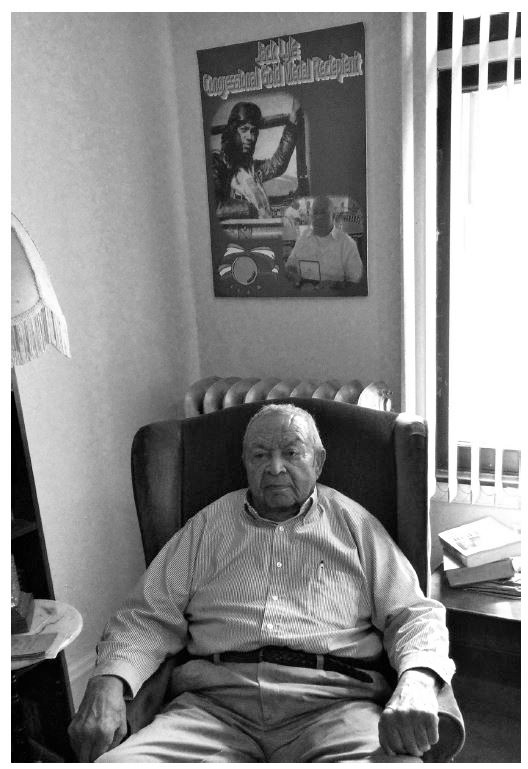
Jack Lyle became a Tuskegee Airman with the 332nd Fighter Group of the U. S. Army Air Forces in 1944. These were the first African American aviators in the U.S. armed forces. He flew twenty-six combat missions and shot down a German fighter plane in a dogfight. Returning to Chicago as a first lieutenant, he was refused further training at O’Hare Airport because “there wasn’t a program for colored pilots.” Lyle owned horse stables in Washington Park and was a police officer with the park district, and ran a tree business for 32 years.
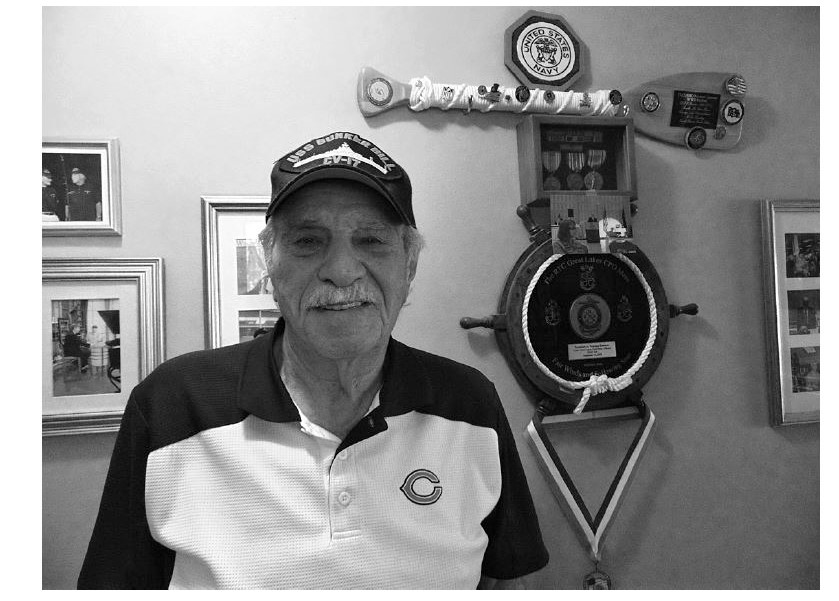
Norm Lasman served in the U.S. Navy from 1942 to 1946. In 1945, his ship, the USS Bunker Hill, was struck by two Japanese kamikaze (suicide) planes, putting the ship out of commission and injuring and killing hundreds of the crew. Lasman, below deck, was overcome by carbon monoxide from the resulting fires. He came to on deck – he had been rescued, the only survivor from the engine room. He had no memory of the incident and did not speak of it for many years. The book Danger’s Hour, by Maxwell Taylor Kennedy, the son of Robert F. Kennedy, recounts the story of the attack. Lasman and Kennedy became friends. Lasman was part of the building of Evergreen Plaza, where he managed a Pador’s clothing store for many years.
Although these four men came from different backgrounds, and had different war time experiences, they had one thing in common – none of them considered himself any kind of a hero.
They were young men put in situations not under their control – they did what they had to do. None of them romanticized the war; there was nothing "glamorous" about it any way. They were in horrifying situations – a bombed ship, aerial combat, a deadly disease, a bloody battle. They all said the same thing – they got lucky, they survived.
Lasman shared a quote from another World War II veteran: “To be honored is one of the most humbling experiences I have ever had.”
Well, they deserve to be honored. Rest in peace, Norm Lasman. And to all four, thank you.
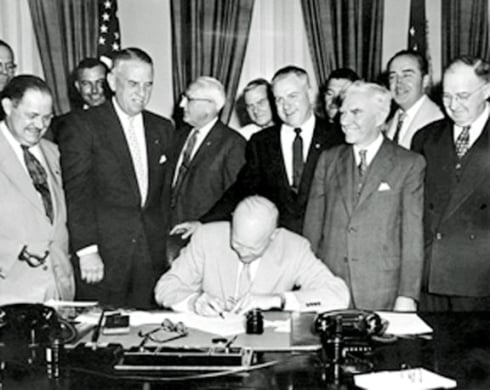
Today is Veterans Day, a federal holiday in the USA that honors all who have served in the US Armed Forces (and were not dishonorably discharged). In 1918, the Armistice with Germany went into effect on 11-11 at 11:00 a.m. This set Armistice Day on November 11, with the first one celebrated in 1919.
Originally, Armistice Day commemorated the end of World War I, and recognized the veterans of that war. After World War II, it was expanded to celebrate all veterans. In 1954, President Dwight D. Eisenhower signed the bill into law establishing the holiday, and that year, the name of the day was changed to Veterans Day.
Veterans Day is different from Memorial Day, which occurs in May. Memorial Day specifically honors those who died while in military service.
Veterans Day celebrates ALL veterans who served in war or in peacetime. On this day, it is especially appropriate to thank living veterans for their service. Veterans and their families should know about the services and benefits available to them, including health care, disability, education, career assistance, and housing. The website for the U.S. Department of Veteran Affairs is https://www.va.gov/.
Veterans Day also recognizes all veterans from previous days who are now deceased, no matter when they died. Veterans Affairs services include burial and memorial benefits such as headstones and grave markers. One way to honor a deceased veteran is to make sure that he or she does not lie forgotten in an unmarked grave. Family members or their representatives can apply for grave markers for a deceased veteran at no cost for the marker, although the cemetery may charge a “setting” fee.
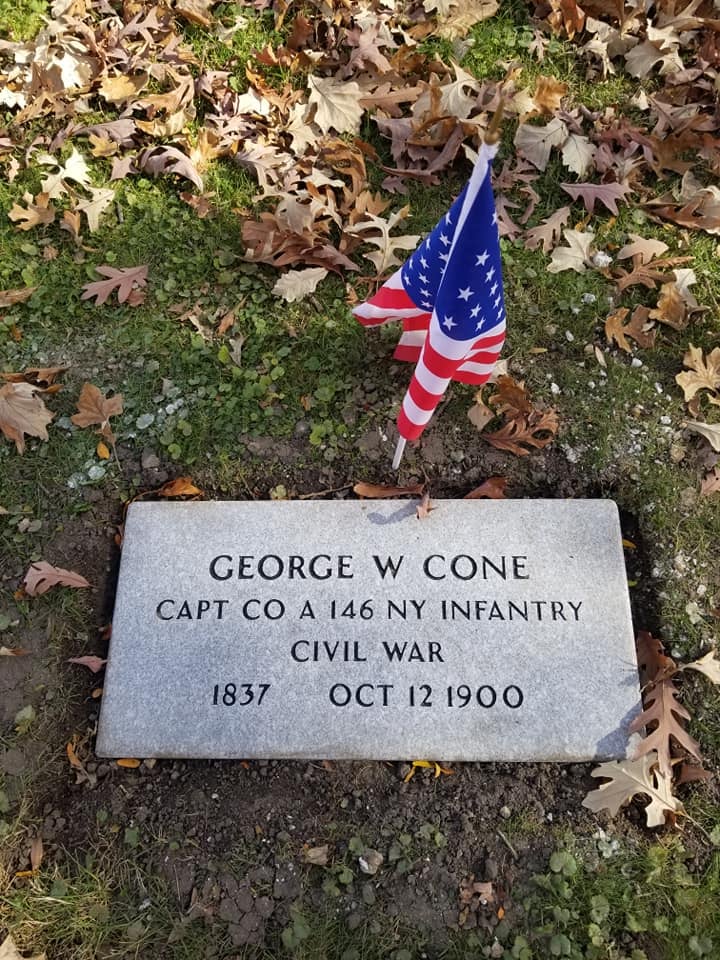
Examples of veteran grave markers on the Ridge can be viewed at Mount Greenwood Cemetery on 111th Street. The staff at this cemetery has worked for over a decade to identify veterans in unmarked graves and procure markers for the graves. Just recently, working with the organization Sons of Union Veterans of the Civil War, more markers were installed for Civil War veterans. An example of a marker is attached.
For more information on VA burials and memorial benefits, visit https://www.va.gov/burials-memorials/.
The Ridge Historical Society thanks and salutes all those who have served in the U.S. Armed Forces throughout the country’s history.
More for Veterans Day:
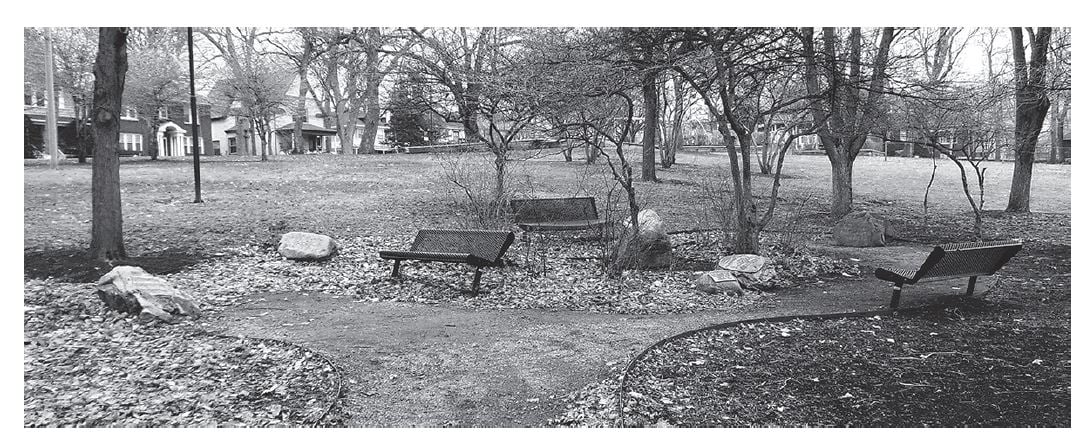
Ridge Park at 96th Street and Longwood Drive includes memorials to those who served in various wars. In the early 1990s, the park district grouped these together in a single area. The monuments recognize the Revolutionary War, the Civil War, the Spanish American War, World War II and Operation Desert Shield/Operation Desert Storm. Photo by C. Flynn, RHS newsletter.
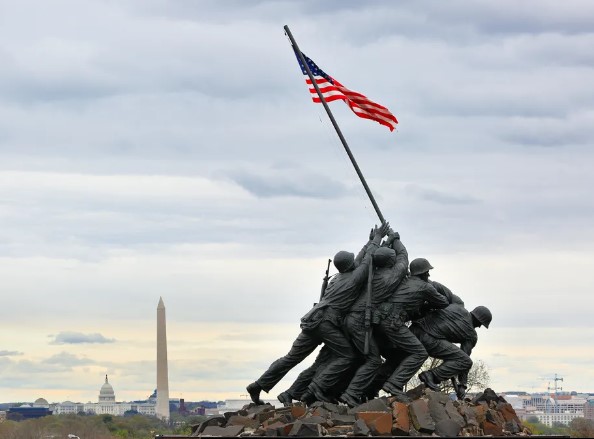
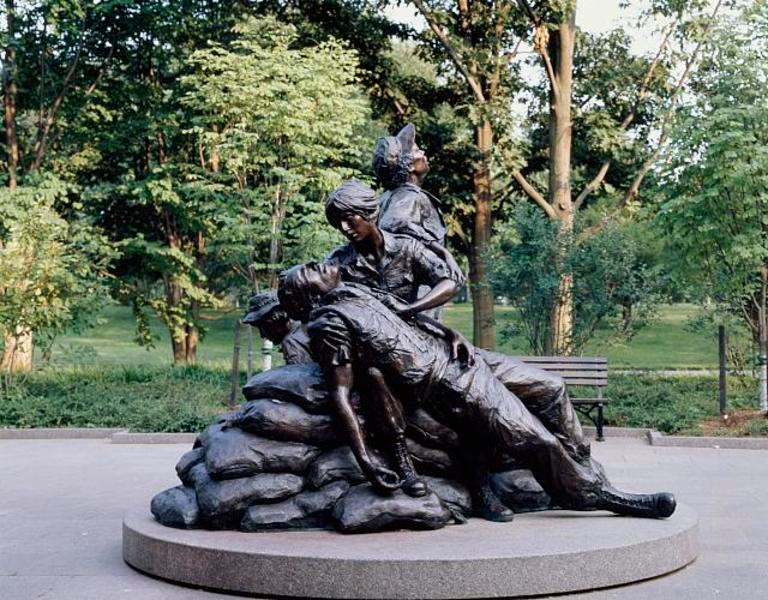
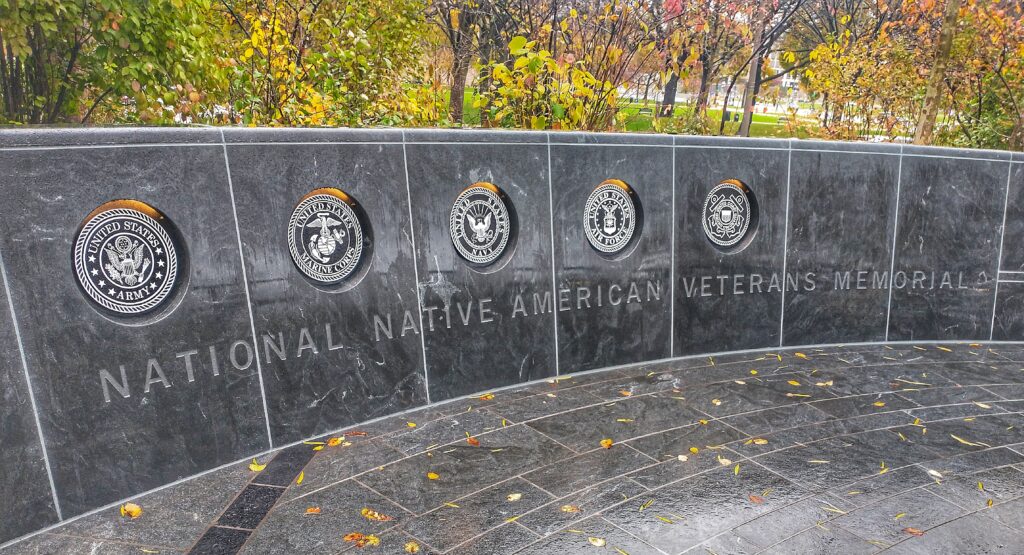
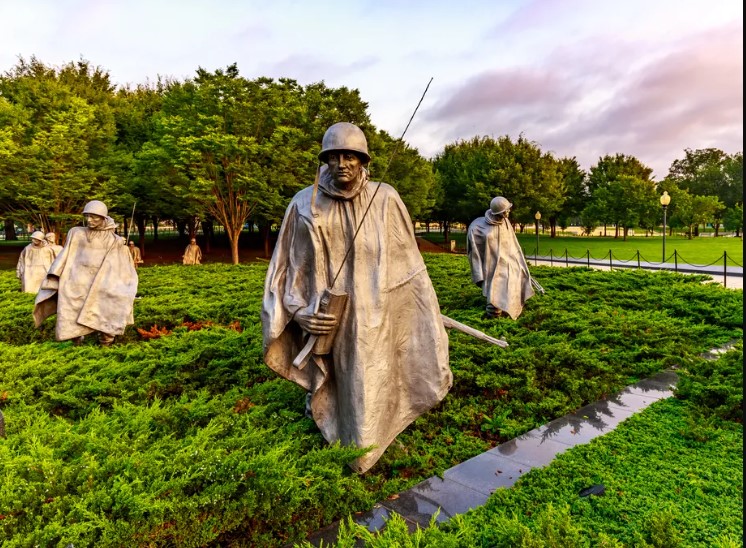
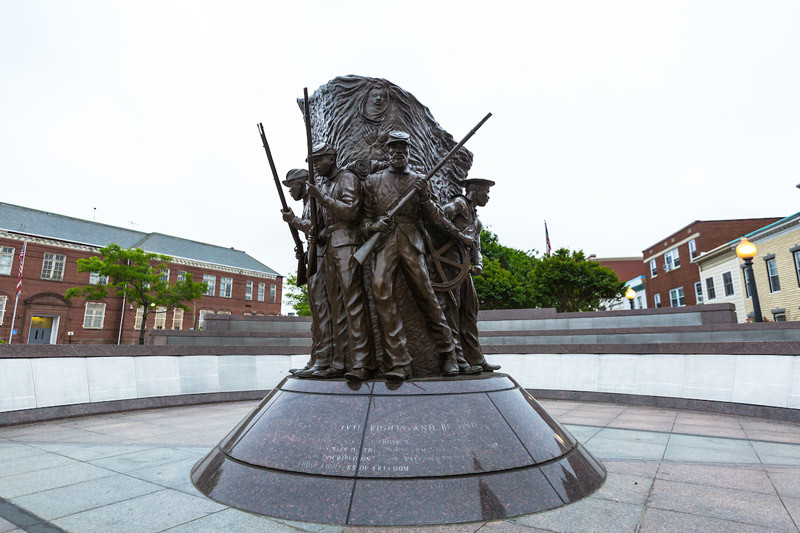
On Veterans Day, we salute and thank all who have served in the U.S. military.
Here are just some of the national monuments in Washington, D.C., that memorialize those who have served.
Please add your own photos of other monuments.
The Ridge Historical Society
Veterans Day
By Carol Flynn
Monday, November 11th, is Veterans Day in the United States. This is the day we recognize all who have honorably served in the United States Armed Forces.
This date marks the anniversary of the formal end of World War I, the 11th hour of the 11th day of the 11th month of 1918 when the Armistice with Germany went into effect. Originally called Armistice Day, it was renamed Veterans Day in 1954.
The families on the Ridge have always done their patriotic duty. Many proud military families have lived on the Ridge who had members in service dating back as far as the American Revolutionary War.
Last month, RHS premiered a new exhibit, “Harry Hale Waterman, Architect: Unique in Any Style,” which showcases the many buildings designed by Waterman in Beverly and Morgan Park, and some of the people who lived in them.
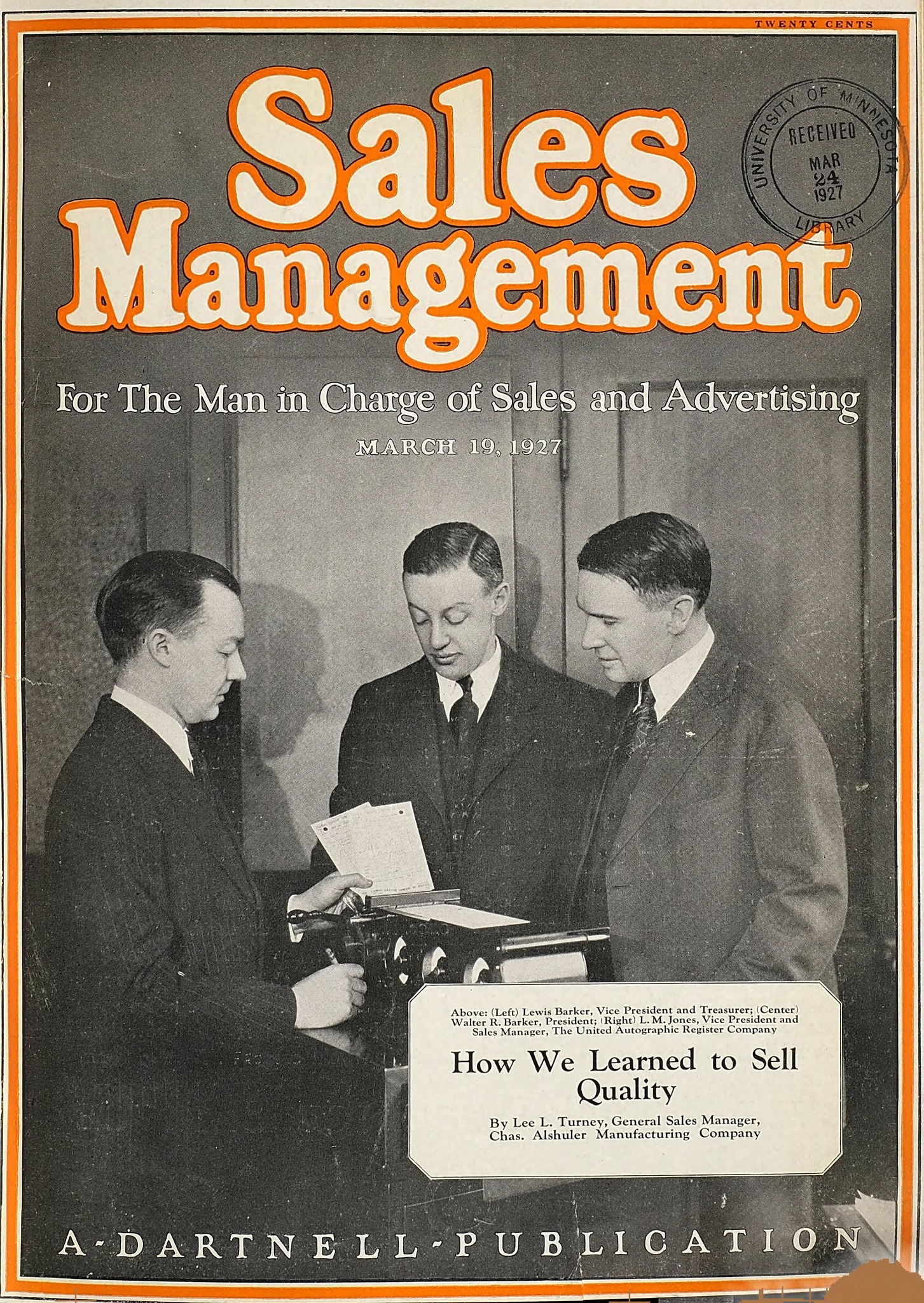
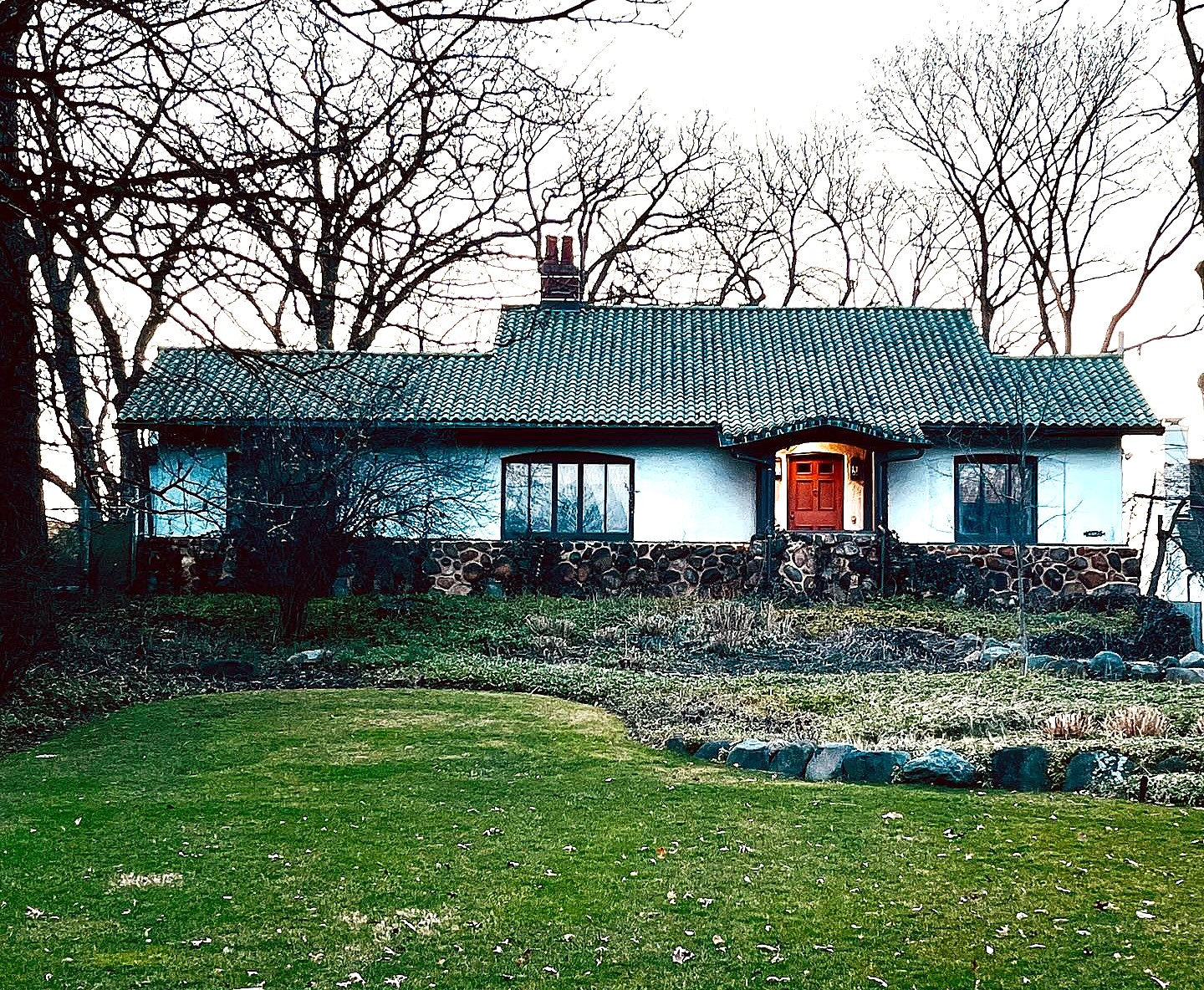
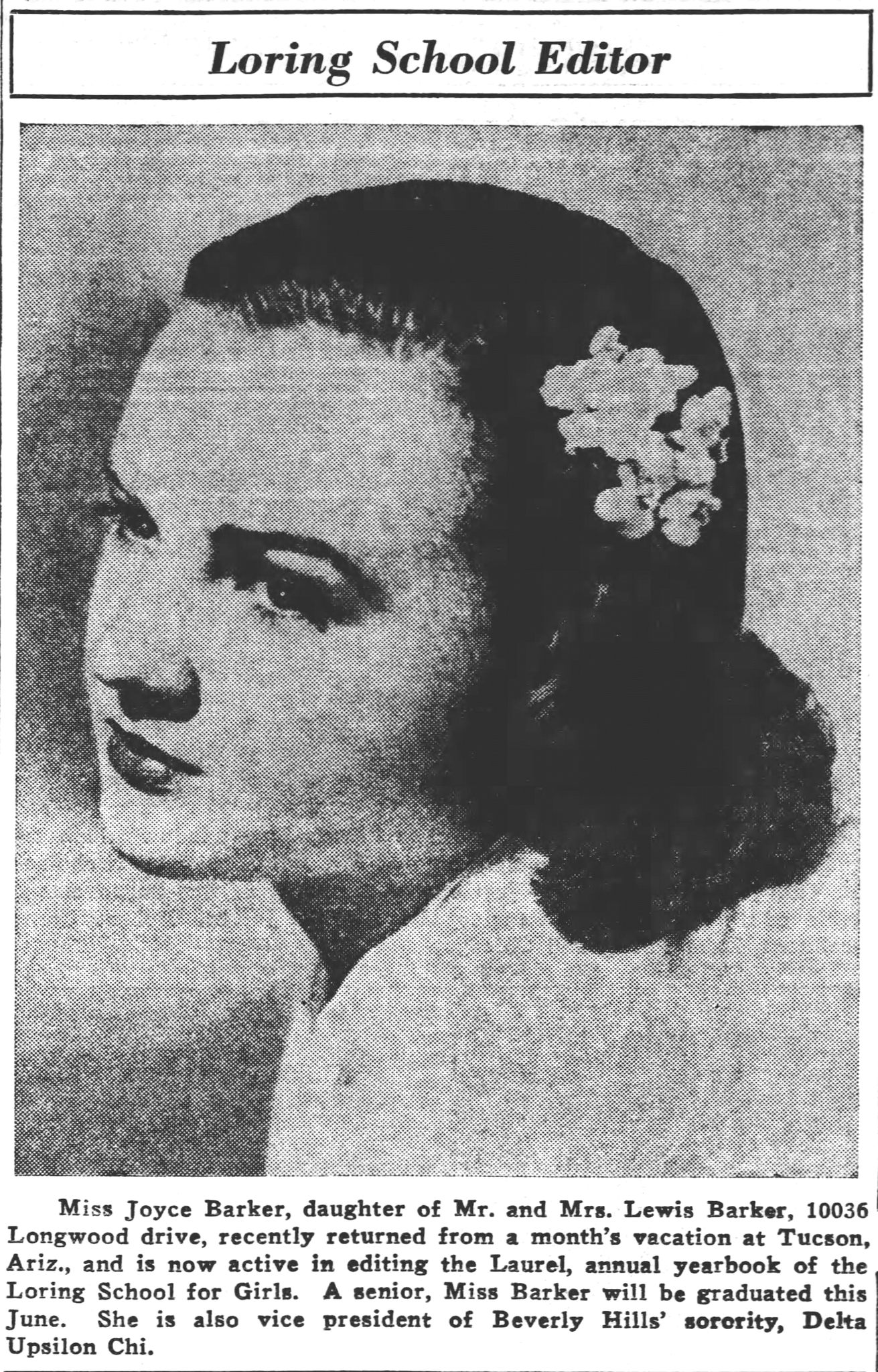
This post looks at the Lewis Barker family, one of the families who owned and lived in “a Waterman.” The family is also part of the military heritage of the community.
Lewis Barker was born in Chicago on November 12, 1898, to England J. and Matilda Barker. He was the sixth of seven children, the third son.
England and Matilda, both born in Canada, came to Chicago from New Jersey. England was a representative of the company started by the man wo invented the autographic register, an office machine that allowed sales receipts and orders to be written up in multiple copies, using carbon sheets in between continuous rolls of paper.
England started a new company, the United Autographic Register Co. (UARCO), in Chicago, in 1892. In 1899, the family moved to Morgan Park.
The Barkers first lived in a frame house on Western Avenue, then hired Waterman to design a brick house for them at 10650 Longwood Drive, which was built in 1911.
Lewis served in the U.S. Army in World War I, from October 21 to December 23, 1918. The war ended just a few weeks after Lewis enlisted, so his service was brief.
Lewis went into the UARCO business as did his older brother, Walter. When their father retired, Walter took over as president, and Lewis served as vice president and treasurer. A third brother, Harold, in between Walter and Lewis, unfortunately died in November 1917 at the age of 23 from a heart ailment.
In 1920, Lewis married Winifred Gregson, the daughter of William Gregson, a prominent Morgan Park businessman who also owned a Waterman-designed house at 2141 W. 116th Place, built in 1901-1902. Older brother Walter had married Winifred’s older sister Margaret in 1914.
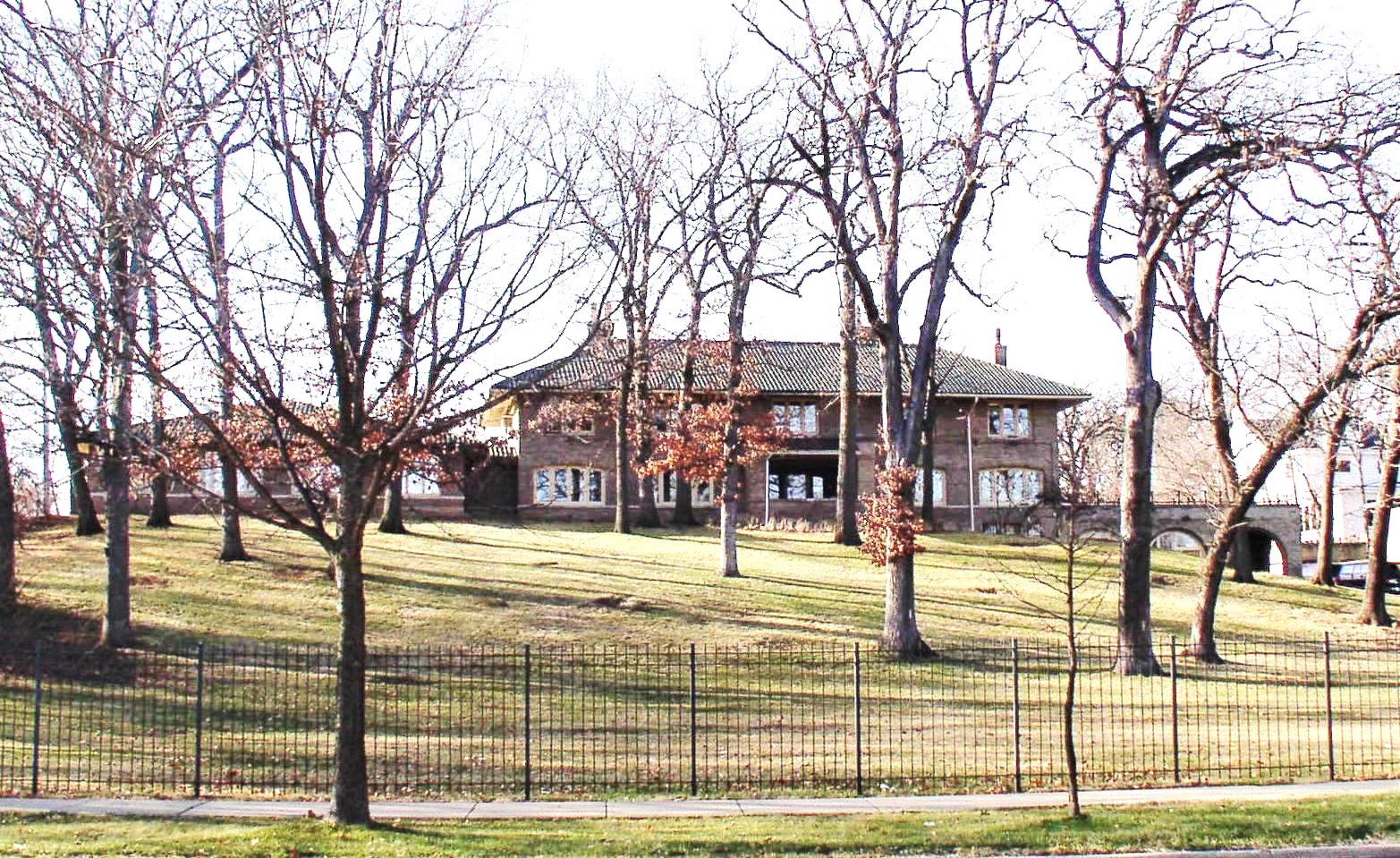
The year they married, Lewis and Winifred purchased the Waterman-designed house at 10036 Longwood Drive that was built in 1915-16 for Olin W. Paque. The Barkers expanded the house and added a swimming pool, and they became known for their social events.
Lewis and Winifred had three children, and all connected with the military.
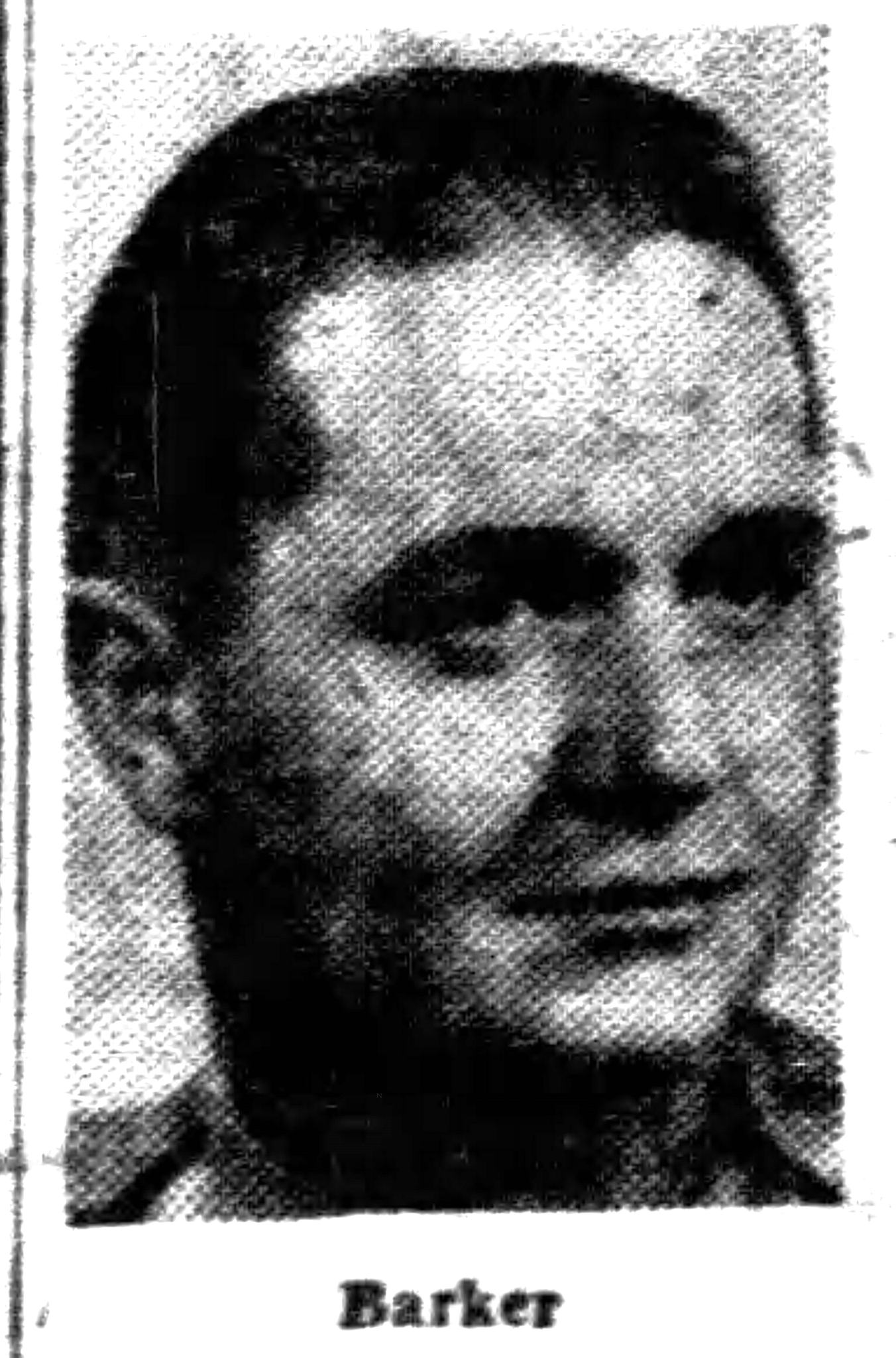
Oldest son Reid Stewart, born in 1924, attended the Harvard School in Hyde Park, then attended the University of Colorado, where he enrolled in the Reserve Officers Training Corps (ROTC). He enlisted in the Navy as an ensign and served for over four years. He married Nancy Carter, the daughter of a Lieutenant Colonel.
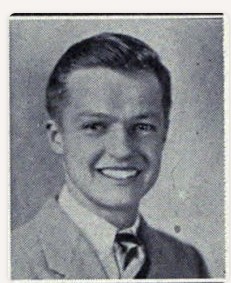
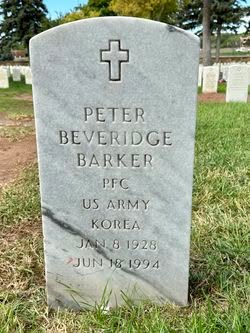
Second son Peter Beveridge, born in 1928, attended Morgan Park High School and was a college student in Denver when he was drafted into the Army in 1950. He served in the Korean conflict as a rifleman and received the Purple Heart for being wounded in the shoulder and arm by a grenade. Recovering from that, he was transferred to Japan, where he served until late 1952.
Daughter Eugenia Joyce, known as Joyce, was born in 1921 and was the oldest of the three children. Joyce's brothers, Reid and Peter, both had asthma and Chicago weather could be rough on them, so their mother would take them all by train to Tucson. Joyce attended high school in Tucson for one semester, where she met Arthur Houle, a football player.
Joyce married Lt. Arthur Houle, Jr., in 1941. He was stationed in Denver so they made their early home there after marriage.
The exhibit, “Harry Hale Waterman, Architect: Unique in Any Style,” is open to the public for viewing on Tuesday and Sunday afternoons from 1:00 p.m. to 4:00 p.m., or by appointment. Admission is free. RHS is located at 10621 S. Seeley Avenue, Chicago.
The Ridge Historical Society
Memorial Day 2025
By Carol Flynn
This is Memorial Day weekend.
The purpose of Memorial Day is to remember the people who died while in military service to the United States of America.
Throughout its history, the Ridge communities have sacrificed many loved ones to U.S. military service.
Among the earliest settlers on the Ridge were the Rexford, Wilcox, Morgan, and Barnard families. They all had sons who left the family farms to fight on the side of the Union in the U.S. Civil War. They were all friends, and they fought together in various units.
The Rexford family came to the Ridge first, in 1834. According to an 1889 history, the Rexford brothers, Roscoe and Everett, were “delighted” to join their friends at Camp Smith, Cairo, Illinois, in July of 1861. But soon, youthful visions of camaraderie and glory gave way to the grim reality of war.
Roscoe died at the age of 21 in 1862, after the Battle of Fort Donelson at the Tennessee–Kentucky border. He died from an unspecified illness – two/thirds of Civil War fatalities were due to illnesses such as malaria, typhoid, and pneumonia. He is buried in Mt. Greenwood Cemetery
The Wilcox family, which arrived on the Ridge in 1844, sent four of five Wilcox brothers off to fight in the war. The other son remained home to run the farm, a common practice of the day.
Two Wilcox brothers never came home. John was killed in 1863 and buried at Chattanooga, Tennessee. Wilbur was killed in Mississippi in 1863.
The Morgan and Barnard families fared better. Of the five sons who collectively fought in the war, all survived. The Morgans arrived in 1844, and the Barnards in 1846, when William Barnard was hired to be a tutor for the younger Morgan children.
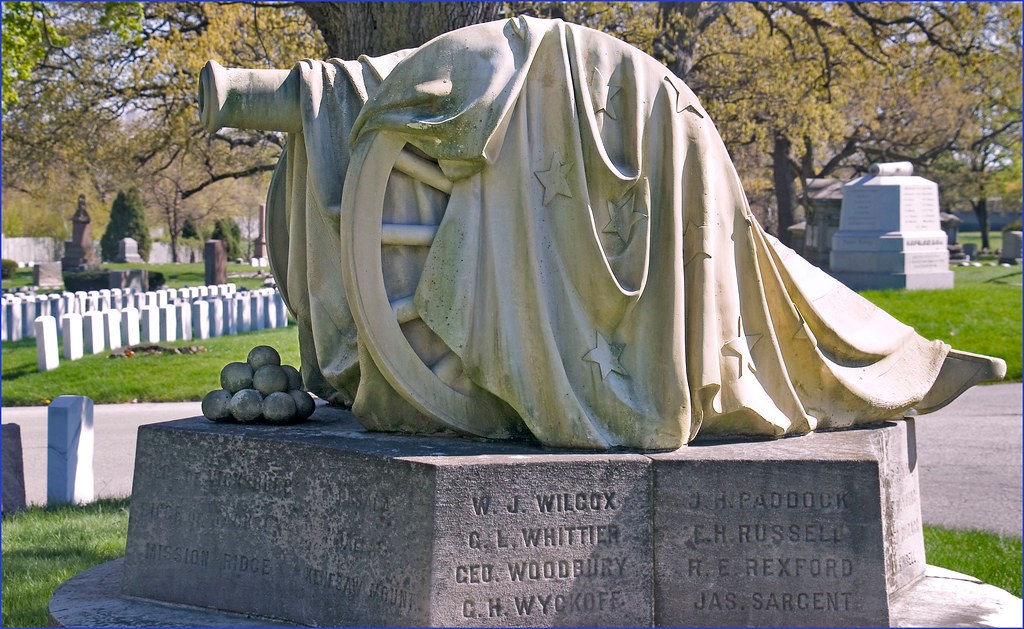
Roscoe Rexford and Wilbur Wilcox were both members of the Company A, First Illinois Artillery Volunteers (“Battery A”), along with their brothers and the “Morgan boys.”
There is a monument to Battery A at Rosehill Cemetery on the north side. The names of those who died in service are inscribed in the base. R. E. Rexford and W. J. Wilcox are listed.
John Wilcox fought under his friend, Daniel Barnard, who formed his own company, Company K, 88th Infantry, Illinois volunteers.
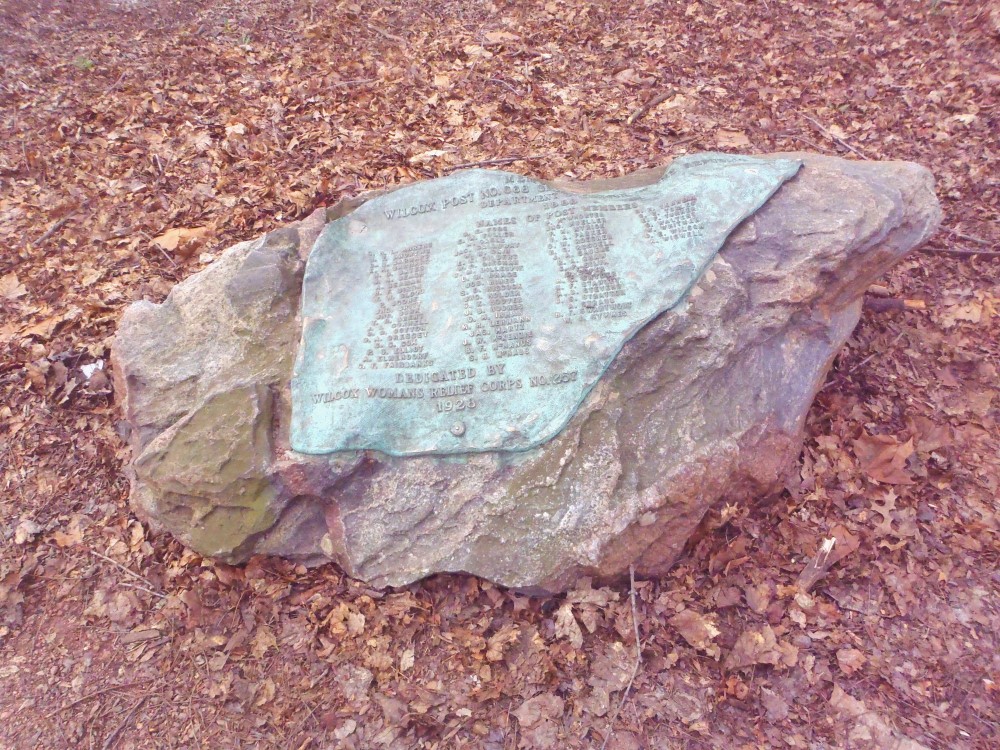
The Grand Army of the Republic (GAR) was founded in 1866 as a fraternal organization for veterans of the Union military. A local branch, Wilcox Post, No. 668, was founded in 1889, named in honor of the Wilcox brothers.
A stone and bronze marker listing the charter members, created in 1926, is installed at Ridge Park at 96th Street and Longwood Drive as part of a grouping of six memorial stones recognizing military service in various war periods. Daniel and Erastus Barnard, two of the Barnard brothers who were veterans and continued to live on the Ridge, are listed as charter members. The GAR dissolved in 1956 at the death of its last member.
This post cannot begin to list all of the U.S. military people from the Ridge who lost their lives in service to the country – World Wars I and II, Korea, Vietnam – there are hundreds of names on the list.
However, attention can be drawn to memorials that honor more recently fallen individuals.
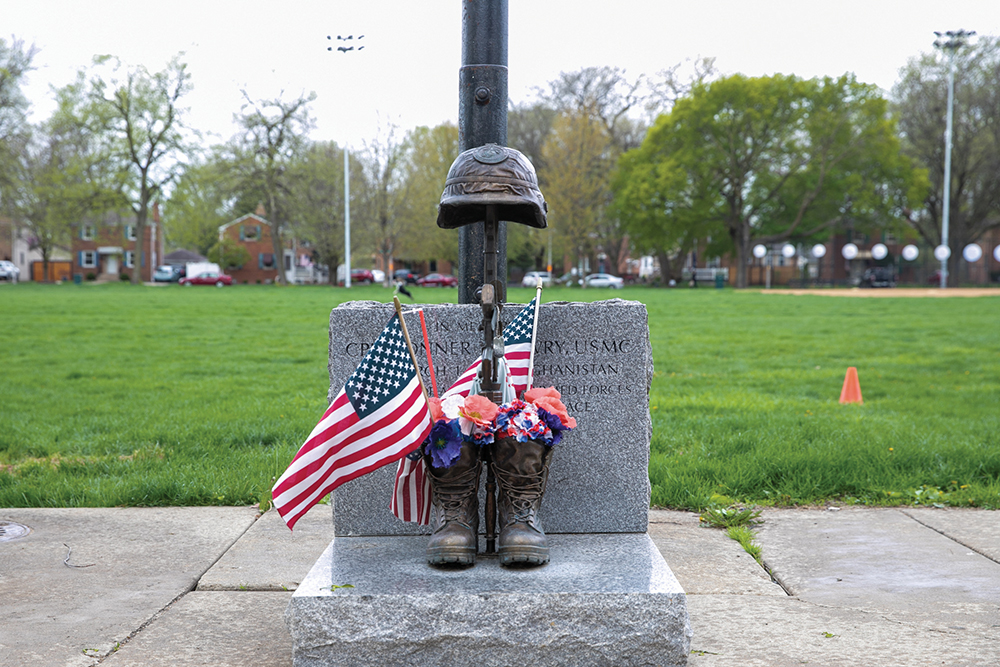
At Beverly Park, 2460 West 102nd Street, Cpl. Connor T. Lowry, USMC, is recognized. Born in 1988, this young man was raised in Beverly. He lost his life in 2012 in Afghanistan while conducting combat operations.
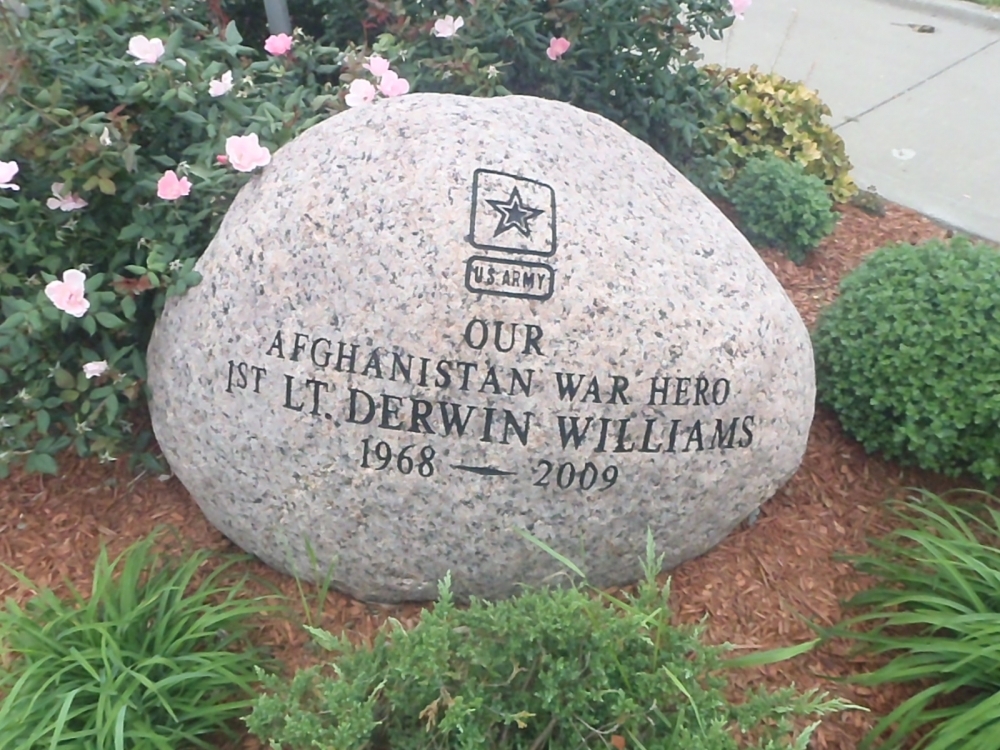
First Lt. Derwin Williams of the Illinois Army National Guard was killed in Afghanistan in 2009. There is a monument to him at 98th Place and Throop Street.
Here is a list of many of the monuments to service personnel in and near this community. How many times do we walk by these monuments and statues and give them little regard?
Ridge Park – Six memorial stones, including one of the oldest on the Ridge, installed in 1926.
Graver Park – World War I
Kennedy Park – Korean War
Beverly Park – Connor T. Lowry, Afghanistan
Dan Ryan Woods – Gold Star Mothers
Morgan Park High School flagpole and inside exhibit – graduates and staff
112th Street and Lothair Ave. – Memorial Triangle
98th Place and Throop Street – Derwin Williams, Afghanistan
111th Street and Kedzie Avenue – American Legion
Memorial Park in Blue Island – Gravestones, memorials, artillery
97th Street and Kedzie Avenue – American Legion Post artillery and eternal flame
Mount Greenwood Cemetery – Civil War veterans’ graves and cannon replica
Mount Hope Cemetery – Civil War veterans section
Beverly Cemetery – Veterans monument
Lincoln Cemetery – James Harvey, U.S. Colored Troops
Mount Olivet Cemetery – “Doughboy” grave statues
Morgan Park Academy – graduates and staff
Memorial Day is not really about having a three-day weekend to kick off summer with a neighborhood run, then “sticking around” for a parade, then going home for a barbecue.
It is about recognizing the people who died to give us – ALL of us – the freedom to enjoy those kinds of events.