
Explore the RHS Facebook Archives, a rich repository of local history written by Carol Flynn. For two decades, Carol brought a deeply dedicated voice to public education at RHS. Her role as Facebook administrator through mid-2025 naturally extended her prolific research into meticulously detailed articles, most notably her multi-part historical series posts. Today, Carol continues her local history writing for The Beverly Review and other outlets.
August 2020
Morgan Park Days – Part I
By Carol Flynn
Labor Day, which will be celebrated on Monday, September 7, has been a federal holiday since 1894. It grew out of the organized labor movement, which arose to protect workers from workplace abuses such as unsafe conditions and child labor as young as 5 years old. Labor Day honors and recognizes the contributions of the workforce, that is, the efforts of the millions of people who get the jobs done, to the development of the U.S. It was celebrated with marches, picnics, and speeches.
Locally, from 1901 to 1911, the day was also celebrated as “Morgan Park Day.”
Morgan Park Day was the idea of the Morgan Park Improvement Association (MPIA), which formed in 1898. Improvement associations grew out of the Progressive movement.
The Progressive Era spanned the 1890s to the 1920s and was a period of activism and reform in just about all areas of life – government, education, industry, finance, medicine, employment practices. Even the study of history became more professional, scholarly and research based. “Progressives” ranged from Republican Theodore Roosevelt to Democrat Woodrow Wilson. Chicago social worker Jane Addams was one of the most influential non-government reformers of this era.
There were many “movements” that came out of the Progressive Era. One was a national grassroots effort for “civic improvement” that focused on issues ranging from enhancing the physical beauty of communities to valuing the contributions of the countless immigrants streaming into the county to exposing government corruption.
The new American League for Civic Improvement (ALCI) said the goal was to “create cleaner, better cities and a higher, nobler city life.” Organizations sprung up all over the country comprised of “people who care.” When the Morgan Park Improvement Association, a member of ALCI, was founded in 1898, it was sixteen years before the Village of Morgan Park would annex to Chicago, and the suburb had its own government, taxes, schools, and public services.
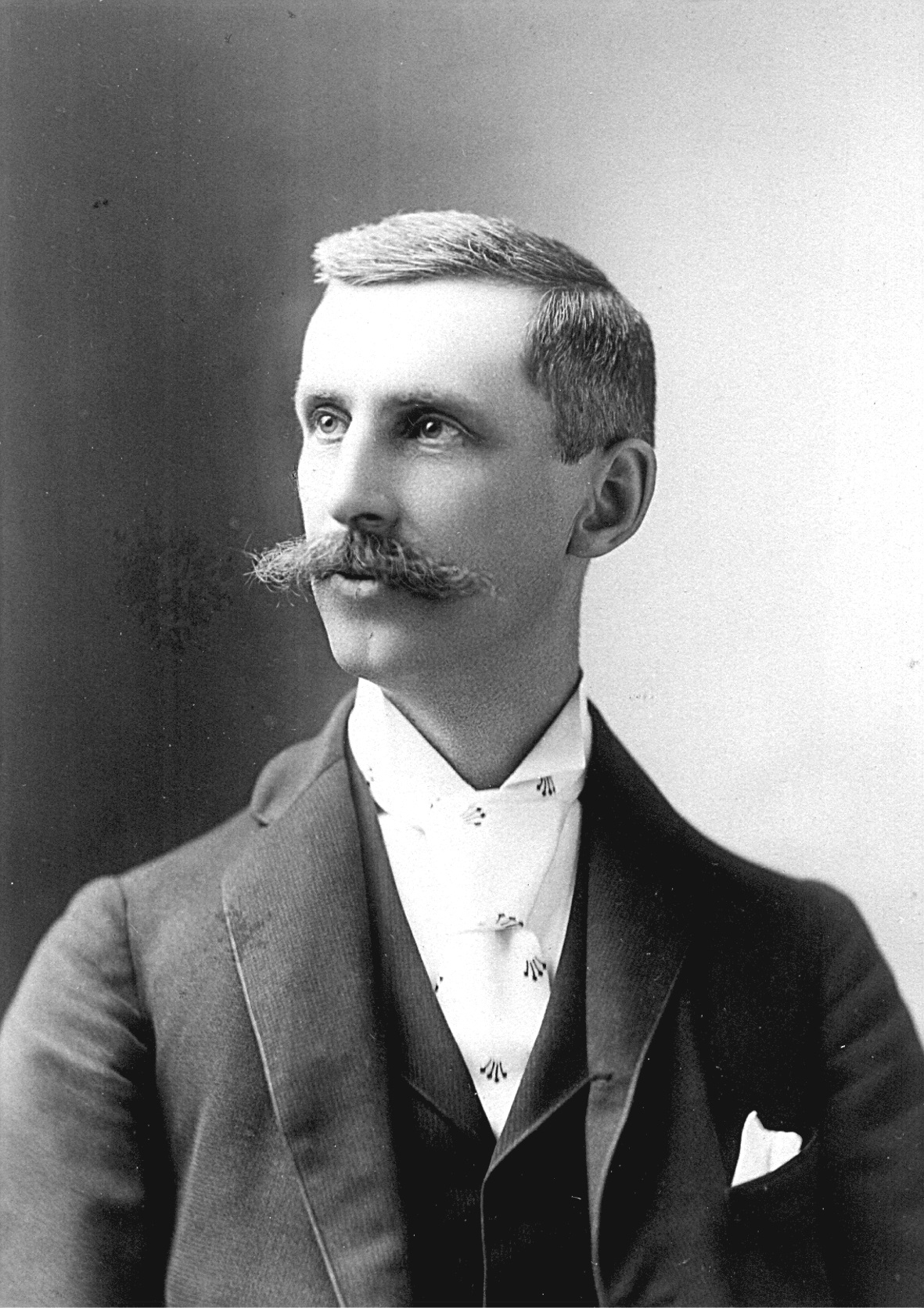
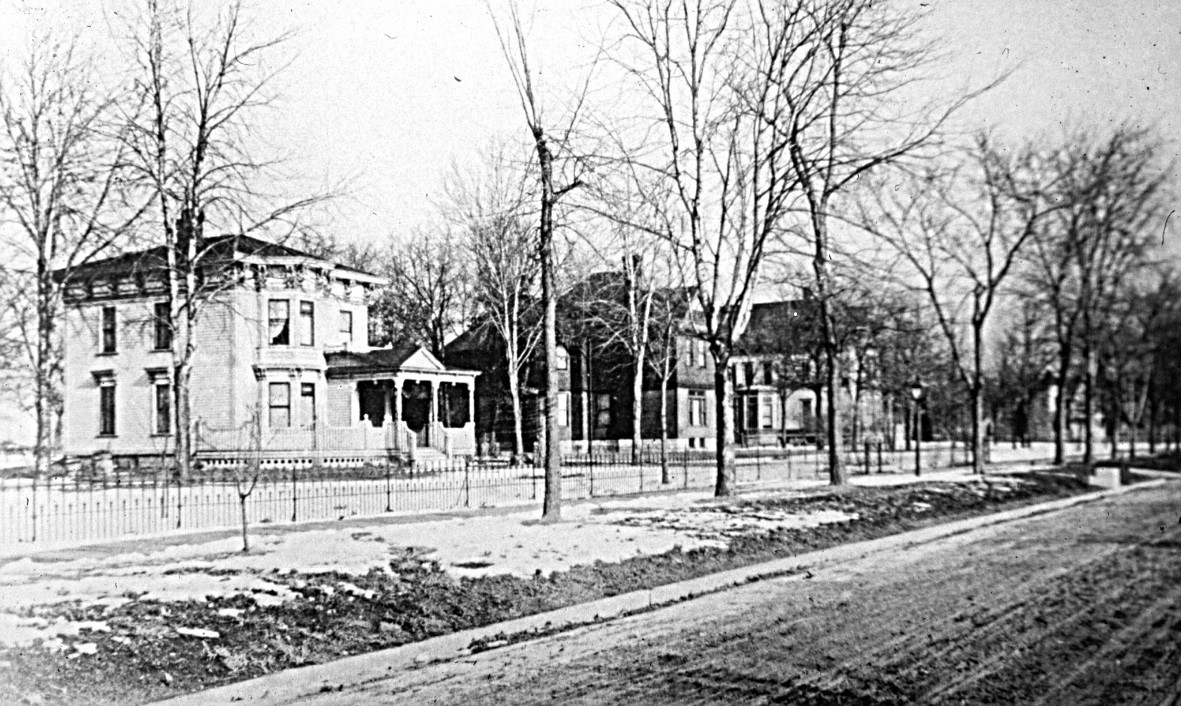
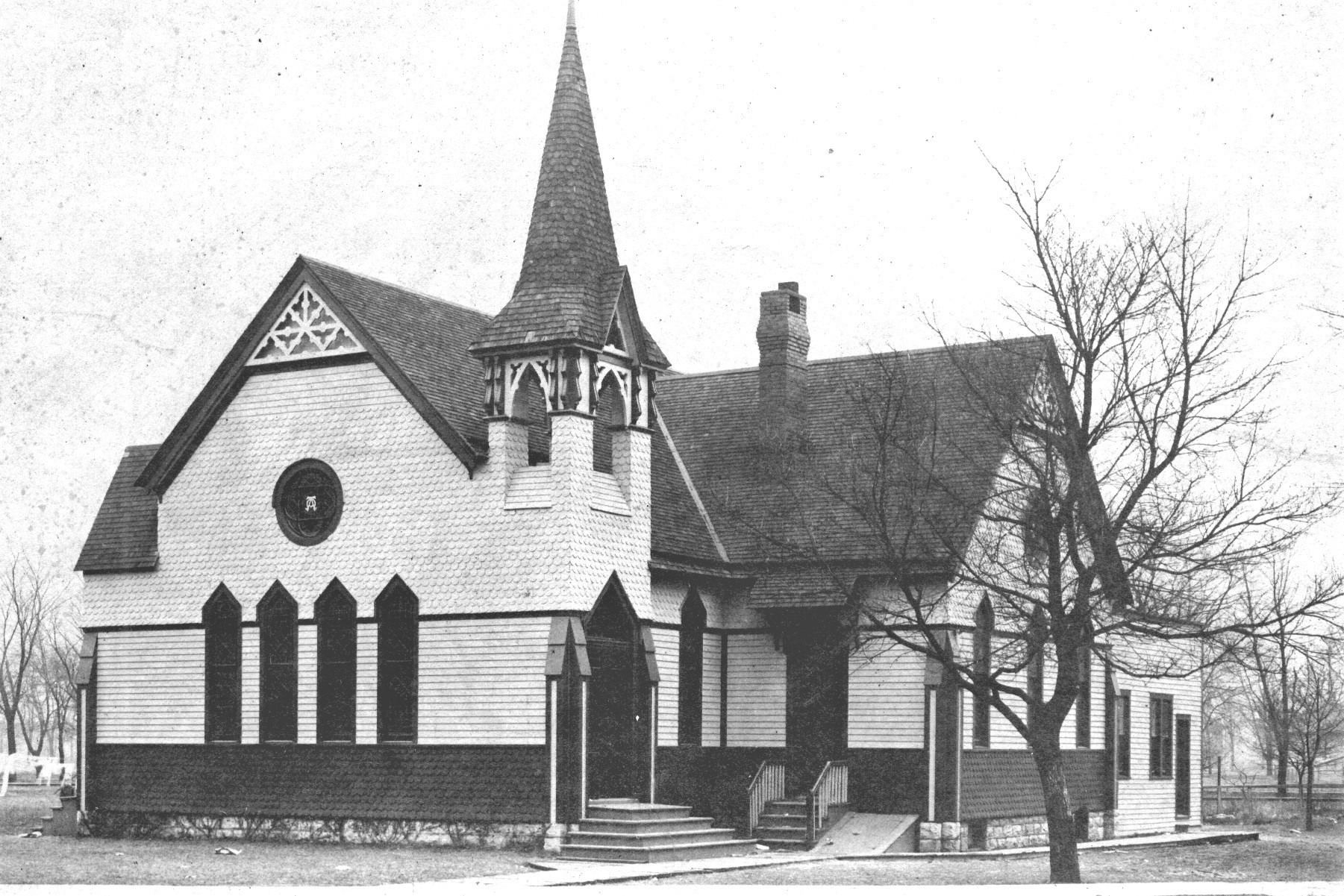
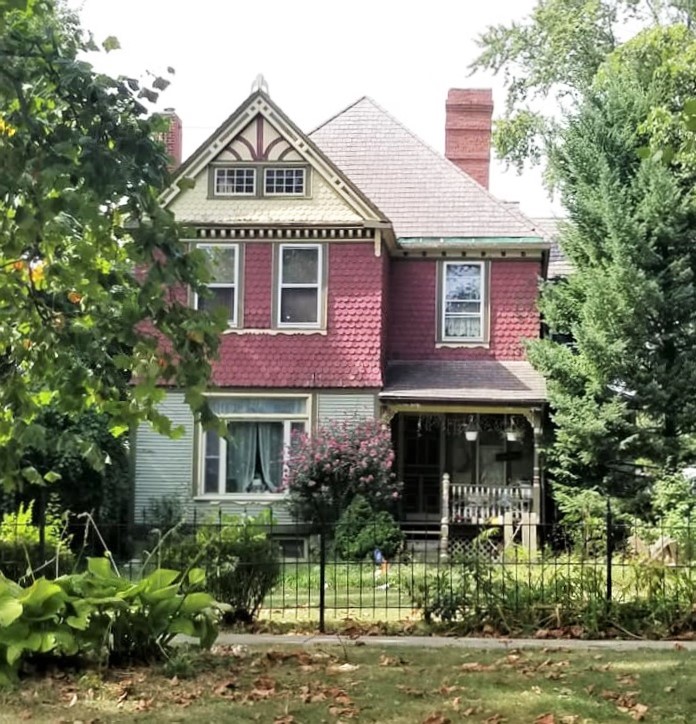
The first president of the MPIA was Dr. William H. German. Dr. German was one of the most highly regarded early citizens of Morgan Park. His 1884 Queen Anne-style home still stands at 10924 S. Prospect Avenue. He was the first physician to set up practice in Morgan Park and there are numerous stories related to his medical practice. He founded the Morgan Park United Methodist Church and built the first church across the street from his own house; later the church/school complex at 110th Place and Longwood Drive was built. He was active in local affairs, serving on the school, library, and park district boards.
The object of the new MPIA was “the beautifying and general improvement” of the town. The Morgan Park Woman’s Club and the women of the town were squarely behind this movement and were the real workers to get things done. And children were a welcomed, indeed a valued, presence in the MPIA, and among the most enthusiastic members. Youngsters were tasked with keeping the sidewalks and public spaces clear of trash, a chore they wholeheartedly accepted.
Next: The first public celebration of Morgan Park.
The history of Dan Ryan Woods – Conclusion: Horse Thief Hollow
By Carol Flynn
Long before there was a Beverly or a Morgan Park, the Blue Island Ridge was known as Horse Thief Hollow (HTH).
Horse theft was a serious and widespread problem in the U.S. in the mid-1800s. Horses were a valuable commodity. Not only were they the major means of transportation, they were also beasts of burden. Stolen horses were easy to transport “on the hoof.”
A major vigilante movement in the southern states in the 1830s drove horse thieves north. By 1840 northern Illinois was a hotbed of illegal activity. Stolen horses were brought to Chicago for sale from all over the Midwest.
Horse thieves were considered the lowest of the criminal classes. In Illinois and other states, horse theft was made a capital offense. There is no documentation that people were legally executed for horse theft although they did go to jail for the crime. There are, however, many documented stories of vigilantes lynching accused horse thieves. One major problem with this form of “justice” was that vigilantes sometimes hanged the wrong man.
The deep, heavily wooded ravines and gullies with flowing streams that ran through the Ridge provided perfect hide-outs for horse thieves. In 1884, A. T. Andreas wrote in his “History of Cook County” that there was a deep and steep ravine that local farmers observed horse thieves using for “frequent visitations.” Bags of oats and other supplies, hoof prints and an occasional horseshoe were found left behind. The location of this ravine was given as “on the hill on which Morgan Park is situated, and a little south.”
The location of this ravine has been a question for historians. Since the northern boundary of Morgan Park was 107th Street, this ravine had to be south of that street. Two early histories mention ravines that fit the location.
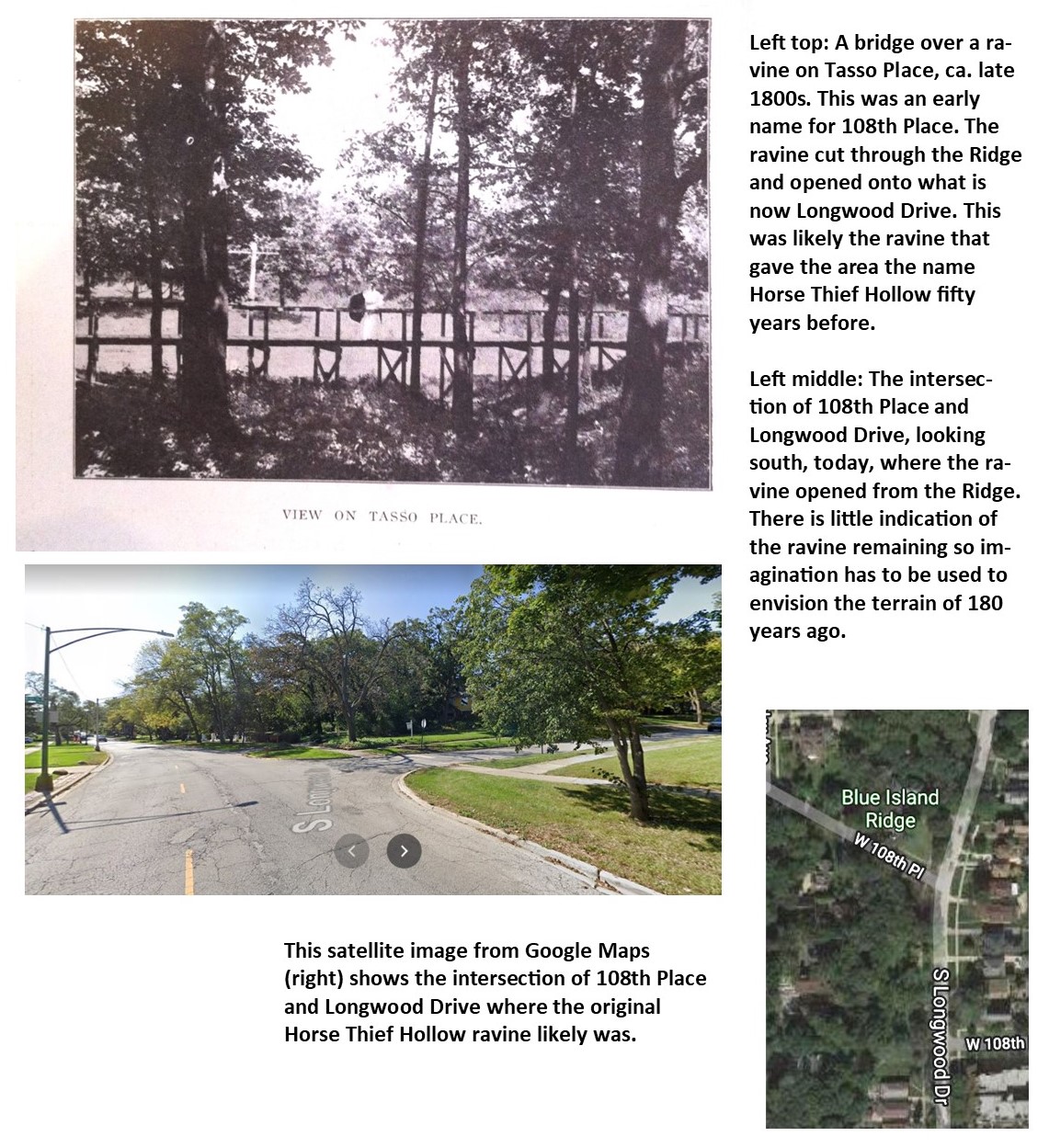
First, William Barnard, one of the earliest settlers on the Ridge, wrote there was a ravine just south of what is now 107th Street that was called Horse Thief Hollow. An early newspaper included a photograph of a bridge over a deep ravine on Tasso Place, an early name for 108th Place. Government Geological Survey maps do show a ravine was there although there is little sign of it today. David Herriott, the postmaster of Morgan Park and publisher/editor of the Morgan Park Post newspaper, who knew local history well, identified 108th Place at Longwood Drive as the site of Horse Thief Hollow. This ravine is likely the spot mentioned by Andreas.
Another ravine was identified by John Volp, a newspaper editor from Blue Island who published a book in 1935 about the first one hundred years of Blue Island and the Ridge. He stated there was a wide ravine or hollow in the Ridge between 115th Street and 119th Street that was used by horse thieves and known as Horse Thief Hollow. This depression also shows up on Survey maps but again, is not really evident today. Just south of that, Volp added, was a very dense stand of trees through which the Vincennes Road passed that was known as “Robber’s Woods.” Farmers returning from selling their produce in Chicago were waylaid there and robbed of their hard-earned profits. It was an area to be shunned.
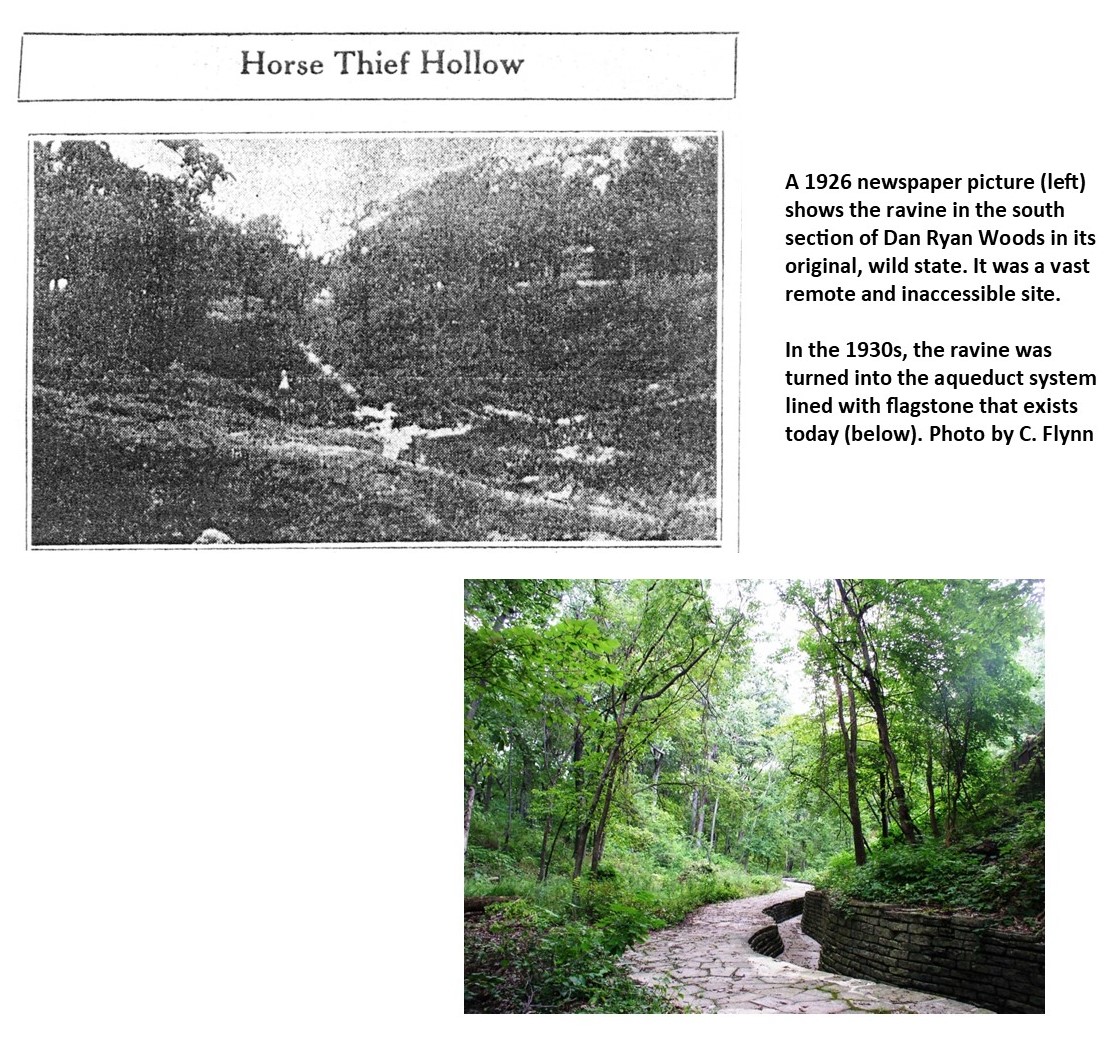
In 1926, another newspaper wrote that the ravine in the south section of Dan Ryan Woods, which became the aqueduct system known today, was a “rendezvous of the biggest gang of horse thieves operating in Illinois.” This was too far north to be considered Morgan Park, and even that article admitted the section was the most “inaccessible portion of the whole tract.” Andreas states the thieves used a buggy to move their equipment and supplies and it is difficult to envision driving a buggy into that location, but horses could have been kept in there.
There are other locations put forth as possibilities, and sometimes it seems that anyone with a dent in his/her backyard thinks that was the original location of Horse Thief Hollow. But it is possible and maybe even probable that through the years multiple locations were used by horse thieves and the ravine referred to by Andreas was just one location.
What happened to the horse thieves is also a question. One story is that the Morgan family called in the state militia in the 1850s to drive out the horse thieves, and there was a shootout on the Ridge in which the horse thieves were killed, or captured and jailed. Another story has some horse thieves hanged and buried on the Ridge, and still another has them coming down with the “ague” or malaria in prison. No verification of any of these stories has been found to date but they make for great urban folklore.
One thing that did happen is that encroaching “civilization” including more formal and organized law and order efforts forced horse thieves and other “Wild West” characters to move their operations farther and farther west until they ran out of territory and people’s tolerance. Andreas reports there were horse thieves on the Ridge as late as 1863. One newspaper reported the horse thieves on the Ridge were never caught and they moved on. This is likely the real story.
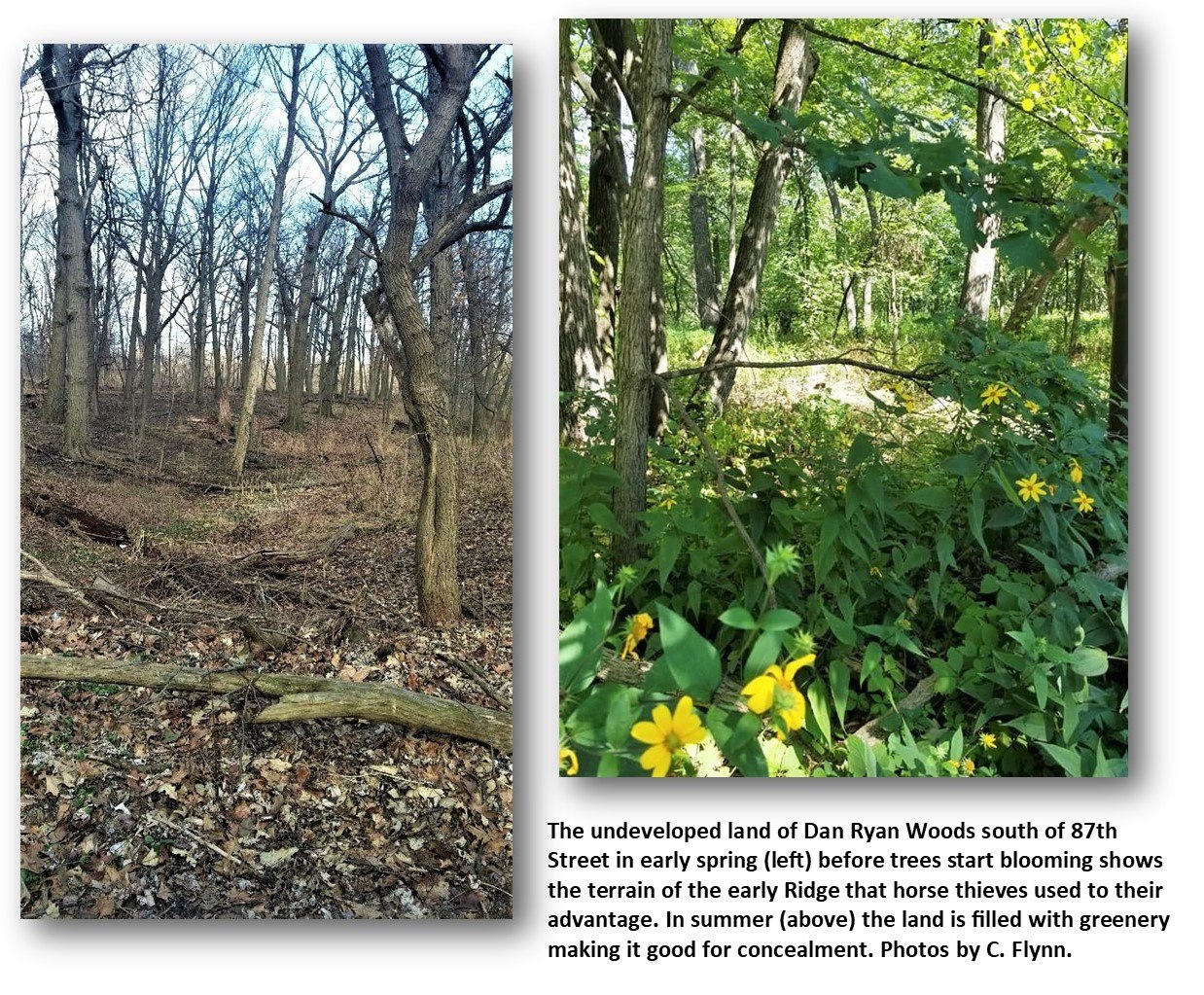
Because so much development has gone on, and the original topography of the land has been altered substantially, today imagination has to be used to picture what the area looked like 180 years ago. The undeveloped land in the south section of Dan Ryan Woods, the last remnant of the “wild Ridge,” does give a good idea of the natural terrain that horse thieves would have found advantageous to their endeavors.
There is a presentation and Power Point program on Horse Thief Hollow available for booking (when it is safe again to meet in groups). Send a message to author/presenter Carol Flynn at cflynn2013@yahoo.com for more information.
This concludes the series on Dan Ryan Woods. Thank you to everyone who followed RHS for the last few months to read these posts. Feedback, sharing of stories, and questions are welcomed. Stay tuned for new topics!

The history of Dan Ryan Woods – Part 20: The “Lungs” of the City
By Carol Flynn
The history of the land and events that went on in the Forest Preserves of Cook County (FPPC) and Dan Ryan Woods (DRW) have been the focus of most of this series so far. This post will discuss the woods themselves.
Frederick Law Olmsted, the public health proponent and landscape architect, used the term “the lungs of the city” in 1872 to emphasize the importance of public parks as open green spaces where city dwellers could breathe clean air. He was speaking in terms of the prevailing belief of that time that diseases were caused by breathing “bad vapors” and could be avoided and cured by good ventilation and plenty of fresh air. While we know much more now about bacteria and viruses that are the actual causes of diseases, we also know that Olmsted was more correct about the importance of green spaces than he could have imagined, but for other scientific reasons.
A green space like DRW not only benefits the community recreationally and aesthetically, but also ecologically. According to the U.S. Forest Service’s Urban Forest Ecosystem Research Unit and many other sources, it is well documented that trees absorb pollutants such as carbon monoxide and sulfur dioxide and break them down into less harmful substances. Trees also remove carbon dioxide, a potent greenhouse gas that traps heat and contributes to global warming, and through the process of photosynthesis, release oxygen into the air.
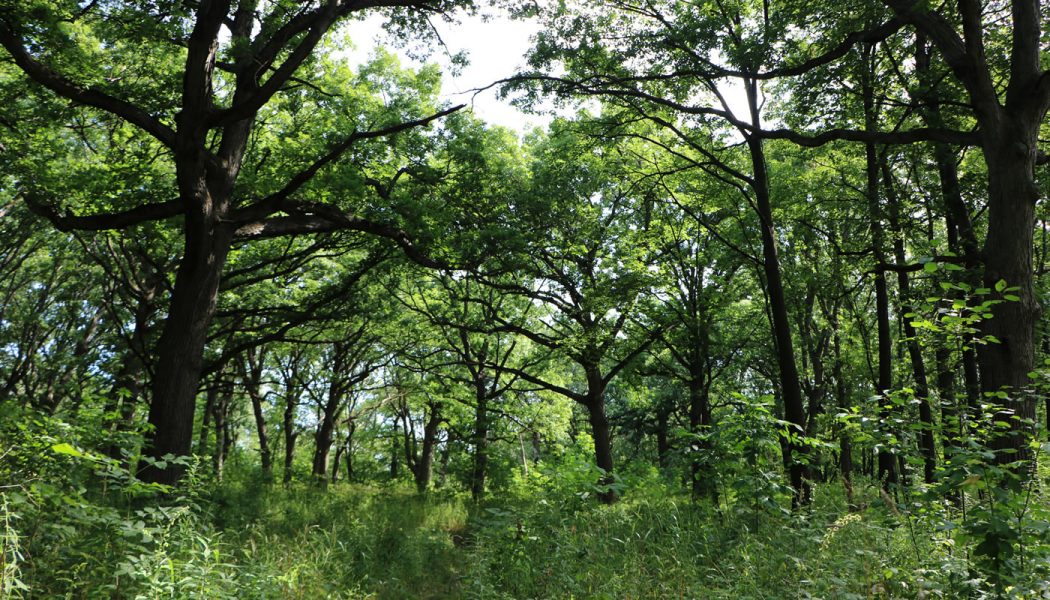
The FPCC describes the top of the Ridge in DRW as an open woodland made up primarily of oak and hickory trees. The trees are spaced far enough apart to allow sunlight to reach the forest floor, where plants such as red trillium, thicket parsley and wild geranium thrive. Open woodlands were one of the predominant ecosystems once found throughout the Chicago area before development.
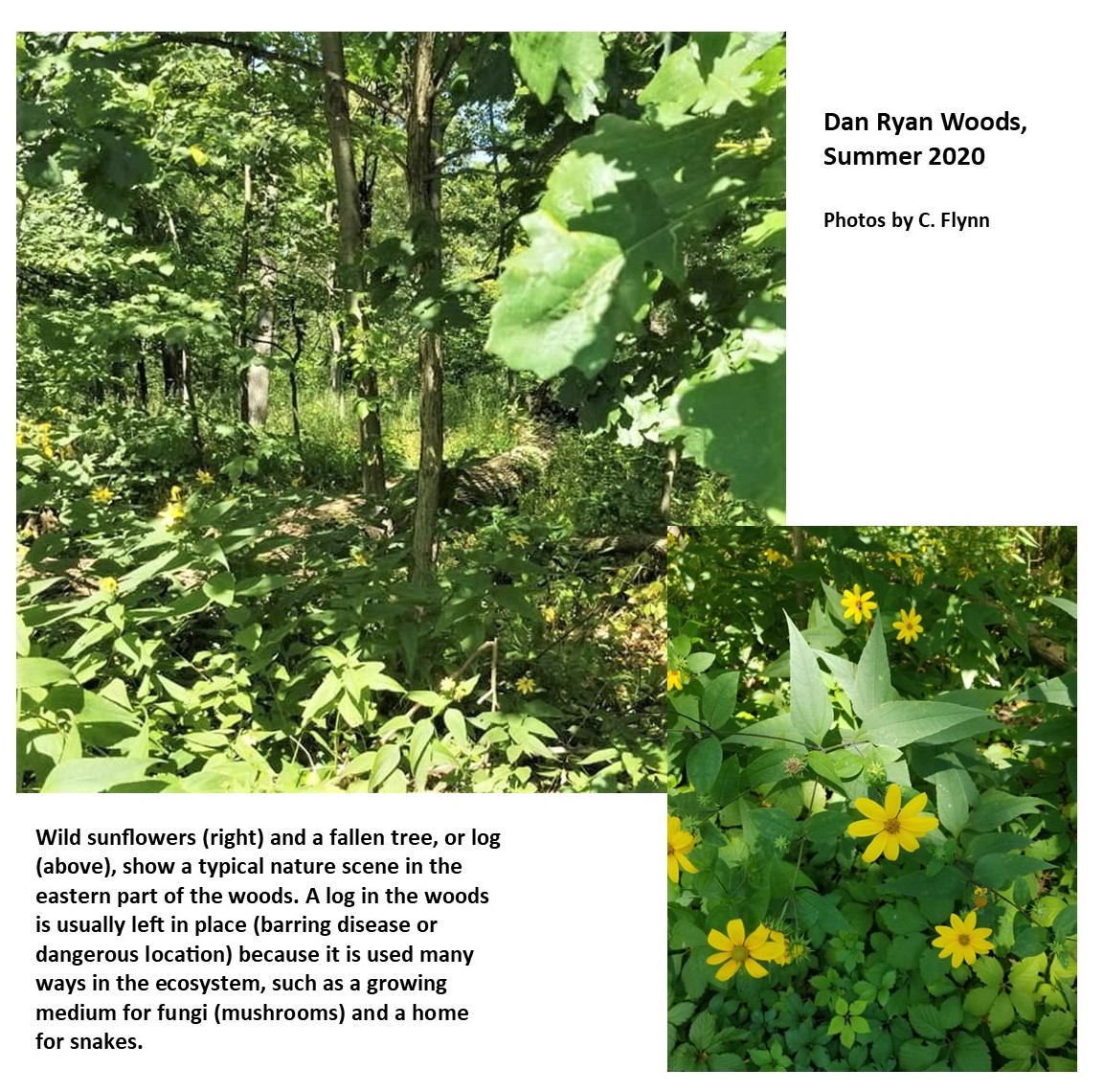
The east side of the woods, below the Ridge, is described by FPCC as “wet woods” dominated by swamp white oaks, red oaks, and American basswood. Pale-leaved sunflower, fringed loosestrife and many sedges and manna grasses cover the ground below. These are all plants that can withstand flooding, as they receive the run-off of water from the Ridge.
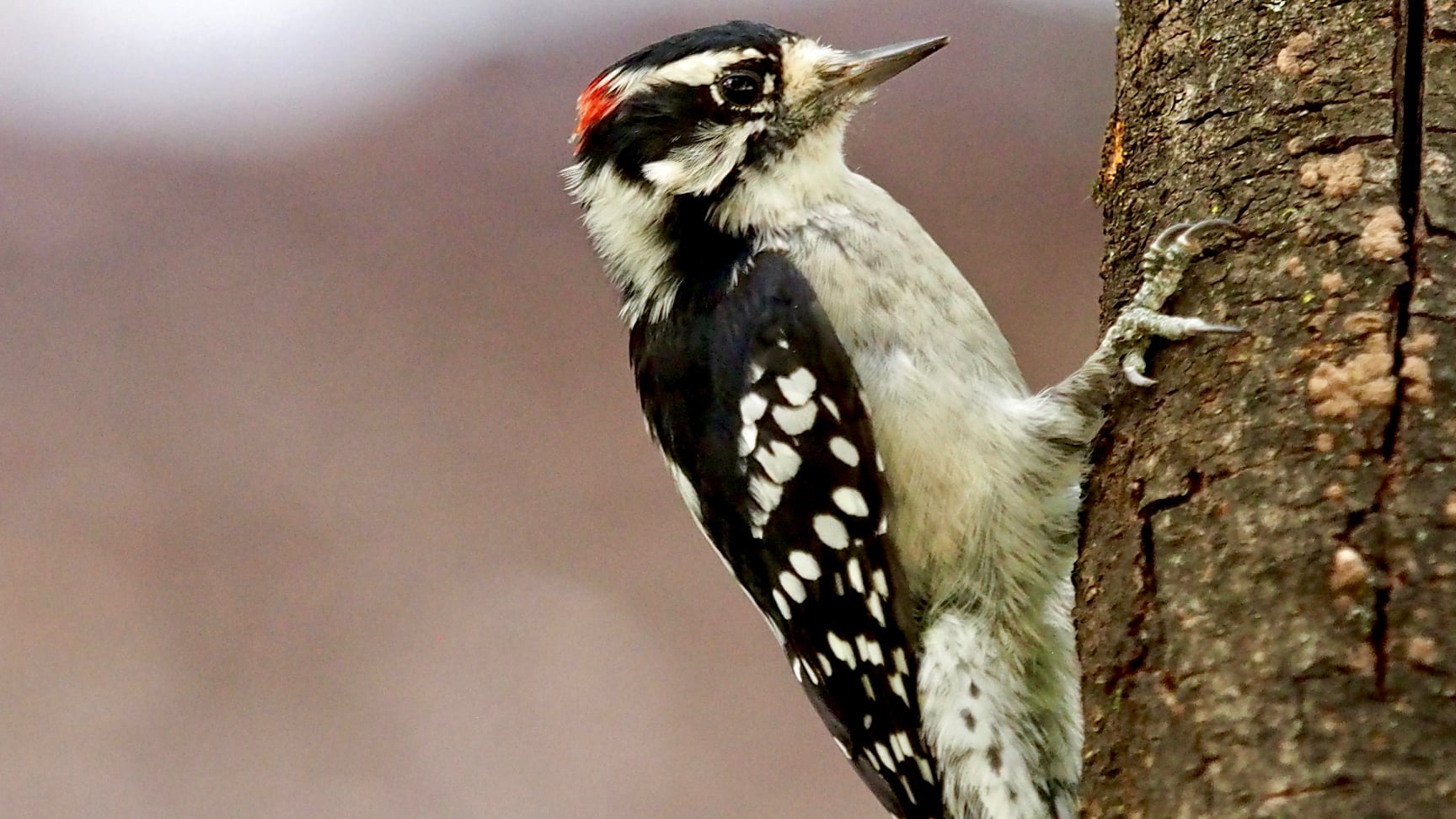
Bird watching is a favorite pastime in DRW and all the preserves. Birds that may be seen in DRW include hawks, owls, woodpeckers, warblers, goldfinches, hummingbirds, and many more. In addition to the wildlife that can be spotted, like birds and rabbits, the forest is teeming with life visitors do not always realize is there: bees, butterflies, spiders, snails, crickets, grasshoppers, earthworms, and many other tiny creatures, and microorganisms too small to be seen by the human eye. Every one of these creatures has an important role in the ecosystem.
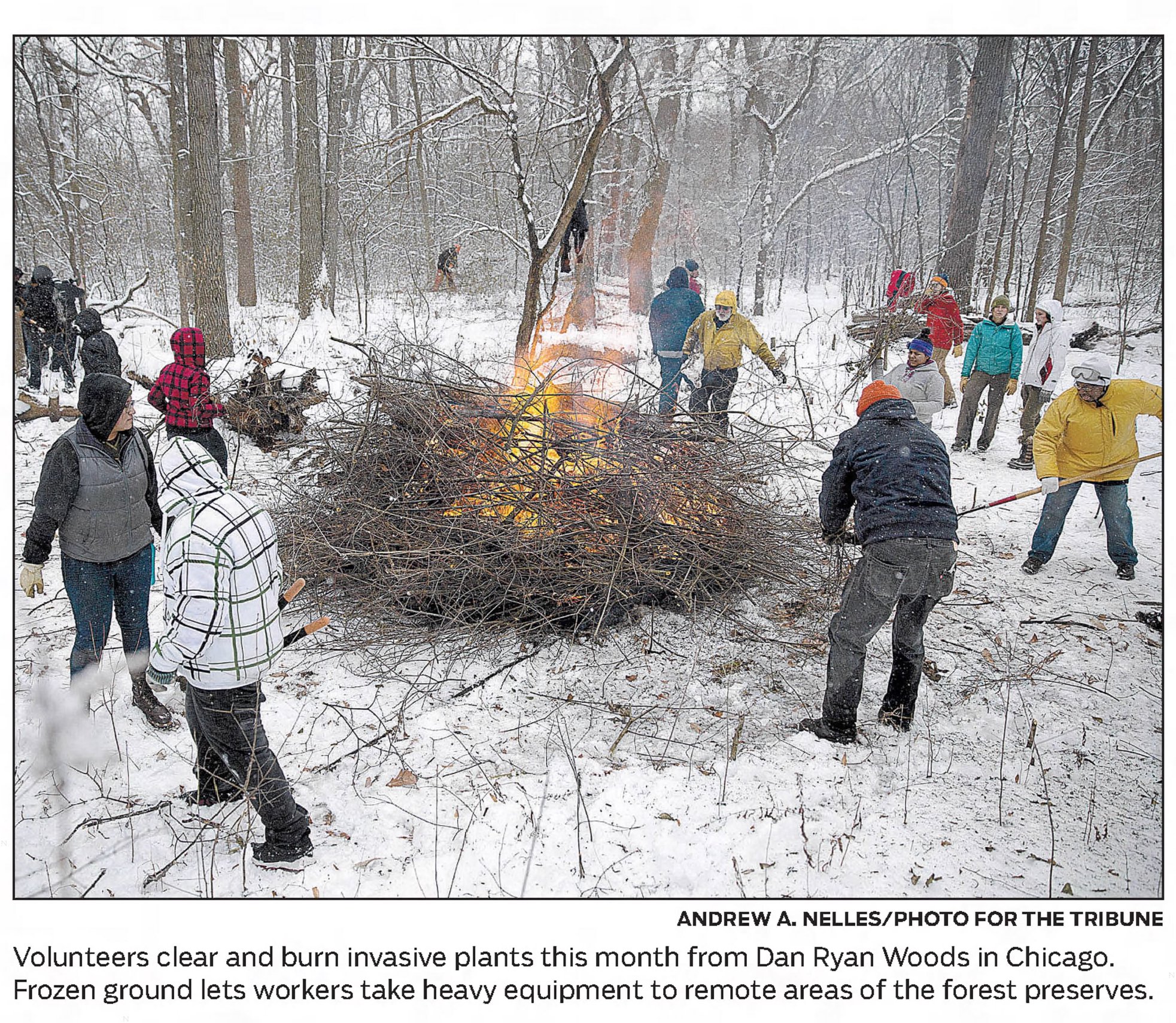
Gone from DRW are the elm trees that once were plentiful around Chicago. The FPCC lost over 100,000 trees due to Dutch Elm Disease, the fungal infection spread by elm bark beetles, after the disease entered the U.S. in the 1950s. In more recent years, DRW has lost hundreds of trees to the emerald ash borer. Dozens of invasive plant species such as buckthorn are also enemies of native ecosystems. Removing invasive plants from DRW and the other preserves is an on-going challenge.
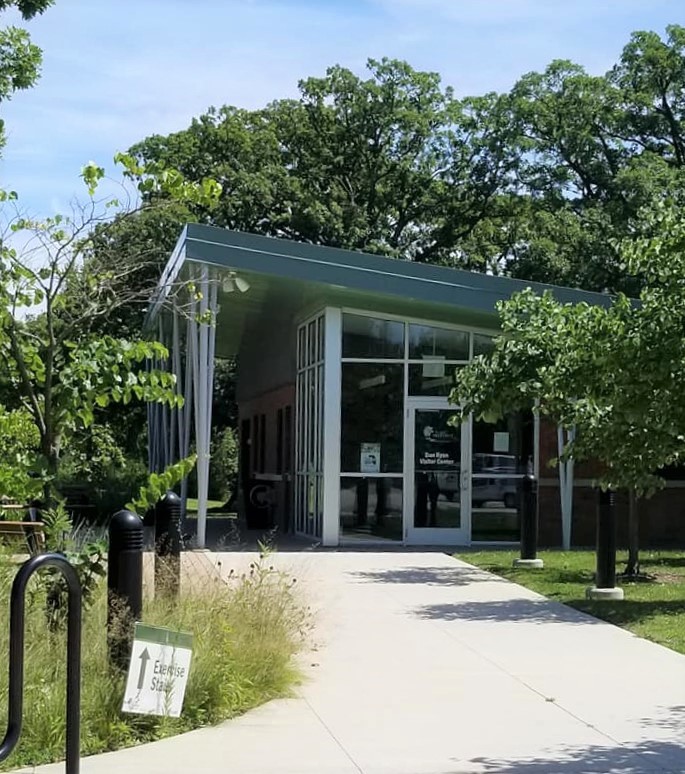
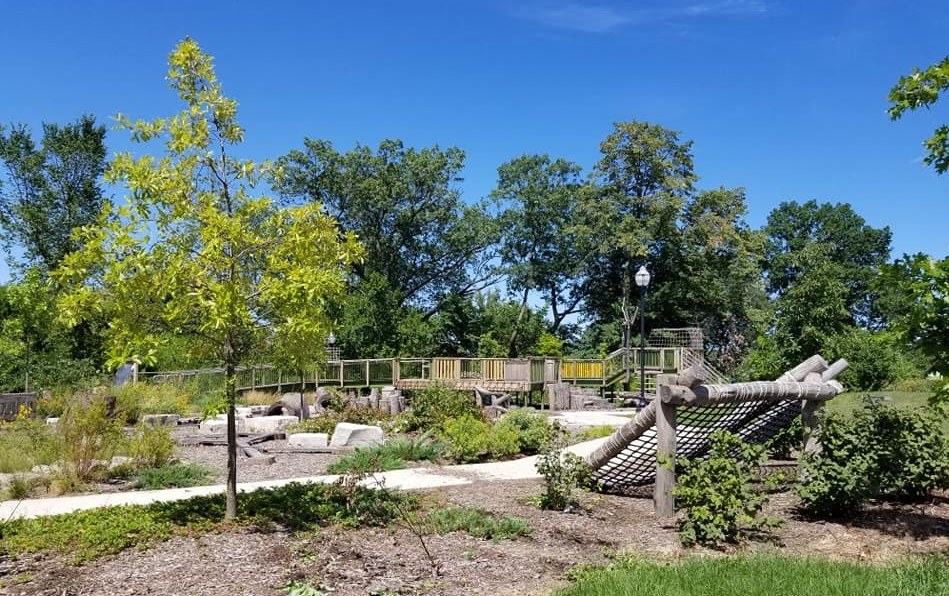
FPCC continues its mission of conservation, education, and recreation. At DRW, some new features were introduced in recent years, including a new visitors’ center and a nature play space with a treehouse walkway. The pavilion, or warming shelter, is available for events, and of course, picnic groves and trails have been available for 100 years.
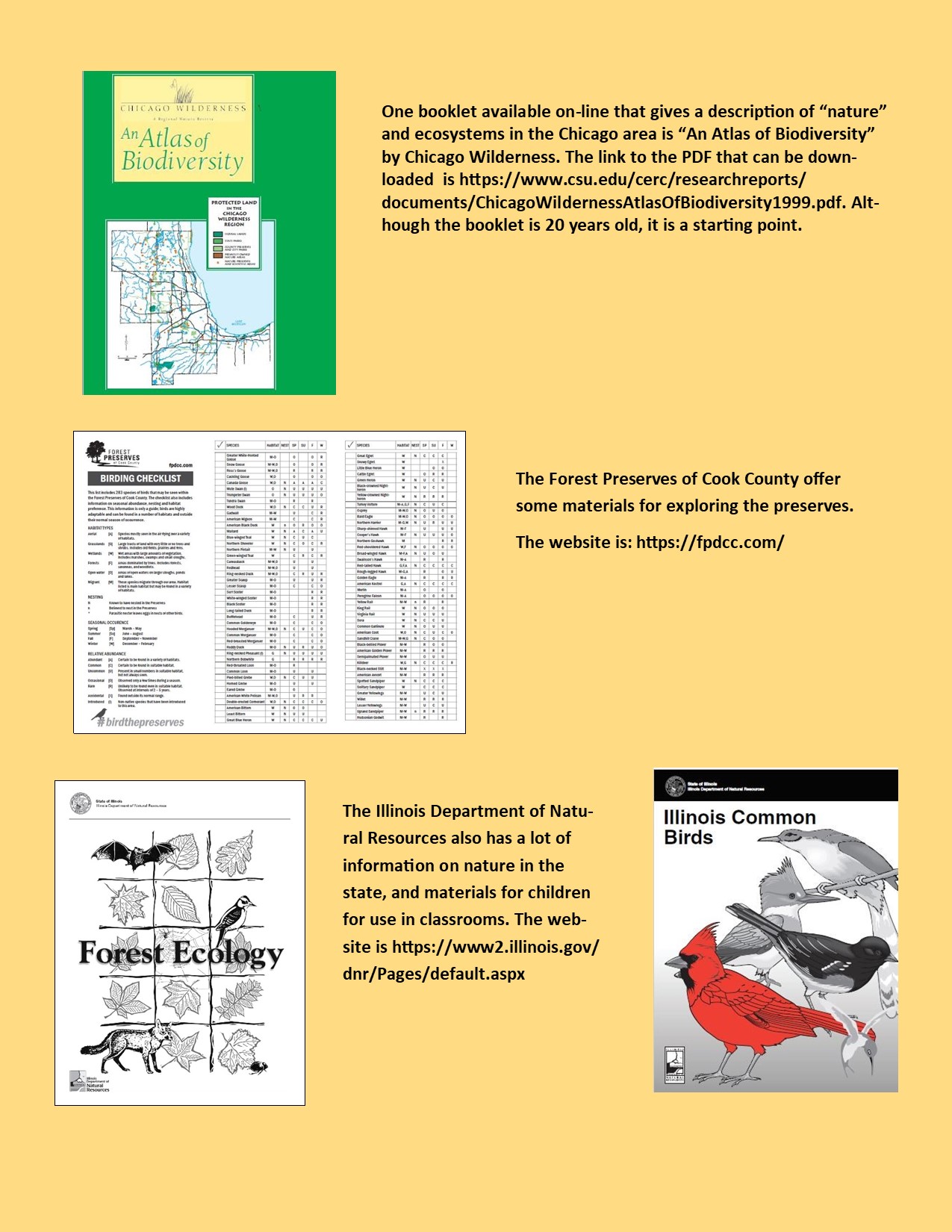
The website for the FPCC, https://fpdcc.com/, shares information on accessing the preserve and can be checked for updates to programs and services affected by the pandemic.
Different volunteer groups work with FPCC on projects. One group is the Friends of the Forest Preserves (FOTFP), founded in 1998 as a grassroots non-profit organization that works to protect, restore, and promote the preserves. FOTFP offers a variety of ways to get involved in the preserves, including restoration projects and photo contests. The website is https://www.fotfp.org/.
Last year FPCC adopted a Land Acknowledgement Statement, which recognizes and shows respect for the past and on-going relationship that Native American tribes share with the land. This is particularly appropriate as the forest preserves are really the only places left where archeological remains of the vast Native American presence in the Chicago area dating back for 13,000 years can still be found undisturbed.
The FPCC Land Acknowledgement Statement dated 2019 is:
“The Forest Preserves of Cook County acknowledges that we are on the ancestral homelands of the Council of Three Fires—the Ojibwa, Ottawa and Potawatomi tribes—and a place of trade with many other tribes, including the Ho-Chunk, Miami, Menominee, Sauk and Meskwaki.
“As a land management agency, we acknowledge that we have played a role in shaping the histories of local Native Americans by acquiring this land. We must also recognize, share and celebrate the history of local Native Americans and their immemorial ties to this land.
“We commit ourselves to developing deeper partnerships that advocate for the progress, dignity and humanity of the many diverse Native Americans who still live and practice their heritage and traditions on this land today.”
This brings us full circle back to the beginning, when the tip of the Ridge was known as “Look Out Point.” The folklore about Indians and the land now known as Dan Ryan Woods might be more fanciful than historic, but acknowledging that the Native Americans were here long before the settlers came is a good way to reinforce Cook County’s stewardship role for the land and its ecosystems, and the duty of county residents and the other users of the preserves to protect them.
Dan Ryan Woods offers a small but significant remnant of the “wild Ridge” that existed before development. Other posts on the RHS Facebook page have discussed the natural history of the area, the oak savannas, the prairies, the wetlands and marshes with their abundant wildlife and native fruit and nut trees that covered the area, through the observations and experiences of the early settlers.
The next and final post on the history of Dan Ryan Woods will discuss a favorite topic related to the earliest days of the ”wild Ridge” – Horse Thief Hollow.
The history of Dan Ryan Woods – Part 19: Odds and ends – some interesting DRW stories
By Carol Flynn
These are just a few of the many stories relating to Dan Ryan Woods (DRW) that make for interesting local history “trivia.”
Tornado
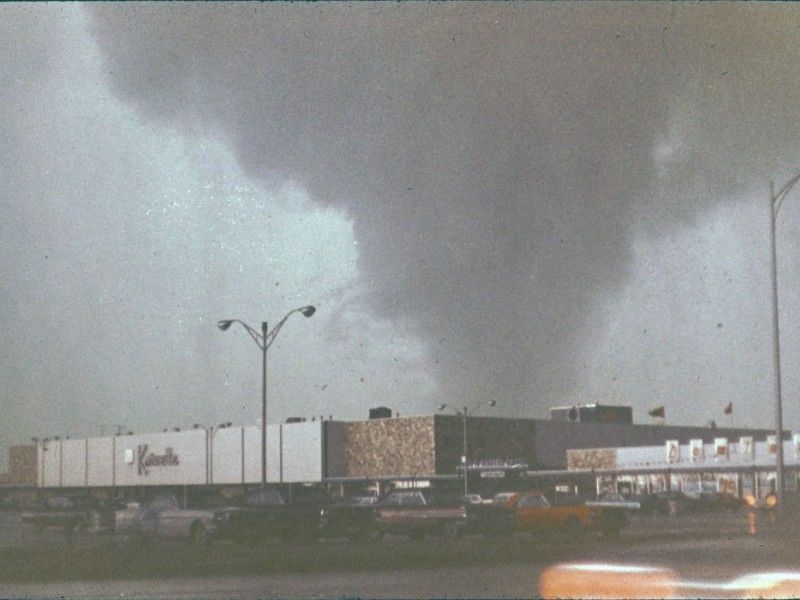
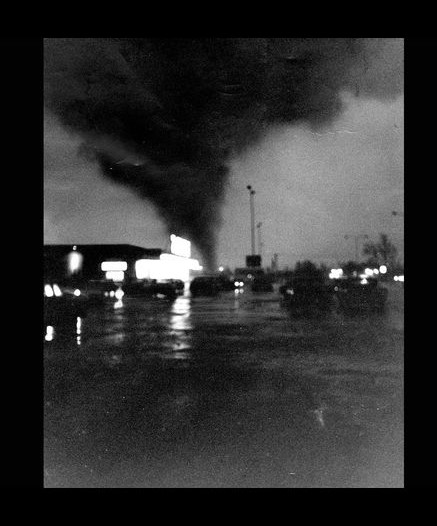
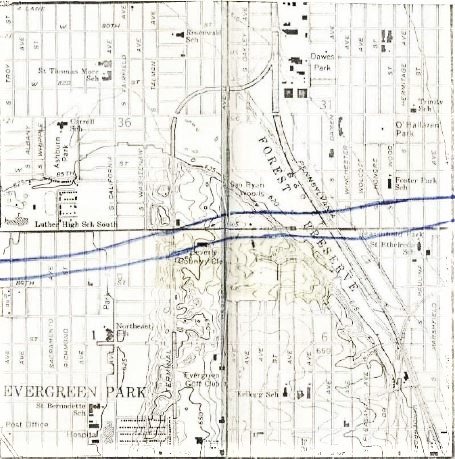
On April 21, 1967, the deadliest tornado in the history of northern Illinois came through the area right at evening rush hour. At 5:24 p.m., the twister touched down in Palos Hills by 106th Street and 88th Avenue where Moraine Valley Community College is now, and started moving east-northeast. It reached its maximum size and intensity as it passed through Oak Lawn, Hometown and Evergreen Park. It continued along 87th Street, destroying a building at the Beverly Country Club, and tore through DRW, uprooting and damaging hundreds of trees. The twister continued northeast, weakening, until it moved into the lake as a waterspout at Rainbow Beach around 79th Street. The tornado caused 33 fatalities and over 1,000 injuries, and more than $50 million in property damage.
Unexplained prank
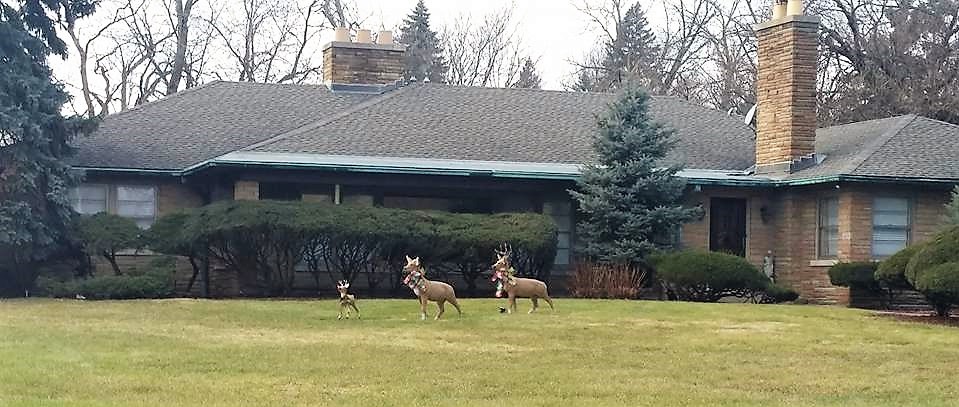
The cast iron deer family outside the home at 119th Street and Bell Avenue is a familiar sight. In 1968, the doe disappeared for several weeks after Halloween. Police on foot patrol found it in the middle of a sidewalk in a residential area blocks away but could not move it because it weighed 450 pounds. Returning with more help, the doe was gone. It turned up in DRW. How the lawn ornament was removed unnoticed in the first place was a matter of conjecture because it was so heavy, and there were no marks on the lawn that it had been dragged; in fact, there was no trace of the theft at all, not even a footprint. The police returned the doe via a police van, and because of this prank, the owners cemented the deer into the ground, where they remained for fifty years. However, it was recently noticed that the fawn is now gone.
Crosstown Expressway
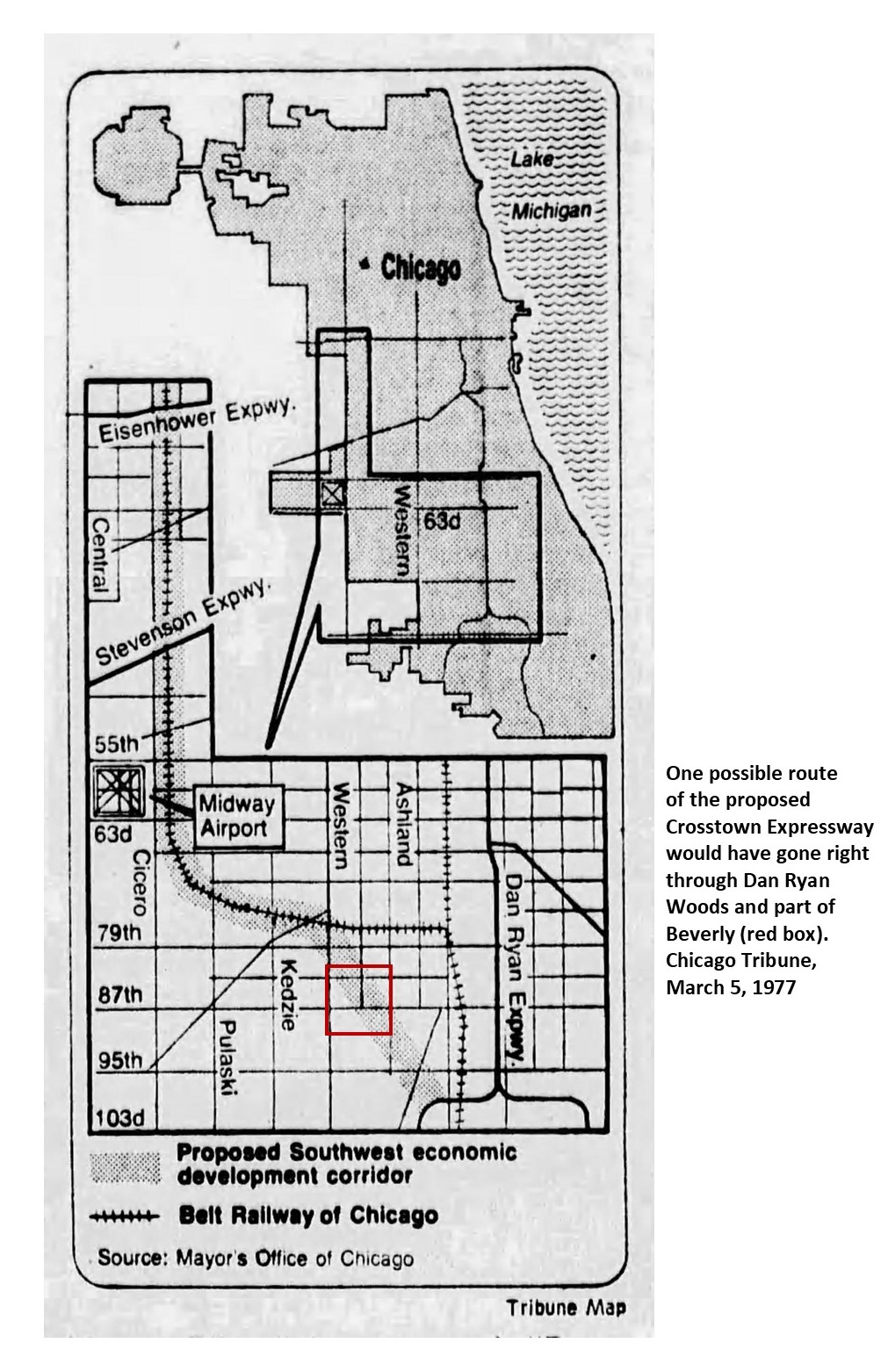
All through the 1960s and 1970s, there was talk of building a “Crosstown Expressway” on the west side of Chicago that would connect the north and south sides. The origins of this plan dated back to Daniel Burnham’s 1909 Plan of Chicago, to divert traffic around the central city. The Crosstown Expressway “corridor” was planned to start at Montrose Avenue where the Kennedy and Eden Expressways connected, and run south along Cicero Avenue, until Midway Airport, where it would veer southeast to connect to the Dan Ryan Expressway. Various routes through the southwest side were considered, including at least one that would have destroyed DRW. Ridge community groups spoke out against any plan that would adversely affect the preserve. The Crosstown Expressway was a political issue and there was only lukewarm public support for the $2 billion project. The plan was abandoned in 1979, although periodically new ideas related to this concept are proposed.
Toys for Tots
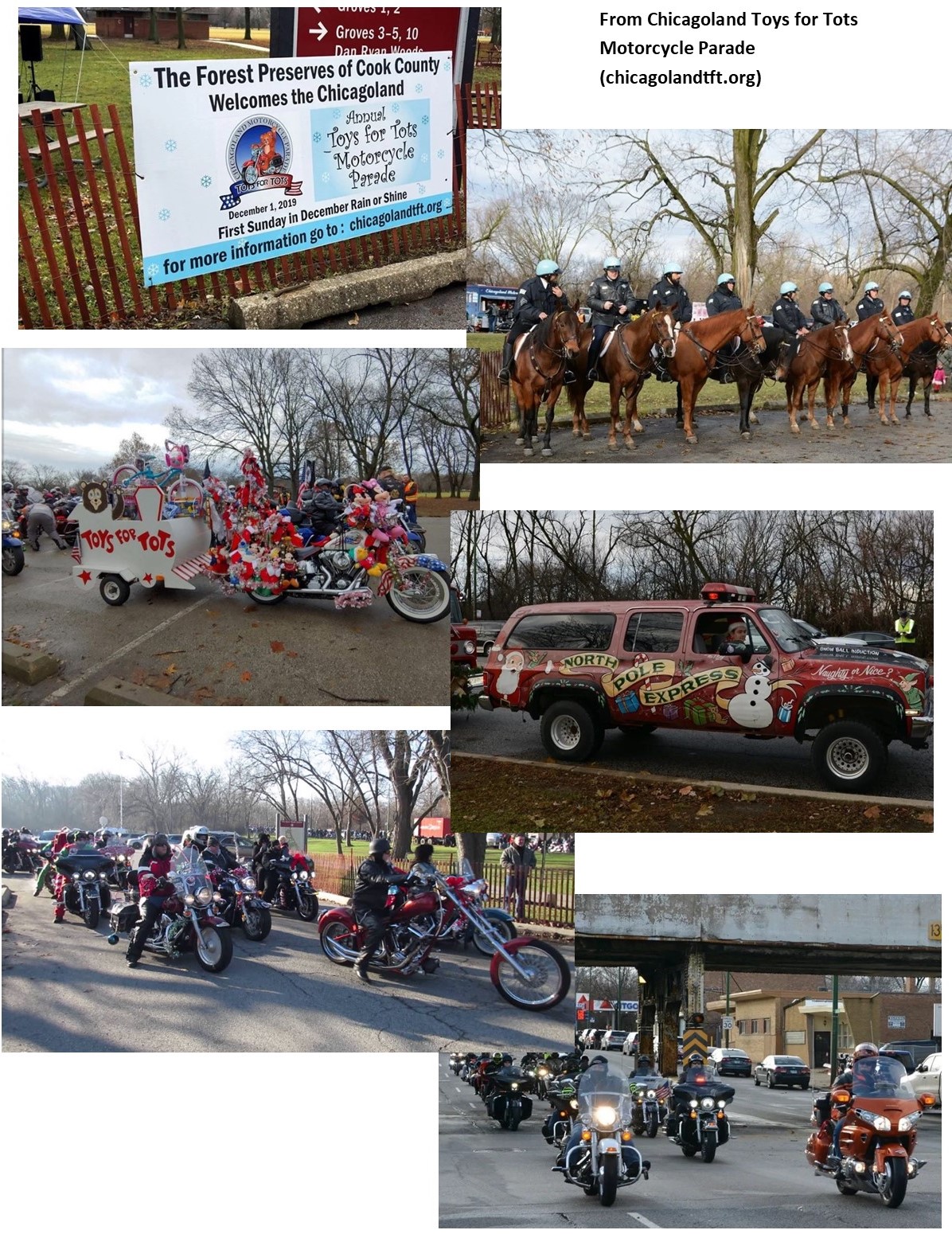
In 1985, DRW became the permanent gathering and starting point for the Chicagoland Toys for Tots Motorcycle Parade, which takes place the first Sunday of December, rain, shine, or blizzard. The purpose of the event is to collect Christmas presents for children. The parade starts at DRW and travels north on Western Avenue to Addison Street. This is the world’s largest motorcycle parade, and in past years attracted as many as 70,000 riders. In recent years, between 20,000 to 30,000 riders have participated annually. The Toys for Tots campaign began in 1947 in Los Angeles through the Marine Corps Reserve and today covers all 50 states and other U.S. possessions. Since that time, close to 300 million toys have been collected for children.
Plane crash
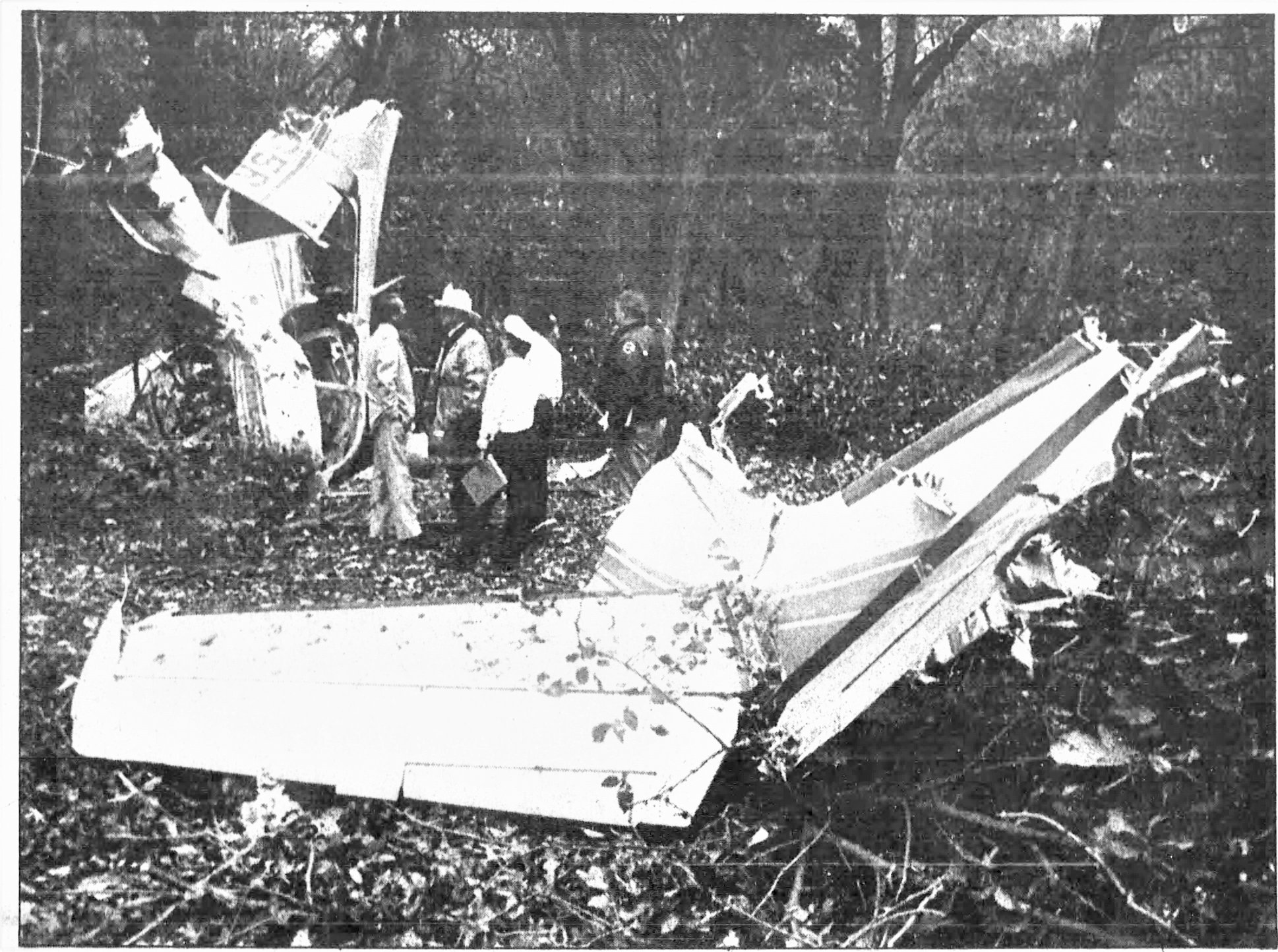
A twin-engine Beechcraft Baron crashed in DRW in 1986. The small plane, carrying three people, was in route from Jefferson, Missouri, to Midway Airport, where the passenger, a deputy sheriff, was to pick up a prisoner who faced burglary charges in Missouri. The plane ran out of fuel in flight and came to rest nose down after clipping the tops of trees for almost 100 yards. DRW staff helped free the deputy sheriff who was trapped in the wreckage; he was taken to Christ Hospital with critical injuries. The pilot and co-pilot received only minor injuries. The pilot was commended for steering the plane away from surrounding residential areas and into DRW. The deputy sheriff survived and lived to age 73, dying in Missouri in 2015 after a long career in law enforcement.
Major Taylor Trail
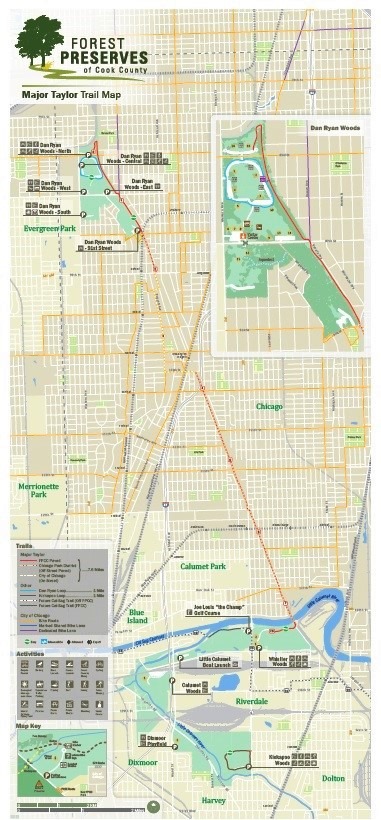
In 1993, the Forest Preserves of Cook County (FPCC) purchased eight acres of former railroad land to the east of DRW. These tracks had once been part of the Pennsylvania Railroad system. In 1883, special tracks were laid east-west to connect the Union Stockyards to these tracks outside of the Sherman Farm, giving John Sherman a private rail line between his experimental stock farm and the stockyards that he operated. An 1893 “Pennsy” railroad map showed a Forest Hill stop which would have been around 87th Street or so, as well as a Washington Heights stop, which assumedly was the 91st Street station, which this railroad shared with the Rock Island line. The Rock Island line was extended west to this location, and the station was built, in 1889-90. The Rock Island is still in operation as the Metra line.
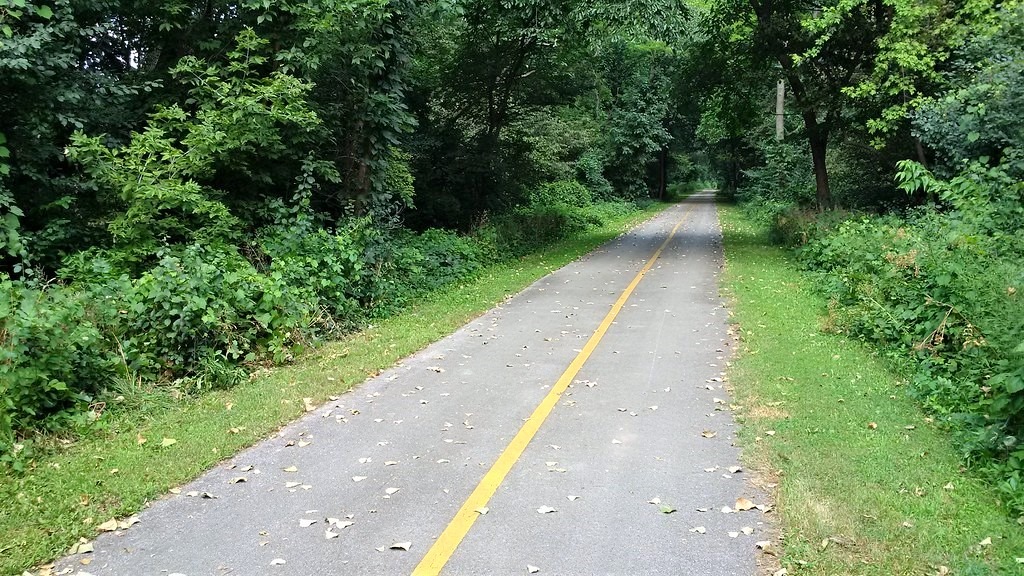
In 1997-98, the former railroad land was paved with a 10-foot wide asphalt bicycle path starting in the DRW parking lot north of 83rd Street, then running south over the old 83rd Street railroad overpass and along the east side of the woods to 94th Street. Later, the path was connected all the way to the Little Calumet River and Whistler Woods to the south.
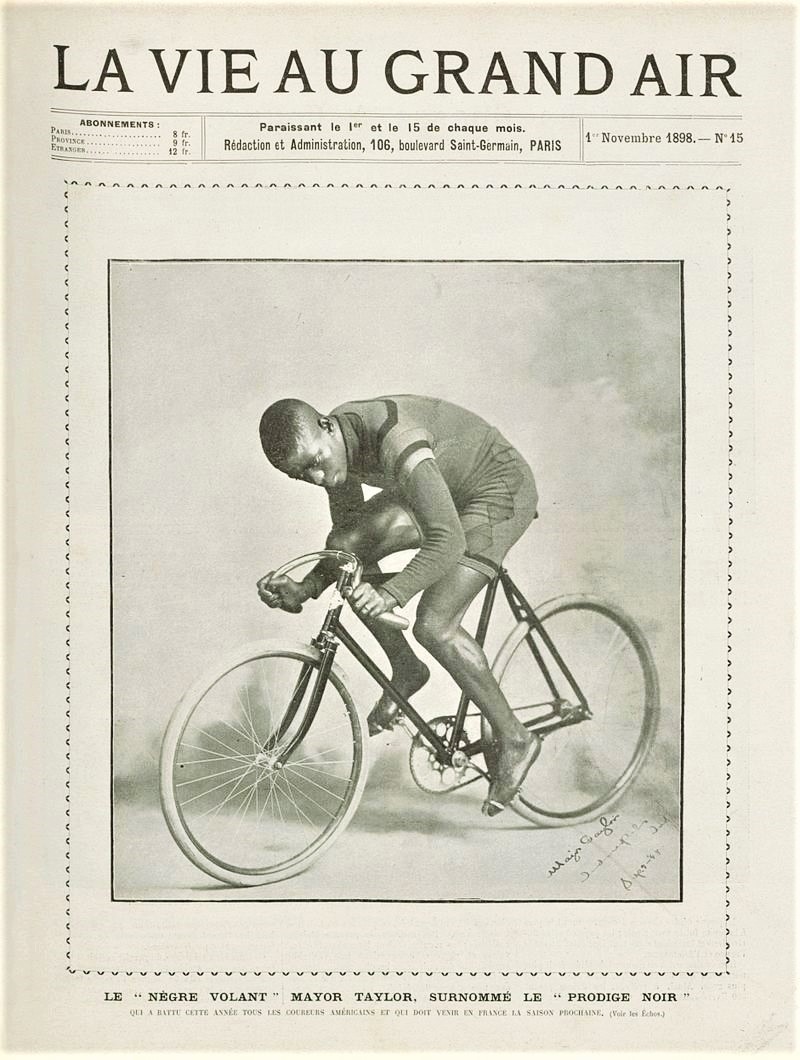
The path was named the Major Taylor Trail in honor of Marshall Walter “Major” Taylor (1878-1932), an African American professional cyclist. He received the nickname “Major” early in his career when he performed as a trick rider wearing a military uniform.
Taylor won hundreds of meets and in 1889-90, he set seven world records. But he was the victim of considerable racism, including being banned from tracks because white cyclists refused to race with him, and being threatened and intimidated, and once choked into unconsciousness by a rival.
Still, Taylor persisted and became the only black athlete to ever win a world championship in cycling. One of his biggest fans was President Theodore Roosevelt. Unfortunately, the Great Depression and unsuccessful investments took their tolls on Taylor’s finances. Retired in Chicago, he died penniless. His legacy was revived in 1982 and he has since received posthumous honors and awards.
Next: The “Lungs” of the City
The history of Dan Ryan Woods – Part 18: Crime, law and order in Dan Ryan Woods
By Carol Flynn
Reading about crime and violence can be unsettling, but for any history to be accurate, the good, the bad and the ugly must be included. This post deals with the uglier aspects of the history of Dan Ryan Woods.
The seclusion and isolation of the Forest Preserves of Cook County (FPPC) made them an ideal place for clandestine and illegal activities, and Dan Ryan Woods (DRW) was no exception.
There were occasional reports of crimes and other undesirable happenings in the early years of the FPPC. Robberies in remote areas were reported; the victims were often couples parking late at night. Visitors were sometimes bothered by “tramps.” Murderers hid their victims in the preserves. Despondent people committed suicide in the loneliness of the woods. Bizarre accidents happened – a decaying tree suddenly split and fell on picnickers, killing several.
One early crime reported in DRW was a robbery and car theft in the early morning hours of the 4th of July in 1931. In 1946, a man who shot his ex-girlfriend's father fled to the preserve after the crime; there he wandered for several hours and disposed of the gun, which the police later found after searching the woods.
Crime in DRW started being mentioned more frequently in the newspapers beginning in the 1950s. Robberies and car thefts continued, and there were arrests for gambling.
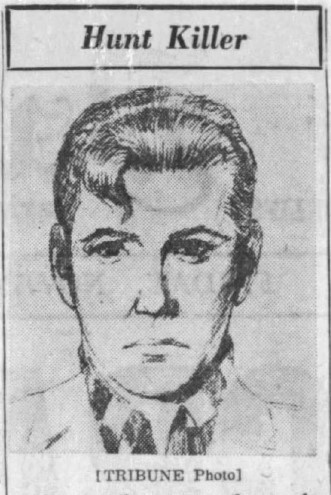
In 1957, a murder was committed just outside of DRW and the killer escaped through the preserve to board a bus at 87th Street and Longwood Drive. The police issued a sketch of the suspect and conducted a door-to-door manhunt in the area. The murderer was found to be a man who lived and worked locally.
In 1959, north side gangs of white youths planned to “rumble” with guns in DRW but called it off due to rain. The members of one gang instead went to Riverview amusement park where they terrorized visitors with a loaded shotgun.
An earlier post in this series mentioned that rangers were among the first employees to be hired by the FPCC. According to a 1993 Chicago Tribune article, this ranger force was plagued by ineffectiveness due to unqualified staff hired through patronage; and due to understaffing, poor training, and poor pay. The article said the rangers acted like the preserves were “Jellystone Park,” when, by the late 1970s, the preserves had actually become “drugstores with cars lining up in the parking lots while their occupants bought PCP and heroin.”
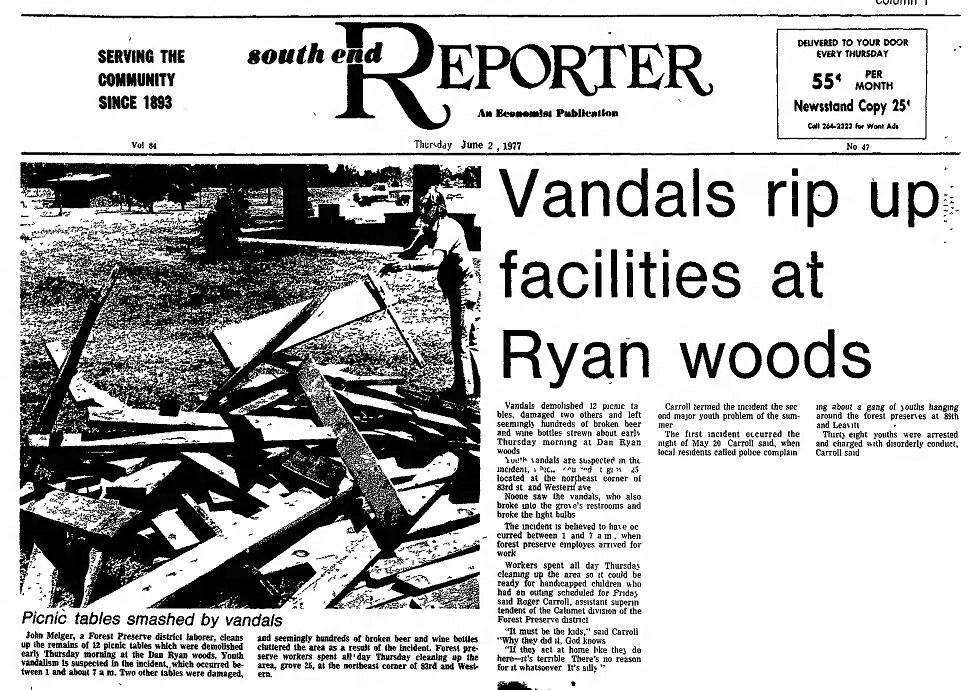
Illegal drugs and drinking were issues in DRW for many years; it was a popular place for underage drinking. Other crimes included vandalism and theft of DRW property; as one example, people stole picnic tables. Fights, assaults, and shootings happened; many of these were racially motivated attacks instigated by local teen-agers. Suicides have occurred in DRW as recently as a few years ago.
Among the murder victims found in DRW through the years was a young woman strangled by a serial killer. An earlier post shared that murder victims have been dumped at these woods since at least the 1890s when the land was still the Sherman Farm.
An abandoned newborn baby girl was found in DRW by a woman walking her dog. The baby was taken to Little Company of Mary Hospital where she was found in good health.
More heinous crimes included the attack and rape of a woman walking a path through the woods to the train station in the early morning to go downtown to work; DNA evidence was used for the first time in Cook County history to convict the rapist. In another case, a man was shot to death in a parking lot dispute in DRW, the only FPCC homicide that year.
According to the 1993 Tribune article, in 1992, the Cook County Board added several million dollars to the FPCC police budget for ongoing efforts to take a more aggressive and professional stance against crime. Increasing staff, better training, and new equipment and uniforms were part of the plan. Civil service exams became part of the hiring process and most of the patronage employees were replaced.
Although the department had a long way to go, some changes were quickly noticed. In the 1993 article, two men in their mid-20s, hanging out at another preserve, not DRW, lamented the changes: “We used to do whatever we wanted to do, man,” said one. He remembered when they had kegger parties right in the pavilion. “Those days are gone,” he said.
“It’s like being in a communist country. You can’t even go in the woods and have a beer without getting hassled,” said the second.
Today, the FPCC website states its police officers are state certified and receive additional training in conservation and ecology. The department operates 24 hours a day, seven days a week. They patrol in marked police vehicles, on foot, and by bicycle, ATV and boat. FPCC mentions on its website a program which uses volunteers as additional eyes and ears to report any suspicious or unusual activity to the forest preserve police.
Periodically, the idea of combining the forest preserve police with the Cook County Sheriff’s Office has been proposed but not acted upon. At the December 2019 meeting of the forest preserve board, it was reported that the employees receiving the highest customer satisfaction ratings for last year included the law enforcement staff. It was approved at that meeting to begin using body cameras and taser weapons for the forest preserve police.
Next up: Odds and ends – some interesting DRW stories
The history of Dan Ryan Woods – Part 17: Dogs and Dan Ryan Woods
By Carol Flynn
The Forest Preserves of Cook County (FPCC) have always had issues with people abandoning unwanted pets and animals in the preserves. It may seem a natural place to do so, but non-native species rarely survive, especially through a harsh Midwest winter. In some cases, such as goldfish and koi dumped in ponds and streams, the animals are an invasive species that can destroy native flora, fauna, and ecosystems.
This tidbit is from a 2014 FPCC newsletter: “Some of the strangest encounters happened in the early 1980s, when someone with an illegal exotic pet collection simply opened the animals’ cages and left the state to avoid prosecution. Over the following years, staff found porcupines, bobcats and even a kangaroo roaming around in preserves.”
This brings to mind an anecdotal story about educator Bessie Sutherland, for whom Sutherland Elementary School is named. Sutherland was principal at the school which would be renamed for Alice Barnard, another pioneering Ridge educator, from 1883 to 1923. Sutherland heard that a camel had gotten loose from a traveling show and was wandering in the local woods on the Ridge. In the true Progressive spirit of learning by doing, she gathered all the students for an impromptu field trip to the woods to find and observe the camel “in the wild.”
Exotic animals aside, dogs have been a particular problem for the FPCC and Dan Ryan Woods (DRW). Not only have they been abandoned in the woods, but escaped and lost pets gravitate to the woods where they find natural shelter and food. From there, they also go out into the neighborhoods to forage. If not caught, those who survive, the strongest and fiercest, may breed and establish feral packs.
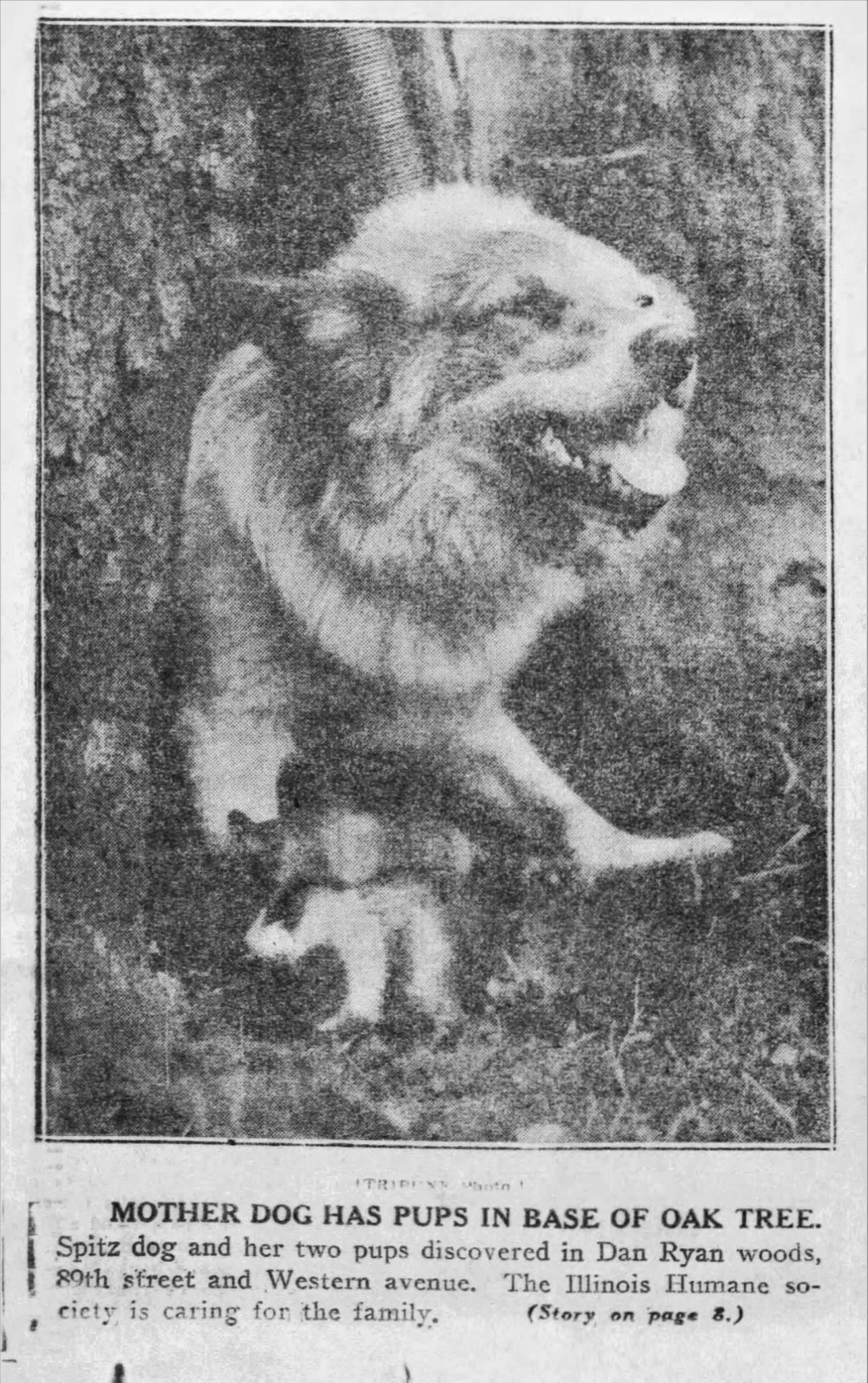
There were several early stories about stray dogs in DRW. In 1934, a mother spitz and two newborn puppies were found living in the hollow base of a tree around 89th Street near Western Avenue. She was deemed “vicious” by DRW workmen, a natural reaction for a mother dog protecting puppies, but the concern was that children might approach her and be bitten. The Illinois Humane Society captured the dog and puppies.
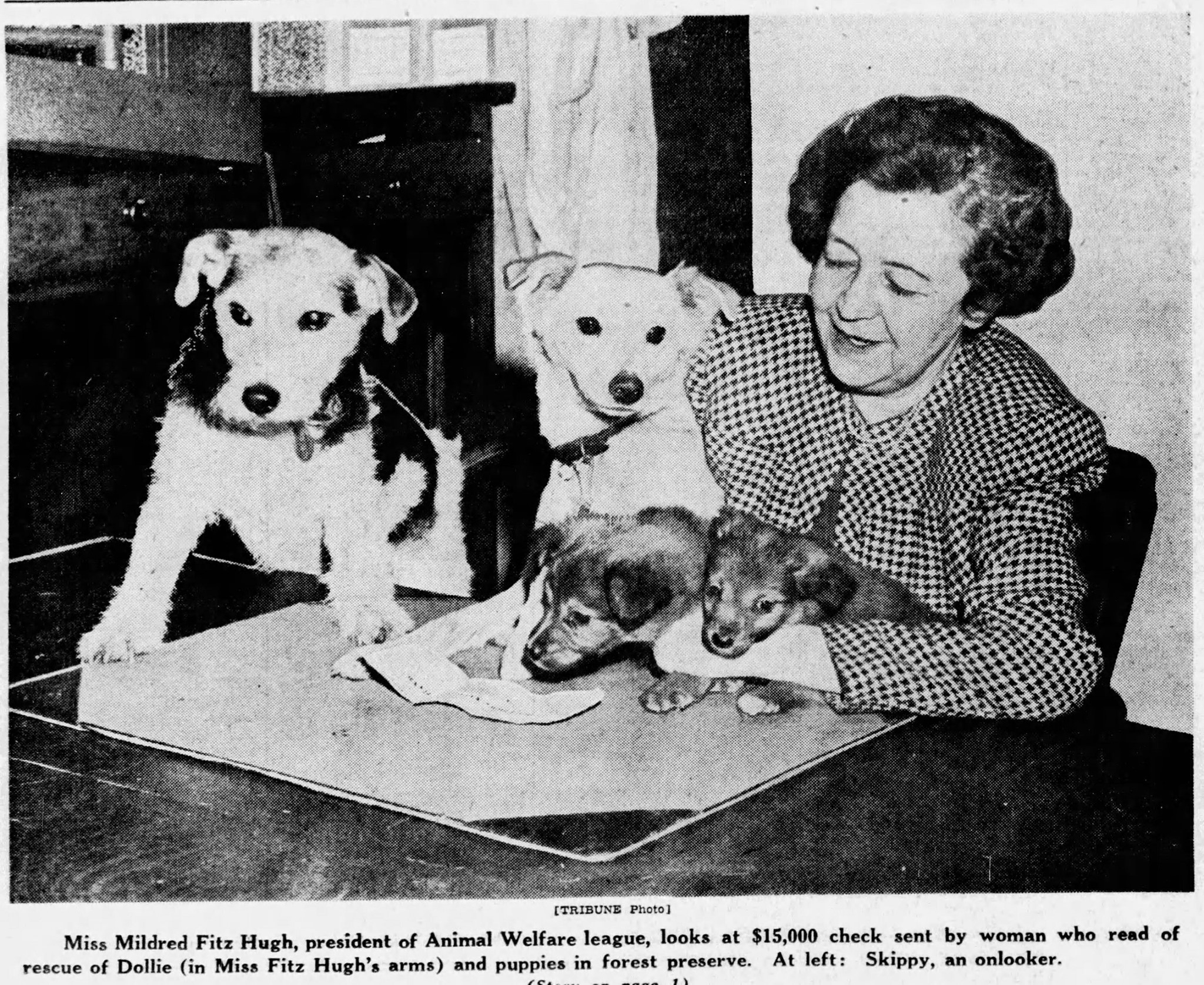
In 1945, a “brown toy shepherd” dubbed “Dollie” by the press became a media darling when she “haunted Ryan woods” for several months but was finally captured by the Animal Welfare League. Dollie led the League agent to a den she had dug under bushes where they found her newborn puppies, their eyes still unopened. The Chicago Tribune’s coverage of the rescue of Dollie and her pups led a woman from California, the honorary president of the league, to donate $15,000 for an animal shelter in Chicago.
Packs of stray dogs in the city started to be mentioned in the local news in the 1950s. In 1954, three women in Beverly/Morgan Park were reportedly bitten by a rabid dog. By the 1970s, the situation with stray dogs around the city was considered a dangerous threat. The Department of Animal Care and Control caught 60 to 100 dogs per day. People left their houses carrying baseball bats for protection.
Stray dogs were common in DRW and the woods were periodically swept to try to keep the number under control. Well-intentioned but uninformed people in the neighborhood set up feeding stations and dog houses in the woods for these stray dogs, which not only attracted more dogs but also colonies of rats.
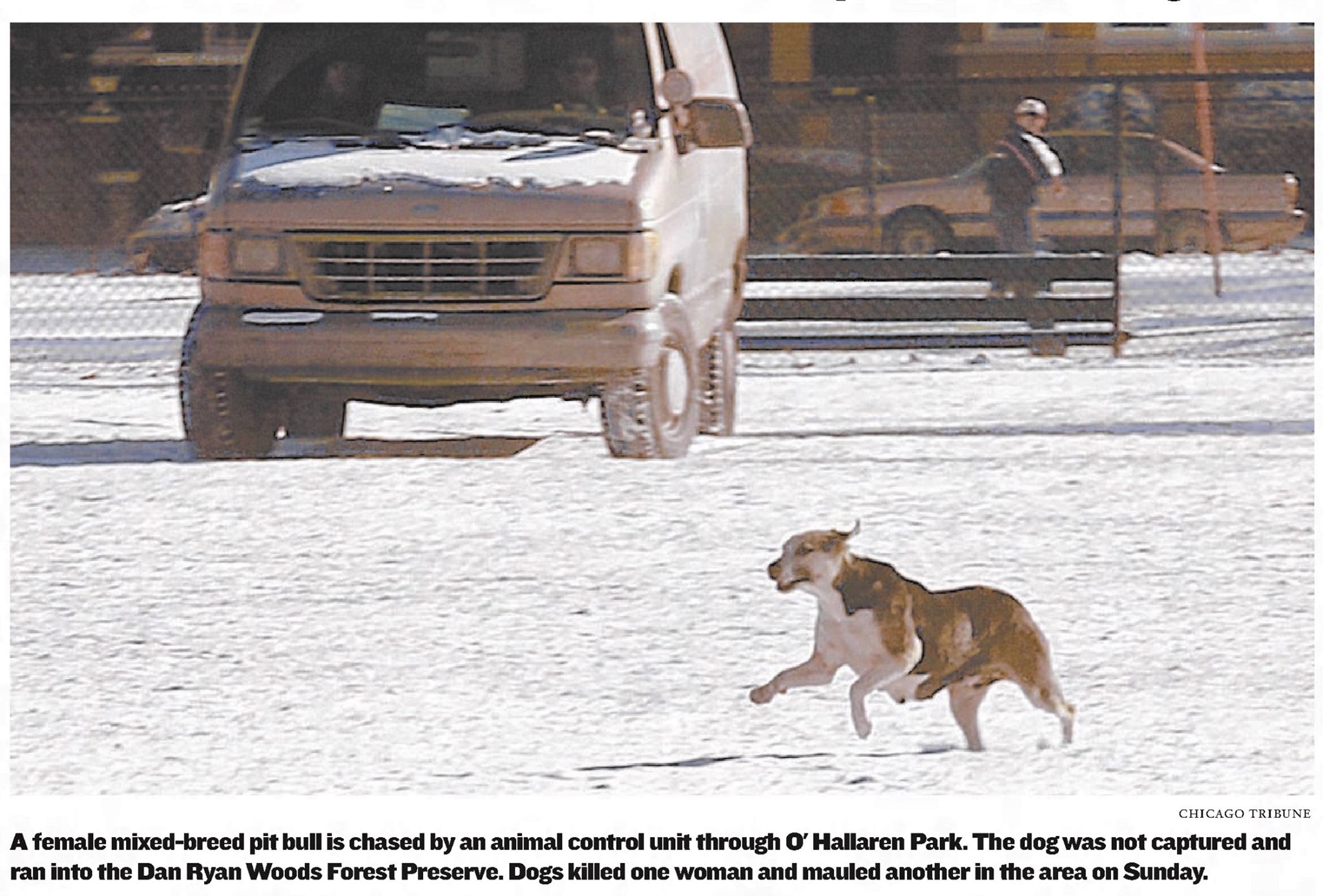
The situation festered for several decades before tragedy struck in January of 2003. Two women jogging in the far north section of DRW off 83rd Street were attacked by two dogs. One woman was killed, and the other was permanently disabled.
Before the attacks, joggers and bikers had reported aggressive dogs in DRW but FPCC only had four animal control officers to patrol the entire preserve system and unincorporated areas of the county. After the attacks, Chicago police scoured the neighborhood and killed two stray dogs that fit the description of the attackers. The DNA of only one of the dogs, a pit-bull mix, was linked to the attacks. That meant the second dog was still on the loose.
DRW was closed on and off for several months while elusive stray dogs were rounded up and their DNA tested. Several were caught, including a litter of well-fed puppies, whose mother apparently had been living off pheasants and other birds, as determined by the feathers found in the den. According to newspaper accounts, a shepherd-mix was found to be the second dog with DNA that matched the samples from the attack.
In 2012, the First District Appellate Court upheld a trial court’s judgment that the FPCC was not legally liable for the attacks because it did not knowingly permit the dogs to remain in the woods.
For the record, not all FPCC encounters with dogs are negative. Leashed dogs are allowed in approved areas of the preserves, and there are off-leash dog areas available for use through a membership program. Events with dogs have been held in the preserves. As just one example, in 2001, a 5K dog walk to raise funds to prevent blindness was held in a preserve. A blessing of the dogs, the walk, lunch, canine demonstrations and contests, and raffles were all part of the day.
FPCC is the natural home of wildlife and one original purpose of the preserves was to protect native species of mammals, birds, reptiles, amphibians, and insects. Wildlife does not confine itself to the preserves, of course, and the humans of the Ridge share their urban environment with raccoons, opossums, fox, squirrels, rabbits, skunks, coyotes, and other wild animals. The management of these animals, including removal of nuisance animals, is controlled by the Illinois Wildlife Code.
Next up: Law and order in the preserves
The history of Dan Ryan Woods – Part 16: Skis and toboggans
By Carol Flynn
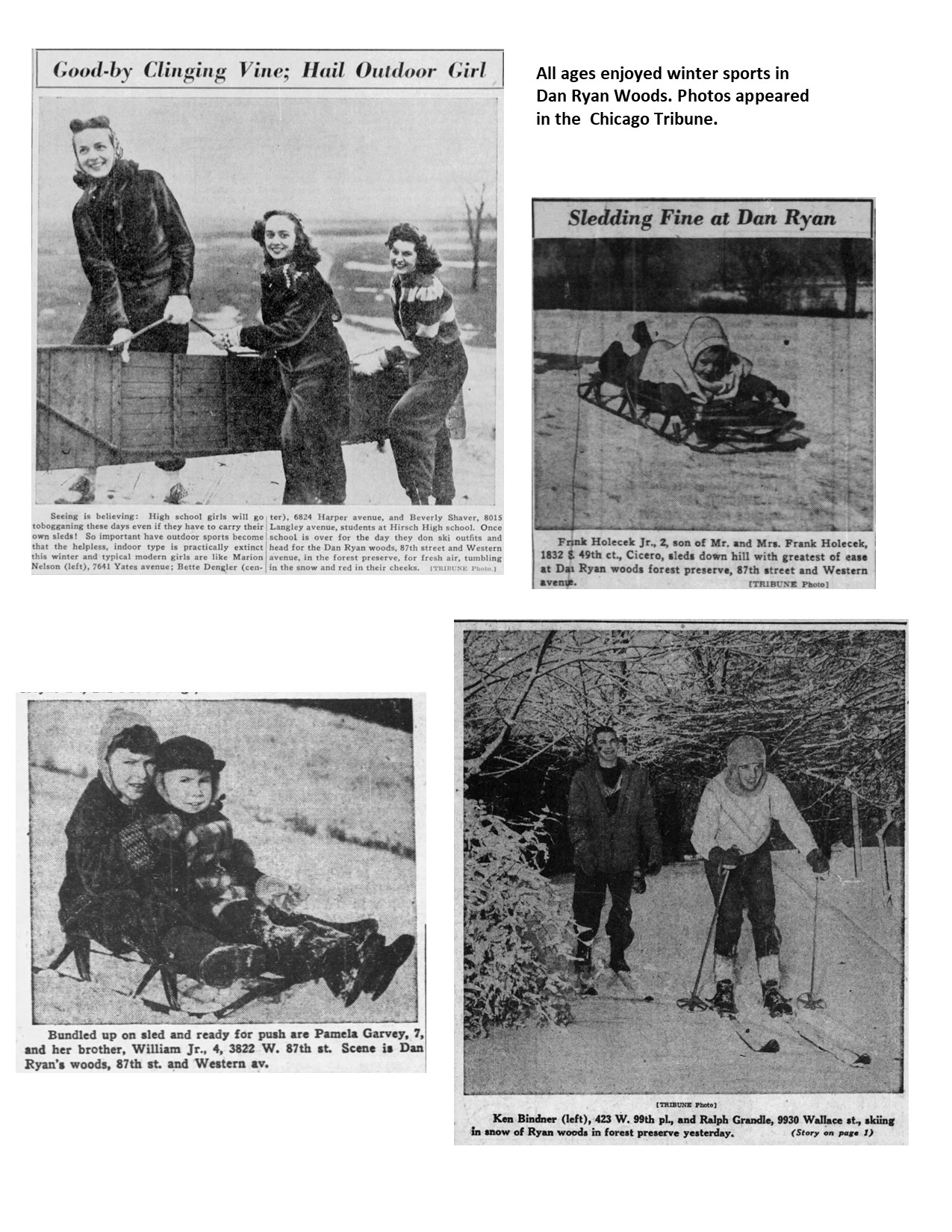
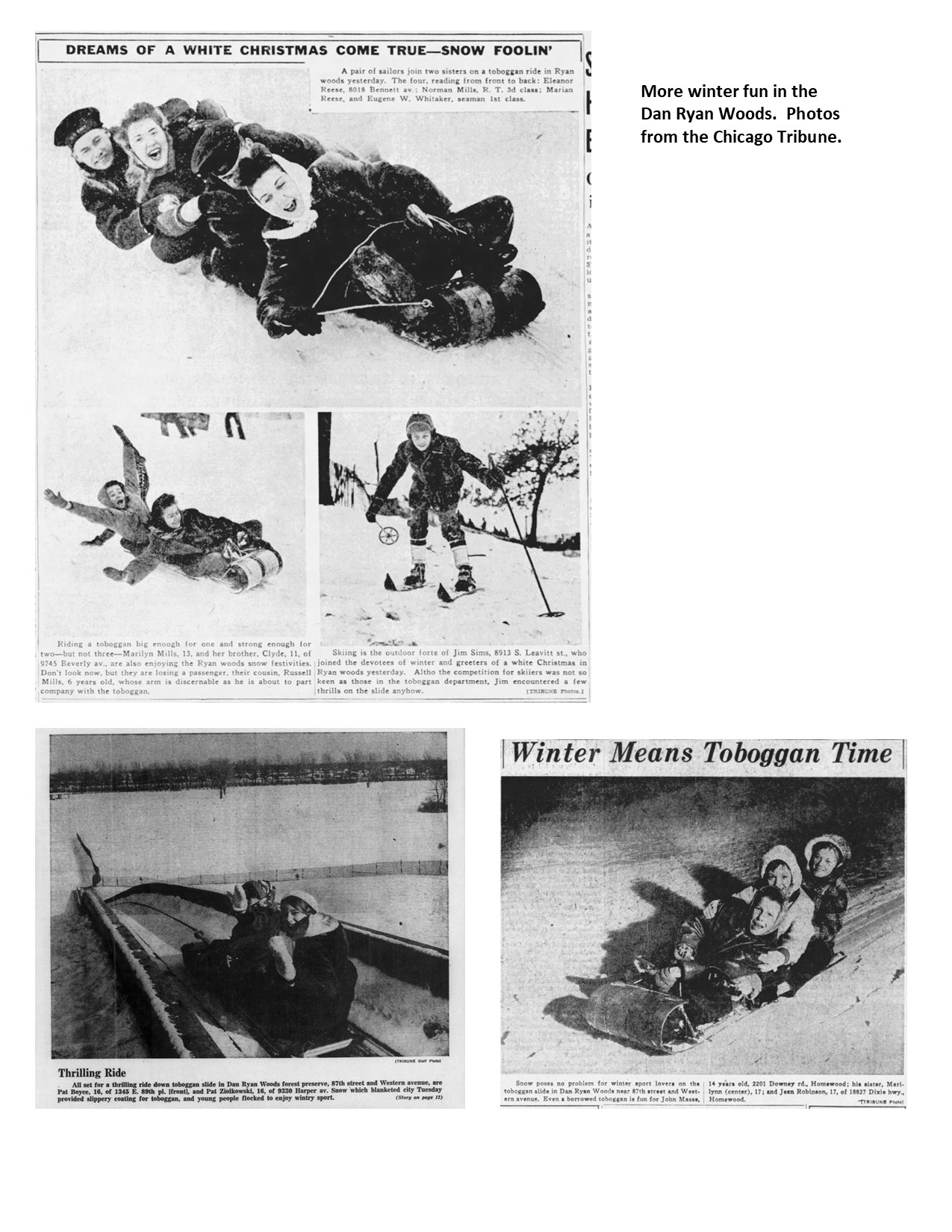
Earlier posts in this series have mostly emphasized summer activities, but winter sports were equally important in the history of Dan Ryan Woods (DRW).
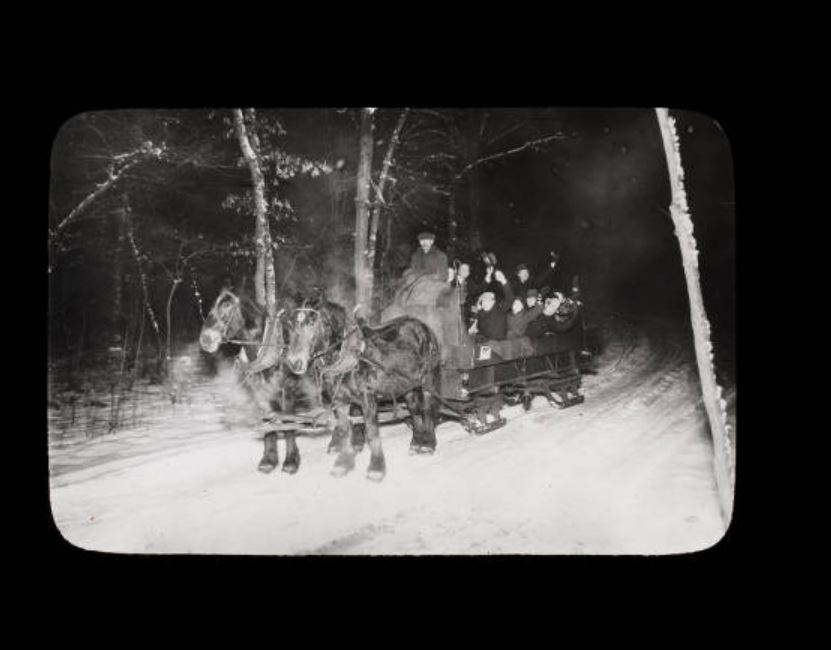
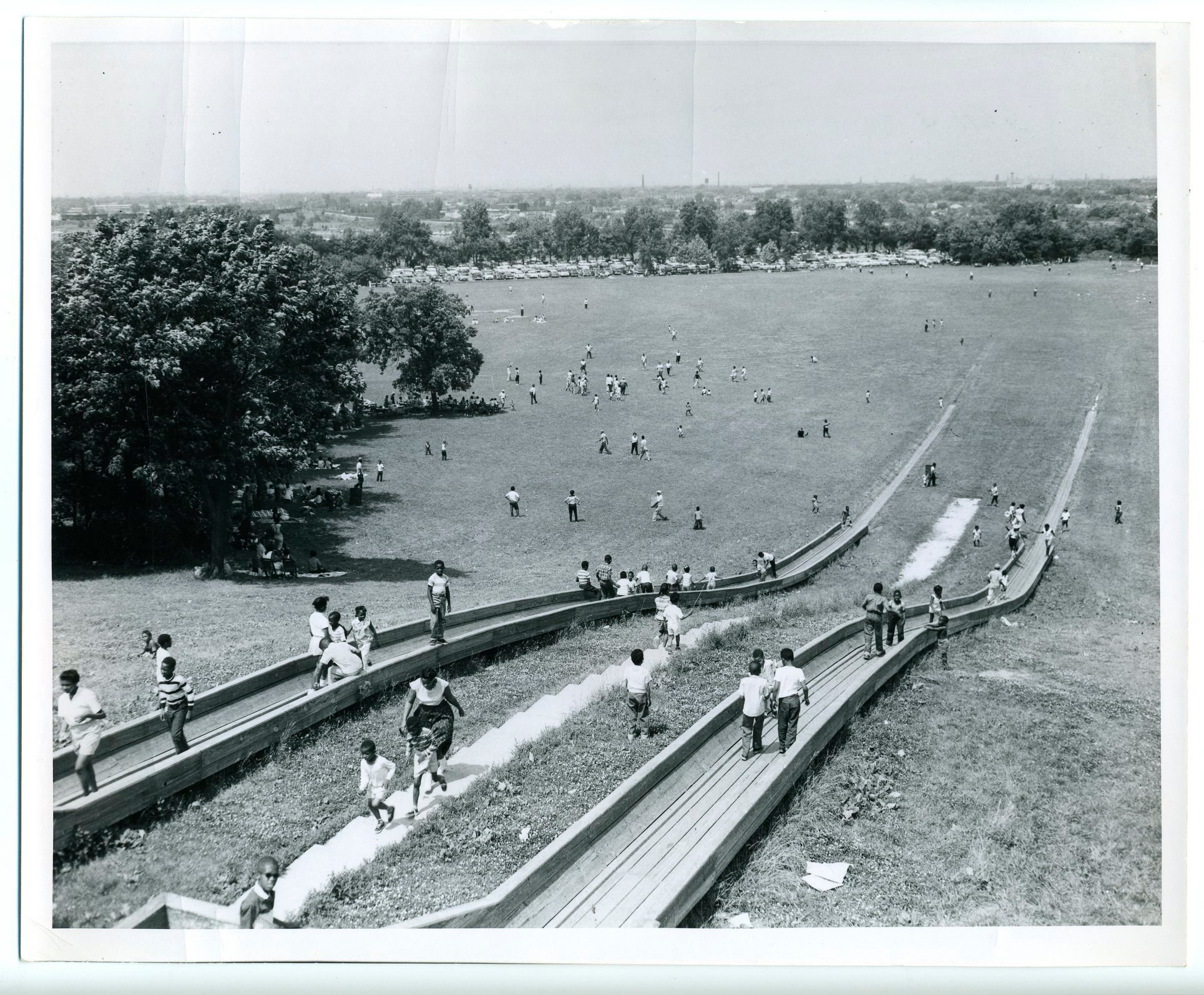
The high, steep Blue Island Ridge was perfect for ski jumping, tobogganing, and sledding. The baseball diamonds and sports fields could be flooded for ice skating. The open meadows and hiking trails accommodated sleigh rides, snowshoeing, and cross-country skiing. And of course, building snow forts and snowmen, and having snowball fights, were all part of winter fun.
Winter parties and events in DRW were regularly held by school and church groups, Scouts, businesses and associations and private families. Of course, the weather was always a factor. On more than one occasion, what was billed as a sledding outing turned into a hike and weenie roast when there was no snow to be found. When the snow did come, there was nothing local students loved better than a “snow day” so they could head over to DRW with their sleds.
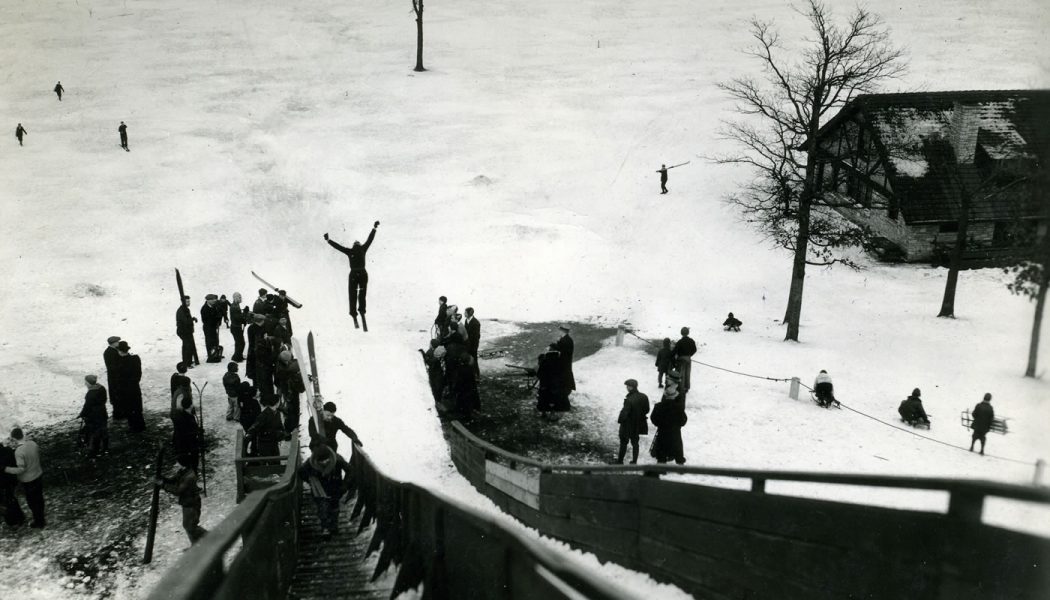
The Forest Preserve Ski Club started in 1925 under the auspices of the Cook County Board of Commissioners. The Club conducted professional and amateur ski jump competitions in several of the preserves, and the Ridge in DRW was one of the sites where a ski slide was built. It was to the north of the warming shelter.
The competitions were held for over a decade. Then in the late 1930s, while the Great Depression was still affecting finances, the Forest Preserves of Cook County (FPPC) decided that maintaining the ski slides, running the competitions, and funding the prizes were too expensive. An issue was always the weather because back then artificial snow did not work well on the slides. One article said, “Ammonia pipe snow is too lumpy for use on the slide, according to August H. Loula, chief of forest preserve police and secretary of the Forest Preserve ski club.”
FPCC got out of the ski jump business and the ski slides were converted to toboggan runs. Cross-country skiing was promoted as a continuing option.
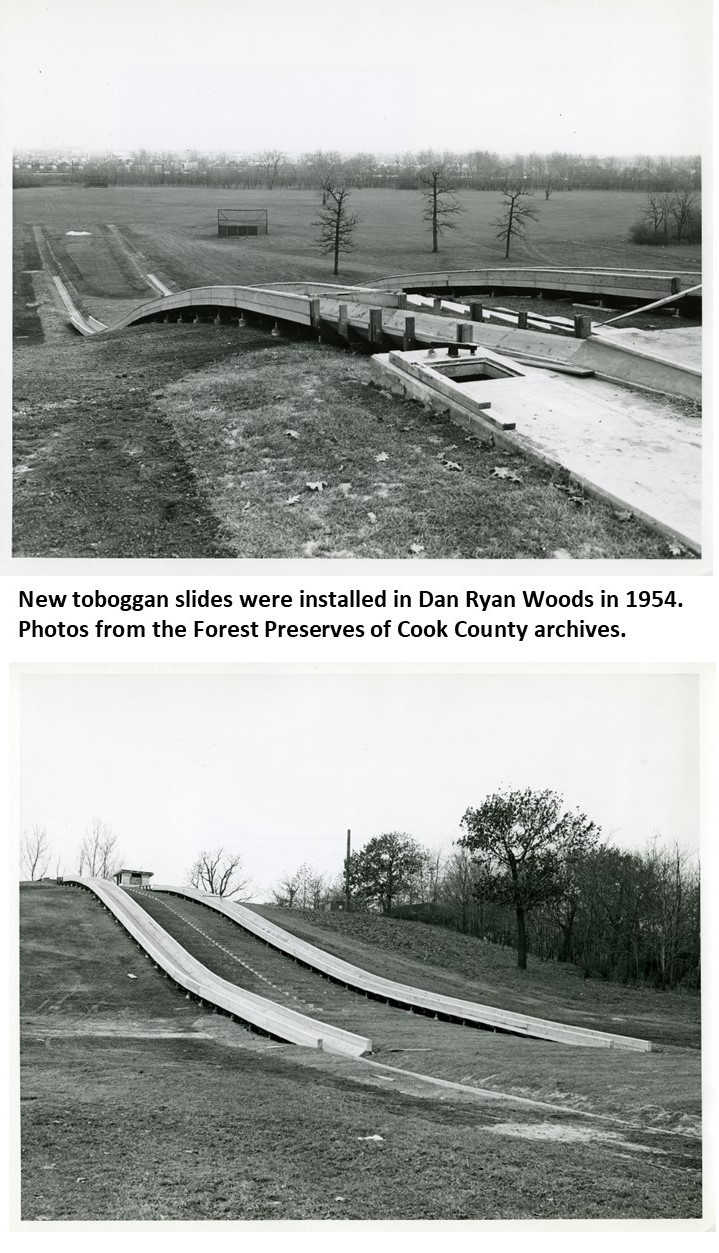
DRW had toboggan slides from its earliest days. They were routinely updated and/or replaced. In 1937, it was reported that six toboggan slides and a small ski slide were newly constructed at DRW, likely by one of the New Deal government agencies. These toboggan slides were “banked, ‘S’ curve runs.”
By 1954, DRW was down to one functional slide, and a new slide and platform area were built. Also at that time, the entrance to the parking area at 87th Street and Western Avenue was changed to have the opening on Western Avenue. Congestion around the area on week-ends because of DRW had become an on-going problem.
Tobogganing remained a favorite recreation at DRW for the next four and a half decades, but there were always issues. Maintenance of the slides was a constant expense. And then there were the accidents.
The newspapers carried many reports of wintertime accidents in the FPPC. Broken bones, injured backs – and lawsuits – were not uncommon. At DRW, one 1960 Sunday afternoon alone saw seven accidents at the toboggan slides.
The emergency room at Little Company of Mary Hospital frequently treated the injured. In one case in 1958, a 12-year old boy fell off his toboggan and wound up with a stick impaled in his side. In another case, a young woman took a bad tumble off a toboggan during its run down the slide and was seriously injured. In a third example, an 18-year old boy was hit by two toboggans, suffering cuts and bruises, and prompting Superintendent Sauers to call for an investigation into the slides at DRW.
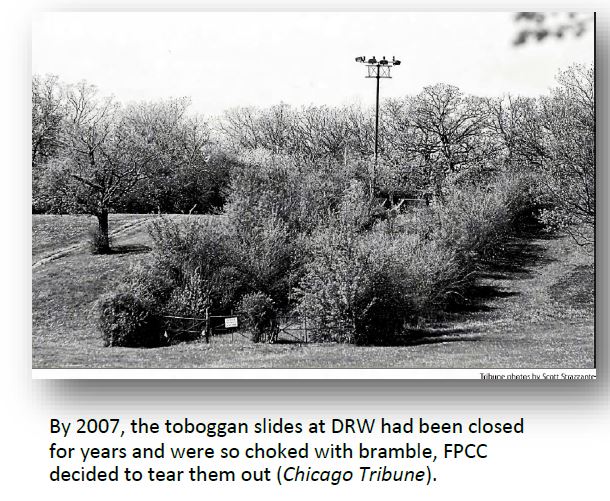
In 2000, the toboggan slides at DRW closed for much needed repair work. They never reopened. The cheapest bid the FPPC received for the work was over $700,000. By 2004, more than $4 million was needed to repair or replace the aging slides throughout the FPCC. Although there was much protest from the public, the decision was made to close all of the slides, and by 2008, the slides were removed from FPCC.
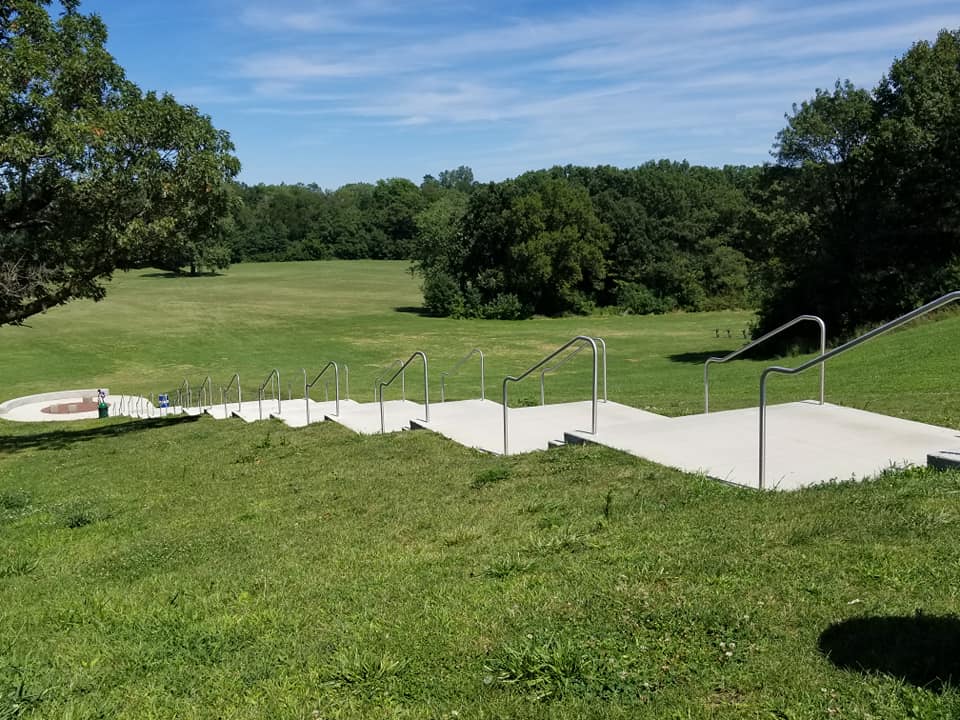
Alas, a favorite pastime in DRW became part of memories and history. Today, sledding and hiking are allowed on the Ridge, and a new exercise staircase was added to the hill in the spring of 2019 on the site of an old toboggan run. Cross-country skiing and snowshoe hiking remain popular in DRW.
Next: Dogs and Dan Ryan Woods
The history of Dan Ryan Woods – Part 15: Events reflected the times
By Carol Flynn
Picnics, celebrations, entertainment, and sports events were the mainstay of Dan Ryan Woods (DRW) activities. However, other events of a more serious nature were also held there, reflective of the decades in which they occurred.
After World War II, the period known as the “Cold War” started, when political tensions ran high between the U.S. and the Soviet Union. The threat of nuclear warfare hung over the globe, tempered by the knowledge that a strike by either side would lead to mutually assured destruction.
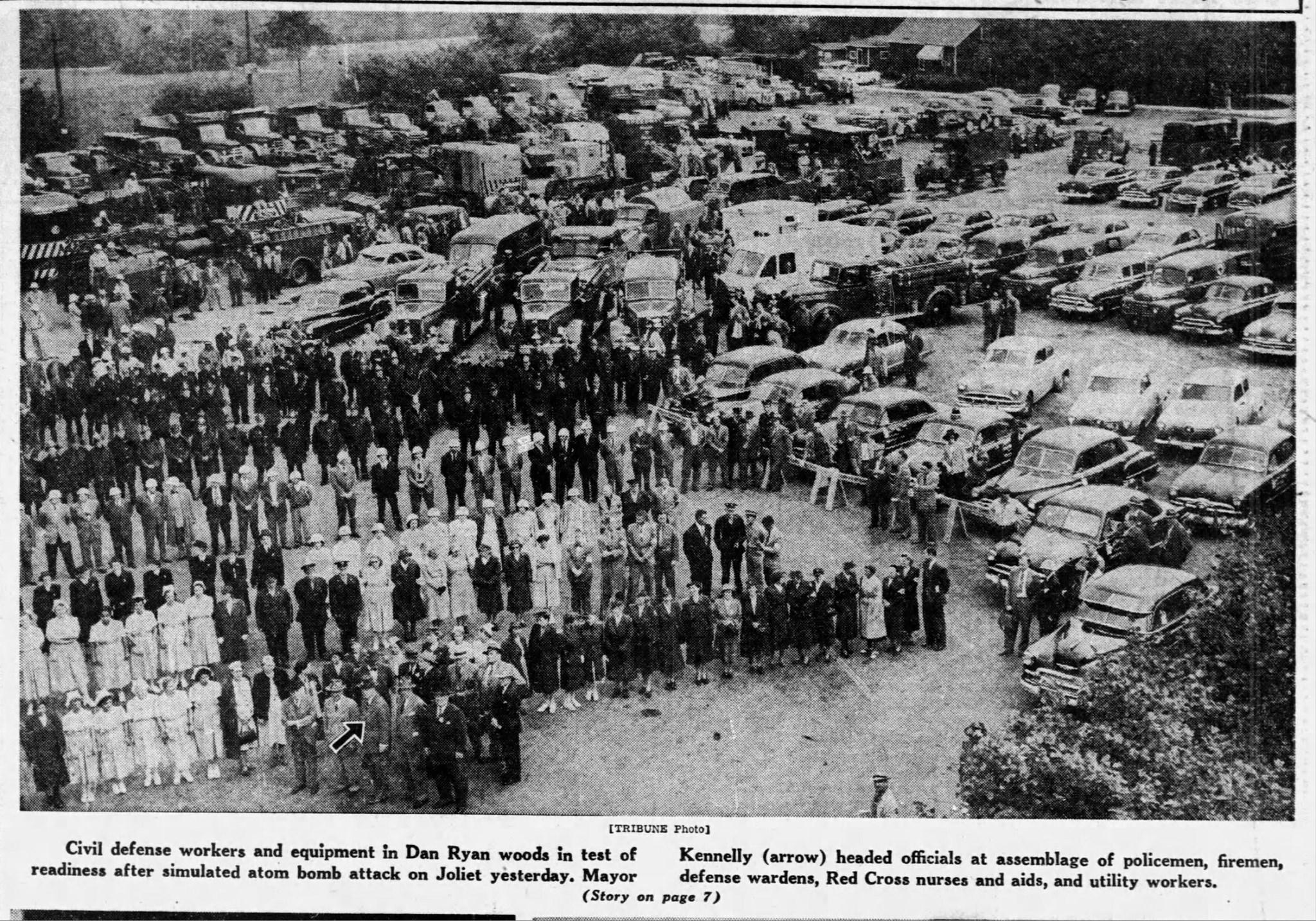
On September 25, 1951, DRW was used as the site to stage a mock response to an A-bomb attack. The scenario was that the city of Joliet was bombed and heavily damaged, and the Chicago Civil Defense Corps was mobilizing its forces to send aid. The exercise was to test the preparedness of the Chicago forces to respond to such a crisis.
The alert was sounded at 9:30 a.m., and within an hour, 200 vehicles and 600 workers had assembled in DRW. Included were fire trucks, ambulances, police cars, utility repair trucks, bulldozers, heavy cranes and other street clearing machinery, and the crews that staffed them. Red Cross nurses and aides were also part of the mix.
Premiering at the event was a mobile hospital trailer that had its own power unit and included operating facilities, and oxygen, blood plasma and other medical supplies. It was developed specifically for such a disaster.
Four amateur radio operators communicated between DRW, Joliet, and the radio control center at the Burnham Park administration offices. Mobile radios, walkie-talkies, and temporary telephones and telegraph lines were set up to coordinate efforts within the DRW assembly area, and link them to Burnham Park.
Although the vehicles did not make the actual trip to Joliet, overhead a helicopter hovered that would have monitored and reported on traffic conditions around DRW. A Civil Air Patrol plane patrolled Route 66 from Chicago to Joliet, the major highway between the cities then, and would have been ready to report on traffic and the locations of the units.
The test lasted about two hours and was reviewed by Mayor Martin H. Kennelly, other city officials, and civil defense authorities. It was pronounced a success. Fortunately, the plan never had to be implemented in reality.
The 1960s and 1970s saw activities for social causes.
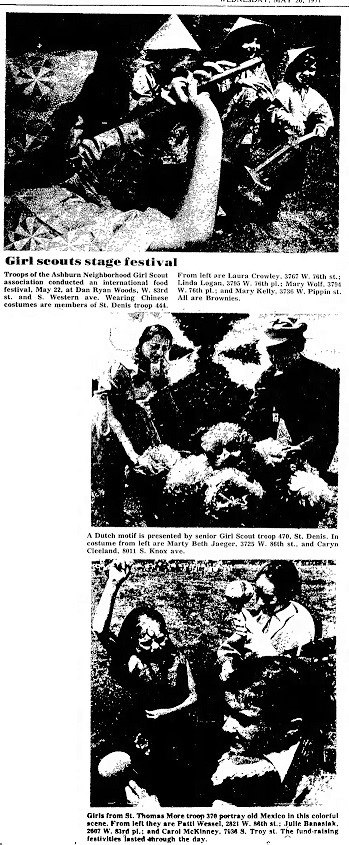
In 1971, local Girl Scout troops staged an international food festival in DRW as a fund-raiser. The girls dressed in native costumes from various countries to illustrate and educate about the diverse groups and cultures that came to the U.S.
In 1977, 150 anti-Nazi protesters held peaceful demonstrations at DRW against the National Socialist Party and its plans to march in the northern suburb of Skokie. The demonstrators marched from DRW to the Nazi Party headquarters near 71st Street and Western Avenue, where police kept the two groups separated, and there were no incidents. The Nazi Party obeyed a court order to cancel the Skokie march.
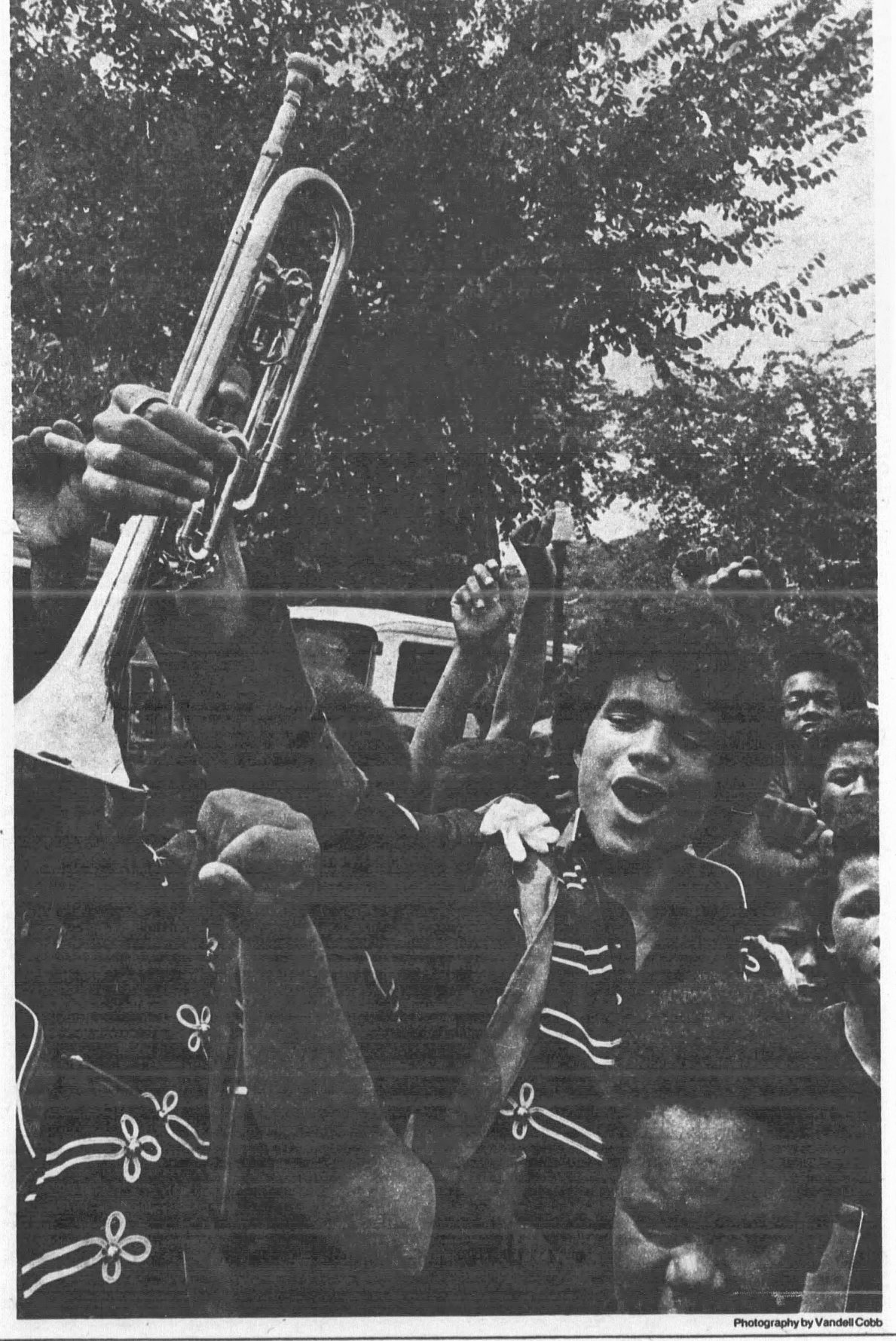
During the 1970s, DRW was one of the starting and ending points for an annual anti-hunger march conducted by the American Freedom from Hunger Foundation. As many as 40,000 high school and college students gathered pledges, met at DRW, and marched up to 30 miles to raise funds for projects ranging from schools in developing countries to local food cooperatives. At least 45 high schools from the southwest Chicagoland area were represented. The march route wound through local neighborhoods to Midway Airport and back, with checkpoints at intervals. Residents along the route offered encouragement, refreshments and restroom facilities.
Wrote one columnist about the event in 1971: “You should have been there to see the happening, and then maybe you’d understand what this age is all about. In this column, I’ve hammered a lot about today’s young folks being softies. I’ve bemoaned the hippies who protested and rioted and scorned physical fitness.
“But now, at near 10 p.m. Sunday, in the increasing darkness in the Dan Ryan Woods, I felt more thrilled than I’ve ever before been thrilled in the newspaper game. I was with thousands of fine young Americans who had walked 30 miles each to raise funds for the hungry in Cook County, Illinois, Africa, you name it. Young Americans with a purpose.”
Next: Skis and toboggans
The history of Dan Ryan Woods – Part 14: More stories from the 1930s – 1940s
By Carol Flynn
During the Great Depression, few people could afford expensive vacations and outings. The Forest Preserves of Cook County (FPCC) became more popular and important than ever as a source of entertainment and recreation.
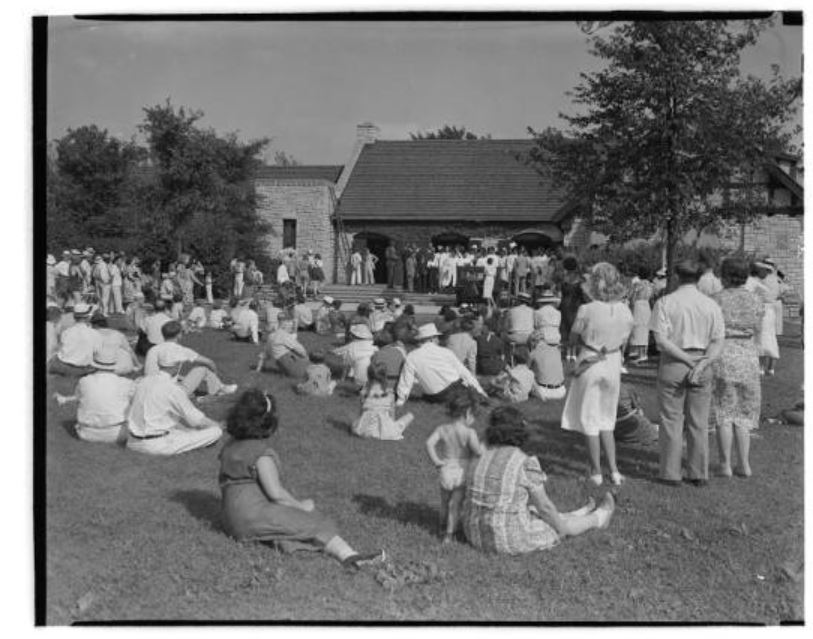
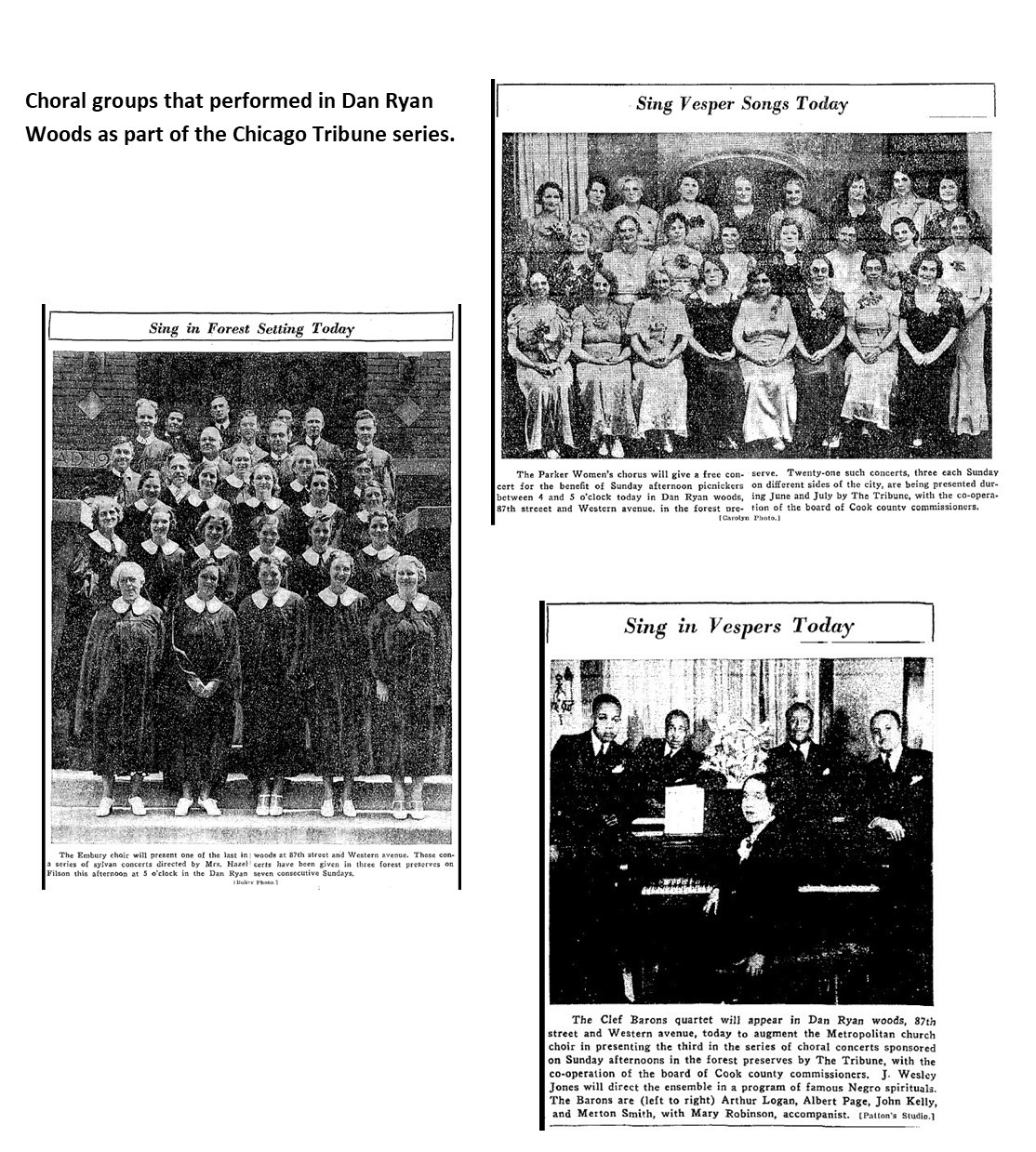
Starting in the summer of 1938, for several years the Chicago Tribune sponsored a “twilight music series” featuring choral concerts in several preserves, including Dan Ryan Woods (DRW). On Sunday evenings, choirs from around the city and suburbs, ranging from church groups to opera companies to children’s choirs, performed in the woods. Everything from spirituals to romantic light opera to popular Irving Berlin songs – “God Bless America” premiered in 1938 – was featured.
The concerts attracted thousands of attendees and were lauded by everyone from the conductor of the Chicago Symphony Orchestra to the director of Hull House for bringing free concerts to the people and making great use of the preserves.
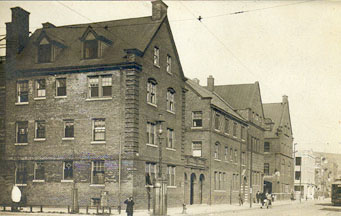
Hull House was the famous settlement house founded in 1899 by Jane Addams (1860-1935), the legendary social worker, activist, and reformer. As part of its mission, Hull House offered social, educational, and artistic programs for the working class people of the near west side.
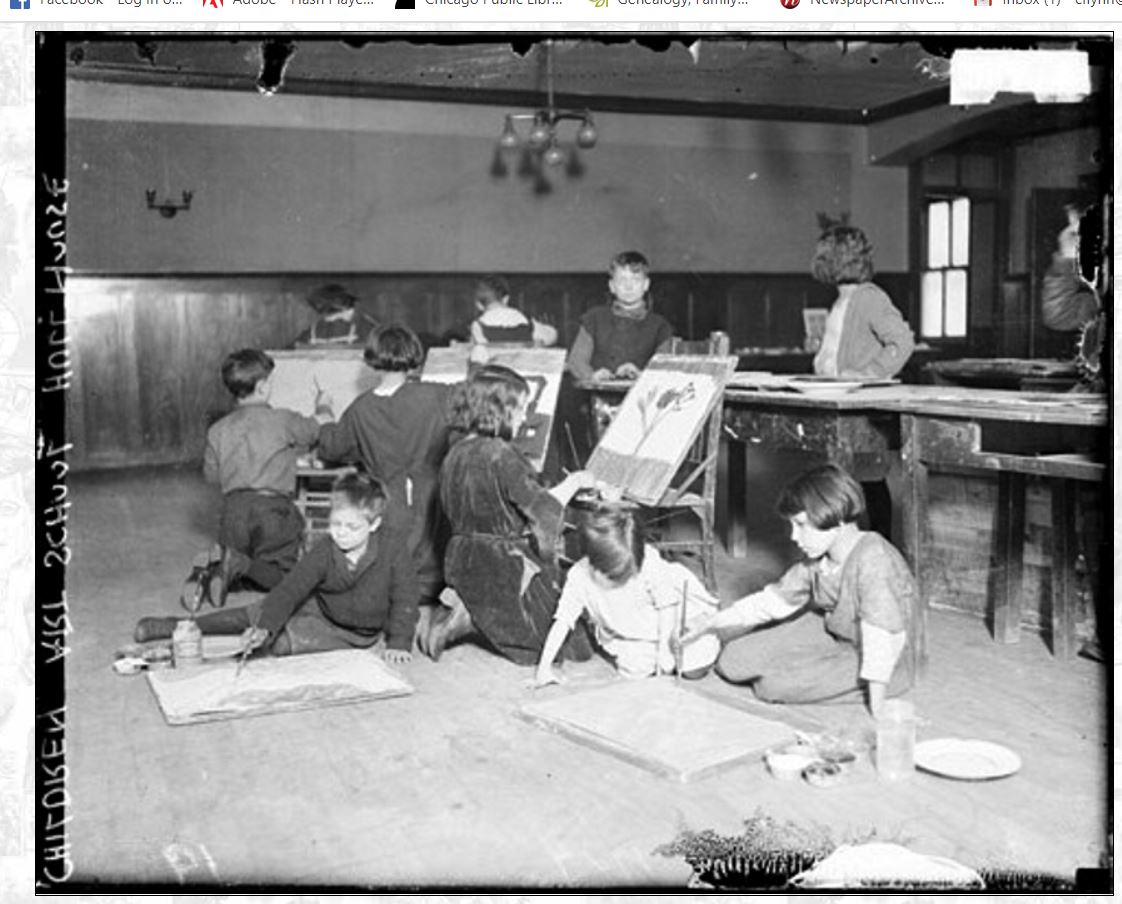
In 1941, a poignant article appeared in the Chicago Tribune: “Paint snow as black because it is to them: Hull House children are realistic.”
The inner-city children in the art program at Hull House painted winter as they saw it: sooty piles of snow on the streets, dirty gray city park skating areas. From imagination, they added trees with green leaves.
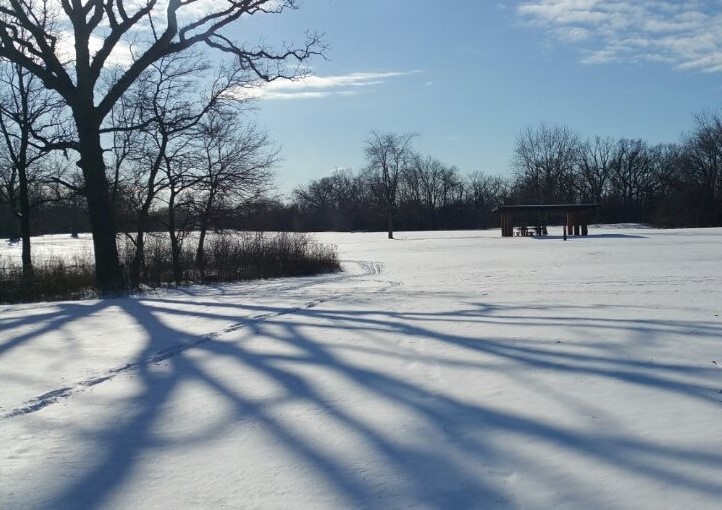
The teachers realized these children had never experienced a fresh, clean snowfall, nor had they seen a tree in winter. The excursions coordinator decided a winter outing was in order.
A day of sledding in DRW was decided upon. Summer trips to DRW regularly took place, but there were challenges to overcome for a winter outing. In summer, the children just needed carfare and lunches. But now in winter, many of the children had no warm woolen clothes, no mittens, no rubber boots – and no sleds.
Still, the staff was determined to make this happen, so the children could see vast stretches of untarnished white snow interspersed with groves of bare trees, and could experience a sled ride down the big hill. DRW had the warming house, and that was a big plus “for hands that build snowmen without mittens and for little boys who slide down a hill without a sled.”
One hundred and fifty boys and girls signed up for the trip, including the entire art class. There were 55 sleds available among those who signed up. They scoured the neighborhood to borrow and buy second-hand sleds, and the children used their ingenuity to build their own out of whatever materials they could find – old barrels, tin cans.
Warm clothes, boots and mittens were borrowed. They managed to pull off this first winter excursion and it was pronounced a “glorious success.”
They hoped to make sledding a regular winter activity. The Hull House cabinet maker said he would fashion sleds out of used lumber. The art teachers considered ways to make mittens in the art classes. Hull House planned to start a “cooperative winter sportswear department” from which children could borrow appropriate clothes and boots for outings and return them afterwards. They already had a “cooperative swimming suit department” for summer. After a beach jaunt, the suits went into the wash tubs to be readied for use by the next group.
“All we need to do is find ways to get them warmly dressed, a way to get them there and get the sleds there, some way to get more sleds, and consistent weather which is not too harsh and not too mild,” said the excursions coordinator.
Given the dedication of those connected to Hull House, they likely found ways to arrange more winter trips to DRW in the two decades that followed, before most of the complex was demolished in the early 1960s to build the University of Illinois – Chicago Circle campus.
During World War II, rubber tire restrictions and gas rationing curtailed travel even further. Thousands of picnics, parties and rallies were held in Dan Ryan Woods (DRW).
On one typical Sunday, July 25, 1943, more than 30 groups had permits for picnics in DRW. These were just some of the diverse groups there that day: Charms and Cain, United Ukrainian Russian Organization, St. Basil’s Church; Fort Dearborn Council, Knights of Columbus, Silk Hat Club; G. Carducci Lodge of the International Order of Odd Fellows; Jewish People’s Choral Society; Edith Cavell Post of the Canadian Legion; City Installment Dealers’ Protective Association; Englewood Branch of Workmen’s Brotherhood; Central Screw Company; and the Manor Society Club.
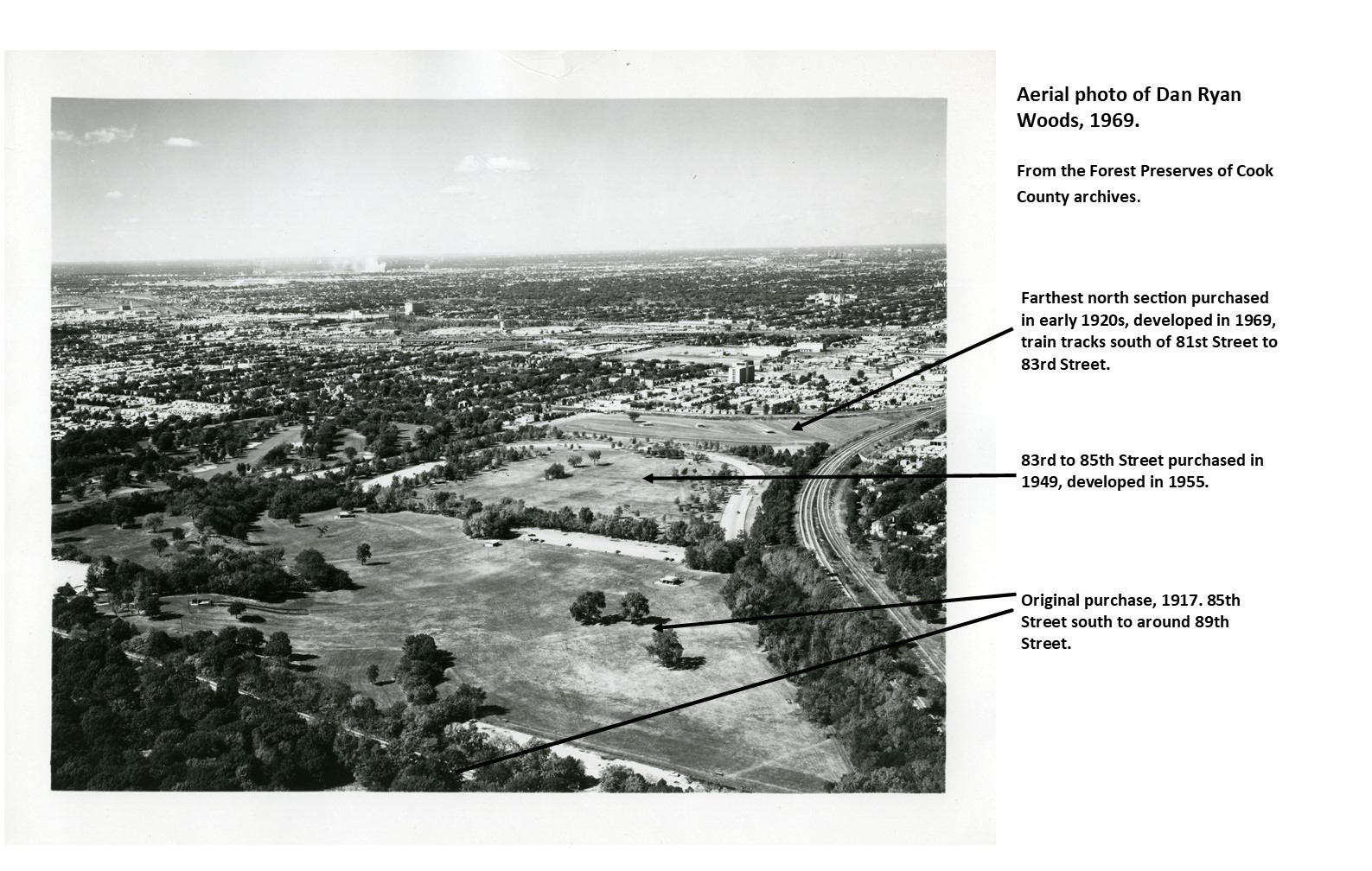
In 1949, DRW annexed 40 more acres of land, between 83rd and 85th Streets, Western Avenue east to the train tracks. This was the last acquisition of land within the preserve itself. The area was cleared and landscaped in 1955 with forest and meadow areas and picnic sites. In 1969, the parcel of land to the north, between 83rd Street and the tracks, which had been purchased in the early 1920s for a possible public golf course, was developed with grass seeding, landscaping, parking, picnic tables and bathrooms.
This now made the old Sherman Farm land continuous preserve property from the railroad tracks just south of 81st Street, to the ravine south of 87th Street. It was there joined by the old Pike estate to the east along the railroad tracks. In 1993, FPCC purchased former railroad land to the east of the woods to become the Major Taylor Trail bicycle path and that will be covered more in a future post.
Next: Events reflected the times
The history of Dan Ryan Woods – Part 13: “Necking” in the woods
By Carol Flynn
Among the comments we received a few weeks ago when we started this series on the Dan Ryan Woods were these:
“We went there to make out in the 50s.”
“Went tobogganing there and a great make out place.”
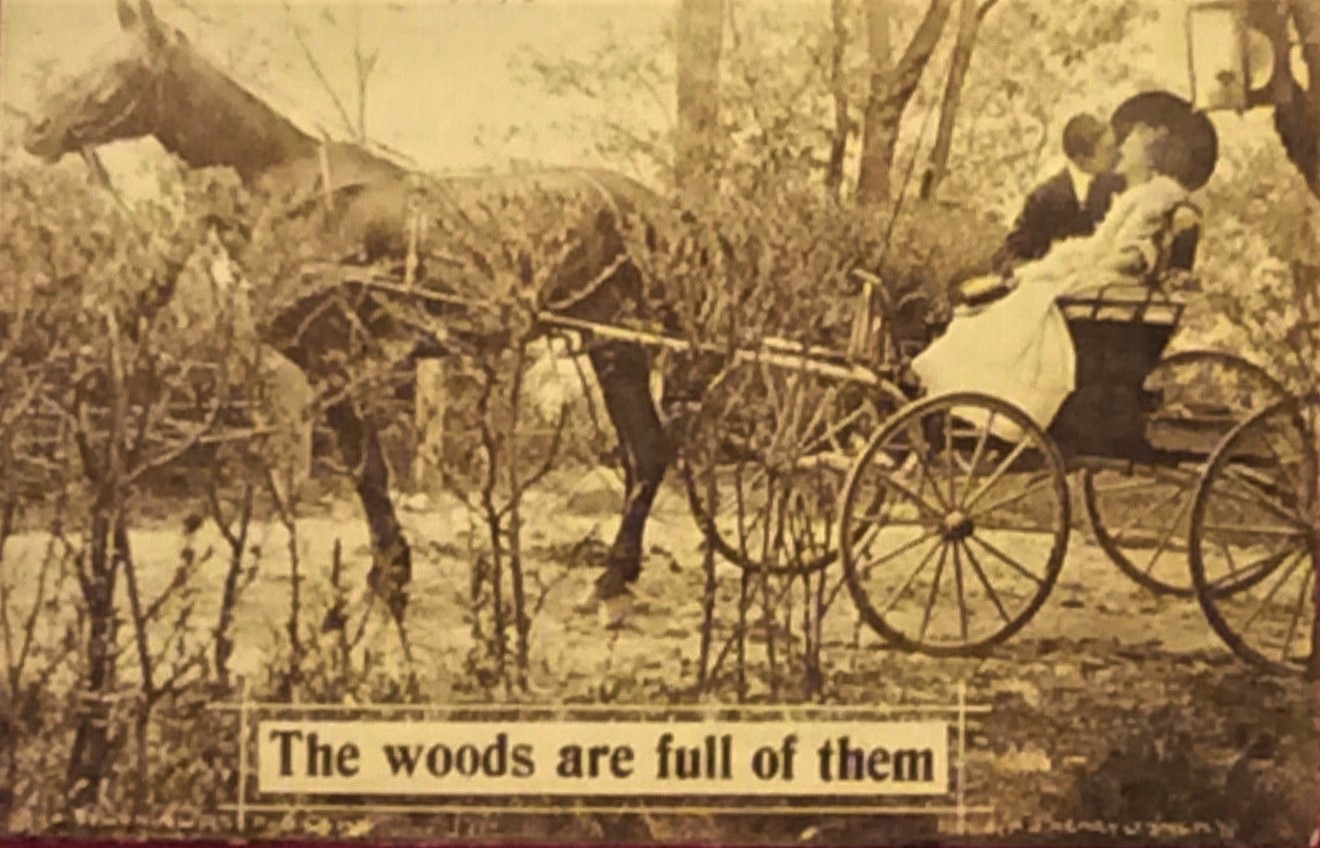
Making out, necking, petting, spooning. These were just some of the terms used through the years as slang for “expressing romantic affection.” No matter what it was called, it was a popular reason for an evening’s visit to the Dan Ryan Woods (DRW).
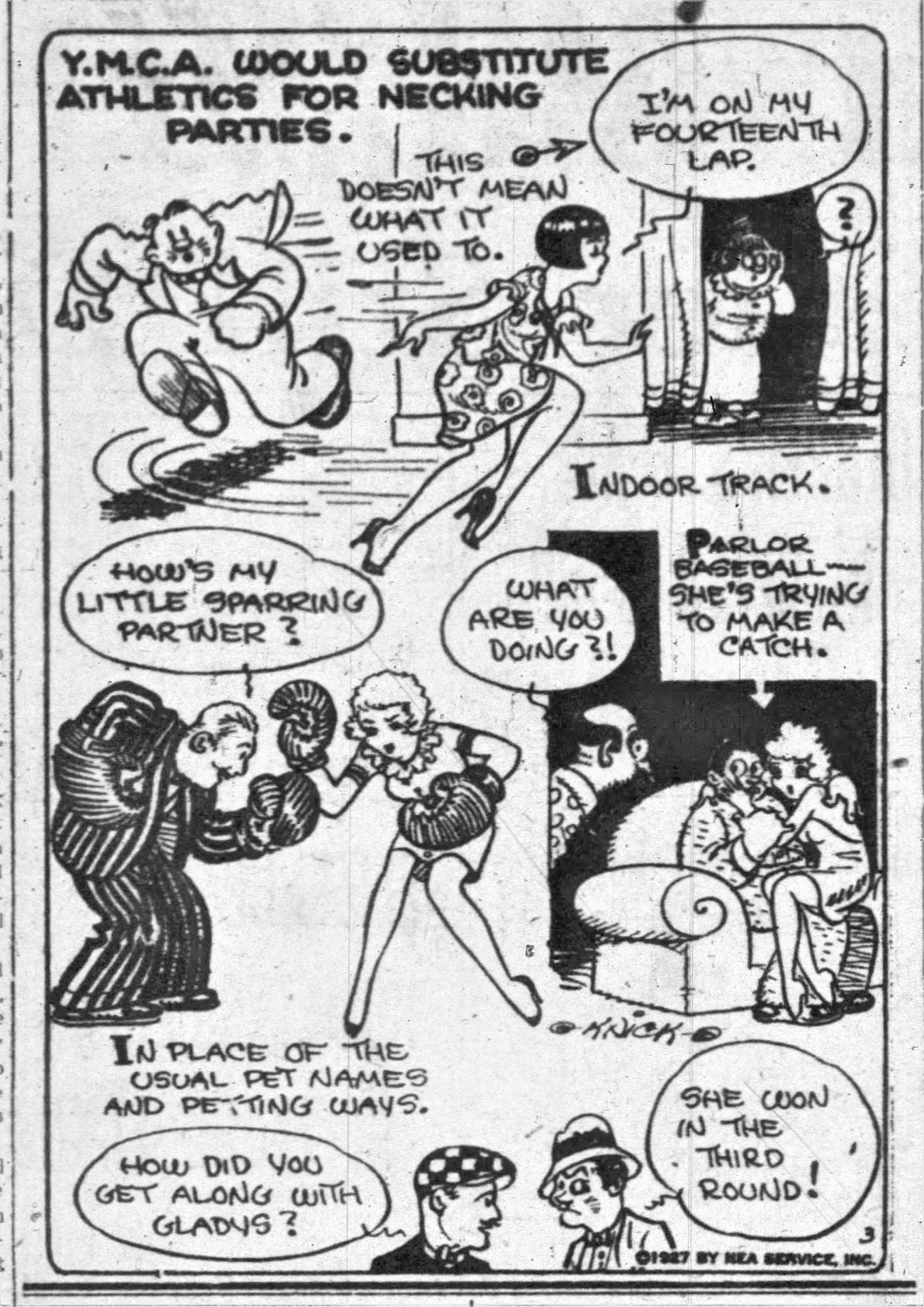
The subject of “necking” received a fair amount of newspaper attention in the 1920s and ‘30s, the early years of the Forest Preserves of Cook County (FPCC).
Automobiles offered new opportunities for necking, providing more privacy than, say, a movie theater or the front porch swing. But there were drawbacks here, also. In one case, a 16-year old boy “borrowed” his neighbor’s auto to take his 15-year old girlfriend for a ride. Becoming distracted by each other, they drove into a tree. Undaunted and apparently unharmed, they abandoned the auto and moved to a nearby bench, where the police found them. The boy wound at up at the juvenile detention center and the girl was taken home to her parents. One of several morals to this story was to not neck while driving.
Parking with lights off in dark, secluded spots along country roads also caused problems. A newspaper reported in 1928 that farmers could not tell if a car parked on the side of a road late at night meant a chicken thief was at work or if it was merely a couple engaged in necking, so they called the police just to be on the safe side. It was suggested something be done to “discourage lovers from choosing suspicious spots to park their cars.”
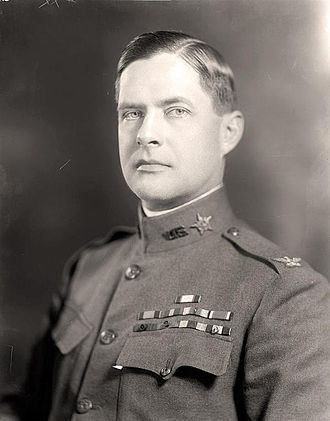
Forest preserves and parks seemed safe, private spots, but their use for nighttime romantic trysts was highly controversial. In Washington, D. C., Lt. Col. Ulysses S. Grant III, the Chicago-born grandson of President Ulysses S. Grant, U.S. Civil War General, was appointed director of public parks in the capitol from 1925 to 1933, giving him authority over the United States Park Police. He ordered a crackdown on necking within federal parks around the country.
Pointed out one newspaper columnist, “Nothing fosters 'necking' like prohibiting it. Prohibit it and it will come to be accepted as a smart and fashionable vice, indulged in not as an amorous experiment, but as a gesture for personal liberty.”
Chicago apparently had no specific ordinances or even guidelines covering “amorous experiments” so individual police officers made up their own rules. According to one Texas newspaper article, the Chicago chief of police said that a good police officer should be able to tell the difference between those necking in earnest true love, and those who were jelly beans and flappers just out for a good time. “Jelly beans” and “flappers” were slang terms for people who dressed and behaved trendily but had little else to recommend them. Police were instructed to send the jellies and flappers on their way. No verification in Chicago newspapers has been found for this story about the chief of police.
The FPCC had the same situation – police officers in the preserves made up their own rules. In 1927, Officer Nelson, stationed at the Deer Grove Preserve, said that his main responsibility on the 4:00 p.m. to midnight shift was to act as a “necking censor.” Using his own discretion, he made the rule that young women had to be 20 years of age or older to neck in the woods. They were advised to bring their birth certificates with them.
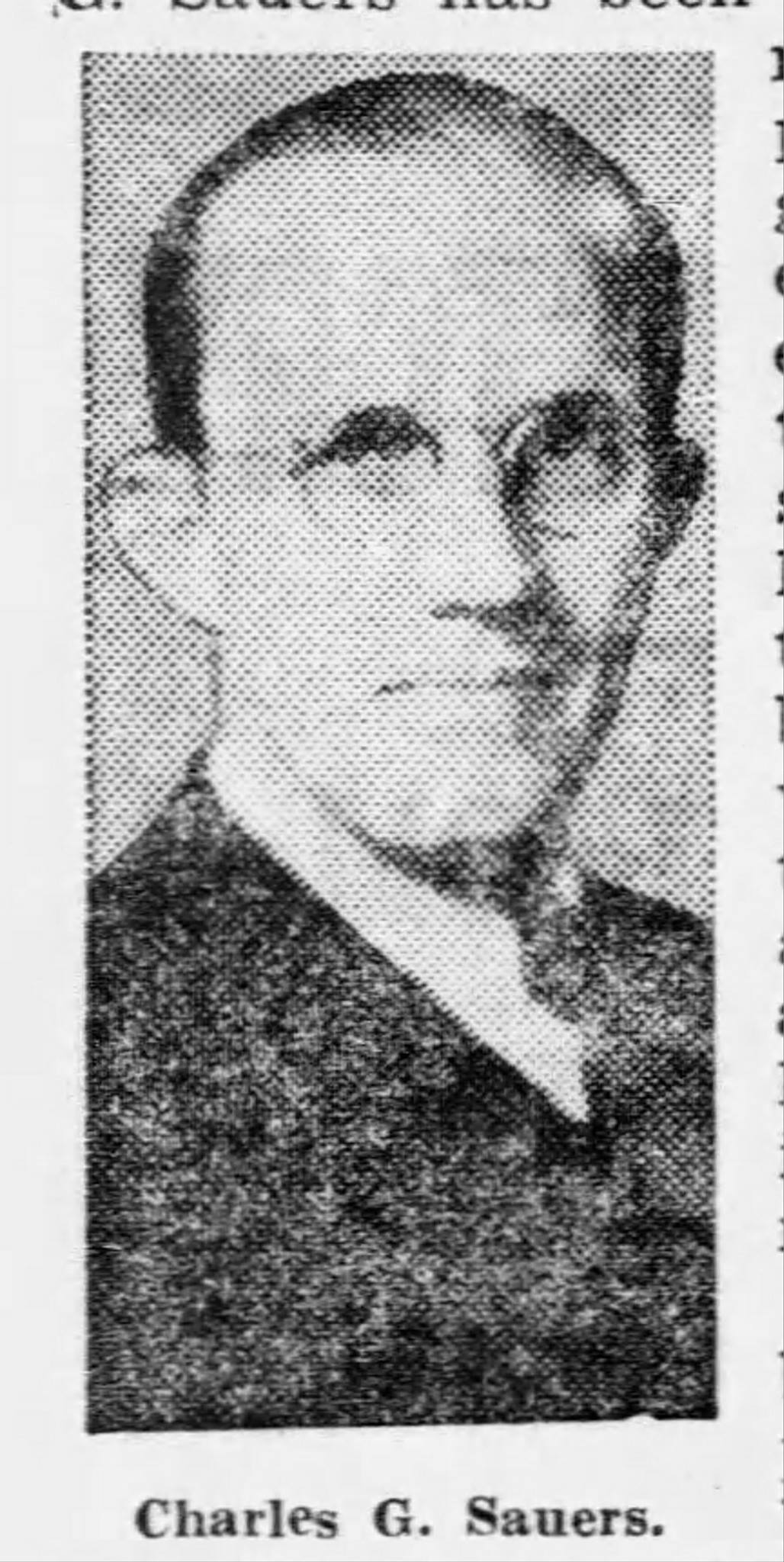
But Charles G. “Cap” Sauers himself, the well-regarded general superintendent of the FPCC for 35 years (1929-1964), officially made necking in the preserves a tolerated, even welcomed, practice.
In 1939, Sauers guaranteed that visitors would not be blinded by prying flashlights or questioned by rangers if they followed two rules: they parked in the regular parking areas and they kept their parking lights turned on.
“The forest preserves belong to the people,” said Sauers. “Many a young fellow who hasn’t the money for expensive entertainment can drive out to the preserves, buy a hamburger, and hold hands with his sweetheart.”
And many a young fellow took up that offer. More than 300 cars pulled up nightly in Dan Ryan Woods. The “best” nights, Wednesday and Friday, saw even higher numbers.
The Chicago Park District was not as liberal-minded. More than 200 patrolmen combed the city’s parks each night to chase away romancers.
“Necking in the park is unethical,” said James Kerr, chief of the park police. “We won’t allow it at all. You see, it isn’t the young kids we have the trouble with. It’s the adults. There’s no fool like an old fool.”
Likewise, “roadside courting” was taboo along county highways. Chief Lester Laird of the highway police declared, “We won’t have it. The forest preserves take care of that problem.”
Sauers’ main concern was safety. They didn’t allow “moongazers” in the remote areas of preserves after dark.
“We do like to herd the handholders into a common area,” said Sauers. “There’s safety in numbers.”
Cap Sauers has been gone from the FPCC for over 50 years, and today there are many more specific ordinances for the preserves. Although “necking” is not addressed per se, ordinances on public indecency in the FPCC prohibit sexual conduct. And parking is unlawful “after sunset and before sunrise of any day.” But there are a few preserves that take reservations for overnight camping ….
Next: More stories about DRW