
Explore the RHS Facebook Archives, a rich repository of local history written by Carol Flynn. For two decades, Carol brought a deeply dedicated voice to public education at RHS. Her role as Facebook administrator through mid-2025 naturally extended her prolific research into meticulously detailed articles, most notably her multi-part historical series posts. Today, Carol continues her local history writing for The Beverly Review and other outlets.
February 2020
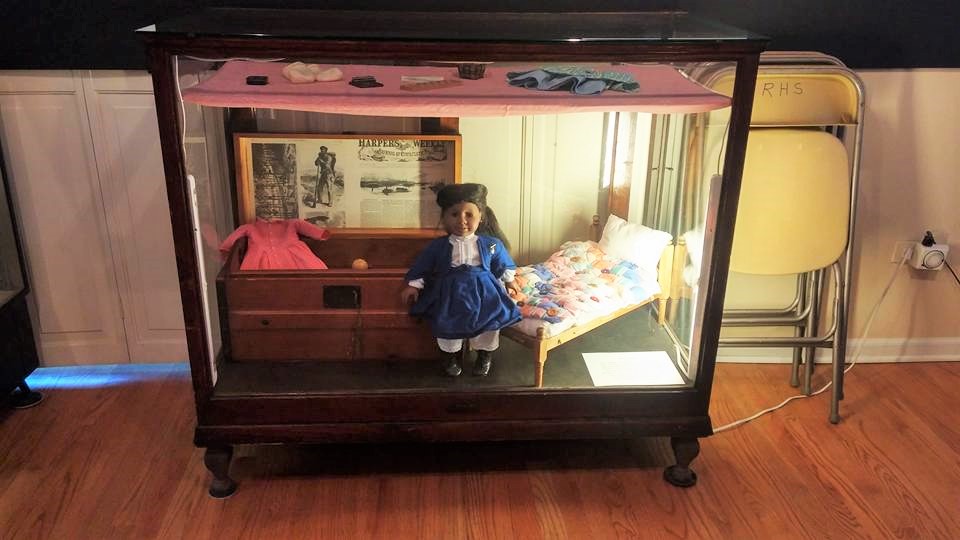
This Sunday, March 1, 2020, is the grand opening of the new exhibit at the Ridge Historical Society, 10621 S. Seeley Ave., Chicago. "Real American Girls of the Ridge" pairs American Girl dolls from the Historic Collection with real women from the same time period who were connected to the Ridge. The event runs from 2:00 to 5:00 p.m., is free and open to the public. Refreshments will be served. Watch the RHS Facebook page for features from this exhibit.
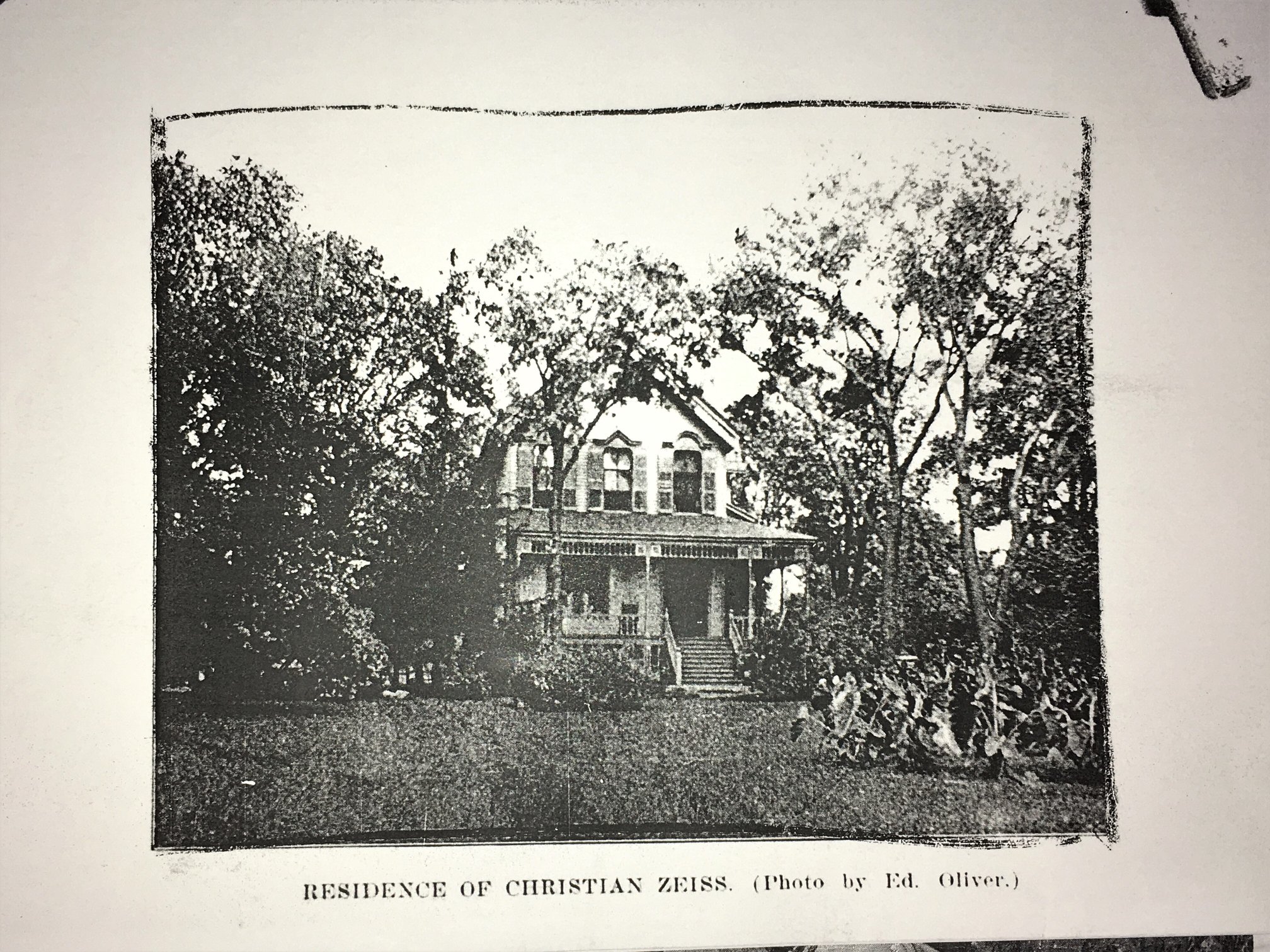
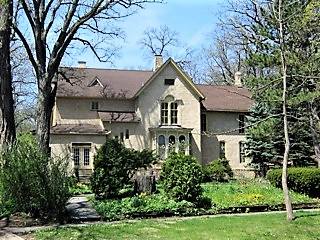
One of the duties of a legitimate history organization like the Ridge Historical Society is to investigate and either verify or "debunk" local myths and legends to maintain historical accuracy. It's not always easy to get to the truth, and it can be dismaying and downright upsetting to the public to find out something they have believed for years is just not accurate.
Case in point for Morgan Park: The widespread belief that the Hopkinson-Platt House at 108th and Drew Streets was a stop on the Underground Railroad. As we finish up Black History Month, let's take a look at this local urban myth, which someone referred to on an RHS post today.
The Underground Railroad (UGRR) was a network of safe stops where escaping slaves could find refuge and help as they made their way north to freedom. The locations were passed along by word of mouth and secret symbols.
The Blue Island Land and Building Co. began platting and selling the land bordered by today's Western Ave., Ashland Ave., 107th St., and 119th St., in 1869, after the U.S. Civil War ended. William Hopkinson purchased that land at 108th and Drew and built that house in 1871, too late for the Underground Railroad.
The Platts owned the house in later years. What appears to have happened is that a man investigating an ancestor's escape to freedom using the Underground Railroad told Mrs. Platt that the ancestor's journal described a house with windows like the ones on the Hopkinson-Platt House. From this, Ms. Platt drew the conclusion this was the house. But the dates just do not confirm this.
Some people will say there might have been a building there before the Hopkinson-Platt House that runaway slaves used. That is not relevant to this discussion. Mrs. Platt made this claim about the current house, and it just does not work out date-wise.
There are oral histories that confirm that escaping slaves passed through Beverly/Morgan Park and hid in barns. And there are several verified Underground Railroad stops on the South Side. But, unfortunately, the Platt House was not one of them.
So what about the "hidden room?" Well, it could have been a storage area, or changes could have been made to the house at any time along the way.
Does this lessen the historical significance of the house? Not at all. It is one of the earliest structures in Morgan Park, and has a fascinating history. Its nearly three acres of never-developed land make it a prime spot to study for potential significance to the Native Americans who lived in the area. And the Platts were fascinating people. A post about them is in order – but not connected to the UGRR.
Two pictures here show, first, the house in its early years, then owned by Christian Zeiss, when the front entrance faced Prospect Ave. As land around the house was sold off, the house was remodeled to create the entrance on the Drew St. side, which is shown in the second photo, the way the house looks now.
– Adapted from a post from February 2019
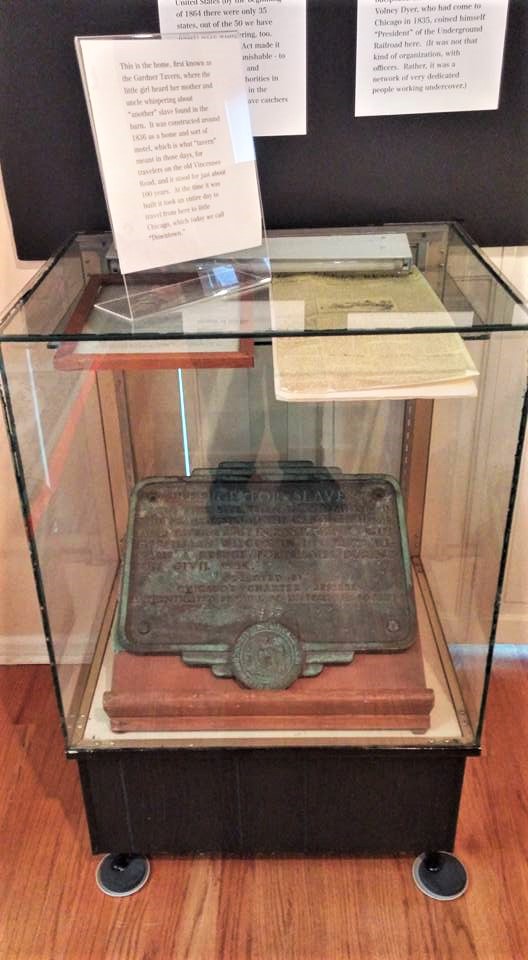
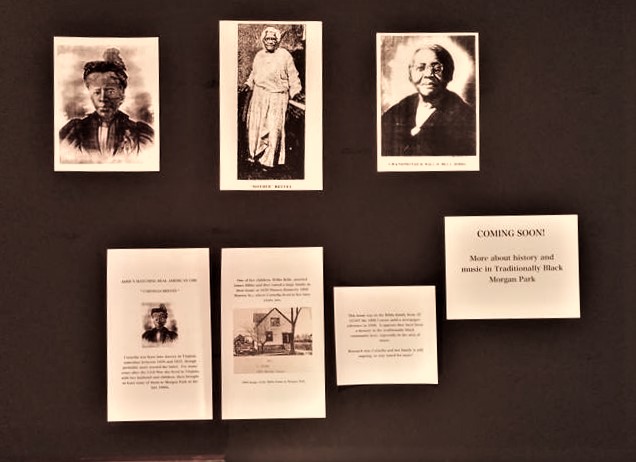
The Ridge Historical Society salutes Black History Month, celebrated in February. It is a time to remember important people and events in history. We have two stories from Ridge history today, an unofficial stop on the Underground Railroad (UGRR) and a woman named Cornelia Reeves.
The UGRR was not really a railroad that ran underground. It was the name given to the secret network of safe routes and locations that escaped slaves from the southern U. S. could use to reach the northern states and Canada in the early to mid-1800s.
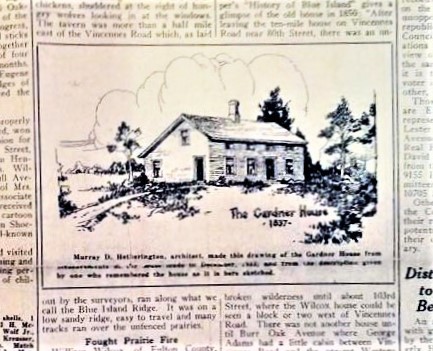
The Gardner Tavern at 9955 Beverly Ave. was built around 1836 by Jefferson Gardner. It served as his home and as a way-stop for travelers along the Vincennes Road. A “tavern” back then was more like a motel.
William Wilcox bought the property in 1844 and owned it until 1870. The building was never an official stop on the UGRR but there are stories about fugitive slaves sleeping in the barn and out-buildings. In 1934, when the old tavern was finally torn down, Alice Barnard wrote in The Weekly Review newspaper, the forerunner of today’s Beverly Review, that these people “were fed and went on their way.” There were four Wilcox sons who served in the Union Army. A picture of the Gardner Tavern as it likely appeared in 1837 was included with the article, drawn by architect Murray Hetherington who designed many fine homes in the Beverly-area.
It was kept very hush-hush when an escaped slave was discovered. One of the many pro-slavery people in Illinois could report this to the authorities. The law was not on the slave’s or property owner’s side. Runaway slaves could be returned to the South for a bounty and there were some very prosperous slave hunters.
RHS is including its information on the Gardner Tavern in the new exhibit, “Real American Girls of the Ridge,” which opens to the public this Sunday, March 1. This exhibit pairs dolls from the historical collection of American Girl dolls with real women who were connected to the Ridge from the same time period. Addy Walker, the African American doll from the Civil War period, is part of the exhibit. She is paired with Cornelia Reeves.
Cornelia Reeves was a former slave who came to the Ridge with her children and grandchildren in the late 1880s. According to a 1936 article in the Chicago Defender, as a small child in Virginia, she saw her parents and siblings sold, and never had any contact with them again. The article claims her family were the first African Americans to settle in Morgan Park. Mother Reeves, as she was known, and her family were active with the Beth Eden Baptist Church.
RHS is doing more research on Mother Reeves and is reaching out to descendants who may still be in the area. As more is learned, the section of the exhibit on Mother Reeves will be expanded.
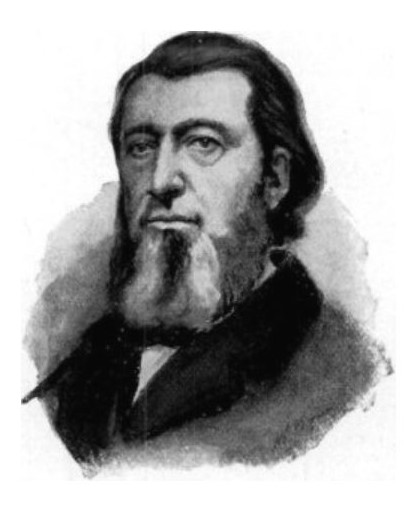
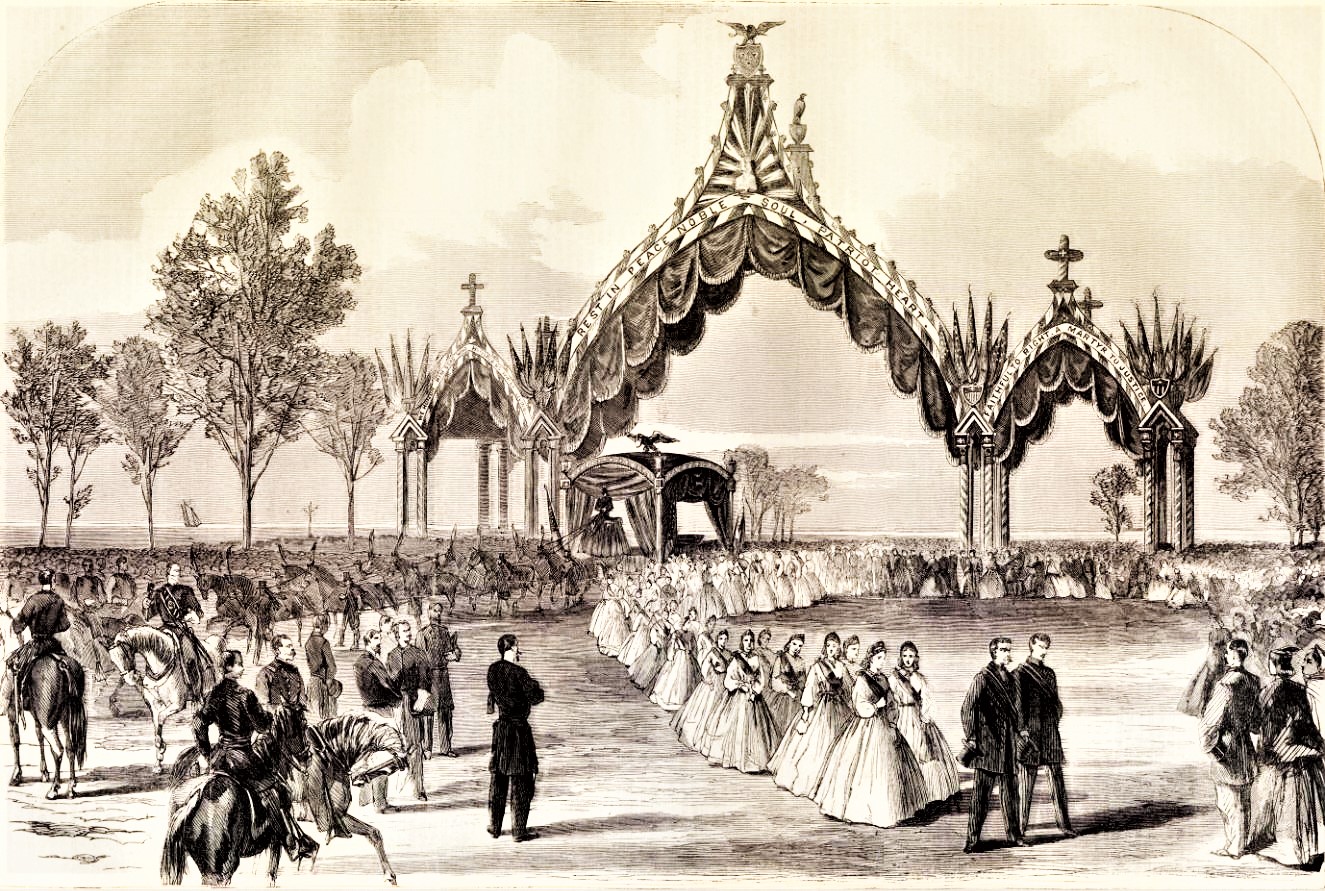
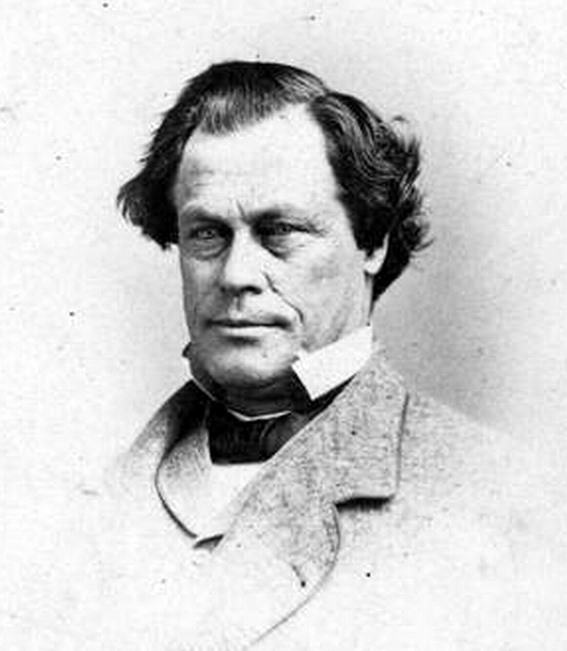
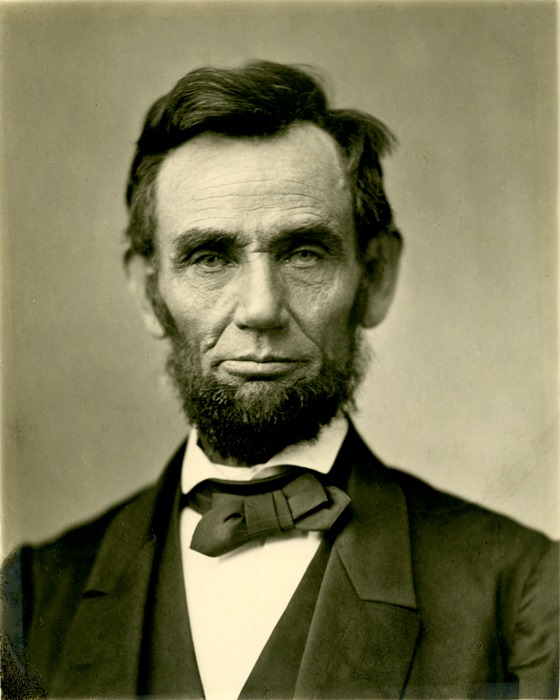
The Ridge Historical Society is wrapping up Presidents Day with a look at some of the connections between Abraham Lincoln and the Ridge.
The Illinois slogan is "Land of Lincoln." Although Lincoln was born in Kentucky in 1809 and spent much of his youth in Indiana, it was in Illinois, where he moved in 1830, that he became a self-taught lawyer practicing out of Springfield, became active in politics, and was elected the 16th President of the United States in 1860. He was assassinated in 1865, and his remains were brought back to Illinois for burial.
Lincoln traveled the legal circuit on his horse, Old Bob. With certainty, he rode through the Ridge on the Vincennes Trail on his many trips to Chicago. He came to Chicago often for legal business, social interaction, and most importantly, politics.
Three of the people from the Ridge that were in Lincoln’s circle were Ebenezer Peck, Austin Wiswall and Charles Ten Broeke. See the accompanying pictures for their connections.
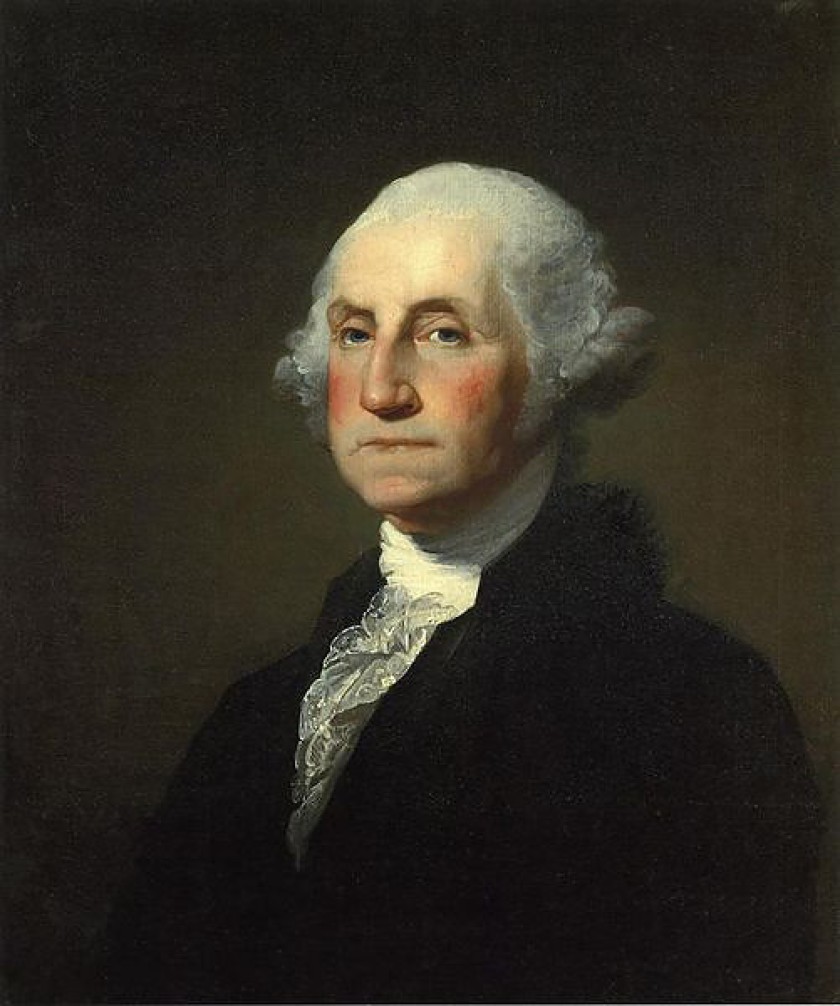
Presidents Day (no punctuation according to the Associated Press Stylebook) falls on Monday, February 17, 2020. This is a confusing holiday, known by different names and even celebrating different events in different states. In fact, a federal holiday by this name doesn’t even exist – it’s really Washington’s Birthday by federal law.
The day started as a recognition of the birthday of George Washington, the first President of the U.S. But even that is confusing. Washington’s birth date in 1731 was February 11, under the Julian calendar recognized by the British Empire at the time.
The Julian calendar goes way back to Julius Caesar in ancient Rome. In 1582, Pope Gregory XIII came up with a new calendar, realigning days and months. It’s all complicated with astronomical solstices and equinoxes and leap days that we won’t go into here. The important thing to know is that a date on the Julian calendar is typically 13 days earlier than the Gregorian one.
With time, most countries switched over to the Gregorian calendar, including Great Britain, in 1752. Wednesday, September 2 was followed by Thursday, September 14. For a while, dates in both calendars were given, making things confusing historically.
Going back to 1731, it was determined that Washington’s birthday would have been February 22 under the Gregorian calendar, and that is the date we go by now. In 1879, the U.S. Congress enacted a federal holiday on February 22 to honor Washington. This stood until the Uniform Monday Holiday Act of 1971, which standardized some holidays to create three-day week-ends. Washington’s Birthday was moved to the third Monday in February, which means it will always fall between February 15 and 21, and never on his actual birthday no matter what calendar you use.
Now, to complicate matters further, Abraham Lincoln’s birthday is February 12. It was always this date as he was born in 1809 after the Gregorian calendar was adopted. In Illinois, the “Land of Lincoln,” this is an important date – he is our main man, presidentially speaking. His birthday was never a federal holiday but some states, including Illinois, recognized it.
It was proposed at various times to establish some kind of official Presidents Day to recognize all men who have served in that office but such a federal day has never been established. The term Presidents Day started to be used in the mid-1980s, due to advertisers. It’s a popular day for sales.
It is entirely a state or popular edict as to how to term and celebrate the day. As it falls between Lincoln’s and Washington’s birthdays, about half the states use the day to celebrate both Presidents. But not all states do this – in Alabama, the day celebrates Washington and Thomas Jefferson, whose birthday is April 13. In Massachusetts, they recognize Washington’s Birthday in February, then have Presidents Day on May 29, the birthday of John F. Kennedy.
In Illinois, we recognize February 12 as a state holiday for Lincoln and the third Monday is officially Washington’s Birthday, and it is a federal holiday – federal offices and many schools are closed, there is no mail delivery, etc.
But popularly, the day is known as Presidents Day, and we celebrate both Washington and Lincoln.
Tomorrow, we will review some of the Ridge’s connections to Lincoln.
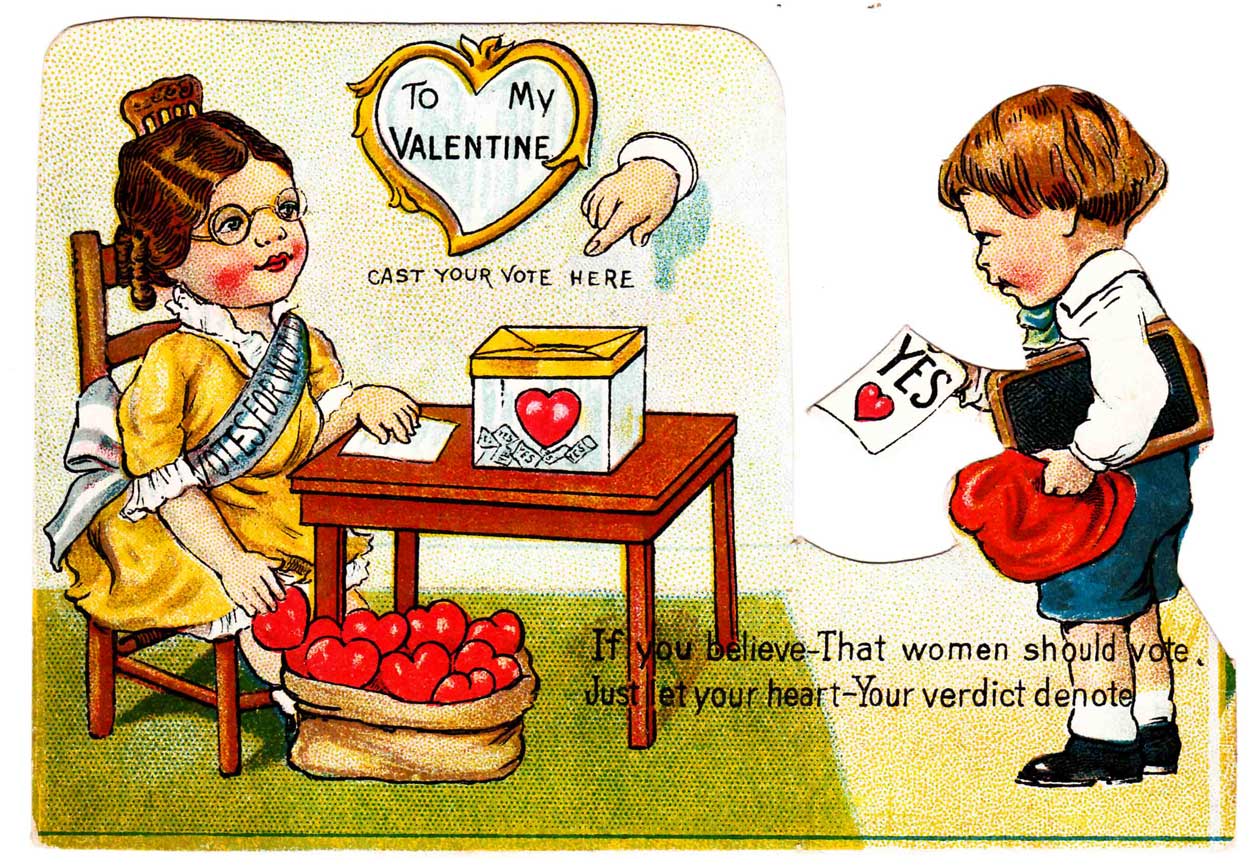
On Valentine’s Day, February 14, we celebrate romance and love. It is one of the oldest holidays we recognize.
The origins of the day go back to the folklore about several saints named Valentine. One was St. Valentine of Rome, believed to have been martyred in AD 269 for ministering to early Christians and performing marriages for Roman soldiers forbidden to marry.
Another is Valentine of Terni, again, an early Christian who was martyred. The Catholic Encyclopedia includes a third Valentine, of whom little in known except he was martyred in Africa.
The feast day of St. Valentine was set as February 14 in AD 496 because it is believed to be the date St. Valentine of Rome was martyred and buried. Because of the unknown history, however, the Roman Catholic Church actually removed this feast day from the official calendar in 1969, relegating it to local recognition. It does remain an established feast day in some other Christian churches. It is not a public holiday in any country.
The idea of associating the day with courtly love became popular in England in the 14th century thanks to poet Geoffrey Chaucer and his circle. By the 1800s, presenting flowers, candy and greetings of affection, particularly poetry, were common practice. Mass-produced valentines have been around since about 1850 in the U.S.
The U.S. greeting card industry estimates about 190 million valentines are sent each year, about half from children. If you add in homemade valentines, the number one recipient is teachers. No surprise, Valentine’s Day is a major day for gift buying – the flower, candy and jewelry businesses do particularly well.
Also as no surprise, valentines have incorporated political and other messages depending on the times. This little gem from about 100 years ago incorporates a pro-woman suffrage message in it. In 1920, the 19th Amendment to the U.S. Constitution was ratified, granting women the right to vote.
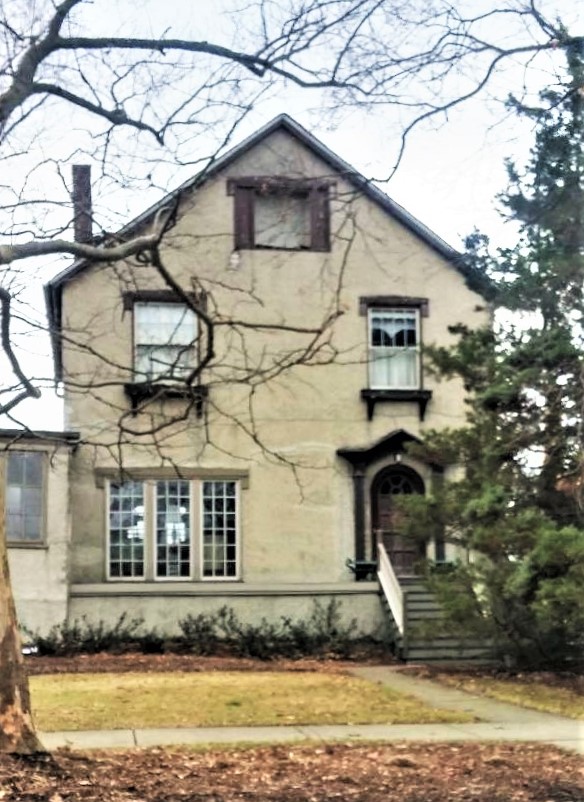
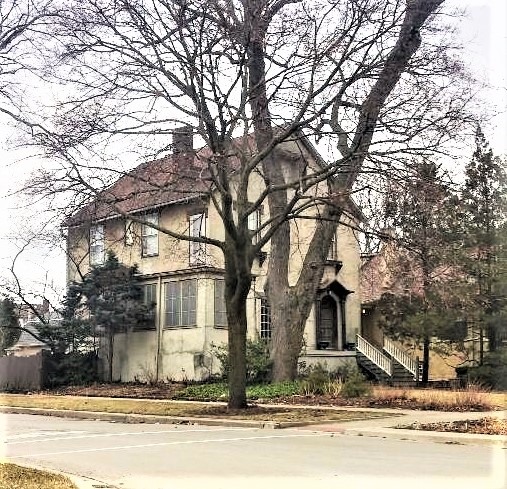
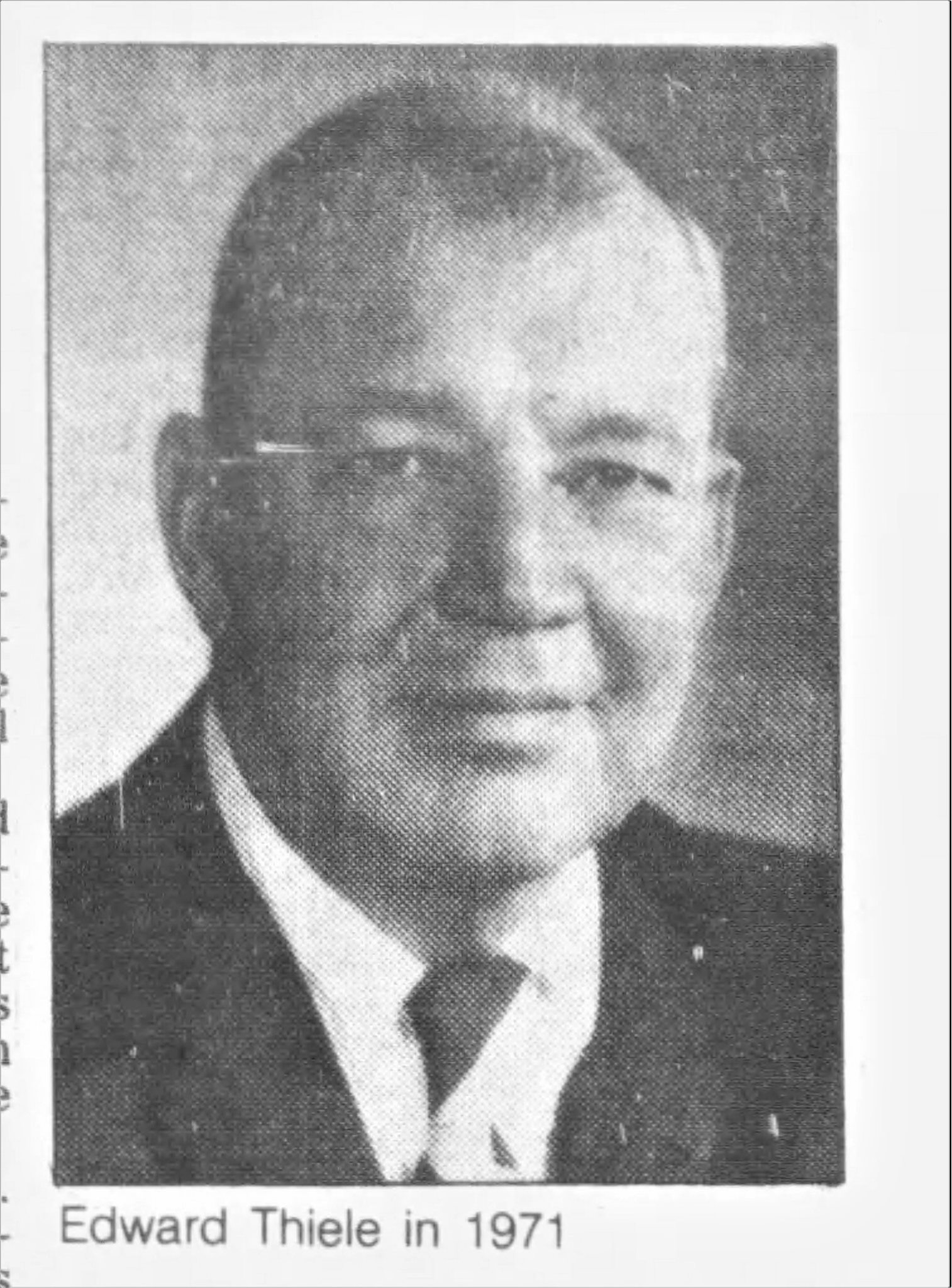
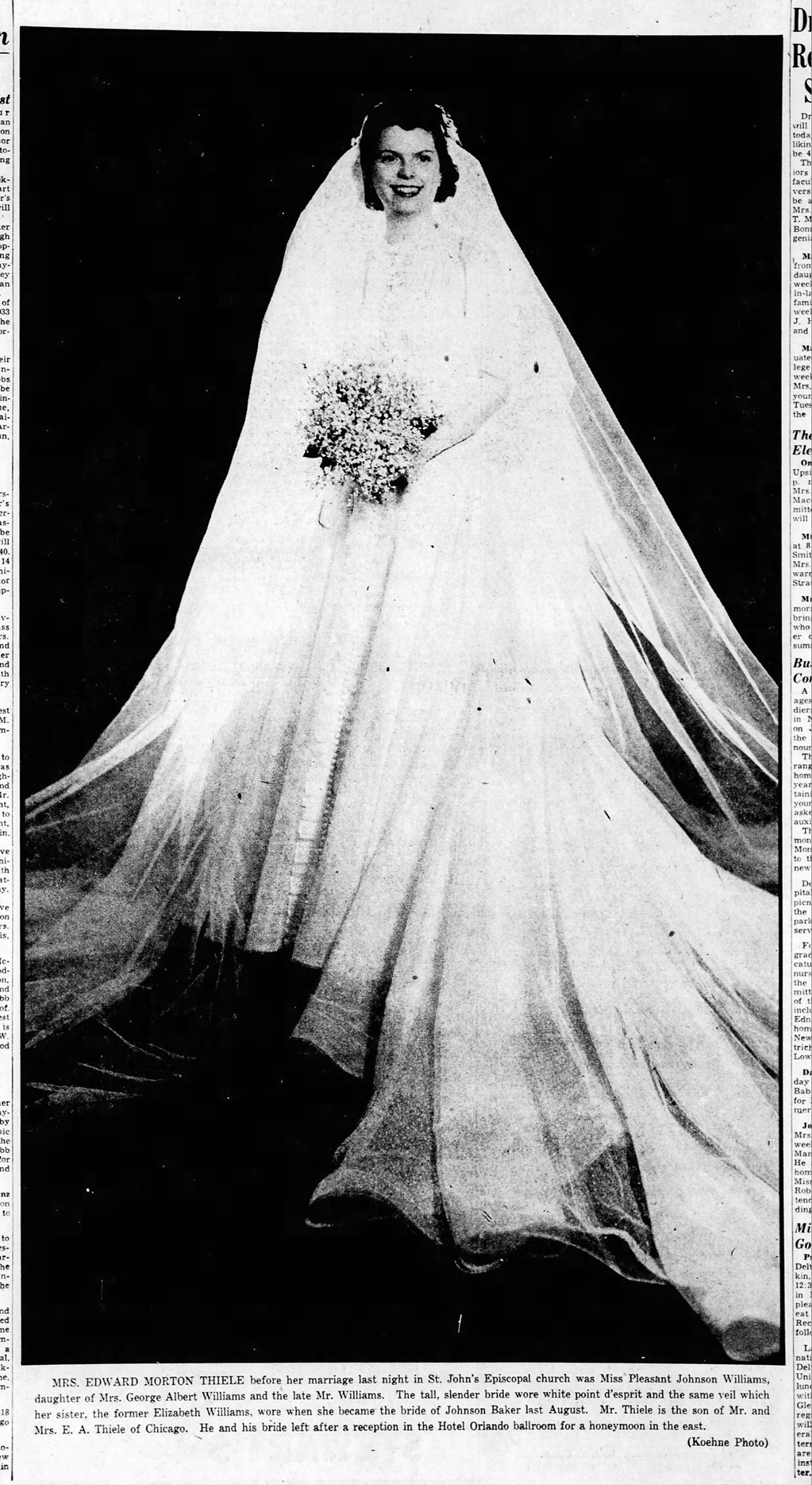
The Ridge Historical Society has to start over with the post about Pleasant Thiele Rowland’s connection to the Ridge. Ms. Rowland, of course, is the founder/inventor of the American Girl line of dolls. RHS recently received a donation of five of the original historical-time-period dolls that we will be using in a new exhibit premiering for the public on March 1, “Real American Girls of the Ridge,” which will pair the dolls with real women connected to the Ridge from the same time periods.
We reported that Pleasant’s grandparents lived in Beverly and her father spent his teen-age and young adult years here, and that Pleasant spent a lot of time with her paternal grandmother. All this is true.
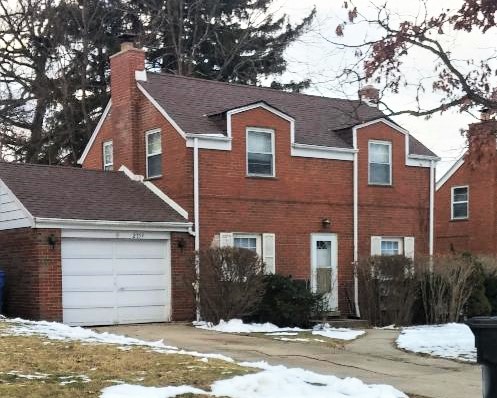
But we have now discovered that Pleasant herself, with her parents of course, lived in West Beverly, from around 1947 to 1951, at 2754 West 108th Street.
This is the story: Edward August and Maude Daugherty Thiele, and their children, Edward Morton, William Harrison and Barbara Claire, moved to 9556 South Winchester Avenue during the 1920s.
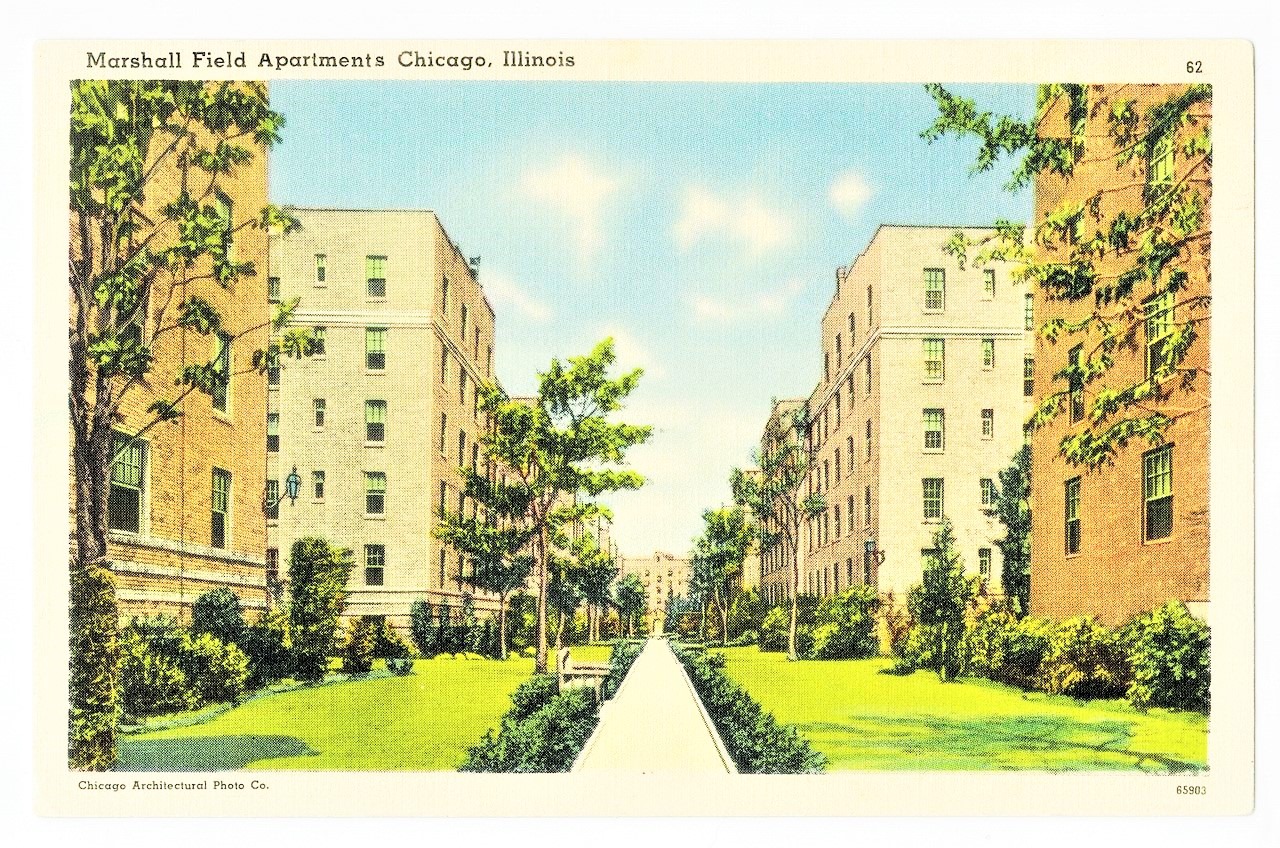
On June 2, 1940, son Edward Morton Thiele, 26, still living on Winchester Ave. with his folks, married Pleasant Johnson Williams of Decatur, Illinois. The new bride, known as “Petty,” was the daughter of Mr. and Mrs. George A. Williams, a socially prominent family in Decatur. We’ll call Edward Morton “E. M.” and his wife “Petty” from now on because the duplicate family names get confusing. The newspaper reported that after a honeymoon in the East, the couple would live in the Marshall Field apartments in Chicago.
On March 8, 1941, E. M. and Petty welcomed their first child, daughter Pleasant Williams Thiele.
In 1942, on his World War II draft registration, E.M. listed his address as 1373 N. Hudson, Chicago, which is part of the Marshall Field Garden Apartments.
In the late 1940s, E.M., Petty and family are listed as living at 2754 West 108th Street. This house was built in 1947 and was put up for sale in 1951.
E.M. was a rising star in the advertising industry. He joined the Chicago-based advertising firm Leo Burnet Co., Inc. in 1951 and rose to president 10 years later. Some of the famous marketing campaigns from his era include the Marlborough Man, the Jolly Green Giant, and the slogan, “When you’re out of Schlitz, you’re out of beer.”
In 1951, when daughter Pleasant was 10 years old, E.M., Petty and family moved to the well-to-do far North Shore community of Bannockburn, Illinois. They maintained connections to Beverly through family and friends.
In 1969, Edward August and Maude Thiele sold the Winchester Ave. house and moved to Florida. Edward August, 87, died in 1976. His obituary said he had been vice president and sales manager of Tranter Manufacturing, Inc., which was formerly Kold-Hold Manufacturing Co., with whom he was associated for 25 years. Maude, 96, died in 1986 in Palm Beach.
In 1970, E. M. became vice chairman of Leo Burnet, the position he held until 1974 when he retired. In retirement, E. M. and Petty Thiele shared their time between North Palm Beach, Florida, and a lakeside cottage in Douglas, Michigan. He died in 1982 at the age of 68. Petty died in 2010 at the age of 94.
Please read the captions with the pictures for more of the story.
Next up: Pleasant’s life as a young girl in Beverly.
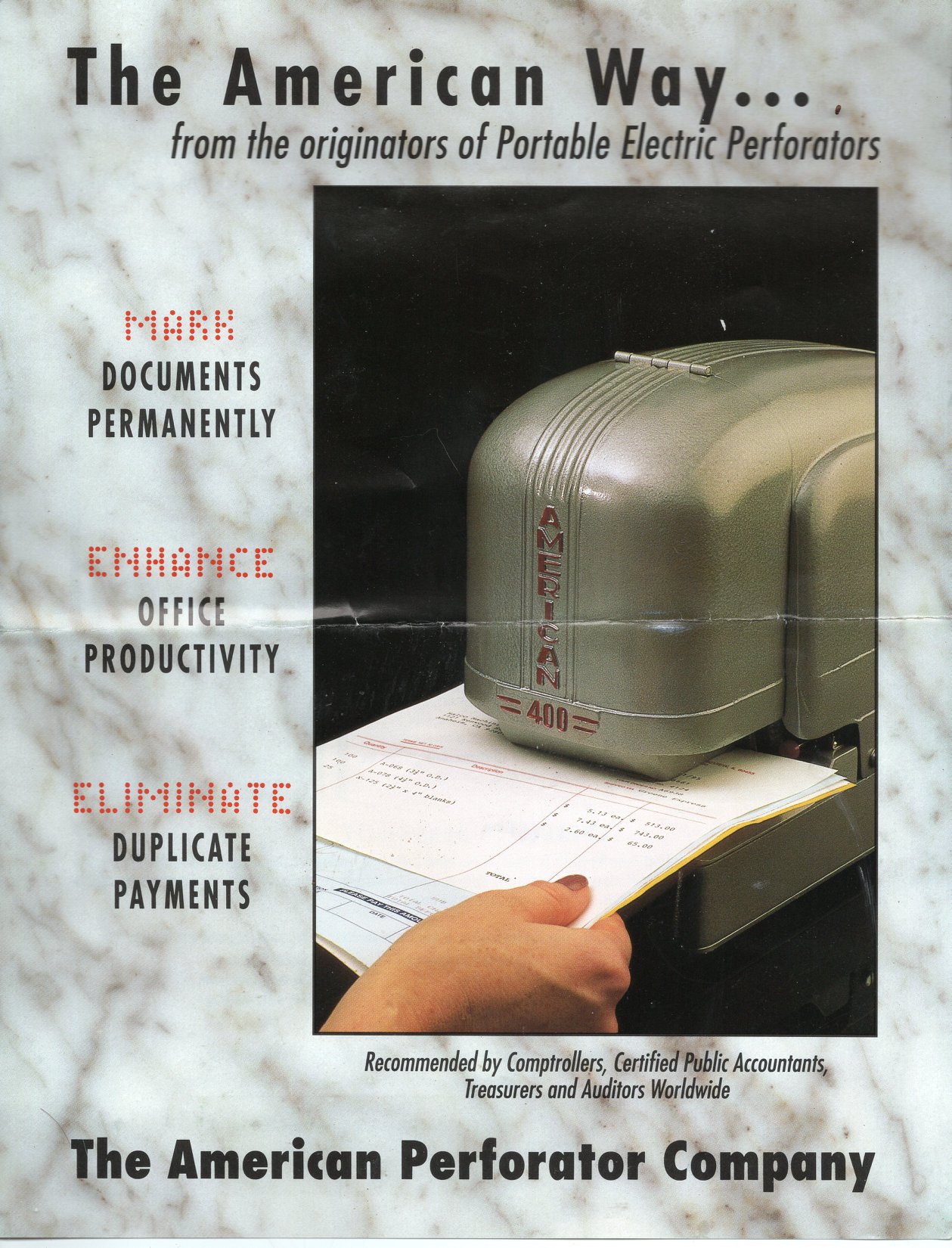
A final look at the American Perforator machine, from the company's brochure. The next time you see a perforated document – a cancelled check, a food label with a code, anything of that nature – you will know the background of the process. Great historical trivia brought to you by the Ridge Historical Society!
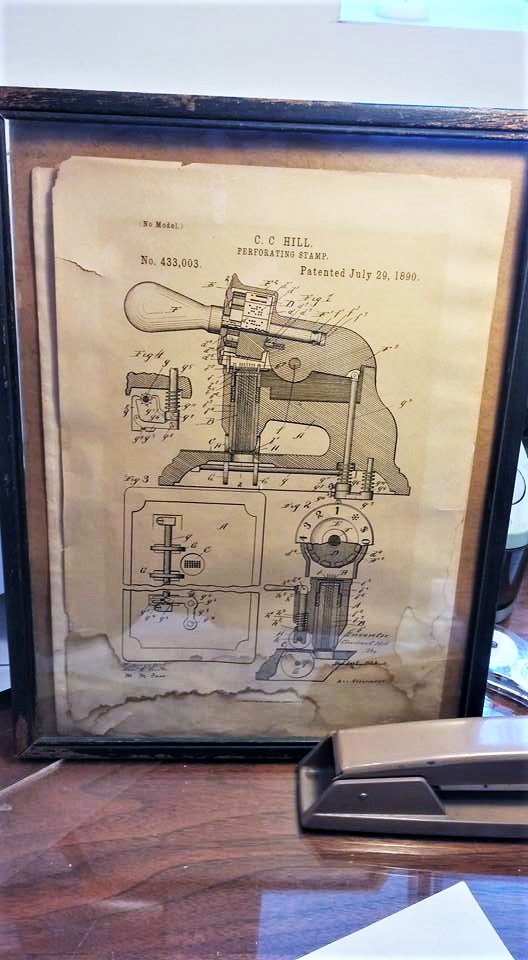
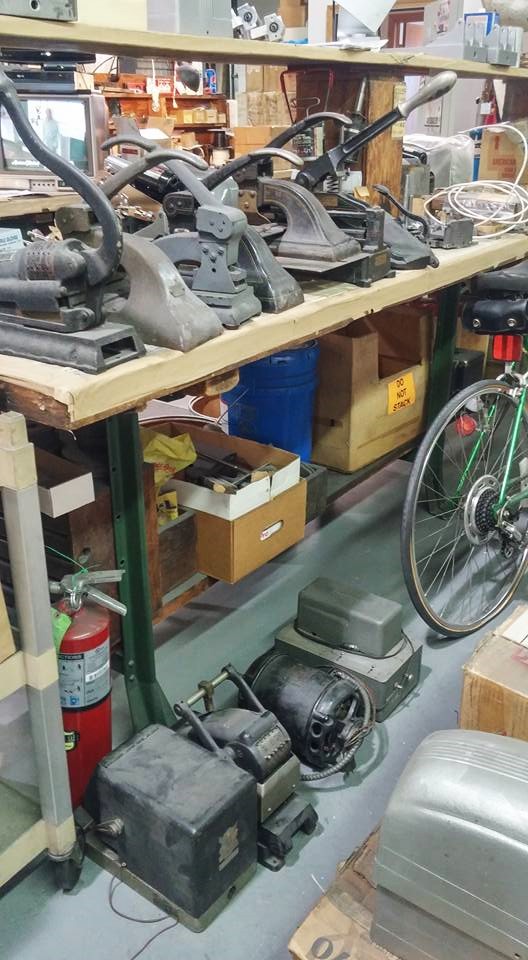
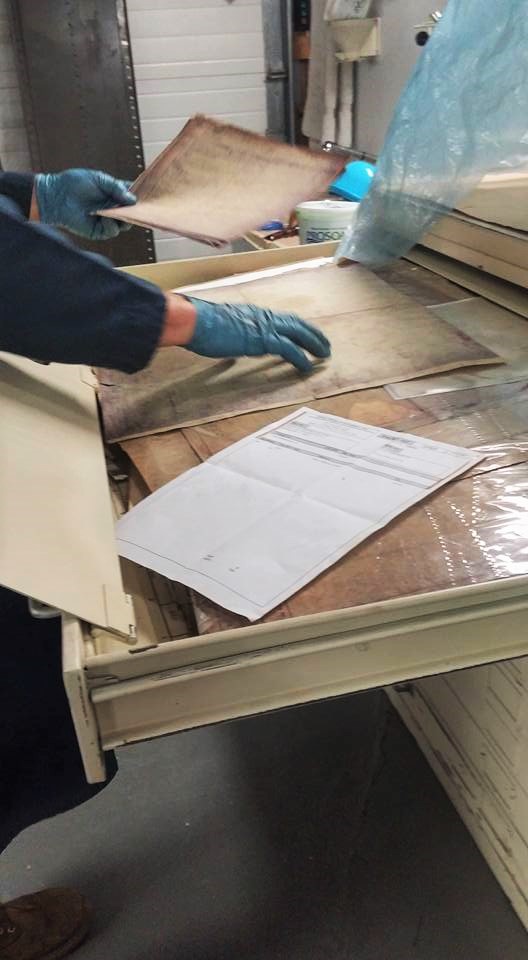
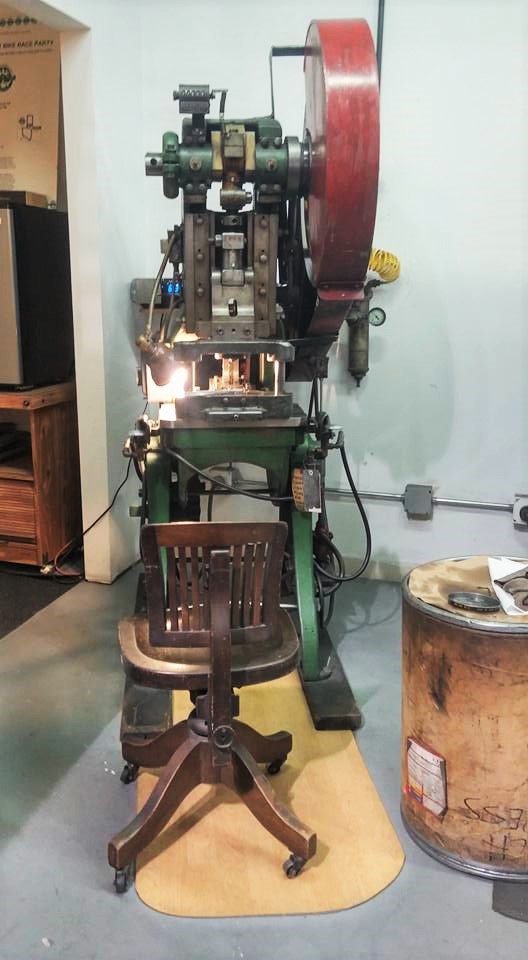
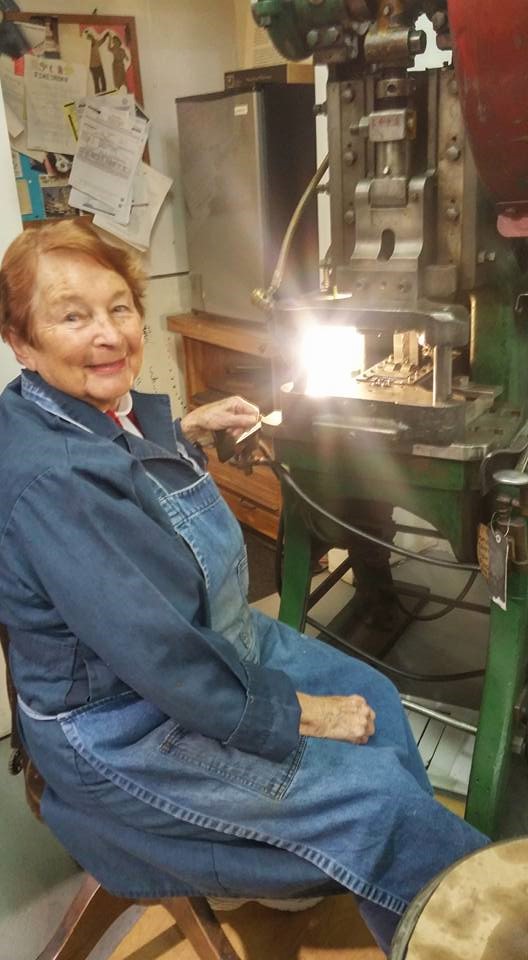
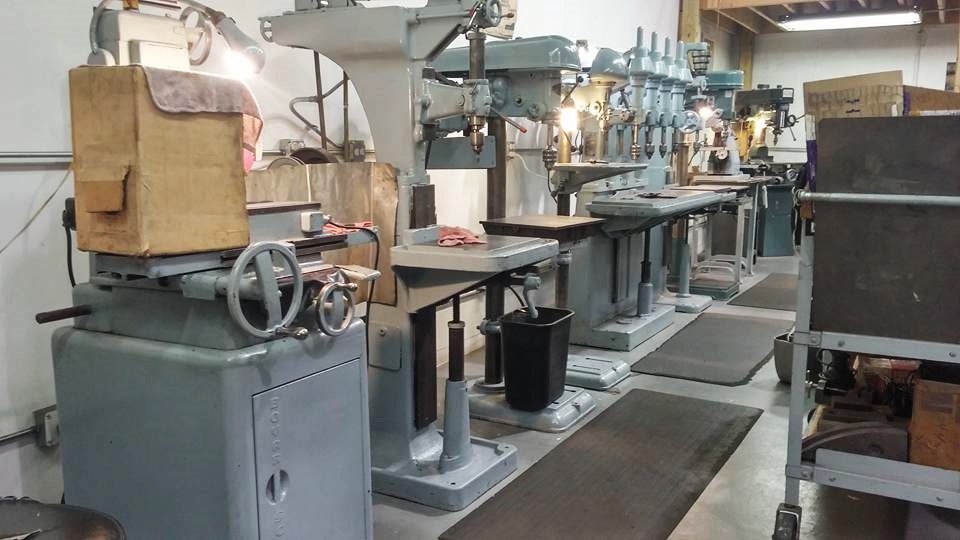

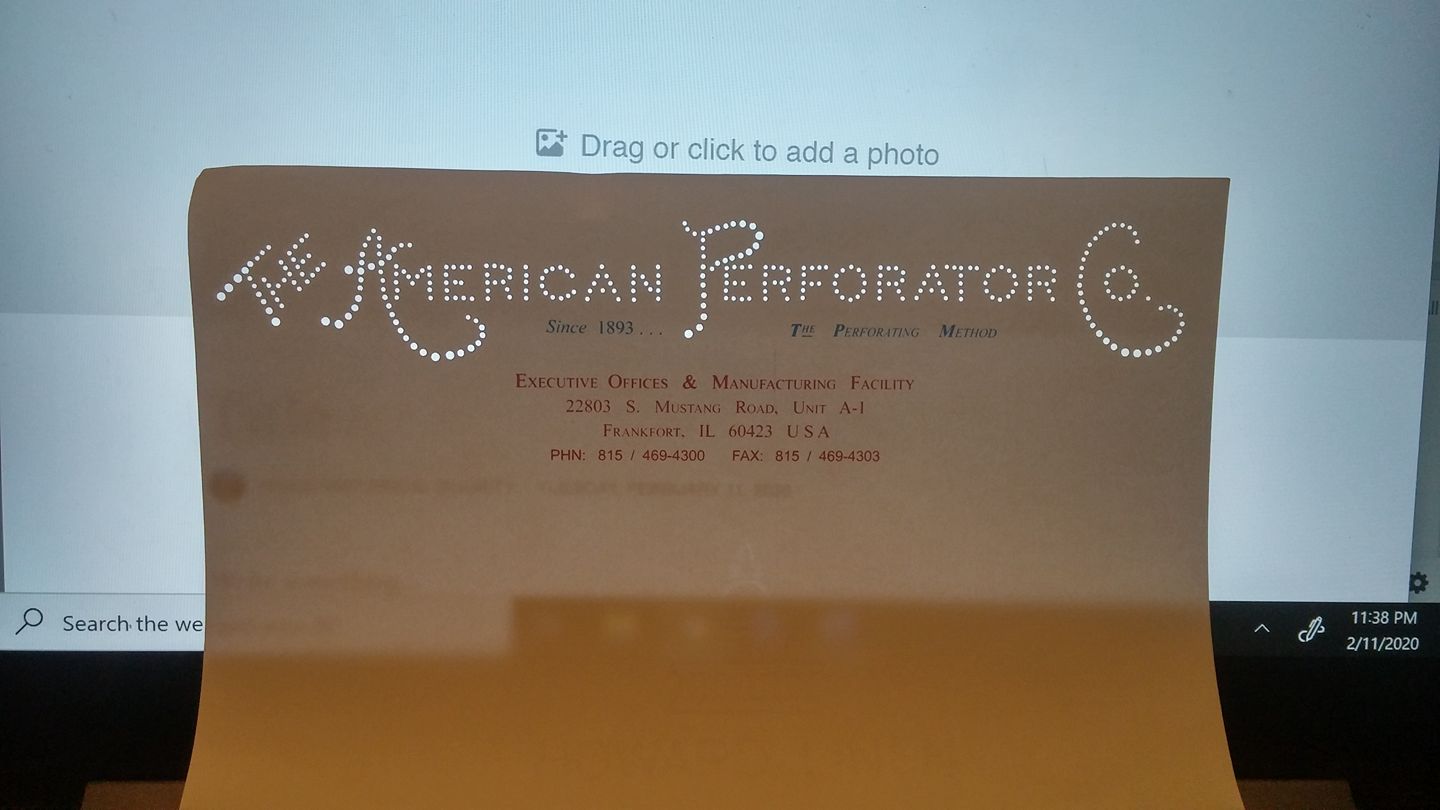
Today was the kind of field trip historians love. Ridge Historical Society folks visited The American Perforator Company in Frankfort, IL. This company started with patents in the 1890s and was incorporated in 1910. The late Carl Spencer joined the company as a salesman, and in 1960, Carl and his wife Elaine Spencer, now RHS president, bought the company. Ownership has passed to Bryan Spencer, their son.
The company makes machines that perforate, or stamp holes into, documents, checks, ID cards, X-rays, even leather and other items. The perforated message becomes a permanent, non-removable, secure identifying mark on the document. Typical messages include date stamps and status of the document – paid, voided, approved, etc. The perforations might be used to cancel a document, for example, to invalidate an ID or cancel a credit card. These machines have been purchased through the years by many businesses, government agencies, universities, hospitals, etc., from all around the world.
Visiting this company that has been in continuous business for about 130 years is like walking into a little working museum for the Second Industrial Revolution. This is the term used for the "technological revolution" of the late 1800s – early 1900s, marked by innovations in manufacturing. An important part of this revolution was the increased use of machine tools to produce standardized, precise parts. Numerous inventions were patented during these years – such as machines that could perforate.
This visit came about because Elaine Spencer's life story will be used as part of the upcoming "Real American Girls of the Ridge" exhibit. RHS received a donation of five original American Girl dolls from the historical series. This exhibit will pair the dolls with real people connected to the Ridge from the same time periods. Elaine was a youngster during World War II and her story will be paired with that of the Molly doll.
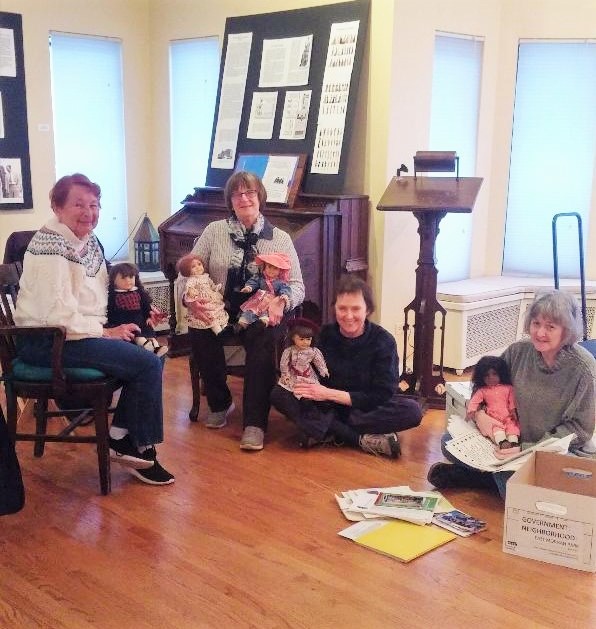
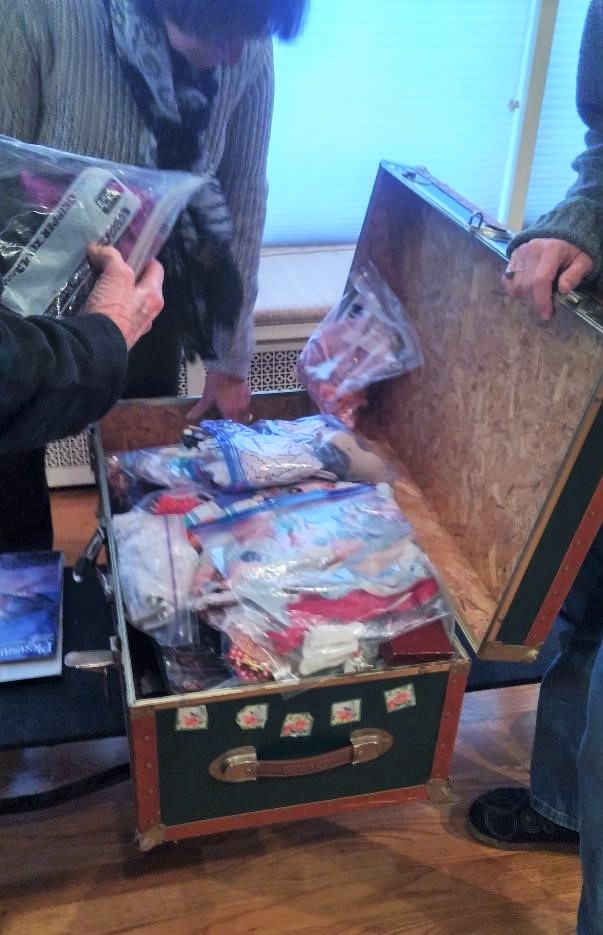
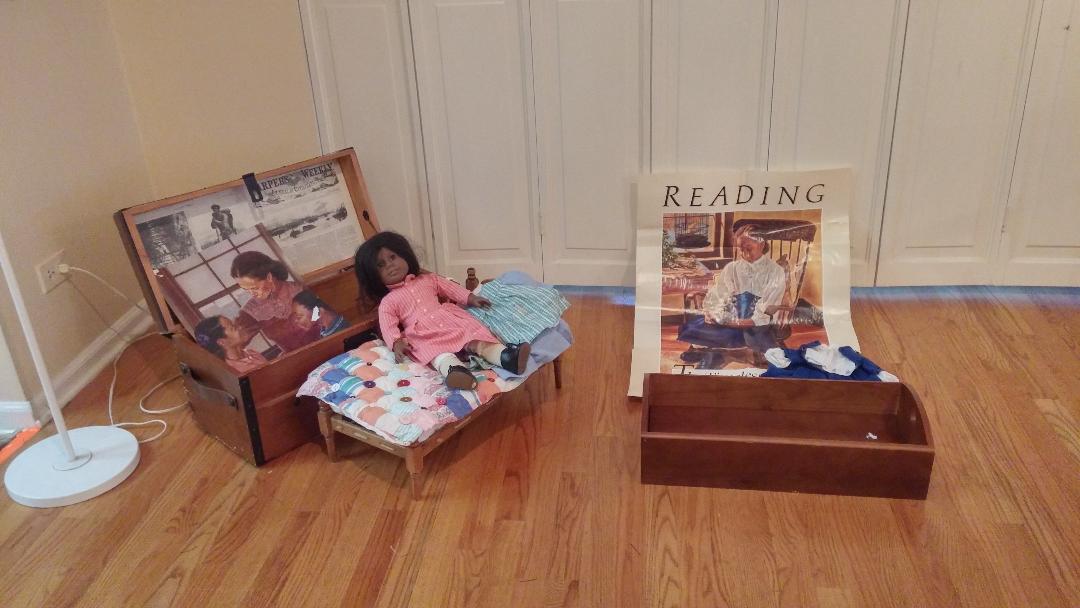
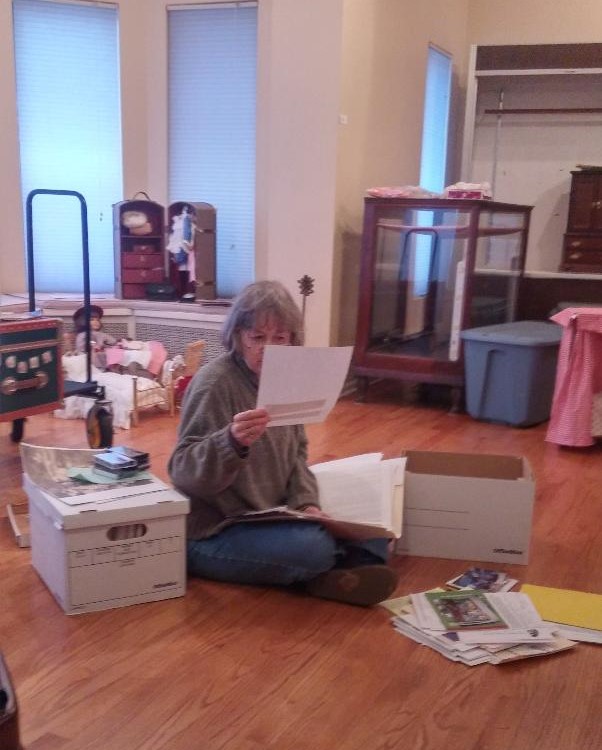
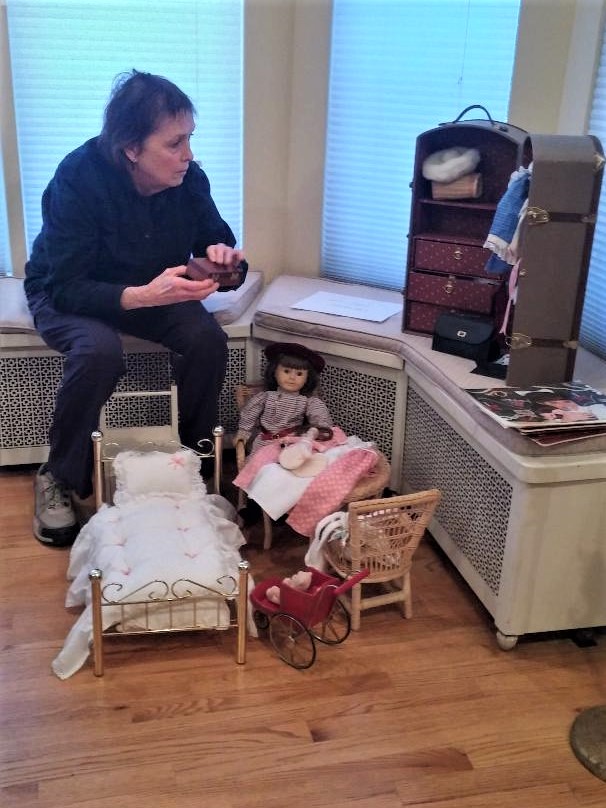
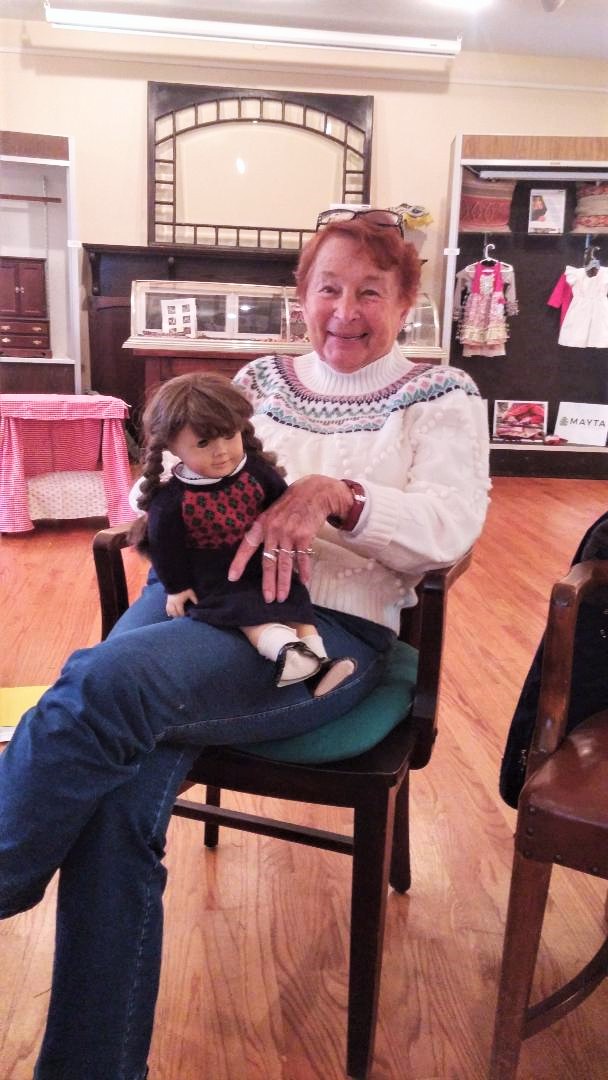
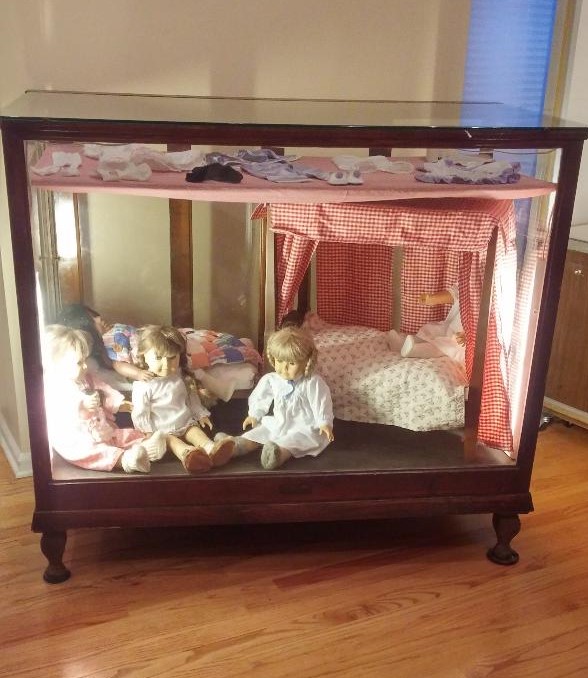
Today the Ridge Historical Society revealed a recent donation and plans for a new exhibit. Beverly resident Joan Regnier O'Connor has donated her family's collection of five original American Girl dolls and numerous furniture items and accessories.
The American Girl dolls, of course, are a well known and beloved phenomenon. They are a line of 18-inch dolls first introduced in 1986 by the Pleasant Company, founded by Pleasant Rowland. The original dolls focused on various periods of American history, with accompanying books told from the viewpoint of the girls. Rowland sold the company to Mattel in 1998.
Joan began collecting the dolls with her daughters Michelle and Christina, who are now in their 30s. They first got interested in the dolls thanks to Joan's mother-in-law, the late Grace O'Connor, who was a children's librarian in Beverly and Mt. Greenwood. Grace shared the books with her daughter-in-law and granddaughters. She used to hold parties for the dolls at the libraries.
Joining the RHS collection are Felicity from the Colonial period, Kirsten the Pioneer girl, Addy from the Civil War era, Samantha from late Victorian times, and Molly from World War II.
RHS will be showcasing the dolls in a new exhibit, "Real American Girls of the Ridge." Three of the dolls, Addy, Samantha and Molly, will be paired with stories of actual girls who grew up connected to the Ridge communities during the appropriate time periods.
Addy will be paired with the story of the late Cornelia Reeves, an ex-slave who settled in Morgan Park in 1885-86. Her descendants are believed to still be in the area and RHS Historian Linda Lamberty, the Curator for this exhibit, is tracking them down for the story.
Samantha will be paired with the late Margaret Gear Lawrence who grew up on the Ridge around 1900. Margaret became very active with the new Girl Scouts organization founded in 1912. RHS Board Secretary Carol Macola, also very active with the Girl Scouts, will help with this exhibit entry.
Molly will be paired with Elaine Spencer, RHS President, who grew up on the Ridge during World War II. Elaine will share first-hand stories of life in the early 1940s during the turbulent war years.
Pleasant Rowland, the "inventor" of the American Girl dolls, has a strong connection to the Ridge. Her paternal grandparents lived at 96th and Winchester and her father spent his formative years here.
All of these stories will be shared in upcoming Facebook posts.
The soft opening for the "Real American Girls of the Ridge" exhibit will be at the annual meeting of RHS members on February 23rd. The following Sunday, March 1, at 2:00 p.m. will be the free grand opening reception for the public at RHS. The exhibit will run through the summer. Watch this page for more information.